
¤ 7 minutes Read
Tirthan Valley - Places to Visit, Things to Do & Travel Guide
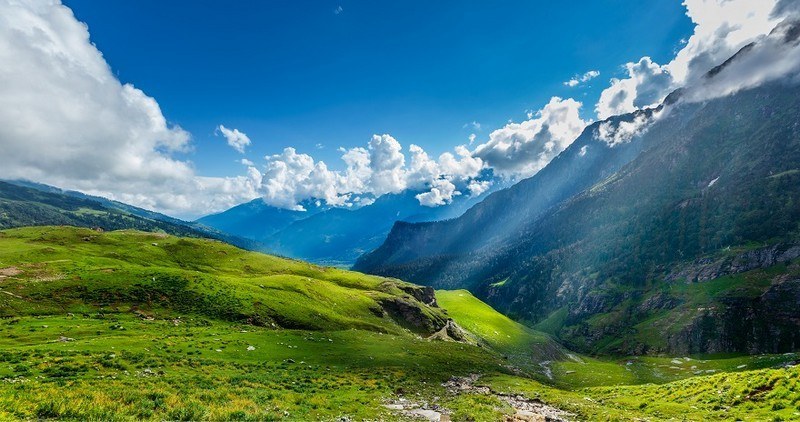
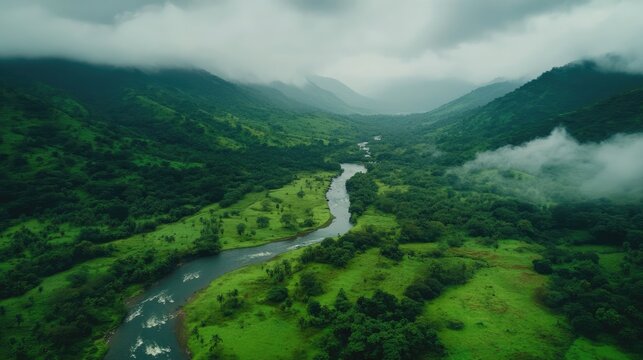
Tucked into the mountains of Himachal Pradesh’s Kullu district, Tirthan Valley is known for its clear river, forested slopes and small villages scattered along the hillsides. Unlike the busy tourist centres of Manali and Shimla, the valley has a quieter atmosphere, with homestays, riverside walks and mountain trails shaping much of the travel experience.
The Tirthan River flows through the valley, passing traditional villages, orchards and stretches of woodland. Places such as Gushaini and Nagini serve as convenient bases for exploring the area, while nearby trails lead towards the Great Himalayan National Park, a UNESCO World Heritage Site recognised for its mountain ecosystems and biodiversity.
Getting to Know Tirthan Valley
Tirthan Valley is part of the Banjar region in Himachal Pradesh’s Kullu district. The valley follows the Tirthan River, with villages, apple orchards, terraced fields and forested mountains spread across the surrounding landscape.
Rather than having one central tourist town, the area consists of several small settlements. Gushaini, Nagini and Banjar are among the places travellers encounter while exploring the valley. Each offers a slightly different setting, from riverside accommodation to local markets and village roads.
The valley also lies close to the Great Himalayan National Park, making it a convenient starting point for nature walks and guided treks into the protected landscape.
Location
Kullu district, Himachal Pradesh
Main River
Tirthan River
Popular Bases
Gushaini, Nagini, Banjar
Landscape
Forests, mountains and villages
Known For
Nature walks, trekking and trout fishing
Nearby Protected Area
Great Himalayan National Park
Best Places to Visit in Tirthan Valley
Tirthan Valley is best explored through its villages, riverside landscapes and nearby mountain attractions. Some places are suitable for a relaxed outing, while others involve a short hike or a longer drive.

Chhoie Waterfall
Hidden among the wooded hills near Nagini, Chhoie Waterfall is reached by a walking trail that climbs away from the main valley road. The route passes through forested sections before reaching the waterfall.
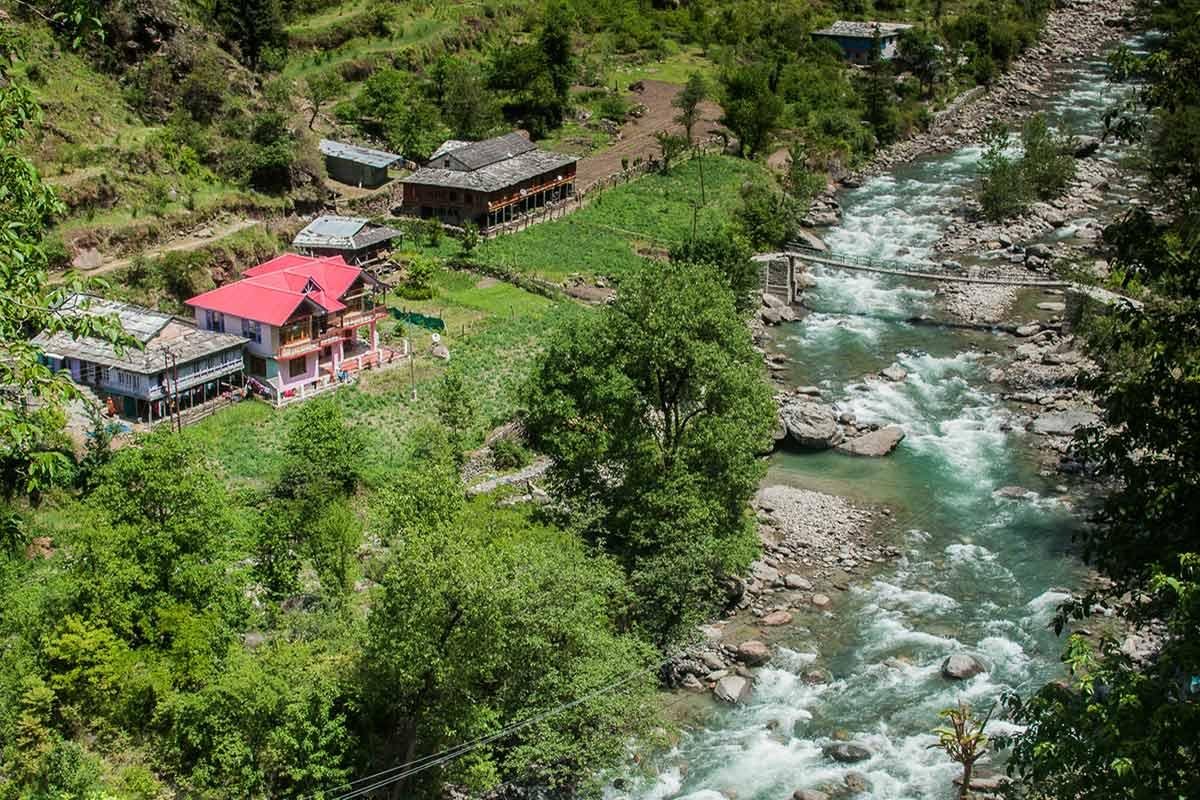
Gushaini Village
One of the main bases for exploring the upper valley. The Tirthan River runs close to the settlement, with guesthouses, village paths and mountain slopes creating a peaceful setting.
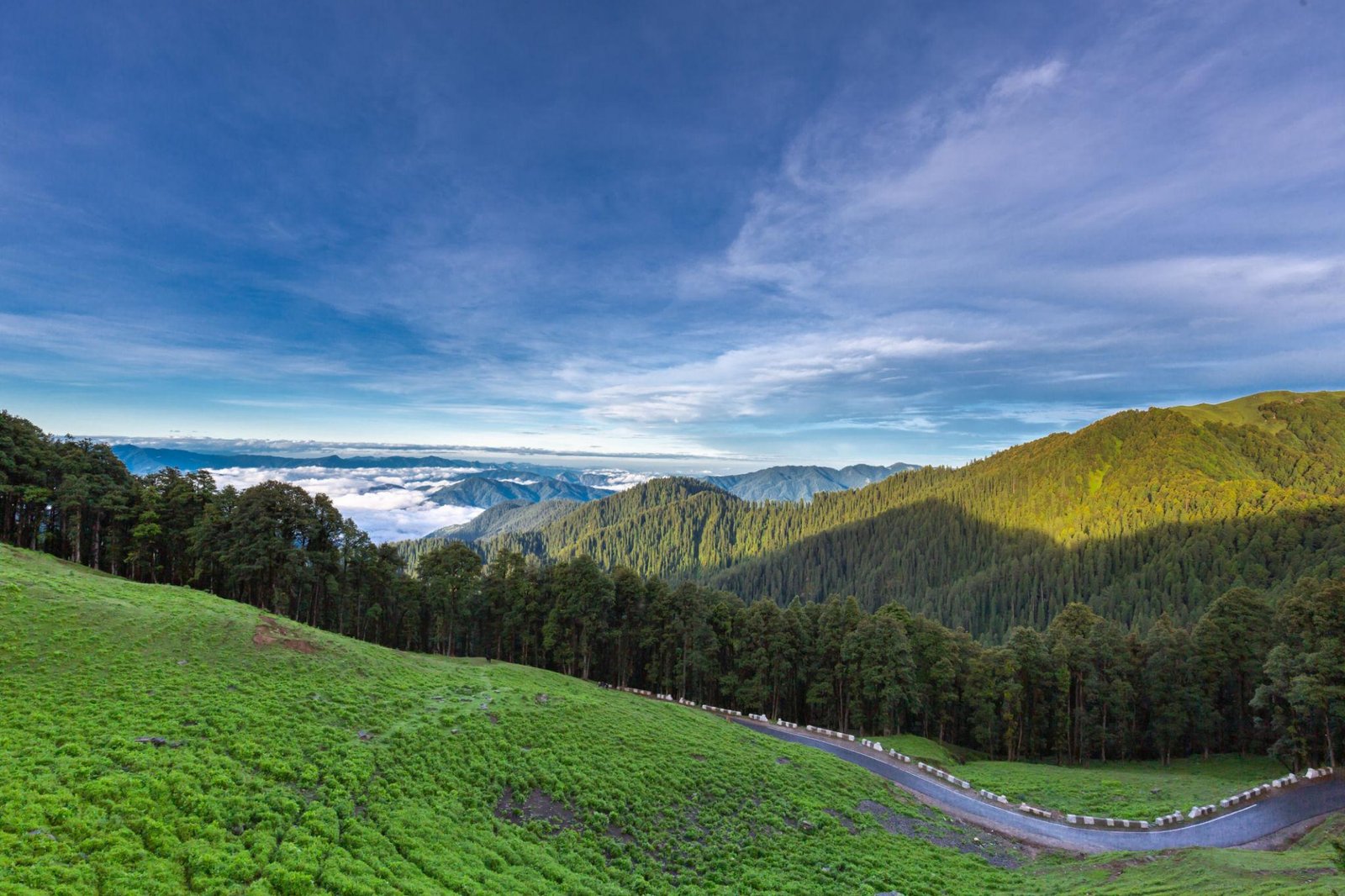
Jalori Pass
The mountains above the Banjar region and is a popular excursion from Tirthan Valley. The road climbs through villages and forest before reaching the high-altitude pass.
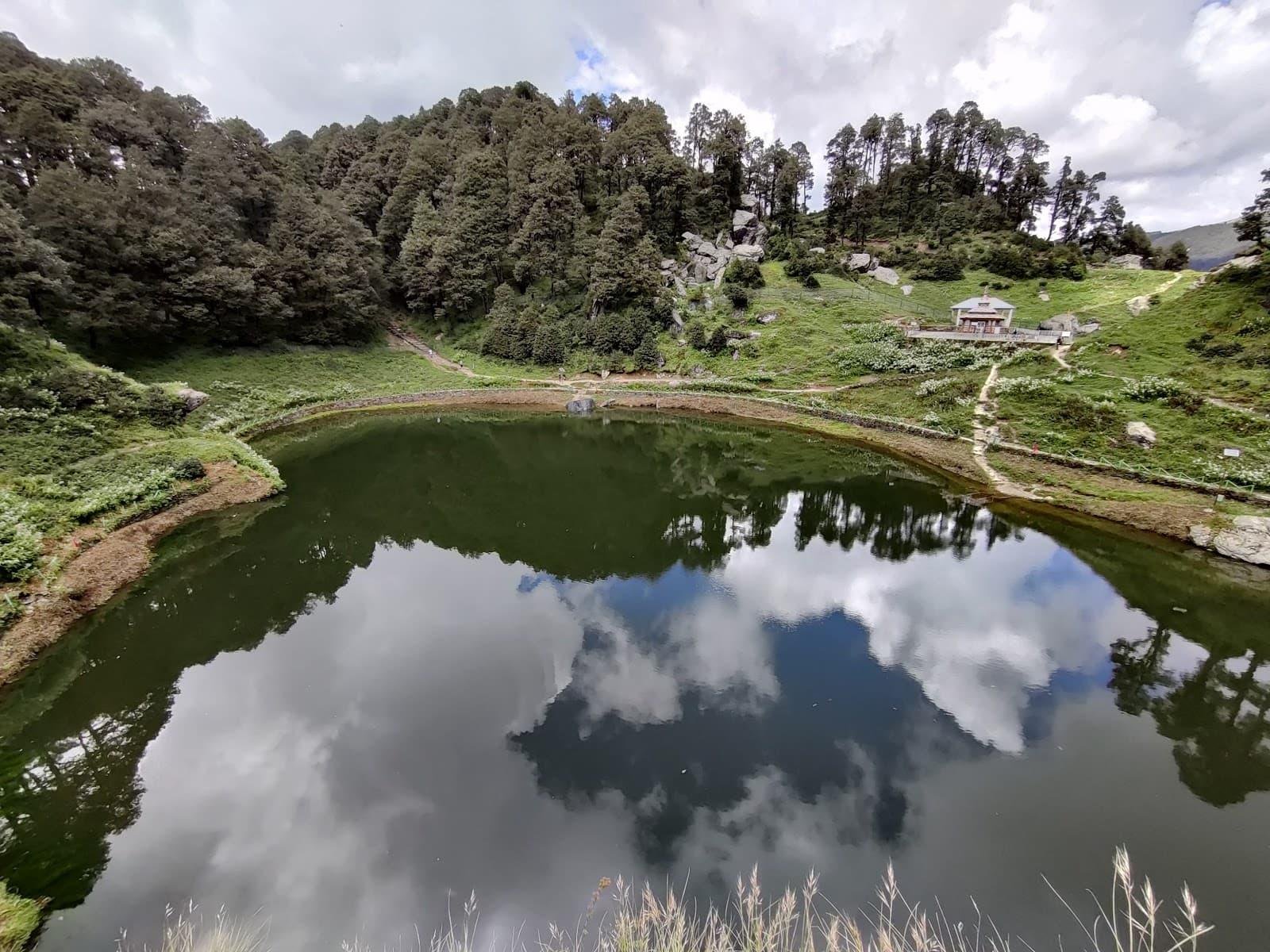
Serolsar Lake
Reached by a forest trail from Jalori Pass. Surrounded by trees, the small mountain lake has a quiet setting and is associated with the nearby Budhi Nagin temple.
A Few Things to Know Before Visiting Tirthan Valley
Tirthan Valley is relatively easy to explore, but travelling here is different from visiting a large hill station. Transport options are limited in smaller villages, weather can change quickly, and some accommodation properties are reached by narrow paths rather than roads.
Mobile Network and Internet
Mobile coverage varies across the valley. Connections may work reasonably well around larger settlements but become unreliable on forest trails and in remote accommodation. Download offline maps before setting out.
Cash and Payments
Carry some cash for local transport, small shops and village purchases. Digital payments may be available, but they depend on internet connectivity. Don’t rely entirely on finding an ATM near your homestay.
Clothing and Footwear
Pack layers even during warmer months, as evenings can be cool. Comfortable walking shoes with a good grip are useful on village paths and forest trails. A lightweight rain jacket is worth carrying outside the winter season.
River and Trail Safety
Avoid swimming in unfamiliar sections of the Tirthan River. Cold water, strong currents and slippery rocks can be dangerous even when the river appears calm. For longer hikes, inform your host about your route and expected return.
Best Time to Visit Tirthan Valley
The best time to visit Tirthan Valley depends on the kind of trip you have in mind. Spring and autumn generally offer comfortable conditions for sightseeing and outdoor activities, while summer brings greener landscapes and a pleasant escape from the heat of the plains.
For most first-time visitors, April to June and October to early November are sensible periods to plan a trip. These months generally provide a better balance of comfortable weather and opportunities to explore the valley.
Is Tirthan Valley Worth Visiting?
A good choice if you enjoy quiet mountain surroundings, small villages and spending time outdoors without a packed sightseeing schedule. Its appeal lies in simple experiences: walking along a forest path, enjoying a home-cooked meal or spending an unhurried afternoon near the river.
However, it may not suit travellers expecting busy markets, extensive nightlife or the convenience of a developed hill station. Local transport is limited, and exploring some of the surrounding areas takes time and planning.
The best way to experience Tirthan Valley is to leave some room in your itinerary. Not every morning needs an early start, and not every afternoon needs another attraction. Sometimes, staying in one place long enough to appreciate the landscape is the most rewarding part of the trip.
How to Reach Tirthan Valley
Tirthan Valley is accessible by road through the Banjar region of Himachal Pradesh. Since the valley has no railway station or airport of its own, the final part of the journey involves travelling by car, taxi or local transport.
By Air
Bhuntar Airport is the closest commercial airport to the valley. From the airport, travellers can hire a taxi towards Banjar, Nagini or Gushaini. Flight availability can be limited, so check connections before planning the journey.
By Train
There is no direct railway connection to Tirthan Valley. Travellers arriving by train must continue by road, usually through Mandi and Aut. Chandigarh offers wider rail connectivity for those travelling from major Indian cities.
By Bus
Buses travelling towards Kullu or Manali may provide a connection to Aut. From there, onward transport towards Banjar and the valley depends on local bus schedules and taxi availability. Confirm the drop-off point before booking an overnight bus.
By Car or Taxi
Driving offers greater flexibility, especially when staying in smaller villages away from the main road. The final stretches include narrow mountain roads, so daylight travel is preferable for unfamiliar drivers.
Conclusion
Tirthan Valley is best enjoyed without a crowded itinerary. Its riverside villages, forest trails and mountain scenery offer plenty to experience, but the quieter moments often leave the strongest impression. A few days here allow enough time to explore the surrounding landscape, enjoy local hospitality and discover a different side of Himachal Pradesh. With a comfortable homestay as your base and a little flexibility in your plans, Tirthan Valley makes for a refreshing mountain getaway.
Explore Himachal Pradesh
Varanasi Blogs
- Uttar Pradesh Cultural guide
- Places to visit in Varanasi
- Places to visit nearby Varanasi
- India’s most popular destination
- India’s archaeological marvels
Recommended articles
- Uttar Pradesh Cultural guide
- Places to visit in Varanasi
- Places to visit nearby Varanasi
- India’s most popular destination