
¤ 8 minutes Read
Chikmagalur Travel Guide – Hills, Coffee Estates & Places to Visit
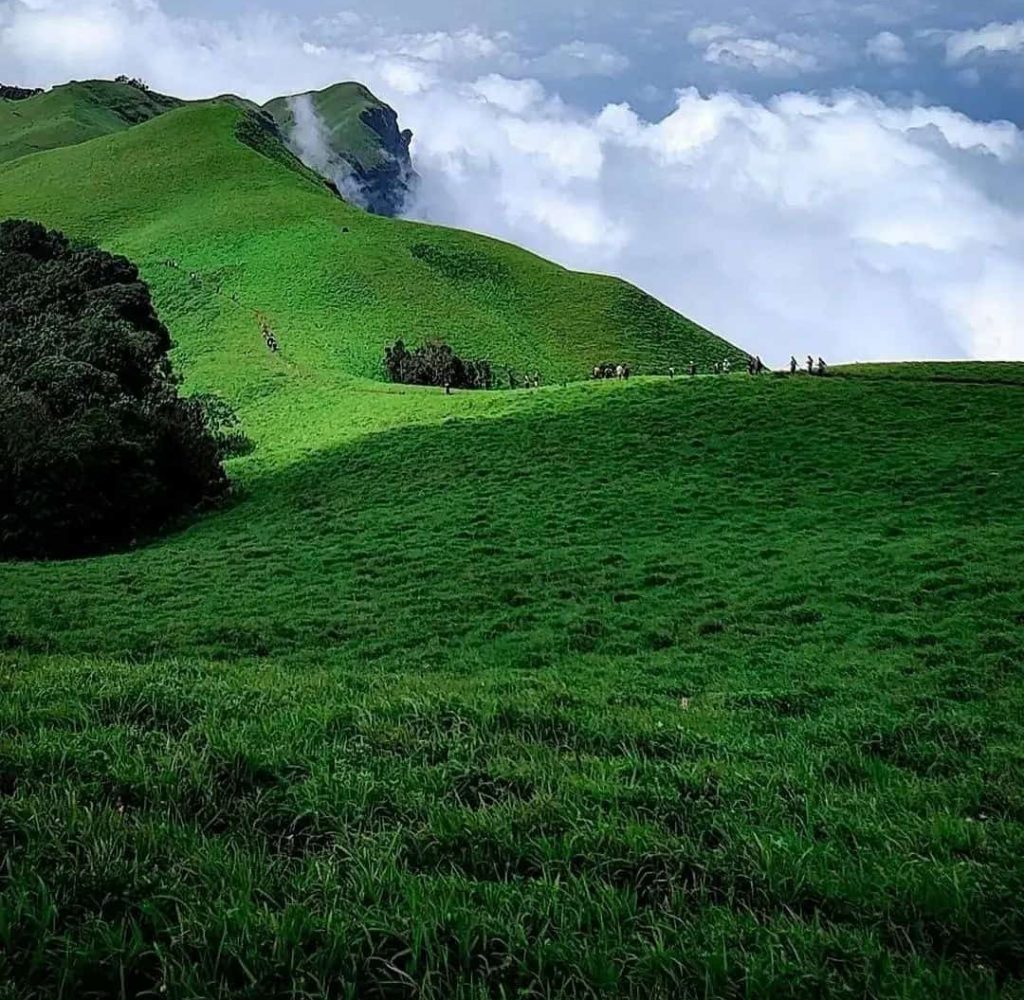
Chikmagalur, officially spelt Chikkamagaluru, is a hill district in Karnataka where mountain roads wind through coffee-growing country. The landscape changes as you travel: cultivated estates give way to forested slopes, open grasslands and waterfalls tucked into the Western Ghats. Coffee is central to the region’s identity. The surrounding hills are associated with the early introduction of coffee cultivation to India, traditionally linked to the 17th-century travels of Baba Budan. Today, plantation visits offer a closer look at how coffee is grown, processed and prepared.
Beyond the estates, the district has plenty of variety. Mullayanagiri rises to 1,930 metres, making it Karnataka’s highest peak, while the Baba Budangiri range combines mountain scenery with important religious sites. Ancient temples, forest trails and quieter rural settlements add other dimensions to a visit.
Getting to Know Chikmagalur's Different Landscapes
Chikmagalur district covers more than one kind of landscape. Understanding the differences helps you group places sensibly instead of spending your trip driving back and forth between distant attractions.

The high mountain country
Around Mullayanagiri and Baba Budangiri, winding roads climb towards exposed ridges, rocky slopes and sweeping valley views. Weather can change quickly at higher elevations, so keep some flexibility in your plans.
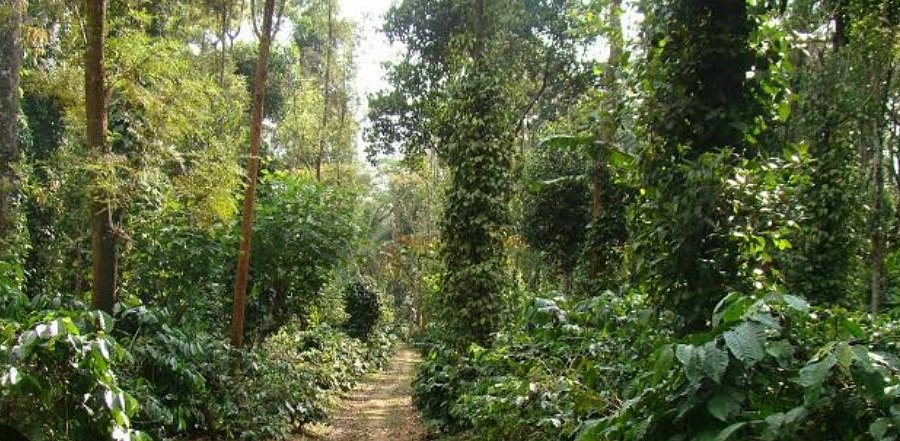
Coffee-growing countryside
Around the plantation areas, the experience is less about reaching a summit and more about seeing how the countryside works. Coffee plants grow beneath shade trees, often alongside pepper vines and other crops. Estate visits can add a slower, more local perspective to a hill-country trip.
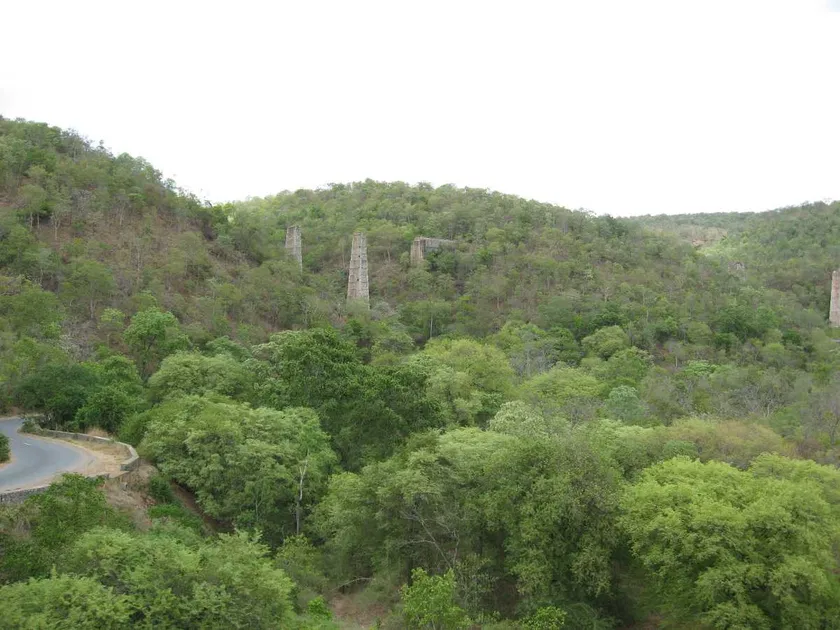
Forests, valleys and waterfalls
Further across the district, forested hills and deep valleys create a different setting. The Kudremukh region is known for its mountain scenery and protected natural landscapes, while waterfalls become especially dependent on seasonal rainfall and access conditions.
How to Reach Chikmagaluru
By Road
Travelling by road is one of the easiest ways to reach Chikmagaluru. The town is approximately 240 km from Bengaluru, 180 km from Mysuru and 150 km from Mangaluru, depending on the route. KSRTC and private buses operate services to Chikmagaluru.
By Train
Chikmagaluru has its own railway station, although direct train connections are limited. Kadur Junction, approximately 40 km away, is another option with connections to major cities. From Kadur, taxis and local buses are available to reach Chikmagaluru.
By Air
Mangaluru International Airport is one of the nearest major airports, approximately 150 km away by road. Bengaluru’s Kempegowda International Airport is another option, particularly for travellers arriving from cities with limited connections to Mangaluru.
The Mountain Drive: Mullayanagiri and Baba Budangiri
Some of Chikmagalur’s most memorable views appear along the drive, not just at the final viewpoint. The mountain route brings together exposed ridges, winding roads, small shrines and changing views of the Western Ghats.
Mullayanagiri: The summit climb
At 1,930 metres, Mullayanagiri is Karnataka’s highest peak. A road takes visitors close to the summit, followed by a climb up stone steps. At the top, look for the small Mullappa Swamy temple and the broad views across the surrounding hills.
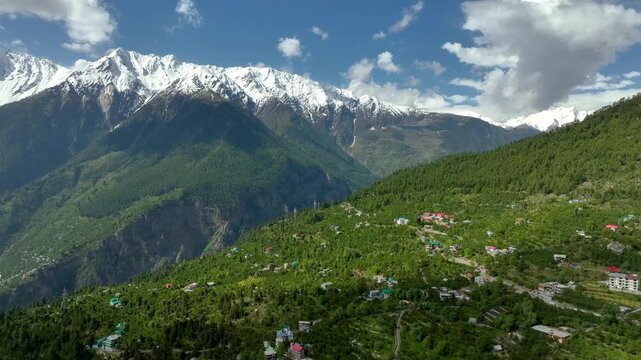
Baba Budangiri: Mountains with sacred history
The neighbouring Baba Budangiri range is known for its religious importance to both Hindu and Muslim communities. The Dattatreya Peetha and the shrine associated with Baba Budan give this mountain area a cultural significance beyond its scenery.
Chikmagalur's Coffee Story: From Seven Seeds to Hill Country Estates
Coffee is more than a drink associated with Chikmagalur. It has shaped the region’s agriculture, landscape and identity for centuries.
The story traditionally begins with Baba Budan, a Sufi saint who is believed to have brought seven coffee seeds from Yemen and planted them in the Baba Budan Giri hills during the 17th century. The account is widely repeated in Indian coffee history, although the details are part of the region’s historical tradition.
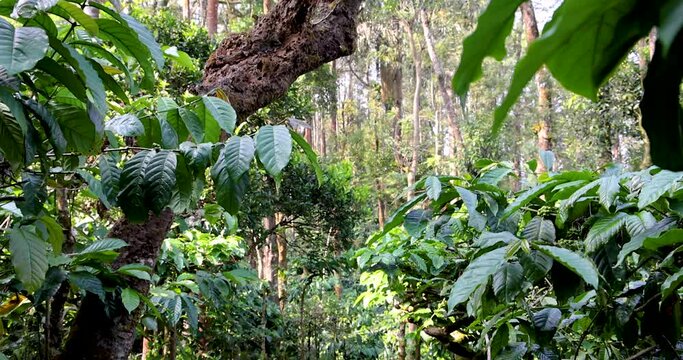
What to notice on a plantation visit

Coffee cherries
The fruit changes colour as it ripens, before the beans are processed.
Shade-grown coffee
Look up as well as down: taller trees provide shade across many plantations.

Processing the beans
Harvesting is only the beginning; processing and drying help shape the final coffee.
Nearby Places to Visit from Chikmagaluru
Chikmagaluru also makes a convenient base for exploring ancient Hoysala temples, forest reserves and pilgrimage towns. These six places offer different experiences without repeating the mountain viewpoints and coffee estates already covered in this guide.
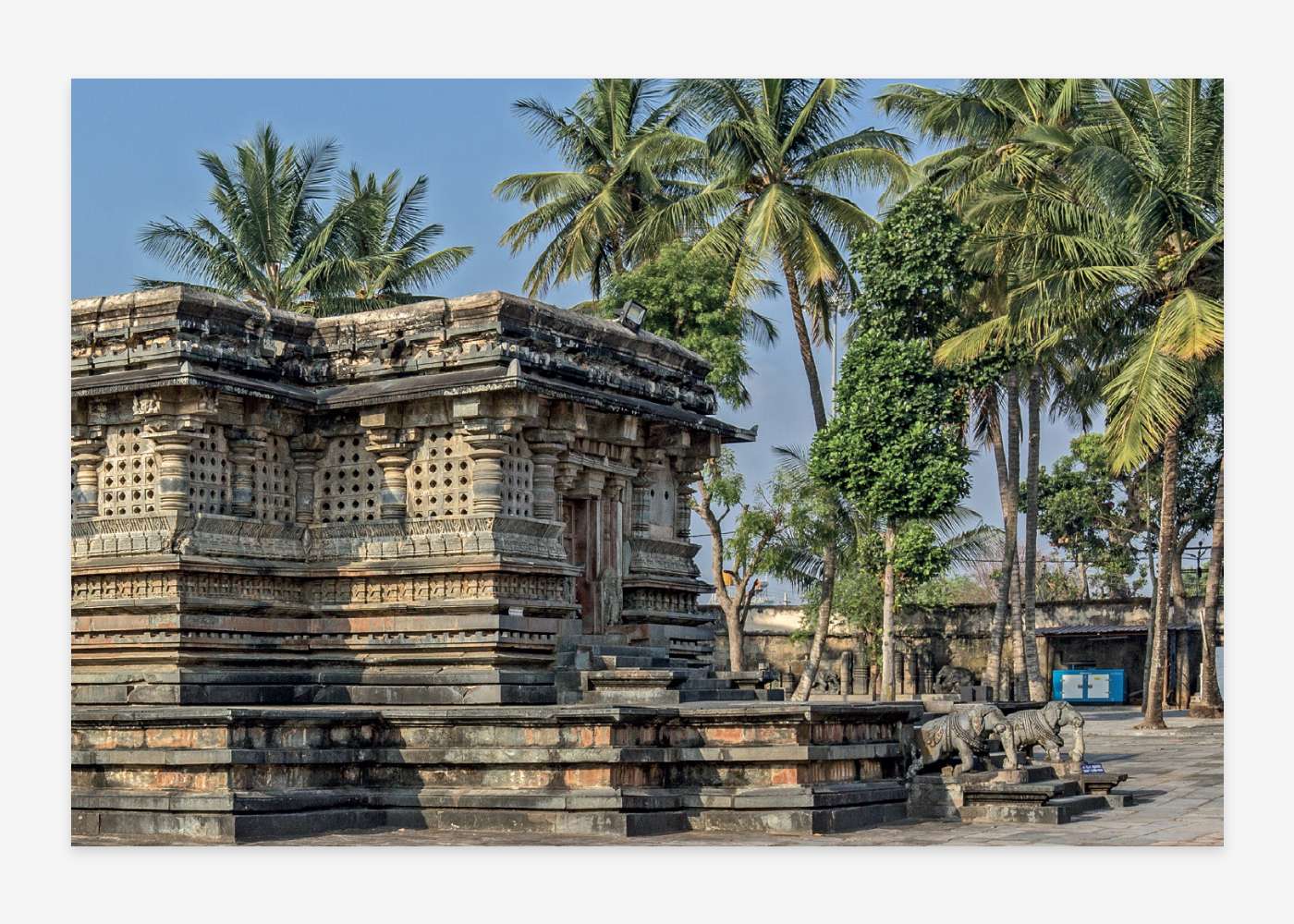
Belur Chennakeshava Temple
Famous for its detailed Hoysala stone carvings, this 12th-century temple rewards a closer look at its sculptures, pillars and decorative panels.
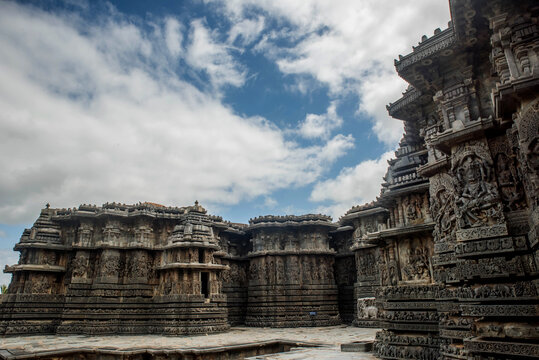
Halebidu Hoysaleswara Temple
Once part of the Hoysala capital, Halebidu is known for its remarkable temple sculptures depicting deities, animals and scenes from Hindu epics.
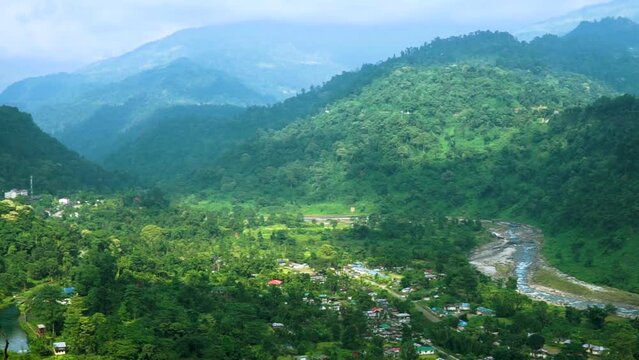
Kemmanagundi
This hill station is known for its gardens, forested slopes and sweeping valley views. It is a quieter alternative to the region’s busier viewpoints.
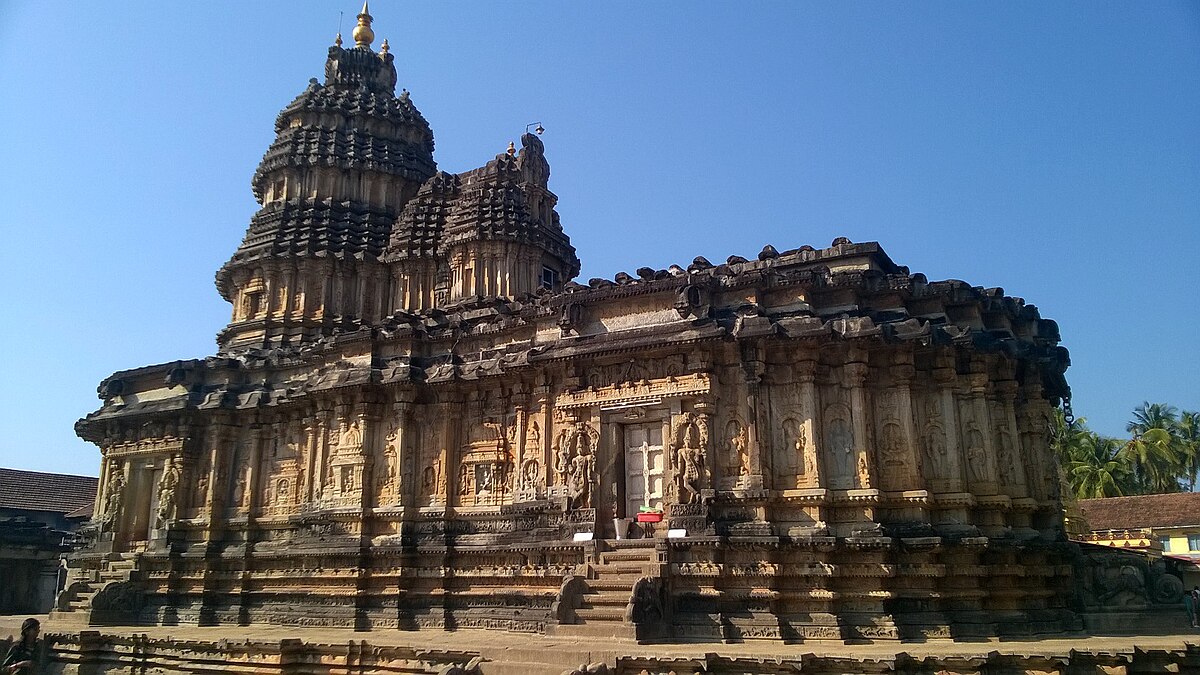
Sringeri Sharadamba Temple
Located beside the Tunga River, an important pilgrimage centre associated with Adi Shankaracharya.
Conclusion
Chikmagaluru is best enjoyed without rushing from one attraction to another. The winding mountain roads, changing views of the Western Ghats and quiet coffee estates are as much a part of the experience as its popular landmarks. A little time spent exploring the smaller roads and countryside can reveal a different side of the region. From mist-covered hills to the everyday rhythms of coffee-growing communities, Chikmagaluru has plenty to discover beyond its familiar viewpoints. It’s a place where slowing down often makes the trip more rewarding.
Explore Karnataka

Varanasi Blogs
- Uttar Pradesh Cultural guide
- Places to visit in Varanasi
- Places to visit nearby Varanasi
- India’s most popular destination
- India’s archaeological marvels
Recommended articles
- Uttar Pradesh Cultural guide
- Places to visit in Varanasi
- Places to visit nearby Varanasi
- India’s most popular destination