
¤ 8 minutes Read
Malappuram, Kerala: Places to Visit, Culture and Travel Guide
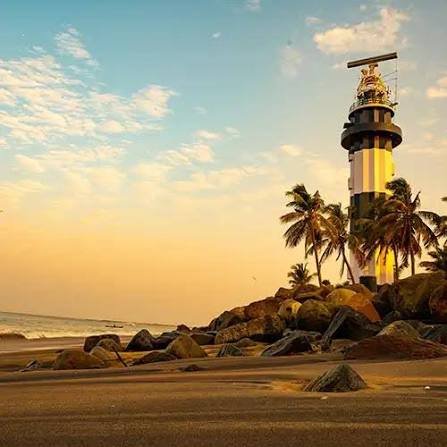
Malappuram is a district in northern Kerala where hill landscapes, historic trading towns and long-established cultural traditions come together. Part of the Malabar region, it stretches from the Arabian Sea coastline to the forested slopes of the Western Ghats.
Unlike destinations centred around a single famous attraction, Malappuram is best explored through its different towns and landscapes. Nilambur is known for its teak forests, Tirur has strong literary and cultural associations, and Kottakkal is closely connected with Kerala’s Ayurvedic traditions. The district also has important religious sites, riverside settlements and stretches of coastline.
Malappuram Town: Local Markets and Cultural Identity
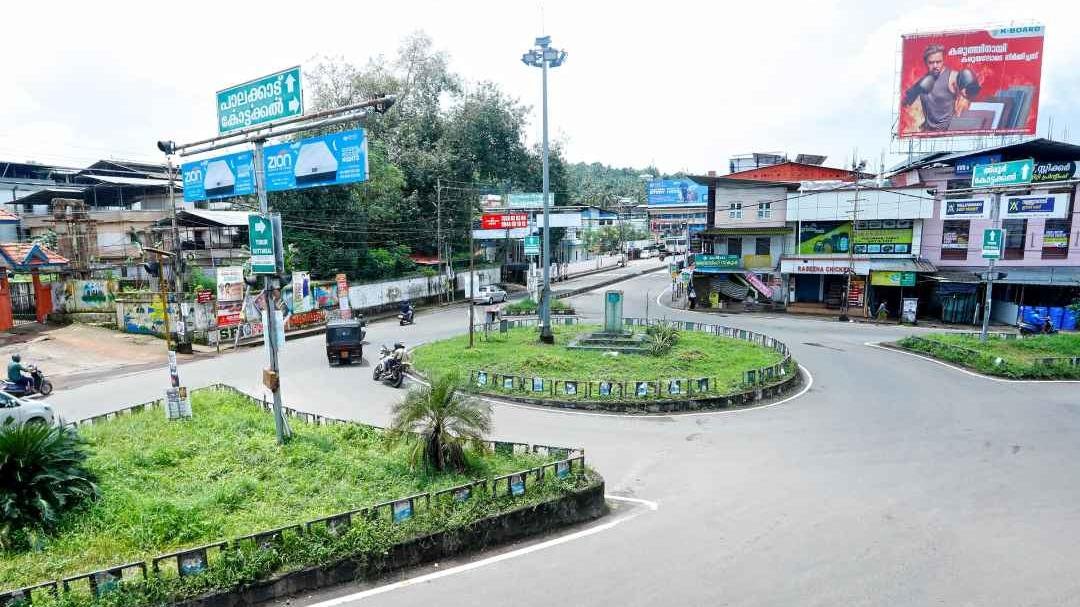
Kottappadi and the Town Centre
Kottappadi is one of Malappuram’s familiar urban localities. Its commercial streets provide a look at the shops, services and everyday activity that keep the town moving.
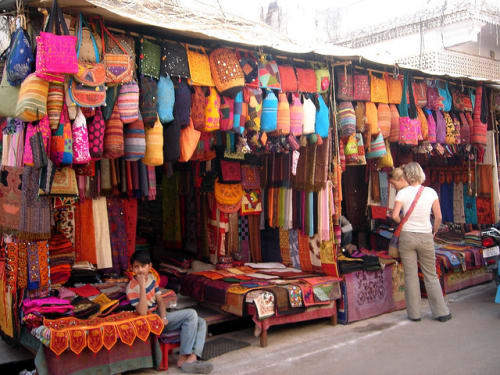
Local Markets and Small Businesses
Grocery shops, bakeries, textile stores and local eateries are part of the town’s commercial landscape. They offer a more ordinary, but useful, introduction to life in Malappuram.
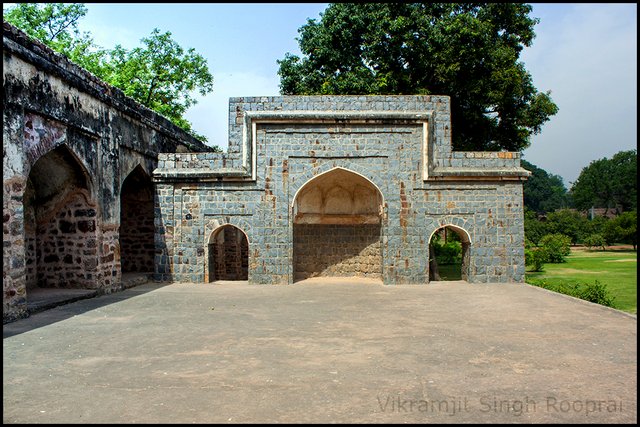
Religious and Community Spaces
Mosques and other places of worship form part of Malappuram’s built environment. Their presence reflects the religious traditions and community institutions that have developed in this part of Malabar.
Nilambur: Malappuram's Forest and Teak Country
The eastern side of Malappuram looks quite different from its busy towns and coastal settlements. Around Nilambur, the landscape gradually gives way to forested hills, river valleys and plantations. The area is particularly associated with teak, a hardwood that has played an important role in Kerala’s forestry history.
Nilambur is home to the Connolly’s Plot, established in the 1840s and widely recognised as one of the world’s earliest managed teak plantations. Named after H. V. Conolly, the British administrator associated with its establishment, the plantation provides an interesting look at how teak cultivation developed during the colonial period.
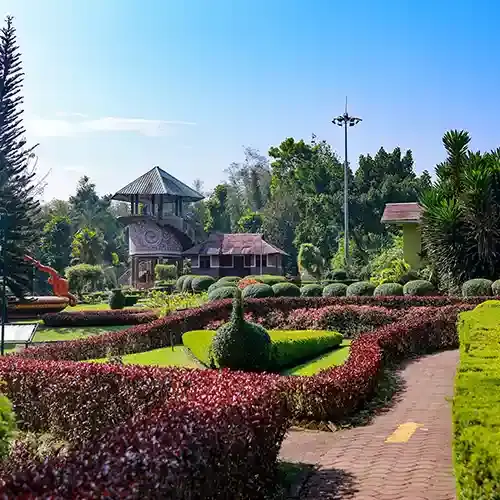
Nilambur Teak Museum
Evening ritual dedicated to the River Ganga, filled with chants, lamps, and spiritual energy.
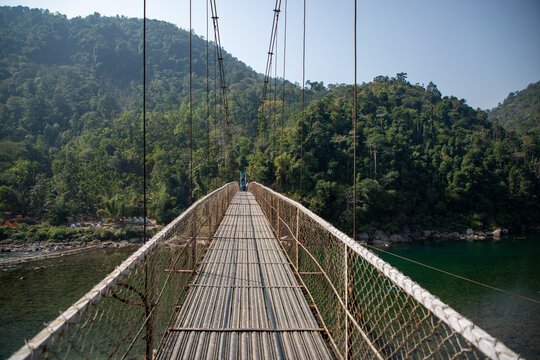
Connolly's Plot
Enjoy the peaceful beauty of Varanasi at dawn as the city awakens with devotional hymns and morning rituals.
Another notable attraction is the Teak Museum, operated by the Kerala Forest Research Institute. Its exhibits explain the biology of teak trees, their commercial uses and the history of forestry in the region. Displays include information about wood structure, tree growth and forest management.
Beyond these attractions, the surrounding Nilambur region is known for its rivers, dense vegetation and access to the foothills of the Western Ghats. Some forest areas are protected or have restricted entry, so travellers should check local access requirements before planning excursions.
Kottakkal: The Town That Helped Shape Modern Ayurveda
Kottakkal, a town in Malappuram district, is closely associated with Kerala’s Ayurvedic medical tradition. Its reputation is largely connected to Arya Vaidya Sala, established in 1902 by Vaidyaratnam P. S. Varier, a physician who played an important role in making Ayurvedic treatment and education more organised and accessible.
What began as a small institution developed into a recognised centre for Ayurvedic medicine. Today, Arya Vaidya Sala operates treatment facilities, manufactures classical Ayurvedic medicines and supports research and education in traditional healthcare.

Ayurveda and Traditional Medicine
Arya Vaidya Sala is known for its classical Ayurvedic formulations, treatment services and educational activities. Its development helped establish Kottakkal as an important centre for traditional medicine.
Kathakali and Performing Arts
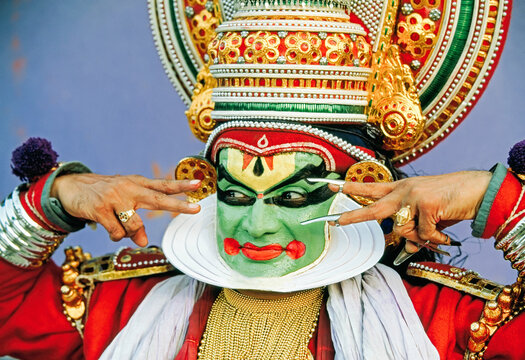
P. S. V. Natyasangham is associated with the teaching and performance of Kathakali, Kerala’s classical dance-drama tradition. Its work reflects the cultural interests that developed alongside Kottakkal’s medical institutions.
Major Attractions Near Malappuram
Malappuram is a useful starting point for exploring northern Kerala. Beyond the town, you will find waterfalls, historic forts and scenic spots in the surrounding hills. Some are suitable for a short outing, while others need more time because of the distance and winding roads.
Kozhippara Waterfalls
Located near Kakkadampoyil, Kozhippara Waterfalls is surrounded by forested hills and rocky terrain. The waterfall is particularly impressive after rainfall, although slippery rocks and strong currents can make access unsafe during heavy monsoon conditions.
Chaliyam Fort
Chaliyam, near the mouth of the Chaliyar River, has an important place in the history of Portuguese involvement on the Malabar Coast. The fort itself has not survived intact, but the location is associated with the conflicts between Portuguese forces and the Zamorin of Calicut.
Thirunavaya: A Riverside Site Connected to Malabar's Past
On the banks of the Bharathapuzha River, Thirunavaya preserves an important part of Malabar’s religious and political history. Located in Malappuram district, the village is associated with the Mamankam festival, a major gathering that once brought together rulers, warriors, merchants and pilgrims.
The festival was held at intervals of approximately twelve years. Historical accounts describe Mamankam as both a ceremonial gathering and an occasion for political rivalry, particularly involving the Zamorins of Calicut and the Valluvanad rulers. The conflicts surrounding the festival became one of its most remembered aspects.
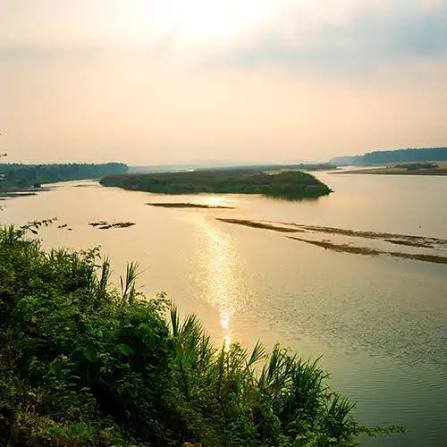
Thirunavaya is also home to the Navamukunda Temple, dedicated to Lord Vishnu. The temple stands near the Bharathapuzha, a river that holds religious importance in Kerala. Devotees visit the area to perform ancestral rites, especially during significant ritual occasions.
Although the grand Mamankam gatherings belong to the past, Thirunavaya remains a place where the region’s history and religious practices intersect.
Food Culture: Flavours of Malabar
Food in Malappuram reflects the cooking traditions of northern Kerala, particularly those associated with the Mappila Muslim community.

Malabar Biryani
Fragrant rice layered with spiced meat, fried onions and ghee. Recipes vary across the Malabar region.
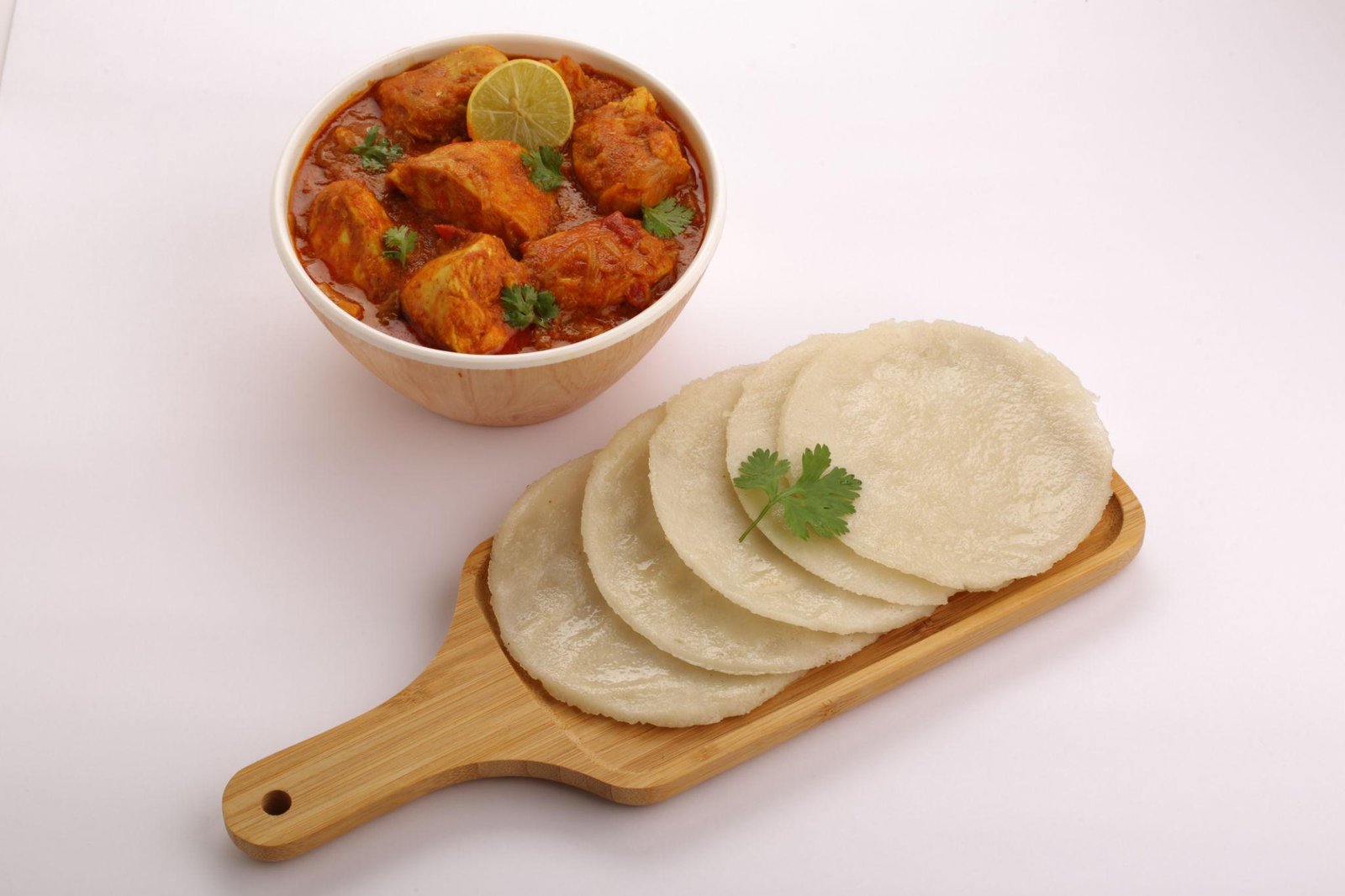
Pathiri with Curry
Soft, thin rice flatbreads commonly paired with chicken, meat or vegetable curries.

Unnakkaya
A traditional Malabar sweet made from mashed ripe plantains, shaped around a sweet filling and fried.
Conclusion
Malappuram reveals a side of Kerala shaped by the traditions of the Malabar region. Its bustling markets, historic landmarks, traditional food and cultural practices give the district a character of its own. Beyond the town, quiet villages, green hills and riverside landscapes offer a change of pace.
The best way to appreciate Malappuram is to explore beyond its main roads and commercial centres. From the Ayurvedic traditions of Kottakkal to the cultural influences found in local festivals and cuisine, much of the district’s appeal lies in the everyday places and customs that continue to shape life here.
Explore Kerala
Varanasi Blogs
- Uttar Pradesh Cultural guide
- Places to visit in Varanasi
- Places to visit nearby Varanasi
- India’s most popular destination
- India’s archaeological marvels
Recommended articles
- Uttar Pradesh Cultural guide
- Places to visit in Varanasi
- Places to visit nearby Varanasi
- India’s most popular destination