
¤ 7 minutes Read
Nelliyampathy, Kerala - Hills, Plantations, Viewpoints & Trekking

Nelliyampathy is a hill region in Kerala’s Palakkad district, rising from the plains near Nenmara into the Western Ghats. The destination reaches elevations of roughly 467 to 1,585 metres, and the journey upward is part of the experience. From Nenmara, the road passes Pothundi Dam before climbing through a series of hairpin bends, with views opening towards Palakkad’s paddy fields and the Palakkad Gap along the way. Higher up, the landscape changes from open agricultural plains to plantations and forest. Tea, coffee, cardamom and orange cultivation are characteristic of the region, while evergreen and semi-evergreen forests cover the surrounding hills. The area also supports wildlife such as Indian gaur, giant squirrel, Nilgiri tahr and lion-tailed macaque.
The Road Into Nelliyampathy
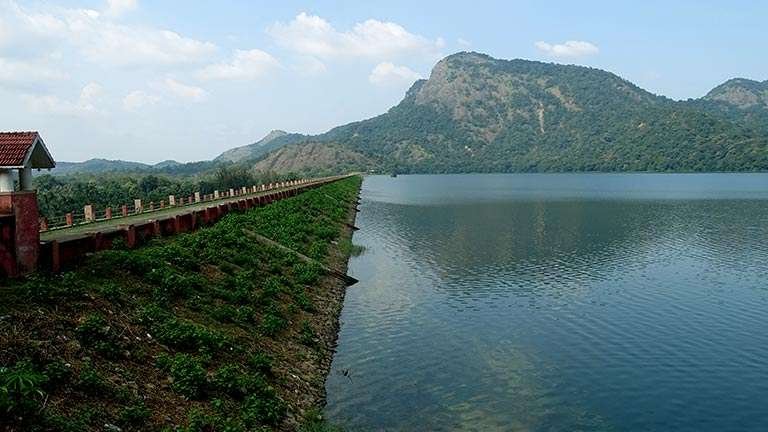
Pothundi Dam
The climb begins near Pothundi, where the reservoir sits below the Nelliyampathy hills. The road then starts gaining elevation through the forested slopes.
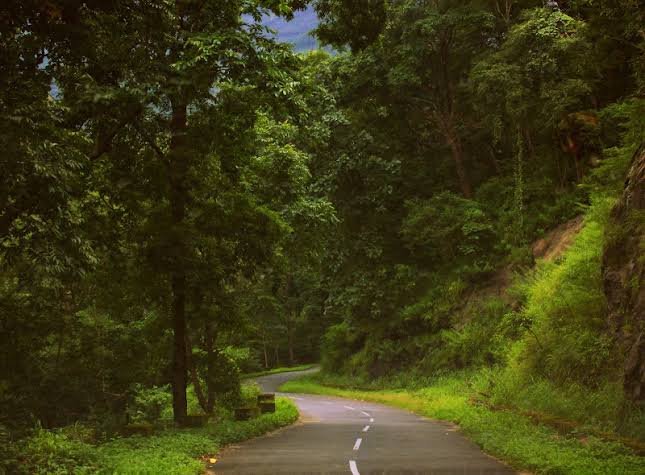
The Hairpin Road
The route includes around 10 hairpin bends. With each turn, the view changes, opening occasionally towards the reservoir, forests and the plains below.
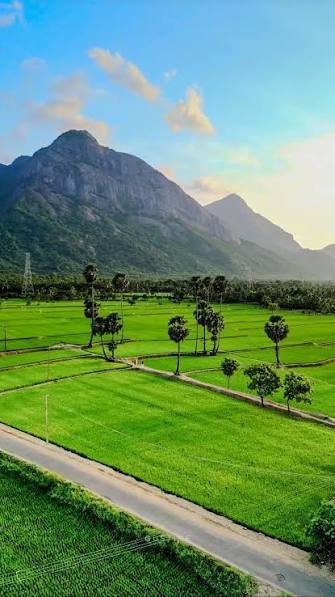
The Palakkad Gap
Higher viewpoints reveal the broad Palakkad plains and, in clear weather, the Palakkad Gap—the major break in the Western Ghats between Kerala and Tamil Nadu.

Plantations and Forest
Tea, coffee, cardamom and orange cultivation appear along the upper slopes, while patches of evergreen and semi-evergreen forest remain around them.
The Viewpoints of Nelliyampathy
The Palakkad Plains
Several vantage points along the climb open towards the broad plains below. On a clear day, the view extends across paddy fields and settlements, with the Palakkad Gap visible between the Western Ghats.
Seetharkundu
One of Nelliyampathy’s better-known viewpoints, Seetharkundu looks across the valley and surrounding plains. The area also has a waterfall and can be reached through routes passing plantations.
Views From the Higher Slopes
The scenery changes as you gain elevation. Instead of one fixed viewpoint, the winding road and higher areas provide multiple opportunities to stop and look back towards the landscape below.
Trekking Through Nelliyampathy
Kesavanpara
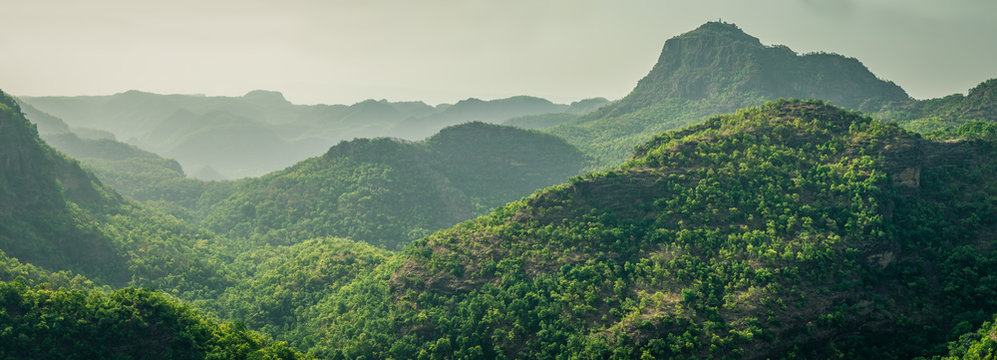
A trek towards Kesavanpara takes you into the higher landscape around Nelliyampathy, where open viewpoints contrast with the surrounding greenery. It is one of the hill destinations identified by Kerala Tourism among the area’s trekking options.
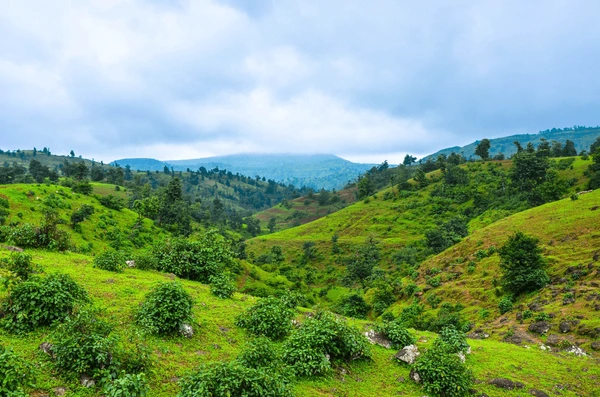
Pothumala
The route towards Pothumala passes through the plantation landscape, with tea and coffee estates forming part of the trail. Some organised ecotourism programmes combine Pothumala with Seetharkundu, allowing visitors to explore the terrain on foot or by jeep.
Life in the Nelliyampathy Hills
Nelliyampathy’s character is shaped not only by its mountain scenery but also by the plantations spread across its slopes. Tea, coffee, cardamom and orange cultivation form part of the local landscape, creating a patchwork of cultivated hillsides and forested areas.
As you travel through the region, plantation roads, workers’ settlements and stretches of greenery become part of the scenery. This working landscape gives Nelliampathi a different feel from hill destinations built mainly around resorts and sightseeing stops.
The plantations also influence what travellers notice along the way: neatly arranged crop rows on some slopes, dense vegetation on others, and occasional openings where the hills extend towards the plains.
Wildlife and Biodiversity
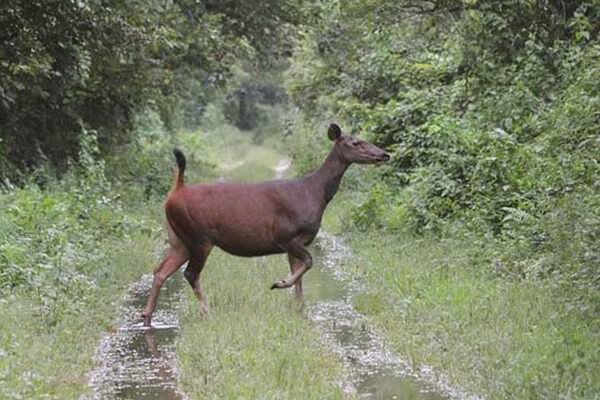
Nelliyampathy forms part of the wider Western Ghats landscape, where forests provide habitat for a variety of mammals, birds and other wildlife. Although plantations cover parts of the hills, forest patches and adjoining natural habitats remain important to the region’s biodiversity.
Indian gaur and Indian giant squirrels are among the animals associated with the area. The wider Western Ghats also supports threatened species, including the lion-tailed macaque. However, spotting wildlife during a visit to Nelliyampathy is never guaranteed; animals may remain deep within the forest or away from roads and frequently visited areas.
The Landscape Above the Plains
Nelliyampathy does not have a single uniform landscape. As the road climbs from the plains, cultivated slopes gradually give way to larger stretches of forest, with the Western Ghats forming the backdrop throughout.
01 – Plantation Slopes
Tea, coffee, cardamom and orange cultivation are part of Nelliyampathy’s highland landscape. The plantations are not simply isolated estates; they sit alongside forested areas, creating a patchwork of cultivated and naturally wooded terrain.
02 – Forested Hills
Beyond the cultivated areas, evergreen and semi-evergreen forests cover parts of the hills. These forests also provide habitat for wildlife, making the surrounding landscape more than just a plantation region.
03 – Higher Terrain
Nelliyampathy rises considerably above the Palakkad plains, with elevations ranging from around 467 metres to 1,585 metres. The difference in altitude is one reason the upper reaches feel noticeably cooler and more mountainous than the lowlands below.
Nearby Places to Visit from Nelliyampathy
Nenmara
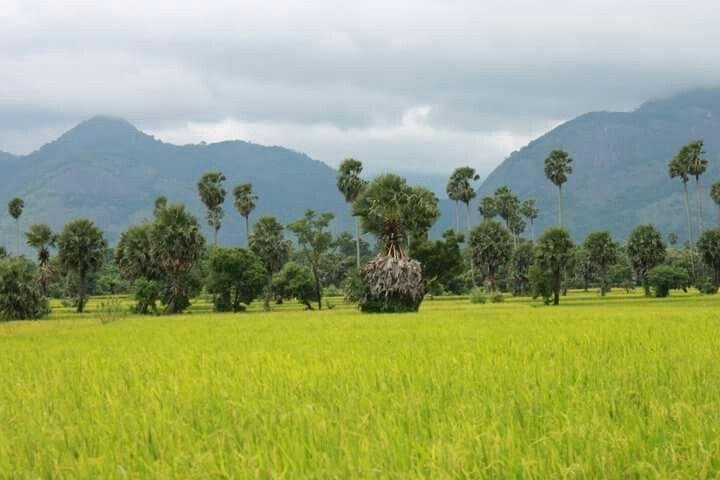
A foothill town known for its connection to the Nelliyampathy route and the annual Nenmara–Vallangi Vela festival.
Pothundi Dam
A reservoir near the base of the Nelliampathi hills, surrounded by greenery and mountain scenery.

Parambikulam Tiger Reserve
A protected forest landscape known for wildlife, reservoirs and guided nature experiences.
Palakkad Fort
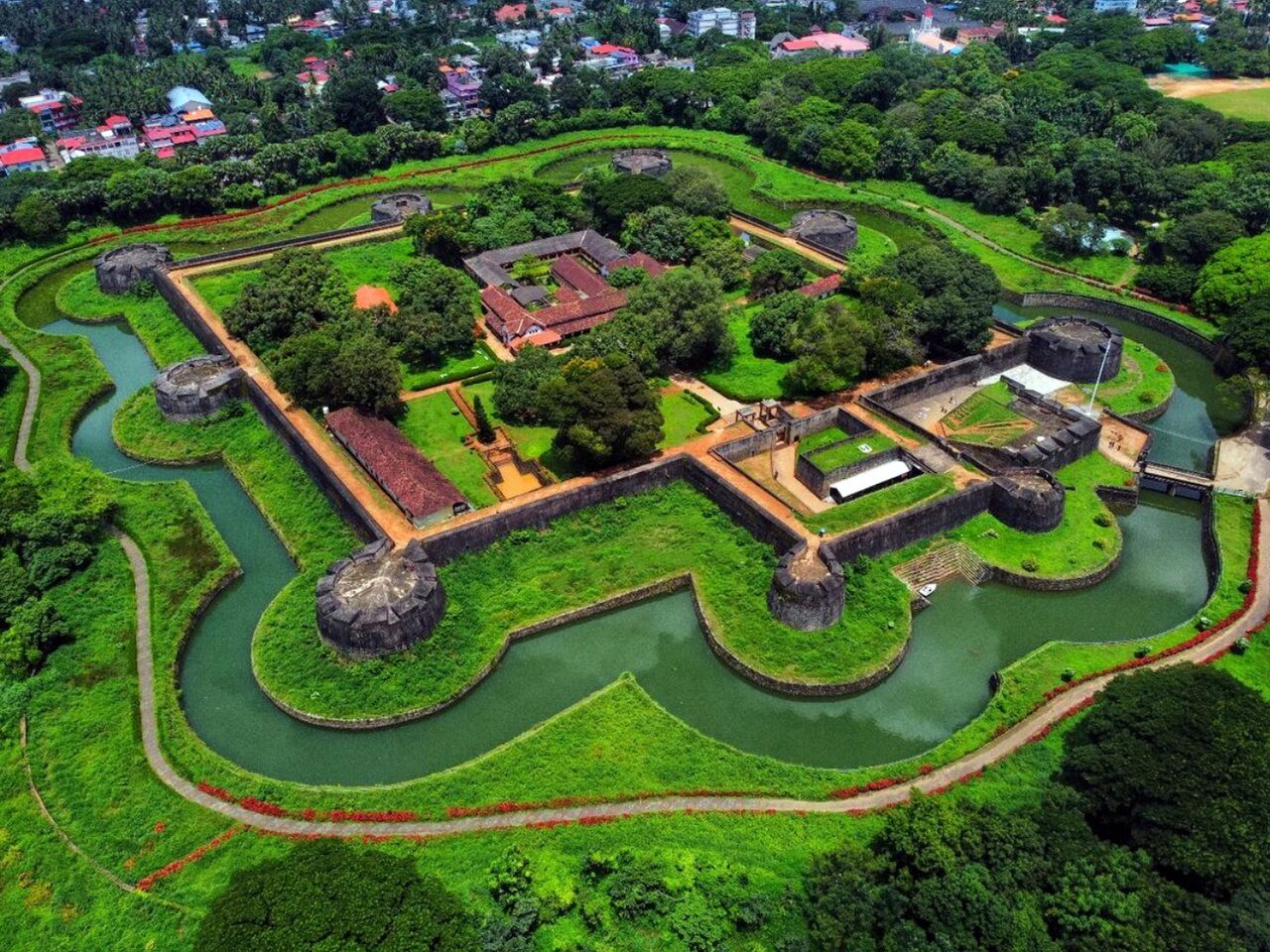
A well-preserved historic fort in Palakkad town, offering a contrast to Nelliampathi’s plantations and forested slopes.
Conclusion
Nelliyampathy is best experienced as a gradual escape from the Palakkad plains into the higher reaches of the Western Ghats. The winding road, plantation-covered slopes, forest patches and far-reaching valley views make the journey itself an important part of the visit.
Rather than rushing between viewpoints, take time to notice how the scenery changes with elevation and weather. Mist may settle over the hills, clouds can obscure distant views, and clear spells reveal the plains below. It is this changing mountain landscape, more than any single attraction, that gives Nelliampathi its character.
Explore Uttar Pradesh

Varanasi Blogs
- Uttar Pradesh Cultural guide
- Places to visit in Varanasi
- Places to visit nearby Varanasi
- India’s most popular destination
- India’s archaeological marvels
Recommended articles
- Uttar Pradesh Cultural guide
- Places to visit in Varanasi
- Places to visit nearby Varanasi
- India’s most popular destination