
¤ 8 minutes Read
Elephanta Caves: History, Sculptures and the Ancient Cave Temples of Mumbai
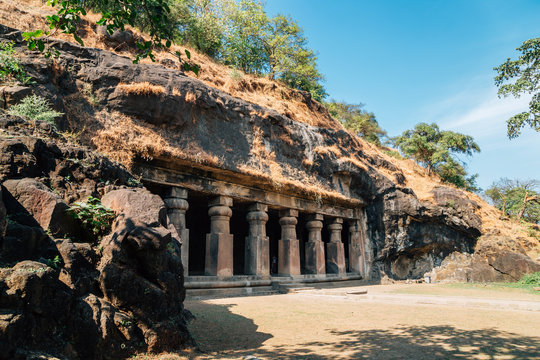
A short ferry journey from Mumbai’s Gateway of India leads to Elephanta Island, home to one of Maharashtra’s most remarkable collections of ancient rock-cut temples. The Elephanta Caves are best known for their monumental sculptures of Lord Shiva, carved directly into the basalt rock of the island.
The centrepiece is the enormous three-faced Shiva sculpture, commonly called the Trimurti or Maheshmurti. Standing approximately six metres high, it dominates the main cave and represents different aspects of Shiva’s divine nature. Other sculptural panels depict episodes from Shaiva mythology, including Shiva’s marriage to Parvati and his appearance as Ardhanarishvara, combining male and female forms.
The caves are generally dated to around the 5th to 6th centuries CE, although their precise origins and royal patronage remain subjects of historical debate. Recognised as a UNESCO World Heritage Site in 1987, Elephanta preserves an important chapter in the development of Indian rock-cut sculpture.
History of Elephanta Caves: Origins and Changing Rulers
The history of Elephanta is less certain than its sculptures might suggest. Although the main cave is generally dated to the 5th or 6th century CE, historians have not established exactly who commissioned it. Its origins are studied through architectural features, sculptural styles and the political history of western India.
Exploring Elephanta Island Beyond the Main Cave
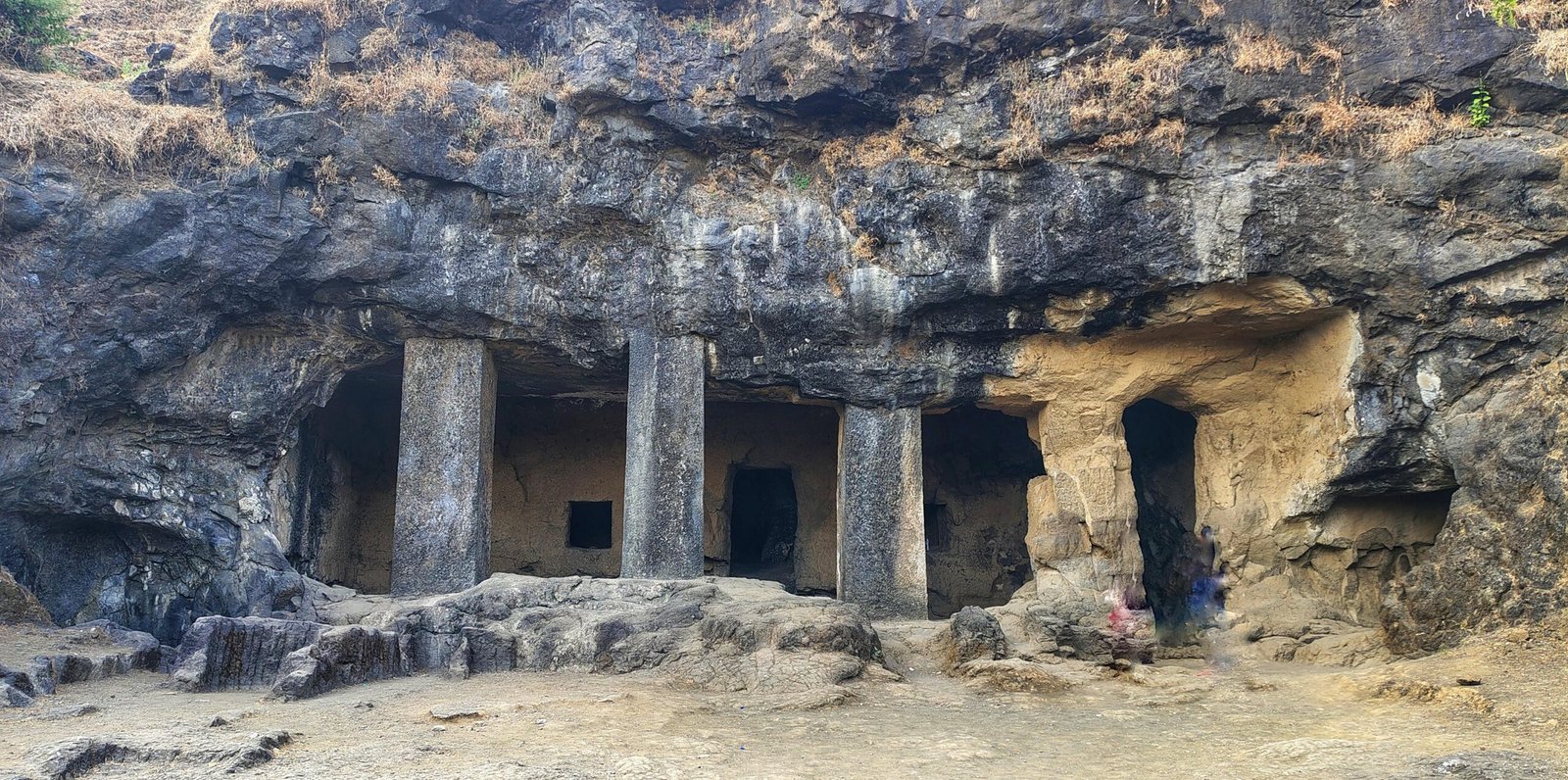
Although the Great Cave contains Elephanta’s most important sculptures, it is not the island’s only rock-cut monument. Smaller excavations, the surrounding hillside and traces of the island’s religious past provide additional context.
Smaller Hindu Excavations
These caves are less elaborate than Cave 1, and several remain incomplete or heavily damaged. Their surviving pillars, chambers and rock-cut surfaces show that excavation activity extended beyond the principal temple. They are useful for understanding the broader layout of the site, although they contain fewer surviving decorative features.
The Buddhist Remains
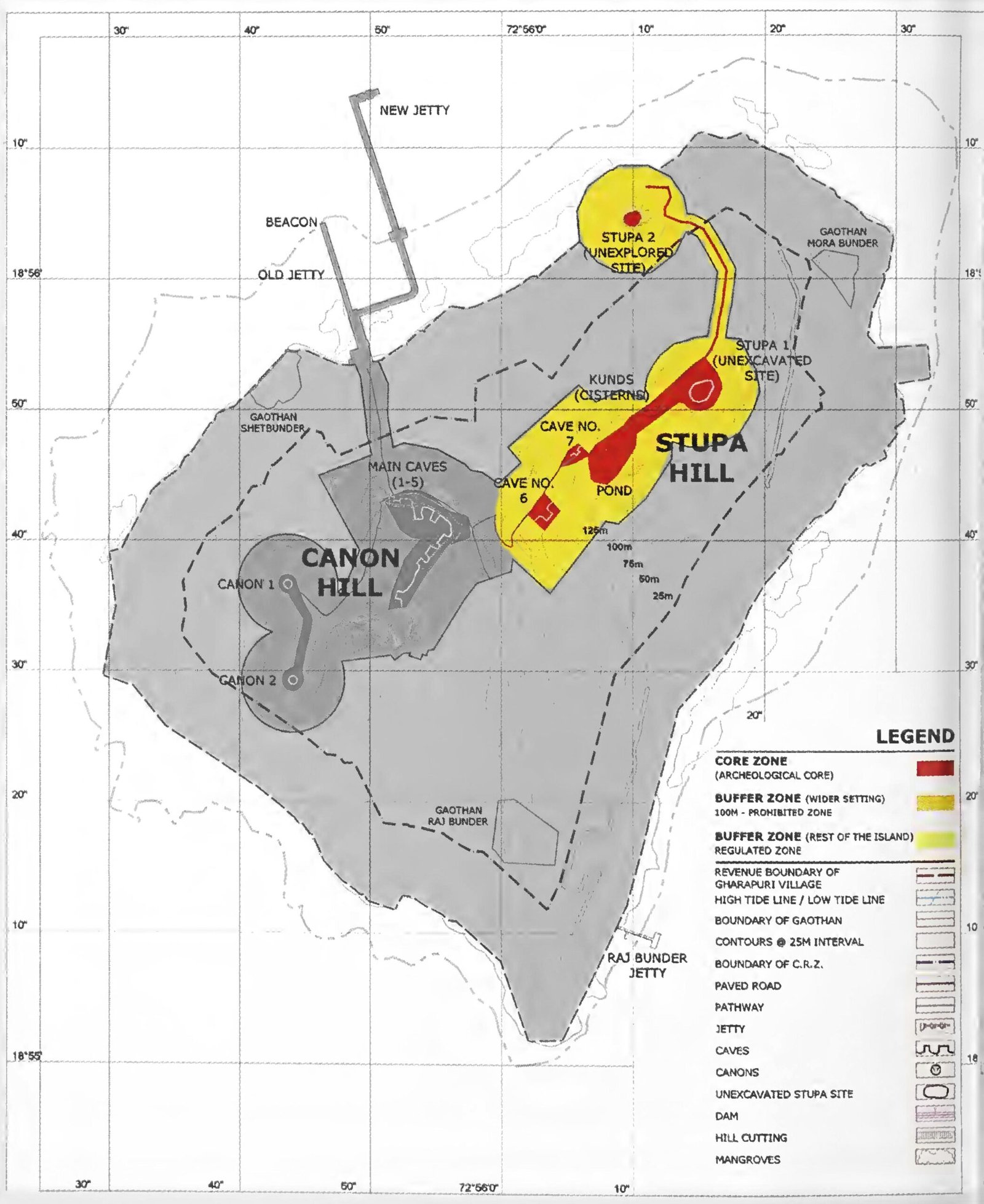
Elephanta also preserves evidence of Buddhist activity, including smaller excavations and a stupa associated with the island’s earlier religious history. These remains are less visually prominent than the Shiva sculptures but indicate that the island’s religious landscape was not limited to a single tradition.
Preserving the Elephanta Caves
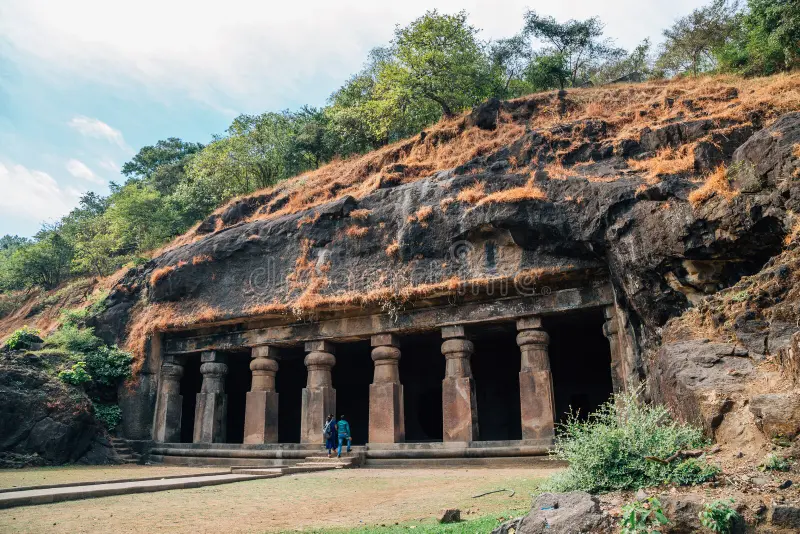
Centuries of exposure have affected the caves. Moisture, salt carried by the coastal environment and natural weathering continue to damage parts of the rock surfaces.
Conservation work has included repairing damaged pillars, stabilising structures and improving access pathways. Protecting the sculptures remains particularly challenging because they are carved directly into the rock and cannot simply be moved elsewhere for preservation.
Inside the Great Cave: Understanding Elephanta's Layout
The main attraction at Elephanta is Cave 1, also known as the Great Cave. Unlike temples built with separate stone blocks, its halls, pillars and sculptures were carved directly into the island’s basalt hillside.
The cave has a broad, pillared interior with entrances on multiple sides. Its layout allows visitors to move between monumental sculptural panels, a central shrine and smaller chambers without following a single narrow passage.
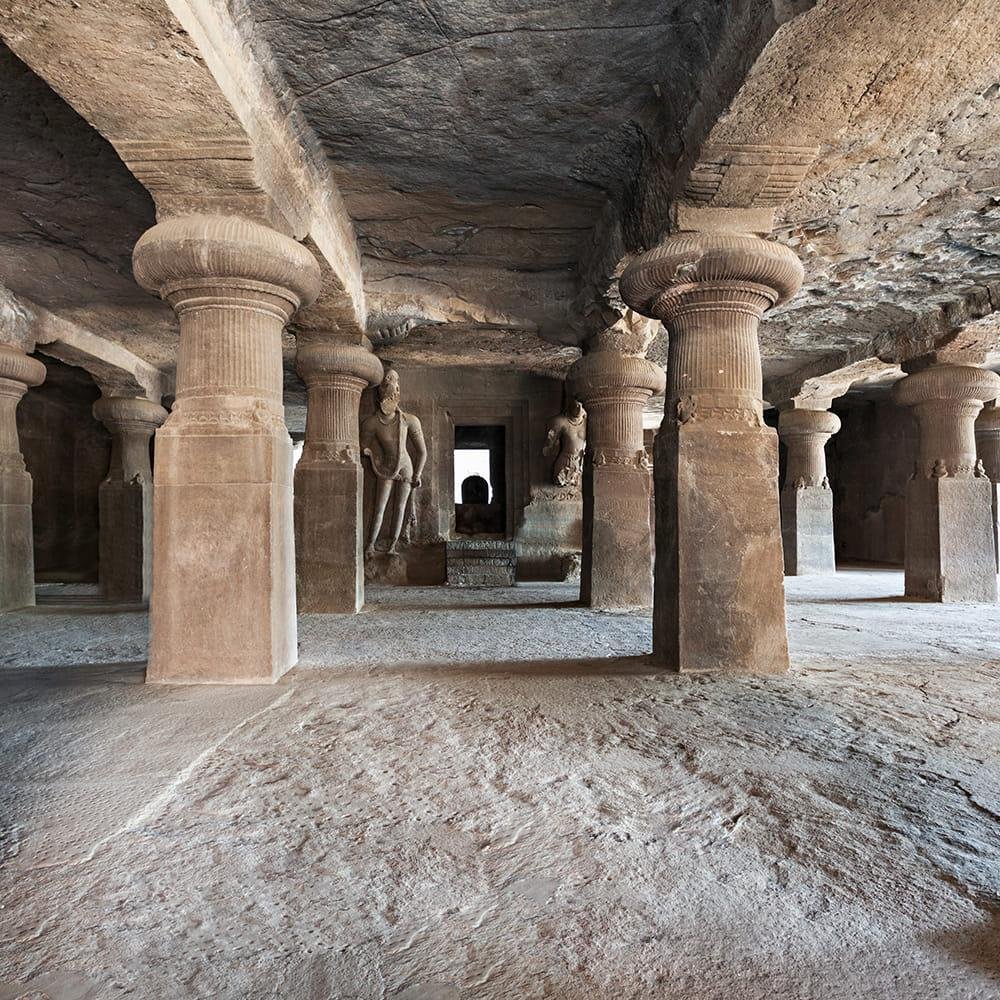
The Pillared Mandapa
Rows of substantial stone columns divide the main hall into open bays. Their carefully shaped capitals and bases create a sense of order within the excavated space.
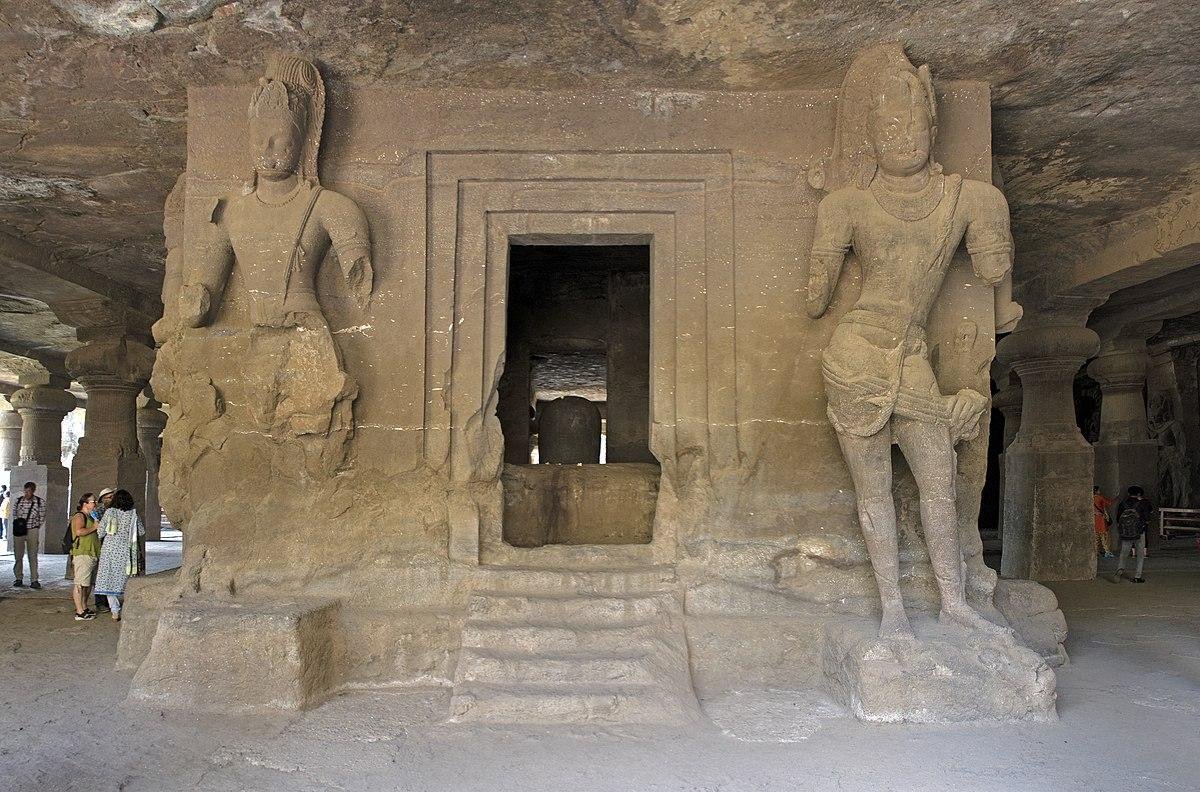
The Central Shiva Shrine
A square shrine containing a Shiva linga occupies part of the main hall. It has four entrances, each guarded by large sculpted figures known as dvarapalas.
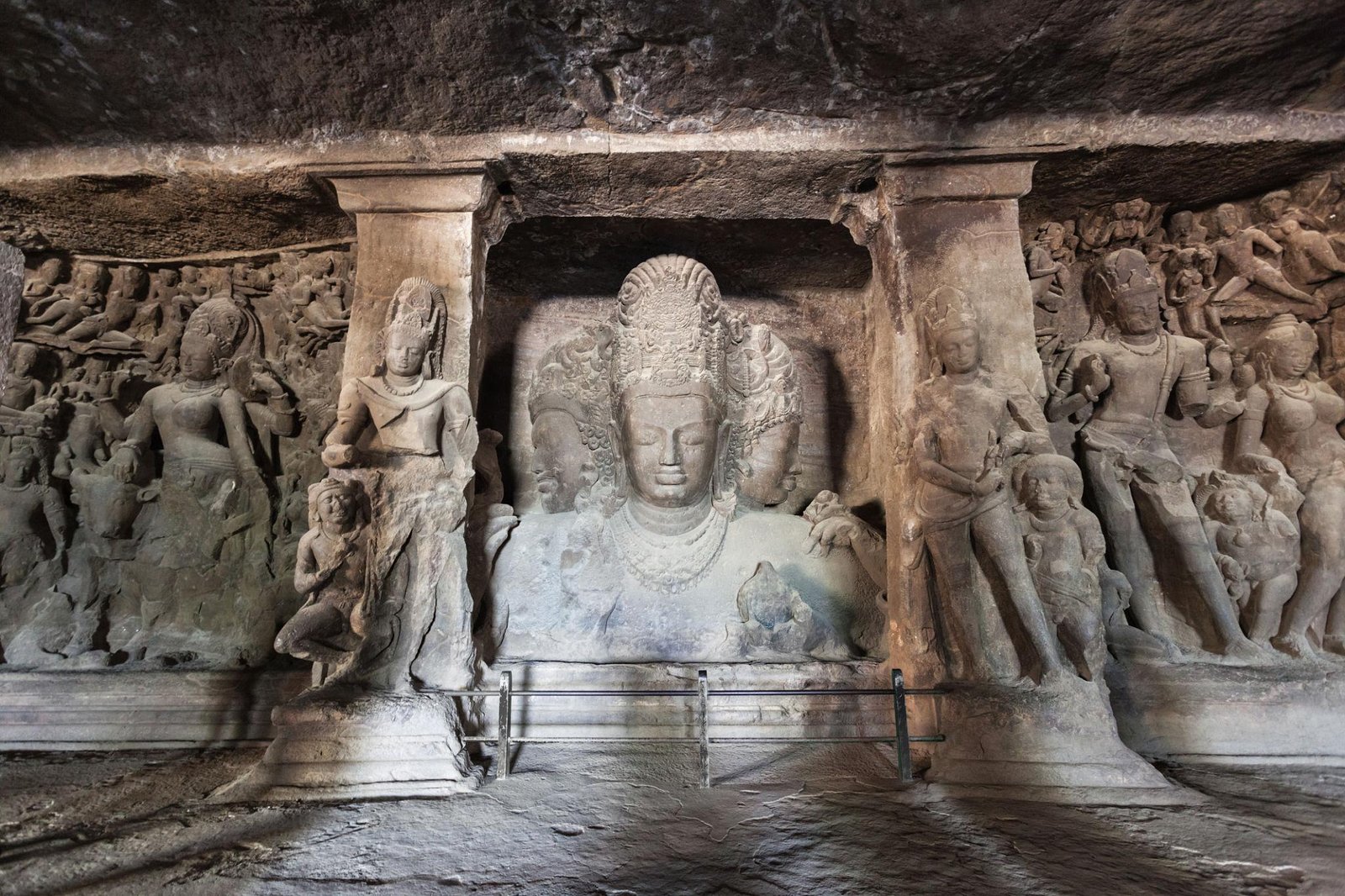
Monumental Sculptural Panels
Large reliefs occupy the cave walls, depicting different manifestations and stories of Shiva. Some figures project deeply from the rock, giving the compositions an almost three-dimensional appearance.
The Shiva Sculptures of Elephanta Caves
The most memorable part of Cave 1 is its collection of enormous relief sculptures depicting different forms of Lord Shiva. Each panel draws from Hindu religious traditions, using expressions, gestures and accompanying figures to communicate a particular story or aspect of the deity.
Some carvings remain remarkably detailed, while others have suffered damage over the centuries. Even in their incomplete state, the sculptures reveal the skill of the artists who worked on the cave.
Understanding the three faces
Central Face: Mahadeva
Calm and composed, the central face conveys Shiva’s serene and meditative nature. Its balanced features contrast with the expressions on either side.
Aghora or Bhairava
The fierce aspect of Shiva is associated with destruction and transformation. Its stronger facial features and symbolic ornaments distinguish it from the central figure.
Vamadeva or Uma
This gentler aspect has softer facial features and delicate ornaments, expressing grace and the feminine dimension of the divine.
Nearby Attractions Around Elephanta Caves
After returning from Elephanta Island, you can explore several well-known places around South Mumbai. The Gateway of India, museums, historic streets and waterfront attractions are convenient additions to your trip.

Gateway of India
The ferry departure point, with views across Mumbai Harbour.
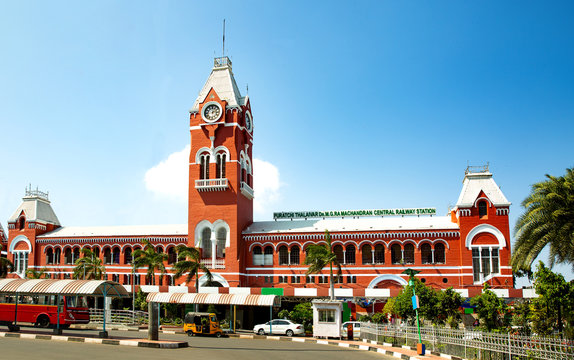
CSMT
A UNESCO-listed railway station known for its Gothic architecture.
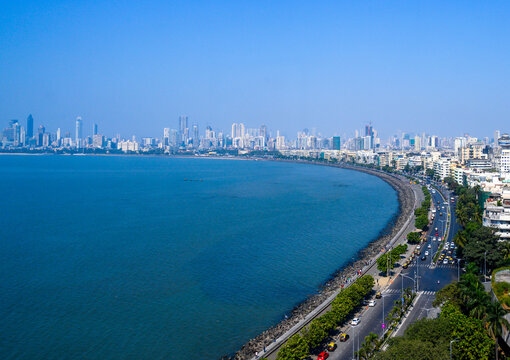
Marine Drive
A seafront promenade, particularly pleasant in the evening.
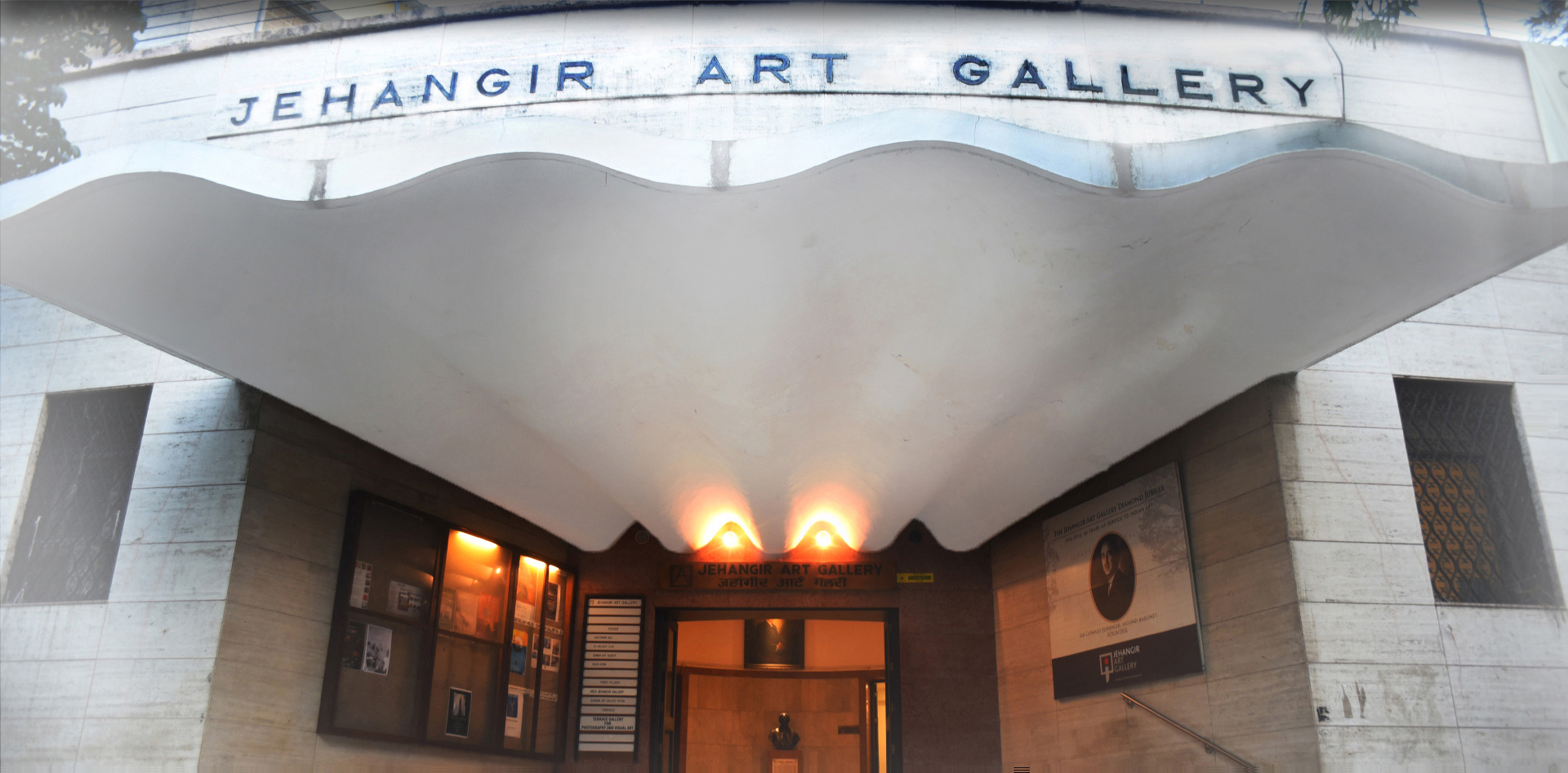
Jehangir Art Gallery
An established art gallery in Mumbai’s Kala Ghoda district.
Conclusion
Elephanta’s most famous sculptures draw attention, but the island’s smaller caves and archaeological remains tell a broader story. They reveal how the site developed over centuries and why its preservation matters today. Even in their damaged condition, the carvings retain enough detail to show the skill and careful planning behind this remarkable rock-cut complex.
Explore Maharashtra

Varanasi Blogs
- Uttar Pradesh Cultural guide
- Places to visit in Varanasi
- Places to visit nearby Varanasi
- India’s most popular destination
- India’s archaeological marvels
Recommended articles
- Uttar Pradesh Cultural guide
- Places to visit in Varanasi
- Places to visit nearby Varanasi
- India’s most popular destination