
¤ 7 minutes Read
Gangotri - History, Gangotri Temple, Spiritual Significance & Places to Visit
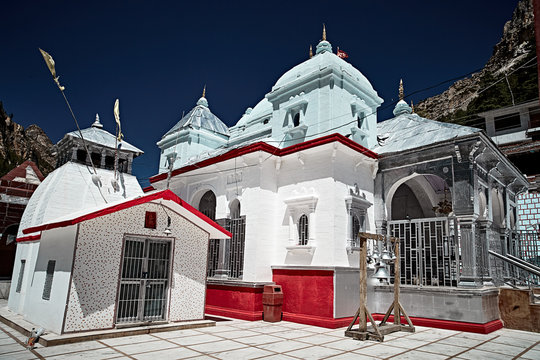
Gangotri is a small pilgrimage town in Uttarkashi district of Uttarakhand, surrounded by steep Himalayan mountains and the rushing waters of the Bhagirathi River. It is one of the four sacred sites of the Uttarakhand Char Dham Yatra and holds a special place in Hindu tradition as a centre of worship dedicated to Goddess Ganga. At the heart of the town is Gangotri Temple, where pilgrims gather to offer prayers and take part in rituals associated with the sacred river. According to Hindu belief, Goddess Ganga descended from heaven to Earth following King Bhagiratha’s penance, with Lord Shiva controlling the force of her descent through his matted hair.
Location
Uttarkashi, Uttarakhand
Altitude
Approx. 3,100 metres
Main Shrine
Gangotri Temple
River
Bhagirathi
Pilgrimage Circuit
Char Dham of Uttarakhand
Nearby Trek
Gaumukh
The Legend of Gangotri: How the Ganga Descended to Earth
Gangotri’s religious significance is closely connected to the story of King Bhagiratha, whose determination to bring the heavenly River Ganga to Earth is described in Hindu tradition. The legend explains why the river is worshipped as a goddess and why Lord Shiva plays an important role in her descent.
Bhagirath Shila: A Sacred Place Near the Temple
Near Gangotri Temple lies Bhagirath Shila, a stone traditionally believed to mark the place where King Bhagiratha performed his penance.
Pilgrims visit this spot to honour his devotion and the story of Ganga’s arrival on Earth. It connects the ancient legend to a physical location that can still be visited in Gangotri.
Gangotri Temple: Architecture and Sacred Features
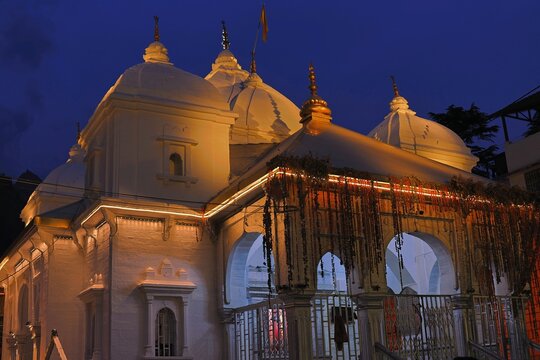
Gangotri Temple is the main centre of worship in the town. Dedicated to Goddess Ganga, the shrine is relatively modest in size compared with many famous Indian temples. Its white exterior, small entrance porch and rising towers create a distinctive appearance against the surrounding Himalayan slopes.
The present temple is generally attributed to Gorkha commander Amar Singh Thapa in the early 19th century. Its design is practical for a mountain setting, with a compact layout rather than an extensive complex of courtyards and halls.
White Temple Exterior
The pale stone finish and restrained decoration give the shrine its recognisable appearance.
Shikharas
The main tower and smaller spires rise above the shrine in a North Indian temple style.
Inner Sanctum
The garbhagriha houses the image of Goddess Ganga, the principal deity worshipped here.
Riverside Setting
The Bhagirathi flows close to the shrine, connecting the place of worship directly with the sacred river.
How the Temple Changed Over Time
The temple’s present appearance reflects more than one period of construction. While Amar Singh Thapa is credited with establishing the shrine in its present form, it was later renovated under the patronage of the Maharaja of Jaipur.
These changes helped preserve the place of worship in a region exposed to severe winters and difficult mountain conditions. Unlike larger temple complexes built around monumental gateways and extensive courtyards, Gangotri’s architectural character remains relatively simple.
Sacred Rituals and Festivals at Gangotri
Religious life at Gangotri follows the rhythm of the Himalayan seasons. The temple welcomes pilgrims during the warmer months, while winter snowfall makes regular worship at the shrine impractical. Two annual occasions, Akshaya Tritiya and Bhai Dooj, traditionally mark important transitions in the temple’s religious calendar.
Akshaya Tritiya
The temple traditionally reopens around this auspicious occasion. The ceremonial return of Goddess Ganga’s idol from Mukhba village marks the beginning of the pilgrimage season.
Bhai Dooj
The shrine traditionally closes around Bhai Dooj, after Diwali. The deity is ceremonially taken to Mukhba, where worship continues during winter.
Winter Worship at Mukhba
Mukhba (also written as Mukhimath) serves as the winter seat of Goddess Ganga. Devotees can continue worship there while Gangotri Temple remains closed for the season.
How to Reach Gangotri
Gangotri is connected by road to Uttarkashi and other major towns in Uttarakhand. The final part of the journey follows the Bhagirathi Valley, passing mountain settlements, forested slopes and stretches of narrow hillside roads.
There is no direct railway or commercial airport at Gangotri. Most travellers reach the town by road after arriving in Dehradun, Rishikesh or Haridwar.
Rishikesh -> Chamba -> Uttarkashi -> Harsil -> Gangotri
Transport Options
By Air
Jolly Grant Airport near Dehradun is the nearest major commercial airport. From there, travellers continue towards Uttarkashi and Gangotri by road.
By Train
Rishikesh and Haridwar are commonly used rail gateways. Yog Nagari Rishikesh railway station is another useful option, depending on train availability.
By Road
Taxis and seasonal shared transport operate along parts of the pilgrimage route. Travellers commonly pass through Uttarkashi and Harsil before reaching Gangotri. Public transport schedules should be confirmed locally.
Places to See Around Gangotri
Gangotri’s surroundings have several places worth exploring beyond the main temple. Some are within the pilgrimage town, while others require a short excursion or a demanding Himalayan trek. The following locations offer different experiences, from riverside viewpoints to high-altitude landscapes.
Surya Kund
A dramatic section of the Bhagirathi where water rushes through a narrow, rocky channel. The natural rock formations and force of the river make it one of the most striking sights close to the temple.

Pandav Gufa
A cave associated in local tradition with the Pandavas from the Mahabharata. Reaching it involves a walk through the surrounding forest, away from the busier temple area.
Gaumukh
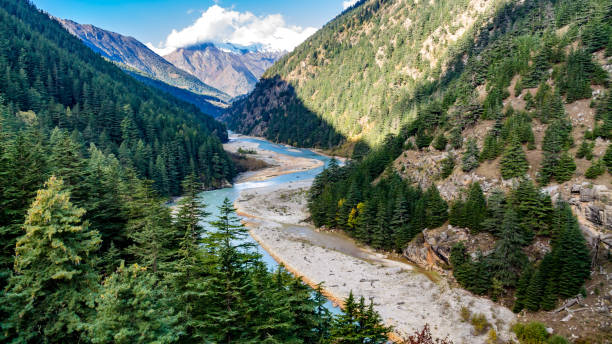
Offers a quieter mountain setting with deodar forests, traditional villages and the Bhagirathi flowing through the valley. It is a worthwhile stop when travelling between Uttarkashi and Gangotri.

Tapovan
This high-altitude meadow is known for its imposing views of Shivling peak. Reaching Tapovan involves difficult terrain beyond Gaumukh and is suitable for experienced trekkers with appropriate guidance.
Gangotri: Where Faith Meets the Himalayas
Gangotri leaves an impression that goes beyond its temple. The sound of the Bhagirathi flowing over rocks, the mountains rising above the town and the rituals performed along the river all contribute to its character.
For pilgrims, Gangotri is closely tied to the worship of Goddess Ganga and the traditions of the Char Dham Yatra. For other visitors, it offers an opportunity to understand how a Himalayan river has shaped religious beliefs, settlements and journeys across northern India.
Perhaps the most meaningful way to experience Gangotri is to spend some time beside the Bhagirathi after visiting the temple. Watching the river flow through the narrow mountain valley makes it easier to appreciate why this remote place has remained important to generations of devotees.
Explore Uttarakhand

Varanasi Blogs
- Uttar Pradesh Cultural guide
- Places to visit in Varanasi
- Places to visit nearby Varanasi
- India’s most popular destination
- India’s archaeological marvels
Recommended articles
- Uttar Pradesh Cultural guide
- Places to visit in Varanasi
- Places to visit nearby Varanasi
- India’s most popular destination