
¤ 8 minutes Read
Jim Corbett National Park: Wildlife, History & Safari Experiences

Jim Corbett National Park, located in Uttarakhand, is one of India’s best-known wildlife destinations. Its forests, grasslands and river valleys provide a natural habitat for Bengal tigers, Asian elephants, deer and hundreds of bird species. For many travellers, the attraction lies in exploring these landscapes on a forest safari, where every sighting depends on patience, timing and a little luck.
The park forms part of the larger Corbett Tiger Reserve and is closely associated with India’s wildlife conservation history. Established in 1936 as Hailey National Park, it was the country’s first national park. In 1973, Corbett became one of the original reserves included in Project Tiger, India’s national tiger conservation programme.
From Hailey National Park to Project Tiger
Jim Corbett National Park has a conservation history that began decades before tiger protection became a nationwide priority. When the park was established in 1936, it was named Hailey National Park, after Sir Malcolm Hailey, then Governor of the United Provinces.
The park was later renamed Ramganga National Park before receiving its present name in 1957, in memory of Jim Corbett. A hunter who later became a conservationist and wildlife writer, Corbett played an important role in drawing attention to the forests and wildlife of the Kumaon region.
1936
Established
1957
Renamed
1973
Project Tiger
The beginning of a larger conservation effort
In 1973, Corbett became one of the first reserves selected for Project Tiger, a government initiative created to protect India’s declining tiger population and the habitats on which these animals depend.
The programme marked an important change in conservation priorities. Protecting tigers also meant protecting forests, prey animals, water sources and the wider ecosystem.
Today, Jim Corbett National Park forms the core of a much larger protected landscape. Its importance extends beyond tourism, with conservation work focused on maintaining wildlife habitats and reducing threats to the animals that depend on them.
Planning a Safari at Jim Corbett National Park
Choose and book your safari zone
Select an available tourism zone and reserve the appropriate permit through the authorised booking system. Entry is subject to daily limits, and permits are not interchangeable between zones.
Arrange the permitted safari vehicle
Jeep safaris generally use authorised vehicles with designated guides. Dhikala has different access arrangements, including conducted canter excursions for day visitors.
Arrive for your assigned safari session
Safaris usually operate in morning and afternoon sessions, with timings adjusted according to daylight and seasonal conditions. Arrive at the designated reporting point with the identification required for your permit.
Safari Zones of Jim Corbett National Park

Dhikala
Known for its expansive grasslands and views across the Ramganga landscape.
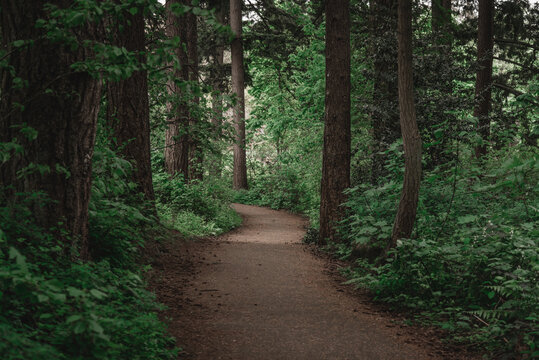
Bijrani
A popular choice for jeep safaris, with opportunities to observe deer, elephants and, occasionally, tigers.
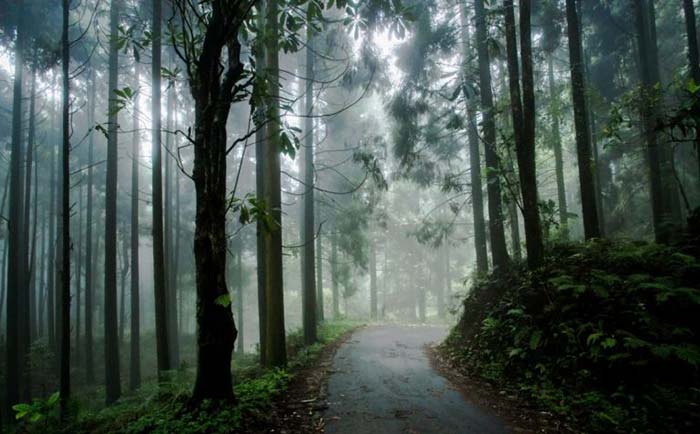
Jhirna
A mix of dry deciduous vegetation, scrub and woodland. Its habitat supports deer & wild boar.

Dhela
Visitors may encounter elephants, deer and bird species while travelling through its safari routes.
Wildlife of Jim Corbett National Park
A safari through Corbett can reveal very different wildlife depending on the landscape. Tigers tend to remain elusive in the forest, while spotted deer often appear in open areas. Near rivers and grasslands, elephants and several bird species are among the animals visitors may encounter.
The park’s wildlife is not limited to its famous predators. Its healthy populations of herbivores, birds and reptiles are equally important to the forest ecosystem.

Bengal Tiger
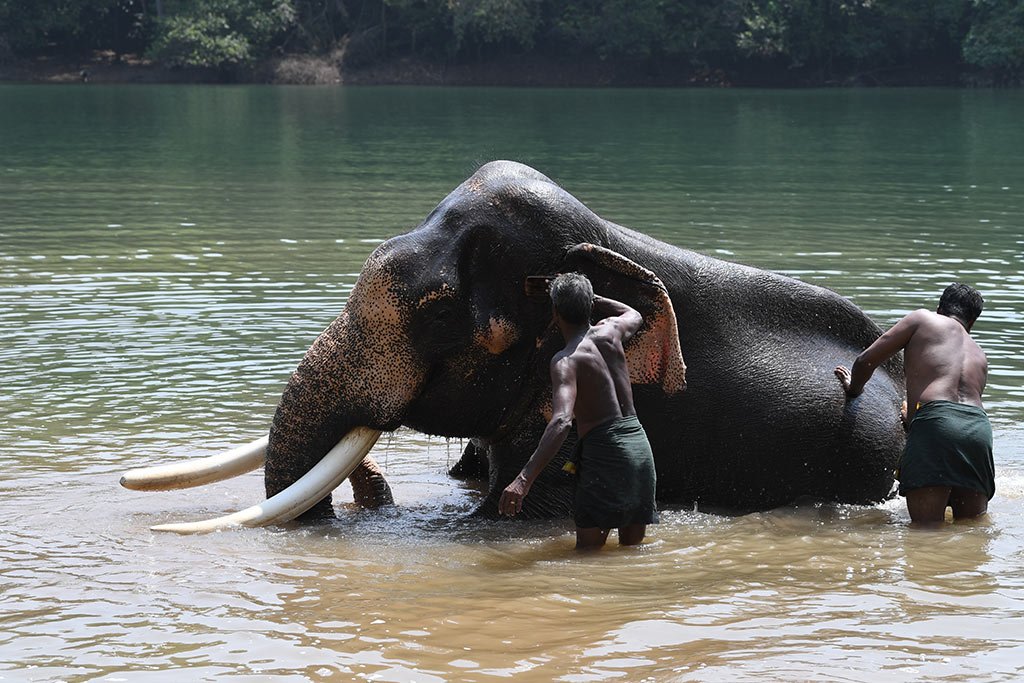
Asian Elephant

Spotted Deer and Sambar
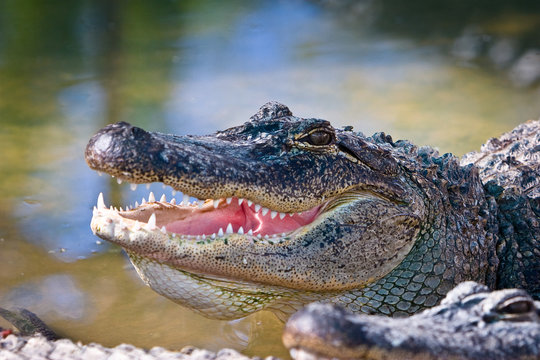
Gharials and Mugger Crocodiles
The Landscapes That Shape Corbett's Wildlife
Beyond its safari zones, Jim Corbett National Park is a landscape of changing elevations, rivers, forests and open grasslands. These natural features influence where animals find food, water and shelter throughout the year.

How the Landscape Changes Through the Seasons
Summer
As temperatures rise, water availability becomes increasingly important. Wildlife activity around water sources can become more noticeable, although sightings remain unpredictable.
Monsoon
Rain transforms the vegetation and replenishes streams. The landscape becomes greener, but swollen rivers, muddy tracks and safety restrictions can limit tourism access.
Winter
Cooler weather makes daytime forest excursions more comfortable. Mist can settle over valleys and grasslands in the early morning, occasionally reducing visibility.
Places to Visit Near Jim Corbett National Park
The area around Corbett has more to offer than forest safaris. Around Ramnagar and the nearby Kumaon foothills, travellers can explore riverside landscapes, temples, forest viewpoints and quieter natural attractions. Some are suitable for a short stop, while others deserve a separate outing.

Nainital
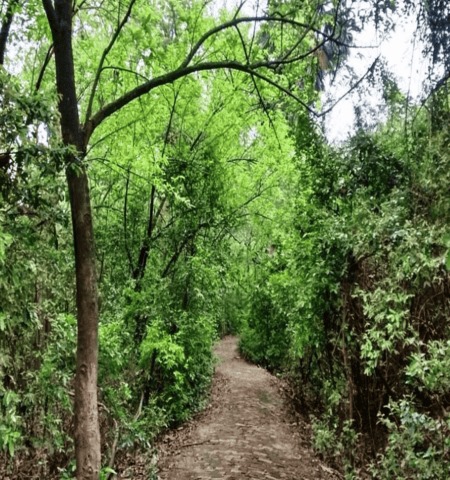
Sitabani Forest Area

Corbett Falls
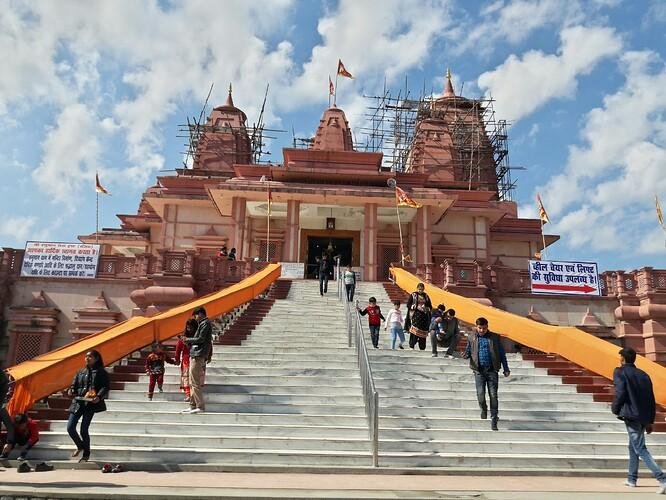
Hanuman Dham
Conclusion
Jim Corbett National Park is often associated with the excitement of spotting a tiger, but the experience does not depend on a single encounter. The sound of alarm calls in the forest, fresh animal tracks along a dusty trail or a herd of deer suddenly becoming alert can be just as fascinating.
What stays with many visitors is the unpredictability of the forest. A quiet stretch of woodland can become active within moments, while an open grassland may reveal wildlife that was hidden only minutes earlier.
Corbett rewards those who pay attention to these smaller details. Its rivers, forests and grasslands offer a chance to observe wildlife in its natural surroundings, where animals follow their own rhythms rather than a visitor’s schedule.
Explore Uttarakhand
Varanasi Blogs
- Uttar Pradesh Cultural guide
- Places to visit in Varanasi
- Places to visit nearby Varanasi
- India’s most popular destination
- India’s archaeological marvels
Recommended articles
- Uttar Pradesh Cultural guide
- Places to visit in Varanasi
- Places to visit nearby Varanasi
- India’s most popular destination