
¤ 7 minutes Read
Kedarnath Temple: History, Legends and the Himalayan Shrine
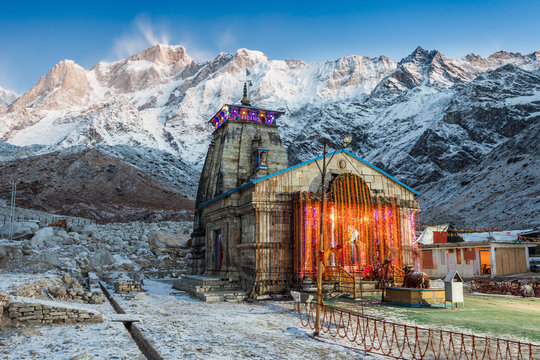
High in the Garhwal Himalayas of Uttarakhand, Kedarnath Temple stands against a dramatic backdrop of snow-covered peaks. Dedicated to Lord Shiva, the shrine is one of the twelve Jyotirlingas and an important destination in the Char Dham pilgrimage of Uttarakhand. Situated at approximately 3,583 metres above sea level, the temple is reached through a mountain journey that forms an important part of the pilgrimage experience. Its stone-built structure, remote location and centuries-old religious traditions give Kedarnath a character quite different from temples found in India’s towns and cities.
The temple is also closely associated with the Pandavas of the Mahabharata, although these accounts belong to religious tradition rather than verified historical records. Beyond its spiritual importance, Kedarnath is remarkable for its setting in a landscape shaped by glaciers, rivers and extreme Himalayan weather.
Religious Significance and Worship at Kedarnath Temple
One of the Twelve Jyotirlingas
In Shaivite tradition, Jyotirlingas are sacred manifestations of Shiva, associated with his divine radiance. Kedarnath is among the twelve principal shrines worshipped across India.
Part of the Panch Kedar
Kedarnath is traditionally the first temple visited in the Panch Kedar pilgrimage. The other four shrines are Tungnath, Rudranath, Madhyamaheshwar and Kalpeshwar.
A Shrine of the Uttarakhand Char Dham
Kedarnath forms part of the Himalayan Char Dham circuit alongside Yamunotri, Gangotri and Badrinath. This regional pilgrimage is distinct from the four major Dhams associated with different parts of India.
Architecture of Kedarnath Temple: Built for the Himalayas
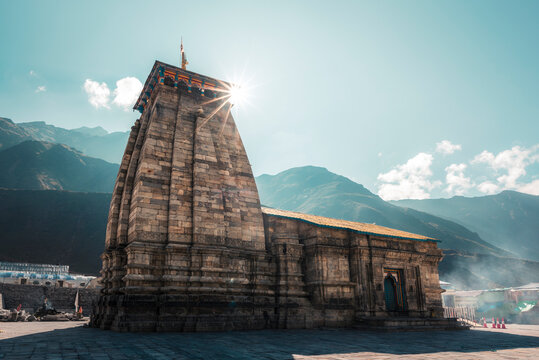
Kedarnath Temple has a remarkably simple exterior compared with many other Hindu temples in India. Instead of elaborate towers and colourful sculptures, its design relies on massive stone walls, a compact entrance hall and a towering stone structure above the main sanctum.
The temple is built using large, carefully fitted stone blocks. Its heavy construction is particularly notable given the difficult terrain and extreme weather conditions of the Garhwal Himalayas.
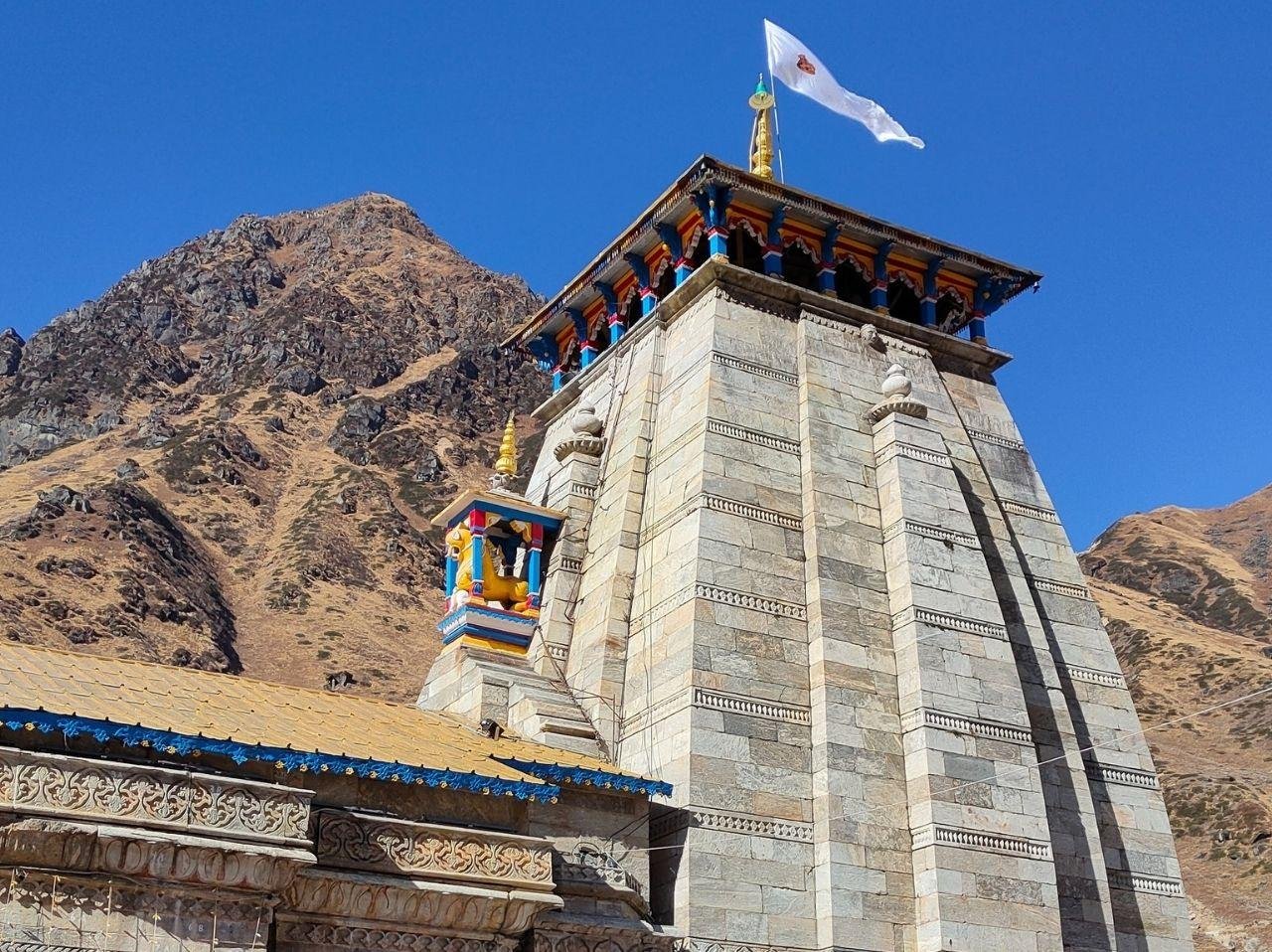
The Stone Shikhara
The tower above the sanctum rises in a tapering form, giving the temple its distinctive silhouette. Unlike the highly ornamented towers of many North Indian temples, Kedarnath’s shikhara has relatively restrained decoration.
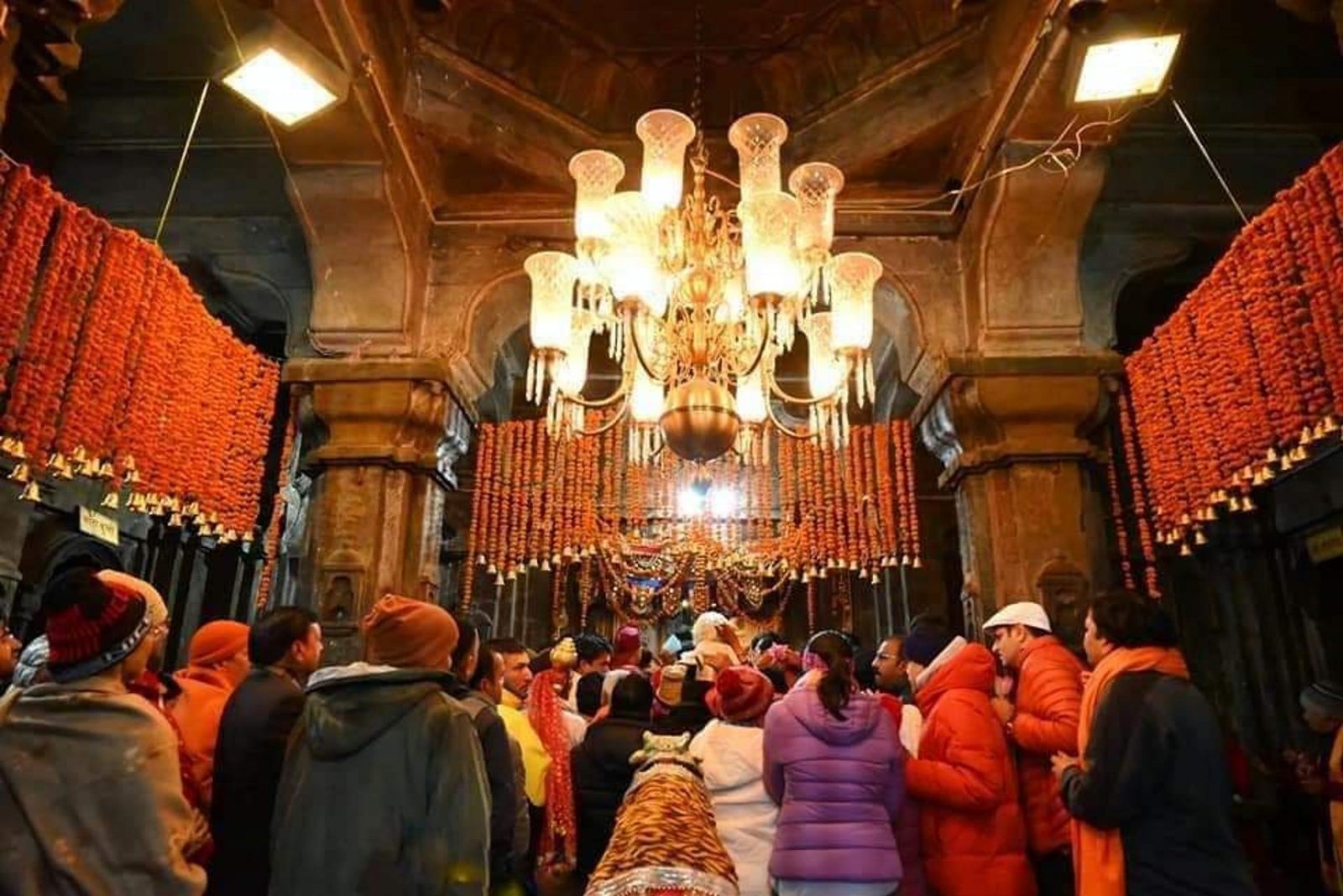
The Mandapa and Sanctum
Inside, the temple has a pillared assembly hall, known as the mandapa, leading towards the garbhagriha, or inner sanctum. The central object of worship is an irregularly shaped stone formation revered as Lord Shiva.
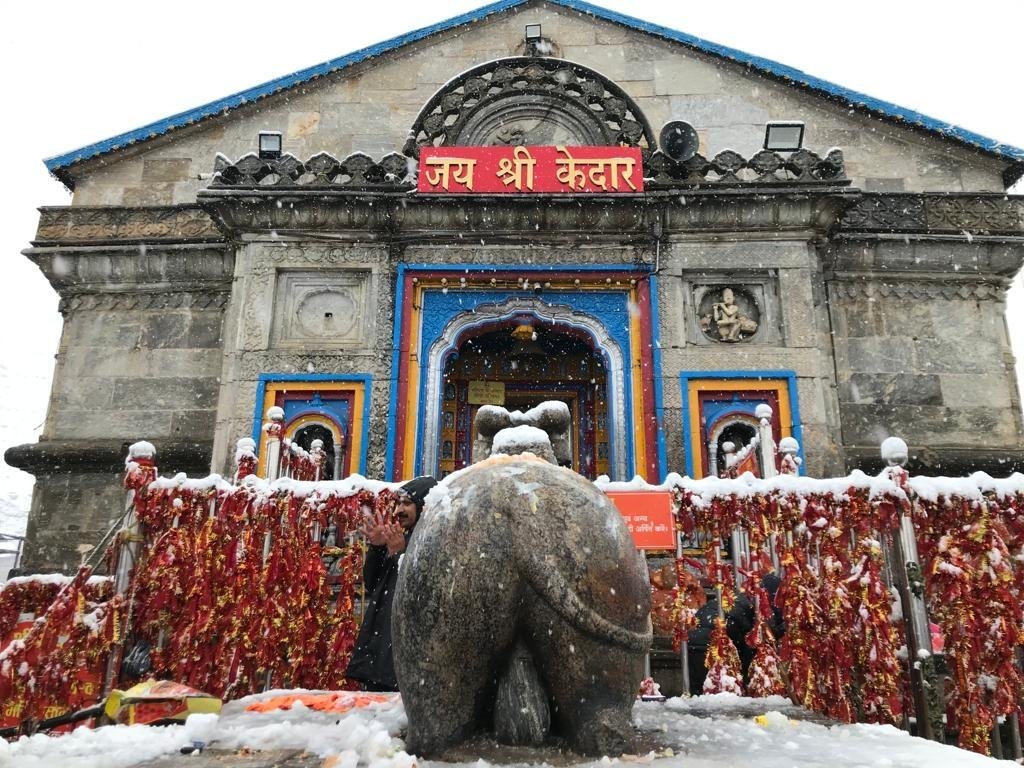
Nandi at the Entrance
A stone sculpture of Nandi, Shiva’s sacred bull, faces the temple entrance. Its position reflects a familiar feature of Shiva temples, where Nandi is traditionally placed facing the deity’s sanctum.
How the Temple Fits Its Mountain Setting
One of Kedarnath’s most striking architectural features is its relationship with the surrounding landscape. The temple stands on an open, elevated area, with steep Himalayan slopes rising behind it.
Its substantial stone construction has endured centuries of seasonal snowfall, freezing temperatures and mountain weather. However, the precise age of the present structure and the original techniques used to assemble its stones remain subjects of historical and architectural study.
The setting also changes how the building is experienced. From a distance, the temple appears small against the mountains. As pilgrims approach, the scale of its stone walls and entrance becomes much clearer.
Kedarnath Temple: A Sacred Story Rooted in the Mahabharata
The story of Kedarnath is closely connected to the Pandavas, the five brothers from the Mahabharata. According to Hindu tradition, after the Kurukshetra war, the Pandavas sought Lord Shiva’s forgiveness for the lives lost in battle.
Shiva, however, did not wish to meet them. Tradition says he took the form of a bull and hid in the Himalayan region. When Bhima, one of the Pandavas, recognised him, the bull began disappearing into the earth. Bhima managed to grasp its hump, which is believed to have remained at Kedarnath.
This belief also connects Kedarnath to the Panch Kedar, five sacred Shiva temples in Uttarakhand.
Kedarnath
Hump
Tungnath
Arms
Rudranath
Face
Madhyamaheshwar
Navel
Kalpeshwar
Hair
The unusual, naturally shaped Shiva lingam worshipped at Kedarnath is traditionally associated with the bull’s hump. This connection explains why Kedarnath holds a central place in the Panch Kedar pilgrimage.
The Journey to Kedarnath: From Gaurikund to the Temple
Reaching Kedarnath is part of the experience itself. Unlike many major temples accessible by road, the final stretch requires a mountain trek or an authorised alternative transport service.
The journey begins at Gaurikund, the traditional starting point of the Kedarnath trek. From here, the route climbs through the Mandakini Valley, passing mountain settlements, waterfalls and resting points before reaching the temple.
Before Starting the Journey
Char Dham registration is mandatory. Pilgrims should complete it through the official Uttarakhand registration portal and carry their registration confirmation.
Anyone planning the trek should allow sufficient time, prepare for sudden weather changes and consider the effects of high altitude. The route is demanding even for people who regularly walk long distances.
What Happens When Kedarnath Closes for Winter?
Kedarnath Temple does not remain open throughout the year. Heavy snowfall makes regular access difficult during the winter months.
The ceremonial transfer takes place around the annual winter closure, traditionally associated with Bhai Dooj. When conditions improve, the deity’s ceremonial representation returns to Kedarnath for the next pilgrimage season.
This practice allows the worship of Lord Kedarnath to continue even when the mountain temple is inaccessible.
History of Kedarnath Temple: From Ancient Traditions to the Present
The exact date of Kedarnath Temple’s construction remains uncertain. Its origins are closely associated with the Pandavas, who are traditionally believed to have established a shrine here after the Mahabharata war. However, there is no conclusive archaeological evidence establishing when the first temple was built.
Another important tradition connects Kedarnath with Adi Shankaracharya, the eighth-century philosopher and religious reformer. He is believed to have visited Kedarnath and helped revive its importance as a centre of Shiva worship.
Over the centuries, Kedarnath continued to attract pilgrims despite its difficult mountain location and harsh climate. The temple’s survival through changing weather conditions and natural disasters has become an important part of its modern history.

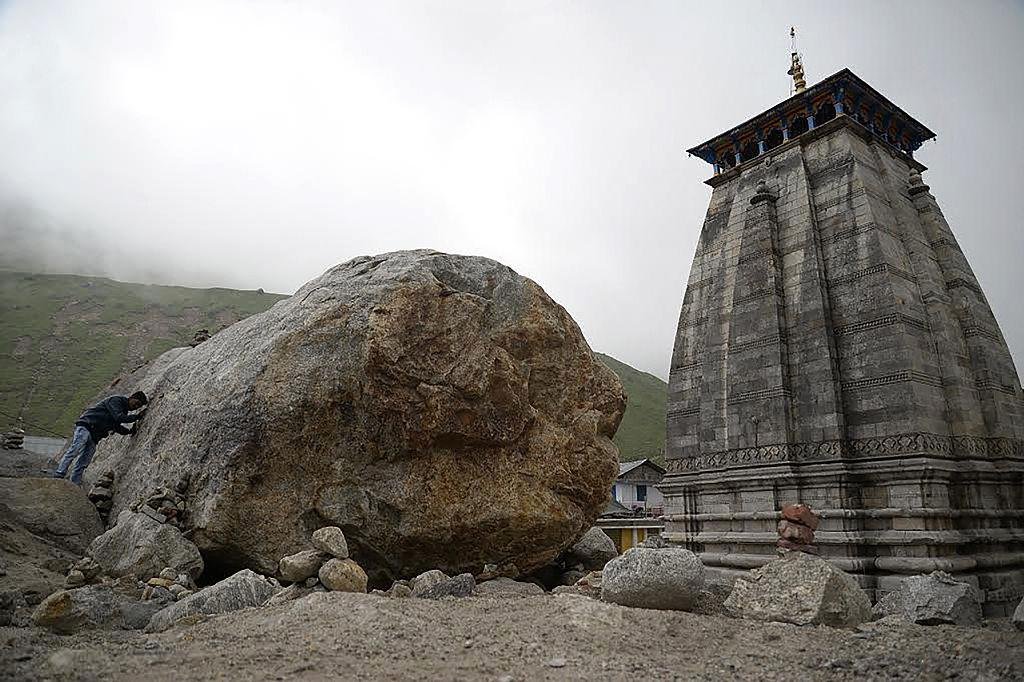
In June 2013, exceptionally heavy rainfall and flooding devastated Kedarnath and the surrounding valley. Buildings, roads and pilgrimage facilities were destroyed, and the disaster caused extensive loss of life.
Although much of the surrounding settlement was swept away, the main temple remained standing. It was not completely undamaged. An Archaeological Survey of India assessment identified displaced stones and damage to parts of the exterior.
A massive boulder, now known as Bhim Shila, came to rest behind the shrine during the floods. It is widely credited with helping divert the force of the floodwaters away from the main structure.
Restoration and Reconstruction
Following the disaster, conservation work began under the Archaeological Survey of India. Workers removed debris, repaired damaged stonework and carried out measures to preserve the temple’s structure.
Reconstruction also transformed the surrounding area, including pilgrimage pathways, retaining walls and facilities. The Adi Shankaracharya Samadhi, destroyed in the floods, was rebuilt and inaugurated in 2021.
Places to Visit Around Kedarnath Temple
The Kedarnath region has several places connected with Hindu traditions, mountain landscapes and the history of pilgrimage. Some are within walking distance of the main shrine, while others require a separate trek or a road journey.
Bhairavnath Temple
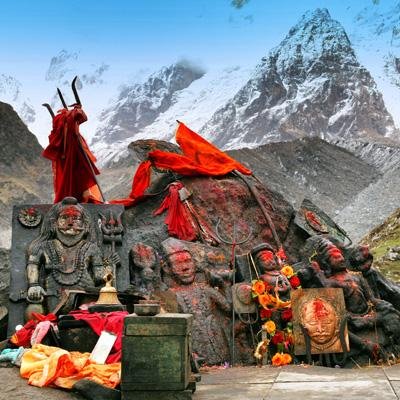
Situated on a hill above Kedarnath, this shrine is dedicated to Bhairava, a fierce manifestation of Lord Shiva.
Adi Shankaracharya Samadhi
Located behind the main temple, this memorial honours Adi Shankaracharya, who is traditionally believed to have attained samadhi at Kedarnath.
Vasuki Tal
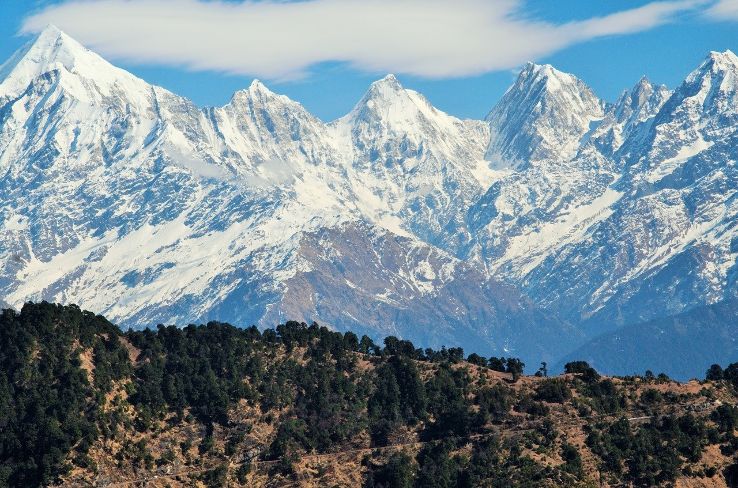
This high-altitude glacial lake lies beyond Kedarnath and requires a demanding mountain trek.
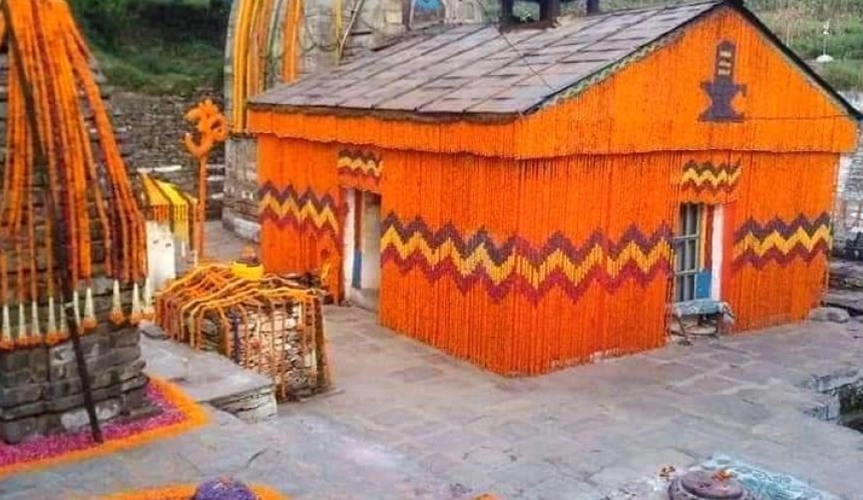
Triyuginarayan Temple
Located near Sonprayag, this temple is traditionally believed to mark the wedding of Shiva and Parvati.
Conclusion
Kedarnath Temple’s significance extends beyond its ancient religious traditions. Its remote location, enduring stone architecture and survival through the devastating 2013 floods have all become part of its story.
For pilgrims, reaching the shrine is an act of devotion that begins long before entering the temple. For others, Kedarnath offers an opportunity to understand how faith and daily life have adapted to the demanding conditions of the Himalayas.
Perhaps the most memorable aspect of Kedarnath is its setting. The modest stone temple, surrounded by towering mountains, creates a striking contrast that photographs rarely capture fully. It is a place where the landscape and centuries of worship remain closely connected.
Explore Uttar Pradesh

Varanasi Blogs
- Uttar Pradesh Cultural guide
- Places to visit in Varanasi
- Places to visit nearby Varanasi
- India’s most popular destination
- India’s archaeological marvels
Recommended articles
- Uttar Pradesh Cultural guide
- Places to visit in Varanasi
- Places to visit nearby Varanasi
- India’s most popular destination