
¤ 7 minutes Read
Tungnath Temple: History, Panch Kedar Significance and Himalayan Trek
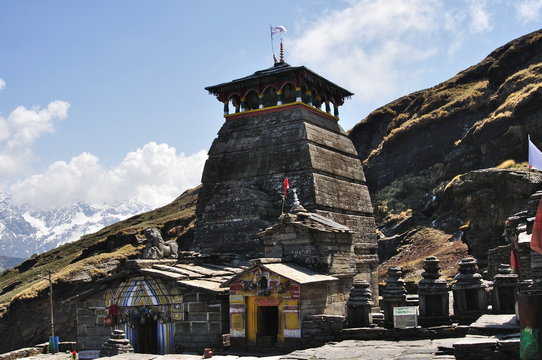
High in the Garhwal Himalayas of Uttarakhand, Tungnath Temple sits at an altitude of approximately 3,680 metres (12,073 feet), making it one of the highest Shiva temples in the world. Located in Rudraprayag district, the ancient shrine is part of the sacred Panch Kedar pilgrimage circuit and is traditionally associated with the arms of Lord Shiva.
Reaching Tungnath requires an uphill trek from Chopta, passing through mountain meadows and open slopes with views of the surrounding Himalayan peaks. The stone temple stands just below Chandrashila, a summit known for its sweeping mountain panoramas. For pilgrims, Tungnath holds deep religious importance, while the walk itself attracts trekkers who want to experience this remarkable part of Uttarakhand.
The Trek to Tungnath Temple: From Chopta to the Mountain Shrine
The journey to Tungnath begins in Chopta, a small mountain destination surrounded by forests and alpine meadows. From here, a stone-paved trail climbs steadily towards the temple, covering approximately 3 to 3.5 kilometres.
Although the distance seems short, the continuous ascent and high altitude can make the walk tiring. Along the way, the landscape gradually changes from wooded slopes to open mountain grasslands, with wider views of the Garhwal Himalayas.
Beyond Tungnath: The Chandrashila Summit
1.5 km
Approx. one way from temple
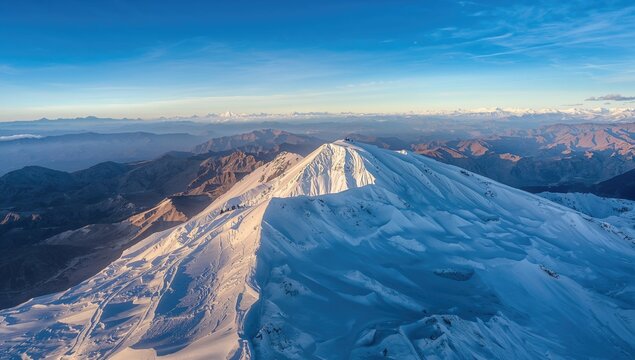
The trail continues beyond Tungnath to Chandrashila, at approximately 4,000 metres above sea level. This section is steeper than the approach to the temple, but the summit offers expansive views of peaks such as Chaukhamba, Nanda Devi and Trishul when the weather is clear. The climb to Chandrashila is optional. Snow, strong winds and poor visibility can make the upper route difficult, especially outside the regular trekking season. Reaching Tungnath itself is a worthwhile destination, without needing to continue to the summit.
The Legend of Tungnath Temple and Its Connection to Panch Kedar
The story of Tungnath begins with the Pandavas and their search for Lord Shiva after the Kurukshetra war. According to Hindu tradition, the five brothers sought Shiva’s blessings to atone for the lives lost during the battle described in the Mahabharata.
Shiva, however, was unwilling to meet them. The legend says he took the form of a bull and hid in the Himalayas. When Bhima recognised him, Shiva disappeared into the earth and manifested in five different places. These locations later became known as the Panch Kedar, the five sacred shrines dedicated to Lord Shiv
Kedarnath
Hump of Lord Shiva
Tungnath
Arms of Lord Shiva
Rudranath
Face of Lord Shiva
Madhmaheshwar
Navel of Lord Shiva
Kalpeshwar
Matted hair of Lord Shiva
Why Tungnath Holds a Special Place?
Tungnath is traditionally revered as the place where Shiva’s arms, known as bahu, appeared. It is also called Tritiya Kedar, or the Third Kedar, in the traditional pilgrimage circuit.
For devotees, the journey to Tungnath is connected to the Pandavas’ search for forgiveness and Shiva’s eventual blessings. This religious tradition continues to shape the temple’s importance within the wider Panch Kedar pilgrimage
Architecture of Tungnath Temple: Stonework in the Himalayas
Unlike the large temple complexes found across India’s plains, Tungnath has a compact stone structure shaped by the architectural traditions of the Garhwal Himalayas. Its narrow entrance, rising tower and surrounding smaller shrines give the complex a distinctive appearance.
The temple follows the traditional North Indian architectural style, with a small inner sanctum and a stone-built entrance hall. Its design shares features with other historic Shiva temples in Uttarakhand
The Stone Tower (Shikhara)
The tower rises above the inner sanctum in a form characteristic of North Indian temple architecture. Its layered stonework and tapering profile are among the most recognisable features of Tungnath.
The Entrance and Mandapa
The entrance leads through a modest hall towards the sanctum. Look closely at the stone doorway and its decorative details, which are easier to overlook than the temple’s prominent tower.
The Inner Sanctum
The garbhagriha is the central place of worship, housing the sacred Shiva lingam. Its enclosed space contrasts with the open mountain landscape outside.
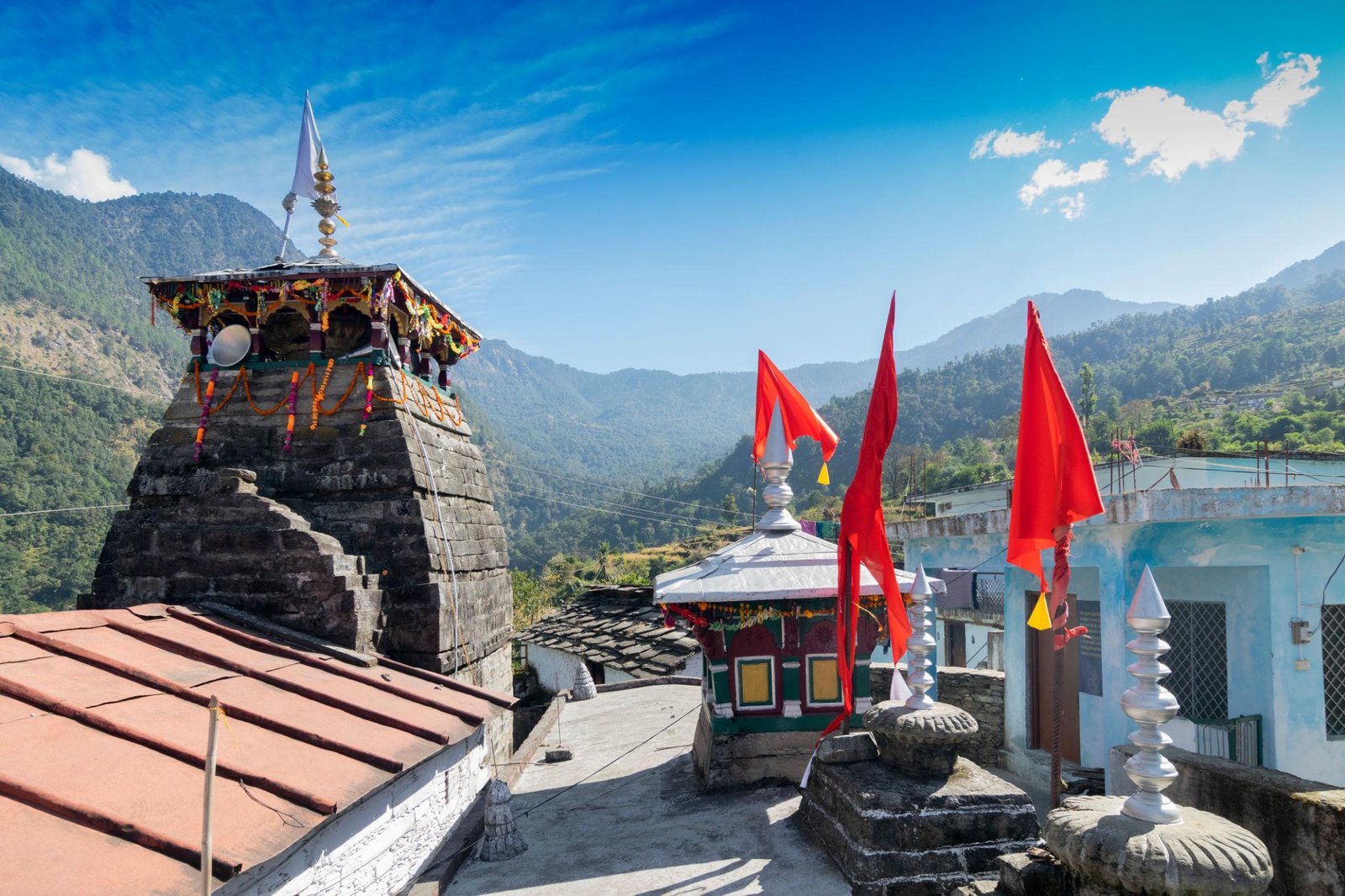
Makkumath: Where Tungnath's Worship Continues in Winter
During the winter closure, worship of Lord Tungnath continues at Shri Markateshwar Temple in Makkumath, a village in Rudraprayag district.
The ceremonial transfer of the deity is an important local religious event. The winter shrine allows devotees to offer prayers even when the mountain temple is inaccessible.
When Does Tungnath Temple Open? Seasonal Worship and Winter Traditions
Tungnath Temple does not remain open for worship throughout the year. Heavy winter snowfall makes the high-altitude shrine difficult to access, so its doors are ceremonially closed before the harshest winter months. The reopening takes place in spring, following dates determined according to the Hindu calendar.
However, the annual closure does not bring Tungnath’s religious traditions to a halt. Worship continues at a separate shrine in the lower Himalayan region.
Spring: The Temple Reopens
The shrine generally reopens in April or May. The ceremonial return of the deity marks the beginning of the pilgrimage season.
Summer and Early Autumn: The Main Pilgrimage Period
Devotees visit the mountain shrine during the warmer months. Monsoon rain can affect trail conditions, while clearer autumn days often provide better mountain visibility.
Winter: The Shrine Closes
Following traditional rituals, the temple doors are closed and the deity’s ceremonial palanquin is taken to its winter seat at Makkumath.
Places to Visit Near Tungnath Temple
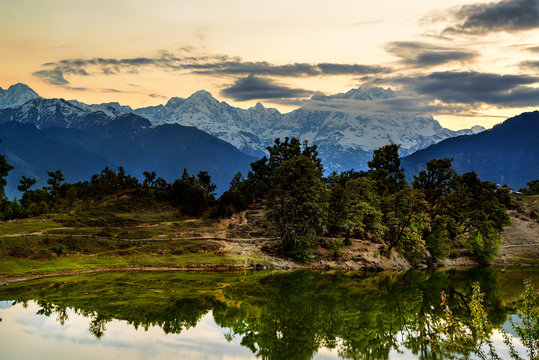
The Chopta region has several places worth exploring beyond Tungnath. Some are short extensions of the mountain journey, while others require a separate drive through Rudraprayag district. These destinations offer different experiences, from forest walks and Himalayan viewpoints to ancient temples and quiet mountain villages.
Chandrashila Peak
Chopta Valley
Deoria Tal
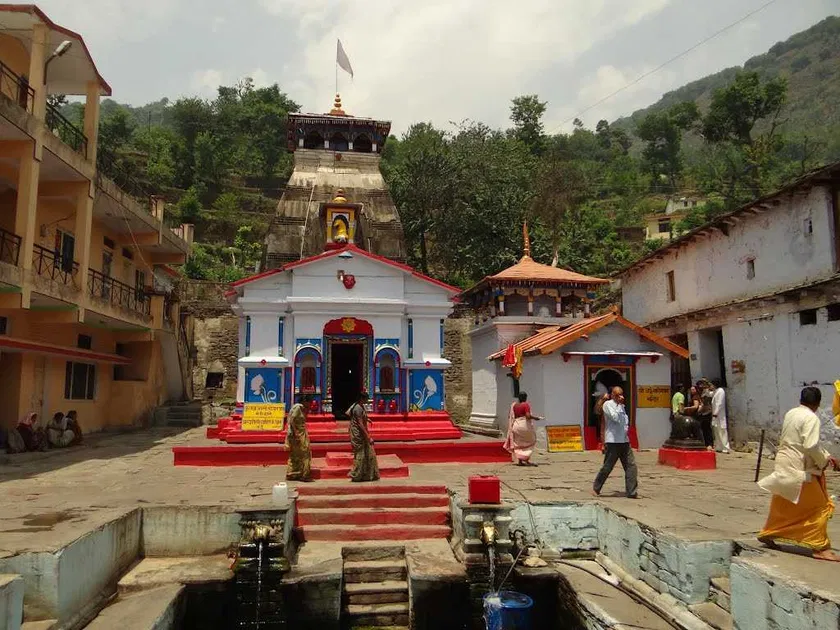
Ukhimath Temple
Conclusion
Tungnath is more than just a spiritual destination; it is a perfect blend of natural beauty, adventure, and tranquility. Nestled in the majestic Himalayas, this sacred temple offers breathtaking views, peaceful surroundings, and an unforgettable trekking experience. From the scenic landscapes of Chopta to the panoramic views of Chandrashila Peak, every moment of the journey is truly special. Whether you seek divine blessings, thrilling adventures, or a peaceful escape into nature, Tungnath is a destination that leaves you with cherished memories and a deep connection to the beauty of the Himalayas.
Explore Uttarakhand
Varanasi Blogs
- Uttar Pradesh Cultural guide
- Places to visit in Varanasi
- Places to visit nearby Varanasi
- India’s most popular destination
- India’s archaeological marvels
Recommended articles
- Uttar Pradesh Cultural guide
- Places to visit in Varanasi
- Places to visit nearby Varanasi
- India’s most popular destination