
Rituals of Uttarakhand: Sacred Traditions and Cultural Ceremonies
In Uttarakhand, rituals are part of everyday life. Families follow traditions during births, weddings, festivals and religious gatherings. Many customs also honour local gods, ancestors and the natural world. The Garhwal and Kumaon regions have their own ways of celebrating these occasions.
For example, Jagar rituals involve folk songs and prayers to local deities. Meanwhile, village festivals bring families together through music, food and worship. Some customs follow Hindu traditions found across India. Others have strong local roots. Together, these rituals of Uttarakhand show how communities keep their beliefs and family customs alive.
Life Event Rituals

Chhathi (Sixth-Day Birth Ceremony)
Some families in Uttarakhand celebrate Chhathi on the sixth day after a baby’s birth. During this ceremony, relatives pray for the child’s health and happiness. Elders also bless the newborn and welcome the baby into the family. However, customs may differ between households.
How is it done?
- Home Purification – The family cleans and prepares the space where the ceremony will take place.
- Worship and Prayers – Family members offer prayers for the newborn’s health and well-being.
- Blessing the Child – Elders bless the baby and offer wishes for a healthy life.
- Family Gathering – Close relatives may gather to celebrate and share traditional food.
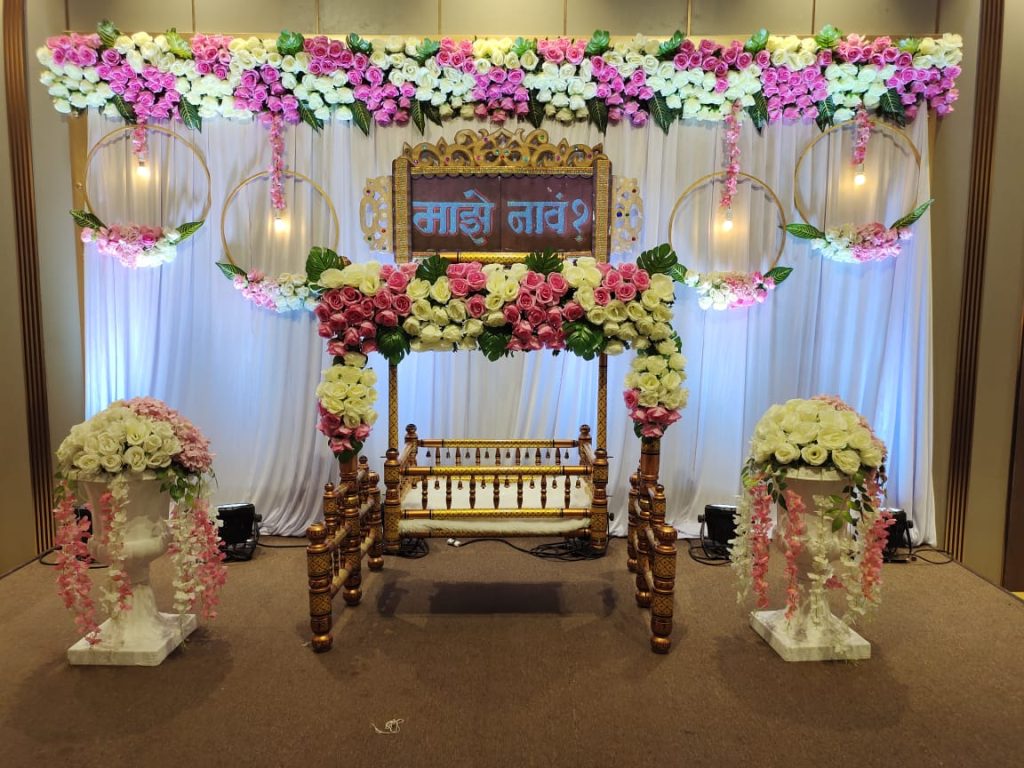
Namkaran (Naming Ceremony)
Namkaran is the traditional naming ceremony for a newborn. Many Hindu families in Uttarakhand invite a priest to perform prayers and help choose a suitable day. During the ceremony, the family formally announces the baby’s name. Relatives then offer blessings and celebrate the occasion.
How is it done?
- Auspicious Date Selection – A priest or family elder determines a suitable day for the ceremony.
Ganesh Puja – Prayers may be offered to Lord Ganesha before the naming ritual.
Naming the Child – The chosen name is formally announced, sometimes after being whispered into the baby’s ear.
Family Blessings – Relatives bless the newborn and celebrate the occasion.

Janeu Sanskar (Sacred Thread Ceremony)
Janeu Sanskar, also called Upanayana, is a religious ceremony in certain Hindu communities of Uttarakhand. It marks the beginning of a new stage of spiritual learning. During the ritual, a priest gives the sacred thread to the initiate and teaches important prayers. The ceremony also introduces religious duties and personal discipline.
How is it done?
- Purification Ritual – The initiate bathes and prepares for the religious ceremony.
- Sacred Fire Ceremony (Havan) – A priest conducts prayers and offerings before the sacred fire.
- Wearing the Janeu – The sacred thread is placed over the initiate’s left shoulder and across the chest.
- Gayatri Mantra Initiation – The initiate receives instruction in the Gayatri Mantra and its religious significance.
Spirit Worship ritual
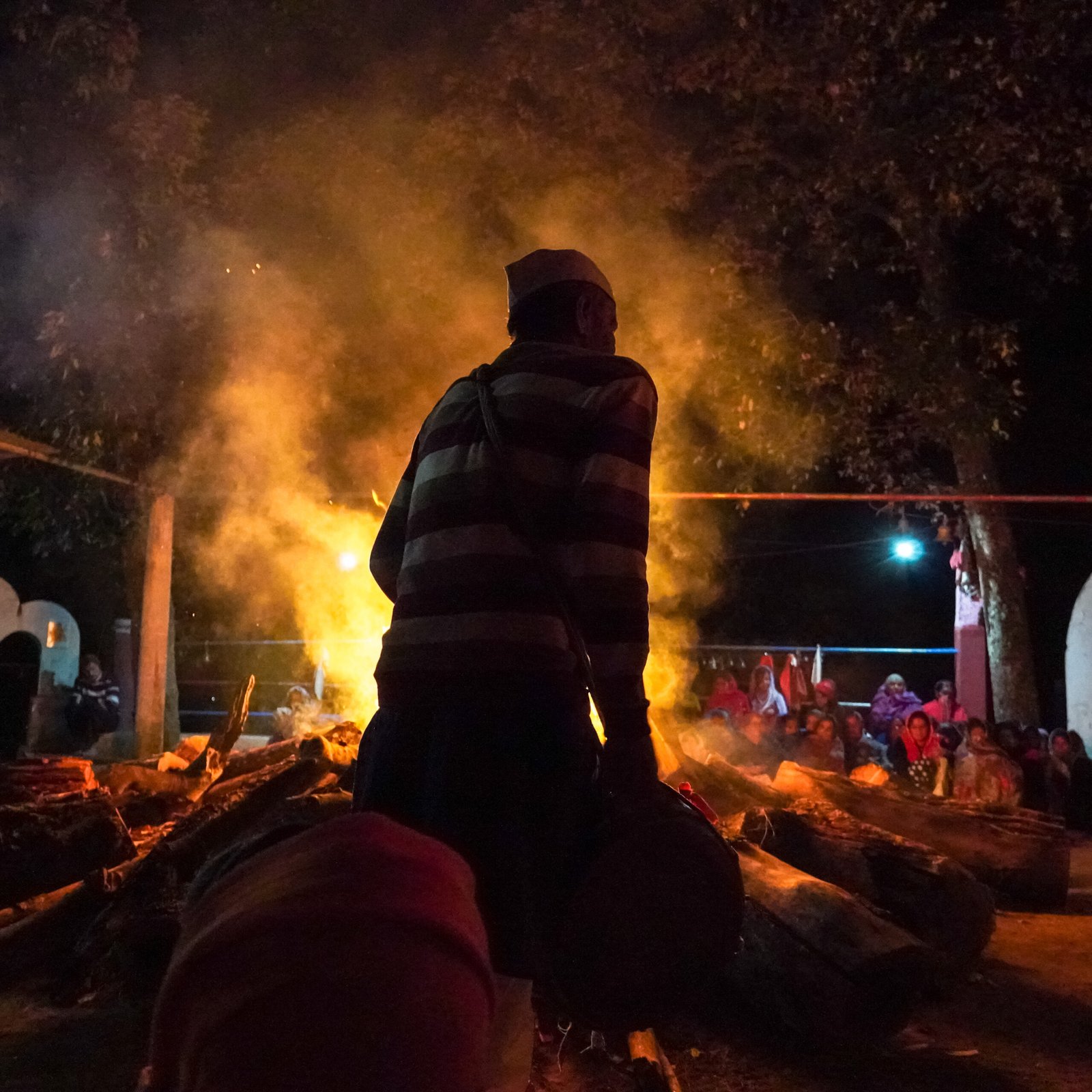
Jagar (Ancestral and Deity Invocation Ritual)
Jagar is a traditional ritual practised in the Garhwal and Kumaon regions of Uttarakhand. Local communities perform it to honour village gods, ancestors and other spiritual figures. During the ceremony, a singer called a Jagariya tells sacred stories through songs. Traditional drums accompany the singing and create a steady rhythm.
How is it done?
- Ritual Preparation – The family or community prepares a sacred space with offerings, lamps and incense.
- Jagar Singing – The Jagariya sings traditional narratives accompanied by instruments such as the dhol and damau
- Deity Invocation – Through rhythmic music and chanting, the deity or ancestral spirit is invited to manifest through a medium.
- Blessings and Guidance – Participants seek blessings, protection or guidance through the medium, according to local beliefs.

Golu Devta Worship (Worship of the God of Justice)
Golu Devta is a popular folk deity in the Kumaon region of Uttarakhand. People worship him as the god of justice and seek his help with disputes and personal problems. At temples such as Chitai near Almora, devotees write letters describing their concerns.
How is it done?
Preparing a Petition – Devotees write their requests or grievances on paper.
Offering Prayers – The petitions are presented at the shrine while seeking the deity’s intervention.
Sacred Offerings – Flowers, incense and other offerings may accompany the prayers.
Bell Offering – Devotees traditionally offer bells in gratitude when they believe their wishes have been fulfilled.
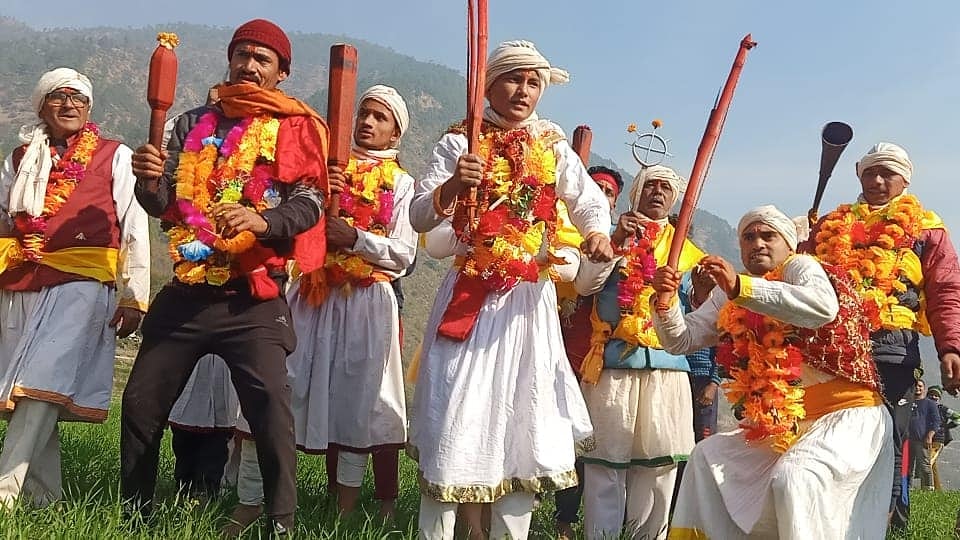
Pandav Nritya (Ritual Dance Honouring the Pandavas)
Pandav Nritya is a religious folk dance practised in parts of Garhwal. It tells stories about the five Pandava brothers from the Mahabharata. During the performance, singers narrate important events while dancers follow the rhythm of traditional drums.
How is it done?
- Preparing the Mandaan – Villagers gather in an open ceremonial space where the performance takes place.
- Traditional Narration – A Jagari sings episodes from the Mahabharata, accompanied by the dhol and damau.
- Ritual Dance – Designated performers, known as Pashwas, dance according to the narrated episodes.
- Community Participation – Families and villagers attend the ceremony as an act of collective devotion.
Folk Festivals
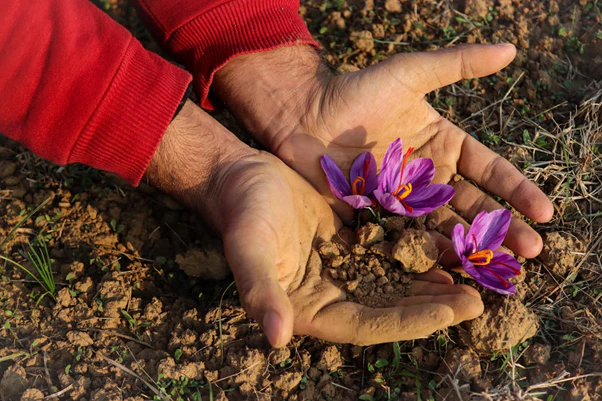
Harela (Festival of Greenery and Harvest)
Harela is a traditional festival celebrated mainly in the Kumaon region of Uttarakhand. It marks the arrival of the monsoon and the start of the farming season. Families grow small shoots of grains at home and use them during prayers for a good harvest. The festival also honours Lord Shiva and Goddess Parvati.
How is it done?
- Sowing Seeds – About ten days before the festival, families sow grains such as barley, maize and wheat in small containers.
Worship and Offerings – Prayers are offered to household deities, seeking prosperity and a successful harvest.
Harela Blessings – The grown shoots are cut and placed on family members’ heads as a blessing.
Tree Planting – Many communities plant saplings to mark the festival’s connection with nature.
Phool Dei (Spring Flower Festival)
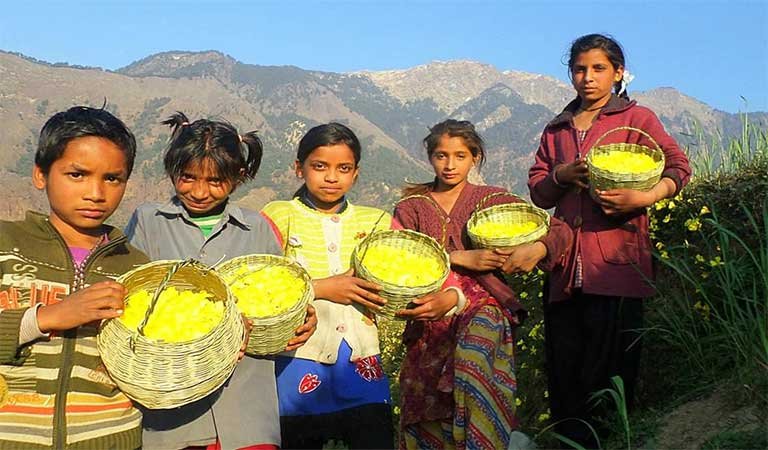
Phool Dei is a colourful spring festival celebrated across parts of Uttarakhand, especially in Garhwal and Kumaon. During the festival, children collect fresh flowers and place them at the entrances of homes. They also sing traditional songs and wish families happiness and prosperity.
How is it done?
- Flower Collection – Children gather fresh seasonal flowers early in the morning.
- Decorating Doorsteps – Flowers are placed along household thresholds while traditional blessings are recited.
- Receiving Gifts – Households thank the children with sweets, grains, rice or small gifts.
- Preparing Traditional Food – Families prepare festive dishes, including sweet preparations made with flour and jaggery.
Nanda Devi Mahotsav (Festival Honouring Goddess Nanda Devi)
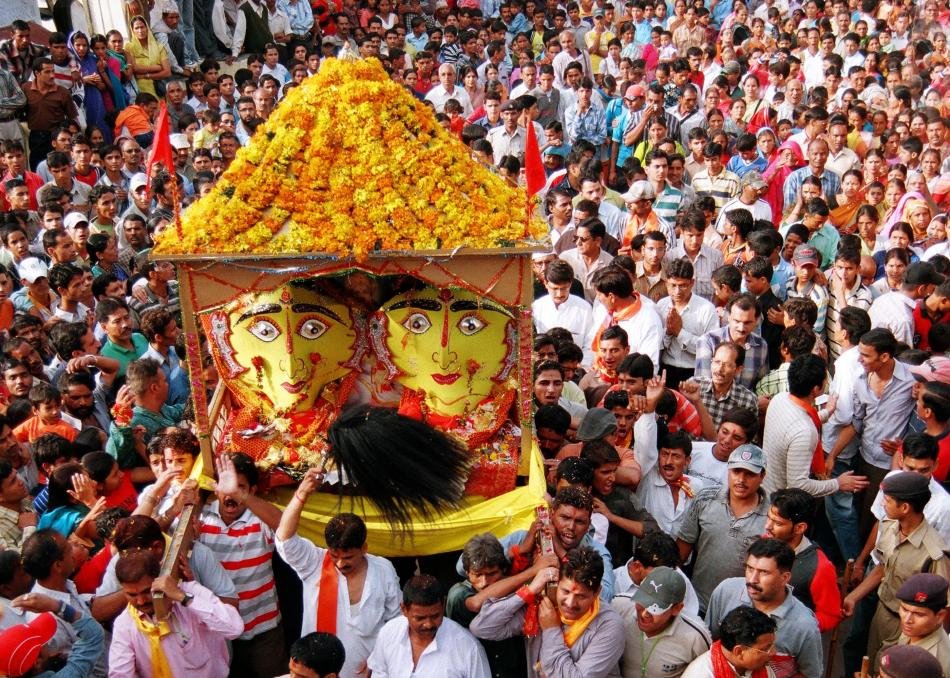
Nanda Devi Mahotsav is an important religious festival in the Kumaon region, particularly in Almora and Nainital. The celebration honours Goddess Nanda Devi and Goddess Sunanda.
How is it done?
- Preparing Sacred Images – Traditional representations of Nanda and Sunanda are prepared and decorated for worship.
- Temple Puja – Devotees offer flowers, incense and prayers to the goddesses.
- Ceremonial Procession – Decorated images of the deities are carried through the town with devotional music.
- Community Celebrations – Local fairs, cultural performances and gatherings accompany the religious ceremonies.
Temple Rituals
Kedarnath Rudrabhishek (Sacred Worship of Lord Shiva)
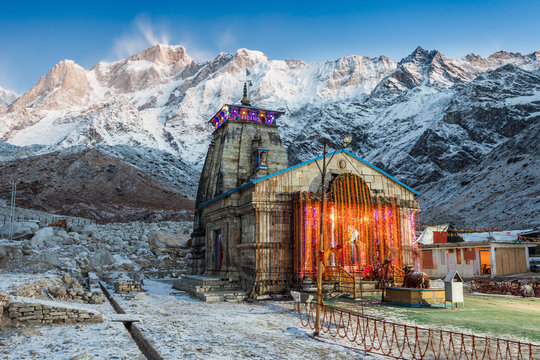
Rudrabhishek is an important form of Shiva worship performed at Kedarnath Temple in Uttarakhand’s Garhwal Himalayas. The ceremony involves bathing the Shiva lingam with sacred offerings while priests chant Vedic mantras dedicated to Lord Rudra.
How is it done?
- Sankalp (Prayer Intention) – The devotee’s name and prayer intention are stated before the ceremony.
- Sacred Abhishek – Priests perform the ritual bathing of the Shiva lingam using prescribed offerings.
- Mantra Chanting – Vedic hymns, including prayers associated with Lord Rudra, accompany the worship.
- Final Prayers – The ceremony concludes with prayers and blessings for the devotee
Badrinath Mahabhishek (Morning Worship of Lord Vishnu)
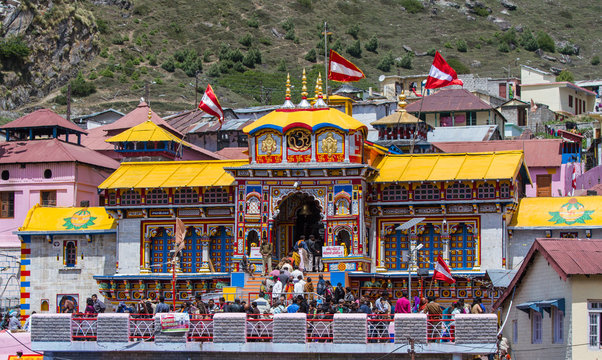
Mahabhishek is a special early-morning ceremony performed at Badrinath Temple, dedicated to Lord Vishnu in his Badrinarayan form. It is among the temple’s principal worship services and takes place before regular daytime darshan.
How is it done?
- Early Morning Preparation – Temple priests prepare the sanctum and ritual materials before the ceremony.
- Ceremonial Bathing – The deity receives Abhishek with sacred substances as prescribed by temple tradition.
- Vedic Recitation – Priests chant prayers and mantras dedicated to Lord Vishnu.
- Decoration and Worship – The deity is adorned, and the ritual concludes with offerings and prayers.
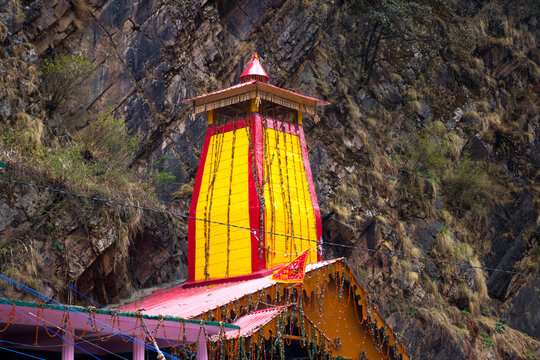
Yamunotri Divya Shila Puja (Worship of the Sacred Stone)
At Yamunotri, devotees traditionally worship Divya Shila, a sacred stone near Surya Kund, before entering the temple of Goddess Yamuna. The nearby natural hot spring is also part of the pilgrimage tradition.
How is it done?
- Preparing Prasad – Devotees place rice or potatoes in cloth bundles and cook them in the hot water of Surya Kund.
- Divya Shila Worship – Prayers are offered at the sacred stone near the spring.
- Yamuna Darshan – Pilgrims enter Yamunotri Temple to worship Goddess Yamuna.
- Receiving Prasad – The prepared food is taken as a blessed offering following the prayers.
Ayurveda and Yoga
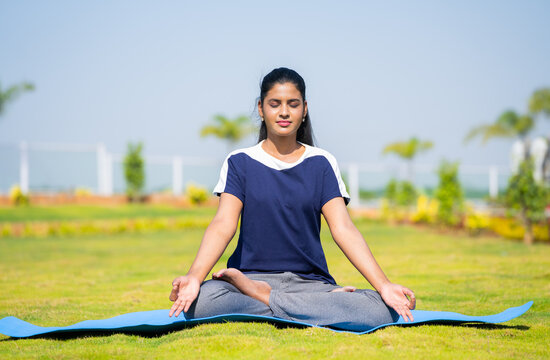
Yoga Sadhana (Traditional Yoga Practice)
Rishikesh has long been associated with yoga, meditation and spiritual learning. Its ashrams, including Parmarth Niketan and Sivananda Ashram, continue to teach practices that combine physical postures, breathing exercises and meditation.
How is it done?
- Morning Preparation – Practitioners begin with quiet reflection or prayers, often early in the morning.
- Asana Practice – Yoga postures are performed in a controlled sequence to develop flexibility, balance and strength.
- Pranayama – Guided breathing exercises encourage steady breathing and concentration.
- Dhyana (Meditation) – The session concludes with seated meditation or relaxation to cultivate mental awareness.

Ayurvedic Abhyanga (Traditional Oil Massage)
Abhyanga is a traditional Ayurvedic practice involving the application of warm herbal oil to the body. It forms part of Ayurvedic wellness programmes offered at several centres in Uttarakhand, particularly around Rishikesh and Narendra Nagar.
How is it done?
- Ayurvedic Consultation – A qualified practitioner assesses the individual’s needs and selects a suitable oil.
- Oil Preparation – The chosen herbal oil is gently warmed before application.
- Massage – Oil is applied using rhythmic strokes, with the technique adapted to the individual.
- Rest and Cleansing – After the massage, the person rests briefly before washing off the oil as advised.
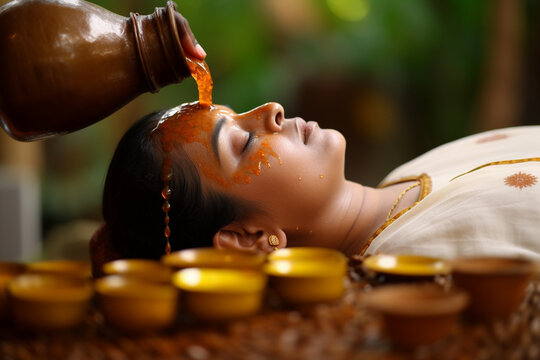
Panchakarma (Ayurvedic Cleansing Therapies)
Panchakarma is a specialised group of Ayurvedic procedures traditionally intended to restore balance within the body. Ayurvedic wellness centres in Uttarakhand offer these therapies as part of supervised treatment programmes.
How is it done?
- Initial Assessment – An Ayurvedic physician reviews the person’s health, constitution and suitability for treatment.
- Preparatory Procedures – Depending on the treatment plan, oil applications and other preparatory therapies may be recommended.
- Main Therapy – The physician selects appropriate procedures from the traditional Panchakarma system.
- Post-Treatment Care – Dietary guidance, rest and follow-up care form part of the prescribed programme.
Social Fabrics
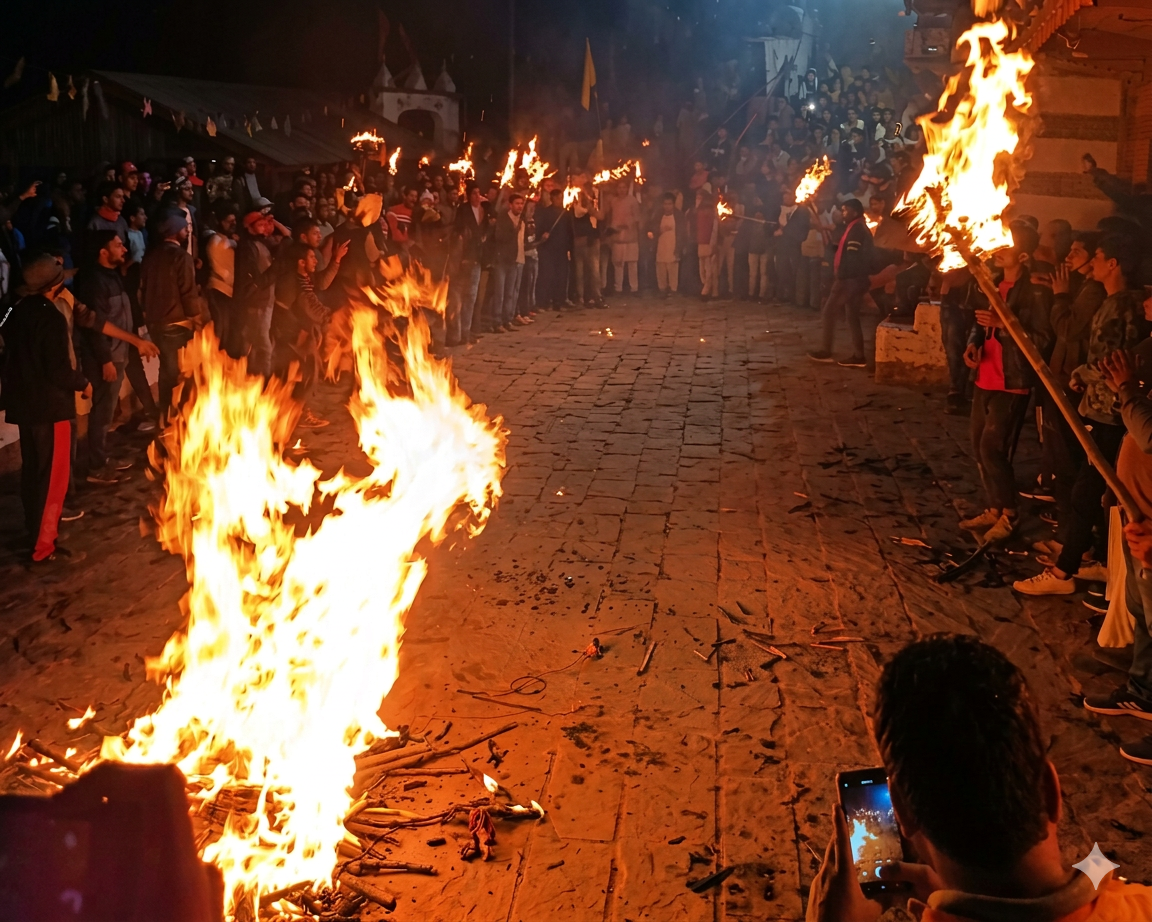
Eghas Bagwal (Community Celebration of Budhi Diwali)
Eghas Bagwal, also known as Igas, is celebrated in parts of Garhwal approximately eleven days after Diwali. The occasion brings families and neighbours together through traditional food, folk music and communal celebrations. One of its distinctive customs is Bhailo, in which specially prepared bundles of wood are lit and swung during festivities.
How is it done?
- Household Preparations – Families clean their homes and prepare traditional festive dishes.
- Community Gathering – Villagers assemble in open spaces for the evening celebrations.
- Bhailo Tradition – Participants swing burning bundles of wood in a controlled ceremonial setting, following local customs.
- Music and Celebration – Traditional songs, drumming and communal meals bring the gathering to a close.
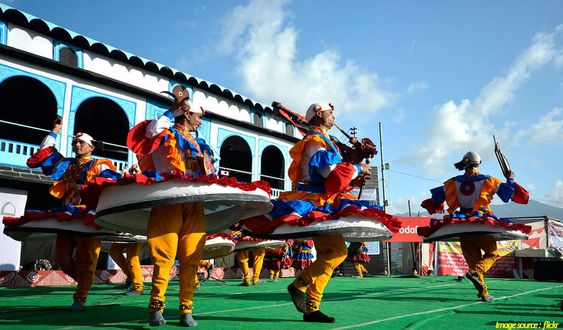
Chholiya Dance (Ceremonial Sword Dance)
Chholiya is a traditional sword dance of Kumaon, closely associated with wedding processions and community celebrations. Performers carry swords and shields while moving to the rhythm of traditional instruments.
How is it done?
- Procession Gathering – Dancers assemble alongside the wedding procession or at the ceremonial venue.
- Traditional Music – Musicians play instruments such as the dhol, damau and ransingha.
- Sword Dance – Performers execute coordinated movements using swords and shields.
- Ceremonial Welcome – The performance accompanies the procession and adds to the community celebration.
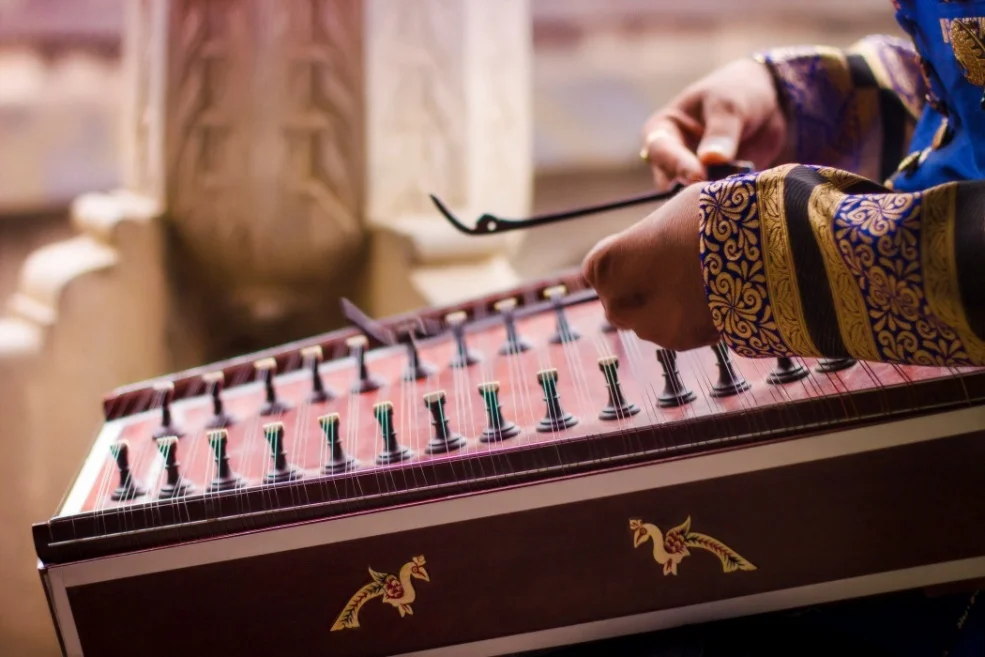
Mangal Geet (Traditional Auspicious Songs)
Mangal Geet are ceremonial folk songs sung by women during important family occasions in Uttarakhand, especially weddings and other auspicious events. Known in parts of Kumaon as Shakun Akhar, these songs express blessings, prayers and good wishes.
How is it done?
- Gathering of Women – Female relatives and neighbours assemble at the family home.
- Auspicious Singing – Traditional songs are performed at designated moments of the ceremony.
- Ritual Accompaniment – Singing continues while family members carry out customary preparations or religious rites.
- Blessings – The songs convey wishes for happiness, prosperity and harmony within the family.
Art & Craft

Aipan Art (Traditional Kumaoni Ritual Painting)
Aipan is a traditional folk art of Kumaon, created during religious ceremonies, weddings and festivals. Its distinctive white patterns are drawn over a red background, traditionally prepared using geru (red ochre) and biswar (rice paste).
How is it done?
- Surface Preparation – Floors, walls or wooden surfaces are coated with red geru to create the background.
- Rice Paste Preparation – Rice is soaked and ground into a smooth white paste called biswar.
- Drawing Sacred Patterns – Artists use their fingers to create traditional motifs, including Lakshmi footprints and ceremonial chowkis.
- Ritual Decoration – The completed designs decorate entrances, prayer spaces and areas used for family ceremonies.
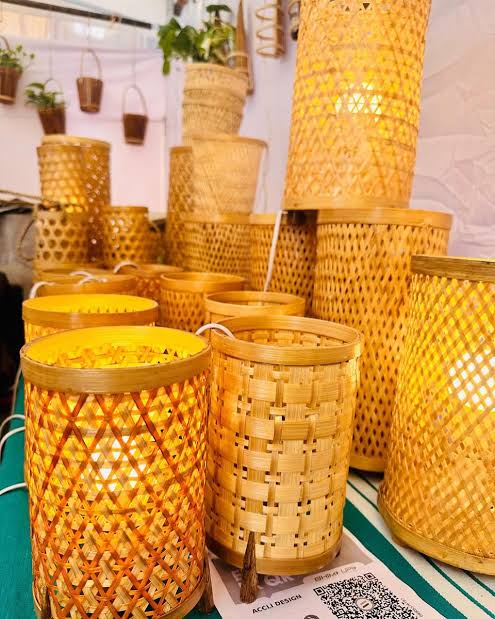
Ringaal Craft (Traditional Bamboo Weaving)
Ringaal craft is a traditional weaving practice found in the Himalayan villages of Uttarakhand. Artisans use locally available ringaal, a mountain bamboo, to make baskets, containers and household objects. These woven items have long been useful in agricultural work and daily village life.
How is it done?
- Collecting Ringaal – Artisans obtain suitable bamboo stems, traditionally sourced from mountain areas.
- Preparing the Strips – The stems are split into thin, flexible strips for weaving.
- Hand Weaving – Strips are interlaced to create baskets, containers and other functional objects.
- Finishing the Craft – Edges are secured and trimmed before the finished items are used or sold.
Other Significant Rituals
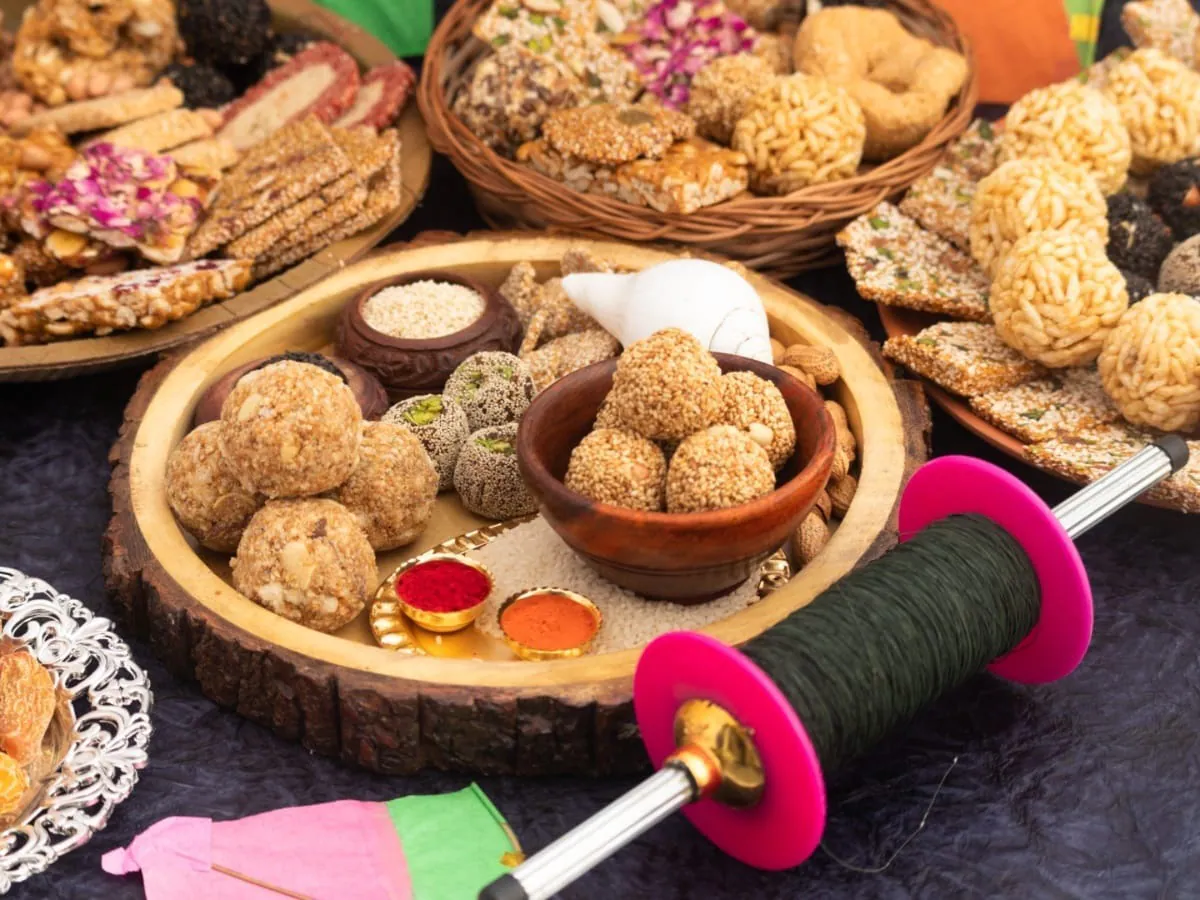
Ghughutiya (Makar Sankranti Bird-Feeding Tradition)
Ghughutiya, also known as Kale Kauva, is a traditional Kumaoni celebration associated with Makar Sankranti. Families prepare sweet, deep-fried flour shapes called ghughute, often threading them into garlands for children. The following morning, children call crows and offer them pieces of the sweets
How is it done?
- Preparing Ghughute – Families make sweet dough using wheat flour and jaggery, shaping it into rings and other small forms
- Making Garlands – The fried sweets are threaded together, sometimes with oranges and other treats.Calling the Crows – Children wear the garlands and call out traditional Kumaoni rhymes to attract crows.
- Offering Food – Pieces of ghughute are offered to the birds before the family enjoys the remaining sweets.
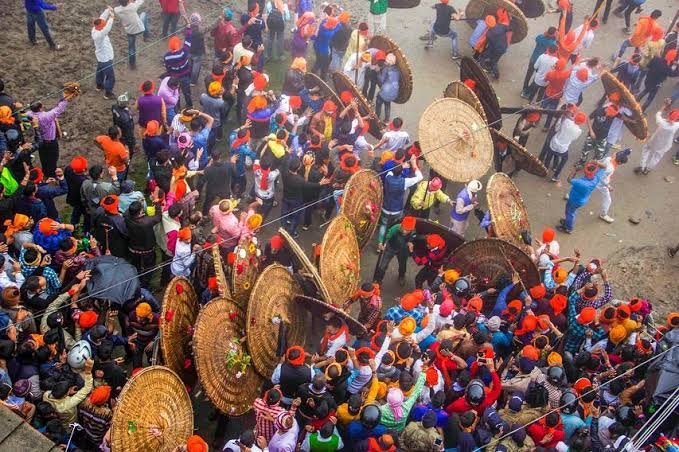
Bagwal (Traditional Stone-Pelting Ritual)
Bagwal is a distinctive ceremonial tradition associated with the Devidhura temple of Goddess Barahi in Champawat district. Held during the annual Bagwal fair around Raksha Bandhan, the ritual traditionally involved groups throwing stones at one another while using wooden shields for protection.
How is it done?
- Temple Worship – Participants offer prayers to Goddess Barahi before the ceremonial gathering.
- Formation of Groups – Members of the traditionally participating clans assemble in designated groups.
- Ceremonial Exchange – Participants engage in a symbolic exchange, traditionally involving stones, with safer alternatives adopted in recent celebrations.
- Closing Prayers – The ritual concludes with worship and community participation in the temple fair.
Explore Uttarakhand

Varanasi Blogs
- Uttar Pradesh Cultural guide
- Places to visit in Varanasi
- Places to visit nearby Varanasi
- India’s most popular destination
- India’s archaeological marvels
Recommended articles
- Uttar Pradesh Cultural guide
- Places to visit in Varanasi
- Places to visit nearby Varanasi
- India’s most popular destination