
India's Famous Ghats


India’s ghats are more than just riverfront steps; they are living symbols of spirituality, tradition, and community life. From the sacred ghats of Varanasi and Haridwar to the scenic stretches along Ujjain and Nashik, each holds unique cultural and religious significance. These riverbanks host daily rituals, grand festivals, and timeless traditions that connect people to faith and nature. Visiting India’s famous ghats offers not only a spiritual experience but also a glimpse into the country’s deep-rooted heritage and vibrant way of life.
Wiki Link: India’s Famous Ghats

Manikarnika Ghat
Varanasi, Uttar Pradesh
One of the holiest cremation grounds in India, where the cycle of life and death is deeply honored. According to legend, Goddess Parvati’s earring (Manikarnika) fell here, sanctifying the spot. Hindus believe that those cremated here attain moksha (liberation from rebirth).
The ghat has an eternal fire that is said to have been burning for centuries. Despite its solemnity, the ghat is full of spiritual significance, drawing pilgrims and seekers from across the world. Watching the rituals here is both humbling and deeply reflective.

Har Ki Pauri Ghat
Haridwar, Uttarakhand
Literally meaning “Steps of Lord Shiva,” is the most sacred ghat in Haridwar. Legend says Lord Vishnu left his footprint here, making it a divine site for pilgrims. The ghat is famous for its evening Ganga Aarti, when thousands of diyas float down the river, creating a surreal sight.
Devotees believe that a dip here washes away sins and grants spiritual merit. During the Kumbh Mela, millions gather at Har Ki Pauri, making it one of the largest human congregations on Earth.
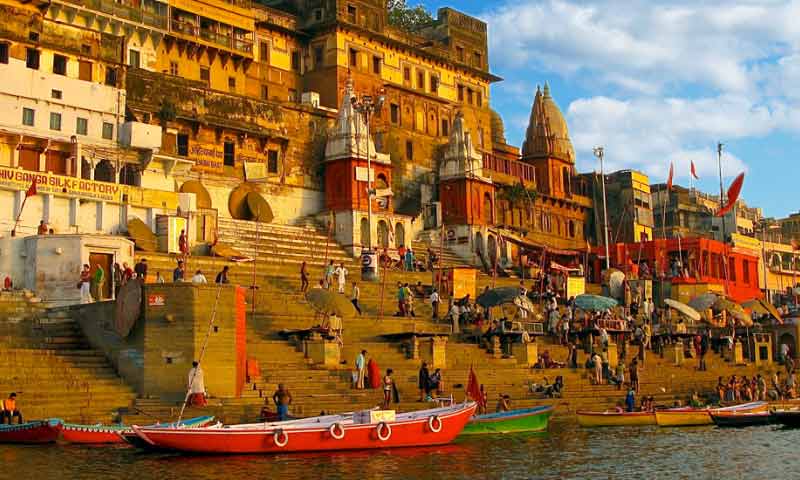
Assi Ghat
Varanasi, Uttar Pradesh
Located at the confluence of the Ganga and Assi rivers, is a popular gathering spot for locals, students, and pilgrims alike. It is believed that Goddess Durga threw her sword into the Assi River here after killing demons Shumbha and Nishumbha.
Assi Ghat is vibrant with morning yoga sessions, cultural events, and evening aartis. Travelers often begin their exploration of Varanasi from this ghat due to its welcoming vibe. It is also known for its boat rides that provide sweeping views of the city’s ghats.
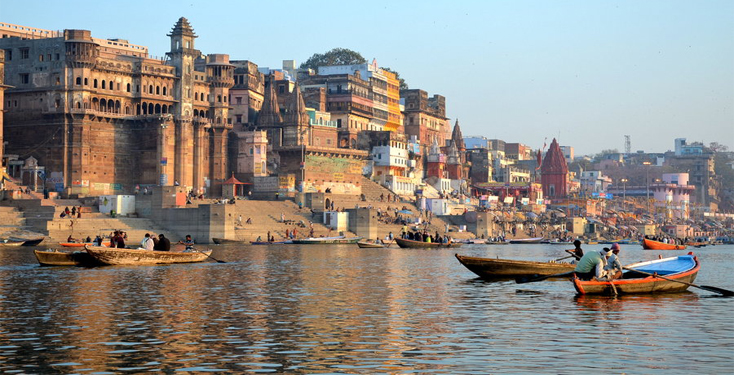
Panchganga Ghat
Varanasi, Uttar Pradesh
Named after the mythical confluence of five rivers – Ganga, Yamuna, Saraswati, Kirana, and Dhutpapa. Historically significant, it was once the seat of the famous 12th-century scholar Madhava. The ghat is home to the Alamgir Mosque, built by Mughal emperor Aurangzeb, blending Hindu and Islamic influences.
Pilgrims consider it a sacred spot for bathing and performing rituals. With its peaceful aura, Panchganga Ghat stands out as a spiritual retreat amidst the bustle of Varanasi’s riverfront.
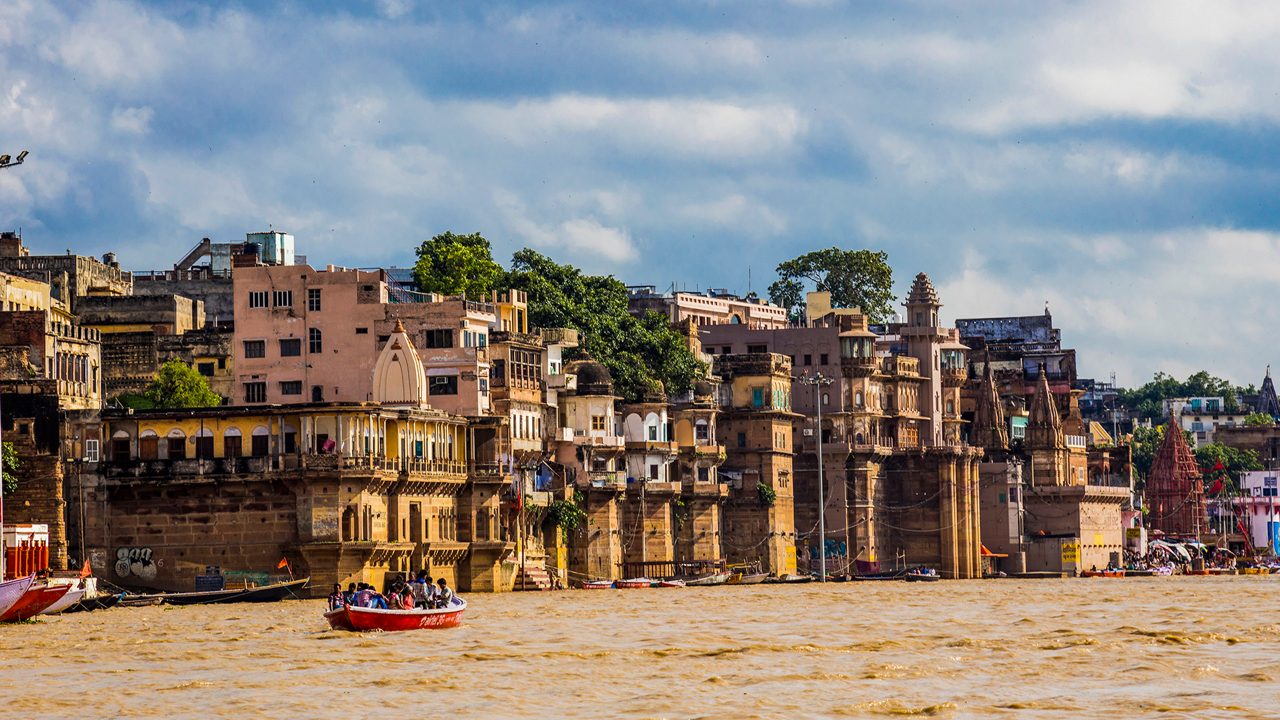
Dashawatar Ghat
Varanasi, Uttar Pradesh
Also known as Maha Nirvani Ghat, this ghat holds both religious and philosophical importance. It is associated with the ten incarnations (Dashawatar) of Lord Vishnu. The ghat is frequently used for cremations, reflecting Varanasi’s profound spiritual philosophy of life and death.
It is quieter compared to the bustling Dashashwamedh, making it ideal for seekers looking for deep reflection. Visitors often notice saints and sadhus performing meditations here, giving it a mystical charm.
Sangam Ghat
Prayagraj, Uttar Pradesh
Sangam Ghat, where the sacred rivers Ganga, Yamuna and the mythical Saraswati meet, stands as one of India’s most powerful cultural symbols of unity and purification. For centuries, pilgrims have gathered here to perform rituals, take holy dips and seek spiritual renewal. The ghat echoes with chants, incense, and the rhythmic sound of temple bells, creating an atmosphere that blends devotion with deep cultural heritage. Festivals like Magh Mela and Kumbh Mela transform the area into a vibrant sea of faith, drawing millions from across the country.
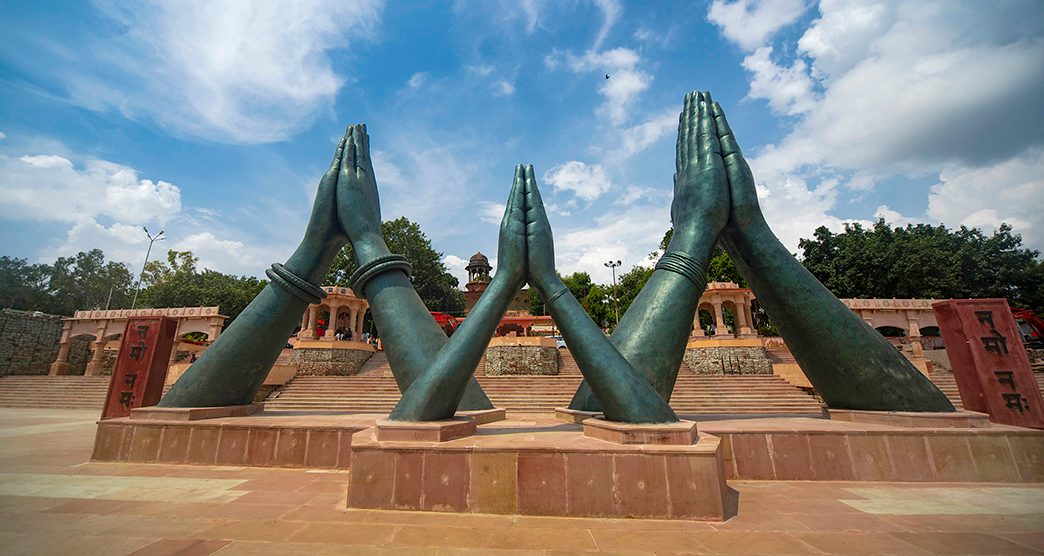
Raj Ghat
Varanasi, Uttar Pradesh
One of the oldest ghats of Varanasi, with historical references dating back to the time of the Buddha. It was once a bustling hub for traders and scholars. Today, it is home to ancient temples, mosques, and remains of old settlements.
The ghat provides a quieter experience compared to the central ones, attracting visitors interested in history and heritage. Its proximity to the Malviya Bridge makes it a scenic spot for photography and contemplation.
Dashashwamedh Ghat
Varanasi, Uttar Pradesh
The most vibrant and popular ghat in Varanasi, sits on the banks of the Ganga River. It is believed that Lord Brahma performed the Dasa-Ashwamedha sacrifice here, giving the ghat its name. This ghat is the heart of Varanasi’s spiritual life, where thousands gather every evening for the grand Ganga Aarti.
Priests with large lamps, chants, and incense create a mesmerizing atmosphere. Pilgrims come here to bathe, perform rituals, and experience the divine. The ghat also offers boat rides at sunrise for breathtaking views.
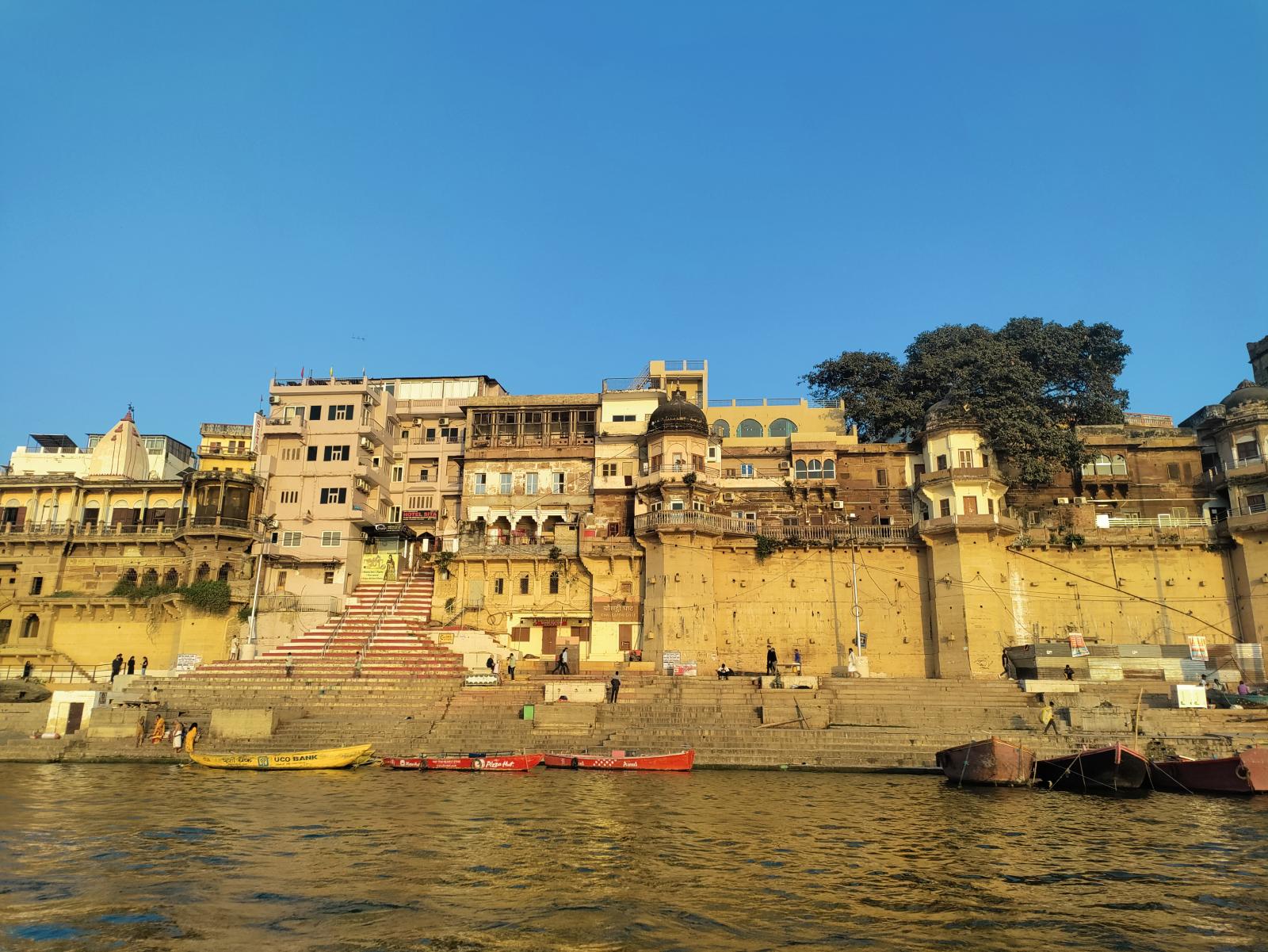
Chausatthi Ghat
Varanasi, Uttar Pradesh
Derives its name from the 64 (Chausatthi) statues of Yoginis once housed here. It is also linked with the poet-saint Tulsidas, who is said to have composed parts of the Ramcharitmanas here.
The ghat has a quiet, spiritual aura, with devotees often performing rituals for their ancestors. Pilgrims visit the shrines of Goddess Kali and Lord Shiva on the ghat steps. Its calm ambiance and literary history make it a cultural gem in Varanasi.

Triveni Ghat
Rishikesh, Uttarakhand
The most revered bathing ghat in Rishikesh, believed to be the confluence of three holy rivers – Ganga, Yamuna, and Saraswati. Devotees throng here to take ritual dips and perform ceremonies for their ancestors.
The ghat comes alive in the evening with the Maha Aarti, when hundreds of lamps float across the river, illuminating the night. It is also a place where saints and yogis meditate, enhancing Rishikesh’s reputation as the “Yoga Capital of the World.”
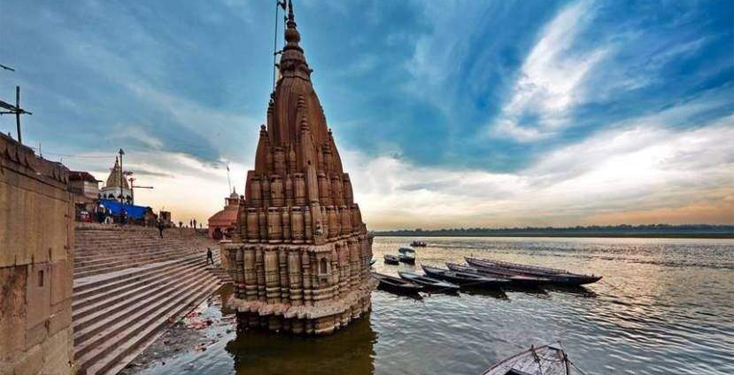
Scindia Ghat
Varanasi, Uttar Pradesh
Known for its partially submerged Shiva temple that leans into the Ganga due to erosion. Built by the Scindia family of Gwalior, this ghat carries both architectural and spiritual charm. It is a quieter spot compared to the bustling central ghats, making it ideal for meditation and reflection.
The ghat is also connected with mythological tales of Agni, the fire god, adding to its religious importance. Its mystical ambiance attracts history lovers and spiritual seekers alike.
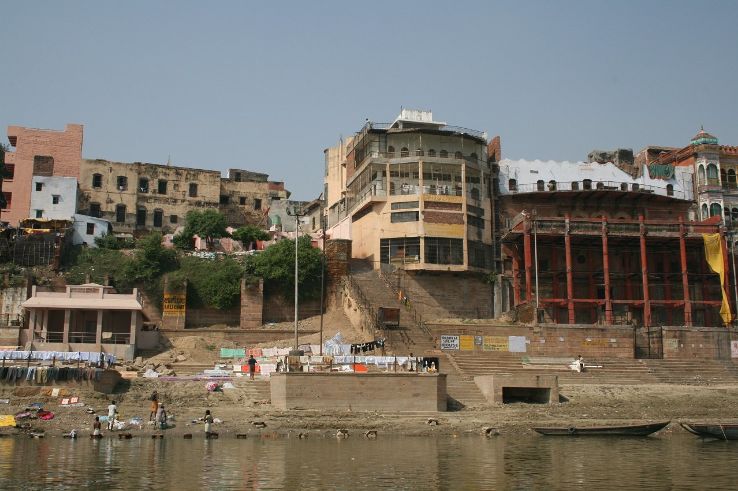
Lali Ghat
Ujjain, Madhya Pradesh
Situated on the banks of the sacred Shipra River, Lali Ghat is among the holiest ghats of Ujjain. It is especially significant during the Simhastha Kumbh Mela, when millions gather here for ritual dips.
The ghat is surrounded by ancient temples and ashrams, enhancing its spiritual aura. Evening aartis held here create a divine spectacle with chants, lamps, and incense. Pilgrims consider bathing here a path to purification and blessings from Lord Shiva.
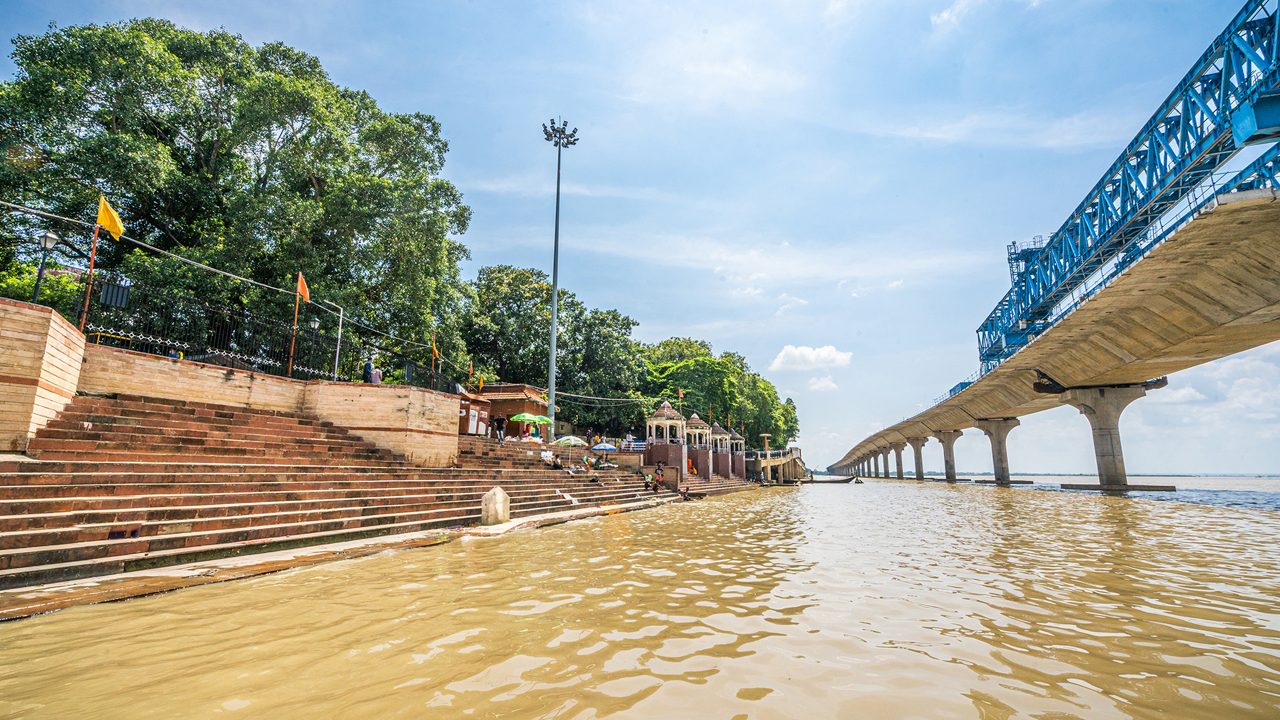
Gandhi Ghat
Patna, Bihar
A historically important site where the ashes of Mahatma Gandhi were immersed in the Ganga. It has since become a symbol of peace and reverence. The ghat is famous for its evening Ganga Aarti, which attracts devotees and tourists alike.
Cultural festivals and river cruises add to its charm, making it a lively spot along Patna’s riverfront. With both spiritual and historical significance, Gandhi Ghat is a must-visit in Bihar’s capital.

Nau Ghat
Varanasi, Uttar Pradesh
Also known as Nau Ghara Ghat, is named after the nine houses (nau ghar) that once stood here. This ghat is less crowded, offering a peaceful experience compared to the central ones.
It is known for its simple yet historic charm, with small shrines and steps leading to the river. Pilgrims visit for ritual baths and offerings, while visitors enjoy the serene view of the Ganga. The ghat’s tranquil environment makes it a hidden gem in Varanasi.
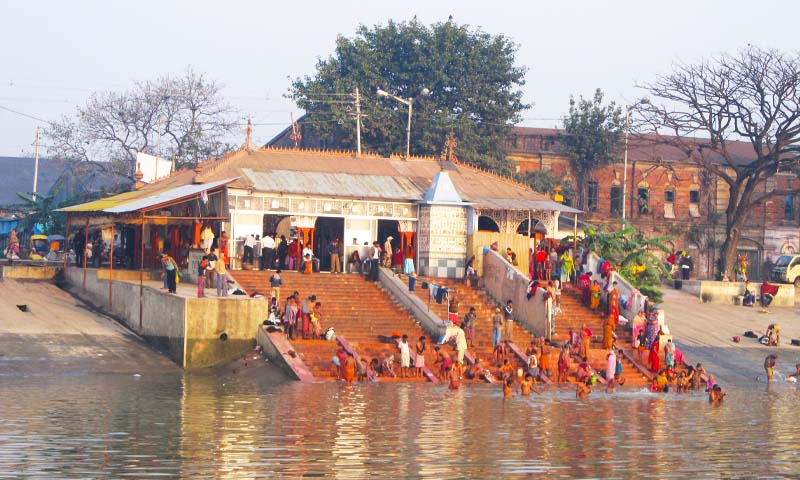
Ramakrishna Ghat
Kolkata, West Bengal
Situated along the Hooghly River in Kolkata, is associated with the spiritual legacy of Sri Ramakrishna Paramahamsa. It is a popular spot for daily rituals, bathing, and evening prayers. The ghat offers scenic views of the river and the iconic Howrah Bridge.
Devotees gather here for religious ceremonies and to feel the serene spiritual presence. Its connection with the Ramakrishna Mission makes it a significant cultural and spiritual destination in the city.

Kedar Ghat
Varanasi, Uttar Pradesh
One of the most colorful and spiritually active ghats in Varanasi. It is home to the Kedareswara Temple, dedicated to Lord Shiva in his Kedar form. Pilgrims from South India especially revere this ghat, as it holds cultural links with the Kedarnath shrine in Uttarakhand.
Known for its vibrant murals and painted steps, Kedar Ghat offers a picturesque view of Varanasi’s riverfront. The holy dips here are considered particularly beneficial for health and spirituality.

Andhra Pradesh Blogs
- Andhra Pradesh Cultural guide
- Places to visit in Andhra Pradesh
- Places to visit in Andhra Pradesh
- India’s most popular destination
- India’s archaeological marvels