Varanasi, also known as Kashi and Banaras, is one of the world’s oldest living cities and among the most sacred destinations in India. Situated along the banks of the holy River Ganga, the city is renowned for its ancient temples, iconic ghats, spiritual traditions, classical music heritage, vibrant markets, and timeless cultural atmosphere. From witnessing the mesmerizing Ganga Aarti at Dashashwamedh Ghat and seeking blessings at the revered Kashi Vishwanath Temple to exploring narrow historic lanes, boat rides at sunrise, silk weaving traditions, and nearby Buddhist heritage sites like Sarnath, Varanasi offers an experience unlike any other. The city attracts pilgrims, spiritual seekers, historians, photographers, and travelers from across the world who come to experience its unique blend of devotion, history, and living culture. This Varanasi travel guide covers the best places to visit, local experiences, food, heritage attractions, cultural highlights, and essential travel information for discovering the spiritual heart of India.
Often considered as most sacred of the twelve Jyotirlingas, attracts thousands with its divine atmosphere.
Varanasi is known for its 80+ ghats like Dashashwamedh Ghat, each with its own spiritual significance.
Sarnath is home to ancient ruins, stupas, and the famous Dhamek Stupa, marking the spot where Buddha preached his first sermon.
Situated on the opposite bank of the Ganges, Ramnagar Fort offers a glimpse into the grandeur of the Mughal era.
Ayodhya, the birthplace of Lord Rama, is a revered pilgrimage site with temples, ghats, and a rich history.
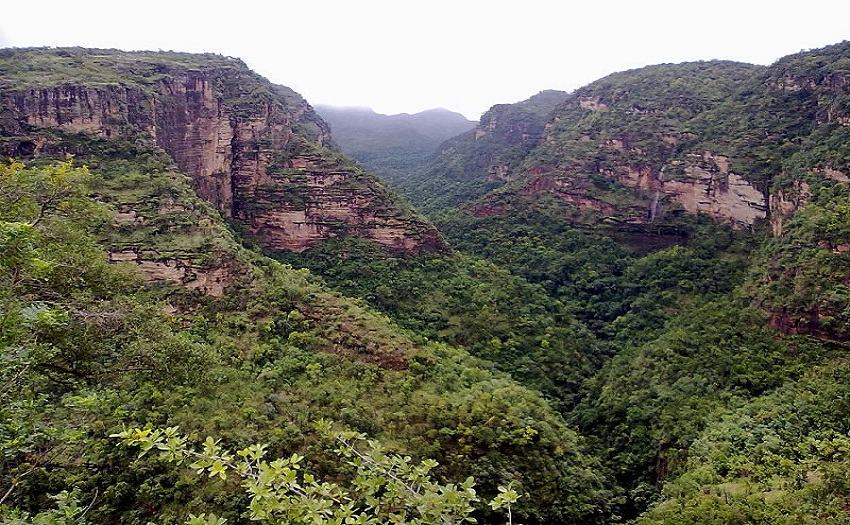
Stunning waterfalls offer a peaceful escape, surrounded by lush greenery and scenic beauty.
Chunar Fort is a historic monument with a fascinating past, offering sweeping views of the Ganges.
Vindhyachal is a popular pilgrimage destination, home to the famous Vindhyavasini temple.
Experience the spiritual, cultural, and historical essence of the city. From attending the Ganga Aarti to exploring ancient lanes, the city offers a soulful journey.
Evening ritual dedicated to the River Ganga, filled with chants, lamps, and spiritual energy.
Enjoy the peaceful beauty of Varanasi at dawn as the city awakens with devotional hymns and morning rituals.
Try Varanasi’s popular eats like kachori sabzi, tamatar chaat, and malaiyyo. Flavors are as vibrant as the city.
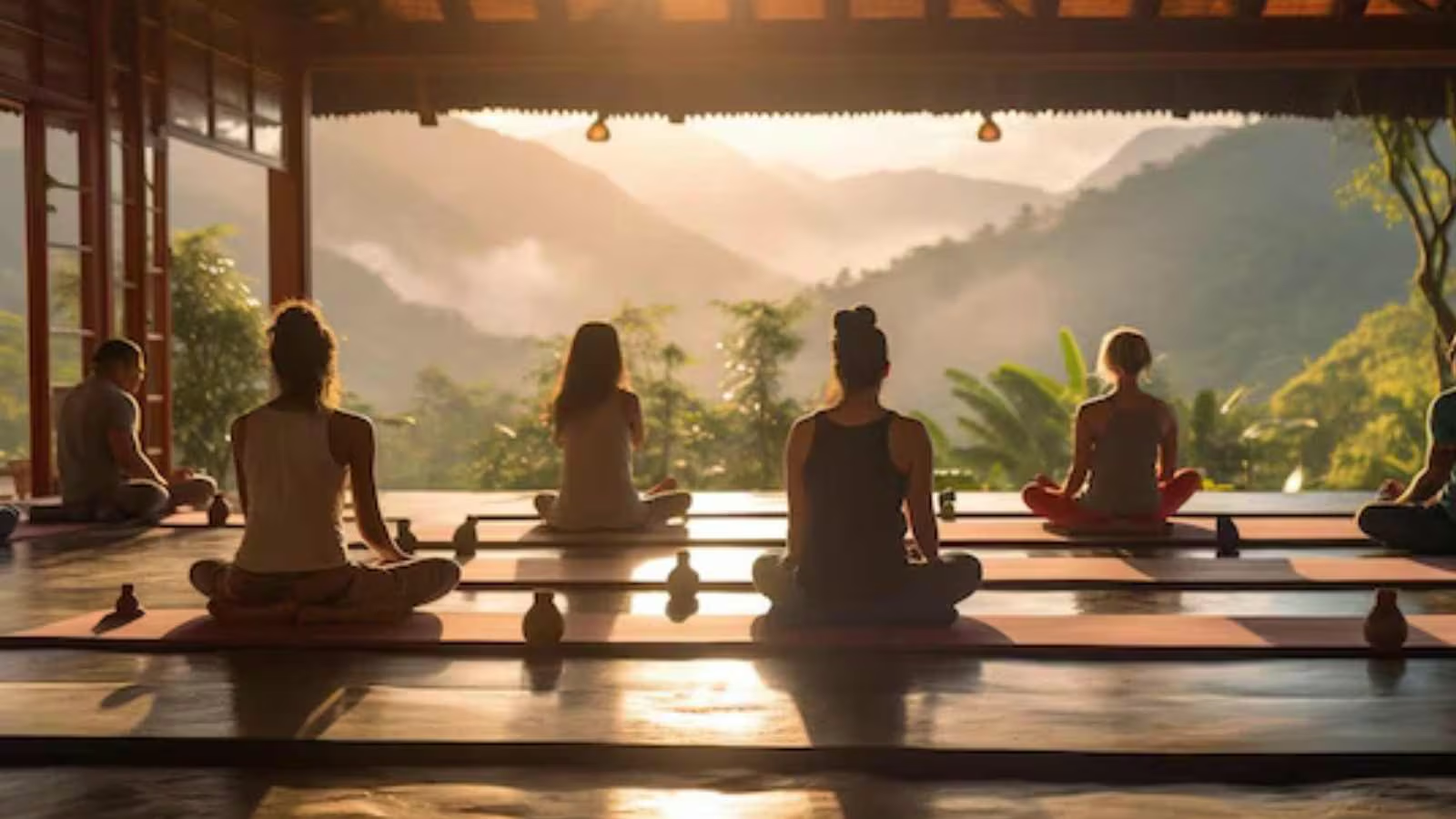
Find peace and mindfulness with yoga sessions in spiritual atmosphere by the river.
A vibrant hub for performing arts. The city has a rich tradition in classical music, dance, and theater, with world-renowned artists and performers drawing inspiration from its divine ambiance. Classical music forms like Hindustani classical, including tabla and sitar performances, are deeply rooted in the city’s cultural identity. Bharatanatyam and Kathak dance forms also flourish here, often performed at temples and ghats, embodying the spiritual essence of Varanasi. The city’s connection with music and dance continues to inspire generations, preserving its artistic legacy.
Hindustani Classical Music
Thumri & Dadra
Bhajans & Qawwalis
The state is a major center for Hindustani classical music, with iconic gharanas like Gwalior and Banaras shaping its evolution. The soulful Thumri, Dhrupad, and Khayal styles are widely performed. Folk music, including the Chaiti and Birha genres, tells tales of love, devotion, and daily life.
Kathak
Raslila
Nautanki & Ramlila
Kathak is known for its intricate footwork, spins, and storytelling, Kathak has its roots in the temples of Varanasi and Lucknow. The state also celebrates vibrant folk dances like Ramlila, a dramatic performance of the Ramayana, and Rasiya, which is performed during festivals.
Varanasi, also known as Kashi or Banaras, is one of the oldest continuously inhabited cities in the world, radiating an unmatched spiritual aura. The city’s essence lies in its rhythmic flow of daily rituals—from the soulful morning chants at the ghats to the mesmerizing evening Ganga Aarti. Sacred temples, ancient alleys, and the holy Ganges blend seamlessly with the daily lives of locals and pilgrims alike.
Varanasi is a paradise for food lovers, offering a variety of traditional delights.
Popular street food combines crunchy puris, potatoes, yogurt, and tamarind chutney, creating a flavorful, tangy treat.
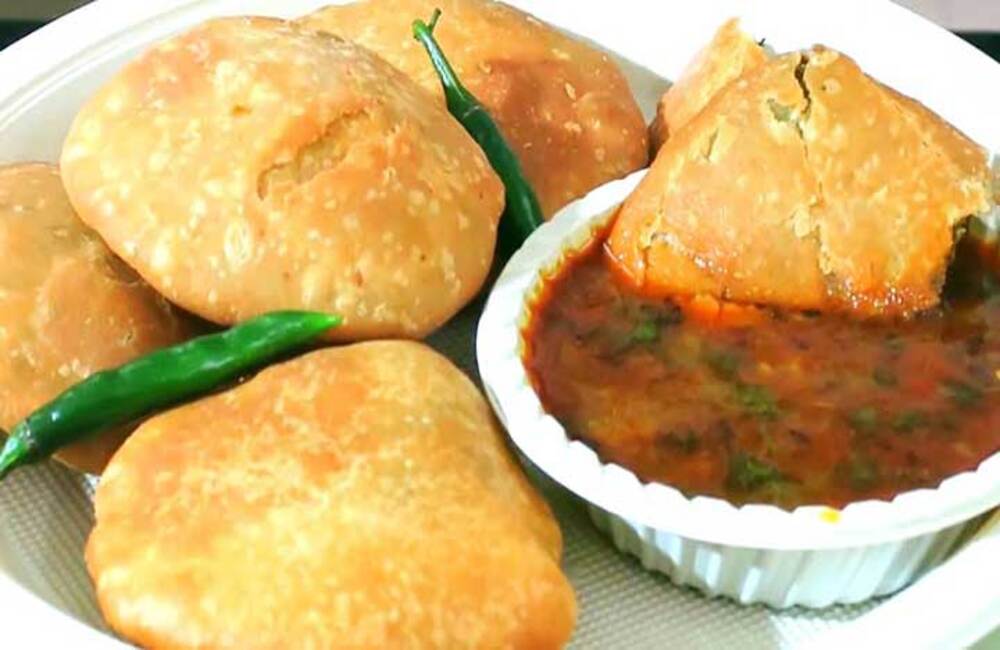
Staple breakfast, where crispy, deep-fried kachoris are paired with spicy potato gravy for a satisfying meal.
Frothy dessert, served during winters, combines milk, sugar, and saffron, offering a melt-in-your-mouth experience.
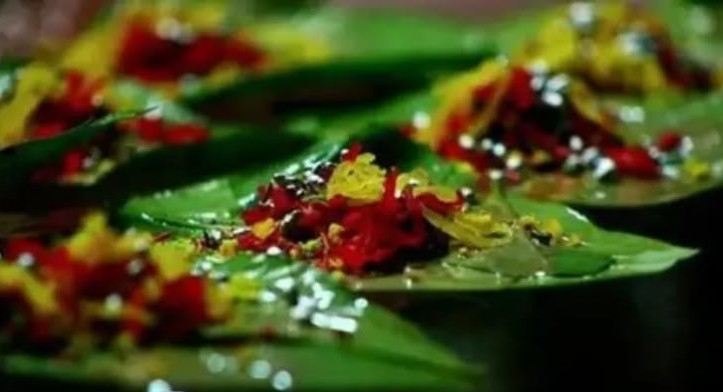
Is a mix of betel leaf, spices, and sweet fillings, offering a refreshing post-meal experience.
Shopping in Varanasi offers a vibrant mix of tradition and craftsmanship. From exquisite Banarasi silk sarees to handcrafted souvenirs, the city’s bustling markets reflect its rich cultural heritage.
Famous for its opulence and fine craftsmanship, Banarasi sarees are a timeless symbol of elegance and tradition.
Feature intricate designs, making them ideal souvenirs that reflect Varanasi’s rich cultural heritage.
Ganga Jal, collected from the sacred river, and Rudraksha beads are sought for their religious value in meditation.
Varanasi’s local handicrafts, from intricate pottery to vibrant textiles, reflect the city’s artistic tradition and cultural depth.
The best season to visit Varanasi is during the winter months, from October to March, when the weather is cool and pleasant. This is an ideal time for sightseeing, attending festivals, and enjoying the serene boat rides on the Ganges. The vibrant Dev Deepawali celebration in November adds spiritual charm to the city. Avoid peak summer and monsoon due to extreme heat and heavy rains.
Navigating Varanasi can be a mix of walking through narrow lanes and using local transport. Auto-rickshaws and cycle-rickshaws are common and ideal for short distances. For longer trips, hire cabs or use app-based services like Ola. Boats are a unique way to explore the ghats and get scenic views along the Ganges. It’s best to explore the old city on foot to truly experience its charm.
Overpriced Boat Rides – Always negotiate rates in advance or book through trusted sources.
Fake Guides – Use only licensed or hotel-recommended guides.
Donation Scams by Priests – Agree on any ritual charges beforehand.
Silk Shop Pressure Sales – Compare prices or buy from government emporiums.
Fake Aarti Fees – Watching the Ganga Aarti is free from the ghats; avoid “entry fee” scams.