
¤ 10+ minutes Read
Karnal – Complete Travel Guide to Haryana’s Historic City
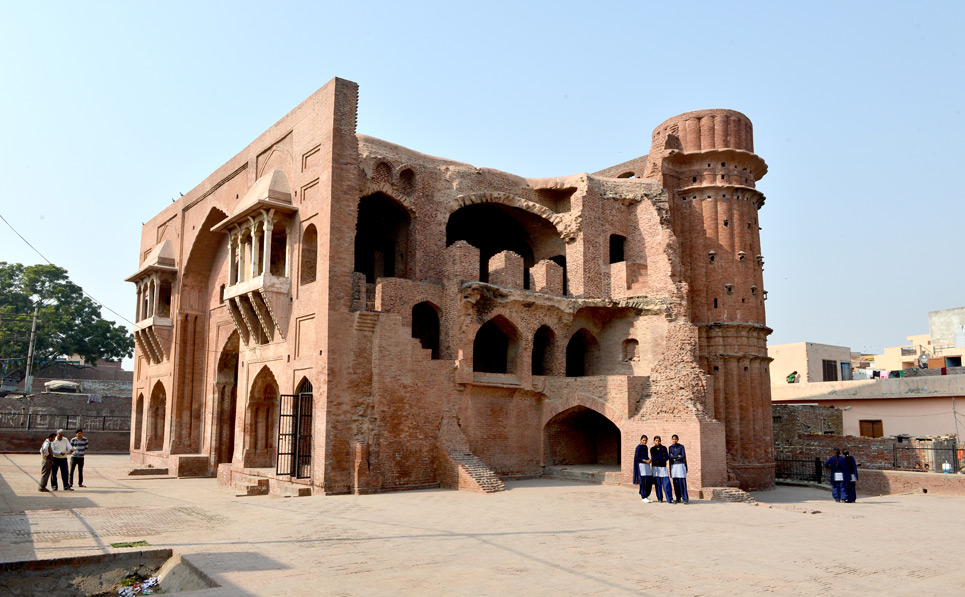
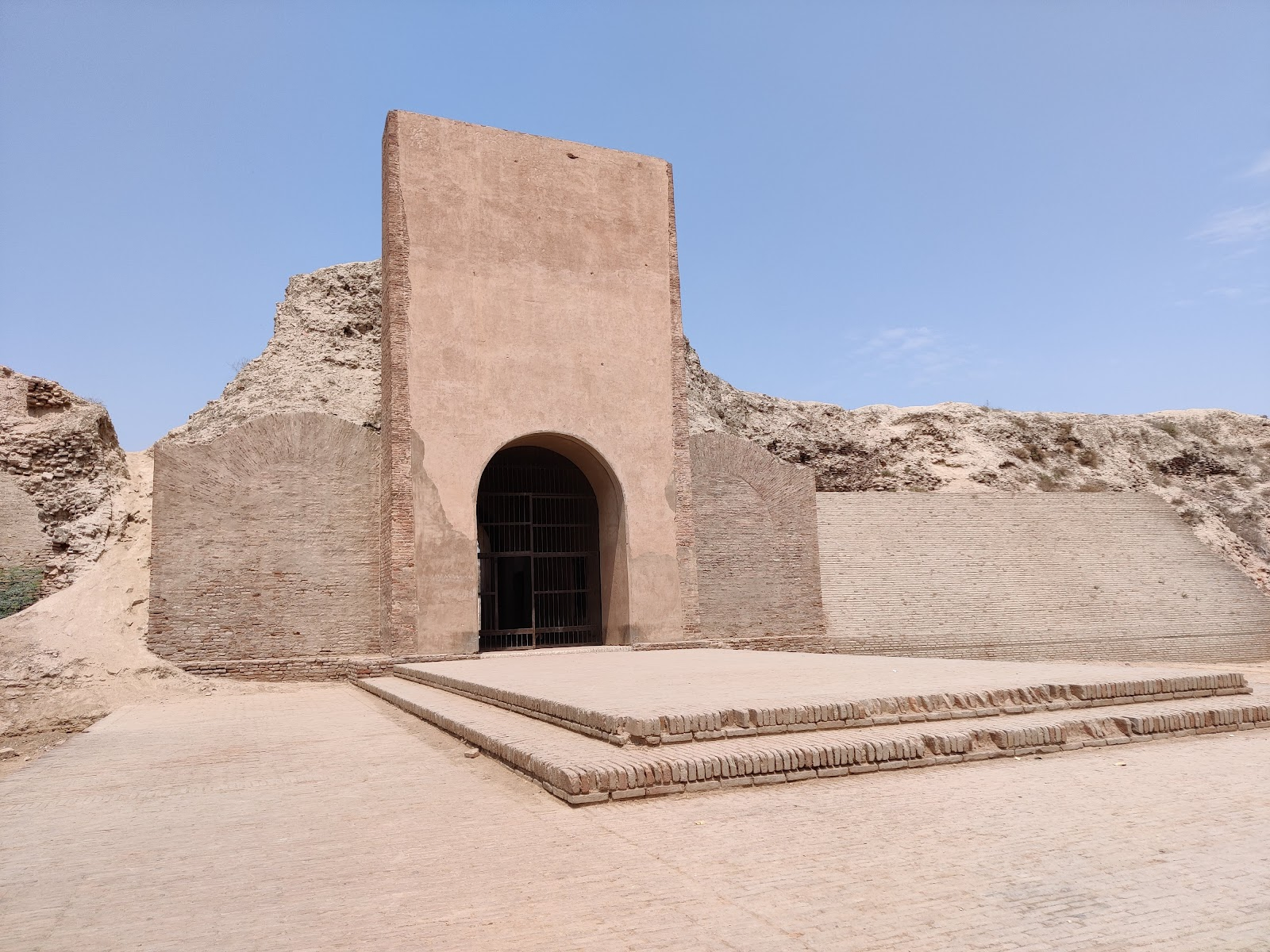
Karnal, a historic city in Haryana, is known for its rich mythological significance, agricultural prosperity, and growing industrial importance. Located on the banks of the Yamuna River, the city is named after Karna, the legendary warrior from the Mahabharata, who is believed to have ruled this region. The city is known for its peaceful environment, lush greenery, agricultural research institutes, and several historical landmarks such as Karna Lake, Cantonment Church Tower, and ancient Mughal-era structures. Serving as an important stop between Delhi and Chandigarh, Karnal offers travelers a mix of spirituality, history, and leisure experiences. This complete Karnal travel guide covers the best places to visit, local attractions, and essential travel tips for exploring this charming destination in Haryana.
Must-Visit Attractions in Karnal
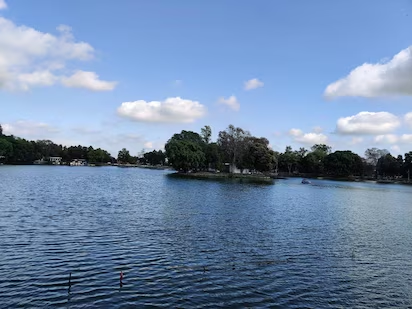
Karna Lake
A picturesque man-made lake named after the legendary warrior Karna, featuring gardens, boating, and a popular tourist complex with restaurants.
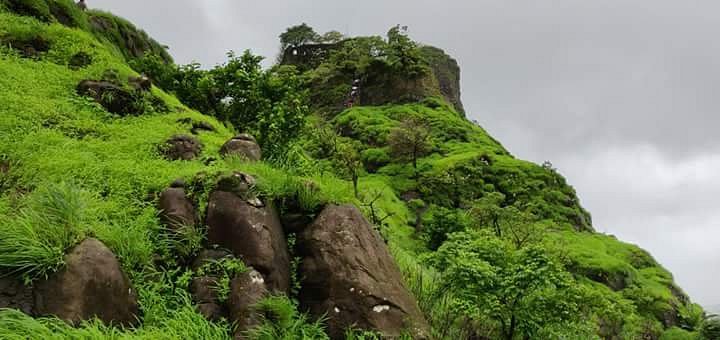
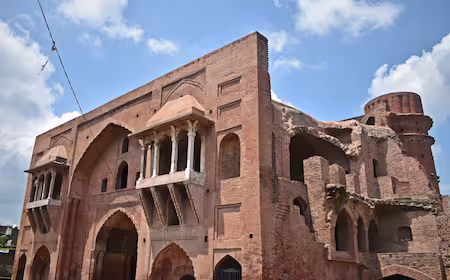
Karnal Fort
An ancient fort believed to have been built by King Karna, later renovated by the British, offering a glimpse into the region’s rich past.
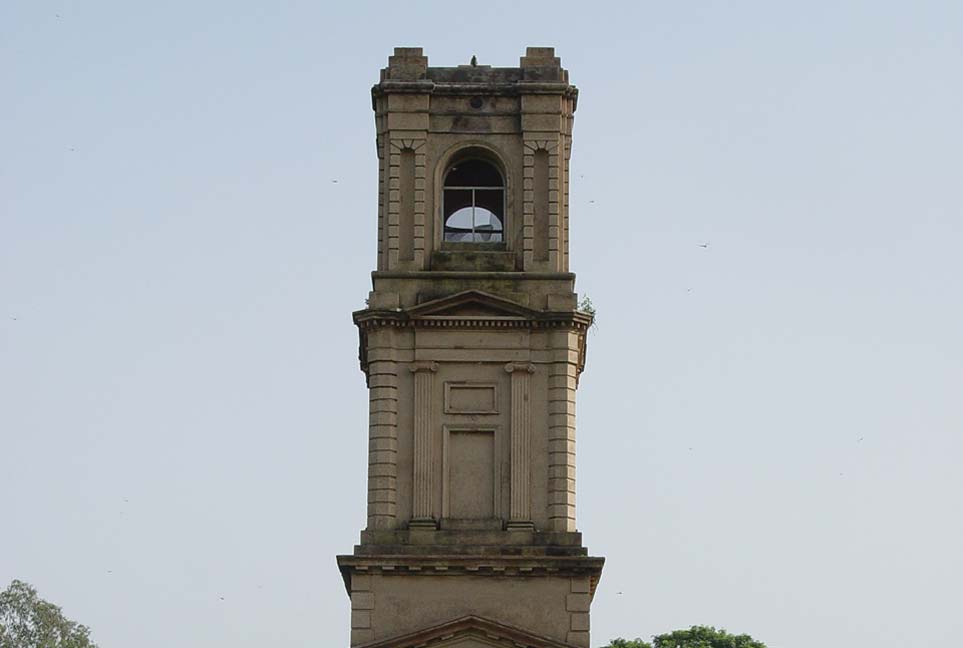
Cantonment Church Tower
A historic red-brick church tower built by the British in 1850, featuring Gothic-style architecture and colonial-era heritage.
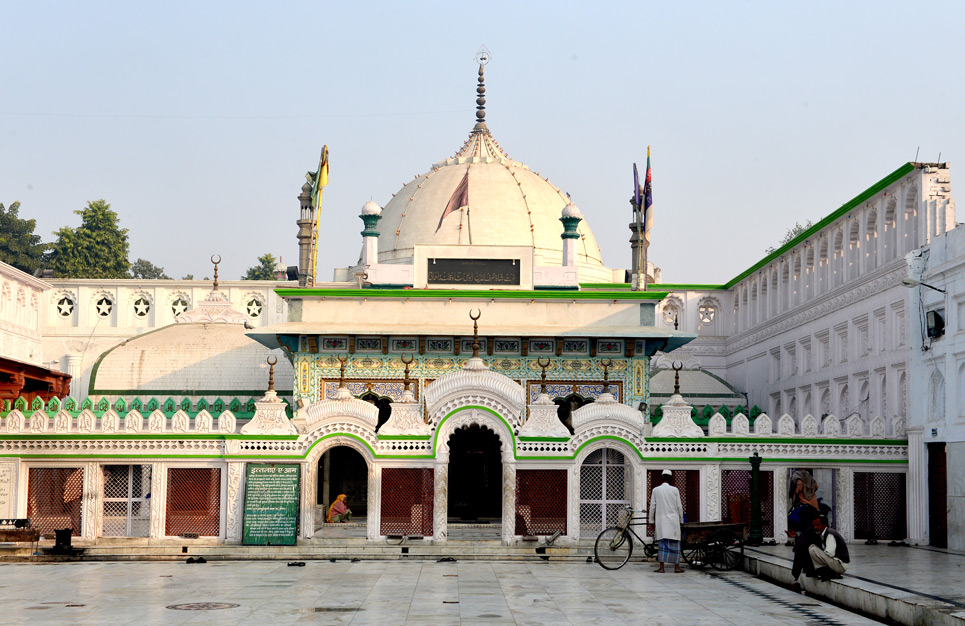
Kalandar Shah Shrine
A revered Sufi shrine dedicated to Syed Shah Kalandar, attracting devotees of all faiths, especially during the annual Urs festival.
Major Attractions Nearby Karnal
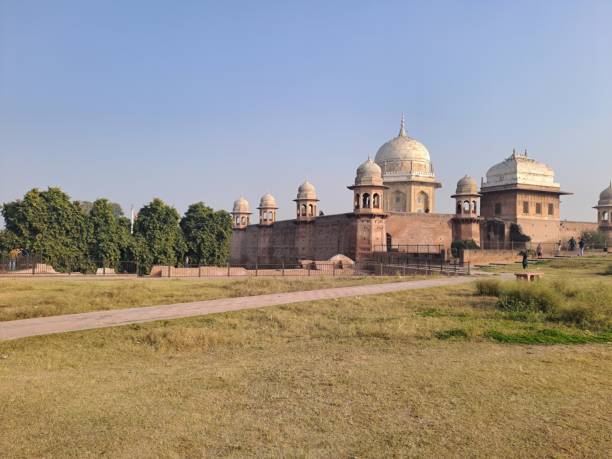
Kurukshetra
Located about 35 km away, this sacred city is believed to be the battlefield of the Mahabharata war, featuring Brahma Sarovar and Jyotisar.
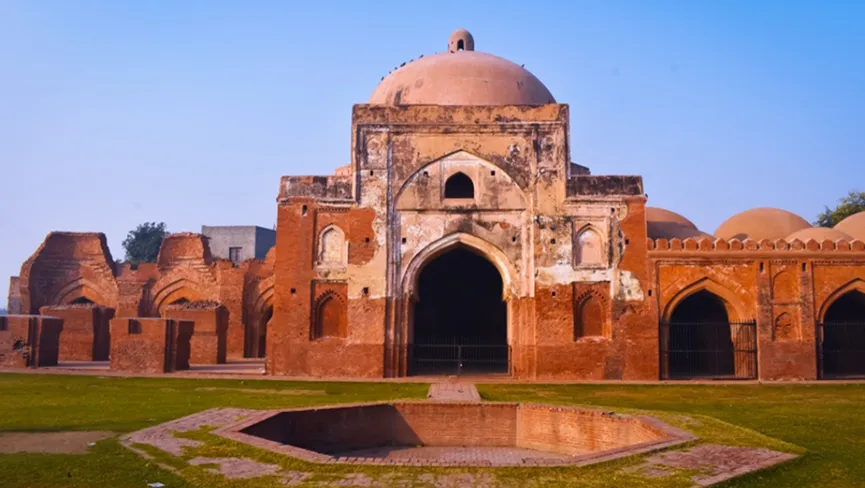
Panipat
Approximately 50 km away, this historic city is known for three pivotal battles, featuring the Panipat Museum and Ibrahim Lodi’s Tomb.
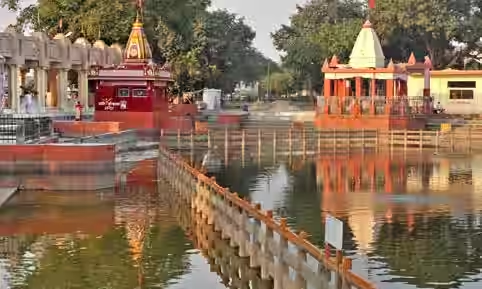
Sannihit Sarovar
A sacred water tank in Kurukshetra believed to be the confluence of seven holy rivers, where pilgrims take a dip to cleanse their sins.
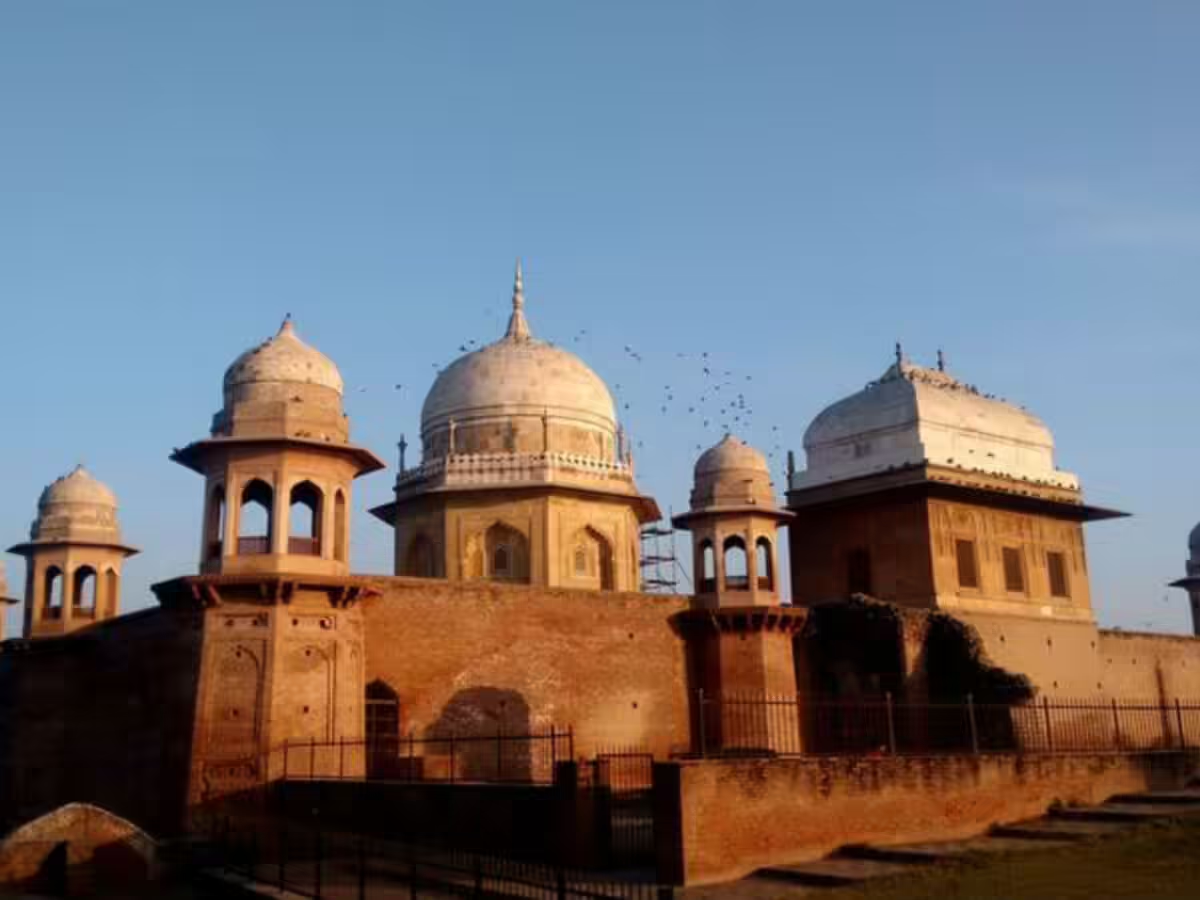
Sheikh Chilli's Tomb
A Mughal-era tomb dedicated to a revered Sufi saint, featuring beautiful architecture and a surrounding garden, located near Kurukshetra.
Things to do in Karnal
Experience the mythological heritage, colonial history, and agricultural prosperity of this historic Haryanvi city. From peaceful lake visits to exploring ancient forts, Karnal offers a rewarding journey.
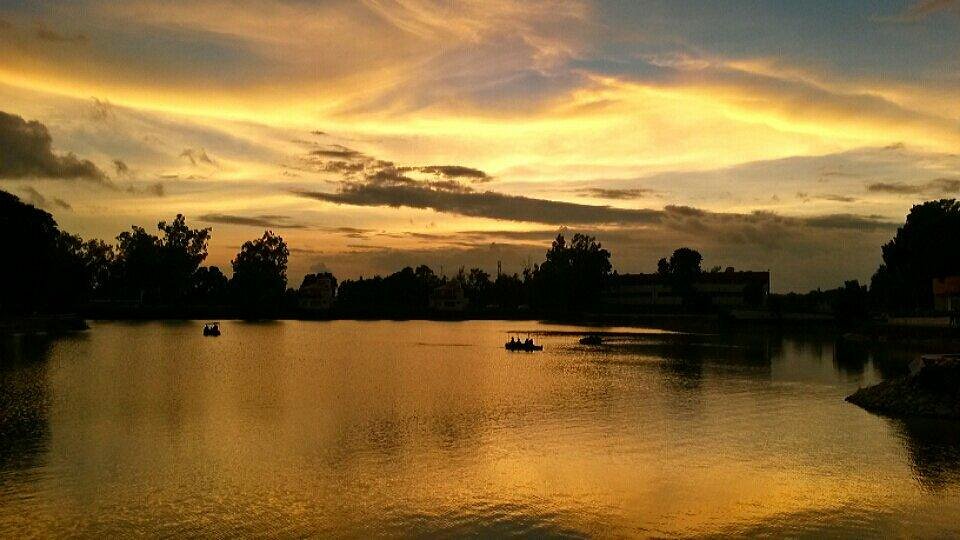
Enjoy a Peaceful Evening at Karna Lake
Take a leisurely walk around the lake, enjoy a boat ride, and relax at the tourist complex while savoring local snacks and chai.
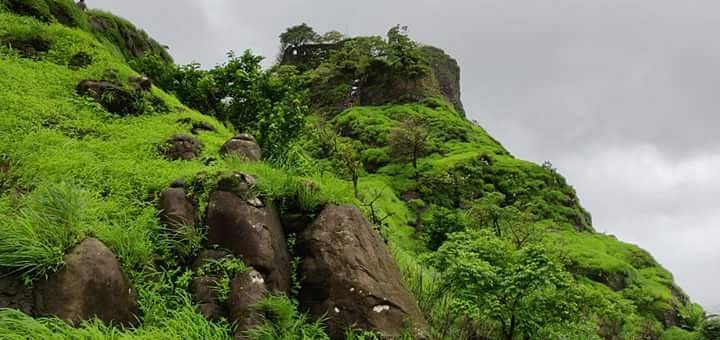
Explore the Ancient Karnal Fort
Walk through the remnants of this historic fort, imagine its glory from the Mahabharata era, and capture photos of the ancient architecture.
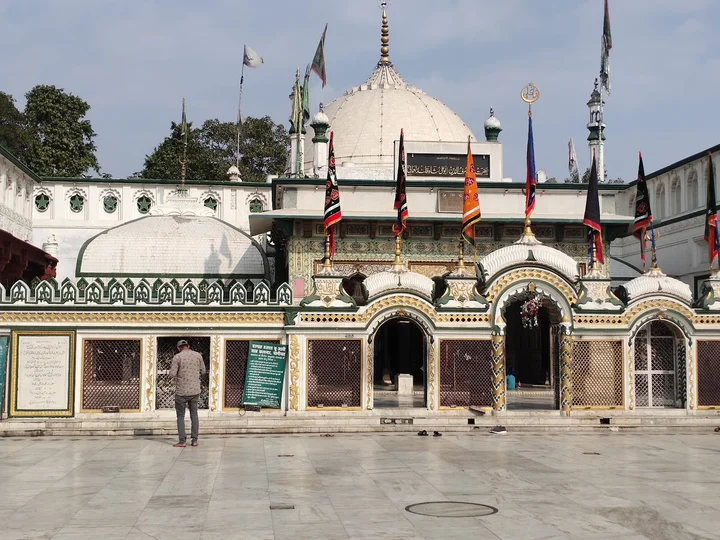
Pay Respects at Kalandar Shah Shrine
Visit this revered Sufi shrine, experience the peaceful atmosphere, and if lucky, attend the vibrant Urs festival celebrating the saint’s legacy.
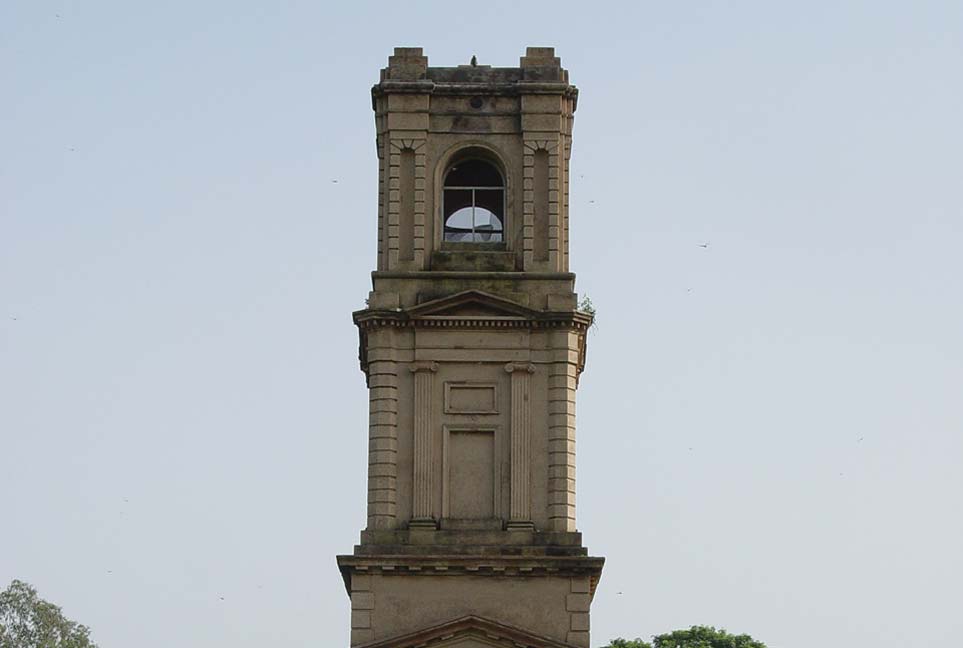
Visit the Cantonment Church Tower
See this well-preserved colonial-era church tower, admire its Gothic architecture, and learn about Karnal’s history under British rule.
The Performing Art of Karnal
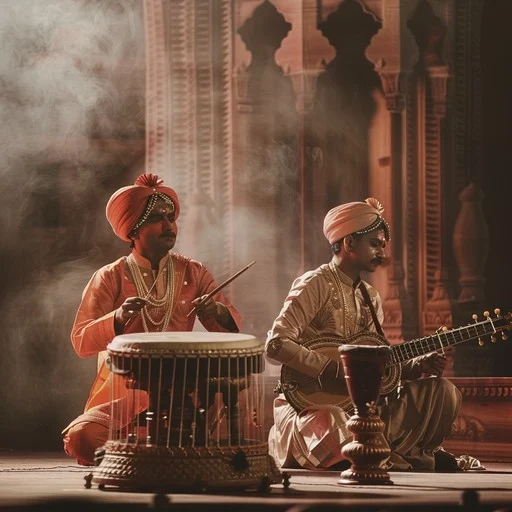
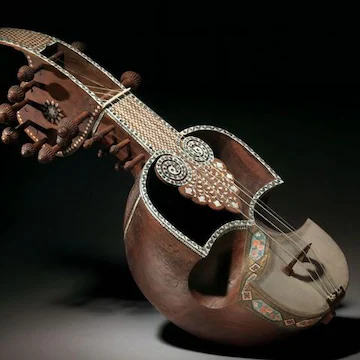
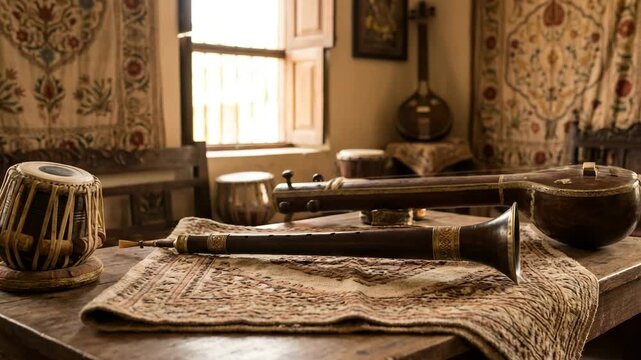
A vibrant hub for performing arts, deeply rooted in the folk traditions of Haryana and the spiritual heritage of the surrounding region. The city has a rich tradition in folk music, dance, and theatrical performances, with local artists drawing inspiration from the agrarian lifestyle, mythological tales, and devotional practices of the area. Traditional music forms like Haryanvi Ragni and Saang, featuring instruments like the dholak, harmonium, and thali (brass plate), are deeply embedded in the city’s cultural identity. Ghoomar, Phag, and Khoria dance forms also flourish here, often performed during festivals, weddings, and harvest celebrations, embodying the joyful spirit of rural Haryana. The city’s connection with folk theater (Saang) and devotional music continues to inspire generations, preserving its artistic legacy.
Haryanvi Folk
Saang
Banjara Folk
The state is a major center for Haryanvi folk music, with iconic styles like Ragni and Saang shaping its cultural identity. The soulful, fast-paced Ragni, performed in a call-and-response style, and the theatrical Saang, which combines singing, dancing, and dialogue, are widely performed at festivals and social gatherings. Folk music, including the Banjara and Phag genres, tells tales of love, valor, devotion, and the simple rhythms of rural and agrarian life.
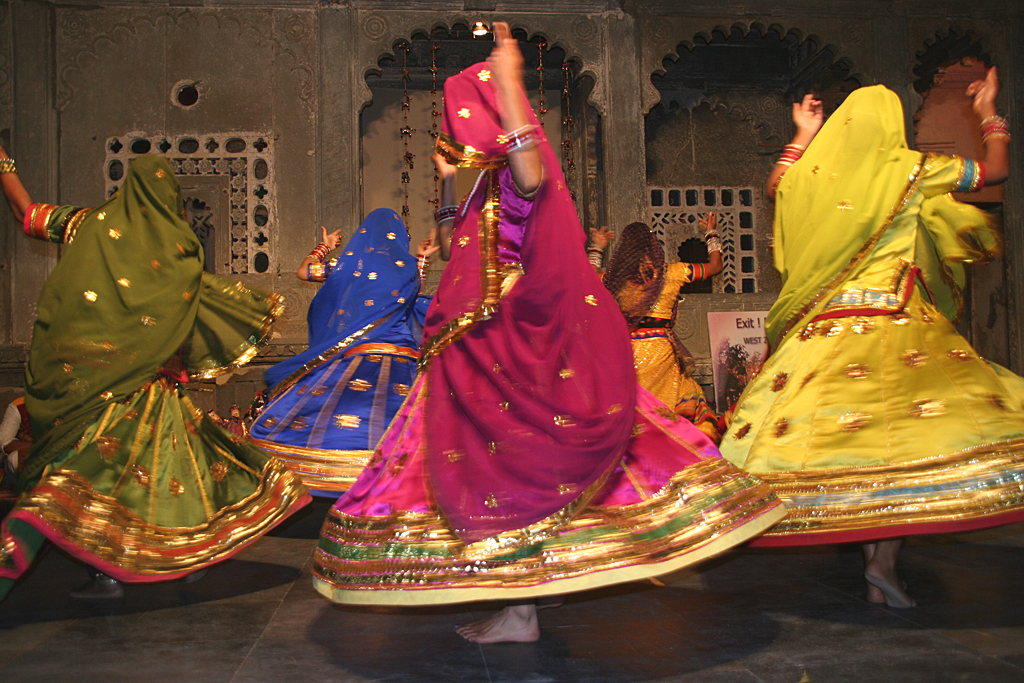
Ghoomar
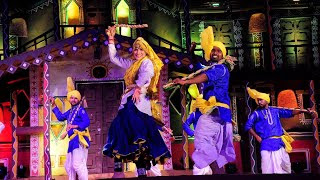
Phag Dance
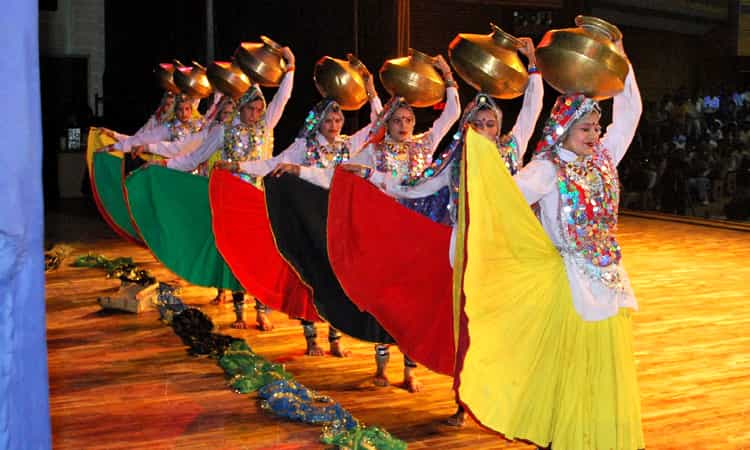
Khoria Dance
The state is a major center for Haryanvi folk dance, with iconic forms like Ghoomar and Phag shaping its cultural identity. The graceful, circular movements of Ghoomar, performed by women during weddings and festivals, and the energetic, lively Phag dance celebrating the spring season of Holi, are widely performed across the region. Folk dances, including the graceful Khoria and the celebratory Loor, tell stories of joy, togetherness, and the vibrant spirit of Haryanvi village life.
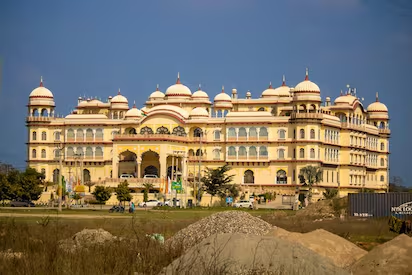
City Vibes - Historic Gateway to Haryana's Heartland
Karnal exudes a unique blend of ancient heritage and modern agricultural prosperity. As one of the cities on the historic Grand Trunk Road, it has welcomed travelers, traders, and conquerors for centuries. The city has a relaxed, small-town feel, with bustling markets, tree-lined roads, and the serene Karna Lake offering an escape from urban chaos. The aroma of basmati rice wafts from local mills, while the sounds of Haryanvi folk music and temple bells fill the air. It is a city that honors its mythological past while embracing the present, making it a rewarding stop for travelers exploring Haryana and the Golden Triangle circuit.
Heritage of Karnal
Karnal’s heritage is deeply rooted in Indian mythology and medieval history. The city is named after Karna, the son of Kunti and the Sun God, who is believed to have ruled this region and built the original Karnal Fort. During the Mahabharata era, Karnal was part of the Kuru kingdom. In medieval times, the city gained prominence as a strategic outpost on the Grand Trunk Road, connecting Delhi to Peshawar. It was here that the Mughal emperor Humayun defeated the Afghan king Sher Shah Suri in 1555. The British later made Karnal a major cantonment town, building churches, bridges, and administrative buildings. Today, Karnal is also famous as the birthplace of the legendary wrestler and actor Dara Singh, as well as the former Prime Minister of India, Chaudhary Charan Singh, who was laid to rest here.
Cuisine of Karnal
The cuisine of Karnal is traditional Haryanvi food, known for its simplicity, robust flavors, generous use of dairy products, and a preference for millet-based breads and lentil dishes.
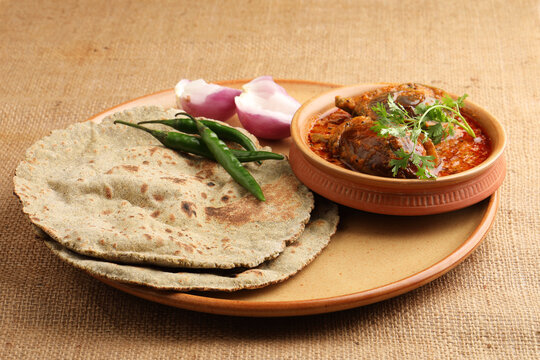
Bajre ki Roti with Churma
A thick, round pearl millet flatbread served with homemade white butter, jaggery, and crushed sweetened wheat roti.
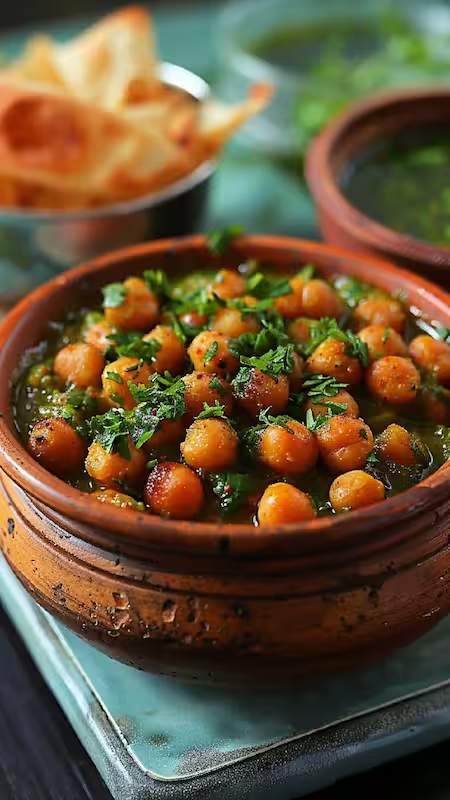
Hara Dhania Cholia
A seasonal delicacy of fresh tender green chickpeas cooked with coriander, green chilies, and spices.
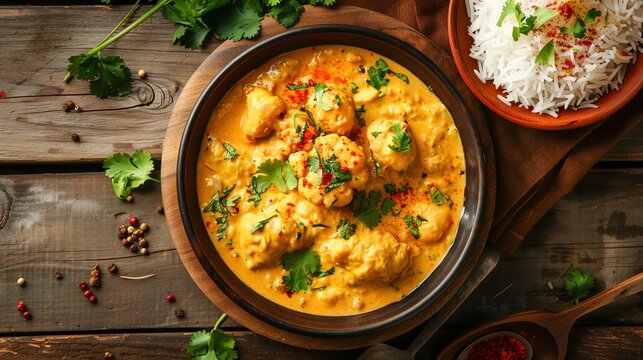
Kadhi Pakora
A tangy, spicy yogurt-based curry with crispy gram flour dumplings served over steamed rice.
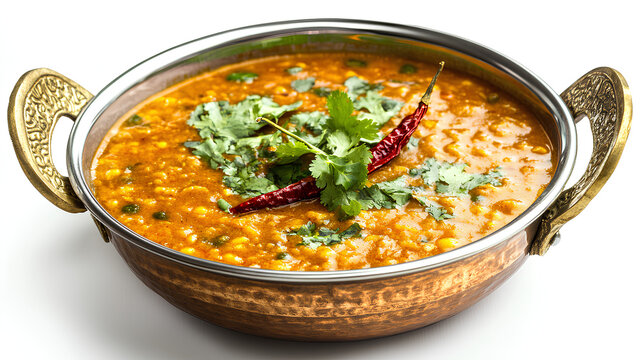
Mixed Dal
A flavorful lentil dish made from five dal varieties tempered with ghee, garlic, and spices.
Shopping in Karnal
Shopping in Karnal is centered around agricultural produce, traditional handicrafts, and everyday essentials from local markets and emporiums.
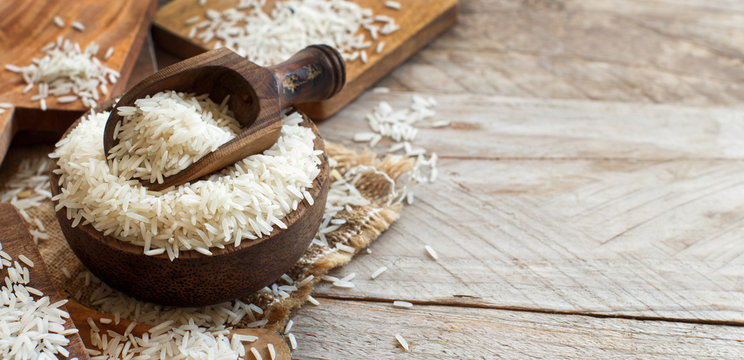
Basmati Rice
Karnal’s famous long-grained, aromatic basmati rice available in packaged form at government-approved shops.
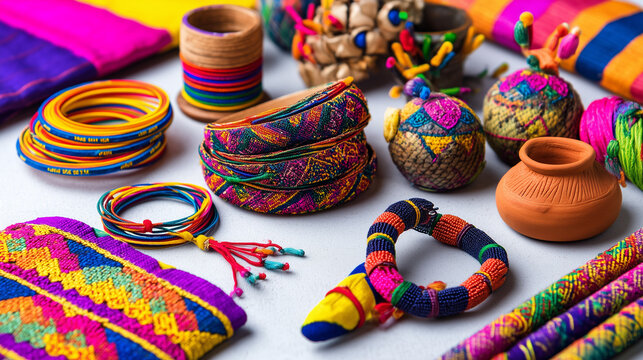
Haryanvi Handicrafts
Traditional handicrafts including phulkari embroidery, leather juttis, and cotton durries.

Wooden Furniture
Hand-carved sheesham and teak wood furniture, decorative boxes, and kitchenware.
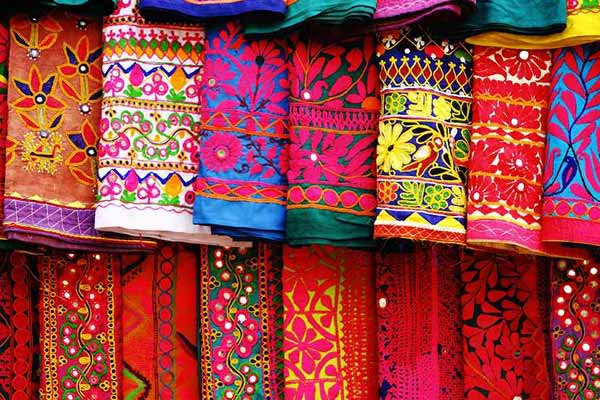
Rajasthani & Haryanvi Textiles
Colorful fabrics, bedspreads, and curtains featuring traditional block prints and mirror work.
Tourist's Handbook
The best time to visit Karnal is from October to March. The winter months offer cool, pleasant weather with temperatures between 8°C and 25°C, making it ideal for sightseeing, lake visits, and day trips to nearby historical sites like Kurukshetra and Panipat. The spring months (February-March) are also comfortable, with blooming gardens and festive celebrations. The summer months (April-June) are extremely hot, with temperatures often exceeding 40°C, making outdoor activities uncomfortable. The monsoon (July-September) brings some relief but also humidity and occasional waterlogging; however, the surrounding agricultural fields turn lush green during this time.
- Stay Hydrated in Summer – Karnal can get very hot, especially from April to June; carry a water bottle and avoid stepping out during peak afternoon heat (12 PM to 3 PM).
- Dress Modestly at Religious Sites – When visiting Kalandar Shah Shrine, temples, or gurdwaras, wear clothing that covers shoulders and knees as a sign of respect.
- Be Cautious Near Karna Lake – The lake has deep water in certain areas; supervise children closely, avoid going too close to the edge, and follow safety signs for boating.
- Carry Your Own Bottled Water – Drink only sealed bottled water to avoid stomach issues; tap water may not be safe for tourists unaccustomed to local water.
- Respect Local Customs in Rural Areas – When visiting villages near Karnal, ask for permission before taking photos of locals or farms, and be polite to residents.
- Keep Emergency Contacts Handy – Save local police, the nearest hospital, and your hotel's phone numbers for any emergencies during your stay.
Karnal is a well-connected city with several transport options. Auto-rickshaws are the most common and affordable mode for short distances within the city, such as between the railway station, Karna Lake, and the main market; negotiate fares before starting or ask for the meter. Cycle-rickshaws are also available for shorter trips. City buses operated by the municipal corporation connect major neighborhoods and the bus stand to key attractions. For visiting nearby cities like Kurukshetra (35 km), Panipat (50 km), or Ambala (70 km), hiring a private taxi for a half-day or full-day trip is the most convenient option. Karnal is also well-connected by rail and road to Delhi (120 km), Chandigarh (110 km), and other major cities.
Negotiate Auto-Rickshaw Fares First – Always agree on the total fare before starting your journey; ask your hotel staff for estimated rates to avoid being overcharged, especially for trips to Karna Lake or the railway station.
Beware of Fake "Basmati Rice" Sellers – Some shops may sell low-quality or adulterated rice as authentic Karnal basmati; buy only from reputed, government-approved shops or emporiums with sealed packaging.
Don't Fall for "Special Temple Puja" Offers – At Kurukshetra or local temples, some priests may offer to perform a special puja for an inflated fee; use only the official temple counters for offerings.
Confirm Museum and Fort Entry Fees – At Karnal Fort or other historical sites, check the official entry fee at the ticket counter; touts may try to charge extra for "guided access" to restricted areas.
Compare Souvenir Prices Before Buying – Handicrafts and textiles may be priced higher for tourists; check prices at two or three shops before purchasing, and negotiate politely.
Avoid Unsolicited "Tour Guide" Offers – At Karna Lake or the Cantonment Church Tower, self-appointed guides may offer historical tours for a fee; most sites are self-explanatory, and official guides are available at major attractions.
Use Reputable Cab Services for Outstation Trips – For trips to Kurukshetra or Panipat, book taxis through your hotel or a known travel agency rather than accepting offers from random touts at the bus stand.
Explore Karnal
Karnal Blogs
-
Places to visit in Karnal
-
Places to visit nearby Karnal
-
India’s historic Grand Trunk Road destination
-
Haryana’s basmati rice capital
Recommended articles
- Haryana Cultural Guide – mythology and agriculture special
- Places to visit in Kurukshetra
- Places to visit in Panipat
- India’s best offbeat historical destinations