Central India Travel Guide: Exploring Heritage, Wildlife, Spirituality & Natural Wonders
Central India, often called the “Heart of India,” is a region where ancient history, spiritual traditions, rich tribal cultures, dense forests, and remarkable natural landscapes come together. Covering major destinations across Madhya Pradesh and Chhattisgarh, the region is home to UNESCO World Heritage Sites, sacred pilgrimage centers, historic forts, prehistoric cave shelters, waterfalls, wildlife reserves, and culturally significant towns. From the magnificent temples of Khajuraho and the Buddhist heritage of Sanchi to the tiger-rich forests of Kanha and Bandhavgarh, Central India offers diverse experiences for history enthusiasts, nature lovers, spiritual travelers, and adventure seekers alike. The region’s vibrant traditions, local cuisine, tribal heritage, and scenic hill stations further add to its cultural richness. This Central India travel guide explores the region’s top attractions, cultural landmarks, wildlife destinations, heritage sites, and essential travel experiences for discovering one of India’s most fascinating regions.
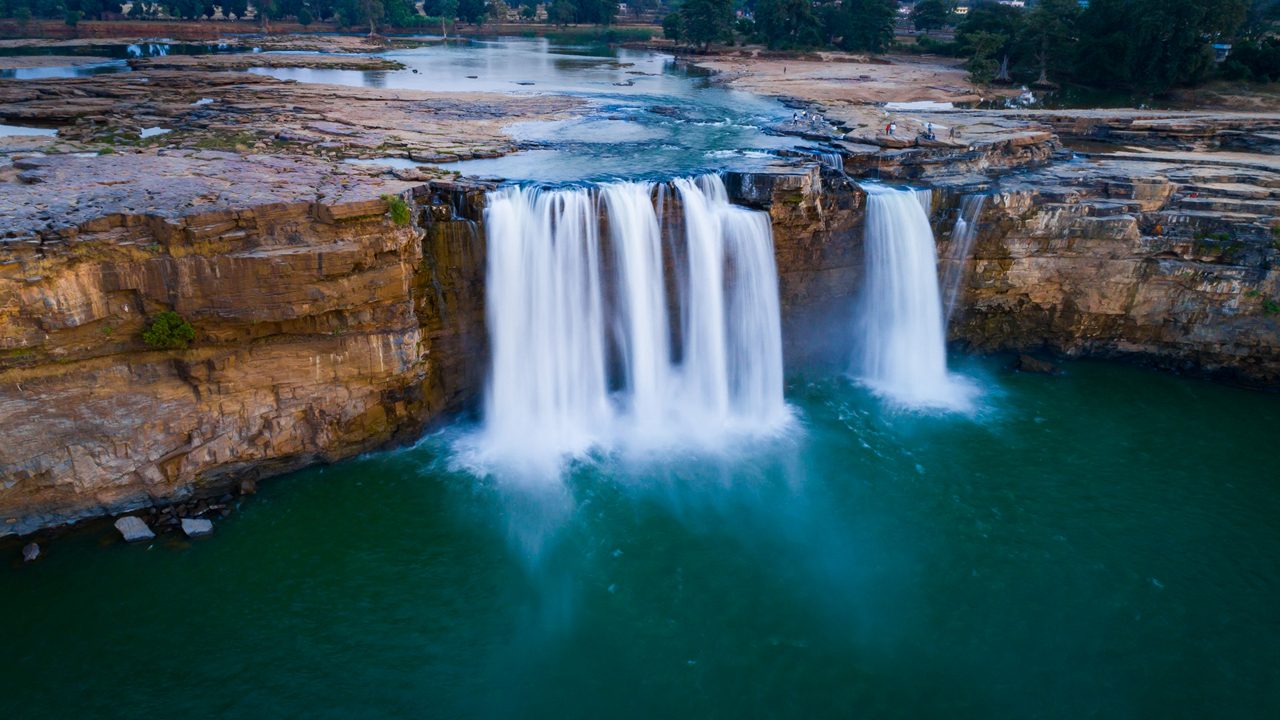
Chitrakote Falls in Chhattisgarh, often called the “Niagara of India,” is the widest waterfall in the country.
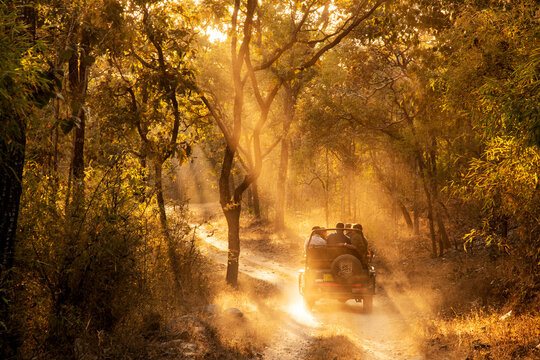
Kanha National Park
Kanha National Park, is one of India’s largest wildlife reserves, known for its Bengal tigers, barasingha (swamp deer), leopards, wild dogs, and over 300 species of birds.
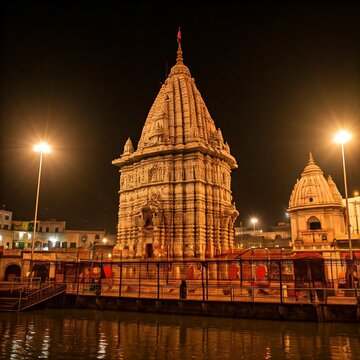
Mahakaleshwar Jyotirlinga
Ujjain’s Mahakaleshwar Jyotirlinga is a revered Shiva temple known for its powerful spiritual aura and the unique Bhasma Aarti
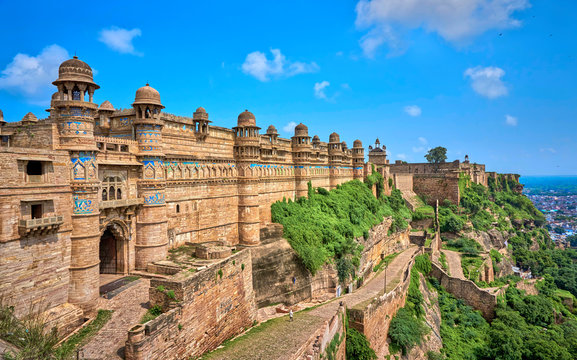
Gwalior Fort
Gwalior Fort stands as a symbol of valor and architectural brilliance, overlooking the city with its massive walls and rich history.