Gaya, one of Bihar’s most sacred and historically significant cities, is a major destination for Hindu and Buddhist pilgrims alike. Known for the revered Vishnupad Temple and the nearby UNESCO World Heritage Site of Mahabodhi Temple in Bodh Gaya, the city offers a unique blend of spirituality, heritage, and ancient history. From sacred temples and meditation sites to caves and cultural landmarks, this guide to the best places to visit in Gaya highlights the city’s most important attractions and experiences.
Mahabodhi Temple
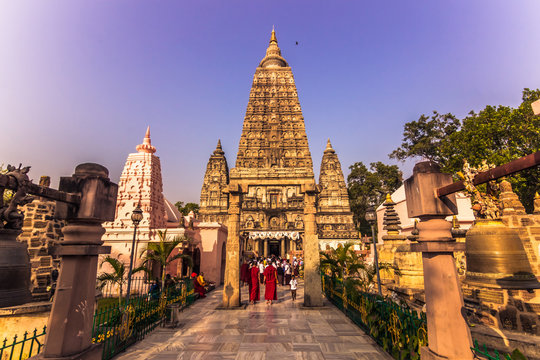
The Mahabodhi Temple in Bodh Gaya marks where Buddha attained enlightenment, making it Buddhism’s holiest site. Its 52-meter pyramidal tower and ancient stone railings showcase magnificent architecture.
The complex includes the sacred Bodhi Tree, descendant of the original under which Buddha meditated. Pilgrims worldwide visit to meditate in its spiritually charged atmosphere. The temple reflects various historical periods from Gupta to Pala dynasties.
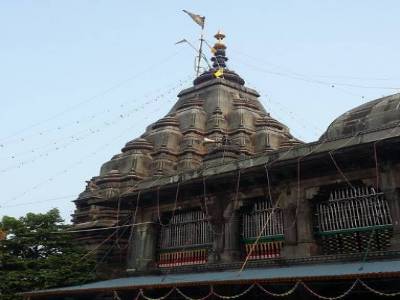
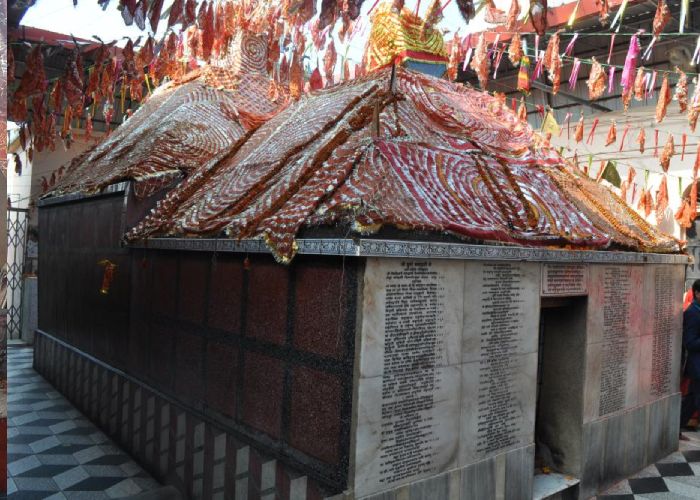
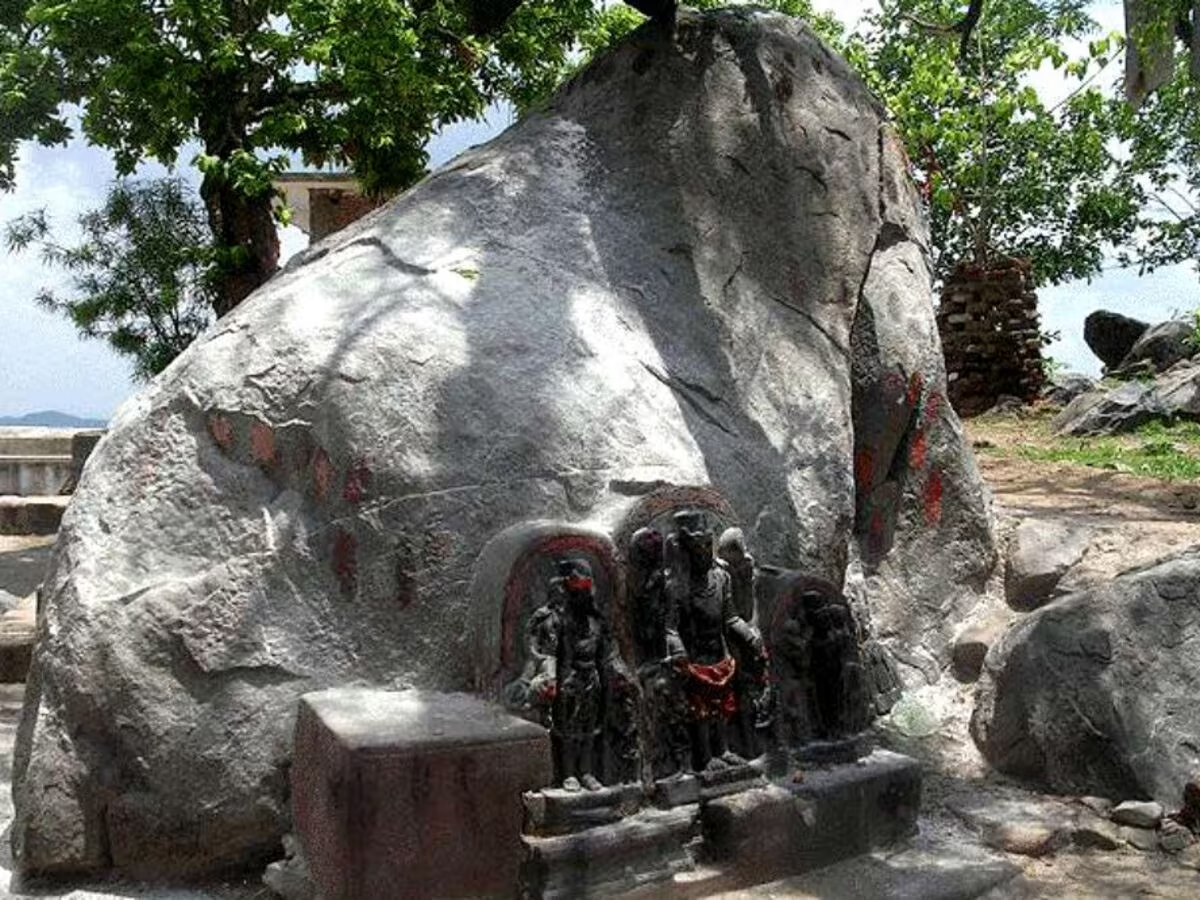
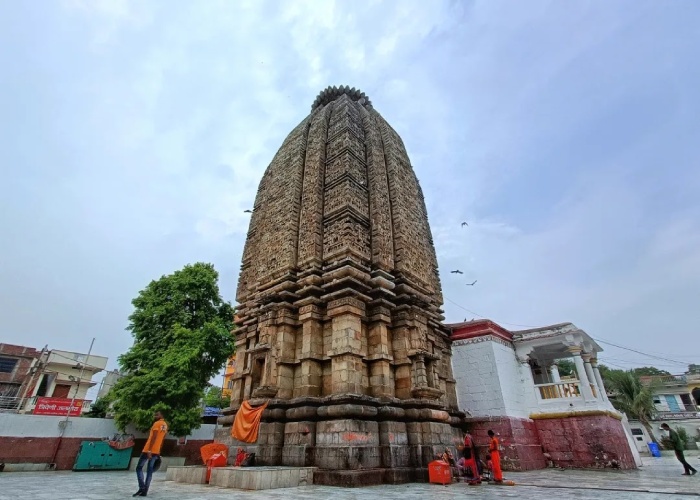
An ancient shrine with Lord Vishnu’s footprint on a sacred stone.
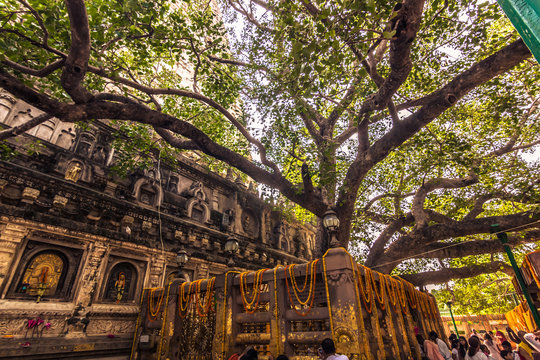
Bodhi Tree
The revered fig tree under which Buddha meditated.
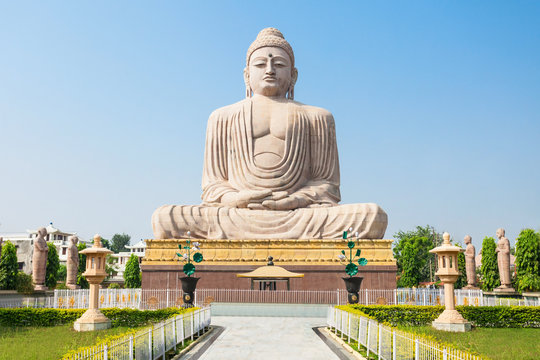
Great Buddha Statue
A towering 80-foot statue symbolizing peace and enlightenment.
Mangla Gauri Temple
A significant Shakti Peetha dedicated to Goddess Parvati.
Dungeshwari Cave Temples
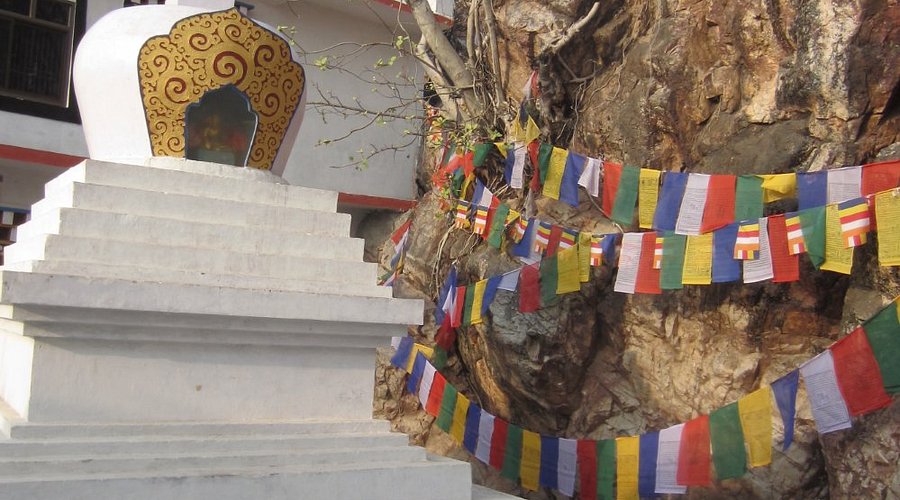
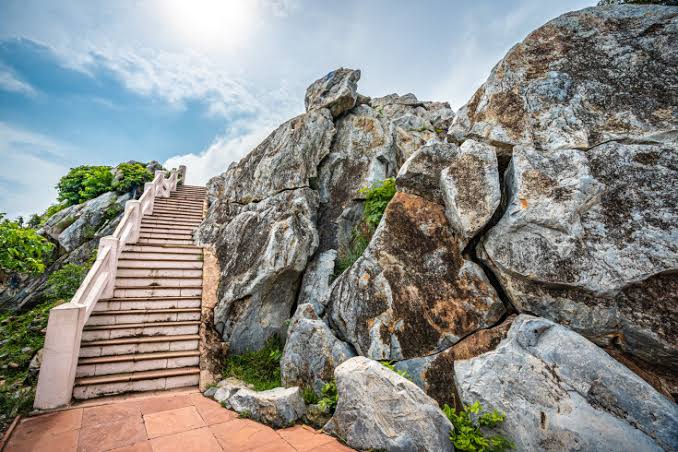
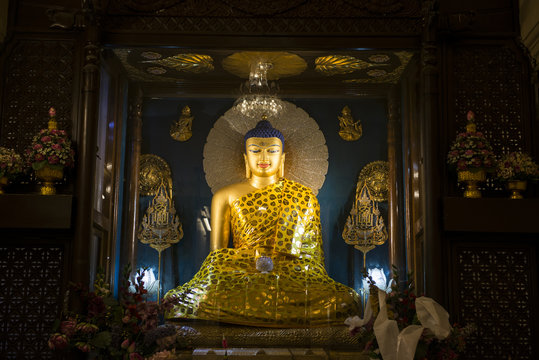
These caves near Bodh Gaya are where Buddha practiced severe asceticism before enlightenment. The main cave houses a golden emaciated Buddha statue from his ascetic period.
Visitors climb rocky terrain to reach these historically significant meditation sites. The peaceful surroundings offer panoramic countryside views. They provide key insights into Buddha’s spiritual journey.
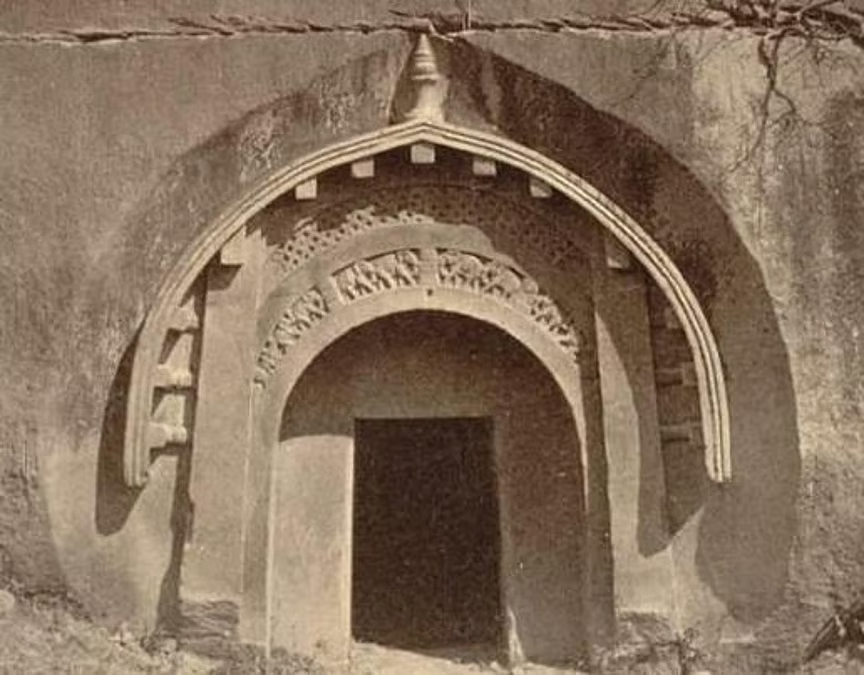
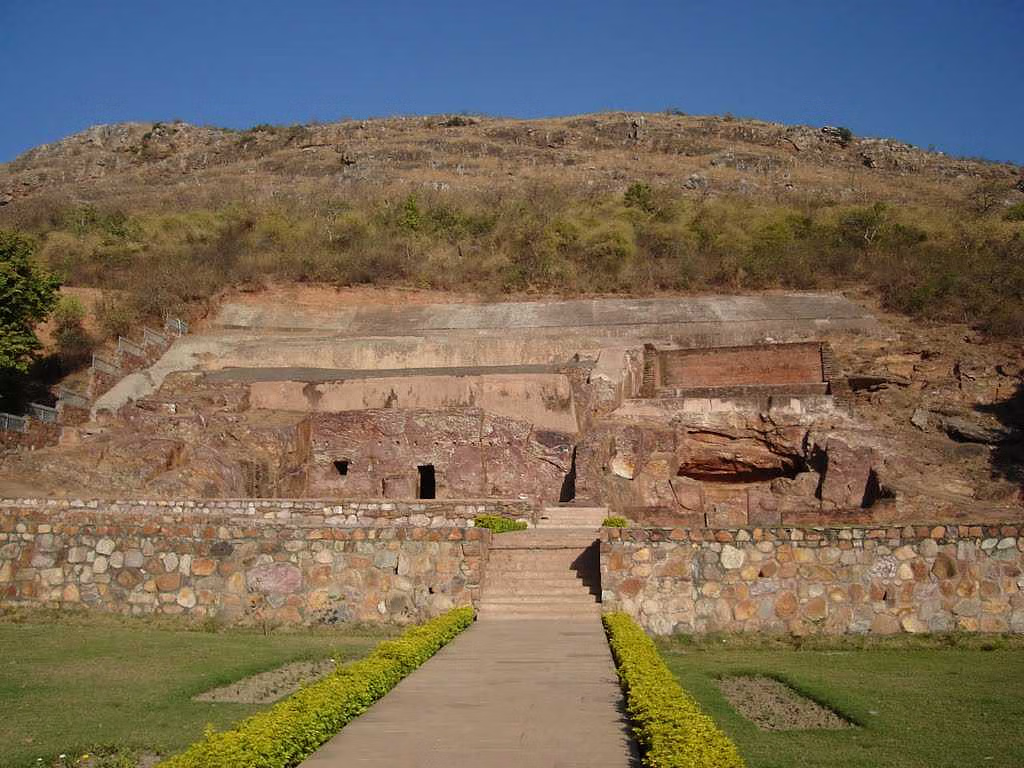
Barabar Caves
India’s oldest rock-cut caves with Mauryan-era inscriptions.
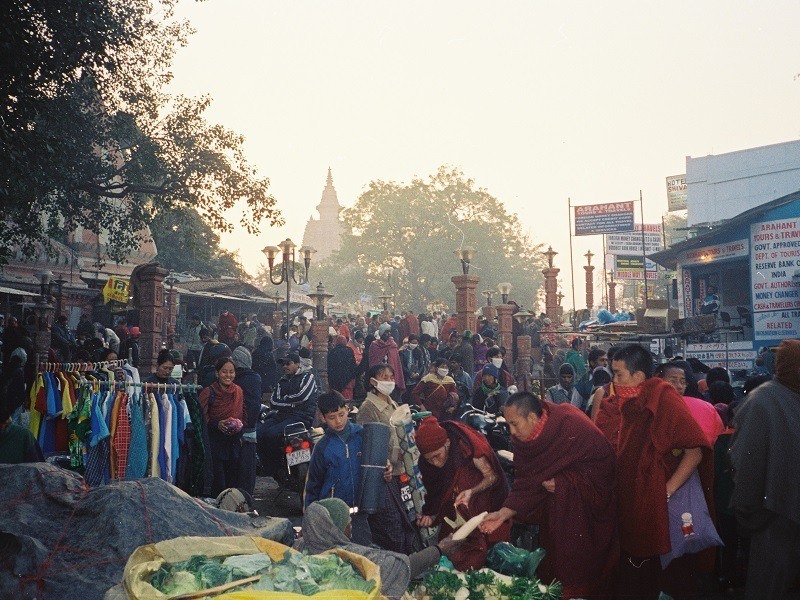
Tibetan Refugee Market
A bustling market selling Tibetan handicrafts and souvenirs.
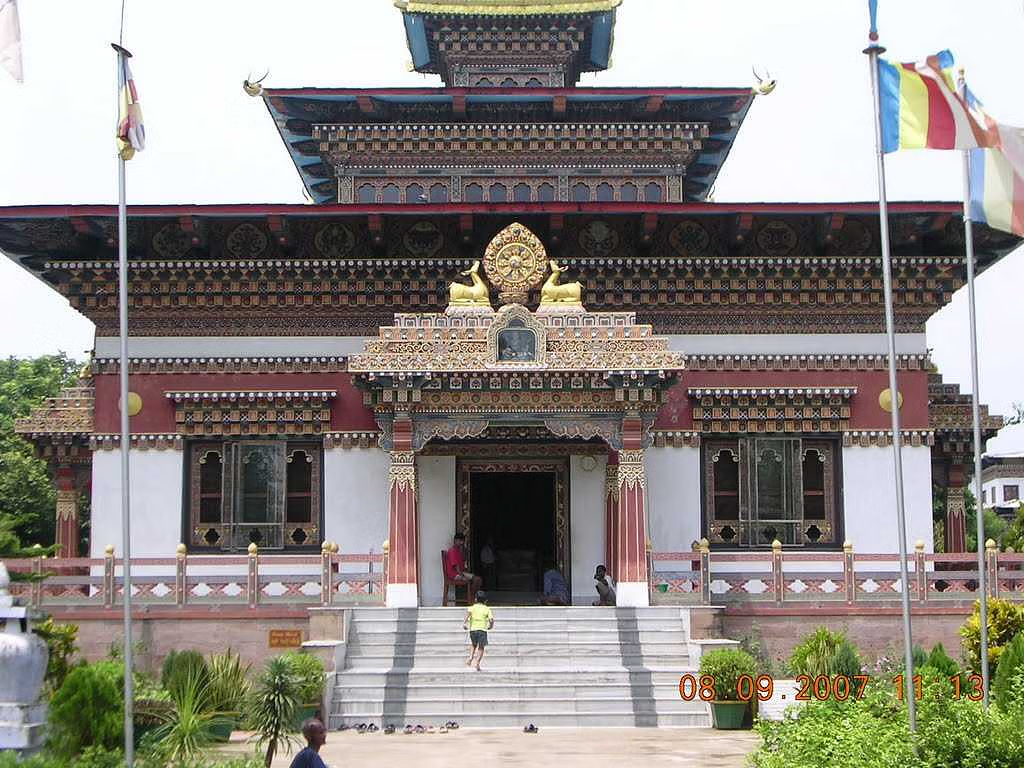
Royal Bhutan Monastery
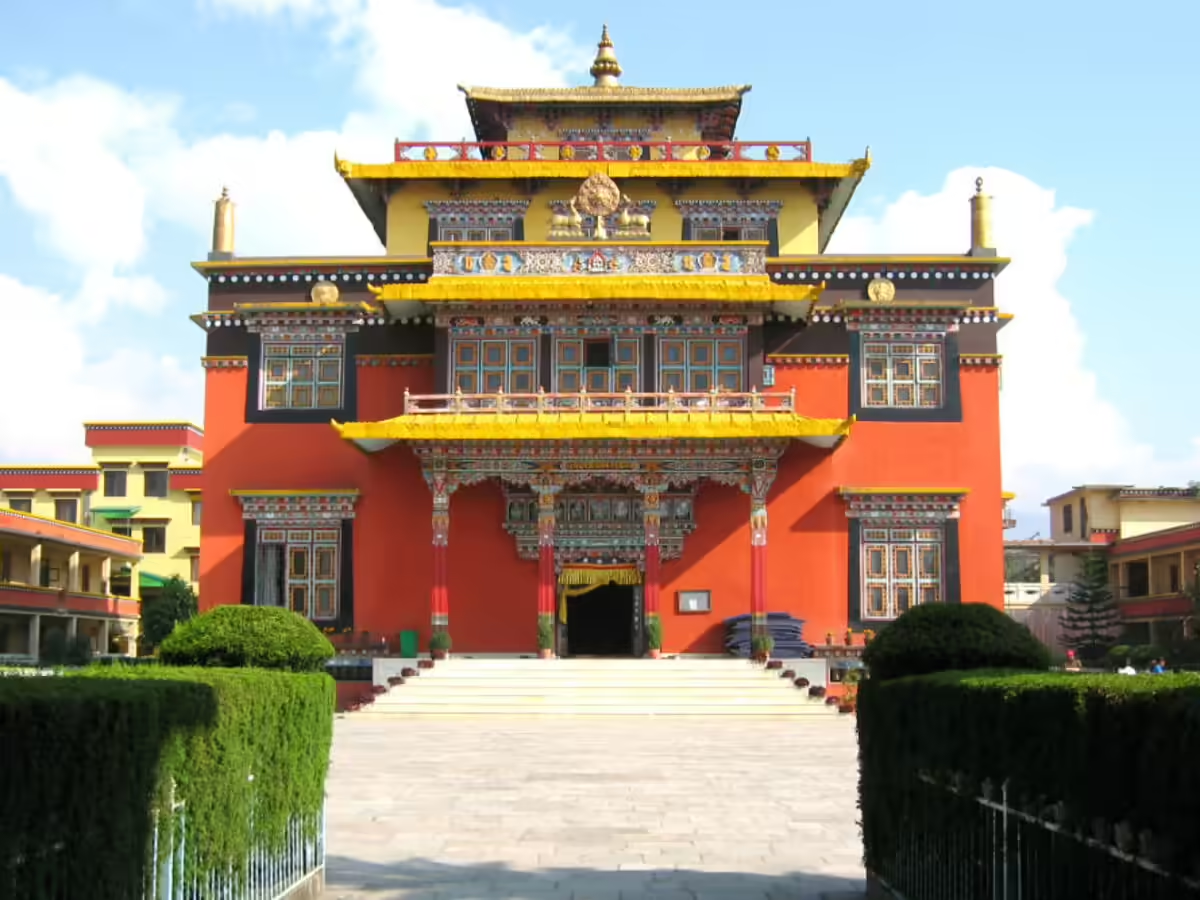
A beautiful monastery with intricate Buddhist artwork.
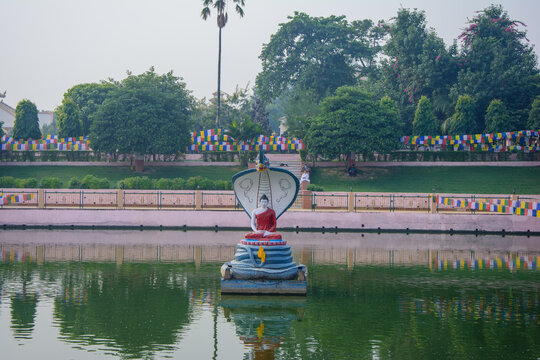
Muchalinda Lake
A serene lake linked to a legend of Buddha being protected by a serpent.
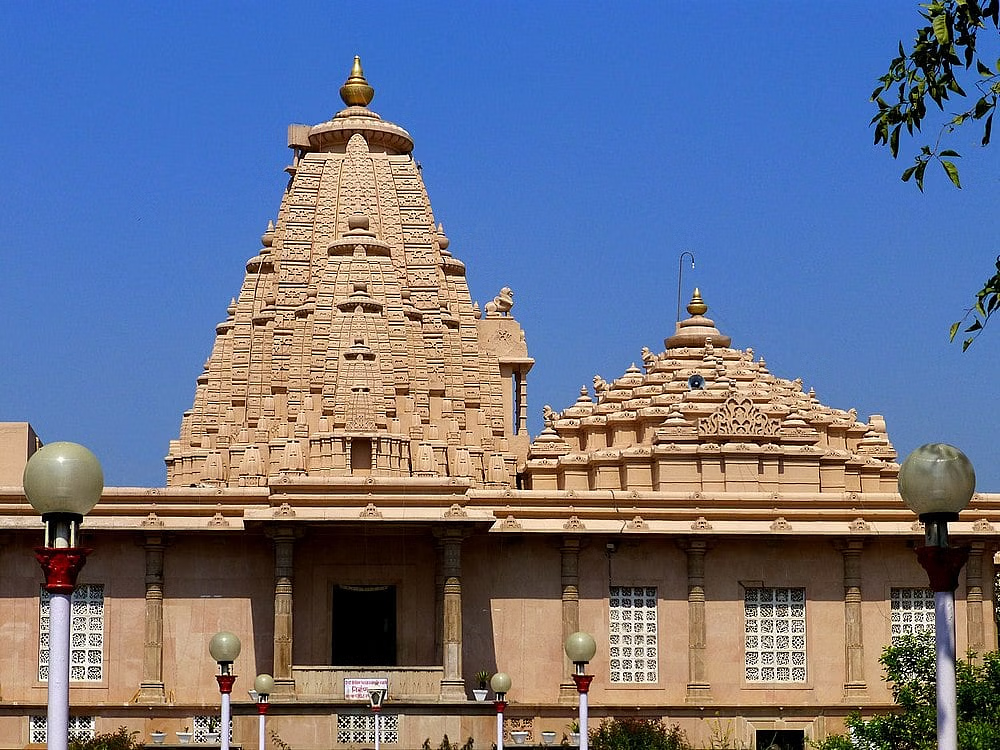
Indosan Nipponji Temple
This Japanese Buddhist temple strengthens India-Japan cultural ties through its pagoda-style architecture. The meditation hall displays exquisite Japanese Buddhist artwork and scriptures. Manicured bonsai trees enhance its tranquil garden setting.
It hosts regular Zen meditation sessions for visitors. The temple serves as an important center for Japanese pilgrims.
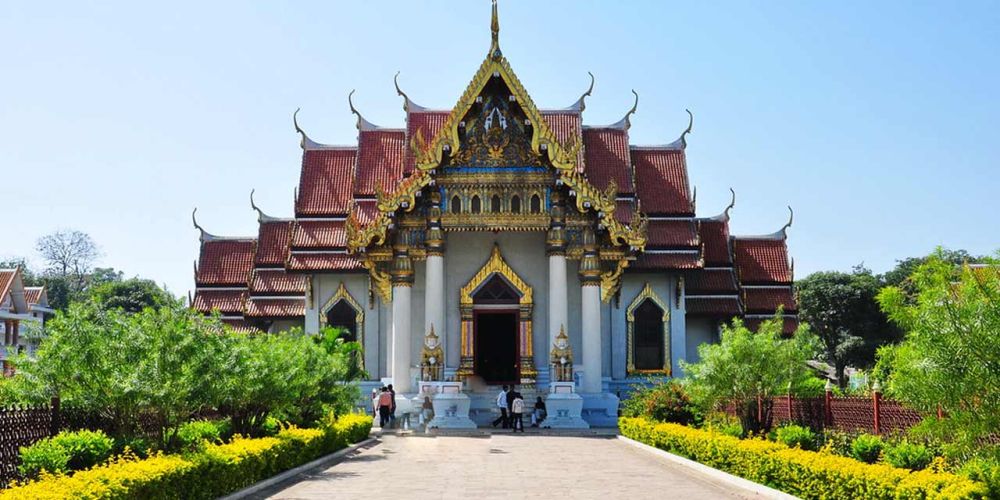
Thai Monastery
A golden-roofed temple reflecting Thai Buddhist architecture.
Archaeological Museum
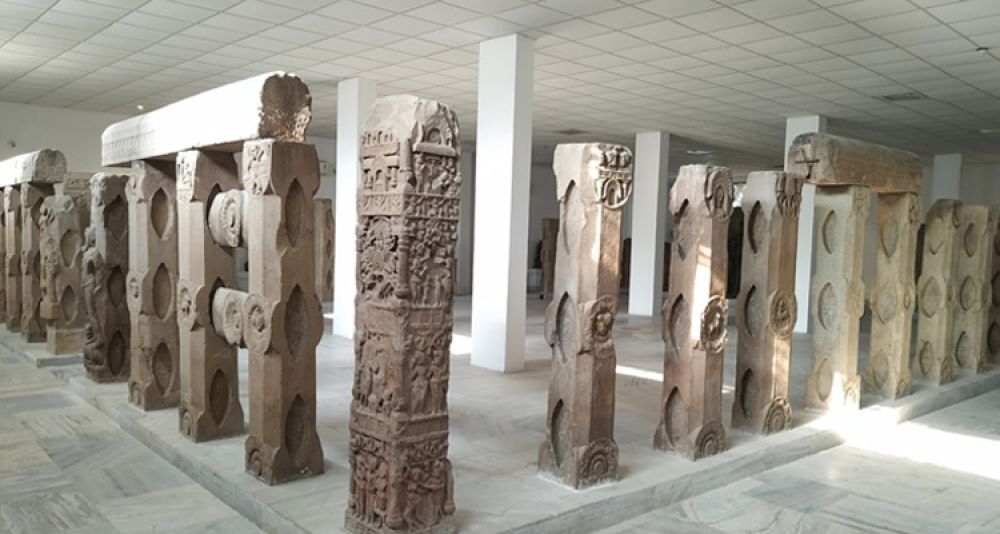
Displays ancient sculptures and artifacts from the region.
Pretshila Hill
A sacred hill believed to liberate souls in Hindu mythology.
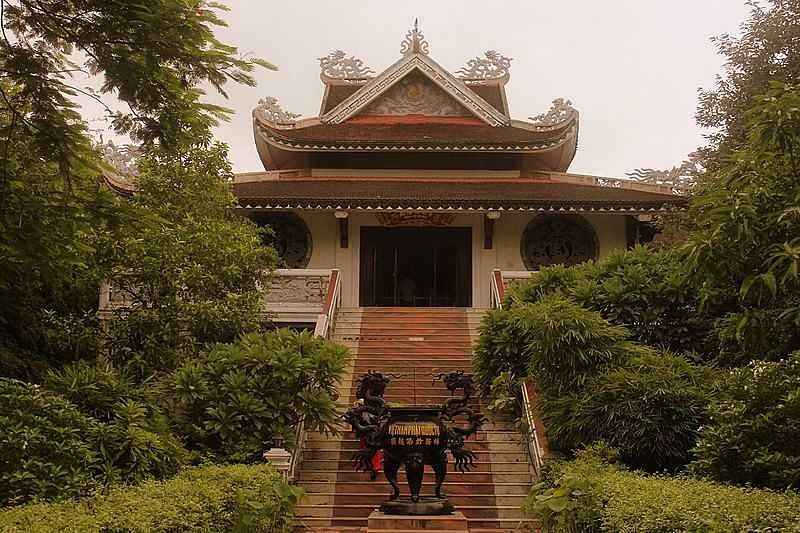
Chinese Temple & Monastery
Built in 1945, this vibrant complex features classic Chinese Buddhist architecture. Its multi-tiered golden roof displays ornate dragon motifs.
The main hall houses a massive white marble Buddha statue from China. Colorful prayer flags and lanterns adorn the courtyards. It celebrates Chinese New Year with great enthusiasm.
Rajgir
Ancient capital of Magadha, Rajgir contains numerous Buddhist and Jain pilgrimage sites. Griddhakuta (Vulture’s Peak) hosted many of Buddha’s important sermons. The Venuvana monastery was Buddha’s rainy season retreat.
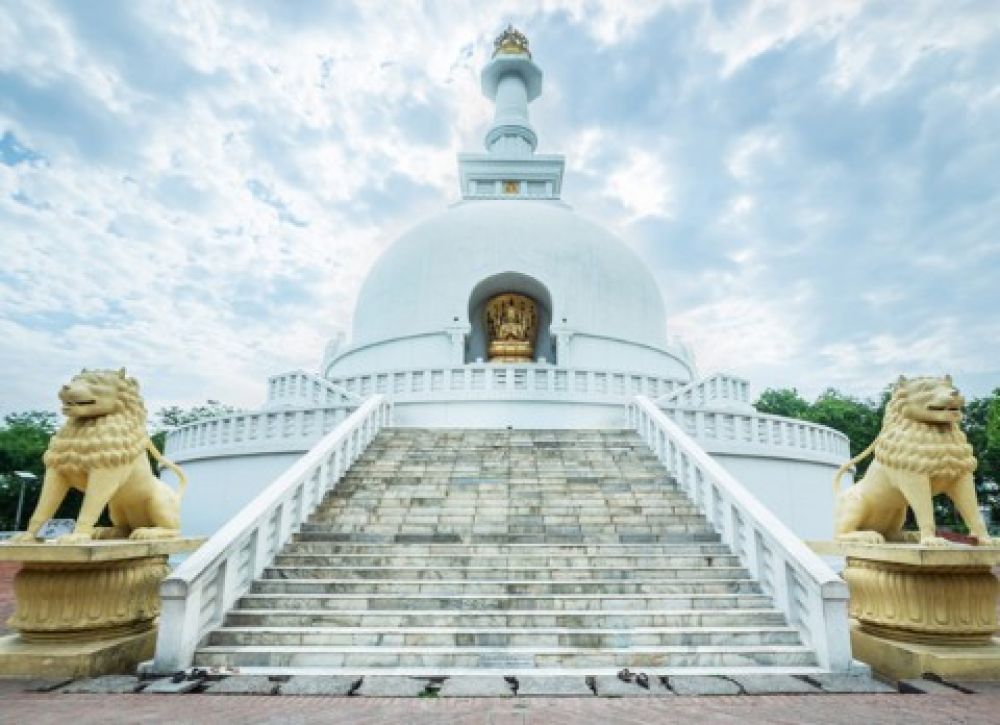
Its hot springs have been revered since ancient times. The ropeway to Vishwa Shanti Stupa offers stunning valley views.
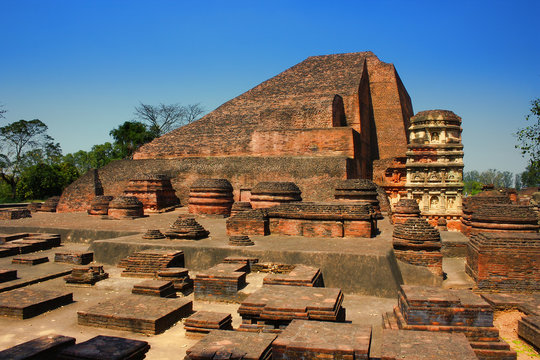
Nalanda
Ruins of the world’s oldest university, a UNESCO World Heritage Site.
Pawapuri
A Jain pilgrimage site where Lord Mahavira attained Nirvana.
Griddhakuta Peak
Where Buddha preached the Lotus Sutra.
Venuvana
A tranquil monastery gifted to Buddha by King Bimbisara.
Saptaparni Caves
These Rajgir caves hosted Buddhism’s First Council after Buddha’s parinirvana. Named after seven-leaved trees growing nearby, they served as monsoon retreats.
The First Council compiled Buddha’s teachings here under Mahakasyapa. Their natural rock formations create a cool, meditative atmosphere. They offer profound connections to early Buddhist history.
Bihar Sharif
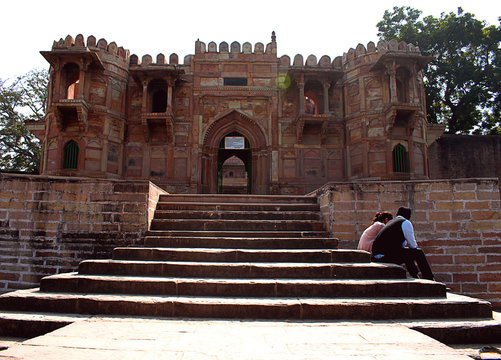
Known for Sufi shrines and the historic Badi Dargah.
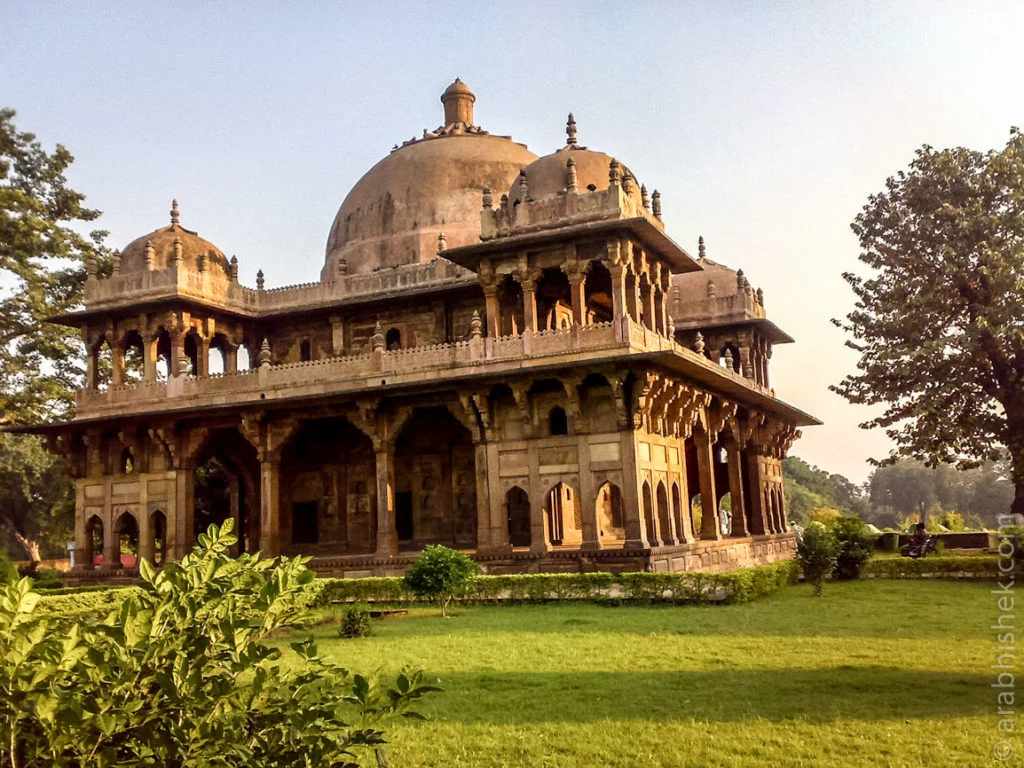
Sher Shah Suri Tomb
A stunning red sandstone mausoleum in a lake, showcasing Indo-Islamic architecture.
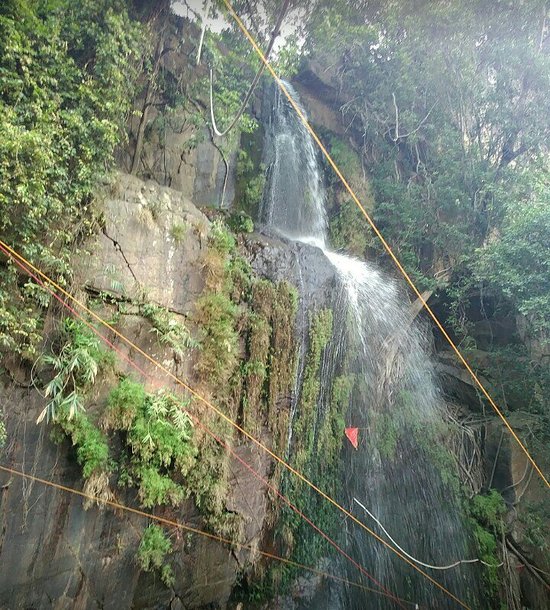
Kakolat Falls
A scenic waterfall surrounded by lush forests.
Telhar Kund
This therapeutic hot spring near Rajgir has sulfur-rich waters believed to heal ailments. Legend says it emerged when Lord Rama shot an arrow (tel) into the ground. Separate bathing areas accommodate pilgrims comfortably.
Many visit after completing Rajgir’s pilgrimage circuit. The forested hills create a peaceful natural setting.
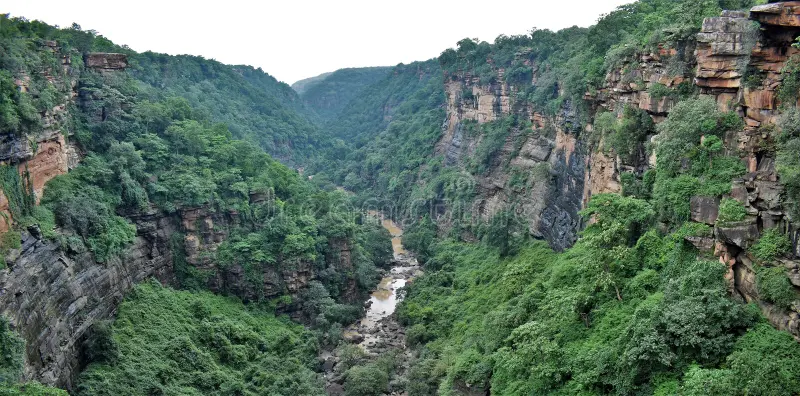
Jethian Valley
A serene Buddhist pilgrimage site with ancient stupas.
Maner Sharif
A revered Sufi shrine with Mughal-era architecture.