
Famous Archaeological Marvels of West India
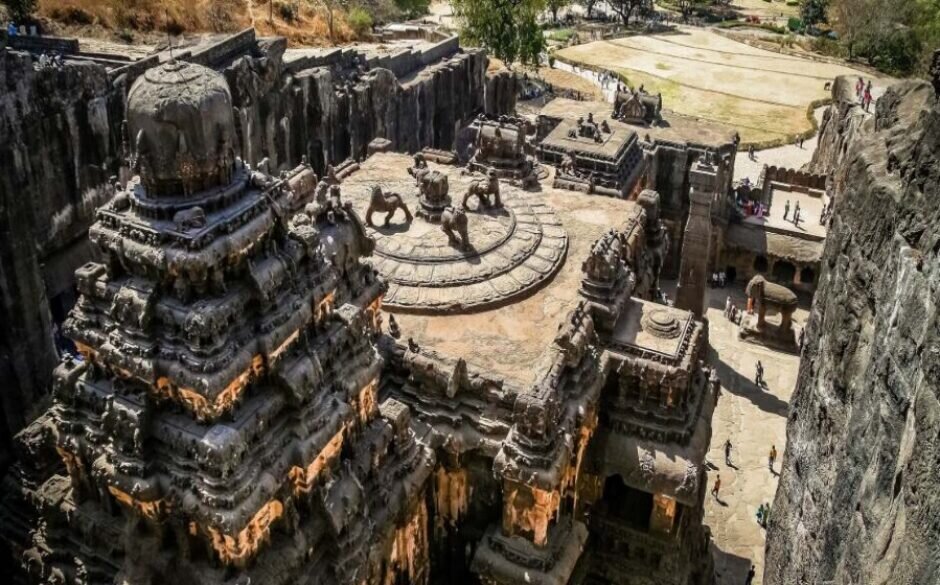
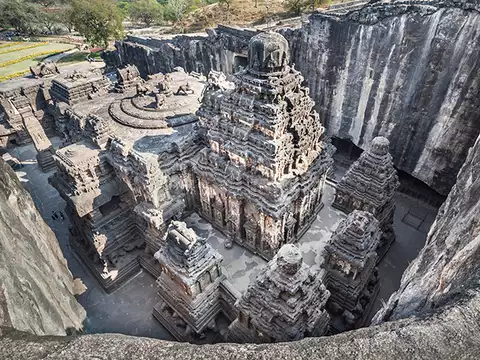
West India is home to some of the country’s most remarkable archaeological treasures, reflecting centuries of royal dynasties, religious traditions, trade routes, and artistic excellence. Spread across states like Rajasthan, Gujarat, Maharashtra, and Goa, these archaeological marvels include ancient cave complexes, majestic forts, intricately carved temples, historic ports, and stepwells that showcase India’s architectural and cultural legacy. From UNESCO World Heritage Sites to lesser-known historical ruins, West India offers a fascinating journey through the region’s rich past and enduring heritage.
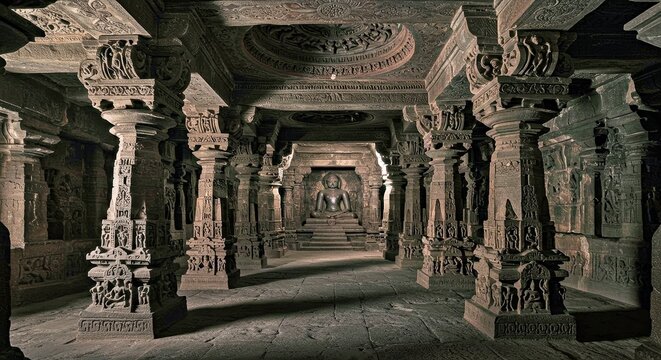
Ellora Caves
The Confluence of Three Faiths
Era: 6th to 10th Century CE
Patron: Rashtrakuta Dynasty, Kalachuri Dynasty, Yadavas
Location: Aurangabad, Maharashtra
UNESCO World Heritage Site: Recognized in 1983
A monumental complex of 34 monasteries and temples extending over 2 kilometers, the Ellora Caves represent the epitome of Indian rock-cut architecture.
- They are unique for their harmonious coexistence of three major religions—Buddhism (Caves 1-12), Brahmanical Hinduism (Caves 13-29), and Jainism (Caves 30-34).
- The pinnacle of this complex is the Kailasa Temple (Cave 16), the world’s largest monolithic structure, carved to resemble Mount Kailash.
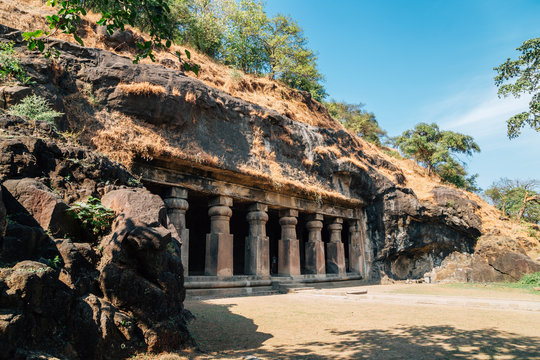
Elephanta Caves
The Island of Sculptural Grandeur
Era: 5th–6th Century CE
Patron: Various Gupta and post-Gupta period rulers, likely King Krishnaraja of the Kalachuri dynasty
Location: Elephanta Island, Maharashtra
UNESCO World Heritage Site: Recognized in 1986
Located on an island in the Sea of Oman, the Elephanta Caves are a network of sculpted caves dedicated to the Shaiva sect of Hinduism.
- The most celebrated masterpiece here is the colossal 20-foot high Trimurti Sadashiva, a three-headed statue of Lord Shiva embodying his roles as the Creator, Preserver, and Destroyer.
- The cave’s grand pillars and intricate relief panels depict various aspects of Shiva’s mythology.
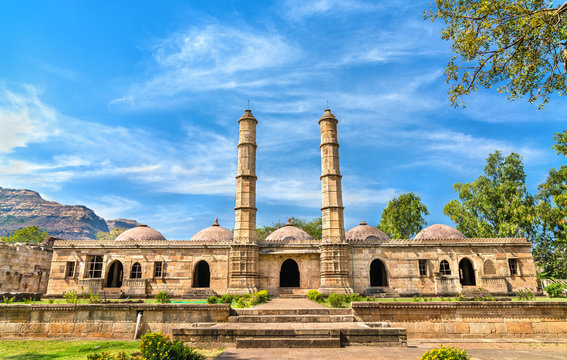
Champaner-Pavagadh Archaeological Park
A Frozen Medieval Capital
Era: 8th to 14th Centuries CE
Patron: Mahmud Begada (Sultan of Gujarat)
Location: Panchmahal district, Gujarat
UNESCO World Heritage Site: Recognized in 2004
This park is a remarkable confluence of Hindu and Islamic architecture, spanning a pre-Mughal Islamic capital and a site sacred to Hindus for millennia.
- It features an array of largely unexcavated archaeological sites, including fortifications, palaces, religious buildings, and water installations.
- Key highlights are the Jama Masjid, a masterpiece of Indo-Saracenic architecture, and the Kalika Mata Temple atop Pavagadh Hill.
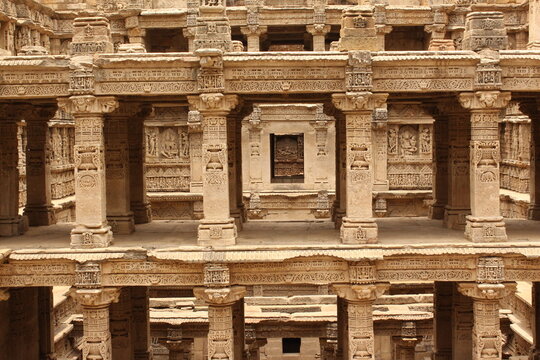
Rani Ki Vav (The Queen's Stepwell)
The Inverted Temple to Water
Era: 11th Century CE
Patron: Queen Udayamati (widow of King Bhima I, Solanki Dynasty)
Location: Patan, Gujarat
UNESCO World Heritage Site: Recognized in 2014
An architectural marvel of subterranean technology and artistry, Rani Ki Vav is not merely a stepwell but a grand inverted temple.
- Designed as a seven-story underground structure, it is adorned with over 800 principal sculptures and thousands of minor ones, predominantly of Vishnu and other deities.
- Its intricate carvings and sheer scale represent the zenith of stepwell architecture in India.
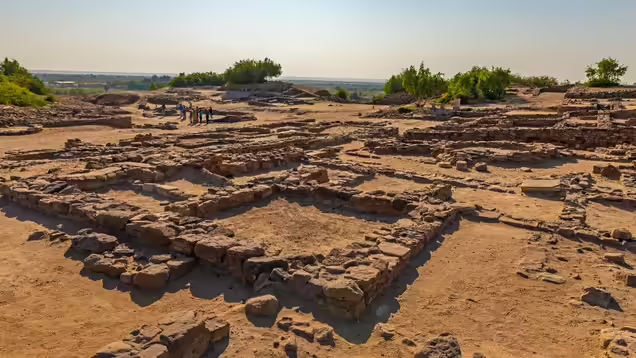
Dholavira: A Harappan City
The Metropolitan City of the Indus Valley
Era: circa 3000–1500 BCE
Patron: Indus Valley Civilization
Location: Kachchh district, Gujarat
UNESCO World Heritage Site: Recognized in 2021
One of the most remarkable and well-preserved urban settlements of the ancient Indus Valley Civilization, Dholavira showcases a sophisticated system of water management, fortification, and town planning.
- The city’s division into a citadel, a middle town, and a lower town, along with its giant reservoirs and unique signboard written in the Indus script, provides invaluable insights into one of the world’s earliest civilizations.

Ajanta Caves
The Pinnacle of Ancient Indian Rock-Cut Art
Era: 2nd Century BCE to 480 CE
Patron: Vakataka Dynasty (with earlier patronage under Satavahanas)
Location: Aurangabad, Maharashtra
UNESCO World Heritage Site: Recognized in 1983
The 30 rock-cut Buddhist cave monuments at Ajanta are universally celebrated for their breathtakingly beautiful wall paintings and exquisite sculptures.
- The caves depict the Jataka tales, illustrating the various lives of the Buddha.
- Unlike the sculptural emphasis of Ellora, Ajanta is a treasury of ancient Indian art, with its paintings representing the golden age of classical Indian art.
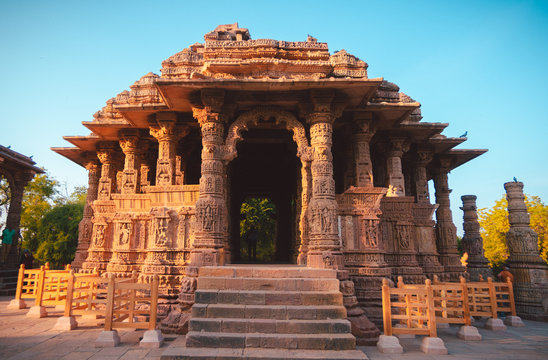
Sun Temple, Modhera
The Celestial Abode of Surya
Era: 1026–27 CE
Patron: King Bhima I of the Chalukya (Solanki) Dynasty
Location: Modhera, Gujarat
UNESCO World Heritage Site: Recognized in 2014 (as part of the “Sun Temple, Modhera” entry)
Though no longer used for active worship, the Sun Temple at Modhera is a monumental example of Maru-Gurjara architecture.
- The temple complex is perfectly aligned so that the first rays of the rising sun on the equinoxes illuminate the main idol in the sanctum.
- It consists of three axially aligned components: the sacred reservoir (Surya Kund), the assembly hall (Sabha Mandap), and the main shrine (Guda Mandap).
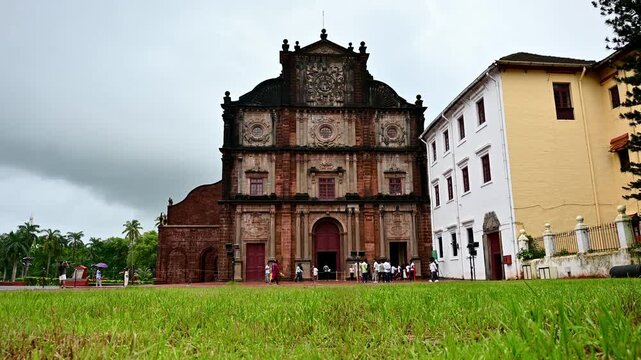
Basilica of Bom Jesus
A Landmark of Baroque Christianity in the East
Era: 1605 CE
Patron: The Jesuit society under the Portuguese colonial rule
Location: Old Goa, Goa
UNESCO World Heritage Site: Recognized in 1986 (as part of the “Churches and Convents of Goa”)
The Basilica of Bom Jesus is one of the most significant and revered churches in India, famous for holding the mortal remains of St. Francis Xavier.
-
It is a premier example of Baroque architecture in India, characterized by its ornate detailing and grand facade.
-
The church is part of the “Churches and Convents of Goa” UNESCO site, which are monuments that established the first wave of Christianization in Asia.
-
Its artistic and historical influence on the spread of Christianity across Asia makes it a site of global importance.
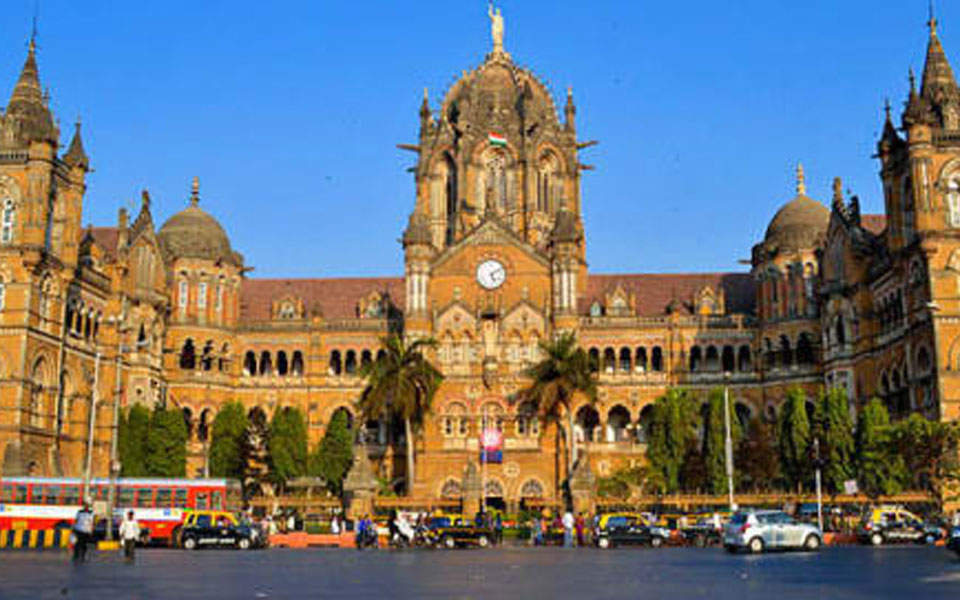
The Victorian and Art Deco Ensemble of Mumbai
A Colonial and Modernist Architectural Walk
Era: 19th to early 20th Centuries (1862-1947)
Patron: British Raj and wealthy Indian industrialists/communities
Location: Mumbai, Maharashtra
UNESCO World Heritage Site: Recognized in 2018
This ensemble is a unique urban collection of 94 properties of outstanding Victorian Gothic and Art Deco buildings in the Fort area of Mumbai.
- The Victorian buildings, with their neoclassical and Indo-Gothic styles, include the Bombay High Court and the University of Mumbai.
- The later Art Deco buildings, such as the Eros and Regal cinemas, represent the Modernist movement with their streamlined forms and geometric motifs.
- Together, they chronicle the modernization of Mumbai and showcase a remarkable dialogue between two distinct architectural phases.
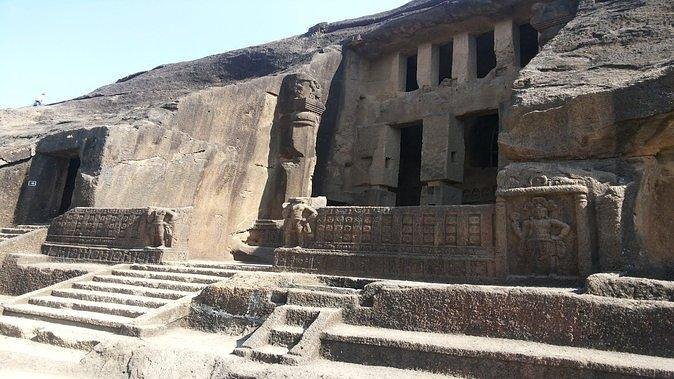
Buddhist Caves of Kanheri
The University Carved in Stone
Era: 1st Century BCE to 10th Century CE
Patron: Buddhist monks and traders, with patronage from the Satavahana and Traikutaka dynasties
Location: Located within the Sanjay Gandhi National Park, Mumbai, Maharashtra
The Kanheri Caves comprise a complex of over 110 rock-cut monuments spread across a basaltic outcrop. Unlike the singular focus of Ajanta and Ellora, Kanheri functioned as a major Buddhist monastic and educational center for over a millennium.
- The caves include prayer halls (chaityas), monasteries (viharas), and unique water cistern systems.
- The site is renowned for its numerous Buddha statues, intricate relief carvings, and a network of ancient pathways and inscriptions that provide deep insight into the development of Buddhist art, architecture, and monastic life.

Shaniwar Wada, Pune
The Seat of the Peshwa's Power
Era: 1732 CE
Patron: Peshwa Bajirao I
Location: Pune, Maharashtra
The majestic fortified palace of Shaniwar Wada was the seat of the Maratha Empire’s Peshwas.
- Though a major fire in 1828 destroyed most of its interior buildings, the imposing fortification walls, massive teak gateways (Dilli Darwaza), and foundations remain as a powerful archaeological testament to Maratha grandeur.
- The complex was famous for its intricate craftsmanship, fountains, and planning.
- Today, its ruins, especially when illuminated at night, evoke the glory and tragedy of the Peshwa era, standing as a monumental landmark in the heart of Pune.

The Rock-cut Caves of Bhaja and Karla
Ancient Buddhist Cave Complexes
Era: 2nd Century BCE
Patron: Satavahana Dynasty
Location: Near Lonavala, Maharashtra
These are some of the oldest and most important early Buddhist rock-cut caves in India, predating the Ajanta and Ellora caves.
- The Karlā Caves feature one of the largest and most perfectly preserved chaitya grihas (prayer halls) in India, with magnificent wooden ribs still intact in the vaulted ceiling and a large, ornate stupa.
- The Bhaja Caves are known for their distinctive arched chaitya and unique relief sculptures, including one of the earliest known depictions of a person riding a horse.
- They provide a crucial link to understanding the evolution of Indian rock-cut architecture.

West India's Archaeological Marvels
- West India Archaeology Guide
- Historical Places to Visit in West India
- India’s Must-See Archaeological Wonders
- Ancient Architectural Marvels of West India