
India's Famous Rivers
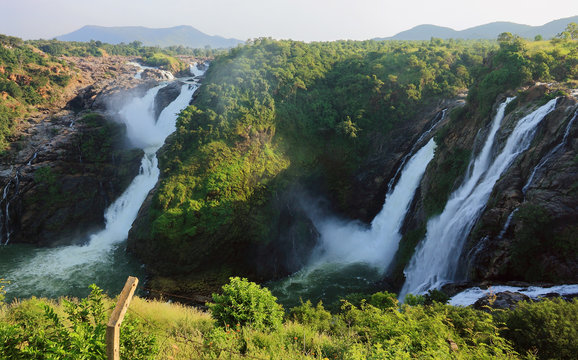

India’s rivers are lifelines of culture, faith, and civilization. Flowing through mountains, plains, and valleys, they nourish lands, inspire traditions, and sustain millions of lives. From the holy Ganga and Yamuna to the vast Brahmaputra and serene Godavari, each river carries stories of history, spirituality, and natural beauty. Exploring India’s rivers is a journey into the country’s heart and heritage.
Wiki Link: India’s Famous Rivers

Ganga River
The Holiest River of Hinduism
Rising from the Gangotri Glacier in Uttarkashi, Uttarakhand, flows through holy cities like Haridwar, Allahabad, and Varanasi in Uttar Pradesh. It is considered the most sacred river in India, worshipped as Goddess Ganga. Millions of pilgrims gather on its ghats for rituals and festivals like Ganga Aarti.
The river nourishes fertile plains and is a cradle of Indian civilization. Its spiritual aura makes it the most famous river in India.

Yamuna River
The Lifeline of Delhi and Mathura
Originates from the Yamunotri Glacier in Uttarkashi, Uttarakhand, and flows through Delhi, Mathura, and Agra in Uttar Pradesh. Associated with Lord Krishna’s childhood tales in Mathura and Vrindavan, the river holds deep cultural significance.
The Taj Mahal stands beautifully along its banks in Agra. In Delhi, it is a lifeline for millions. Yamuna combines mythology, heritage, and modern urban importance.
Brahmaputra River
The Lifeblood of Northeast India
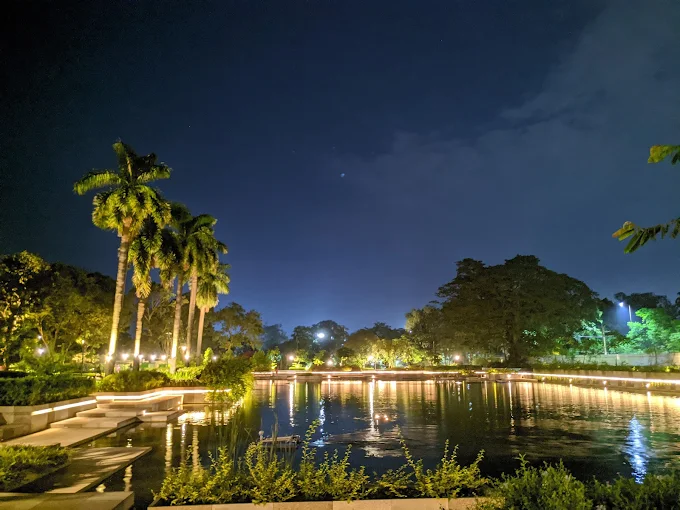
Originating in Tibet as Yarlung Tsangpo, the Brahmaputra enters India through Arunachal Pradesh and flows across Guwahati in Assam before entering Bangladesh. Its wide, majestic flow is dotted with river islands like Majuli, the world’s largest.
The river supports agriculture, transport, and unique riverine culture. Seasonal floods bring both fertility and challenges to Assam. Brahmaputra is a symbol of strength and resilience in the Northeast.
Godavari River
The Sacred River of Southern India
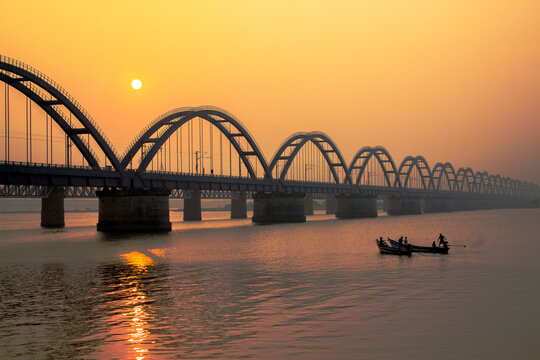
Originates from Trimbakeshwar near Nashik, Maharashtra, and flows through Nizamabad in Telangana and Rajahmundry in Andhra Pradesh before joining the Bay of Bengal. Known as the “Ganga of the South,” it plays a vital role in agriculture and spirituality.
The Kumbh Mela is celebrated on its banks in Nashik. Its vast basin nurtures millions of lives, making it one of India’s holiest rivers.
Narmada River
A Sacred West-Flowing River
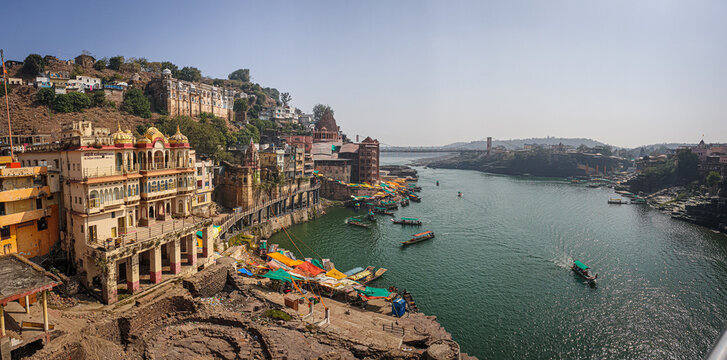
Originates from Amarkantak Plateau in Madhya Pradesh and flows westward through Jabalpur and Omkareshwar before reaching Gujarat. In Jabalpur, the river creates the stunning Marble Rocks and Dhuandhar Falls.
Omkareshwar Temple on its banks is a Jyotirlinga shrine. Known for its clean waters, Narmada is worshipped like the Ganga. It is the lifeline of Central India, sustaining culture and spirituality.

Krishna River
The Heartbeat of Andhra and Karnataka
Rises from Mahabaleshwar in Maharashtra and flows through Vijayawada in Andhra Pradesh and Bagalkot in Karnataka before emptying into the Bay of Bengal. Its fertile basin supports vast agriculture, especially rice and sugarcane.
The river is associated with several temples and mythological legends. In Vijayawada, the Kanaka Durga Temple overlooks its banks. Krishna River is both a cultural and agricultural blessing.

Kaveri River
A Sacred River of Karnataka and Tamil Nadu
Originates from Talakaveri in Kodagu district, Karnataka, and flows through Srirangapatna in Karnataka and Trichy in Tamil Nadu. It is revered as the “Ganga of the South” and is worshipped in many temples.
The river forms the famous Shivanasamudra Falls and supports Cauvery Delta agriculture. Its waters are vital for both states, sustaining culture and livelihoods.

Sutlej River
The Longest of the Indus Tributaries
Originates from Rakshastal Lake near Mount Kailash in Tibet and flows through Ludhiana and Ferozepur in Punjab before joining the Indus in Pakistan.
It is the backbone of Punjab’s irrigation system, feeding the state’s fertile fields. The Bhakra Nangal Dam on the Sutlej is one of India’s biggest hydro projects. The river has shaped the prosperity of Punjab’s agriculture for centuries.

Beas River
The Sensual & Spiritual Marvel
Originates from Rohtang Pass near Manali, Himachal Pradesh, and flows through Kullu, Kangra, and Amritsar in Punjab. Legend connects it to Sage Vyas, who meditated here. Its course is marked by pine forests, apple orchards, and snow peaks. The river adds charm to hill stations like Manali. Beas is not just scenic but also vital for irrigation and hydroelectricity in North India.

Tapti River
A West-Flowing Central Indian River
Originates from Satpura ranges in Betul district, Madhya Pradesh, and flows through Jalgaon in Maharashtra before reaching Surat in Gujarat. Like the Narmada, it flows westward into the Arabian Sea.
The river enriches the fertile Tapi basin and supports cotton farming in Maharashtra. In Surat, its banks bustle with life, blending tradition and trade. Tapti remains a key river of western India.
Indus River
The River That Named a Nation
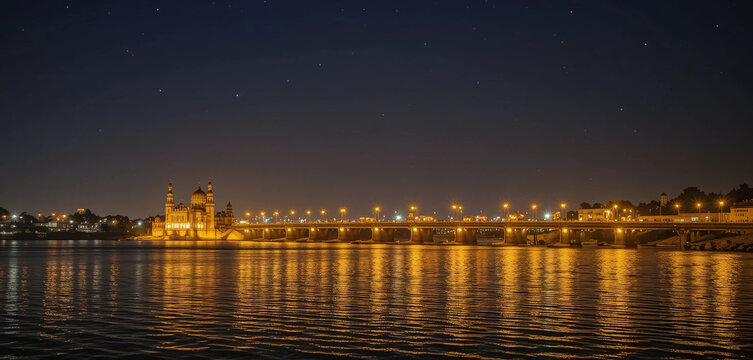
Originating from Lake Manasarovar in Tibet, flows through Leh in Ladakh, Jammu & Kashmir, before entering Pakistan. It nurtured the Indus Valley Civilization, one of the world’s oldest urban cultures. In Leh, its turquoise waters cut through barren mountains, creating surreal landscapes.
The river is still sacred for Buddhists in Ladakh. Indus remains both a cultural symbol and a geographical marvel.
Mahanadi River
The Lifeline of Eastern India
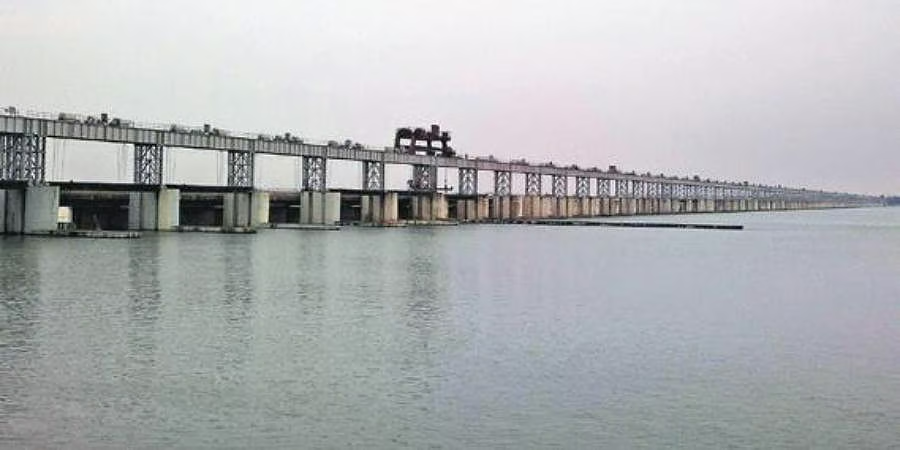
Rises from Chhattisgarh near Raipur city and flows through Cuttack in Odisha before meeting the Bay of Bengal. Known for the Hirakud Dam, one of the world’s longest earthen dams, it irrigates vast farmlands.
The river plays a crucial role in Odisha’s agriculture and economy. Its fertile delta supports rice cultivation and fishing. Mahanadi is truly the “Great River” of Eastern India.

Periyar River
A River of Dams and Backwaters
Originates from the Western Ghats in Idukki district, Kerala, and flows through Kochi city before entering the Arabian Sea. It is Kerala’s longest river and supports the state’s agriculture, hydroelectric projects, and backwaters.
The Periyar Wildlife Sanctuary surrounds its reservoir, adding ecological importance. The river nourishes the cultural and economic heart of central Kerala.

Teesta River
The Himalayan River of Beauty
Originates from the Pahunri Glacier in North Sikkim and flows through Gangtok in Sikkim and Jalpaiguri in West Bengal. Known for its emerald-green waters, it creates stunning valleys and gorges.
The river is vital for hydropower projects in the Northeast. White-water rafting is popular along its stretches. Teesta represents both adventure and sustenance for Sikkim and Bengal.

Chambal River
A Wild Tributary of the Yamuna
Rises from Vindhya ranges in Madhya Pradesh and flows through Kota in Rajasthan before joining the Yamuna in Uttar Pradesh. Its deep ravines are famous in folklore as the land of dacoits. Today, the Chambal Wildlife Sanctuary protects gharials and dolphins along its course. The river’s clean waters contrast with legends of its fearsome history. Chambal is wild, pure, and culturally rich.
Andhra Pradesh Blogs
- Andhra Pradesh Cultural guide
- Places to visit in Andhra Pradesh
- Places to visit in Andhra Pradesh
- India’s most popular destination
- India’s archaeological marvels