Trip and Tales

¤ 10+ minutes Read

Amaravati

A complete tourist and cultural guide

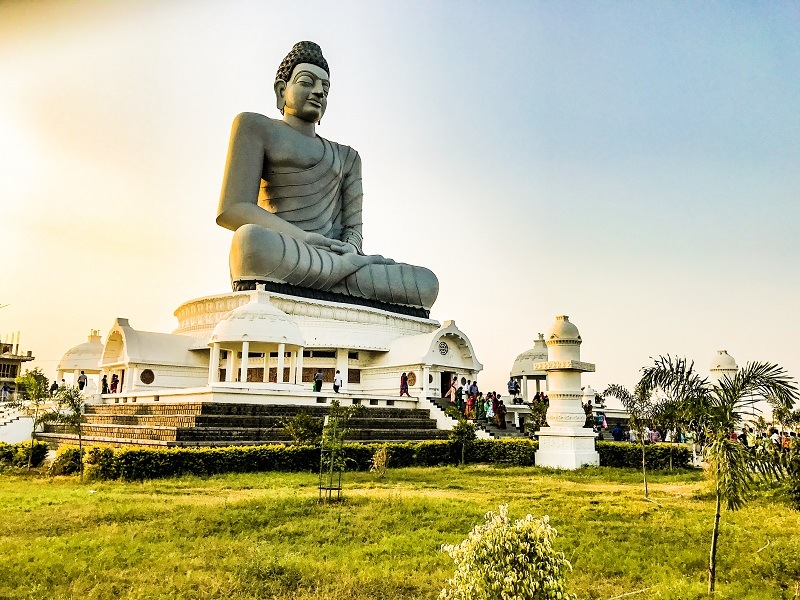
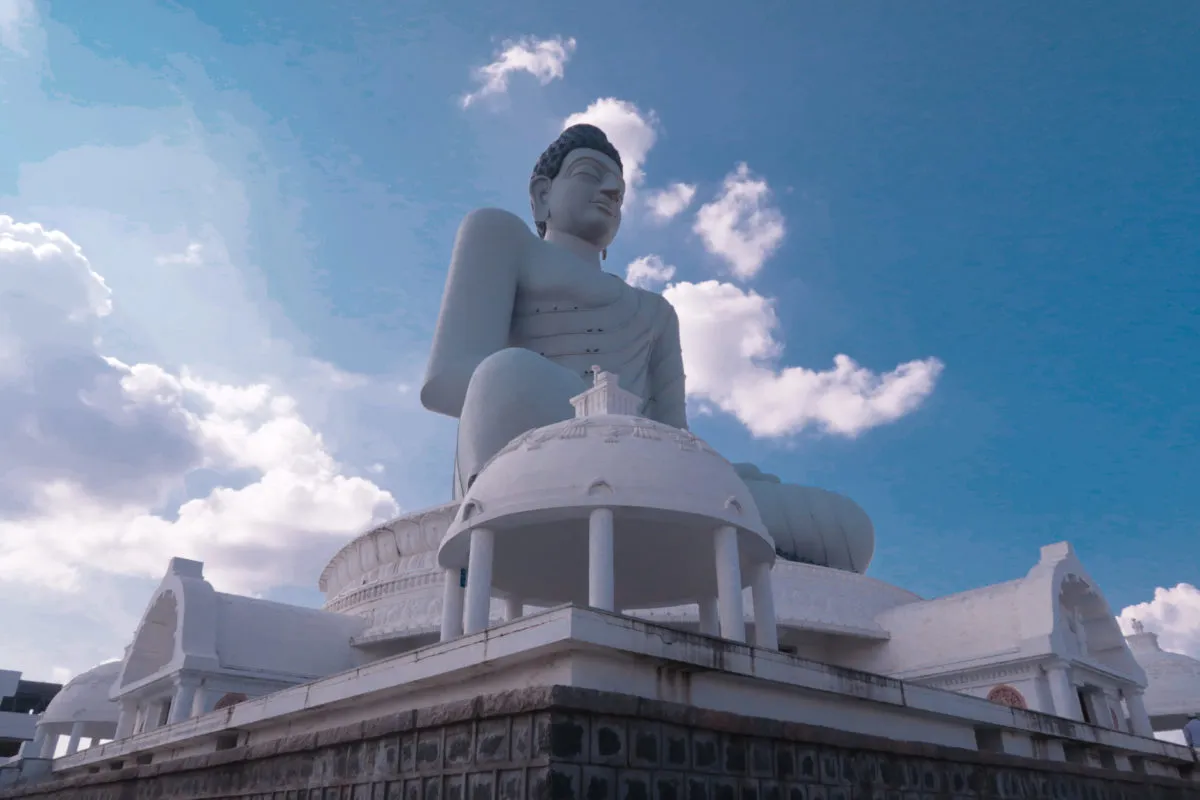
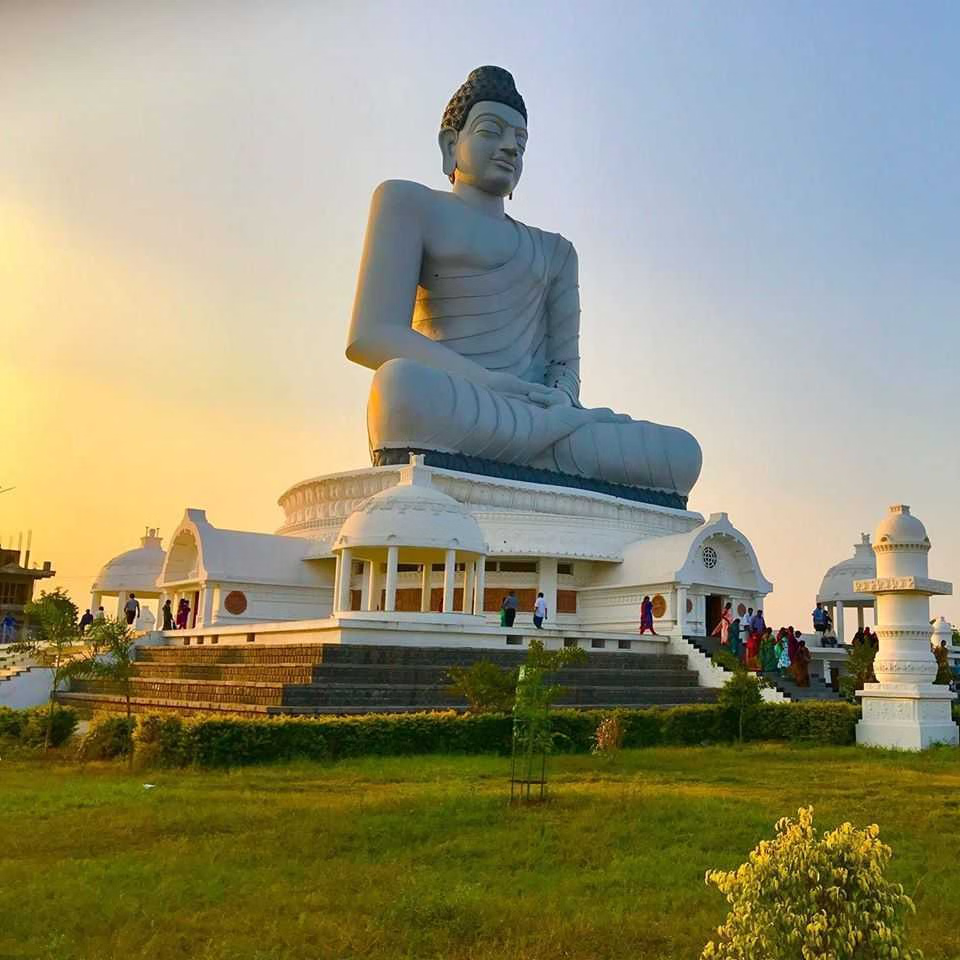
Majestic Dhyana Buddha Statue in seated meditation pose, a landmark amaravati monument.

Amaravati, the newly envisioned capital of Andhra Pradesh, is a city where ancient Buddhist heritage meets futuristic urban planning. Located on the banks of the Krishna River, this historic town was once a renowned center of Buddhism and a proud capital of the Satavahana dynasty. Today, it is being reborn as a world-class greenfield capital, blending 2,000-year-old legacy with 21st-century ambition. Amaravati offers visitors a rare juxtaposition—ancient stupas and modern architectural marvels standing side by side.

Wiki Link: Amaravati wiki page

Must-Visit Attractions in Amaravati

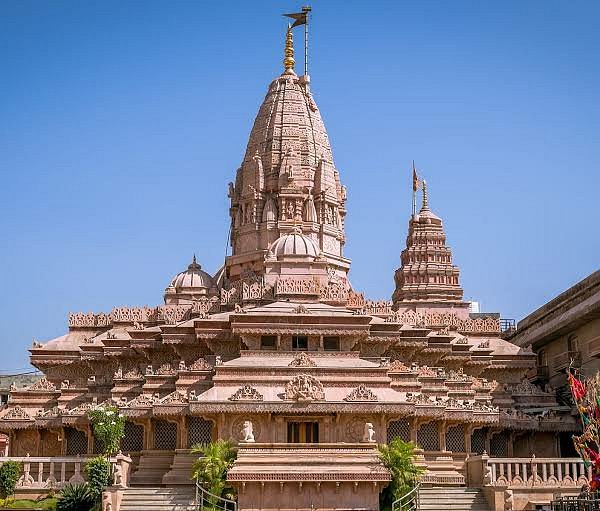
Ornate pillars and carvings at Amaralingeswara Temple, a spiritual amaravati site.

Amaralingeswara Temple

An ancient Shiva shrine with a celebrated Nataraja sculpture, still vibrant with daily worship.

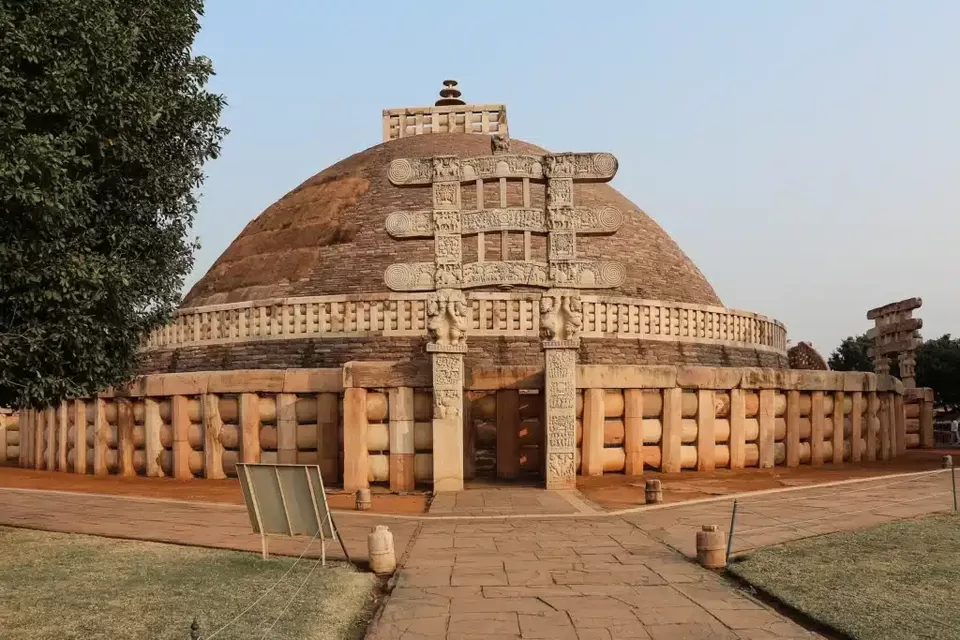
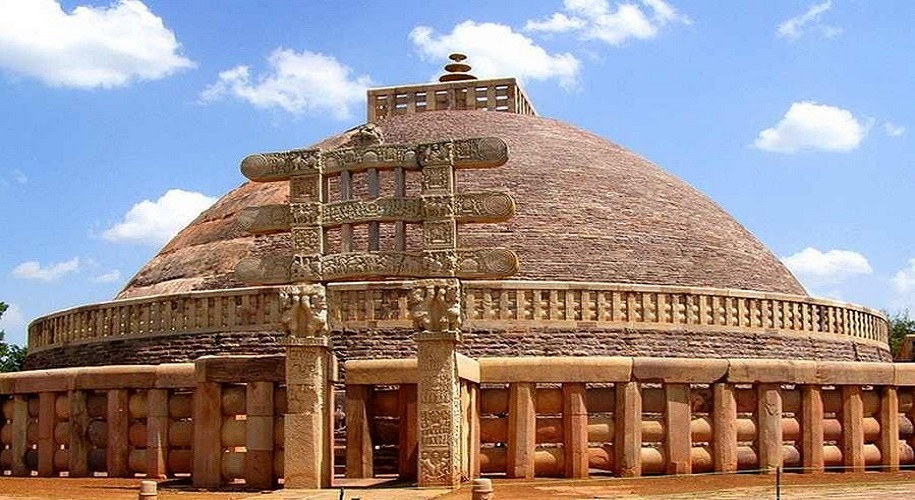
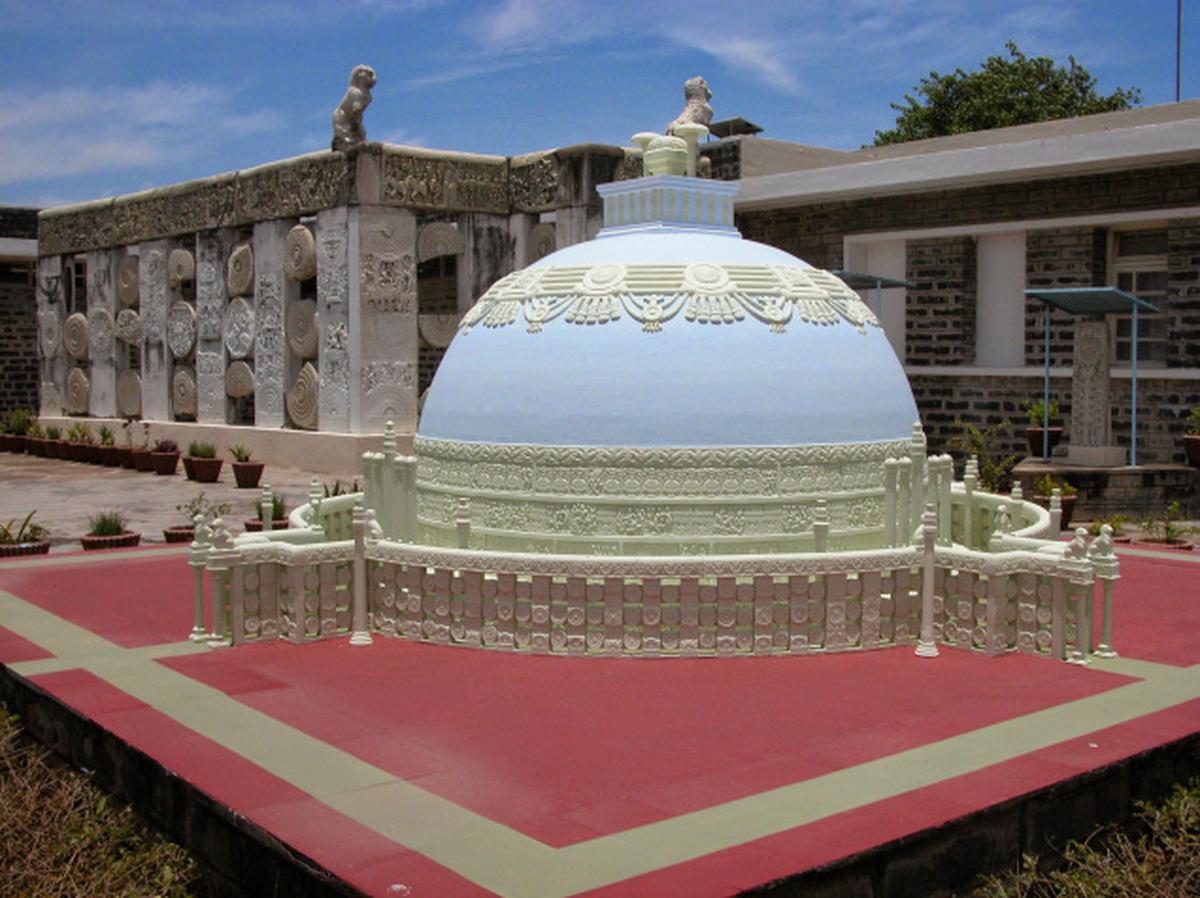
Ancient brick structure of Amaravati Stupa, a historic amaravati Buddhist relic.

Amaravati Stupa (Maha Chaitya)

A 2,300-year-old Buddhist marvel, its carved marble panels now treasured in museums.

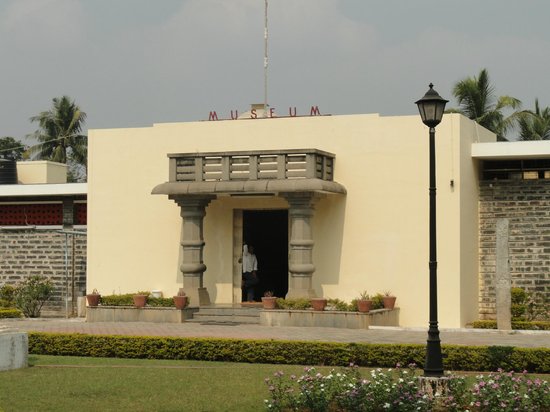
Ancient sculptures and artifacts displayed at the amaravati Archaeological Museum.

Archaeological Museum

Guardian of exquisite friezes and relics that tell the story of the Krishna Valley’s Buddhist glory.

Close-up of the Dhyana Buddha Statue's serene face, an iconic amaravati sculpture.

Dhyana Buddha Statue

A 125-foot seated Buddha in serene meditation, gazing peacefully over the Krishna River.

Major Attractions Nearby Amaravati

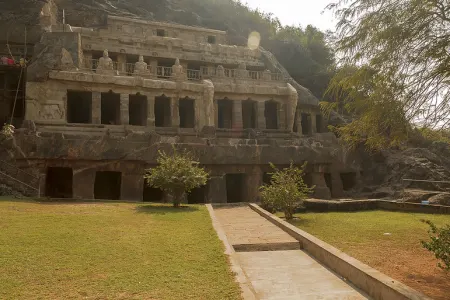
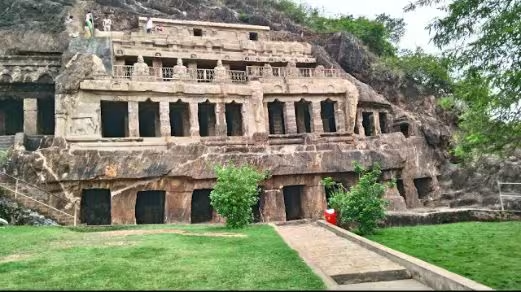
Rock-cut cave architecture inside the Undavalli Caves near amaravati.

Undavalli Caves

Fourth-century rock-cut wonders featuring a majestic reclining Vishnu carved in solid stone.

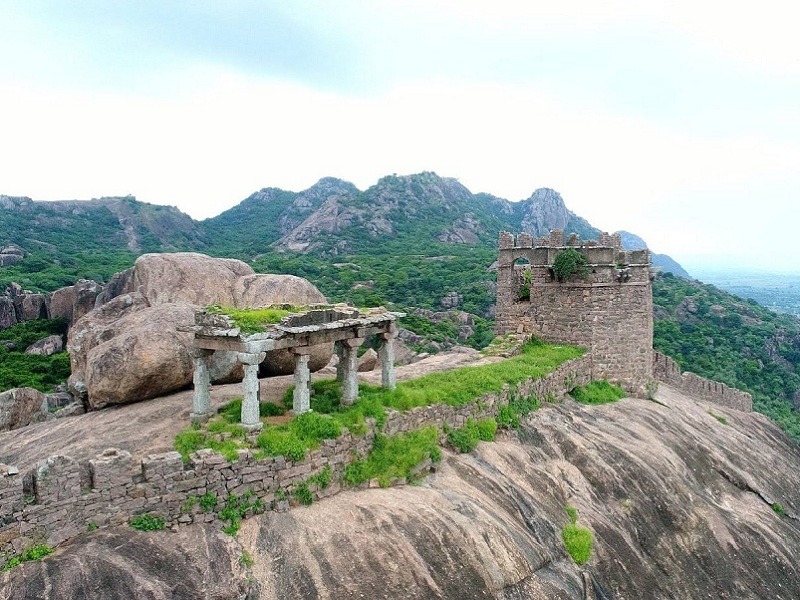
Hilltop fortress walls of Kondavidu Fort overlooking the amaravati region.

Kondavidu Fort

A formidable 14th-century hill fortress offering sweeping views and whispers of dynastic wars.

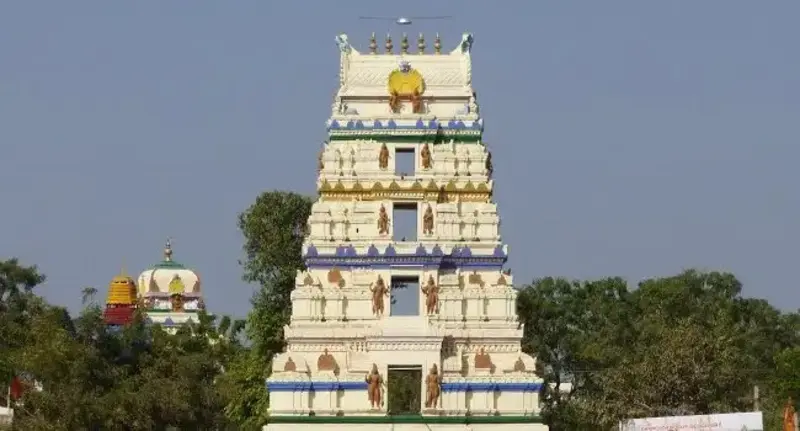
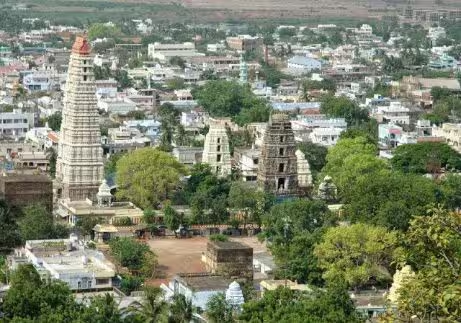
Colorful temple gopuram at Mangalagiri, a pilgrimage town near amaravati.

Mangalagiri

Sacred hill town where jaggery water flows for Lord Narasimha and handlooms weave timeless beauty.

Serene beach shoreline at Bapatla, a coastal destination near amaravati.

Bapatla

A coastal gem with an ancient temple and quiet shores untouched by crowds.

Things to Do in Amaravati

Discover the spiritual, historical, and cultural layers of Amaravati. From ancient Buddhist relics to modern architectural wonders, the city offers a journey across two millennia.

Devotee meditating in lotus pose at the Dhyana Buddha amaravati complex.

Meditate at Dhyana Buddha

Find stillness beneath the towering Buddha, surrounded by gardens made for reflection.

Ancient Buddhist relics and pillars showcasing amaravati's Buddhist heritage.

Explore Buddhist Heritage

Wander among ancient ruins where marble panels still sing tales of the Buddha.

Devotees gathered for a religious festival celebration in amaravati.

Attend Temple Festivals

Witness Shivaratri come alive with chants, lamps, and centuries of unbroken faith.

Modern construction cranes and buildings in the new amaravati capital region.

Witness a Capital in Making

Stand at the edge of history as a new city rises from the Krishna’s banks.

The Performing Art of Amaravati

Amaravati lies at the heart of Andhra Pradesh’s rich performing arts tradition. The region has nurtured classical and folk art forms for centuries, with cultural expressions deeply rooted in temple traditions and rural life.

Music Forms

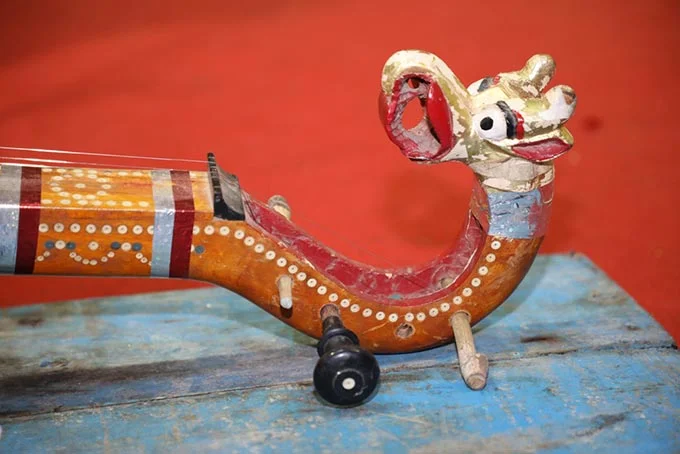
Devotional singer performing Annamacharya Sankeertanas with musical instruments.

Annamacharya Sankeertanas

Storyteller enacting a dramatic scene during a Burra Katha performance.

Burra Katha

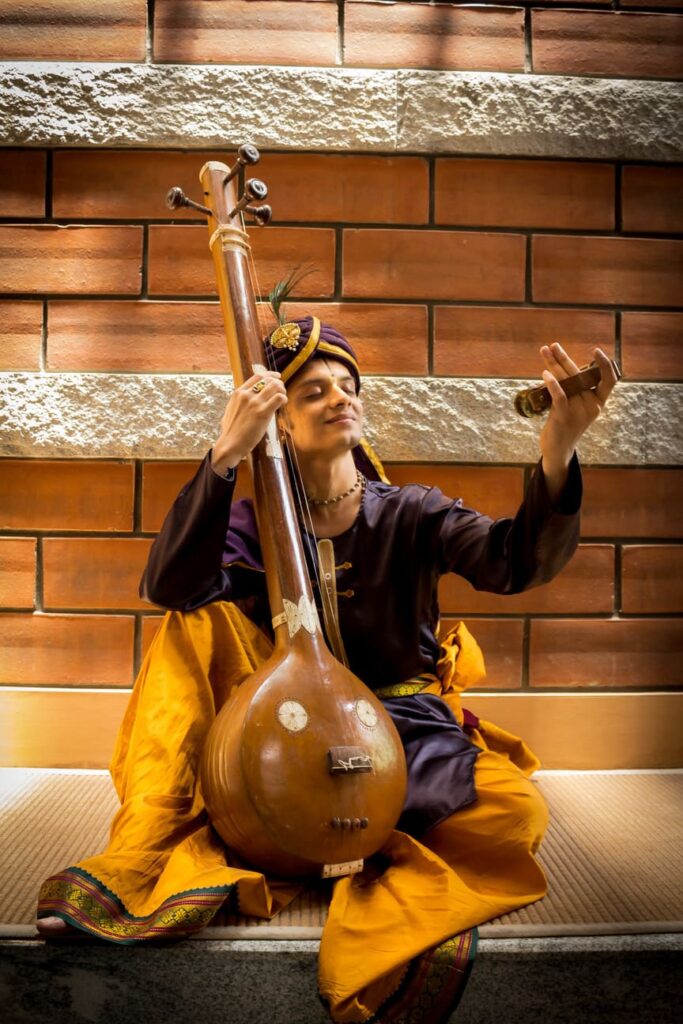
Solo performer narrating mythological tales through Harikatha singing.

Harikatha

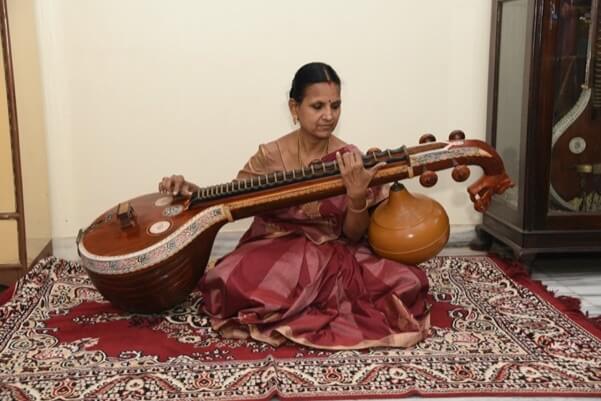
Amaravati and the broader Coastal Andhra region are the heartland of Carnatic classical music, not Hindustani, with a rich legacy of legendary composers like Annamacharya and Tyagaraja. The region is renowned for its soulful Annamacharya sankeertanas and traditional Harikathas, blending devotion with melodic storytelling. Vibrant folk traditions like Burra Katha and Jangam Katha narrate tales of mythology, social values, and rural life through rhythmic spoken word and music.

Dance Forms

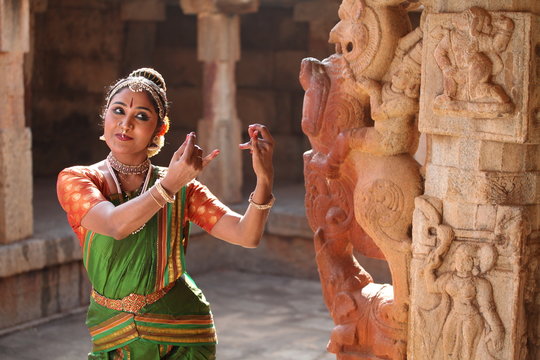
Classical dancer in traditional costume performing Kuchipudi dance.

Kuchipudi

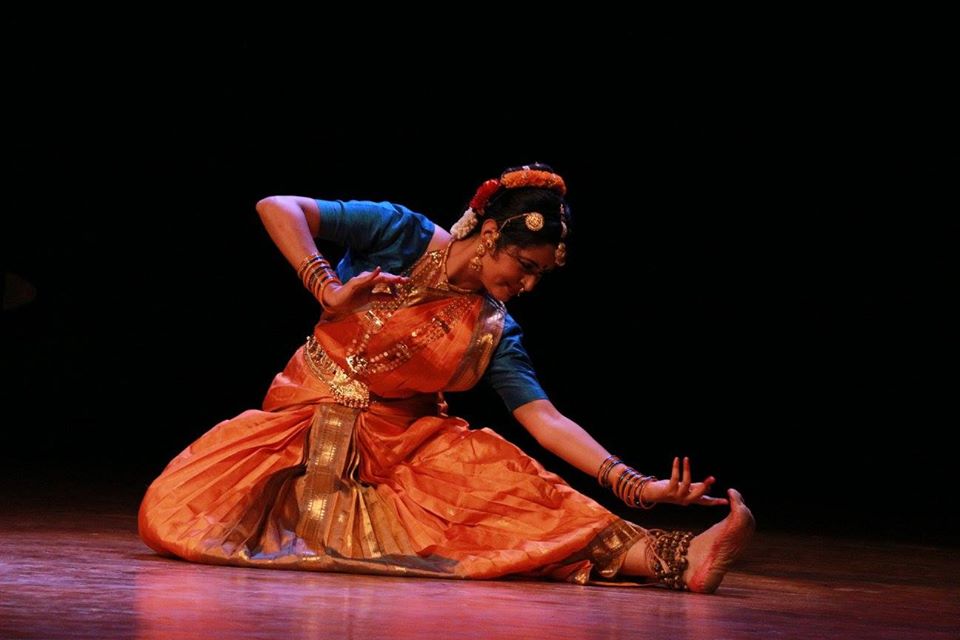
Dancer performing the graceful Vilasini Natyam temple dance tradition.

Vilasini Natyam

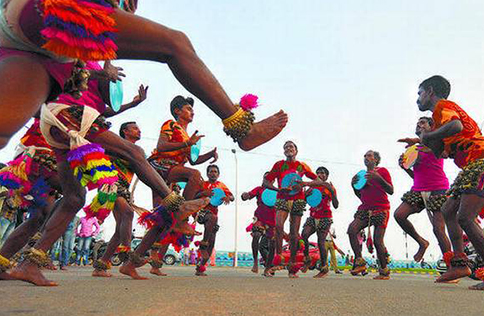
Folk dancers in vibrant costumes performing Tappeta Gullu dance.

Tappeta Gullu

Amaravati is the birthplace of Kuchipudi, one of India’s eight classical dance forms, known for its fluid grace, narrative intensity, and rhythmic footwork. The region also preserves Vilasini Natyam, the ancient temple dance tradition once performed by devadasis, now undergoing revival. Energetic folk dances like Tappeta Gullu and Dappu animate village festivals, performed with powerful drumming and synchronized movements.

Sunset view over the Krishna River flowing through the amaravati region.

City Vibes - Ancient Silence, Modern Ambition

Amaravati breathes a unique atmosphere—the silence of ancient Buddhist ruins coexists with the hum of construction cranes building a futuristic capital. The Krishna River flows quietly, as it has for millennia, past the broken marbles of a 2,000-year-old stupa and the rising steel frames of 21st-century legislative buildings. There is a sense of being present at the creation of history, while simultaneously walking through its deepest layers. The city is peaceful, sprawling, and filled with the optimism of a new beginning.

Heritage of Amaravati

Amaravati’s heritage is primarily Buddhist, dating to the Satavahana dynasty when it was a premier center of Buddhist learning and art. The Amaravati School of Art, known for its distinctive sculptural style featuring slender, graceful figures and intricate narrative panels, influenced Buddhist art across South and Southeast Asia. Later, the region became an important Shaivite center, with the Amaralingeswara Temple representing this continuity. Today, Amaravati is both preserving this ancient legacy and creating a new heritage as the seat of Andhra Pradesh’s governance.

Illuminated view of the Dhyana Buddha Statue at night in amaravati.
Amaravati Stupa

Cuisine of Amaravati

Amaravati’s cuisine reflects the flavors of Coastal Andhra—spicy, tangy, and rich in seafood, rice, and locally grown chilies.

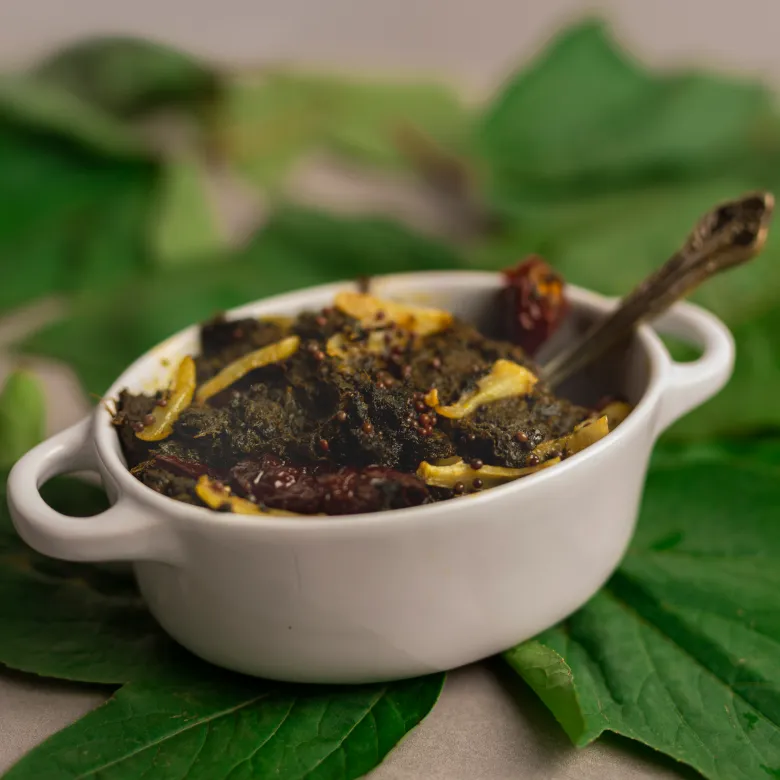
Tangy Gongura Pachadi chutney served in a traditional bowl.

Gongura Pachadi

Tangy sorrel leaves ground with red chilies, garlic and spices—Andhra’s beloved signature of sour perfection.

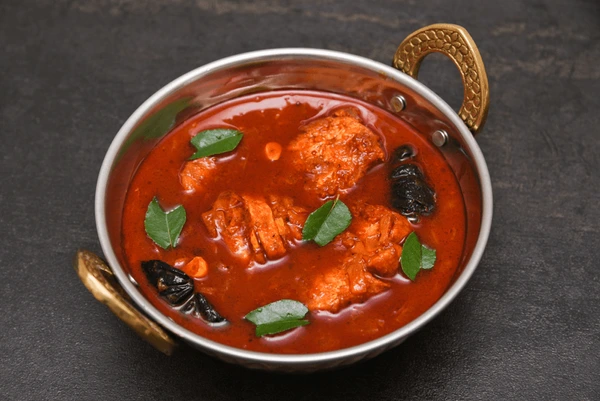
Spicy Chepala Pulusu fish curry simmering in an earthen pot.

Chepala Pulusu

Fiery fish curry simmered in tamarind, onions and secret spice blends born on Krishna River banks.

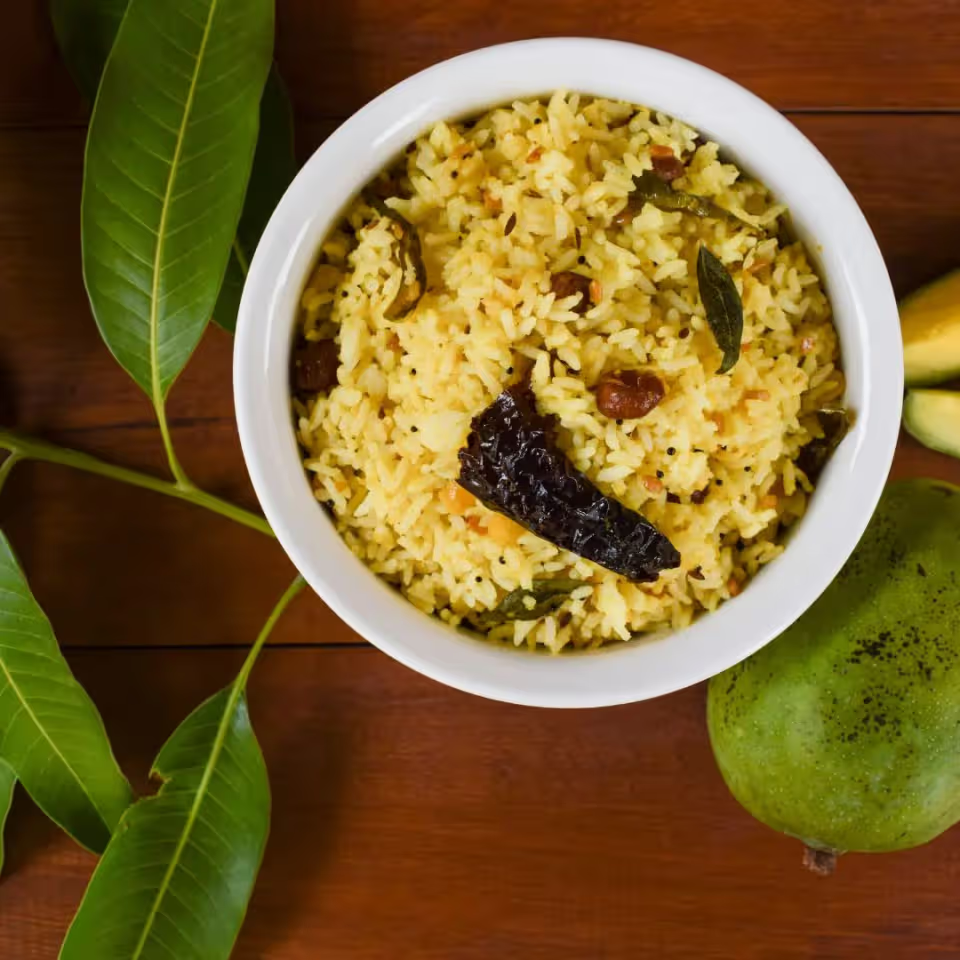
Yellow Pulihora tempered rice served on a banana leaf.

Pulihora

Tamarind-kissed rice tempered with peanuts, curry leaves and mustard—offered as prasadam, cherished as tradition.

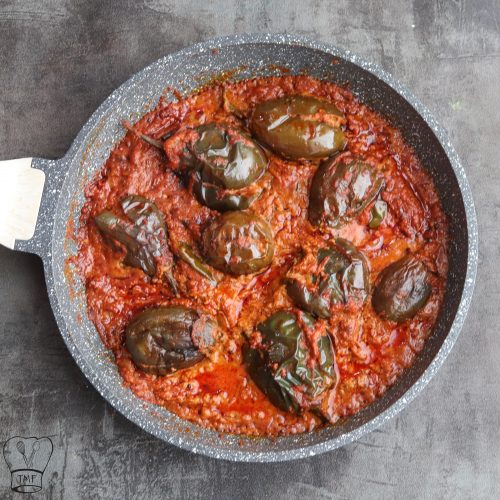
Stuffed brinjal curry Gutti Vankaya Kura garnished with fresh curry leaves.

Gutti Vankaya Kura

Baby brinjals stuffed with spiced peanut-coconut paste, slow-cooked in rich onion-tamarind gravy.

Shopping in Amaravati

Shopping in the Amaravati region is an immersion into Andhra’s textile heritage and traditional crafts.

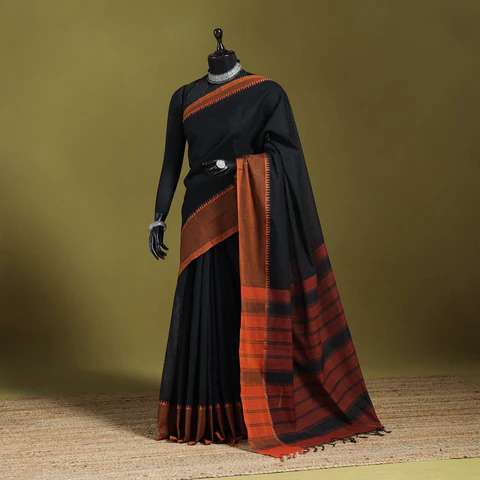
Handwoven Mangalagiri handloom saree with traditional zari border.

Mangalagiri Handlooms

Cotton saris with distinctive zari borders, woven patiently on looms that hum with generations of skill.

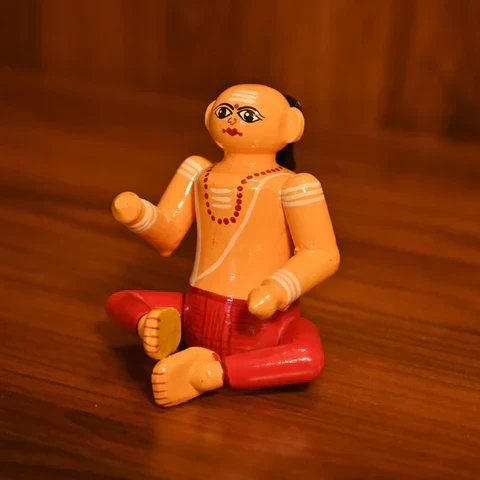
Colorful Kondapalli wooden toys displayed at a local craft shop.

Kondapalli Wooden Toys

Lightweight, brightly painted figures carved from softwood—catching village life, mythology and childhood wonder in grain.

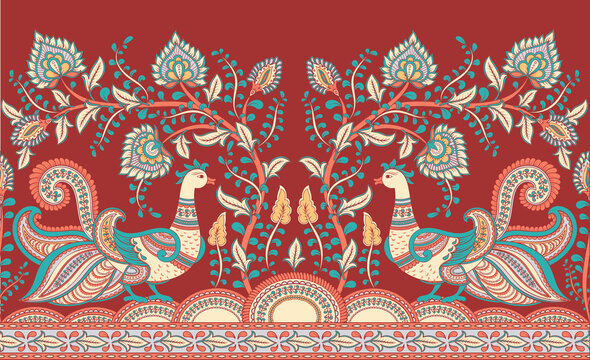
Intricate Kalamkari fabric with hand-painted mythological motifs.

Kalamkari Fabric

Hand-painted epics in natural dyes, where every floral motif and mythological scene tells an ancient story.

Traditional brass and bronze icons of Hindu deities at a workshop.

Brass & Bronze Icons

Divine forms cast in metal—deities, lamps and ritual objects shaped by fire and inherited craft.

Tourist's Handbook

The ideal time to visit Amaravati is from November to February. Winters are pleasant with temperatures ranging from 15°C to 28°C, perfect for exploring the stupa ruins, temples, and nearby attractions. October and March are also comfortable. Avoid the summer months (April to June) when temperatures soar to 45°C, making outdoor exploration exhausting. The monsoon (July-September) brings moderate rainfall, which turns the Krishna River scenic but can disrupt travel plans.

  • Sun Protection: Carry hats, sunglasses, and sunscreen if visiting between March and October. The Andhra sun can be intense.

  • Footwear: Comfortable walking shoes are essential for exploring the stupa ruins and temple complexes.

  • Temple Etiquette: Remove footwear before entering temples and cover shoulders/knees as a mark of respect.

  • Hydration: Carry bottled water at all times, especially during warmer months.

  • Mosquito Protection: Use repellent during evenings, particularly near river areas and during monsoon.

  • Beggar Awareness: Be prepared for beggars near major temple complexes; polite refusal is acceptable.

Amaravati is well-connected by road. Auto-rickshaws are the primary mode of local transport, though fares should be negotiated in advance. Taxis and cab services (including app-based Ola/Uber in nearby Vijayawada) are available for day trips to attractions like Undavalli Caves, Mangalagiri, and Bapatla. Local buses operated by APSRTC connect Amaravati to Guntur, Vijayawada, and other nearby towns economically. For a more immersive experience, consider renting a private vehicle with driver for exploring the broader region.

Auto-Rickshaw Overcharging: Drivers may quote inflated rates for tourists. Negotiate fare firmly before boarding or insist on meter usage where applicable.

Self-Styled Guides: Individuals near the stupa museum may offer guiding services with exaggerated historical claims. Use official ASI-approved guides or pre-arranged tours.

Spurious Handloom Products: Be cautious of shops selling fake "Mangalagiri" or "Kalamkari" fabric made by power loom. Purchase from government emporiums or reputed cooperative stores.

Temple Donation Pressures: Some smaller temples may have aggressive volunteers soliciting donations. You are under no obligation to pay beyond official hundi (donation box) contributions.

Photography Fees: Confirm if photography is permitted and if any fee applies before clicking pictures inside museums and certain temple sanctums.

Tourist Information Scams: Avoid unofficial "tourist information" offices at bus/railway stations that may push overpriced tour packages. Use official AP Tourism counters.

Explore Andhra Pradesh

Amaravati Blogs

  • Andhra Pradesh Cultural Guide

  • Places to Visit in Amaravati

  • Places to Visit Nearby Amaravati

  • India’s Buddhist Heritage Sites

  • India’s Emerging Smart Cities

Recommended articles

  • Andhra Pradesh Cultural Guide: Art, Dance & Cuisine

  • The Buddhist Legacy of the Krishna Valley: Amaravati to Nagarjunakonda

  • Mangalagiri Weaves: Andhra’s Timeless Textile Tradition

  • Andhra Cuisine: Beyond the Fire and Spice