¤ 10+ minutes Read
Steeped in Buddhist heritage and spiritual significance, Amaravati – Andhra Pradesh offers countless experiences for every traveler. Discover ancient stupas, historic temples, and serene riverfront landscapes among the top places to visit in Amaravati.
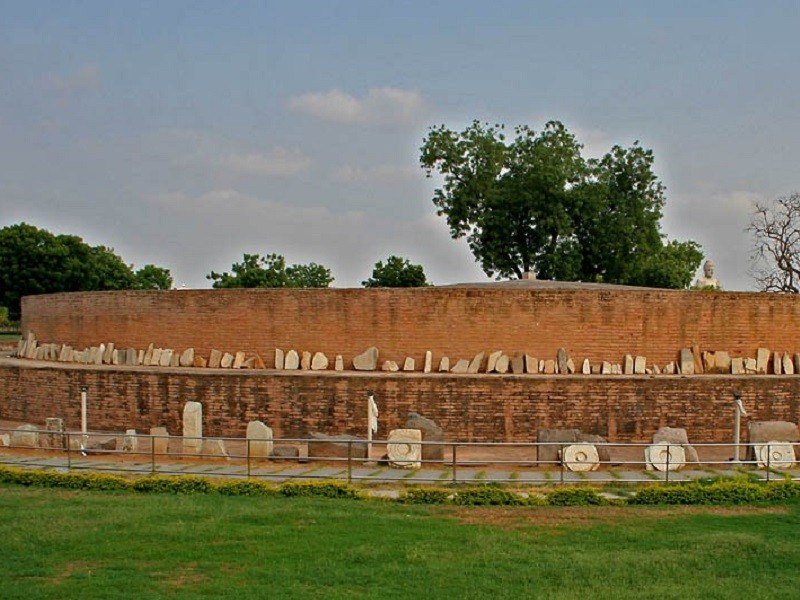
This ancient Buddhist stupa, dating back to the 3rd century BCE, stands as one of India’s largest and most significant Buddhist structures. Excavations have revealed exquisite marble sculptures and intricately carved panels depicting scenes from Buddha’s life. The site once housed sacred relics of Lord Buddha, attracting pilgrims from across Asia for centuries.
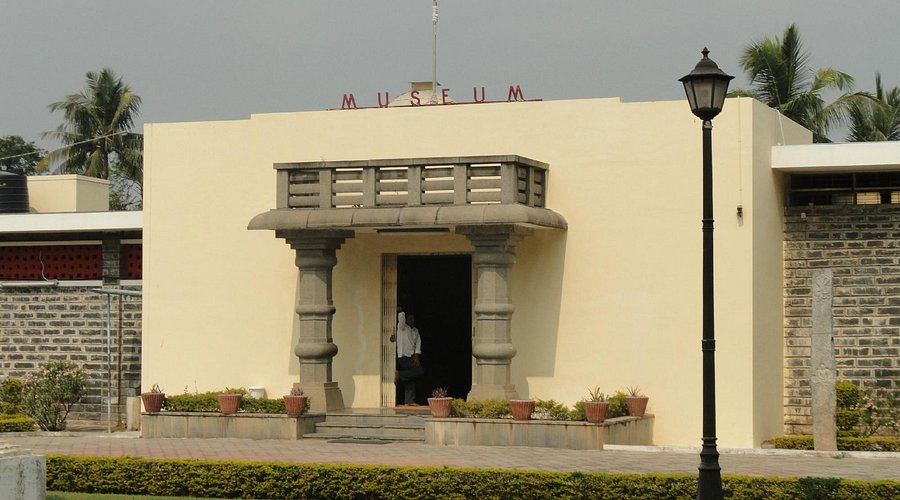
Today, the nearby archaeological museum preserves and displays these magnificent remnants of Amaravati’s glorious Buddhist heritage.
Houses exquisite sculptures, carvings, and relics recovered from the Mahachaitya excavations.
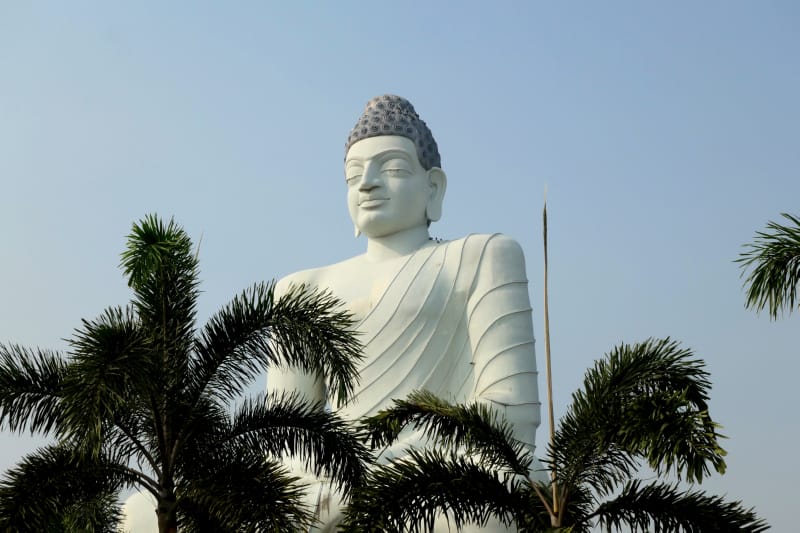
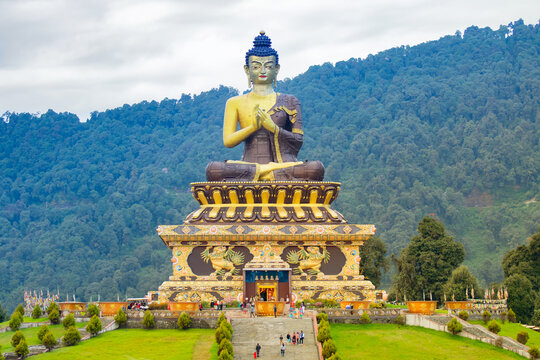
A towering 125-foot tall seated Buddha statue on the banks of the Krishna River, a modern landmark.
A historic Shiva temple dedicated to Lord Amareswara, one of the Pancharama Kshetras sacred to Shaivism.
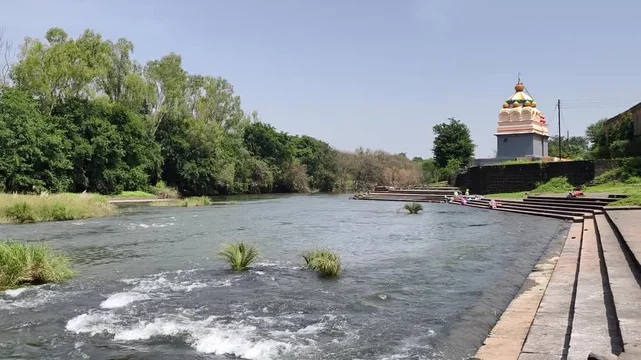
The serene riverfront steps where devotees perform rituals and visitors enjoy peaceful boat rides.
This serene 18-acre park along the Krishna River banks features multiple Buddha statues in various meditative postures amidst lush greenery. The peaceful walking paths and meditation corners offer visitors a tranquil escape from urban chaos. Illuminated beautifully in the evenings, the park has become a popular spot for evening strolls and quiet contemplation.
Its well-maintained gardens and artistic installations celebrate the region’s deep-rooted Buddhist connections.
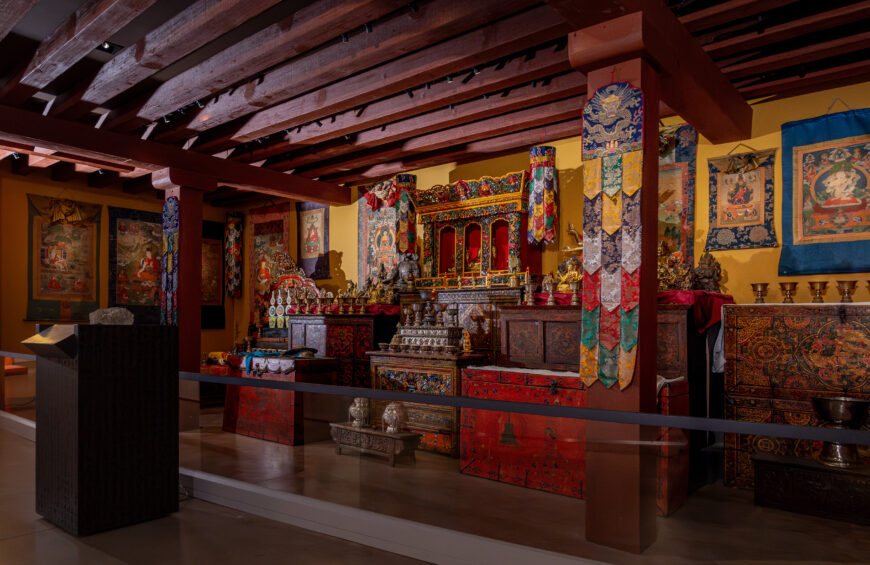
A museum dedicated to the Kalachakra ceremony held in 2006, showcasing Buddhist art and culture.
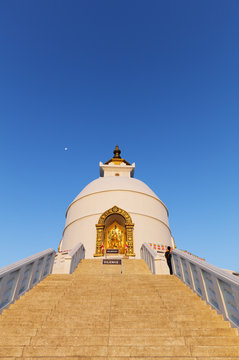
A beautiful white-domed peace pagoda offering panoramic views of the surrounding countryside.
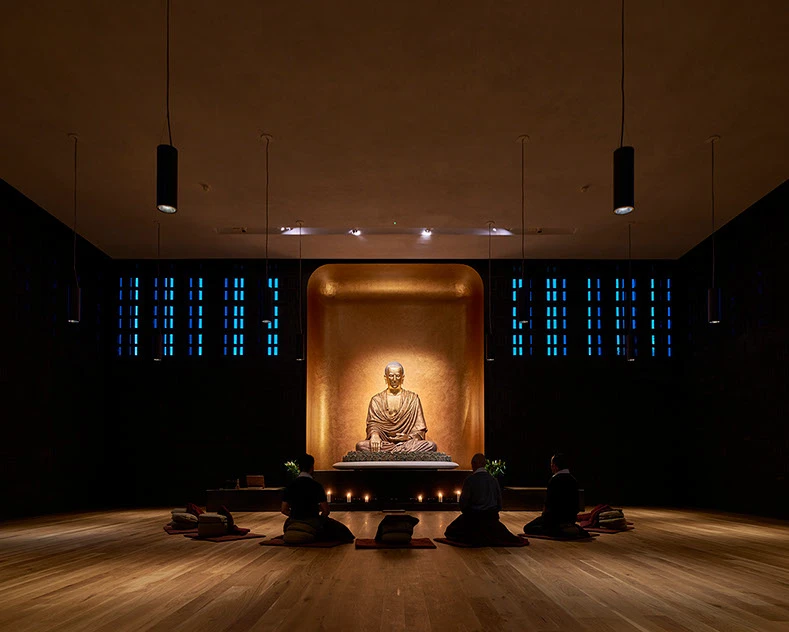
A peaceful center for Buddhist meditation and spiritual retreats, attracting practitioners and seekers.
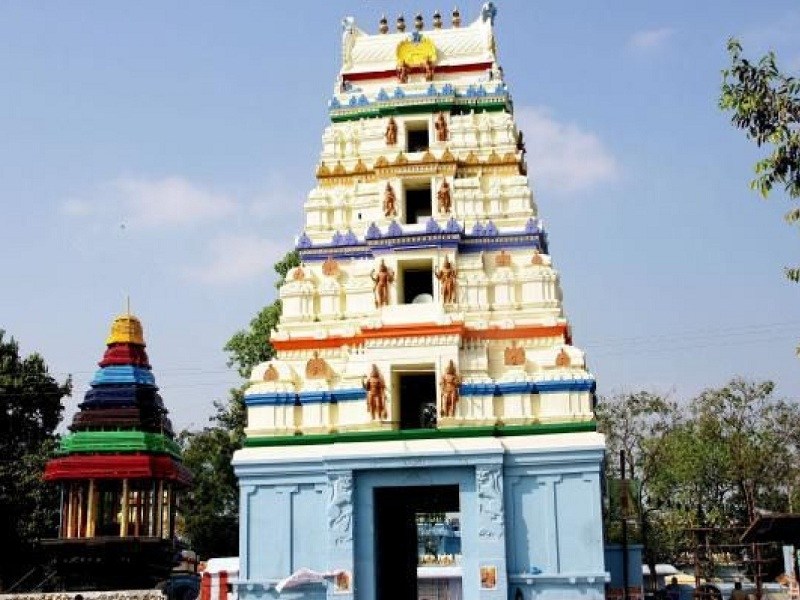
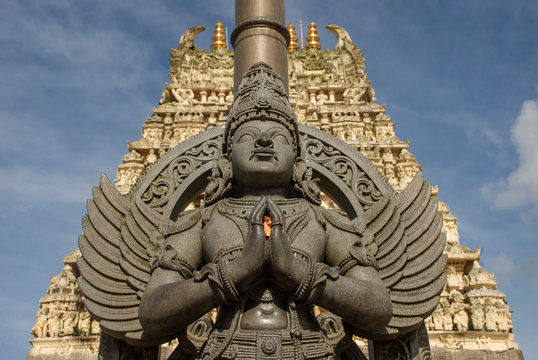
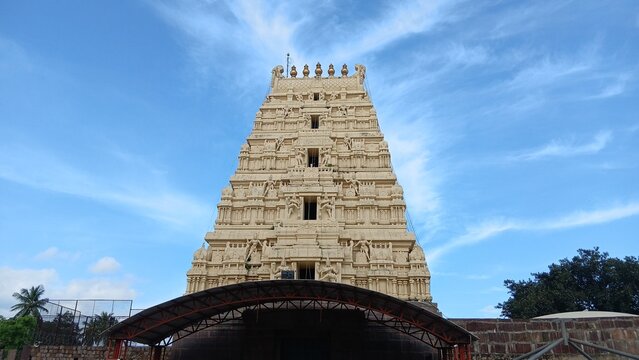
This beautifully preserved Vijayanagara-style temple in Amaravati is dedicated to Lord Vishnu in his form as Kesava. The temple walls are adorned with exquisite carvings depicting scenes from the Ramayana, Mahabharata, and Bhagavata Purana.
Its ornate pillars and detailed friezes showcase the artistic excellence of the Vijayanagara empire’s craftsmanship. The temple remains an active place of worship, attracting devotees and architecture enthusiasts alike.
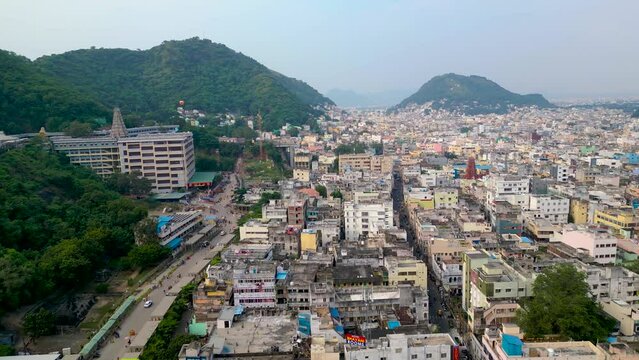
The bustling commercial capital of Andhra Pradesh sits gracefully on the banks of the Krishna River, dominated by the sacred Indrakeeladri Hill. The city’s crown jewel is the Kanaka Durga Temple, one of India’s most powerful Shakti Peethas, drawing millions of devotees annually.
Modern Vijayawada seamlessly blends its ancient spiritual heritage with vibrant urban life, bustling markets, and contemporary infrastructure. Its strategic location makes it the perfect gateway to explore the surrounding Buddhist and historical sites.
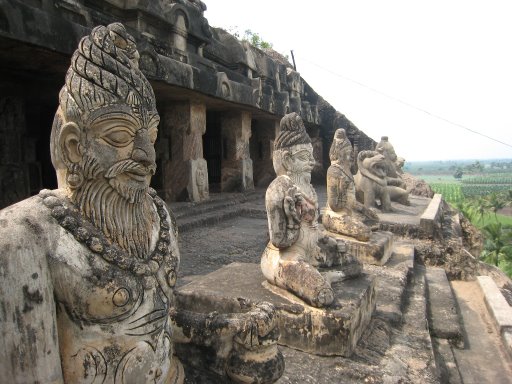
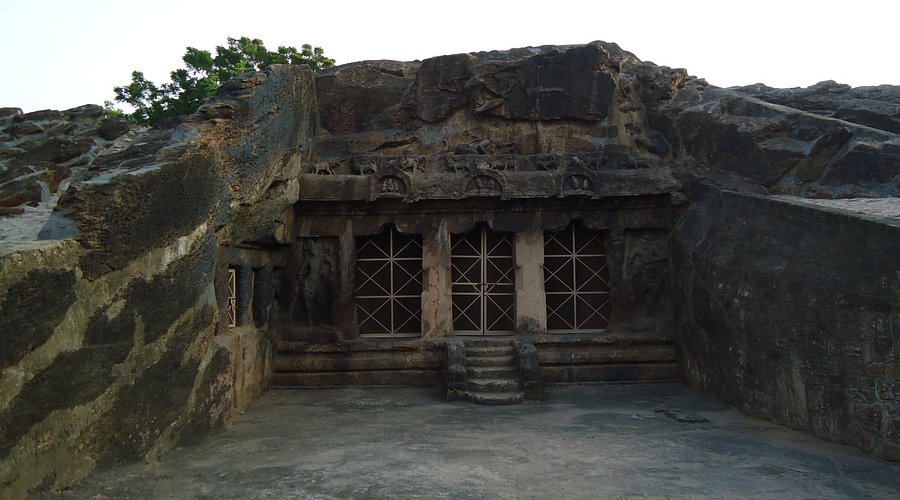
Ancient rock-cut cave temples carved into sandstone hills, showcasing a blend of Buddhist and Hindu architecture.
A group of rock-cut cave shrines dating to the 5th century, featuring Jain and Hindu sculptures.
A historic hill fortress known for its scenic location and the famous Kondapalli wooden toys.
One of India’s largest river islands on the Krishna River, offering boating and resort facilities.
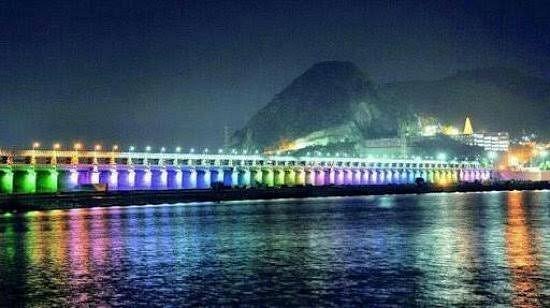
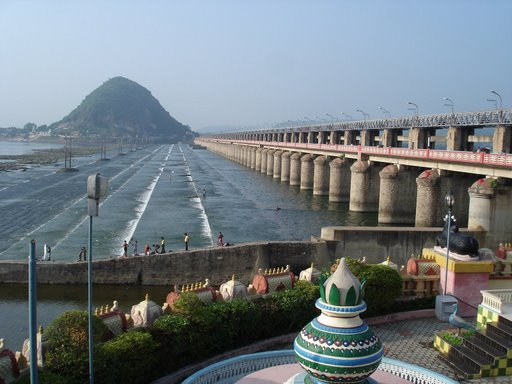
This massive modern engineering marvel stretches across the Krishna River, connecting Vijayawada to Amaravati with its 1,223-meter-long structure.
The barrage created a beautiful reservoir that supplies irrigation water to millions of acres across three districts. Its illuminated arches at night create a spectacular reflection on the river waters, becoming a popular photography spot. The surrounding park and boating facilities make it a favorite recreational destination for locals and tourists alike.
A major agricultural and commercial center known for its chili market and colonial-era churches.
A sacred hill temple where the idol is believed to sweat herbal water (panakam).
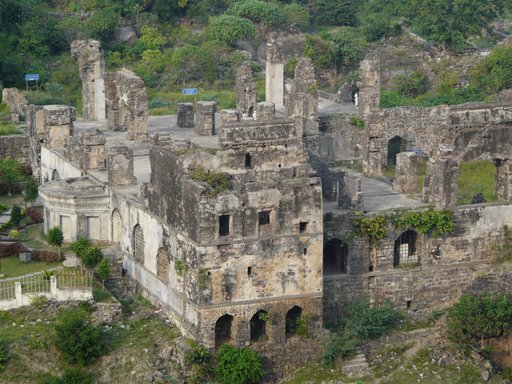
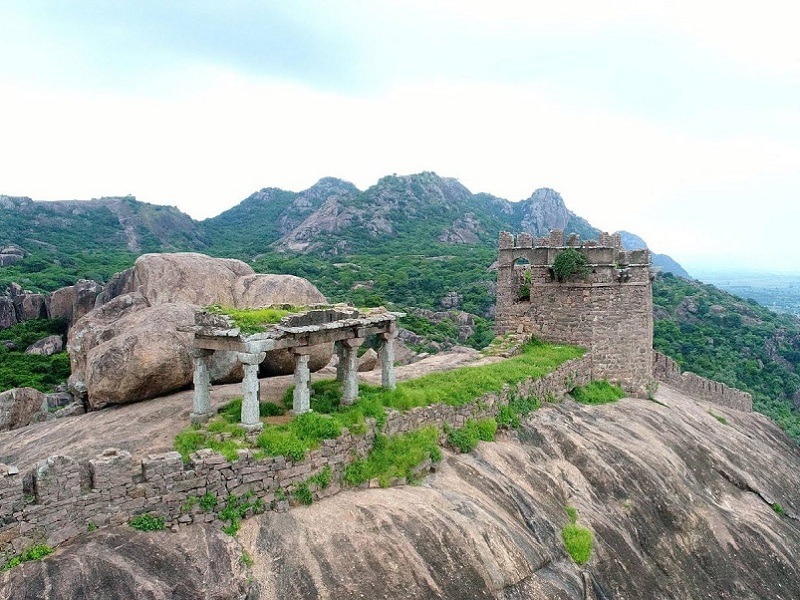
A sprawling ancient hill fort with ruins of temples, granaries, and gateways from the Reddy dynasty.
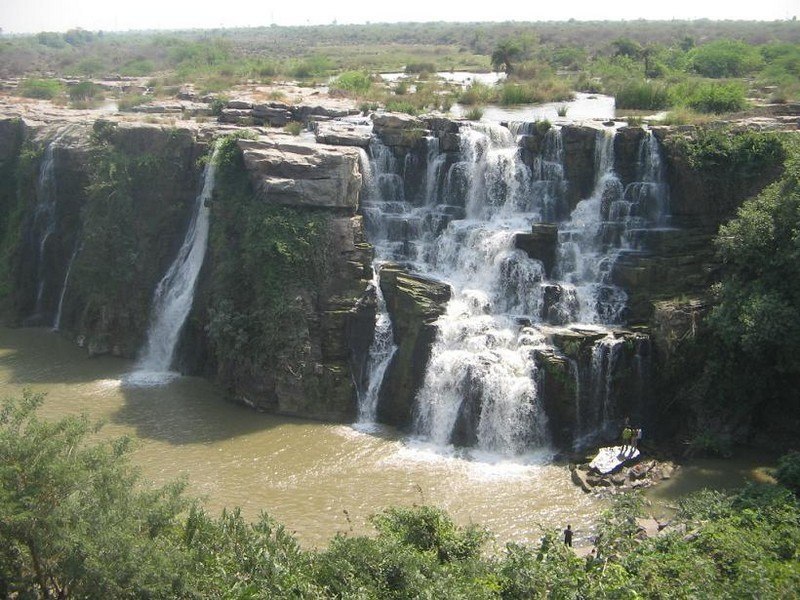
This stunning 70-foot high cascading waterfall on the Chandravanka River plunges into a picturesque green valley surrounded by hills. The waterfall is formed by the confluence of three streams, creating a thunderous roar and misty atmosphere, especially during monsoon months. A small crocodile breeding center nearby and ancient temples add to the site’s diverse attractions.
The natural pool at the waterfall’s base invites visitors for a refreshing dip amidst breathtaking scenery.
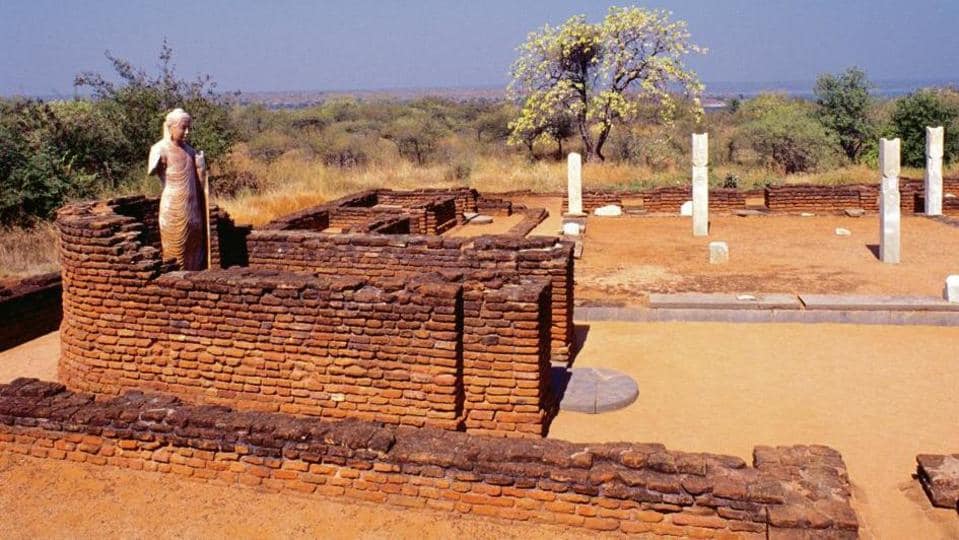
This major Buddhist archaeological site, now an island in the Nagarjuna Sagar reservoir, was once a thriving Buddhist university and pilgrimage center. Excavations have revealed over 30 ancient monasteries, stupas, chaityas, and viharas dating from the 3rd century BCE.
The site is named after the great Buddhist philosopher Acharya Nagarjuna, who taught here centuries ago. A well-curated museum on the island displays exquisite sculptures and relics, accessible by a scenic ferry ride.
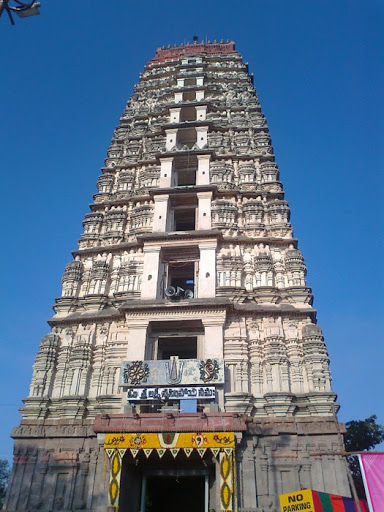
The massive Srisailam Dam, one of India’s largest hydroelectric projects, stretches majestically across the Krishna River in the Nallamala Hills. Nearby stands the ancient Mallikarjuna Jyotirlinga Temple, one of the twelve sacred Jyotirlingas and a powerful Shakti Peetha dedicated to Goddess Bhramaramba.
The temple’s stunning architecture and spiritual significance draw millions of pilgrims throughout the year. The reservoir offers boating opportunities with breathtaking views of the surrounding forested hills and wildlife.