
¤ 11 minutes Read
Araku Valley
A complete tourist and cultural guide
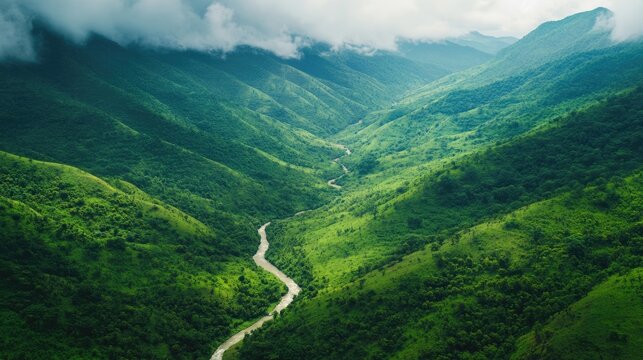
Araku Valley is a picturesque hill station nestled in the Eastern Ghats, known for its lush greenery, coffee plantations, and refreshing climate. Surrounded by waterfalls, valleys, and tribal culture, it offers a perfect blend of nature and tradition. The places to visit in Araku Valley include scenic viewpoints, caves, and gardens, making it an ideal destination for a relaxing and rejuvenating getaway.
Wiki Link: Araku Valley
Must-Visit Attractions in Araku Valley
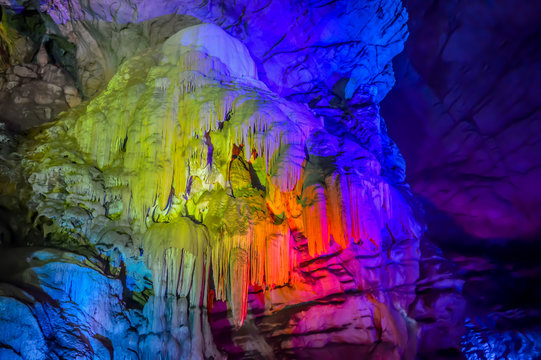
Borra Caves
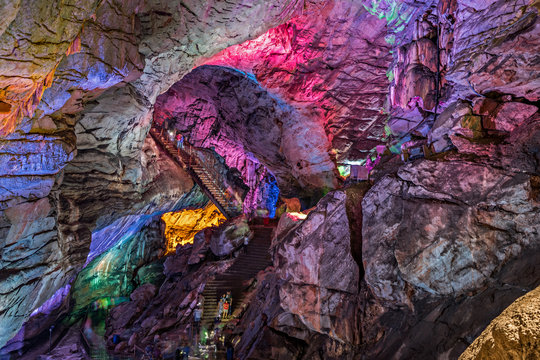
Famous limestone caves known for their stunning stalactite and stalagmite formations. The natural rock structures create a mysterious and fascinating atmosphere.
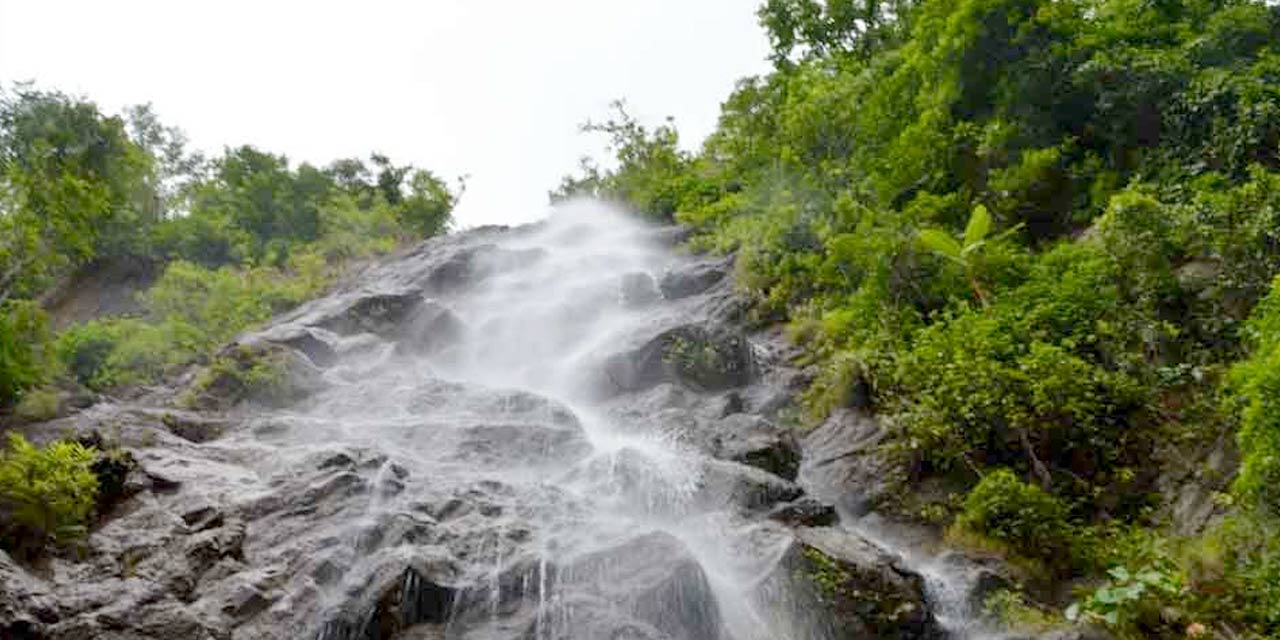
Katiki Waterfalls
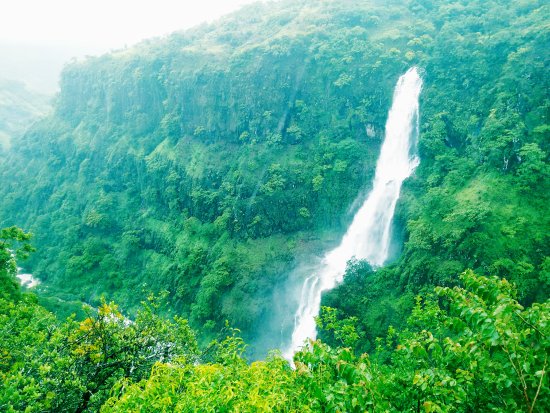
A beautiful waterfall surrounded by dense forest and hills. A short trek leads to this scenic spot, making it perfect for nature lovers and adventure seekers.

Araku Tribal Museum
A cultural museum showcasing the lifestyle, traditions, and art of local tribal communities. It offers insights into the region’s rich heritage and history.
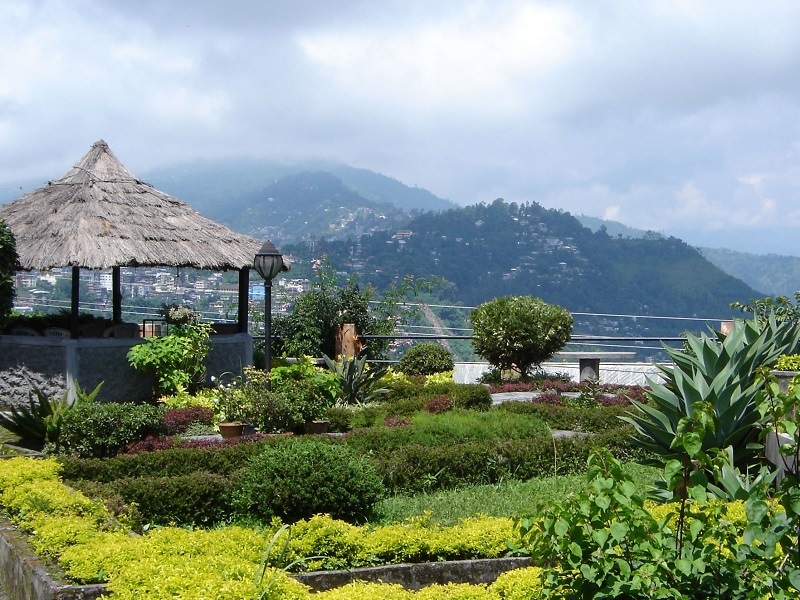
Padmapuram Gardens
Major Attractions Nearby Araku Valley
Visakhapatnam
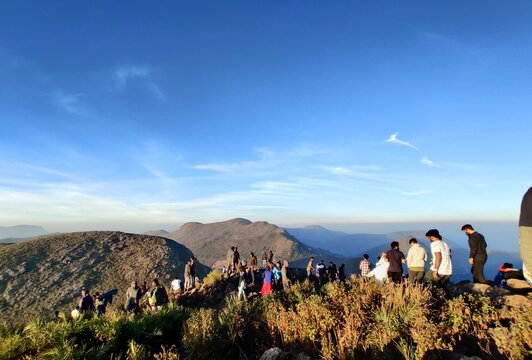
A vibrant coastal city known for its beaches, hills, and urban attractions. Visitors can explore places like RK Beach, Kailasagiri, and Submarine Museum.

Ananthagiri Hills
A scenic hill range known for coffee plantations, lush greenery, and peaceful surroundings. It is perfect for nature walks, trekking, and enjoying panoramic views.
Lambasingi
Often called the “Kashmir of Andhra Pradesh,” this place is known for its cool climate and misty landscapes. It’s a great spot for early morning views and peaceful stays.
Chaparai Waterfalls
Things to do in Araku Valley
Experience the natural beauty, tribal culture, and scenic landscapes of this hill station through a mix of relaxing and adventure activities.
Explore Borra Caves
Walk through fascinating limestone caves filled with unique rock formations. The lighting and natural structures create a memorable experience.
Visit Coffee Plantations
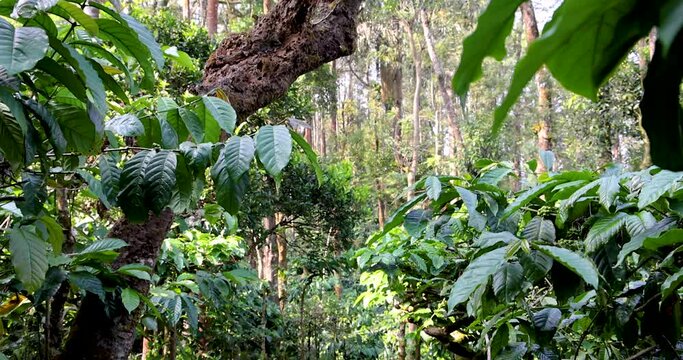
Take a stroll through lush coffee estates and learn about coffee cultivation. You can also taste freshly brewed local coffee.
Trek to Katiki Waterfalls
Enjoy a scenic trek through forests leading to this refreshing waterfall. It’s perfect for nature lovers and adventure seekers.
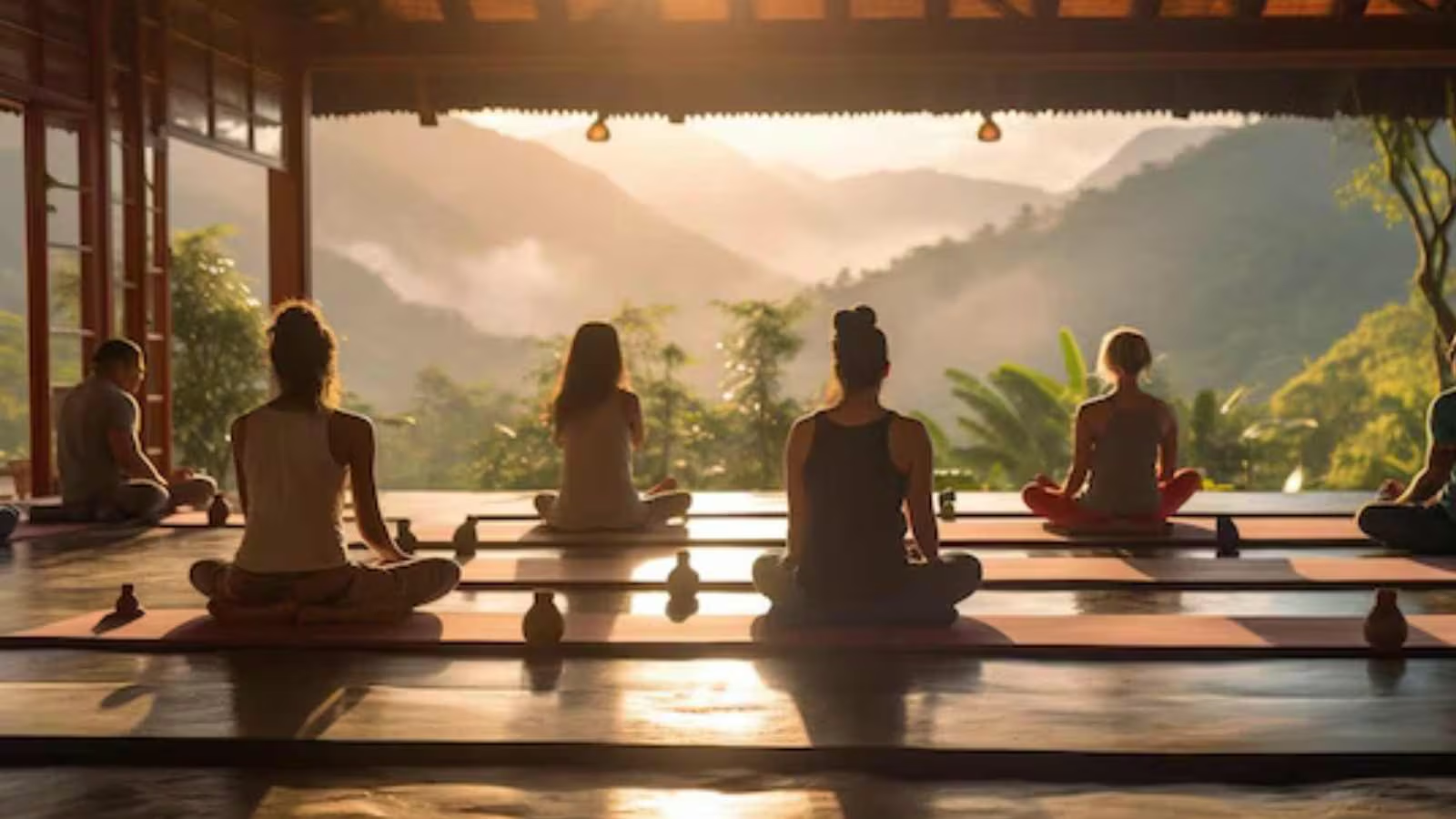
Experience Tribal Culture
The Performing Art of Araku Valley
Araku Valley is rich in tribal performing arts that reflect the traditions and lifestyle of local communities. Music and dance are an important part of festivals and celebrations. Folk performances like Dhimsa Dance are widely performed, featuring rhythmic group movements and vibrant attire. These art forms showcase storytelling, culture, and strong community bonding, preserving the heritage of the region.
Music Forms
Hindustani Classical Music
Seafaring Ballads
Bhajans
The music of Araku Valley is deeply rooted in tribal traditions and closely connected to nature and daily life. Folk songs are performed during festivals, harvests, and community gatherings. These melodies are often accompanied by traditional instruments like drums and flutes, creating a rhythmic and lively atmosphere.
Dance Forms
Dhimsa Dance
Kuchipudi
Vilasini Natyam
Dance in Araku Valley reflects the vibrant tribal culture of the region. The most popular form is Dhimsa Dance, performed by women in groups during festivals and celebrations. It features rhythmic movements, colorful attire, and graceful coordination. These dances celebrate nature, community bonding, and traditional values, preserving the cultural identity of the region.
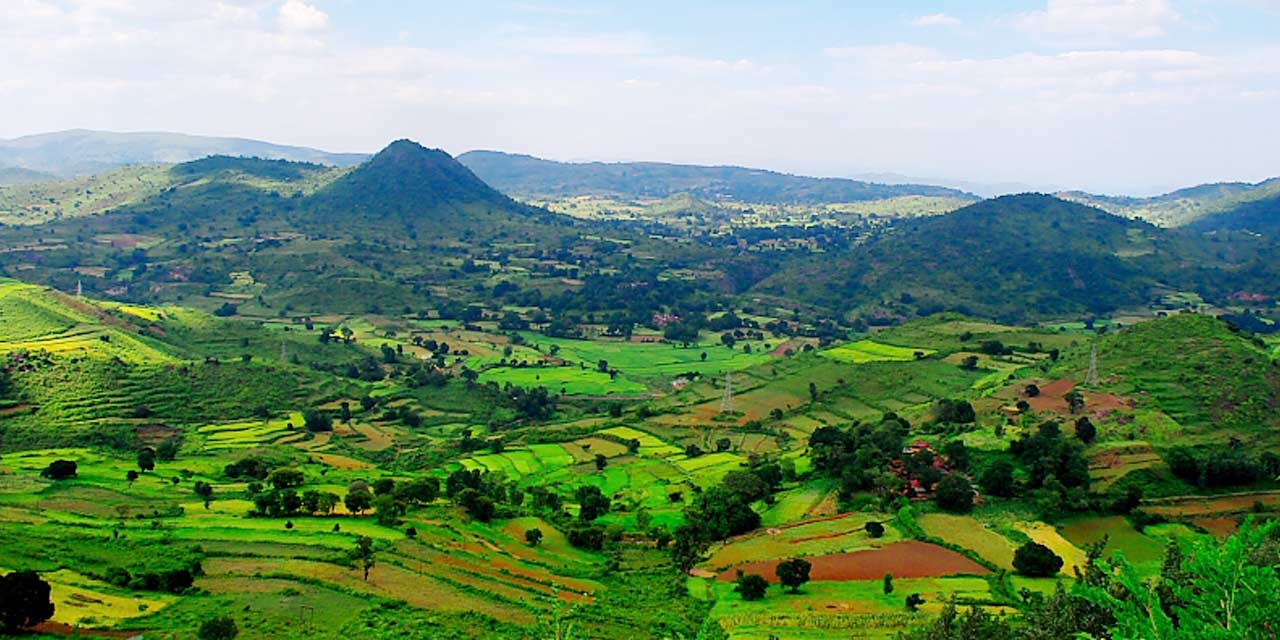
City Vibes - Timeless Spiritual Charm
Offers a refreshing and laid-back vibe, surrounded by lush greenery and scenic landscapes. The valley feels calm and rejuvenating, with cool weather, coffee plantations, and misty hills creating a peaceful atmosphere. The presence of tribal culture and natural beauty adds to its unique charm. It’s an ideal destination to relax, unwind, and connect with nature.
Heritage of Araku Valley
Araku Valley has a rich heritage rooted in the traditions of its tribal communities. The region is home to indigenous tribes whose customs, art, and lifestyle have been preserved for generations. Their connection with nature, unique festivals, and handcrafted art reflect a deep cultural identity. The valley’s heritage offers an authentic glimpse into traditional tribal life and timeless practices.
Cuisine of Araku Valley
Araku Valley is a paradise for food lovers, offering a variety of traditional delights.

Bamboo Chicken
A unique tribal delicacy where chicken is cooked inside bamboo with spices. It has a smoky flavor and is a must-try local specialty.
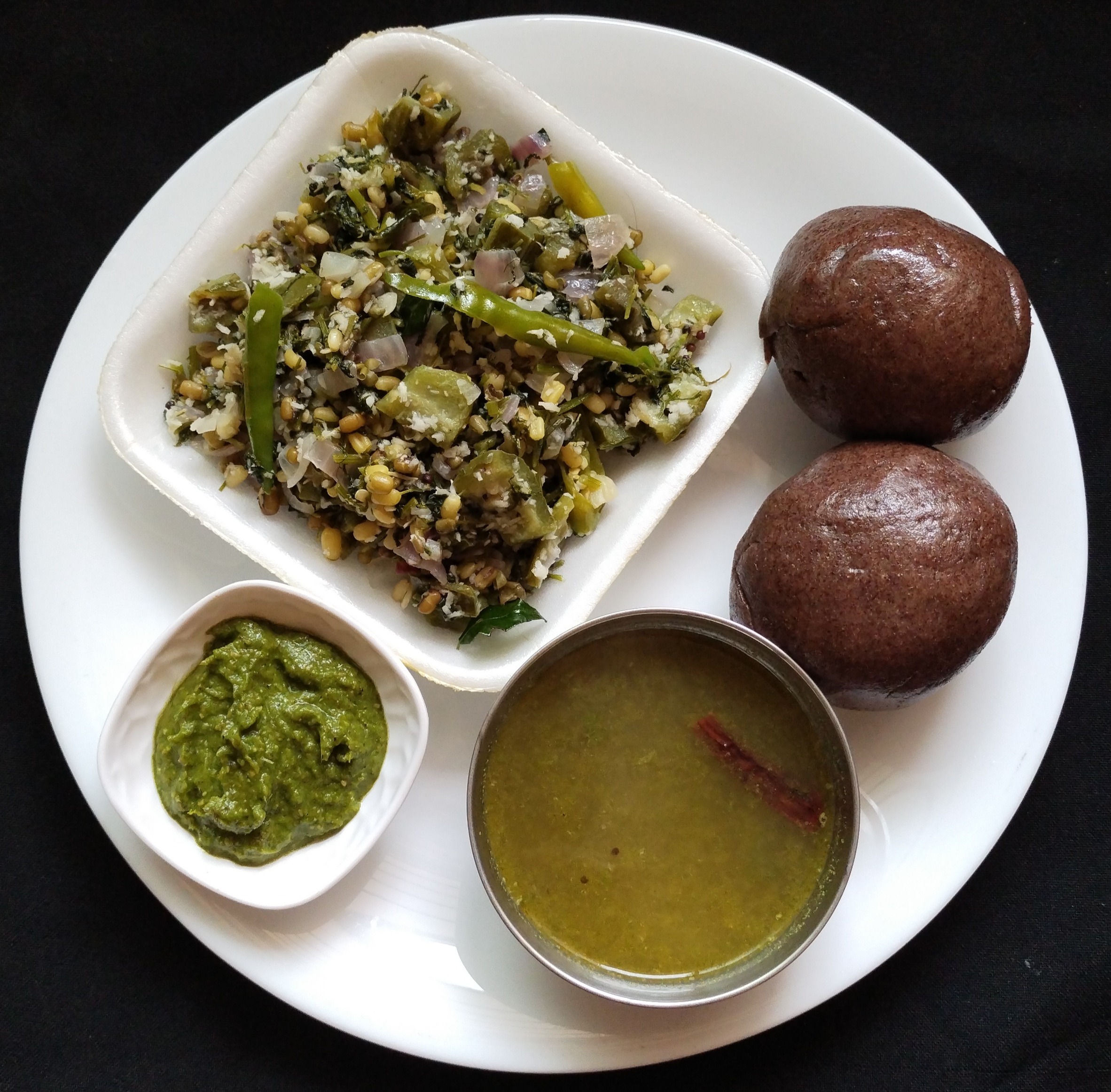
Ragi Sangati
A staple dish made from finger millet, often served with spicy curries. It is nutritious and widely consumed in the region.

Andhra Style Chicken Curry
A flavorful and spicy dish prepared with traditional Andhra spices. It pairs well with rice and reflects the bold taste of the region.

Local Coffee
Araku is famous for its organic coffee grown in the valley. The rich aroma and smooth taste make it a must-try for visitors.
Shopping in Araku Valley
Shopping in Araku Valley is all about local tribal products and authentic handmade items. The markets are small but offer unique souvenirs that reflect the region’s culture.
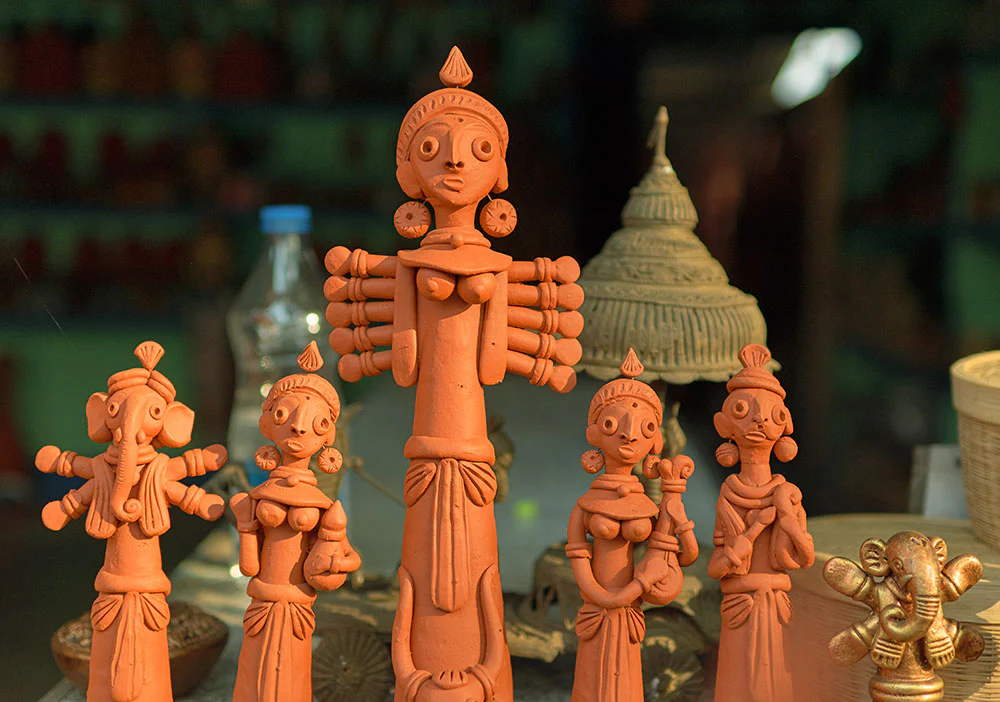
Tribal Handicrafts
You can find beautifully crafted items made from bamboo, wood, and natural materials. These reflect the traditional skills of local tribal communities.
Coffee & Organic Products
Locally grown Araku Coffee is a must-buy. Organic spices, honey, and natural products are also popular among visitors

Handmade Jewelry
Simple and artistic tribal jewelry made from beads and natural elements is widely available. These pieces showcase local craftsmanship.

Souvenirs & Local Art
Paintings, small artifacts, and handcrafted items make great souvenirs. They represent the cultural heritage and artistic traditions of the valley.
Tourist's Handbook
The best time to visit Araku Valley is from October to March, when the weather is cool, pleasant, and ideal for sightseeing and exploring coffee plantations. Winter months offer comfortable temperatures and clear views, making it perfect for travel. Summers can be slightly warm but still manageable due to the hill station climate, while monsoon (June–September) brings lush greenery but heavy rains may affect travel plans.
Stay Hydrated & Carry Essentials – While exploring waterfalls and valleys, carry water, snacks, and basic supplies as facilities can be limited.
Be Careful on Trails & Slopes – Trekking spots like Katiki Waterfalls may have slippery paths; wear good footwear.
Avoid Isolated Areas After Dark – Some spots are remote and less crowded; plan visits during daylight hours.
Check Weather Before Travel – Heavy rains can make roads and trails difficult, especially during monsoon.
Respect Local Culture – While visiting tribal areas or places like Araku Tribal Museum, be respectful of traditions and local communities.
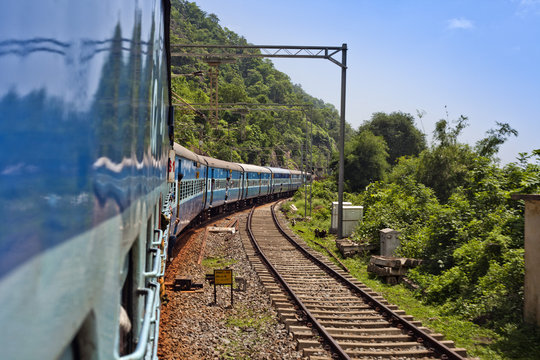
Getting around Araku Valley is fairly easy, with multiple travel options available for visitors. Local taxis and auto-rickshaws are the most convenient for sightseeing and reaching attractions like Borra Caves and Katiki Waterfalls. Renting a private cab is ideal if you want to explore comfortably at your own pace. The scenic train journey from Visakhapatnam to Araku is also a popular and memorable way to travel. For short distances, walking allows you to enjoy the natural beauty and peaceful surroundings.
Overpriced Taxi & Tour Packages – Some drivers or agents may quote higher prices for local sightseeing. Always confirm fares and compare before booking.
Fake Guide Services – Avoid unverified guides near attractions like Borra Caves; choose trusted or recommended services.
Shop Price Inflation – Local markets may charge more to tourists, especially for handicrafts and coffee products. Check prices before purchasing.
Online Booking Scams – Be cautious of fake hotel or tour websites offering very cheap deals. Always book through trusted platforms and verify reviews.
Explore Andhra Pradesh
Varanasi Blogs
- Uttar Pradesh Cultural guide
- Places to visit in Varanasi
- Places to visit nearby Varanasi
- India’s most popular destination
- India’s archaeological marvels
Recommended articles
- Uttar Pradesh Cultural guide
- Places to visit in Varanasi
- Places to visit nearby Varanasi
- India’s most popular destination