
¤ 11 minutes Read
Lepakshi
A complete tourist and cultural guide

Lepakshi is a historic destination known for its stunning temple architecture and cultural significance. The places to visit in Lepakshi include ancient temples, intricate carvings, and unique structures like the famous hanging pillar. Rich in history and mythology, Lepakshi offers a fascinating glimpse into South India’s heritage and artistry.
Wiki Link: Lepakshi
Must-Visit Attractions in Lepakshi
Veerabhadra Temple
A magnificent temple known for its intricate carvings and stunning Vijayanagara architecture. It houses the famous hanging pillar, which is a major attraction.
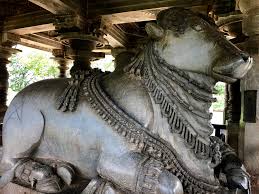
Lepakshi Nandi
One of the largest monolithic Nandi statues in India, carved out of a single granite stone. It is beautifully detailed and faces the Veerabhadra Temple.
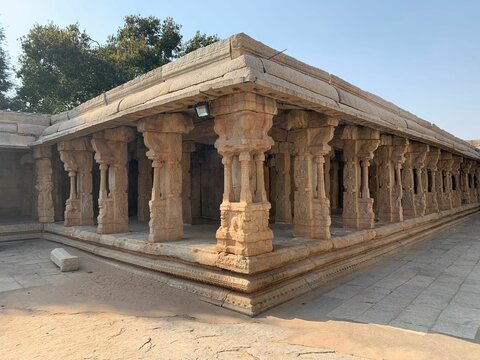
Hanging Pillar Lepakshi
A unique pillar inside the temple that does not fully touch the ground. It is known for its engineering mystery and attracts visitors curious about ancient construction techniques.
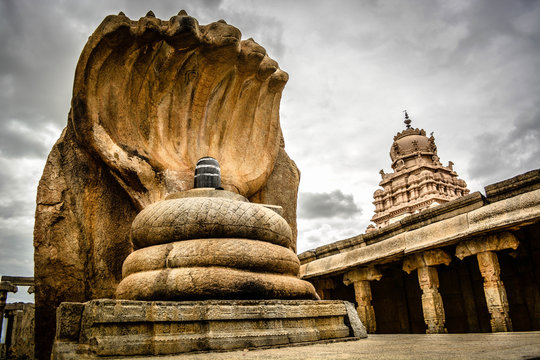
Nagalinga Sculpture
Situated on the opposite bank of the Ganges, Ramnagar Fort offers a glimpse into the grandeur of the Mughal era.
Major Attractions Nearby Lepakshi

Hindupur
A nearby town known for its local markets and traditional lifestyle. It serves as a convenient stop while traveling to Lepakshi.
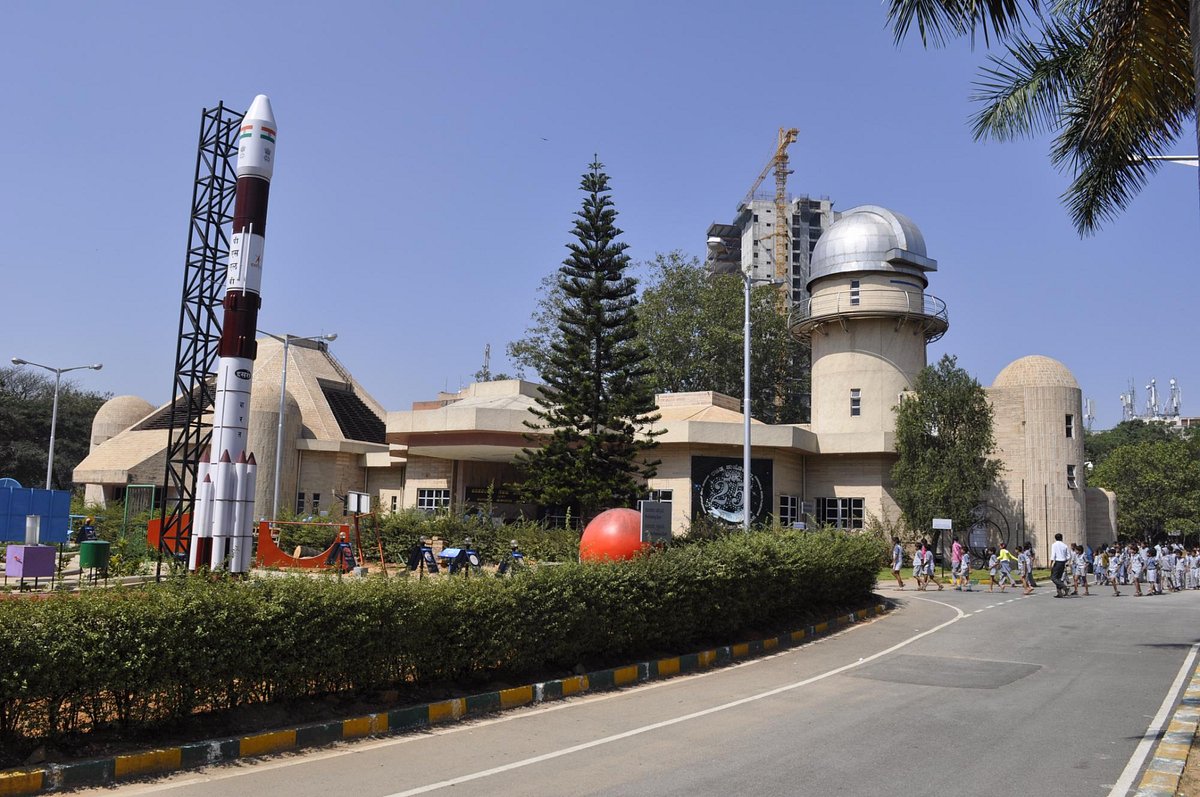
Bengaluru
A vibrant city known for its parks, nightlife, and modern attractions. Visitors can explore Lalbagh Botanical Garden, Cubbon Park, and various shopping hubs.
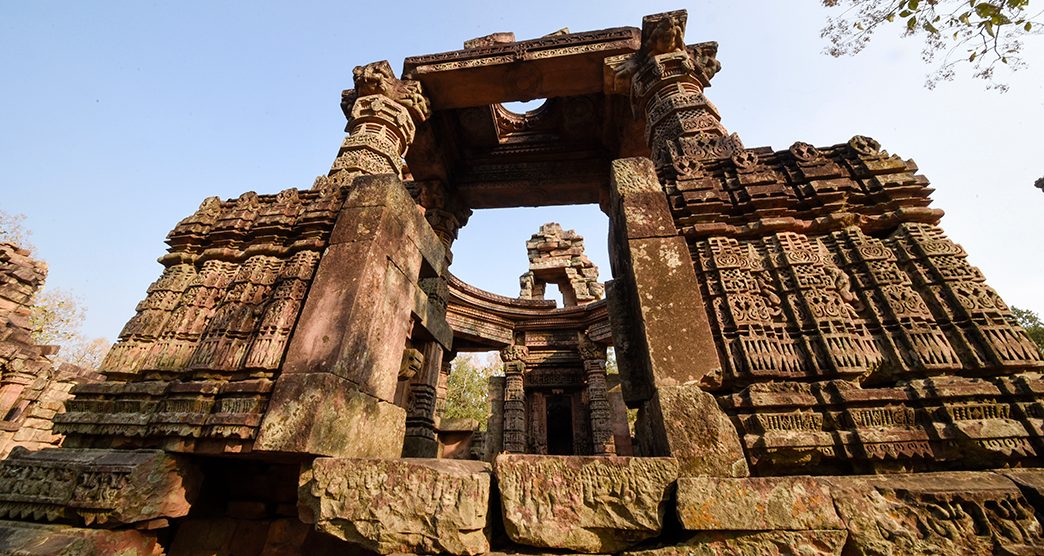
Penukonda Fort
A historic fort that once served as the second capital of the Vijayanagara Empire. It features ancient structures, temples, and scenic hill views.
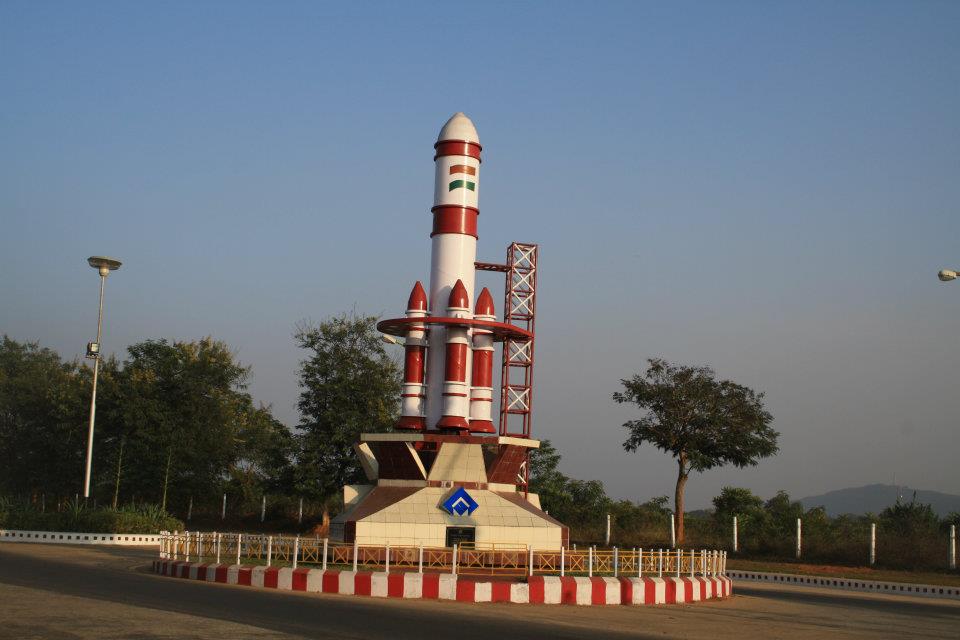
Sri Sathya Sai Space Theatre
Things to do in Lepakshi
Explore the rich heritage and architectural beauty of this historic village through cultural and sightseeing experiences.
Explore Veerabhadra Temple
Walk through the temple to admire its intricate carvings, frescoes, and stunning pillars. Don’t miss the famous hanging pillar inside.
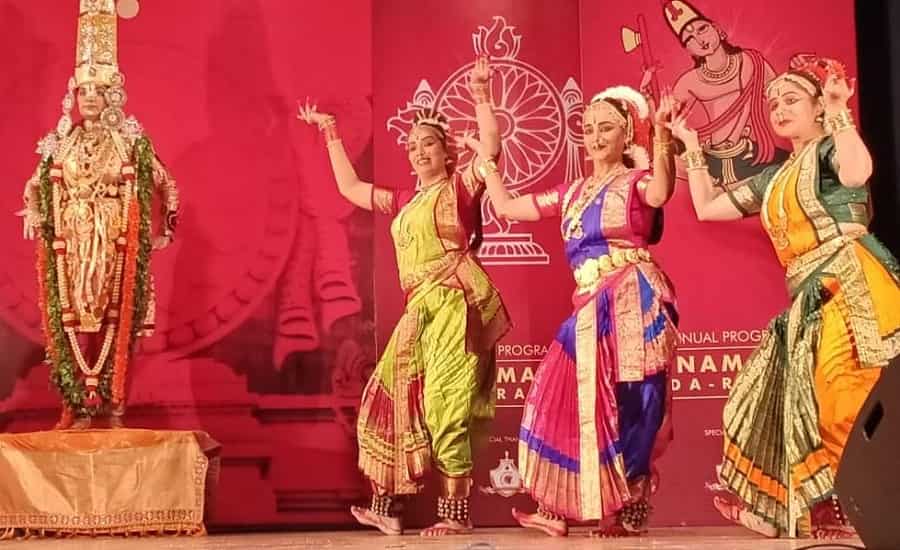
Experience Local Culture & Traditions
Observe temple rituals and local customs that showcase the spiritual life of the region. The atmosphere gives an authentic cultural experience.
Observe the Hanging Pillar Lepakshi
Experience the unique engineering marvel by observing how the pillar slightly floats above the ground. It’s one of the most intriguing features of the temple.

Try Authentic Andhra Cuisine
Enjoy traditional dishes like spicy curries, rice meals, and local specialties in nearby towns. The bold flavors reflect the region’s rich food culture.
The Performing Art of Lepakshi
Lepakshi showcases a rich tradition of performing arts influenced by temple culture and the legacy of the Vijayanagara Empire. Music and dance have long been a part of religious rituals and cultural expressions here. Classical forms like Kuchipudi are closely associated with the region, featuring graceful movements and storytelling. These performances reflect devotion, mythology, and artistic excellence, preserving the cultural heritage of Lepakshi.
Music Forms
Carnatic Music
Jangama Music
Dappu Folk Music
The music traditions of Lepakshi are deeply influenced by temple rituals and classical heritage. Devotional and classical music forms are commonly associated with the region, especially Carnatic Music. These compositions, often performed during religious events, feature instruments like veena, mridangam, and flute. The music reflects spirituality, devotion, and the rich cultural legacy of South India.
Dance Forms
Kuchipudi
Butta Bommalu
Veeranatyam
Dance in Lepakshi is closely tied to its temple traditions and classical heritage. The most prominent form associated with the region is Kuchipudi, known for its graceful movements, expressive storytelling, and strong connection to mythology. Traditionally performed during cultural and religious events, it reflects devotion and artistic excellence. This dance form beautifully preserves the cultural and spiritual essence of the region.

City Vibes - Timeless Spiritual Charm
Lepakshi offers a calm and spiritually rich atmosphere rooted in history and tradition. The village has a quiet, timeless charm with ancient architecture and sacred surroundings. Its peaceful environment, combined with intricate temple art and cultural heritage, creates a deeply reflective experience. It’s an ideal place to slow down, explore history, and connect with spirituality.
Heritage of Lepakshi
A rich heritage deeply rooted in the legacy of the Vijayanagara Empire. The village is renowned for its exceptional temple architecture, intricate carvings, and ancient murals that reflect artistic excellence. Structures like the Veerabhadra Temple showcase the craftsmanship and cultural significance of the era. Its heritage is closely tied to mythology, religion, and traditional artistry, offering a timeless glimpse into South India’s historical past.
Cuisine of Lepakshi
Lepakshi is a paradise for food lovers, offering a variety of traditional delights.

Andhra Meals
A wholesome platter consisting of rice, dal, curries, pickles, and chutneys. Known for its bold and spicy flavors, it represents the essence of Andhra cuisine.
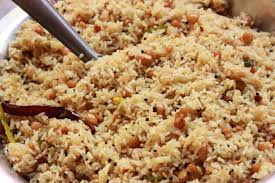
Pulihora
A tangy and flavorful rice dish made with tamarind, peanuts, and spices. It is commonly served during temple offerings and festivals.
Gongura Pachadi
A popular chutney made from tangy gongura leaves, known for its unique sour taste. It pairs well with rice and adds a distinct regional flavor.
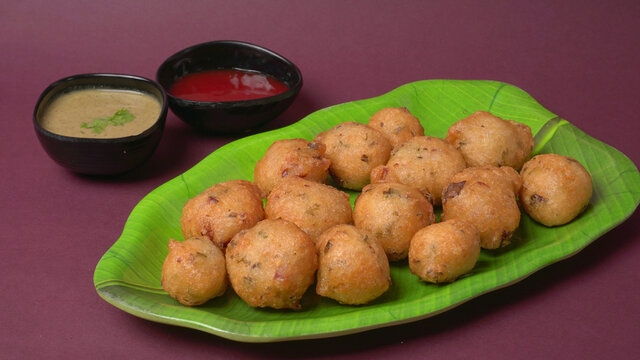
Boorelu
A traditional sweet made with jaggery and lentil filling, deep-fried to perfection. It is often prepared during festivals and special occasions.
Shopping in Lepakshi
Shopping in Lepakshi is all about traditional handicrafts and cultural souvenirs rather than modern markets. The village is known for its rich artistic heritage, making it a great place to buy authentic handmade items.
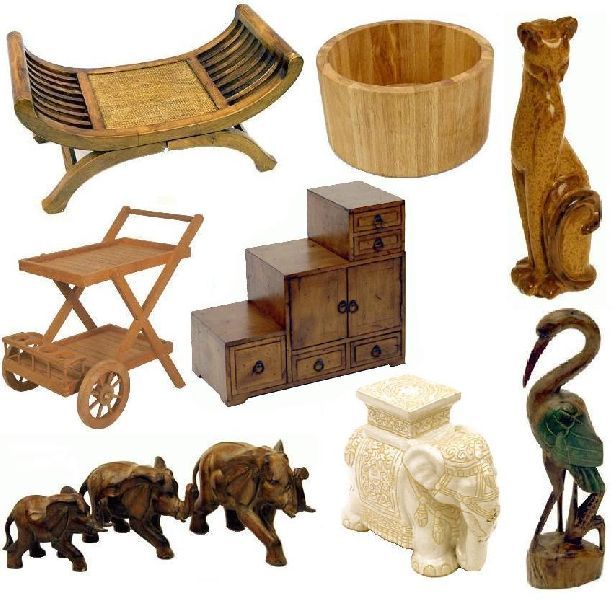
Traditional Handicrafts
A wide range of handicrafts including wood carvings, brassware, and decorative items. These products reflect centuries-old craftsmanship and are popular among visitors.
Kalamkari Paintings
Beautiful hand-painted or block-printed textiles depicting mythological stories and nature scenes. These artworks are unique and represent the region’s artistic legacy.
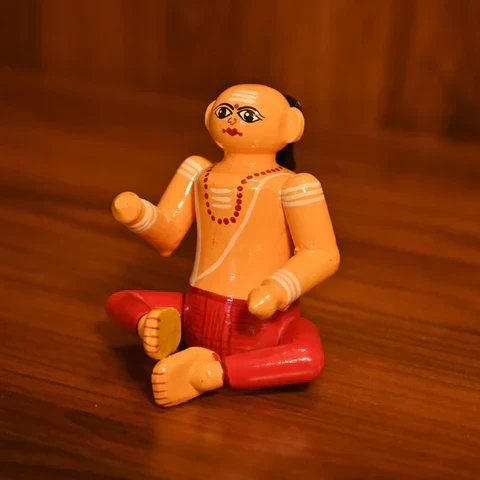
Kondapalli Toys & Wooden Artifacts
Colorful handmade toys and wooden items crafted with traditional techniques. They make for great souvenirs and gifts.
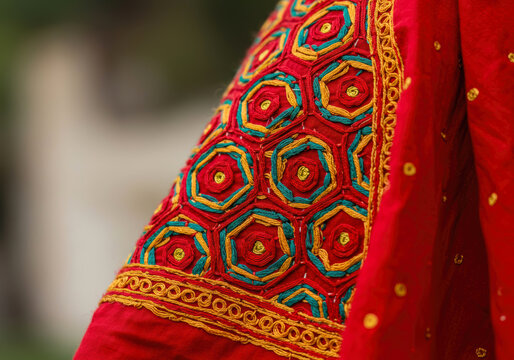
Handloom & Embroidery Products
Items like Banjara embroidery, cotton fabrics, and jute products are widely available. These reflect local textile traditions and craftsmanship.
Tourist's Handbook
The best time to visit Lepakshi is from October to March, when the weather is pleasant and comfortable for sightseeing. Winters are ideal for exploring temples and outdoor areas without heat discomfort. Summers (March–June) can be very hot, while monsoon (July–September) brings moderate rainfall but fewer crowds.
Stay Hydrated & Protect from Heat – The region can get quite hot, especially in summer, so carry water, wear light clothing, and use sunscreen.
Be Careful on Temple Floors – Surfaces inside places like Veerabhadra Temple can be uneven or slippery; walk carefully, especially barefoot.
Respect Religious Practices – Follow temple rules, dress modestly, and maintain decorum while visiting sacred sites.
Avoid Midday Travel in Summer – Plan sightseeing in the morning or evening to avoid extreme heat.
Secure Your Belongings – While the area is generally safe, keep your valuables safe in crowded spots.
Getting around Lepakshi is quite easy due to its compact size. Most attractions, including the famous Veerabhadra Temple and Lepakshi Nandi, are located close to each other and can be explored on foot. For travel from nearby cities like Bangalore, hiring a private cab or driving is the most convenient option. Local autos and taxis are available but limited, so it’s best to plan transportation in advance.
Overpriced Guides or Unofficial Help – Some individuals may offer to “guide” you around places like Veerabhadra Temple and expect high tips. It’s best to politely decline or agree on charges beforehand.
Inflated Prices at Local Stalls – Small shops near tourist spots may quote higher prices for handicrafts and souvenirs. Compare prices before buying.
Parking & Entry Confusion – Unofficial attendants may ask for parking fees where it’s not required. Use designated parking areas and verify charges.
Online Booking Scams – If booking cabs or tours, avoid unknown websites offering very cheap deals. Stick to trusted platforms and verify details.
Explore Andhra Pradesh

Varanasi Blogs
- Uttar Pradesh Cultural guide
- Places to visit in Varanasi
- Places to visit nearby Varanasi
- India’s most popular destination
- India’s archaeological marvels
Recommended articles
- Uttar Pradesh Cultural guide
- Places to visit in Varanasi
- Places to visit nearby Varanasi
- India’s most popular destination