¤ 10+ minutes Read
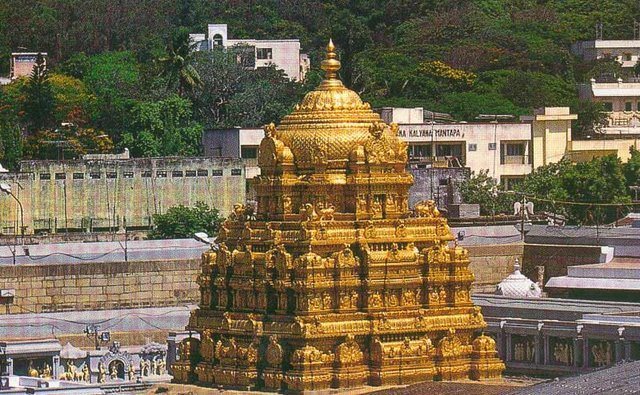
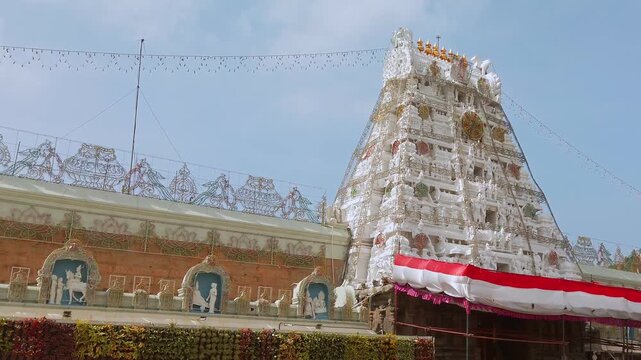
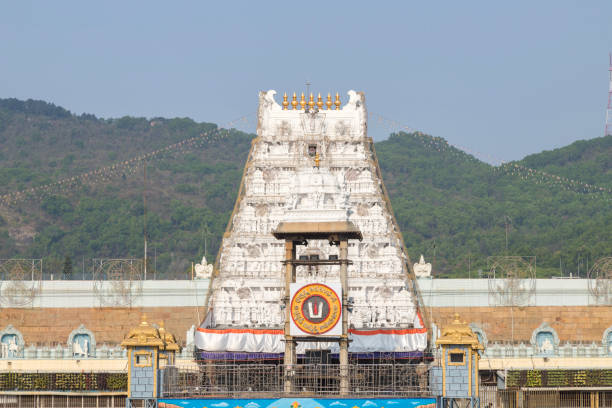
The iconic Gopuram of the Tirumala Venkateswara Temple, set against the lush Tirumala hills.
Tirupati, a major pilgrimage city in the southern state of Andhra Pradesh, is renowned for the Sri Venkateswara Temple in the nearby Tirumala hills. One of the world’s richest and most-visited religious sites, it draws millions of devotees annually. The city offers a profound spiritual experience, set against the scenic backdrop of the Seshachalam Hills, and is a place where faith, tradition, and nature converge.
Wiki Link: Tirupati wiki page
The sacred abode of Lord Venkateswara and one of the world’s most visited spiritual sites.
A unique natural rock arch formation revered for its resemblance to a serpent’s hood.
A holy perennial stream whose waters are used for the sacred bath of the main deity.
An ancient Shiva temple marking the site of Lord Venkateswara’s penance.
A historic Shiva temple representing the element of Air, known as the “Kashi of the South.”
The highest waterfall in Andhra Pradesh, set within a lush national park for trekking.
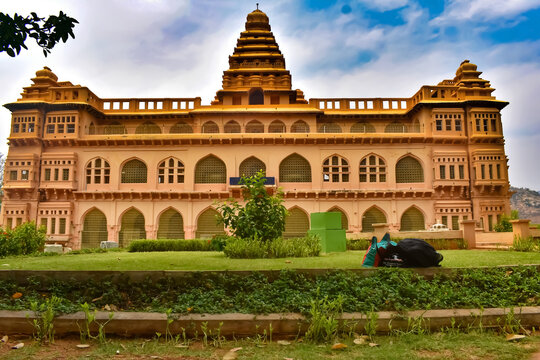
The last capital of the Vijayanagara Empire, featuring a historic palace and museum.
A temple housing a self-manifested and growing idol of Lord Ganesha.
Immerse yourself in profound spiritual rituals and sacred experiences that define this holy city. From devotional offerings to serene pilgrimages, each activity offers a deep connection with the divine.
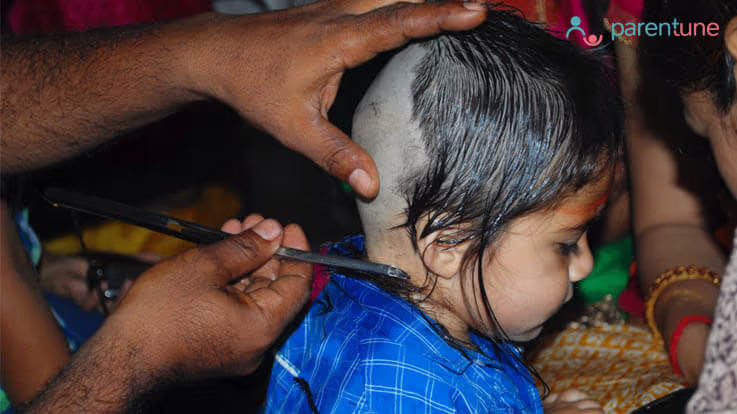
The ritual of head-shaving as a sacred offering to Lord Venkateswara.
A serene pilgrimage on foot up the Tirumala hills via well-maintained paths.
Savor the famous, geographically-tagged sweet offering, the Tirupati Laddu.
Participate in devotional bhajans and discourses held in the temple complex.
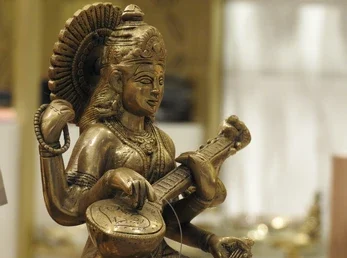
Tirupati’s cultural scene is deeply interwoven with its spiritual identity. The city is a hub for Carnatic music and classical dance, often performed as offerings to the deity. The Tirumala Tirupati Devasthanams (TTD) actively promotes these arts through various cultural festivals and events throughout the year.
Classical Music
Annamacharya Sankirtana
Bhajans & Harathi
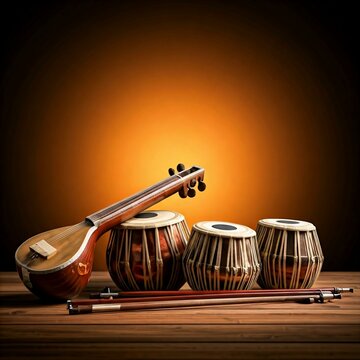
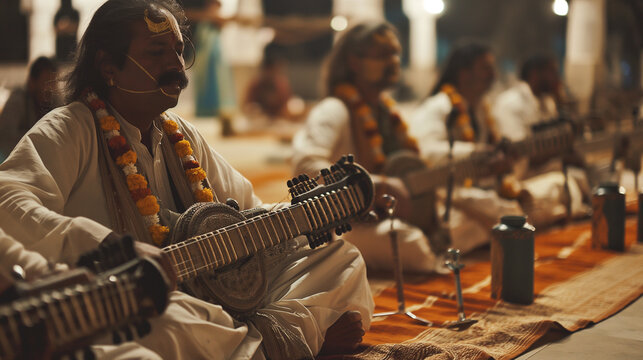
Tirupati is a celebrated hub for Carnatic classical music, with its evolution deeply intertwined with temple traditions and saint-poets like Annamacharya. The soulful Kirtanas, Ragam-Tanam-Pallavi, and devotional Bhajans are widely performed in its sacred precincts. Folk music traditions, including the Tappalu and Burrakatha narrative styles, tell epic tales of gods and local heroes. This rich sonic landscape, dedicated to devotion, continues to be preserved and promoted by the Tirumala Tirupati Devasthanams (TTD).
Kuchipudi
Bharatanatyam
Andhra Natyam
Tirupati is a vital center for South Indian classical dance, with its traditions deeply nurtured by the Tirumala Tirupati Devasthanams. The graceful Kuchipudi and expressive Bharatanatyam forms are predominantly performed, depicting mythological tales of the deities. Ancient temple dance traditions like Andhra Natyam, once performed as ritual offerings, are also being revived here. These divine dance dramas, presented during brahmotsavams and cultural festivals, immerse devotees in a profound spiritual experience.
Tirupati is a city that breathes devotion. The air is filled with chants of “Govinda! Govinda!” and the energy is a unique blend of serene spirituality and bustling pilgrim activity. From the predawn queues for darshan to the tranquil evenings in the hills, the city offers a powerful sense of connection to the divine, making it a life-changing destination for many.
Tirupati’s heritage is dominated by the Dravidian temple architecture of the Vijayanagara period. The management of the temples, particularly by the Tirumala Tirupati Devasthanams (TTD), preserves ancient rituals, Vedic schools, and traditional arts. The city’s history is also etched in the stones of the nearby Chandragiri Fort, reflecting the grandeur of the Vijayanagara Empire.
The cuisine in Tirupati is predominantly vegetarian, reflecting its spiritual character, with a strong emphasis on traditional Andhra flavors.
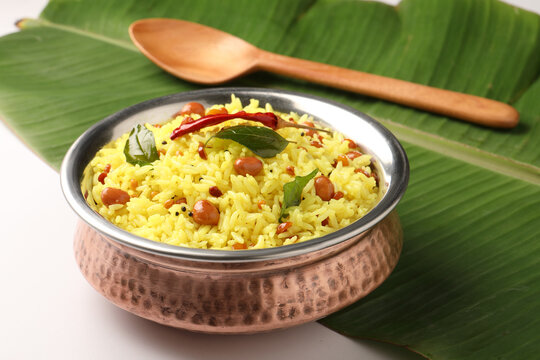
A tangy and spicy tamarind rice commonly served as temple prasadam.
A traditional spicy feast served on a banana leaf with various curries.
Savory black gram fritters that are crispy outside and fluffy inside.
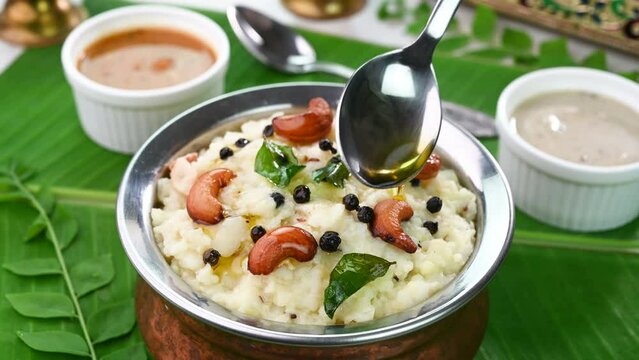
A comforting rice-lentil dish often served as breakfast or prasadam.
Shopping in Tirupati is centered around religious souvenirs and traditional items. The streets around the temple are lined with shops offering a divine shopping experience.
Auspicious idols of deities crafted from a sacred five-metal alloy.
Sacred necklaces made from delicate, gold-coated rice grains.
The iconic, geographically-tagged sweet prasadam available for purchase.
Exquisite miniature wooden models of temple chariots and deities.
The ideal time to visit Tirupati is during the winter months, from October to February, when the weather is cool and pleasant. This period is perfect for temple visits and exploring the city without the discomfort of extreme heat. The festive season, including Brahmotsavam, often falls during these months, adding to the spiritual vibrancy. It is best to avoid the intense heat of summer and the heavy rainfall of the monsoon season.
Auto-rickshaws are the most common and affordable mode for navigating the city's streets and short distances. Taxis and cabs are readily available for more comfortable travel and convenient airport or station transfers. For the ascent to the main temple, dedicated buses and shared vans provide frequent and direct service. For a truly traditional pilgrimage, the well-maintained footpath offers a scenic walk up the Tirumala Hills.
Fake VIP Darshan Agents – Beware of touts offering "quick" or "special entry" darshan tickets for a high price; always book through the official TTD website.
Overpriced Laddu Coupons – Purchase the sacred Tirupati Laddu only from official counters inside the temple with a valid darshan ticket.
Unauthorized Accommodation Tours – Avoid agents claiming to provide premium rooms near the temple; book lodgings only through TTD's official accommodation portal.
Donation Scams by Fake Priests – Politely decline individuals posing as priests who demand extra money for special pujas inside the temple complex.
Exorbitant Hair-Offering Charges – If performing tonsure (Mokku), use the official, free tonsure centers and avoid private salons that charge inflated rates.