
Rituals of Arunachal Pradesh
Rituals of Arunachal Pradesh reflect the deep spiritual connection between nature, community, and ancestral traditions followed by the state’s diverse tribal groups. Rooted in animism, Buddhism, and indigenous belief systems, these rituals are performed to seek prosperity, protection, and harmony with the natural world. From agricultural ceremonies and healing practices to seasonal festivals and life-cycle rites, each ritual carries symbolic meaning passed down through generations.
Life Event Rituals

Birth Ceremony (Naming Ritual)
Rooted in tribal beliefs, the naming ritual marks the child’s formal acceptance into the community. It is believed to invoke ancestral protection and a prosperous life.
How is it done?
- Consulting Elders/Shamans – Name chosen based on tribe, omens, or nature
- Offering to Spirits – Food or rice beer offered to ancestral spirits
- Community Blessing – Elders bless the child for health and longevity
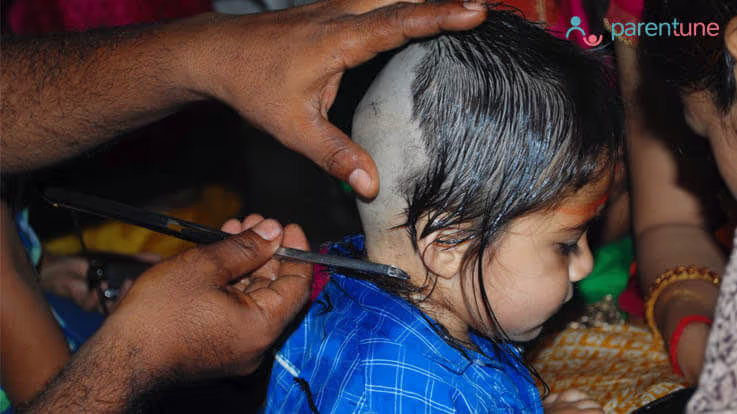
Hair-Cutting Ceremony (First Tonsure)
This ritual signifies purification and the removal of negative energies associated with infancy. It marks the child’s physical and spiritual growth.
How is it done?
- Ritual Hair Cutting – Performed by an elder or shaman.
- Offerings to Spirits – Food or animal offerings for well-being.
- River or Forest Ritual – Hair is disposed in nature respectfully.

Post-Death Ancestral Ritual
Conducted after mourning, this ritual helps integrate the departed soul into the ancestral world. It restores balance in the living community.
How is it done?
- Final Spirit Offering – Marks completion of soul’s journey.
- Clan Gathering – Elders recount lineage and memories.
- Symbolic Feast – Signals return to normal life.

Marriage Ritual
Marriage rituals symbolize the union of two families and clans rather than just individuals. They emphasize harmony, fertility, and continuity of lineage.
How is it done?
- Bride Price Exchange – Goods or livestock offered by groom’s family.
- Ritual Chanting – Shamans chant prayers to ancestral spirits.
- Community Feast – Celebrates social bonding and acceptance.

Pregnancy Protection Ritual
Performed to safeguard the mother and unborn child from evil spirits and misfortune. It reflects strong belief in spiritual guardianship.
How is it done?
- Protective Amulets – Worn by the expectant mother.
- Shamanic Prayers – Invoking benevolent spirits for safe delivery.
- Food Taboos – Certain foods avoided for spiritual balance.

Death Ritual (Funeral Ceremony)
Death rituals focus on guiding the soul safely to the ancestral realm. Respect for the departed ensures peace for both soul and community.
How is it done?
- Body Purification – Cleansing before final rites.
- Offerings to Ancestors – Food and belongings placed for the soul.
- Community Mourning – Collective prayers and remembrance.
Spirit Worship Ritual

Ane Donyi Invocation Ritual
Rooted in the Donyi-Polo belief system, this ritual worships the Sun and Moon as supreme spiritual forces. It seeks harmony between humans, nature, and cosmic powers.
How is it done?
- Sun–Moon Prayers – Chanting hymns dedicated to Donyi and Polo.
- Sacred Fire Offering – Offering grains and leaves to invoke blessings.
- Clan Blessing – Elders bless the community for balance and peace.

Shamanic Spirit Appeasement Ritual
Performed to appease local spirits believed to control health, weather, and fortune. This ritual prevents illness and misfortune in the community.
How is it done?
- Shaman Trance – Priest enters a trance to communicate with spirits.
- Animal Offering – Symbolic sacrifice to calm restless spirits.
- Protective Chanting – Recitation of sacred mantras for safety.
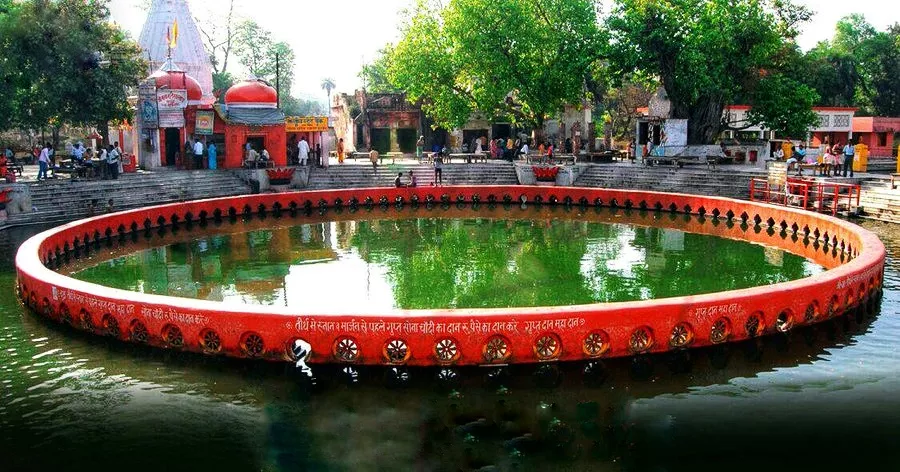
Forest Spirit Worship Ritual
This ritual honors spirits believed to reside in forests, trees, and hills. It is performed before hunting, farming, or entering sacred forest areas.
How is it done?
- Leaf and Flower Offerings – Natural elements offered to forest spirits.
- Permission Prayer – Seeking approval before using forest resources.
- Silent Observance – Participants maintain ritual silence.
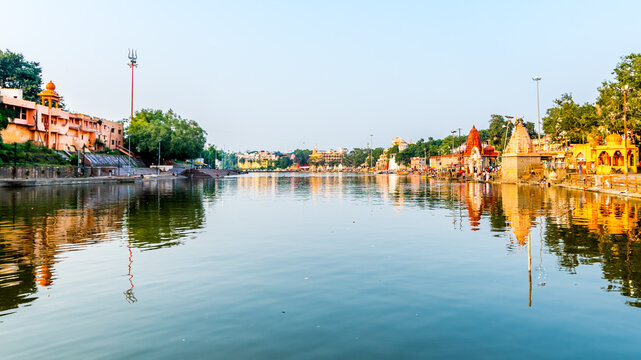
River and Water Spirit Ritual
Practiced to honor water deities and spirits believed to govern rivers and streams. The ritual ensures protection from floods and water-related dangers.
How is it done?
- Water Offering – Rice beer or grains offered to the river.
- Chanted Invocations – Appeasing water spirits for safety.
- Symbolic Immersion – Ritual dipping of sacred objects.
Folk Festivals
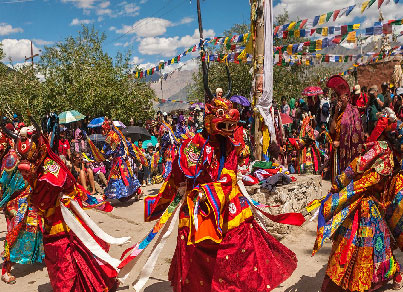
Losar Festival
Celebrated by the Monpa tribe, Losar marks the Tibetan New Year and symbolizes renewal and prosperity. The festival reflects strong Buddhist cultural influence in the region.
How is it done?
- Monastery Prayers – Special prayers offered for peace and good fortune.
- Masked Dances – Ritual dances depicting spiritual themes.
- Community Feasting – Traditional dishes shared among families.
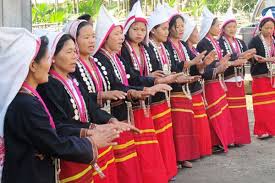
Solung Festival
Observed by the Adi tribe, Solung is an agricultural festival seeking blessings for a good harvest and community well-being. It honors deities responsible for fertility and protection.
How is it done?
- Sacrificial Offerings – Ritual offerings made to guardian spirits.
- Priestly Chants – Recitation of traditional myths and prayers.
- Folk Dances – Group dances accompanied by drum beats.
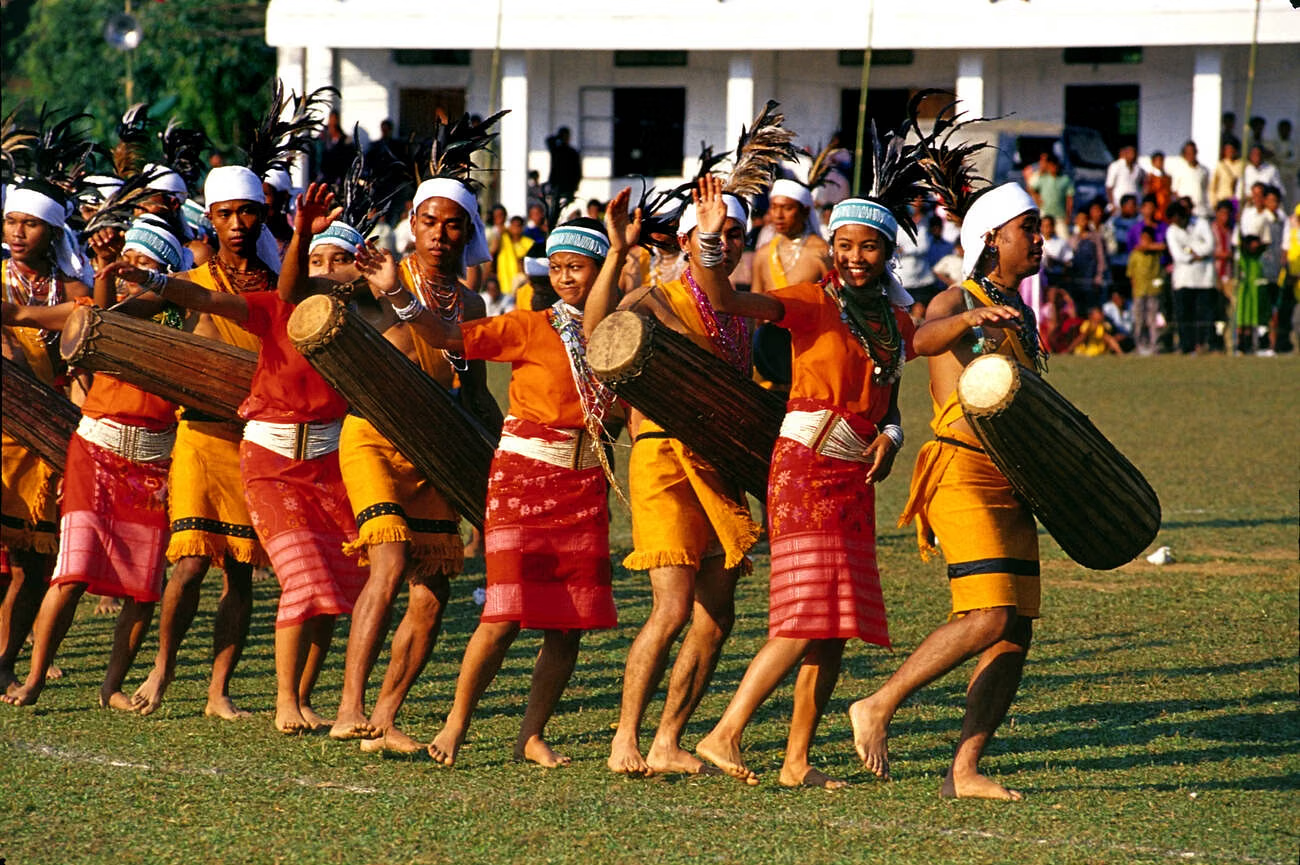
Mopin Festival
Observed by the Galo tribe, Mopin is celebrated to drive away evil spirits and invite prosperity. It reflects the tribe’s deep connection with nature and spiritual forces.
How is it done?
- Rice Flour Ritual – Application of white rice paste for purity.
- Spirit Invocation – Prayers to goddess Mopin Ane.
- Celebratory Dance – Joyful dances symbolizing happiness.

Si-Donyi Festival
Observed by the Tagin tribe, Si-Donyi worships the Earth and Sun gods for peace and prosperity. It reflects harmony between cosmic forces and human life.
How is it done?
- Sacred Altar Worship – Ritual prayers to Si and Donyi.
- Clan Gatherings – Community participation in ceremonies.
- Festive Dance – Group dances expressing gratitude.
Temple Rituals

Morning Prayer Ritual (Monastery and Temple Prayers)
Performed at dawn, this ritual marks the beginning of the day with spiritual discipline and purity. It invokes peace, protection, and positive energy for devotees.
How is it done?
- Bell and Drum Beating – Signals the start of prayers.
- Scripture Recitation – Chanting of sacred Buddhist and tribal hymns.
- Incense Offering – Purifies the temple space.
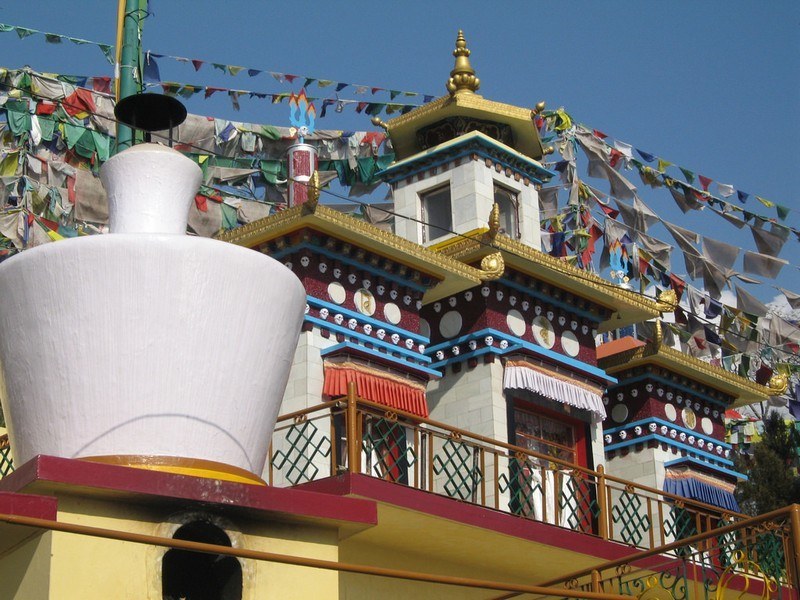
Prayer Flag Installation Ritual
Prayer flags are installed to spread peace, compassion, and harmony through the wind. The ritual reflects Himalayan Buddhist traditions.
How is it done?
- Flag Blessing – Monks chant mantras over the flags.
- Directional Placement – Flags tied in auspicious directions.
- Wind Invocation – Belief that prayers travel with the breeze.

Full Moon Ritual (Purnima Worship)
Observed on full moon days, this ritual commemorates significant spiritual events. Devotees gather to seek blessings and inner purification.
How is it done?
- Special Prayers – Extended chanting sessions.
- Offering of Food – Fruits and grains placed before deities.
- Meditation Practice – Silent reflection by devotees.
Ayurveda and Yoga

Herbal Healing Practices
Arunachal Pradesh’s tribal communities have practiced herbal healing for centuries, using forest plants as natural medicine. These traditions align closely with Ayurvedic principles of balance between body, mind, and nature.
How is it done?
- Herb Identification – Elders identify medicinal plants like Mishmi Teeta and wild turmeric.
- Decoction Preparation – Roots and leaves boiled for therapeutic use.
- Healing Application – Consumed or applied based on ailment.
- Dietary Regulation – Simple food intake during treatment.
Scientific Reasoning
- Many Himalayan herbs contain anti-inflammatory and antioxidant compounds.
Plant-based decoctions support immunity and digestive health.

Forest Meditation Practice
Forest meditation is practiced to calm the mind and align with natural rhythms. It reflects yogic concepts of mindfulness and sensory withdrawal.
How is it done?
- Silent Sitting – Practitioners sit barefoot on forest ground.
- Breath Awareness – Focus on slow, deep breathing.
- Nature Observation – Listening to natural sounds without distraction.
Scientific Reasoning
- Exposure to nature reduces cortisol and stress levels.
Deep breathing improves oxygen flow and mental clarity.

Sun and Moon Yoga Practice
Inspired by the Donyi-Polo belief system, this practice aligns bodily rhythms with solar and lunar cycles. It promotes physical balance and spiritual awareness.
How is it done?
- Sun Salutation – Performed at sunrise facing east.
- Moon Breathing – Gentle breathing practiced at dusk.
- Stillness Practice – Short meditation after movements.
Scientific Reasoning
- Sun exposure aids vitamin D synthesis.
- Controlled breathing balances the nervous system.
Social Fabrics
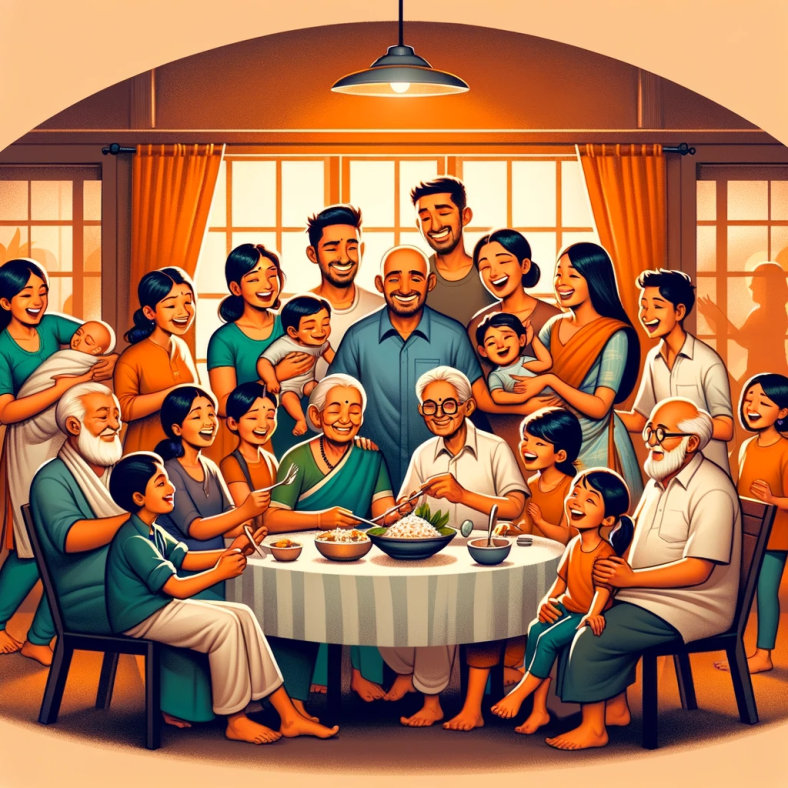
Clan-Based Community System
Arunachal Pradesh’s social structure is deeply rooted in clan identity, where lineage determines social roles and responsibilities. This system ensures unity, cooperation, and preservation of ancestral traditions.
How is it done?
- Clan Leadership – Elders guide decision-making and conflict resolution.
- Lineage Recognition – Family ancestry defines social belonging.
- Collective Responsibility – Community welfare prioritized over individuals.

Respect for Elders and Oral Traditions
Elders are custodians of knowledge, history, and moral values. Oral traditions preserve laws, myths, and cultural wisdom.
How is it done?
- Storytelling Sessions – Legends passed orally.
- Ritual Leadership – Elders lead ceremonies.
- Moral Guidance – Elders advise younger generations.

Marriage and Kinship Networks
Marriage serves as a tool for social alliance and clan bonding. Kinship networks extend mutual support across villages.
How is it done?
- Inter-Clan Marriages – Strengthen social ties.
- Bride Price System – Symbolizes commitment and respect.
- Extended Family Roles – Relatives share responsibilities.
Art & Craft

Handloom Weaving Tradition
Handloom weaving is a vital artistic expression of Arunachal Pradesh, reflecting tribal identity and social status. Each tribe follows distinct patterns, colors, and motifs passed down through generations
How is it done?
- Backstrap Loom Weaving – Traditional looms used by women.
- Natural Dyeing – Colors derived from plants and minerals.
- Motif Symbolism – Designs represent clan and nature.
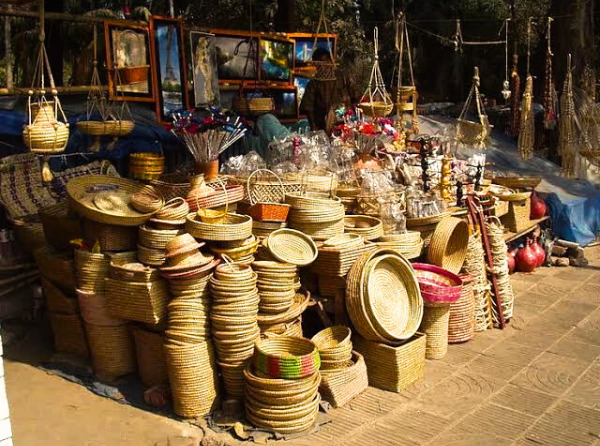
Bamboo and Cane Craft
Bamboo and cane crafts are integral to daily life and cultural expression. These crafts combine utility with traditional aesthetics.
How is it done?
- Material Selection – Locally sourced bamboo and cane.
- Handcrafting Techniques – Tools used without machinery.
- Functional Art – Baskets, mats, and utensils created.
Other Significant Rituals
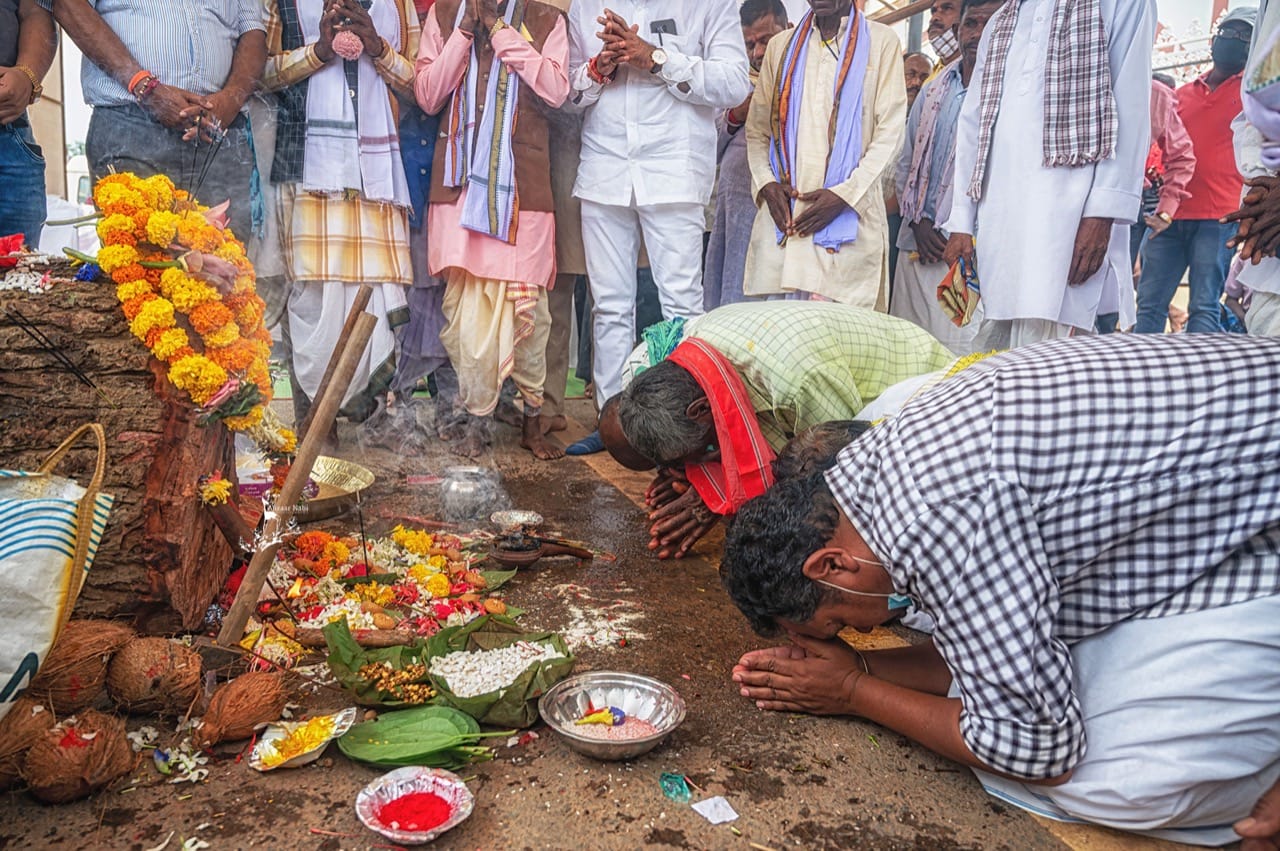
Agricultural Rituals
Agriculture-based rituals are performed to ensure good harvests and harmony with nature. These rituals reflect the deep dependence of tribal life on seasonal cycles.
How is it done?
- Seed Blessing – Seeds ritually purified before sowing.
- Field Offerings – Food and rice beer offered to spirits.
- Collective Prayer – Community participation for prosperity.
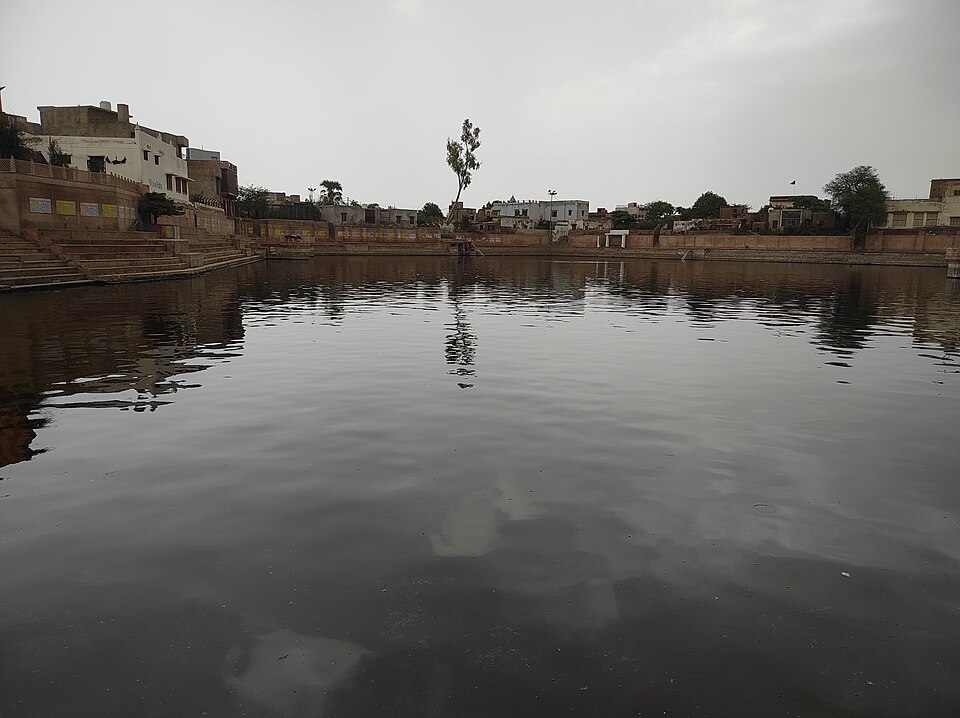
Rain Invocation Rituals
Rain rituals are conducted during dry spells to seek blessings from nature spirits. They symbolize respect for natural forces.
How is it done?
- Spirit Invocation – Chanting led by village priests.
- Water Offerings – Streams and fields honored.
- Sacred Dance – Performed to invoke rainfall.