¤ 10+ minutes Read
Champaran, a region in Bihar, is hallowed ground in India’s modern history as the site of Mahatma Gandhi’s first successful Satyagraha in 1917. Beyond its profound historical legacy, it offers a glimpse into rural Bihar’s agrarian life, vibrant folk culture, and sites of spiritual significance, attracting history enthusiasts, pilgrims, and cultural travelers.
Wiki Link: Champaran wiki page
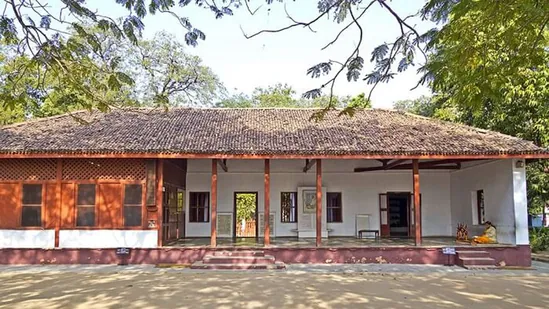
The pivotal historic site where Gandhi launched his first Satyagraha, now a memorial museum.
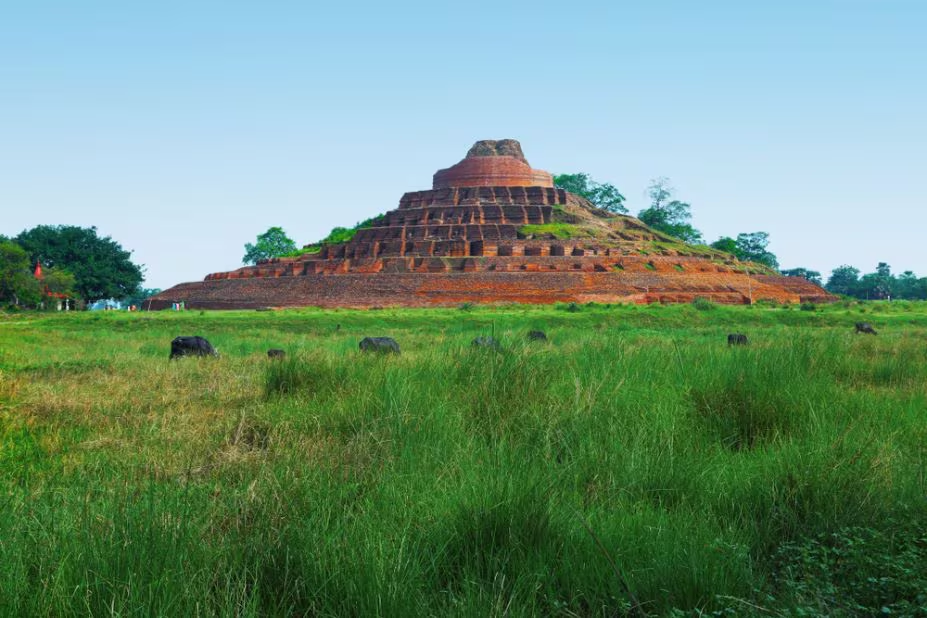
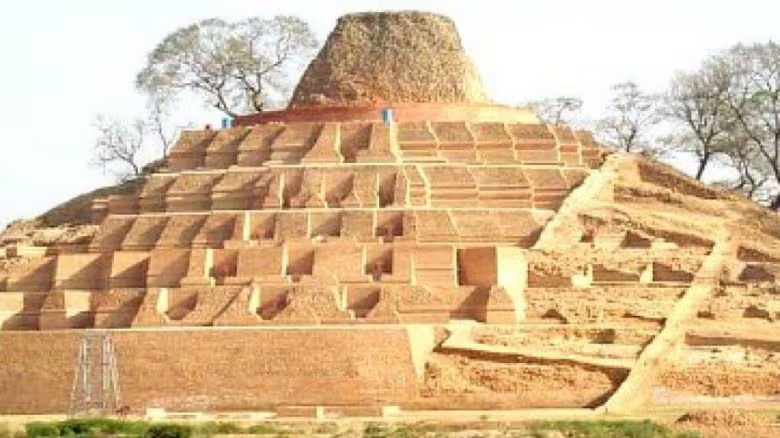
Among the world’s tallest ancient Buddhist stupas, a serene monument linked to Buddha’s final journey.
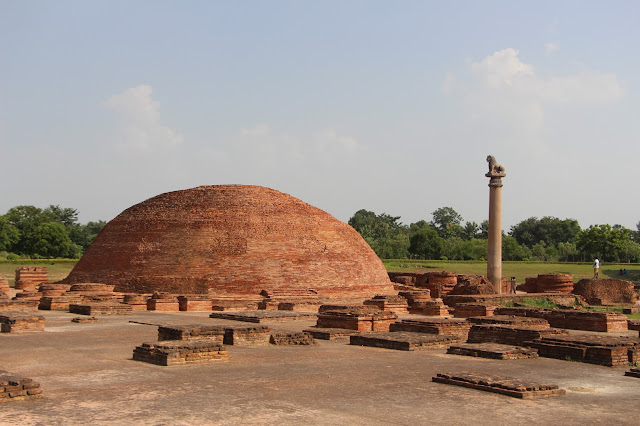
A towering, polished sandstone pillar erected by Emperor Ashoka over two millennia ago.
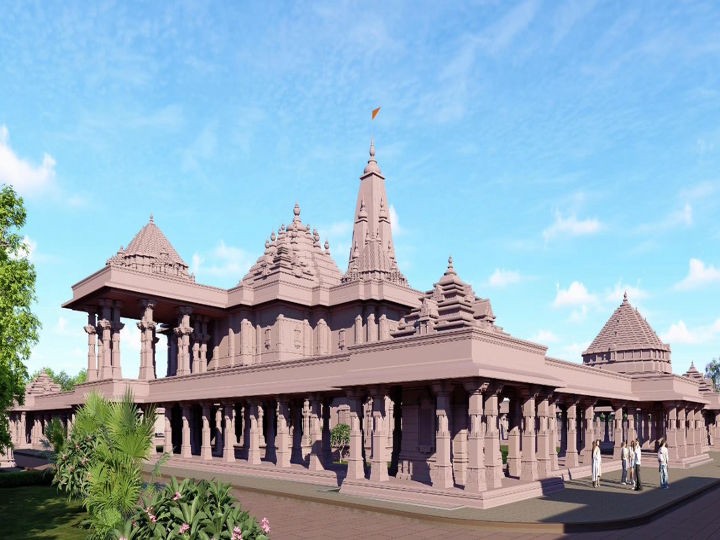
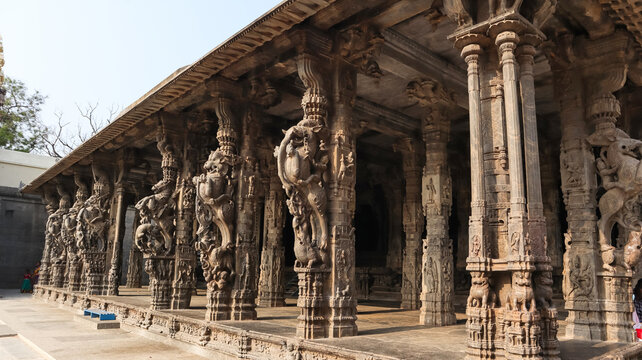
An ancient and revered Shiva temple nestled in peaceful, scenic natural surroundings.
The historic state capital, home to museums, Sikh pilgrimage sites, and the ancient ruins of Pataliputra.
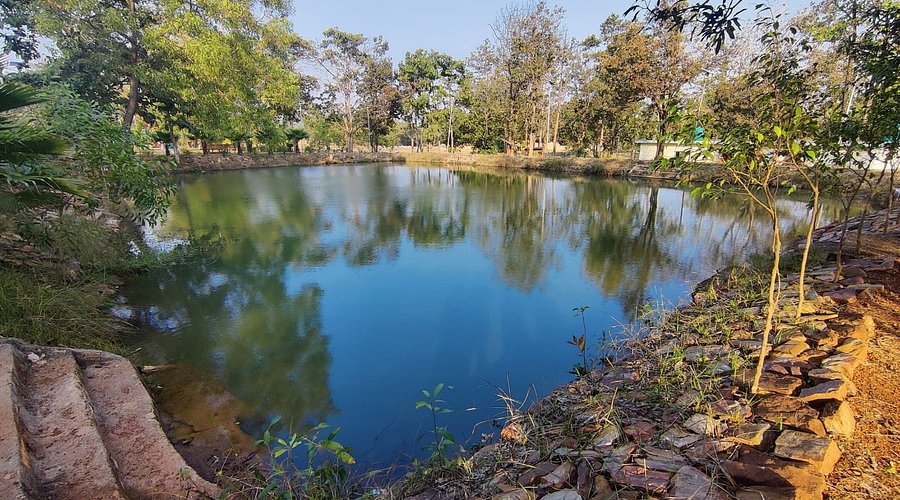
Stunning waterfalls offer a peaceful escape, surrounded by lush greenery and scenic beauty.
A major pilgrimage site believed to be the birthplace of Goddess Sita.
A scenic forest and grassland sanctuary known for its hot springs, varied wildlife, and birdwatching trails.
Experience the weight of history, the tranquility of spiritual sites, and the simplicity of rural life. From tracing Gandhi’s footsteps to exploring ancient ruins, Champaran offers a journey of reflection and discovery.
Visit the Champaran Satyagraha Memorial in Motihari to trace Gandhi’s transformative movement.
Explore a vibrant local village haat (market) to see daily commerce and rural crafts.
Enjoy bird watching along the Gandak River basin, especially during migratory seasons.
Meditate at the peaceful and ancient site of the Kesaria Stupa.
Champaran’s culture is a heartfelt expression of Bihari rural life, deeply influenced by its history of peasant movements and spiritual sites. The region resonates with folk music, local festivals, and traditional arts that tell stories of daily life, devotion, and resilience.
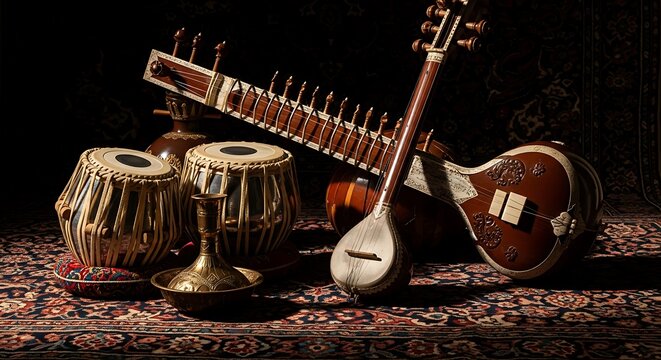
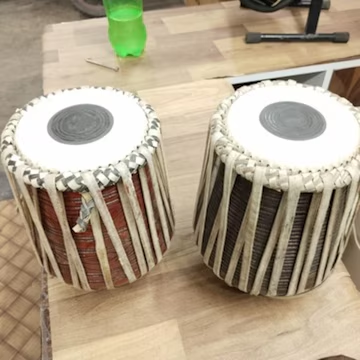
Classical Music
Bihari Folk Music
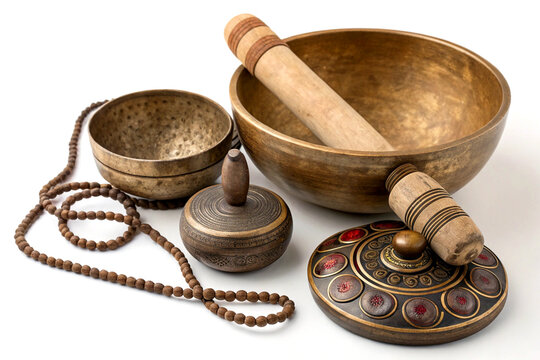
Devotional Songs
The region resonates with the soulful strains of Bihari Folk Music, particularly Bidesia and Purbi, which poignantly express themes of migration, love, and social narratives through local dialects. Devotional music forms like Chaiti and temple Bhajans dedicated to deities like Shiva and Vishnu provide the spiritual soundtrack to festivals and daily worship. These traditional sounds, often accompanied by simple instruments, create a deeply emotional and culturally rich auditory experience rooted in the agrarian life and spiritual heart of Bihar.
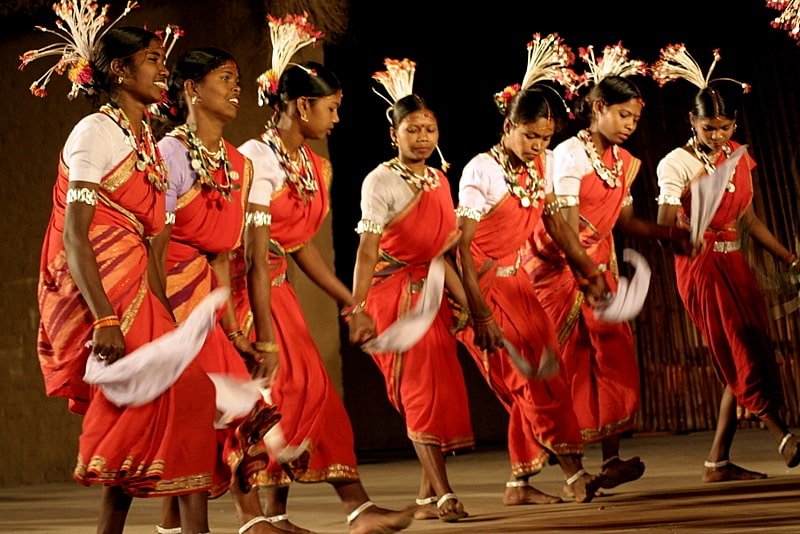
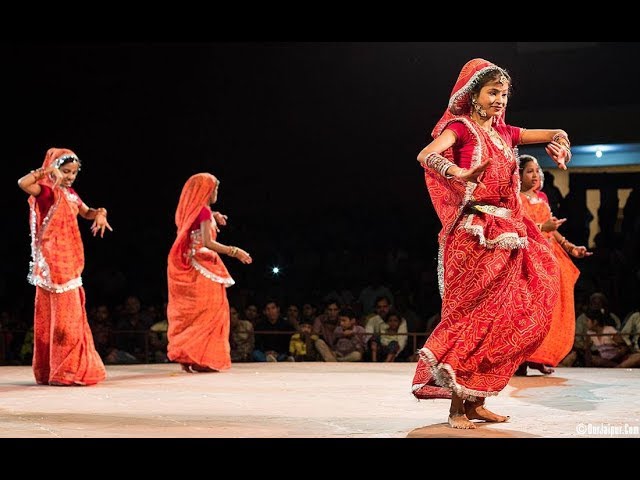
Bidesia Dance
Jhijhiya Dance
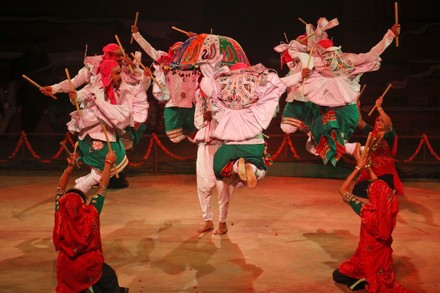
Jat-Jatin Dance
The cultural expression here is vividly showcased through Bidesia, a unique folk theatre dance that combines drama, music, and dance to powerfully comment on social issues and everyday life. Ritualistic dances like Jhijhiya, performed by women during the Dashain festival for protection and prosperity, involve graceful movements and symbolic gestures. The celebratory Jat-Jatin Dance, popular in the Mithila region, features coordinated movements by couples during festivals, reflecting themes of love and community, and completing a vibrant tapestry of folk performance.
Champaran’s vibe is one of quiet significance and rural authenticity. The pace of life is gentle, dictated by agricultural cycles and local markets. Beneath this tranquil surface lies a deep-seated pride in its role as the launching pad of Gandhi’s Satyagraha. It’s a place where history feels immediate, spirituality is tangible at ancient stupas and temples, and the warmth of Bihari hospitality is ever-present.
Champaran’s heritage is multilayered. Its most defining chapter is modern—the 1917 Champaran Satyagraha, which marked a turning point in India’s freedom struggle. Its ancient heritage is profound, spanning the Buddhist era (Kesaria Stupa) and the Mauryan Empire (Ashokan Pillar). This blend of ancient archaeological wealth and modern historical significance creates a unique heritage landscape.
The cuisine of Champaran is hearty, flavorful, and rooted in Bihari agrarian traditions, featuring locally grown grains, lentils, and seasonal vegetables.
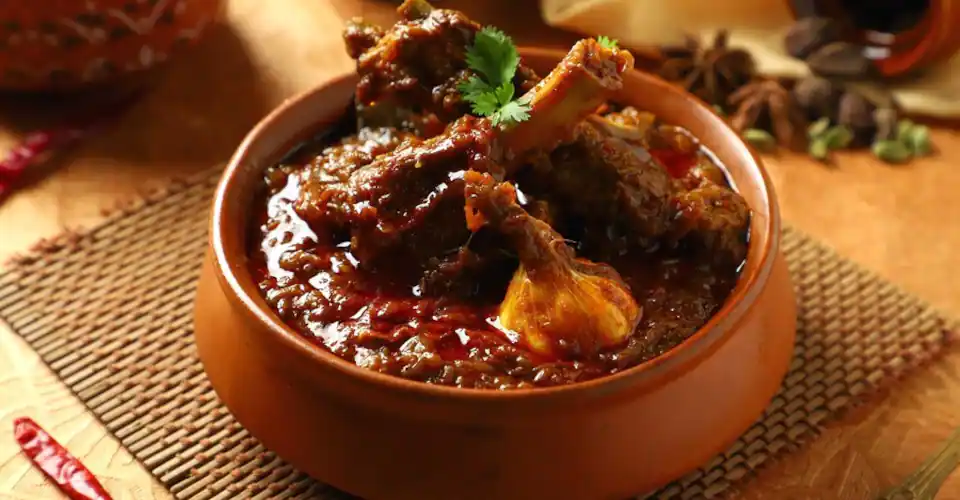
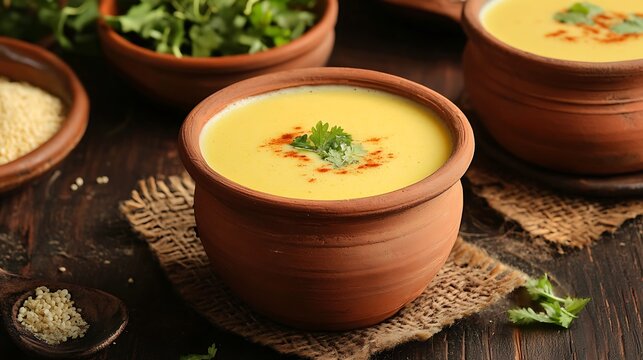
Mutton slow-cooked with whole spices in a sealed clay pot for intense flavor.
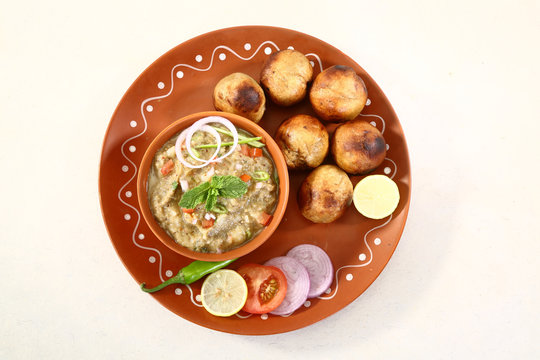
Iconic roasted wheat balls stuffed with sattu, served with spicy mashed eggplant and potato.
A savory, spicy street-food curry made from chickpeas.
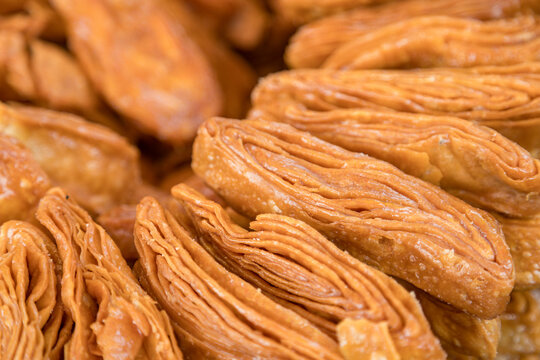
Traditional sweets; Thekua is a fried cookie, and Khaja is a flaky, layered pastry.
Shopping in Champaran focuses on local agrarian produce, traditional handicrafts, and religious souvenirs from pilgrimage sites.
Intricate and colorful folk art from the Mithila region, depicting mythology and nature.
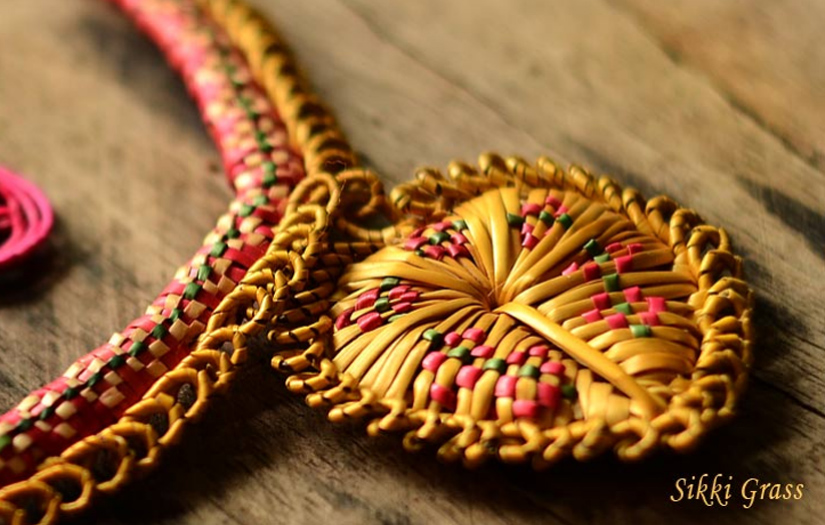
Handmade baskets, boxes, and figurines crafted from golden sikki grass.
Nutrient-rich roasted gram flour, a staple Bihari ingredient.
Varanasi’s local handicrafts, from intricate pottery to vibrant textiles, reflect the city’s artistic tradition and cultural depth.
The ideal time to visit Champaran is during the winter and early spring, from October to March, when the weather is cool, dry, and pleasant for exploring historical sites, rural areas, and outdoor activities. This period avoids the extreme heat of the summer months (April-June) and the heavy, disruptive monsoon rains (July-September), which can make travel to remote sites difficult.
Navigating Champaran involves using local rural transport. Auto-rickshaws and cycle-rickshaws are common for short distances within towns like Motihari. For longer trips between historical sites, shared jeeps (Vikrams) and local buses are the primary, economical options, though they can be crowded. For comfort and flexibility, especially for visiting multiple sites in a day, hiring a private taxi from Patna or a major town is recommended. Travelers should plan for extra time as public transport schedules can be irregular.
Overpriced Historical Guides: Negotiate guide fees in advance or use official guides from recognized tourist offices.
Fake Donation Collectors at Temples: Politely decline requests for donations outside of official temple donation boxes.
Transport Fare Manipulation: Agree on auto-rickshaw or taxi fares clearly before starting your journey.
Counterfeit Madhubani Paintings: Purchase traditional paintings from certified artisans or government-approved handicraft centers.