Steeped in historical significance and rural charm, Champaran in Bihar marks the birthplace of India’s Satyagraha movement. Discover Gandhi memorials, ancient pillars, sacred ponds, and rustic village life among the top places to visit in Champaran.
Champaran Satyagraha Memorial
A state-of-the-art museum in Motihari, it stands as the epicenter of Gandhi’s first successful Satyagraha in 1917. The memorial meticulously documents the indigo farmers’ oppression and Gandhi’s non-violent resistance through archival photos, documents, and multimedia displays. It houses a library and research center dedicated to the freedom movement.
The architecture itself is symbolic, representing Gandhi’s values and the region’s history. It is not just a museum but a pilgrimage site for understanding India’s journey to independence.
The historic cottage where Mahatma Gandhi stayed during the Champaran Satyagraha of 1917.
Kesariya Stupa
One of the largest Buddhist stupas in the world, dating back to the Gupta period and located near Kesariya.
Lauria Nandangarh
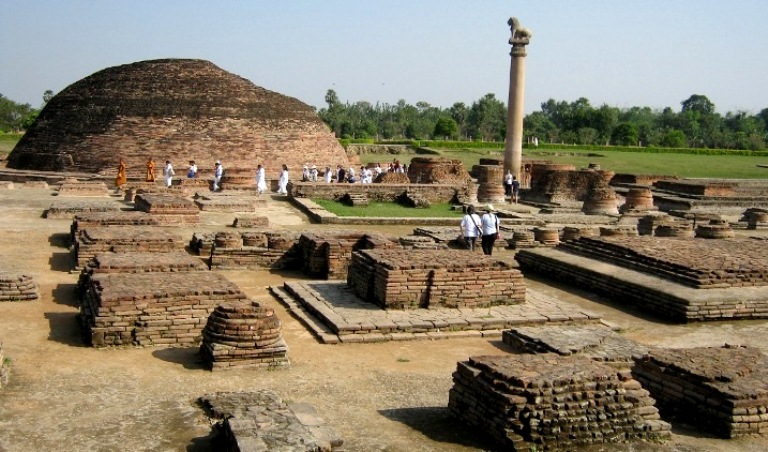
An archaeological site featuring a giant Ashokan Pillar with edicts and ancient burial mounds.
Bhitiharwa Ashram
Another key ashram established by Gandhi in the West Champaran village, focusing on rural upliftment.
Someshwar Nath Temple
Perched atop the Someshwar Hills, this ancient temple is dedicated to Lord Shiva and offers a serene spiritual retreat. It is believed to be one of the oldest temples in the region, attracting devotees, especially during the holy month of Shravan. The climb to the temple is rewarded with breathtaking panoramic views of the lush Champaran plains below.
The peaceful ambiance and cool breeze make it a perfect spot for meditation and contemplation. Its historical and religious significance makes it a key landmark in East Champaran.
Dhaka Palace
A crumbling but grand historical palace reflecting the region’s royal past.
Areraj Temple
An ancient and revered Shiva temple in Areraj, considered one of the oldest in the region.
Chanpatia
A town known for its historical significance and local markets, with connections to the independence movement.
Gaunaha
A small town near the Valmiki Tiger Reserve, serving as an entry point for wildlife enthusiasts.
Motihari Central Jail
This historic jail is intrinsically linked to the Champaran Satyagraha, where Gandhi and many of his associates were briefly imprisoned. It stands as a silent witness to the defiance against the British colonial “Tinkathia” system that exploited indigo farmers. While still a functioning prison, its walls echo the stories of the freedom fighters who were held here.
It represents the tangible cost of the protest and the courage of those who challenged unjust laws. A visit here adds a profound layer of understanding to the Satyagraha story.
Valmiki National Park
Located in West Champaran, this is Bihar’s only Tiger Reserve and a pristine wildlife sanctuary nestled in the Himalayan foothills. The park, part of the Valmiki Tiger Reserve, boasts diverse ecosystems ranging from grasslands and dense forests to riverine belts.
It is home to endangered species like the Bengal tiger, Indian rhinoceros, and diverse birdlife. The forest is steeped in mythology, believed to be where Sage Valmiki wrote the epic Ramayana. It offers jeep safaris and nature trails for an immersive wilderness experience.
Patna
The historic capital of Bihar, Patna is a vibrant city on the banks of the Ganges with a rich past spanning millennia. Known as Pataliputra, it was the capital of mighty empires like the Mauryas and Guptas. Key attractions include the Golghar, Patna Museum (housing the Holy Relic Casket of Buddha), and the iconic Mahatma Gandhi Setu.
The city blends ancient sites like Kumhrar’s archaeological remains with modern institutions. It serves as the cultural, political, and educational heart of the state.
Muzaffarpur
Known as the “Lychee Kingdom,” famous for its orchards and historical sites like Jubba Sahni Park.
Vaishali
An ancient pilgrimage site for Buddhists and Jains, known for its Ashokan Pillar and archaeological ruins.
Kushinagar
The important Buddhist pilgrimage town where Lord Buddha attained Mahaparinirvana.
Bettiah
The major city of West Champaran, with historical landmarks and as a center for the region’s culture.
Sonepur Mela Grounds
Located at the confluence of the Ganga and Gandak rivers, this is the venue for Asia’s largest cattle fair, held every year in November (Kartik Purnima). The historic fair dates back centuries and was traditionally a hub for trading elephants, horses, and cattle. Beyond trading, it’s a massive cultural carnival with folk performances, religious rituals, and a vast array of handicrafts and goods.
The nearby Hariharnath Temple is a major pilgrimage site during this time. It is a unique spectacle of rural economics, faith, and tradition.
Gaya/Bodh Gaya
The spiritual heart of Buddhism, where Buddha attained enlightenment under the Bodhi Tree.
Nepal Border Towns
The nearby Indo-Nepal border offers cultural exchanges and access to Himalayan vistas.
Sitamarhi
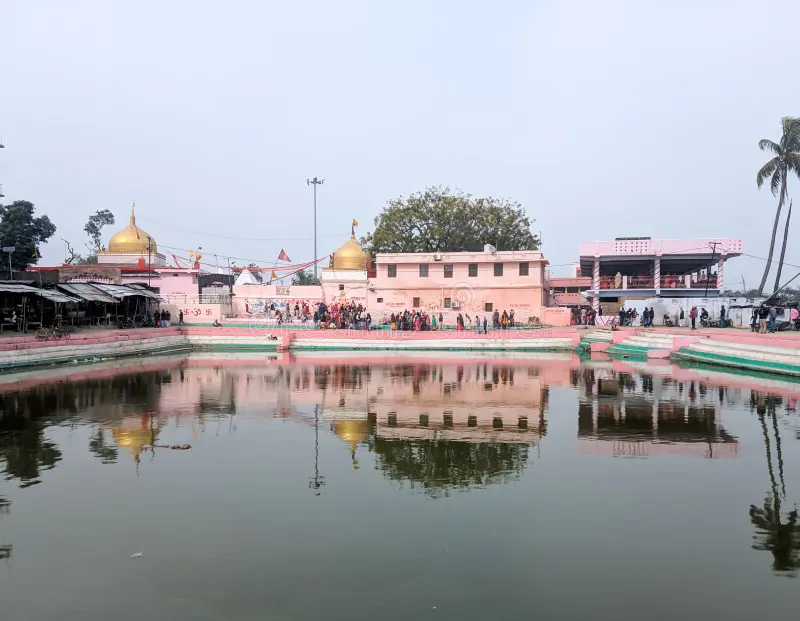
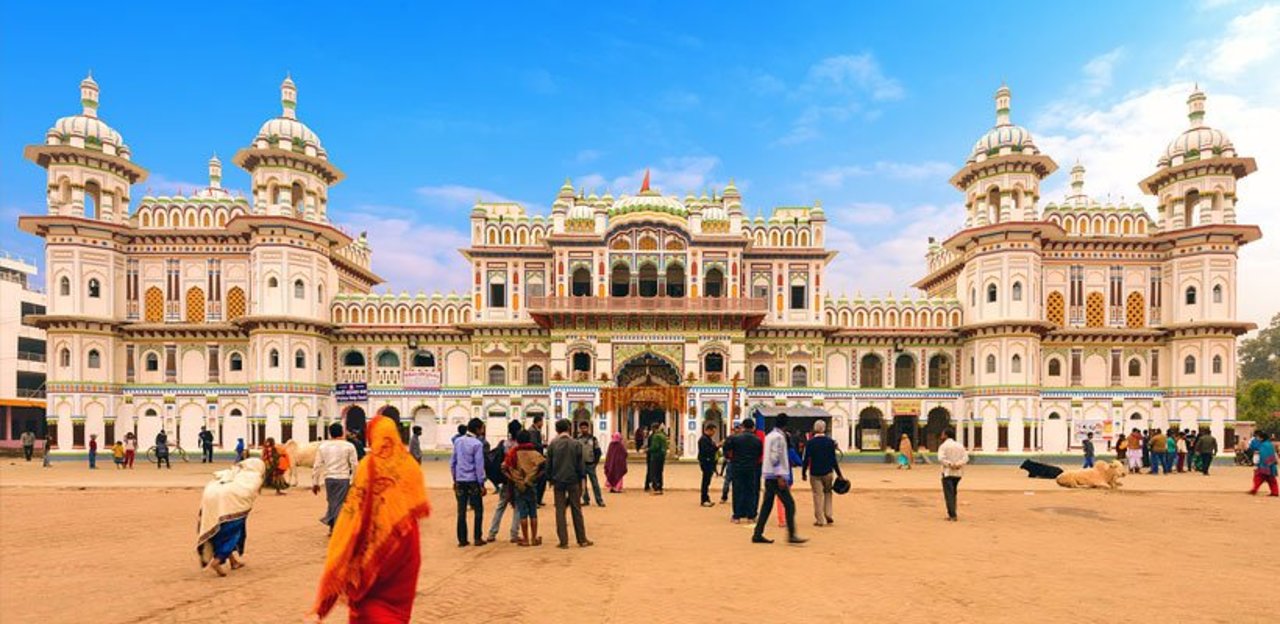
The mythological birthplace of Goddess Sita, with temples like Janaki Kund and Punaura Dham.
Mithila Region
The cultural heartland of Bihar, Mithila is globally famous for its vibrant and intricate folk art, Madhubani or Mithila painting. This region, with Darbhanga and Madhubani as key centers, is the mythological birthplace of Goddess Sita. The art form, traditionally done by women on walls and floors, now adorns canvases and textiles worldwide, depicting mythological themes and natural motifs.
The area is also known for its unique Maithili language, cuisine, and festivals. It offers a deep dive into a living, rich cultural heritage.
Gandak River Barrage
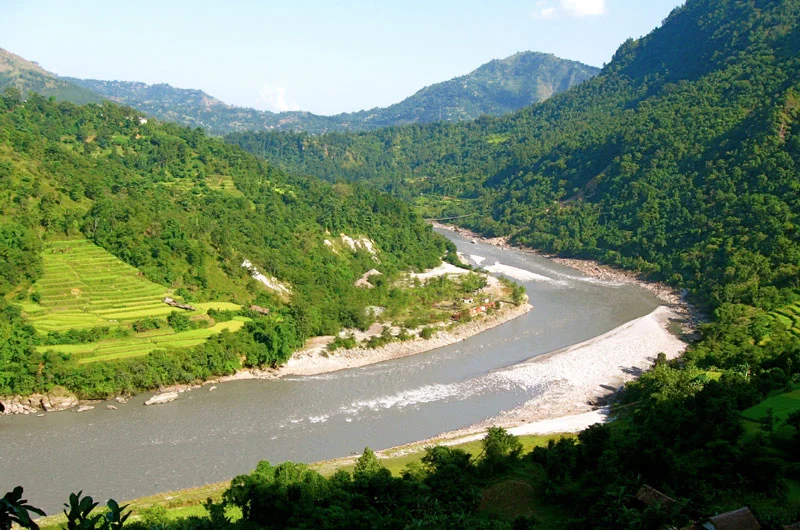
Also known as the Triveni Canal Project, this major barrage is built across the Gandak River near the Indo-Nepal border at Valmikinagar. It is a critical infrastructure project for irrigation and hydropower generation, benefiting both India and Nepal. The site is impressive for its scale and the engineering feat of harnessing the river’s flow.
The reservoir and canals create a distinctive landscape and support local agriculture. It is a significant example of cross-border cooperation and regional development.