¤ 10+ minutes Read
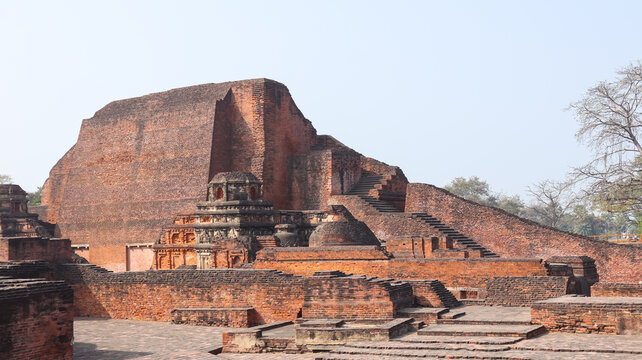
Nalanda, a name that resonates with the pursuit of knowledge, is one of the most prestigious ancient centers of learning in the world. Located in Bihar, its history spans centuries, attracting scholars from as far away as Tibet, China, Korea, and Central Asia. Today, it stands as a monumental archaeological site, a testament to a glorious intellectual and spiritual heritage that captivates historians, Buddhists, and travelers from across the globe.
Wiki Link: Nalanda wiki page
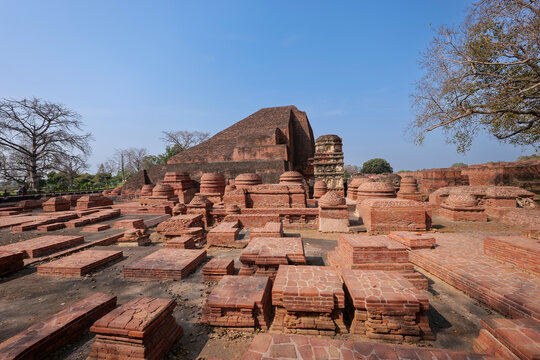
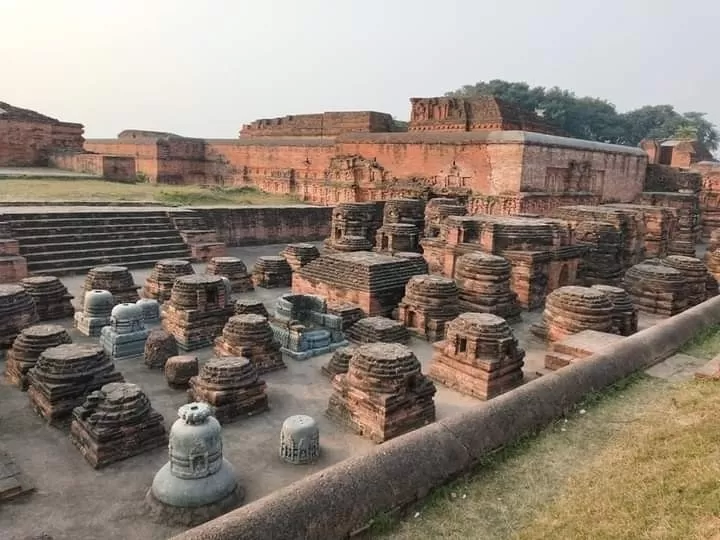
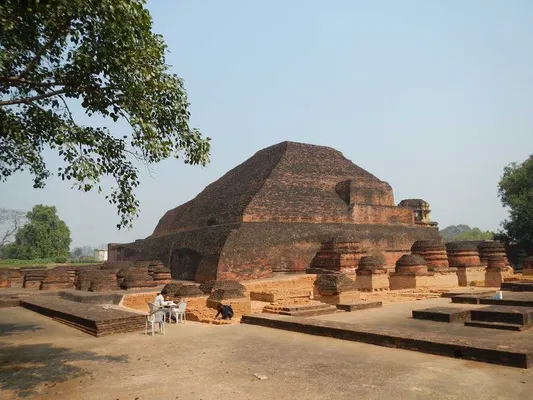
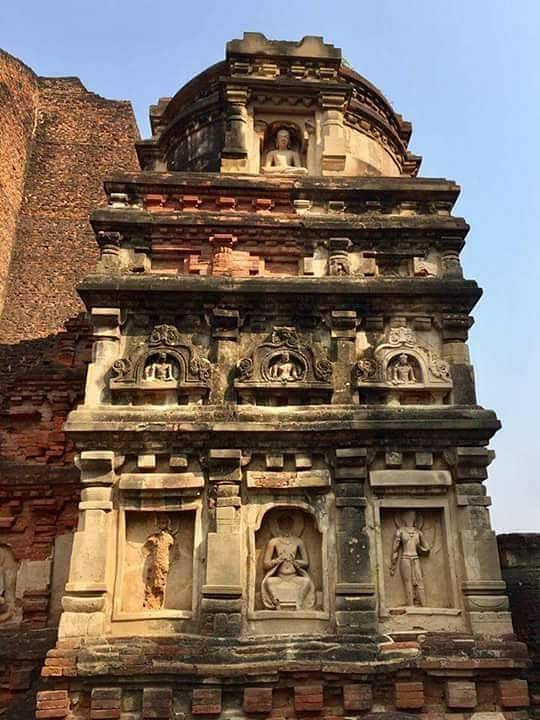
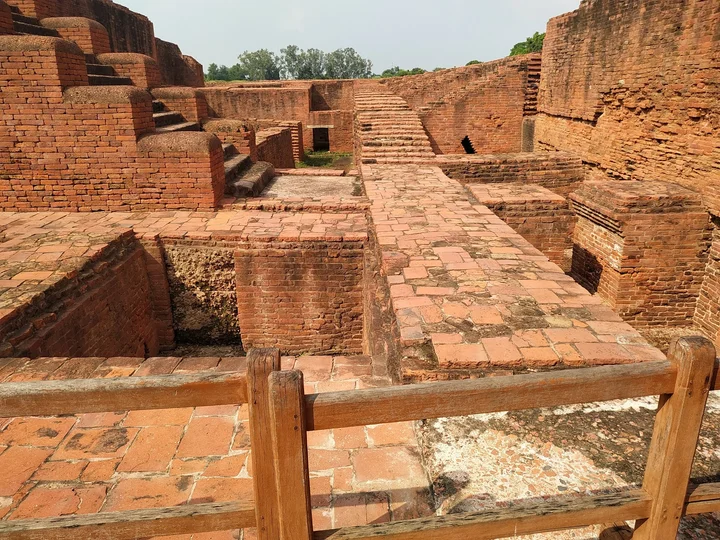
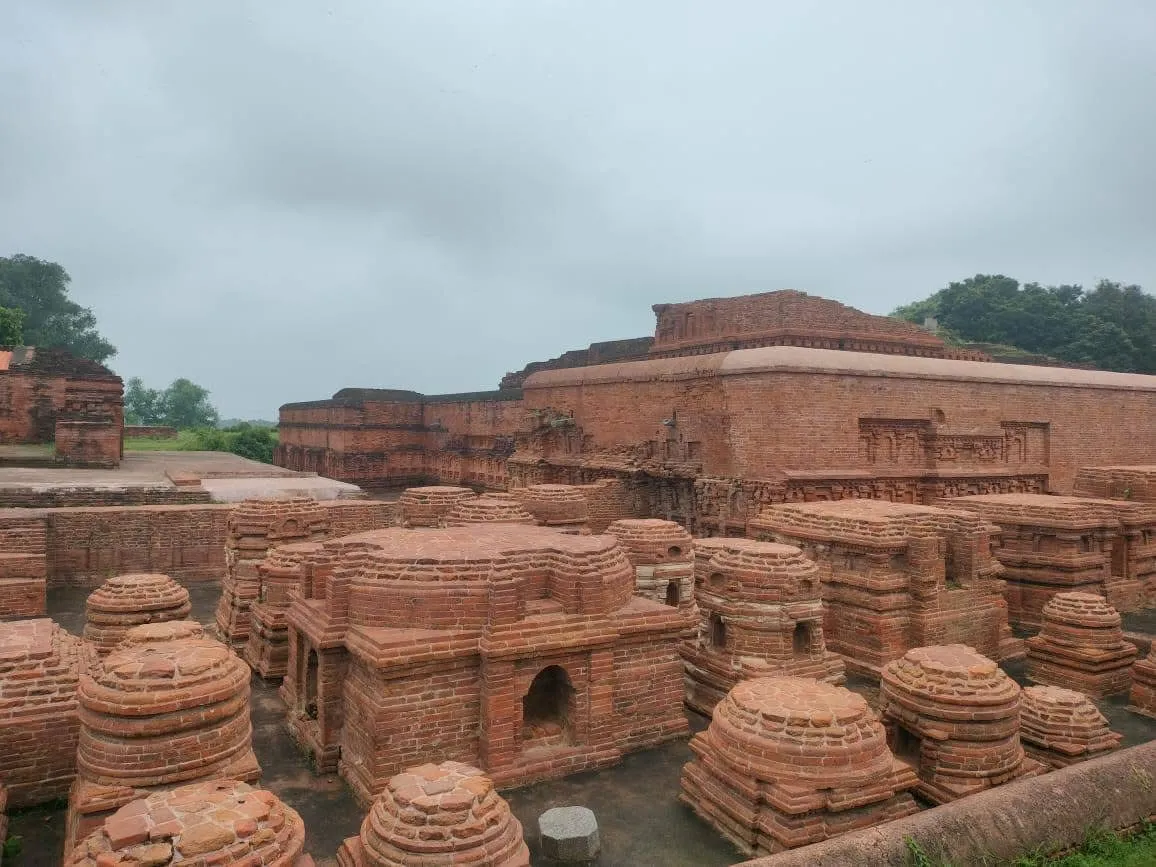
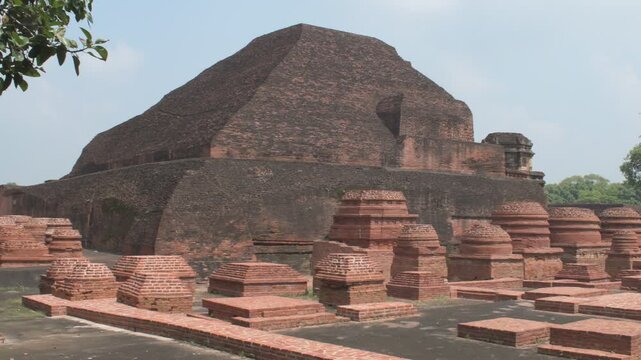
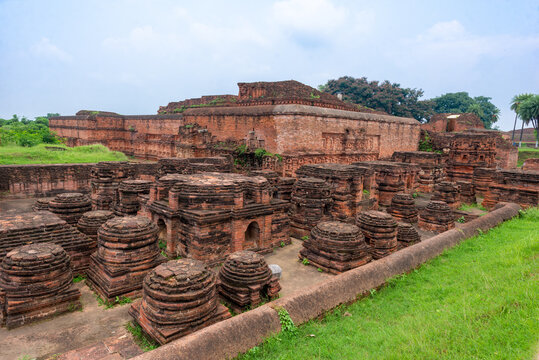
A UNESCO World Heritage Site, this sprawling complex features impressive stupas, monasteries, and temples showcasing ancient scholarly grandeur.
Located near the ruins, this museum houses remarkable artifacts including Buddha statues, ancient seals, inscriptions, and terracotta figurines.
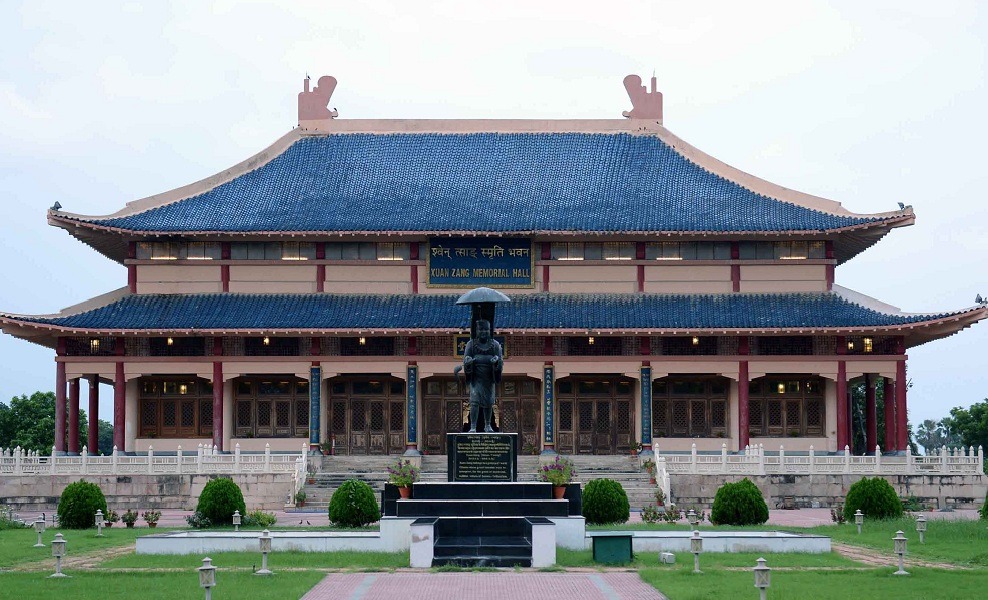
A memorial dedicated to the famous Chinese scholar whose detailed accounts remain crucial to understanding the university’s history.
A modern institute for Pali and Buddhist studies, established to revive the ancient legacy of learning and research.
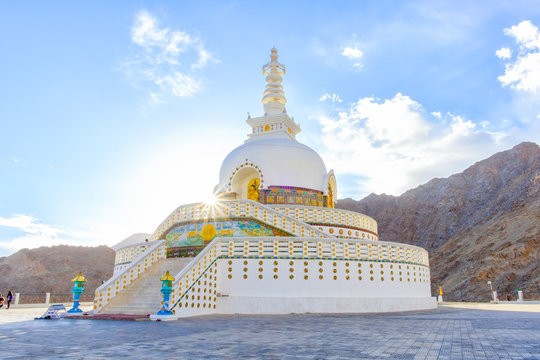
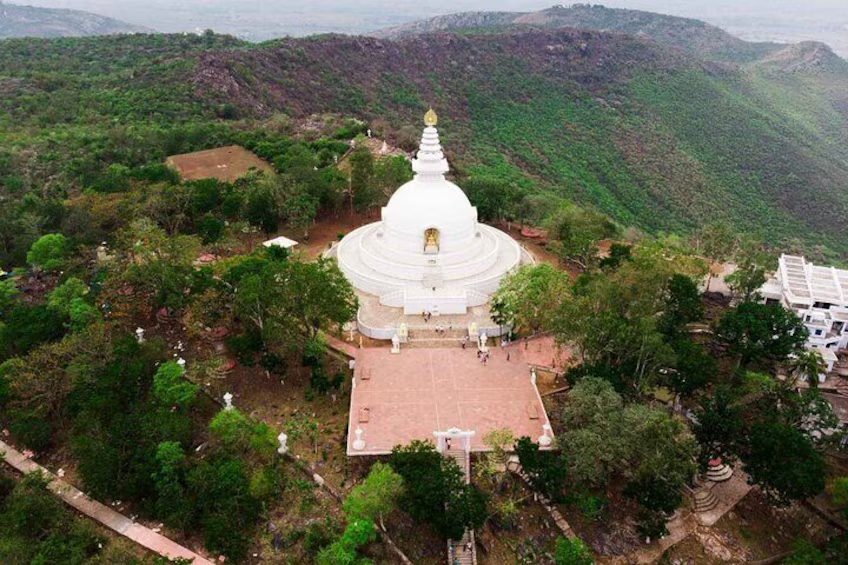
A short drive away, this ancient Magadha capital features the Vishwa Shanti Stupa, hot springs, and Griddhakuta Peak.
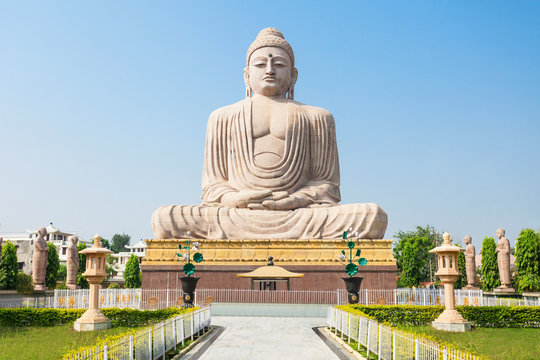
One of the holiest Buddhist sites, where Lord Buddha attained enlightenment under the Bodhi Tree at the Mahabodhi Temple.
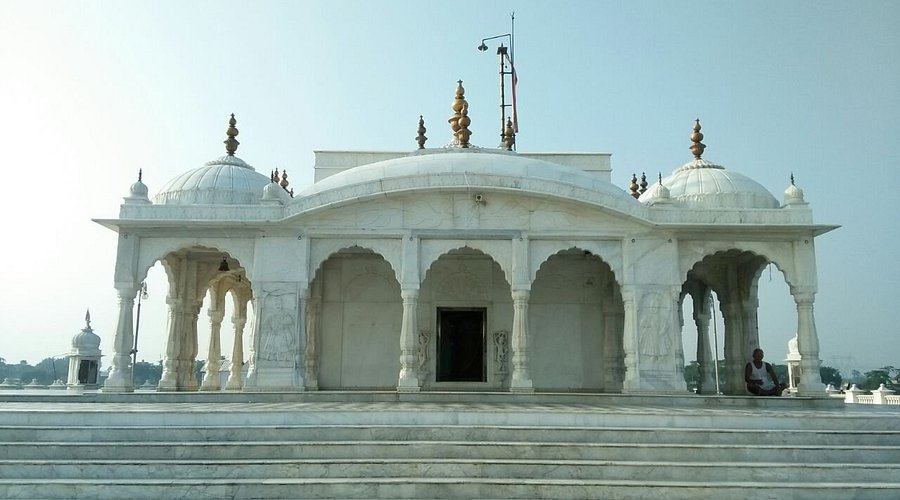
A sacred Jain site where Lord Mahavira attained Nirvana, featuring the stunning Jal Mandir in a lotus-filled pond.
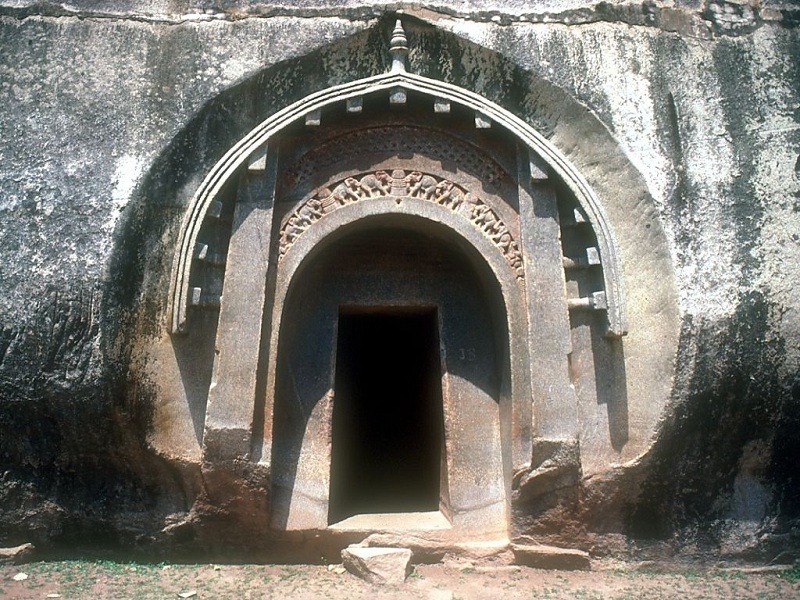
The oldest surviving rock-cut caves in India, dating back to the Mauryan period with polished interiors and Ashokan inscriptions.
Experience the profound spiritual and historical essence of this ancient land. From walking through the ruins of a world-famous university to meditating at sacred sites nearby, Nalanda offers a deeply enriching journey.
Explore the vast expanse of the Nalanda Mahavihara, imagining the vibrant scholarly life that once thrived within its walls.
Enhance your understanding of the site by viewing exquisite statues and artifacts that provide crucial context to the ruins.
Ascend Griddhakuta Peak or visit the Vishwa Shanti Stupa for moments of peace in Buddha’s sacred land.
Take a trip to Pawapuri to experience the tranquility of the Jal Mandir and its serene spiritual atmosphere.
Nalanda was not just a center for theology and philosophy but also a vibrant hub for the arts. Its legacy is deeply interwoven with the Buddhist art of the Pala period, which is renowned for its distinctive style of sculpture and iconography.
Buddhist Chanting
Pali Hymns & Shlokas
Folk Music of Magadh Region
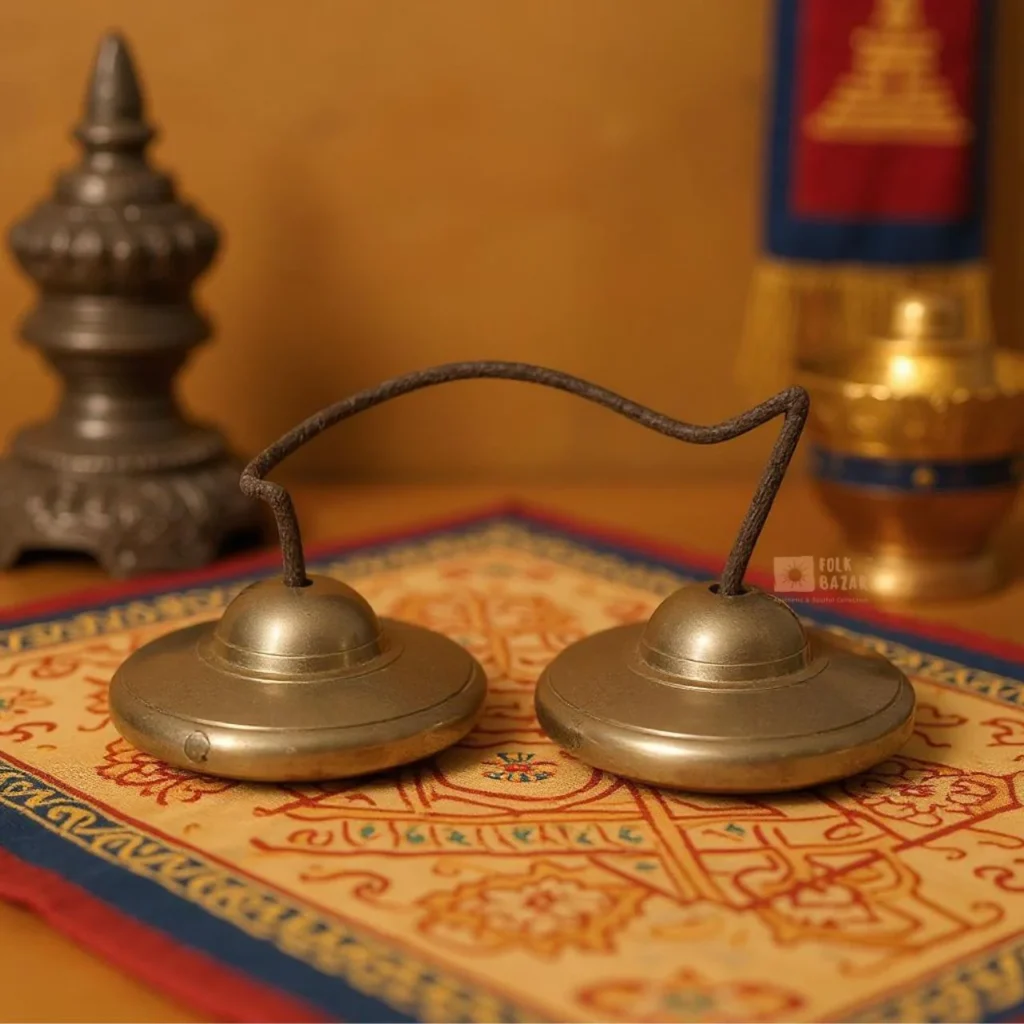
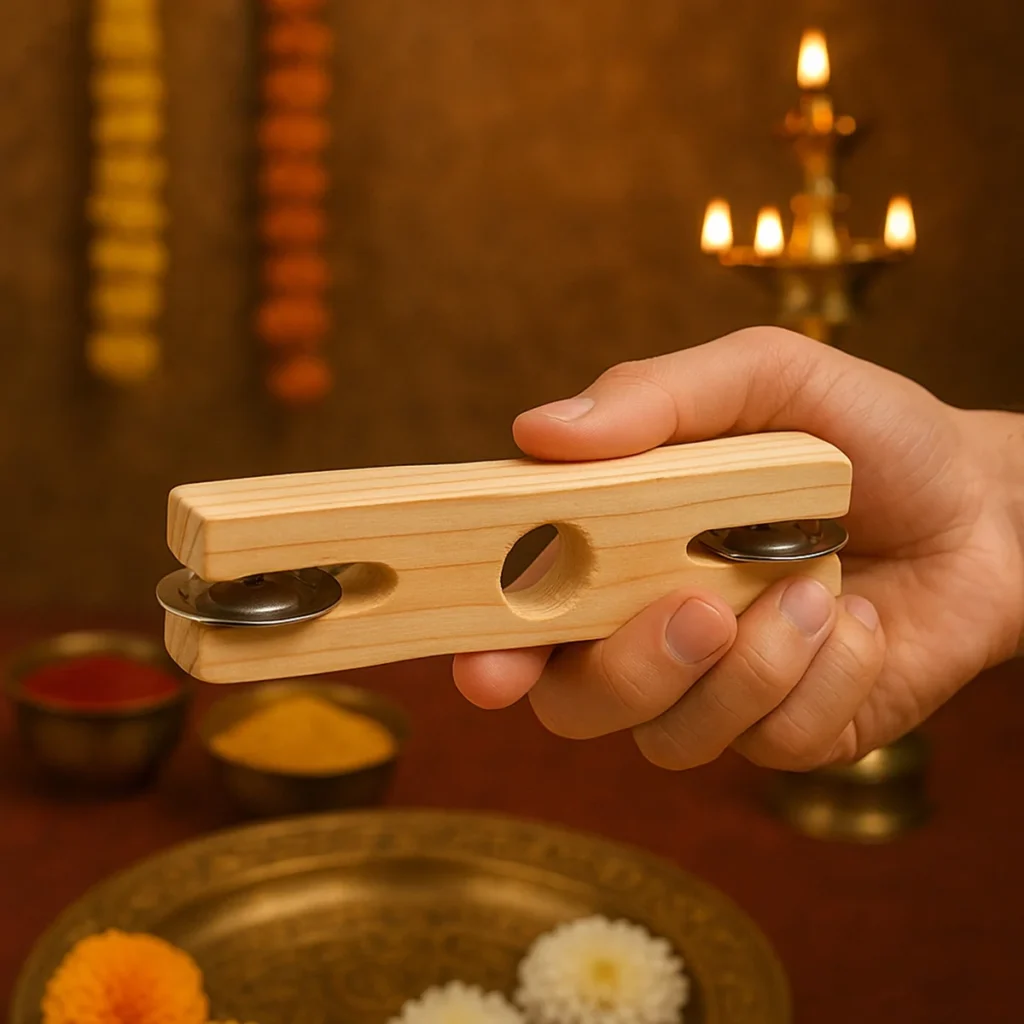
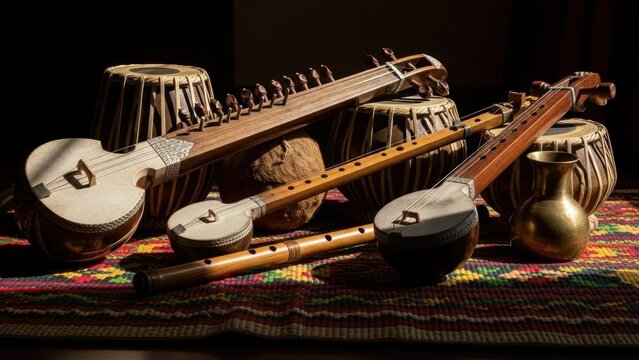
Nalanda is a profound center for Buddhist musical traditions, with soulful chanting of sutras in Pali and Sanskrit forming the core of its spiritual heritage. The region’s sacred music, including hymns and shlokas, is performed in a meditative style that reflects centuries of monastic tradition. Traditional instruments like the singing bowl, bell, and conch shell accompany these recitations, creating an atmosphere of deep tranquility and devotion.
Cham Dance
Folk Dances of Bihar
Traditional Magahi
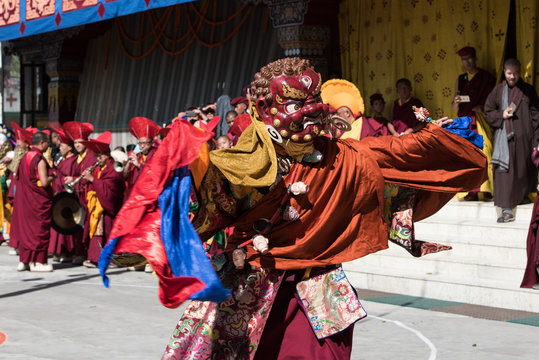
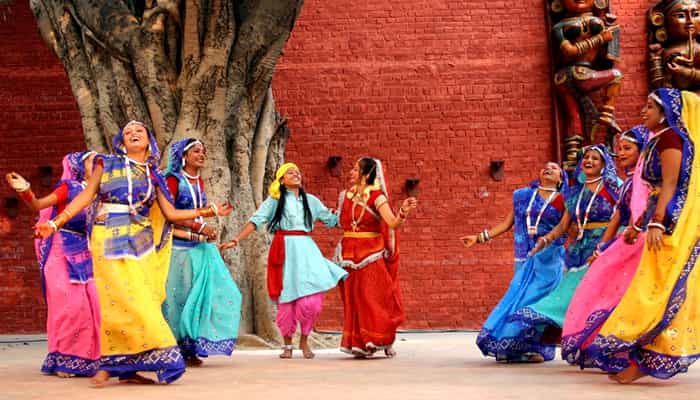
The dance traditions of Nalanda are deeply intertwined with Buddhist ritual practices, with forms like Cham dance featuring vibrant masks and symbolic movements depicting spiritual narratives. Performed during festivals and religious ceremonies, these dances convey teachings of compassion and enlightenment through graceful, meditative gestures. Folk dances from the surrounding Magadh region, including Jat-Jatin and Jhijhiya, also flourish here, celebrating the rhythms of rural life and seasonal traditions.
Nalanda’s essence is one of quiet contemplation and profound history. Unlike the bustling energy of a city like Varanasi, Nalanda offers a more serene atmosphere, centered on its ancient ruins and modern academic institutions. The air is filled with a sense of discovery and the echoes of a time when this place was the intellectual capital of the ancient world. It is a destination for pilgrims of knowledge and peace.
Nalanda’s heritage is primarily that of a Mahavihara (great monastery), which functioned as the world’s first major residential university. Its history spans from the Gupta period (5th century CE) to the Pala period (12th century CE). The architectural style of the ruins, with its red brick structures, monasteries, and stupas, reflects a distinct tradition of Buddhist monastic architecture. Its heritage is not just architectural but also intellectual, representing a golden age of intercultural dialogue and learning.
The cuisine in Nalanda and the surrounding region of Bihar is simple, rustic, and flavorful, focusing on fresh, local ingredients. It’s a paradise for those who enjoy traditional North Indian vegetarian and non-vegetarian fare.
The quintessential Bihari dish featuring roasted wheat flour balls stuffed with sattu, served with spicy mashed vegetables.
A staple breakfast flatbread stuffed with roasted gram flour, herbs, and spices, often served with pickle and curd.
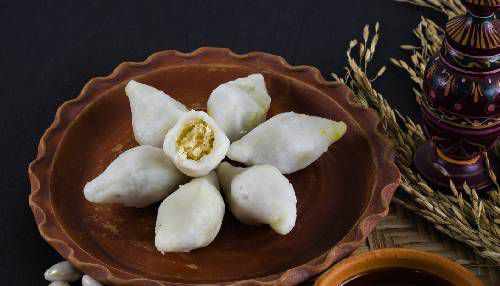
Steamed or fried rice flour dumplings filled with spiced lentils and vegetables, offering a delicious and comforting snack.
A popular sweet treat of layered, flaky pastry deep-fried and soaked in sugar syrup for a crisp texture.
Shopping in Nalanda is centered around religious souvenirs, books on Buddhism, and local handicrafts.
A variety of Buddha and Bodhisattva statues in brass, stone, and wood reflecting the region’s rich artistic heritage.
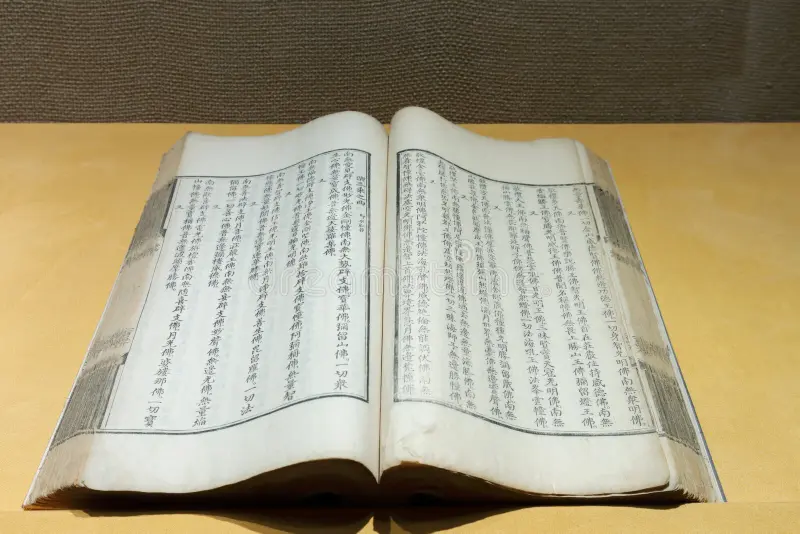
Shops around the ruins and university offer books on Buddhist philosophy, history, and Pali and Sanskrit texts.
A famous regional art form featuring vibrant colors and intricate patterns, often available in local markets.
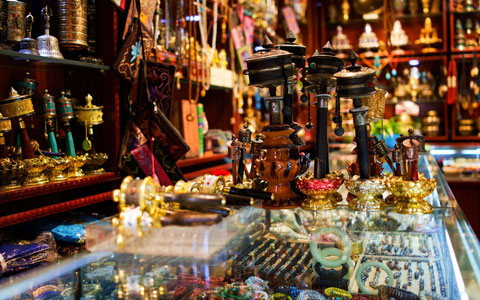
Prayer flags, singing bowls, and other Tibetan crafts available due to nearby Tibetan communities in Rajgir.
The best time to visit Nalanda is from October to March. The winter months offer cool and pleasant weather, with temperatures ranging from 5°C to 25°C, making it perfect for exploring the extensive ruins and nearby sites. The mornings and evenings can be chilly, so carrying light woolens is recommended. The summer months (April-June) are extremely hot, with temperatures soaring above 40°C, making daytime sightseeing difficult. The monsoon (July-September) brings heavy rainfall, which can hinder travel and make the archaeological site muddy and less accessible.
Wear sturdy footwear - The terrain in McLeodganj is hilly and involves climbing many steps and uneven paths, so comfortable, sturdy walking shoes are essential.
Carry warm layers - Even in summer, temperatures can drop significantly in the evenings and at higher altitudes, so keep a light jacket or sweater handy.
Stay hydrated - Carry a water bottle with you, especially during trekking and long walks, to avoid dehydration in the mountain climate.
Protect yourself from the sun - Use sunscreen, sunglasses, and a hat even in winter, as the sun at higher altitudes can be surprisingly strong.
Respect monkeys - Be mindful of monkeys near temples and trekking trails. Avoid carrying food in your hands and do not stare at or attempt to feed them.
Carry basic essentials - Keep a small first-aid kit with band-aids, antiseptic cream, and medicines for common ailments, as pharmacies may not always be readily available.
Nalanda is a small town, and the main archaeological site is compact and best explored on foot. For reaching the site from your hotel or the railway station, auto-rickshaws are the most common and affordable mode of local transport. To visit nearby attractions like Rajgir, Pawapuri, or Bodh Gaya, it is highly recommended to hire a private taxi or cab for the day, as this offers the most flexibility and comfort. Local buses are available but can be crowded and less frequent, especially for tourists.
Hire authorized guides only - Be wary of touts offering "special" trekking guides or tours. Use only registered guides available through official agencies or recommended by your hotel.
Negotiate taxi fares in advance - Always negotiate the fare with taxi or auto-rickshaw drivers before starting your journey, or ask your hotel to help determine a fair price.
Beware of fake monks - Be cautious of individuals posing as monks or lamas asking for donations. Genuine monastic institutions have designated areas for contributions.
Shop from reputable stores - When purchasing thangka paintings, singing bowls, or handicrafts, buy from established shops to ensure authenticity and avoid inflated prices.
Politely decline unsolicited blessings - Avoid individuals offering "free" blessings or rituals that may later come with a demand for a large donation. Offerings should be made at your own discretion.
Avoid unauthorized currency exchange - Do not exchange money with street vendors. Use banks or authorized currency exchange counters for better rates and security.