¤ 10+ minutes Read
Steeped in ancient wisdom and Buddhist heritage, Nalanda – Bihar offers enriching experiences for every traveler. Discover the legendary university ruins, serene stupas, and fascinating museums among the top places to visit in Nalanda. Walk through the historic monastic complex where scholars from across the world once gathered to pursue knowledge. From sacred temples to archaeological wonders, Nalanda captivates with its timeless legacy of learning and spirituality.
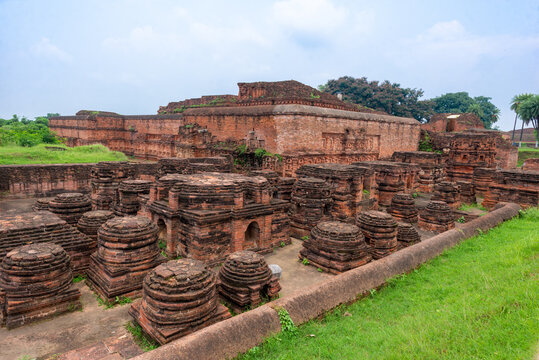
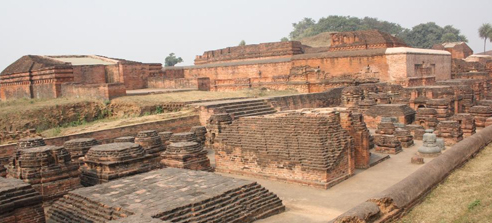
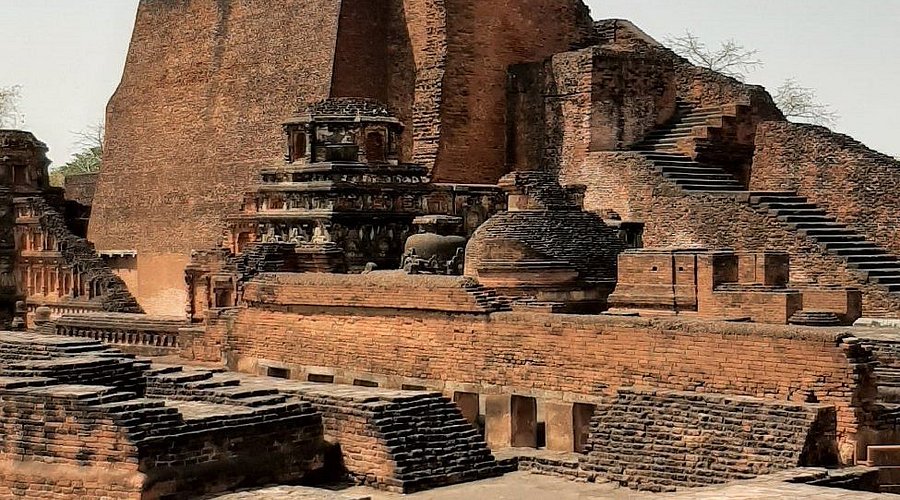
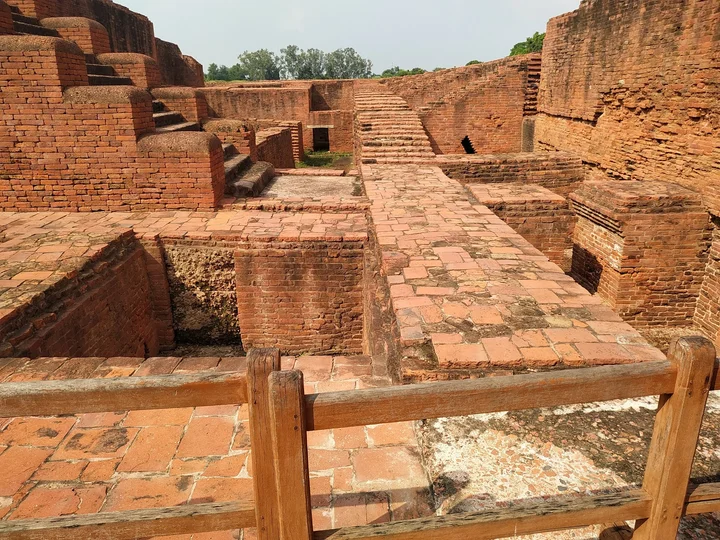
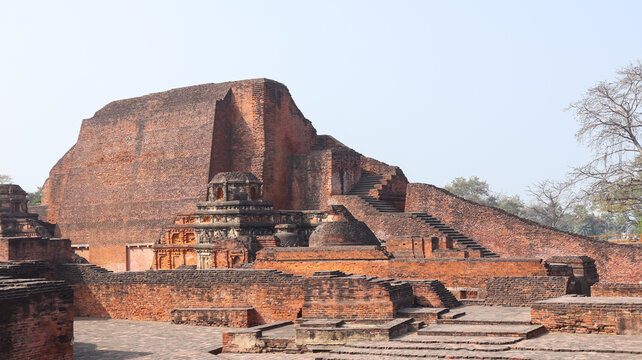
A sprawling UNESCO World Heritage site that preserves the remains of one of the world’s oldest residential universities, dating back to the 5th century BCE. The complex features a systematic layout of monastic cells (viharas) arranged around central courtyards alongside towering stupas and temples, with Temple No. 3 standing as the most prominent stepped structure.
Spread across 14 hectares, these red brick ruins reveal a legacy of over 8 centuries of continuous learning that attracted scholars from across Asia.
A museum housing a remarkable collection of Buddhist and Hindu sculptures, terracotta figurines, and seals excavated from the university ruins.
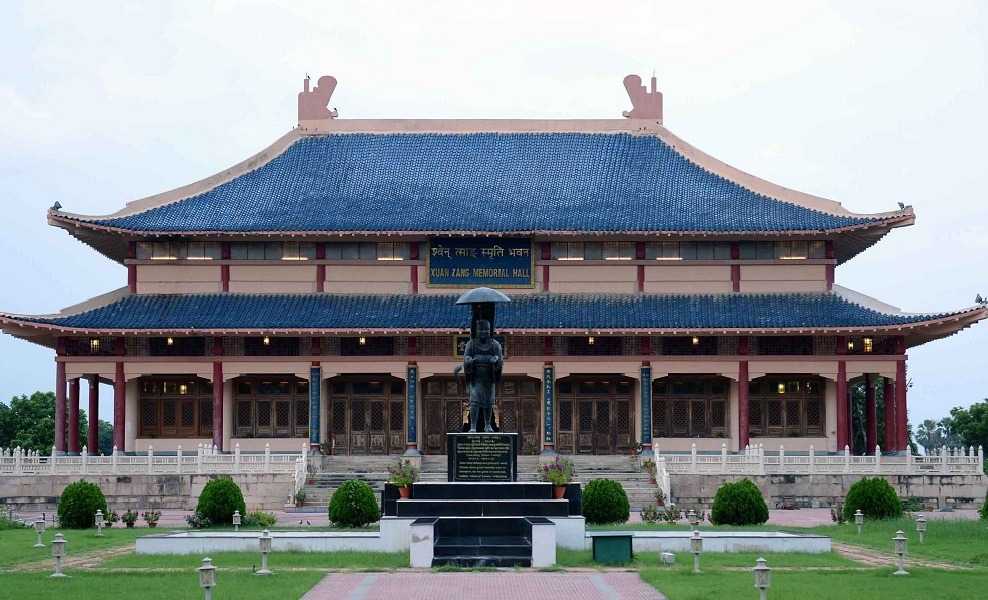
A memorial dedicated to the renowned Chinese pilgrim who studied and taught at Nalanda for over a decade.
A modern institute established to preserve and promote Pali literature and Buddhist studies, continuing the legacy of ancient Nalanda.
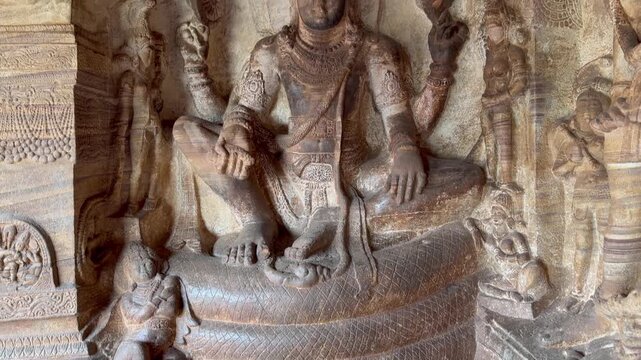
An ancient temple dedicated to the Sun God, featuring a colossal image of Surya carved from black stone.
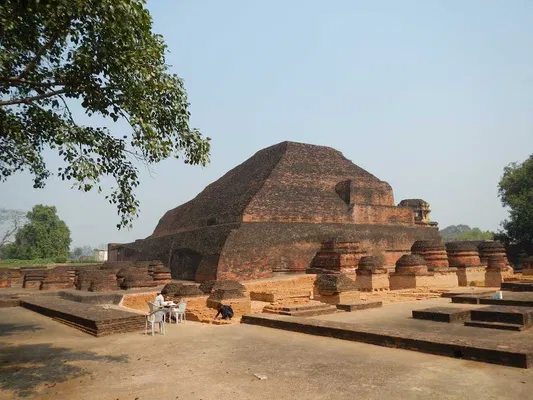
The most revered and prominent stupa within the Nalanda University complex, believed to mark the birthplace and final resting place of Sariputta, one of Lord Buddha’s two chief disciples. This massive structure features multiple terraces and a central stairway, showcasing several layers of construction from different periods spanning the Gupta to the Pala dynasties.
Excavations revealed numerous votive stupas and shrines surrounding the main monument, indicating its significance as a major pilgrimage site for Buddhists throughout history.
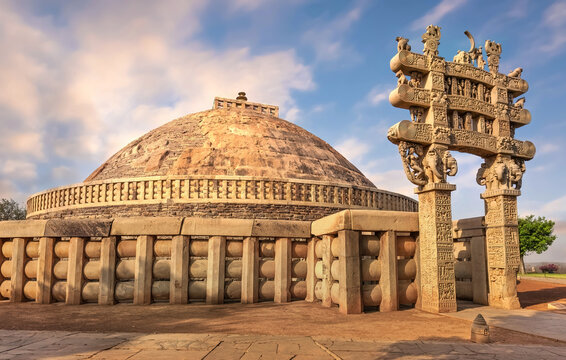
A smaller yet historically significant stupa located near the main Nalanda complex, representing early Buddhist architectural traditions. The structure offers insights into the developmental phases of Buddhist monastic architecture preceding the more elaborate constructions in the main university area.
Its relatively modest scale belies its archaeological importance, providing valuable evidence of the gradual evolution of stupa design and Buddhist worship practices in the region.
A modern museum offering interactive digital displays and 3D recreations of the ancient university in its prime.
The tallest structure within the ruins, a massive stepped temple that represents several layers of construction spanning multiple centuries.
Row upon row of monks’ residential quarters arranged around central courtyards, showcasing the organized layout of the ancient university.
An ancient city encircled by five sacred hills that served as the first capital of the Magadha kingdom and holds immense significance for both Buddhists and Jains. The town served as a favorite retreat for Lord Buddha, who delivered several important sermons at Griddhakuta Peak, while also being the site where Lord Mahavira spent many years preaching Jainism.
Today, Rajgir blends its rich spiritual heritage with modern attractions like a ropeway to the Peace Pagoda and natural hot springs believed to have healing properties.
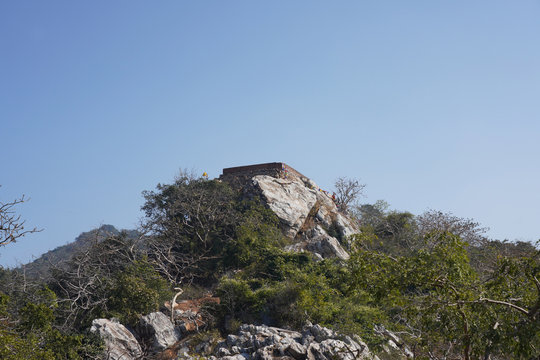
A sacred hill in Rajgir where Lord Buddha delivered many important sermons, accessible by a scenic ropeway.
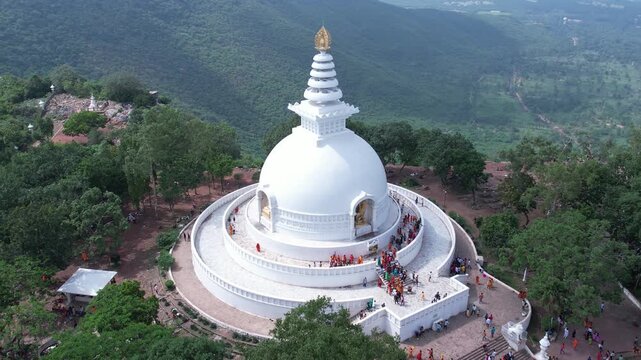
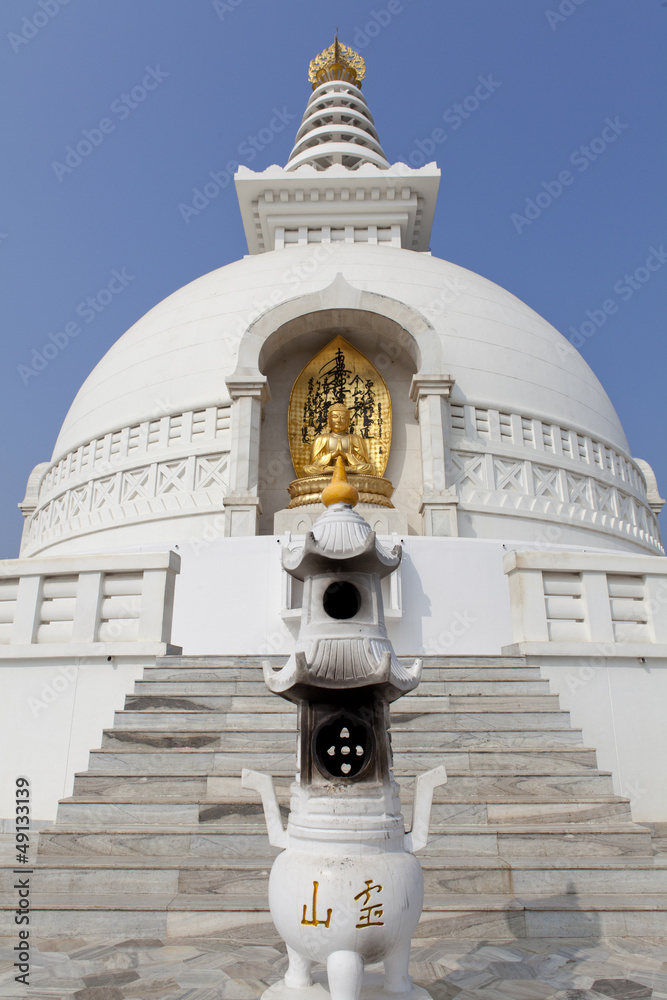
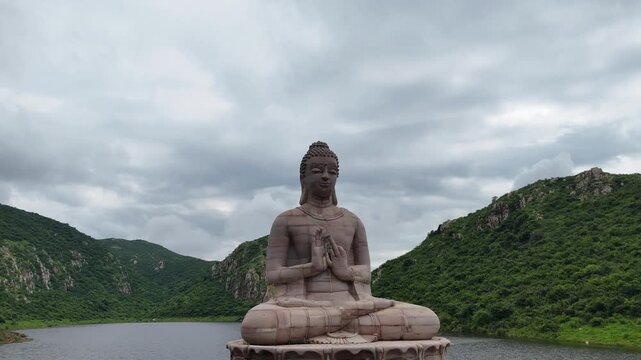
A gleaming white Japanese-built stupa atop a hill in Rajgir, offering panoramic views and promoting world peace.
The first Buddhist monastery, gifted by King Bimbisara to Lord Buddha for meditation and retreat.
An ancient site believed to be the wrestling arena of the legendary king Jarasandha, featuring a natural cave structure.
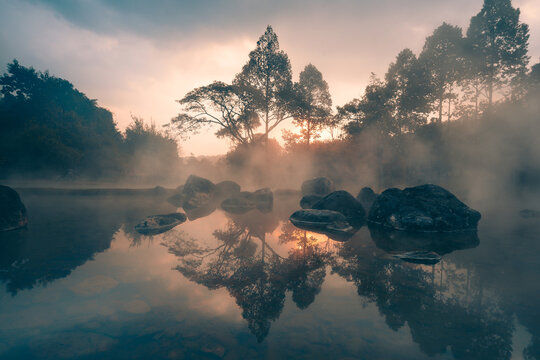
A series of sacred sulfur hot springs located in the heart of Rajgir, revered for their medicinal properties and spiritual significance dating back to ancient times. The waters naturally maintain a temperature of approximately 45°C (113°F) and are believed to cure various skin ailments and rheumatic conditions, drawing both pilgrims and health seekers throughout the year.
These springs are housed within a modern covered complex while preserving the ancient bathing ghats, with local legend associating them with the legendary king Jarasandha.
The ruins of an ancient fort built by King Ajatshatru, offering historical insights and panoramic views of the Rajgir valley.
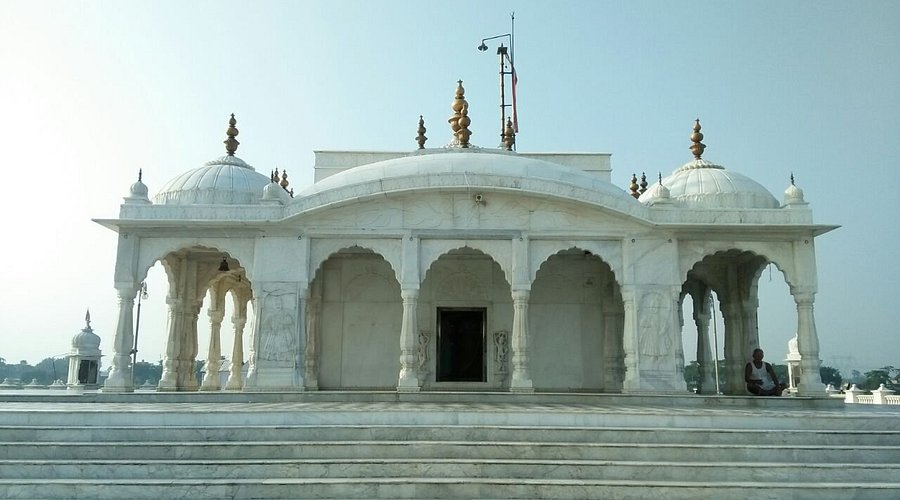
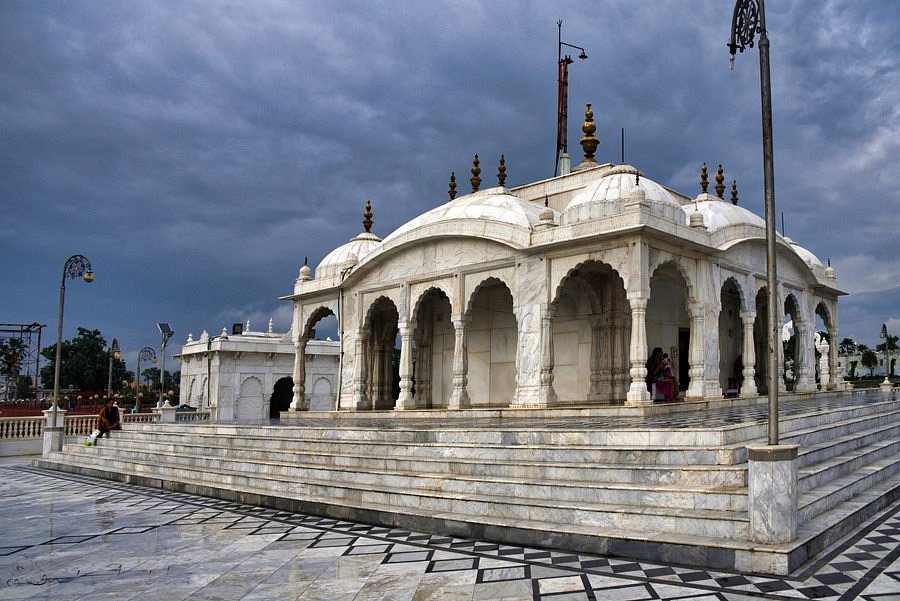
A holy Jain pilgrimage site where Lord Mahavira attained nirvana, featuring the stunning Jal Mandir surrounded by a lotus-filled pond.
A marble temple in Pawapuri set in the middle of a serene water tank, marking the cremation site of Lord Mahavira.
A picturesque natural lake nestled in a bowl-shaped depression between two verdant hills in Rajgir, offering a tranquil escape from the pilgrimage sites. The lake derives its name from its unique shape resembling a horse’s hoof (ghora meaning horse, katora meaning bowl) and has been developed into a popular recreational spot with boating facilities.
Surrounded by lush greenery and accessible via a scenic approach road, it serves as an ideal location for picnics and enjoying the natural beauty of the Rajgir valley.
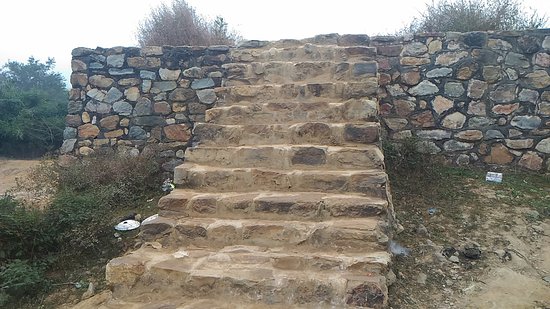
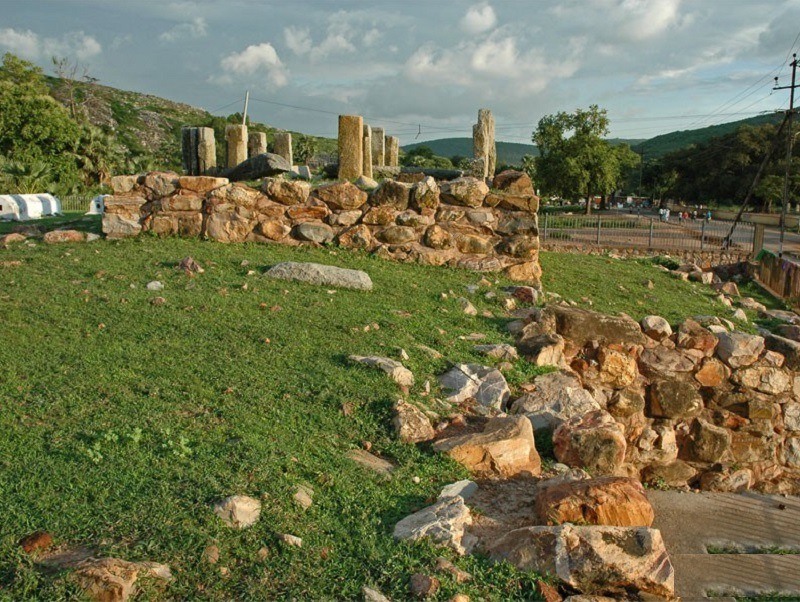
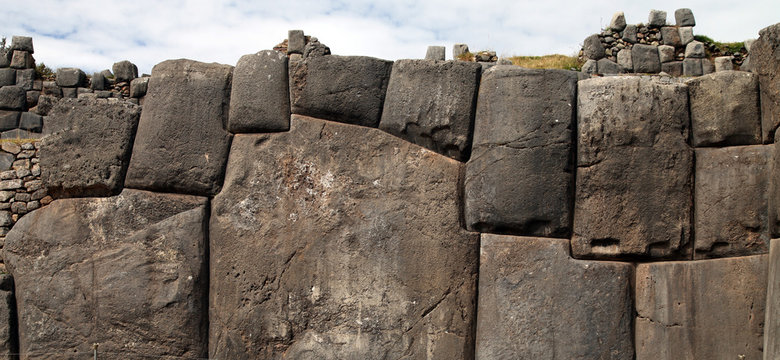
An ancient megalithic stone wall stretching over 40 kilometers around Rajgir, constructed using massive undressed stones without any mortar, dating back to the pre-Mauryan era. The wall’s name derives from the Greek legend of the Cyclops, referencing the enormous stone blocks that were expertly fitted together to create a formidable defensive fortification.
Standing at an average height of 4 to 5 meters in surviving sections, this architectural marvel encircled the ancient capital of Magadha and remains a testament to early Indian engineering capabilities.