
Rituals in Bihar
Rituals in Bihar are profoundly spiritual, weaving ancient Vedic traditions into the fabric of daily life. These sacred customs mark every life transition, from the sun-centric devotion of Chhath Puja to the ancestral rites at Gaya, uniting communities in vibrant celebration and solemn remembrance, thus preserving a timeless cultural heritage for future generations.
Life Event Rituals
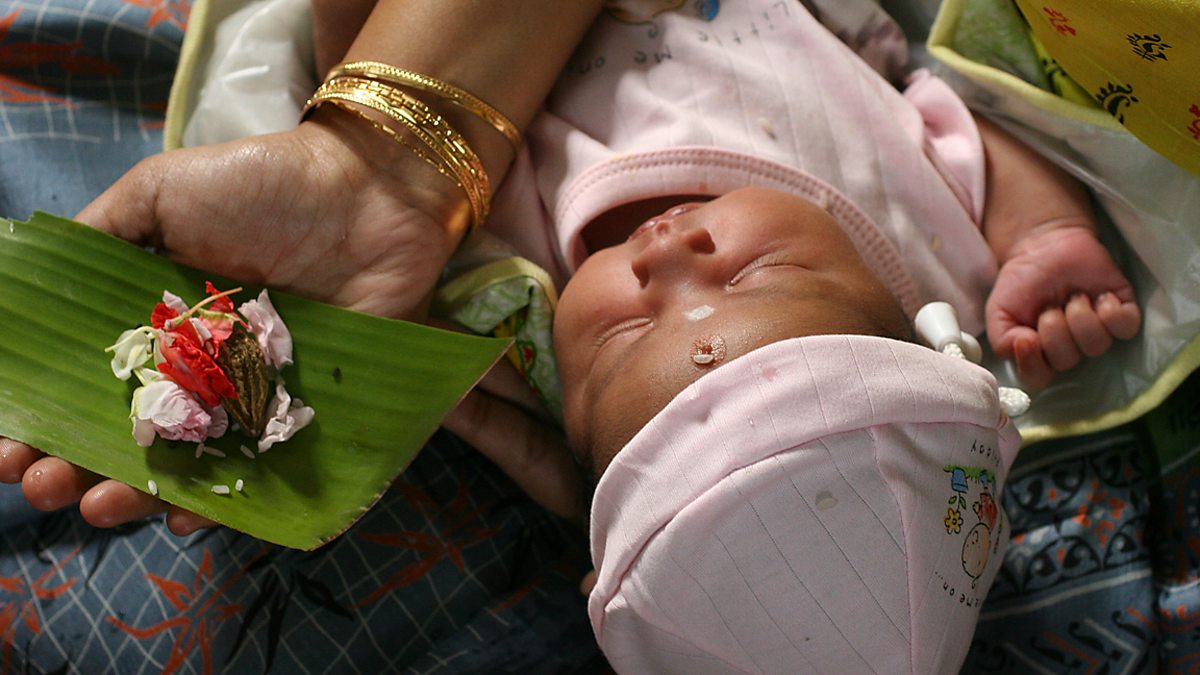
Birth Ceremonies (Janam Sanskar)
Traditional rituals performed from birth to early childhood, blending Vedic practices with Bihari folk customs.Rooted in Vedic traditions, where land and houses carried past karmic influences. Purification was considered essential to ensure the well-being of residents.
How is it done?
- Jatakarma (Birth Ritual) – The father welcomes the newborn by feeding a drop of honey and ghee with Vedic mantras.
- Namkaran (Naming Ceremony) – On the 11th day, the name is whispered in the baby’s ear and written on a plate of rice.
- Annaprashan (First Rice Feeding) – At 6 months, the baby’s first solid food (kheer or rice) is fed by the maternal uncle.
- Mundan (First Haircut) – The head is shaved completely, usually at a temple or during a pilgrimage, with hair offered to a river.
- Karnavedha (Ear Piercing) – Performed on auspicious days, often with gold wires, for health and spiritual awakening.
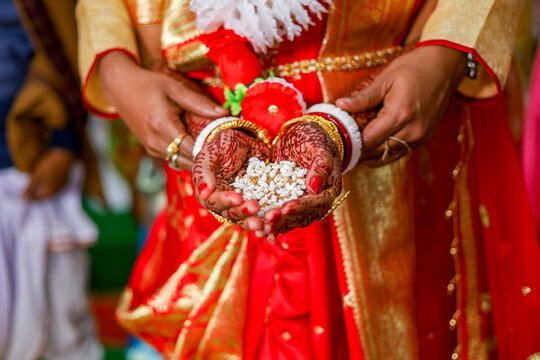
Wedding Rituals (Vivah Sanskar)
A multi-day celebration with distinct Maithil, Bhojpuri, and Magahi traditions, emphasizing family honor and Vedic customs.
How is it done?
- Tilak/Tel Chadhai – The groom’s family visits the bride’s home with gifts, applying tilak and oil to the groom.
- Haldi Ceremony (Pithi) – Turmeric paste is applied to both bride and groom in their respective homes by married women.
- Madhuparka & Janev – The groom is welcomed at the bride’s home and wears the sacred thread if performing a Vedic wedding.
- Kanyadaan & Saptapadi – The father gives away the bride, followed by seven steps around the sacred fire with vows.
- Vidaai & Griha Pravesh – The bride departs with puffed rice thrown over her, then enters her new home by kicking a rice pot.
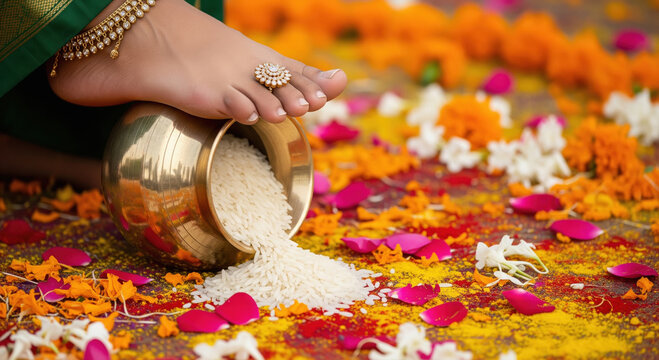
Housewarming (Griha Pravesh)
Purification rituals for a new home, ensuring prosperity and warding off negative energies.
How is it done?
- Vastu Puja – Worship of Vastu Purusha with offerings in all eight directions of the house.
- Ganapathi & Navagraha Puja – Invoking Ganesha and the nine planets for obstacle removal and cosmic balance.
- Kalash Sthapana – Installing a sacred pot filled with water, mango leaves, and coconut at the entrance.
- Havan (Sacred Fire) – Performing a fire ceremony with ghee and herbs to purify the atmosphere.
- First Cooking (Anna Pravesh) – Cooking milk and rice until it overflows, then sharing the first meal with neighbors.
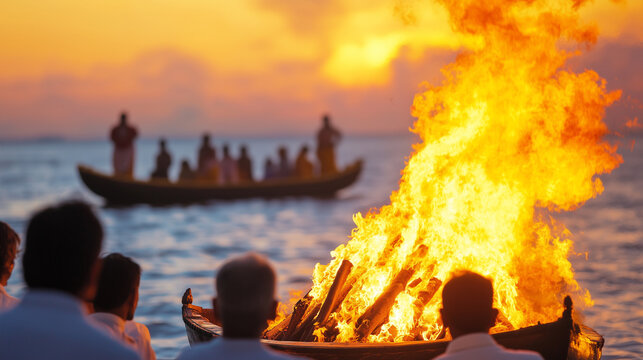
Post-Death Rituals (Antyesti & Shraddha)
Elaborate rites to guide the soul to peace, observed with strict adherence to timings and offerings.
How is it done?
- Antyesti (Cremation) – The body is washed with Ganga water, wrapped in white, and cremated with the eldest son lighting the pyre.
- Ashes Immersion (Asthi Visarjan) – Ashes are collected on the third day and immersed in the Ganges, preferably at Patna or Gaya.
- Terahvin (13th Day Ritual) – A major ceremony where Brahmins are fed and the soul is formally released to the ancestral world.
- Pind Daan – Offering rice balls at Gaya or other pilgrimage sites to ensure the soul’s transition.
- Annual Shraddha – Yearly offerings of food and water (Tarpan) performed during Pitru Paksha.
Spirit Worship ritual
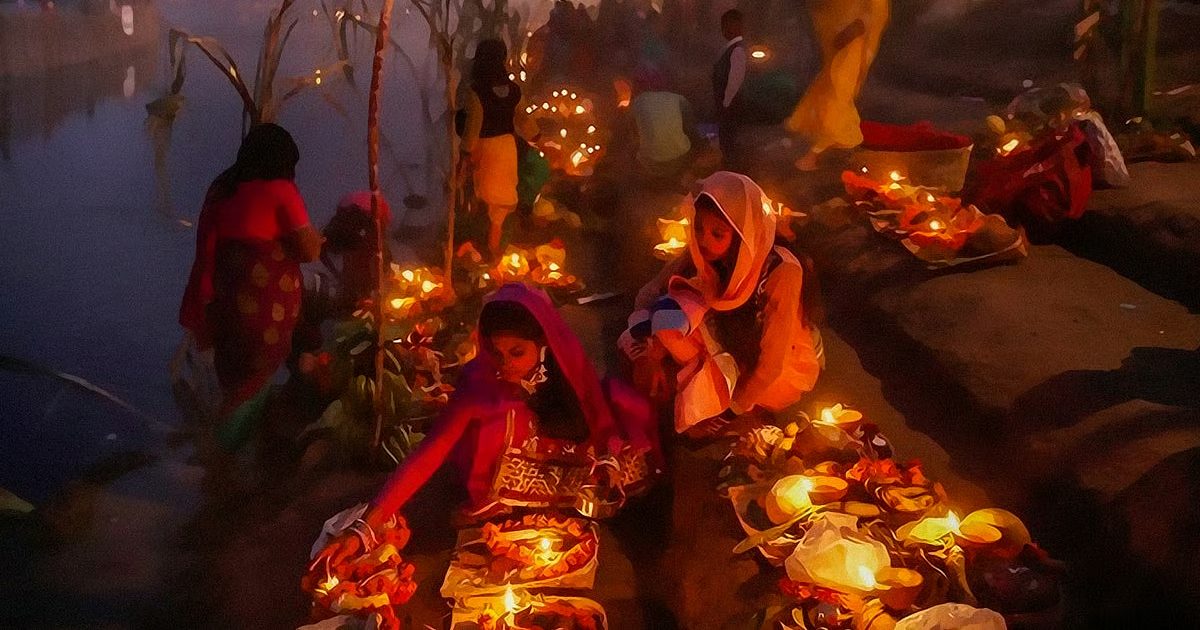
Daily Worship (Nitya Puja)
Household spiritual practices centered on family deities and local gods.
How is it done?
- Morning Choupal Puja – Offering water, flowers, and incense to the Tulsi plant and household deities.
- Ganga Jal Offering – Sprinkling water from the Ganges in prayer areas and drinking a few drops.
- Evening Diya (Lamp) – Lighting an earthen lamp at the home shrine and reciting evening prayers (Sandhya).
- Bhajan/Kirtan – Family gatherings for devotional singing, especially on Thursdays (Guruvar) or Saturdays (Shanivar).
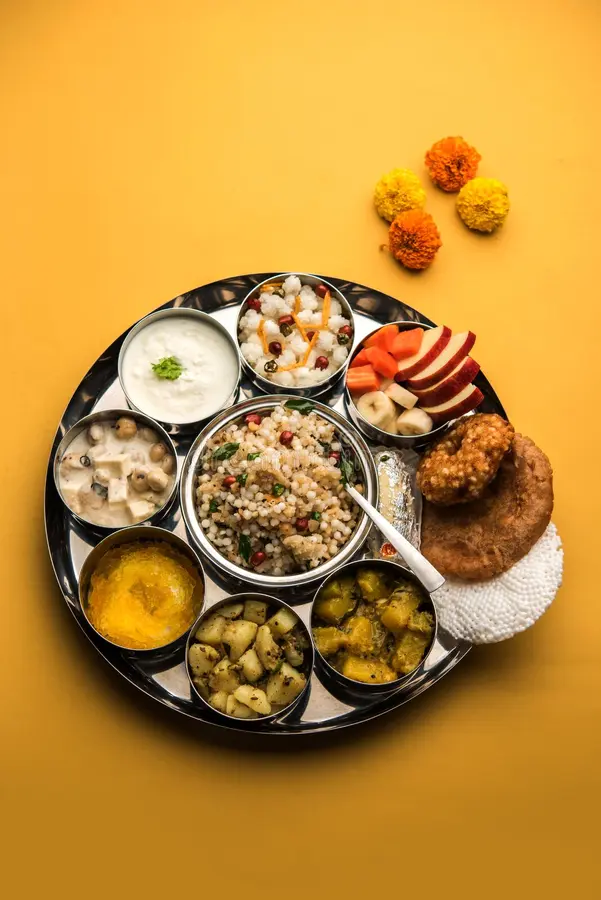
Vows & Fasting (Vrat/Upvas)
Religious fasts observed for specific deities, health, or fulfillment of wishes.
How is it done?
- Monday Fast (Somvar Vrat) – For Lord Shiva, consuming only fruits or one meal after sunset.
- Friday Fast (Santoshi Mata Vrat) – Observed by women for family happiness, with stories read and sweet offerings.
- Chhath Vrat – A rigorous 36-hour fast without water, honoring the Sun God for family well-being.
- Breaking the Fast (Paran) – Ending the fast at an astrologically determined time after offering food to the deity.

Personal Devotion (Sadhana)
Individual spiritual practices including meditation, mantra, and pilgrimage preparation.
How is it done?
- Mantra Japa – Repeating sacred chants using a rudraksha or tulsi mala, often 108 times.
- Guru Purnima Rituals – Worshiping one’s teacher with offerings, foot washing, and seeking blessings.
- Deity-Specific Sadhana – Special prayers and offerings for Kuldevta (family deity) or Gramdevta (village deity).
- Pre-Pilgrimage Observances – Maintaining purity, eating simple food, and praying before journeys to sacred sites.
Folk Festivals
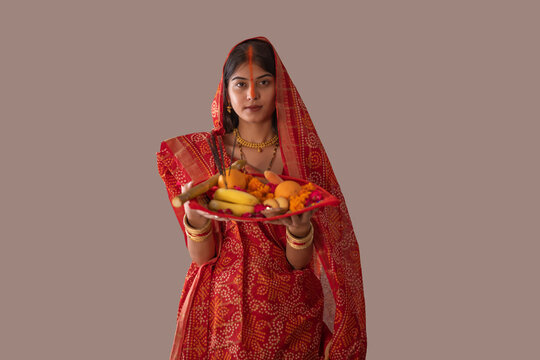
Chhath Puja
Bihar’s most iconic festival, dedicated to the Sun God (Surya) and Chhathi Maiya.
How is it done?
- Nahay Khay (Day 1) – Devotees take a holy dip and prepare a satvik meal of pumpkin curry and rice.
- Kharna (Day 2) – A day-long fast broken after sunset with kheer and roti, which is then shared as prasad.
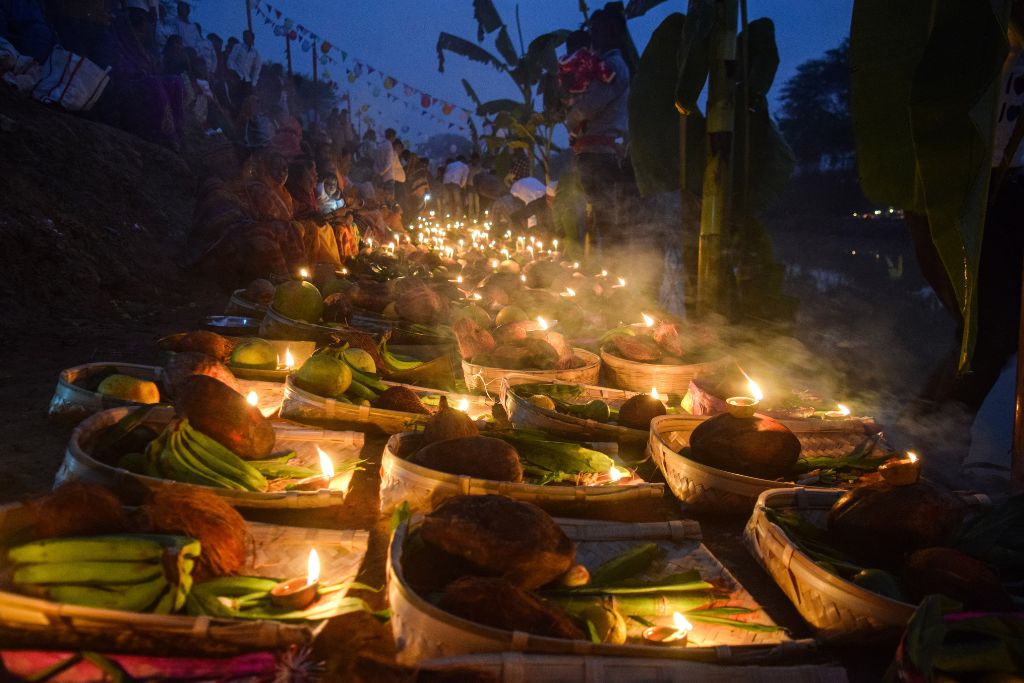
- Sandhya Arghya (Day 3) – Evening offerings to the setting sun while standing in water, with fruits in bamboo baskets.
- Usha Arghya (Day 4) – Pre-dawn offerings to the rising sun, followed by breaking the fast with prasad distribution.
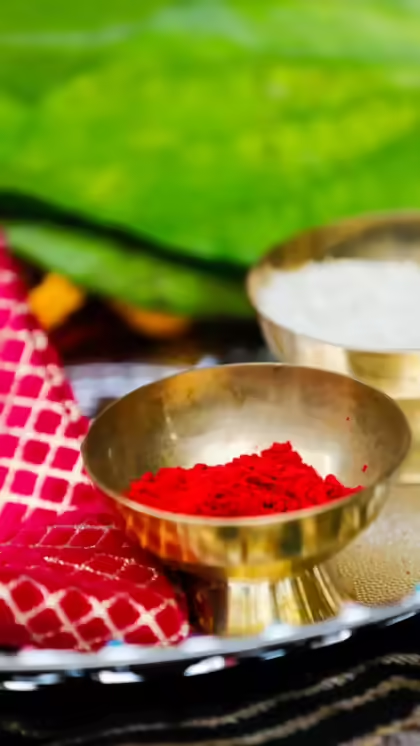
Teej (Haritalika)
A women’s festival celebrating marital bliss and the monsoon season.
How is it done?
- Fasting (Nirjala Vrat) – Married women observe a strict fast without water for their husband’s longevity.
- Swings (Jhoola) – Women dress in green, adorn swings, and sing traditional Teej songs.
- Applying Mehndi – Intricate henna designs applied on hands and feet.
- Shiva-Parvati Puja – Worshiping clay idols of the divine couple and hearing the Teej katha.
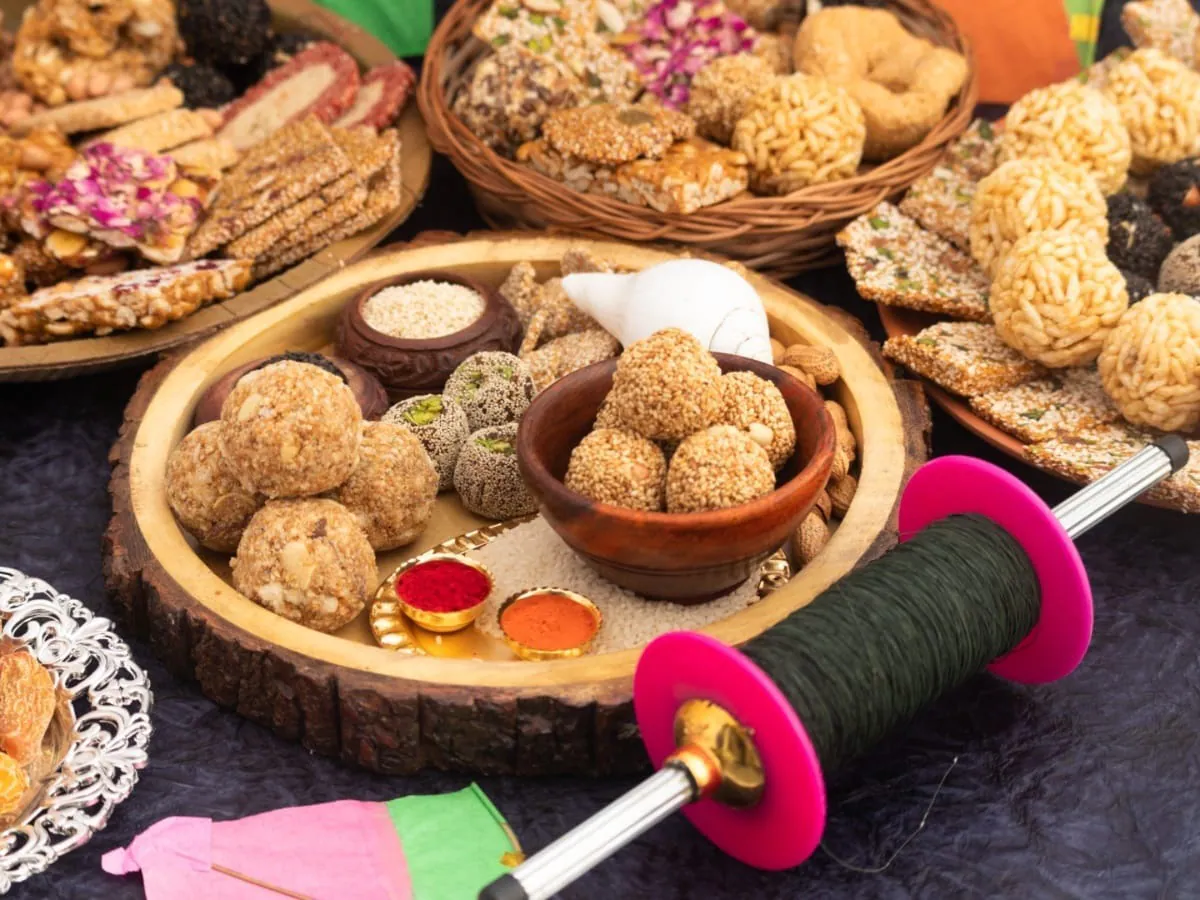
Makar Sankranti (Khichdi Parv)
The harvest festival marking the sun’s entry into Capricorn.
How is it done?
- Holy Dip (Snan) – Bathing in the Ganges, especially at Patna, Bhagalpur, or Munger.
- Khichdi Preparation – Cooking and donating a special dish of rice, lentils, and vegetables.
- Til-Gur Exchange – Sharing sweets made of sesame and jaggery as a symbol of sweetness.
- Donation (Daan) – Giving blankets, grains, and utensils to the poor.
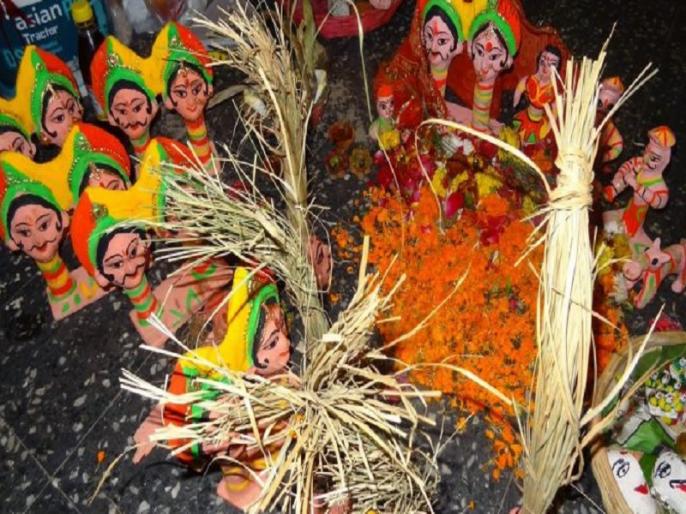
Sama-Chakeva
A unique festival of the Mithila region celebrating brother-sister bonds, symbolized by birds.
How is it done?
- Welcoming Birds (Sama-Chakeva) – Creating clay idols of birds (Sama & Chakeva) and building miniature gardens.
- Sister’s Rituals – Sisters fast and pray for their brothers’ long life, singing folk songs.
- Brother’s Gifts – Brothers give gifts and promise protection, mirroring the bird symbolism.
- Farewell (Vidai) – The bird idols are ceremonially immersed in a pond after 10 days.
Temple Rituals
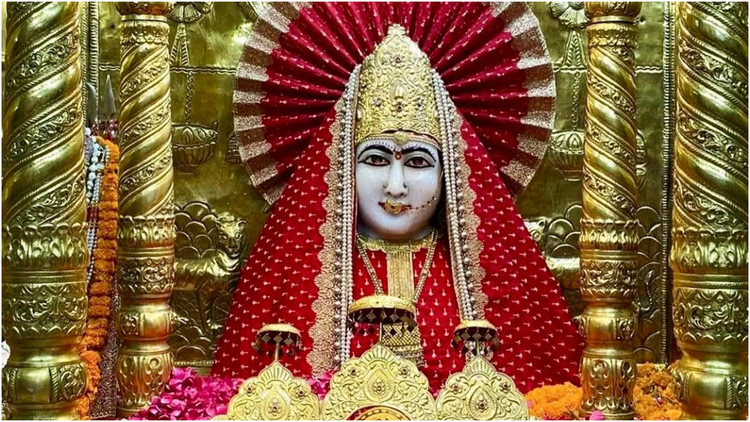
Daily Temple Worship (Nitya Darshan)
Routine rituals at Bihar’s ancient temples, especially those along the Ganges.
How is it done?
- Mangala Aarti – The pre-dawn ceremony to wake the deity with lamps, bells, and conch shells.
- Abhishek (Ritual Bath) – Bathing the idol with Panchamrit (milk, yogurt, ghee, honey, sugar) and Ganga water.
- Shringar & Bhog – Dressing the deity in new clothes and ornaments, then offering freshly cooked food.
- Evening Aarti & Shayan – The final worship with lamps, followed by putting the deity to sleep with lullabies.
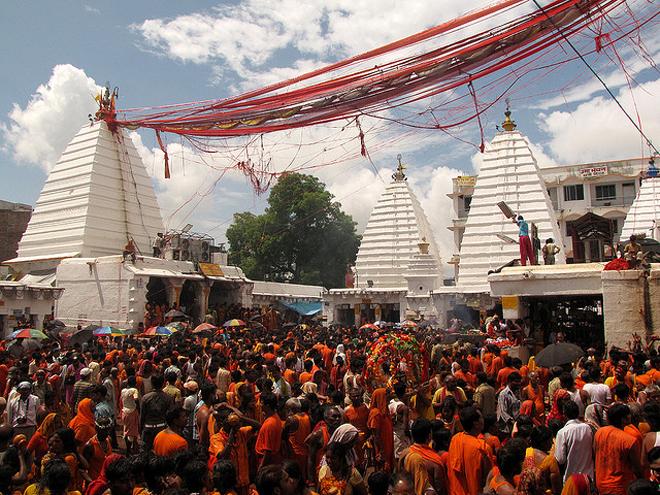
Temple Festivals (Mela/Utsav)
Large-scale celebrations at temple towns, combining devotion with cultural fairs.
How is it done?
- Rath Yatra (Chariot Festival) – The deity is placed on a giant chariot pulled by devotees, as seen in Patna and Sasaram.
- Mahaprasad Distribution – Mass feeding of thousands with sanctified temple food, often during Makar Sankranti.
- Jhulan Yatra (Swing Festival) – Decorated swings for deities during monsoon, accompanied by devotional songs.
- Deep Daan (Floating Lamps) – Lighting thousands of earthen lamps on the Ganges during Kartik Purnima.
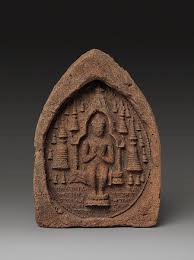
Votive Offerings (Manauti/Mannat)
Rituals where devotees make promises to deities in exchange for blessings.
How is it done?
- Thread Tying (Kalawa/Dhaga) – Tying red or yellow threads around temple trees or railings as vows.
- Offering Coconuts & Cloth – Breaking coconuts or offering miniature sarees/dhotis to deities.
- Circumambulation (Parikrama) – Walking around the temple a specific number of times (often 108).
- Shaving Head (Mundan) – Offering hair to the deity as thanks for a wish fulfilled, especially at Baba Garibnath.
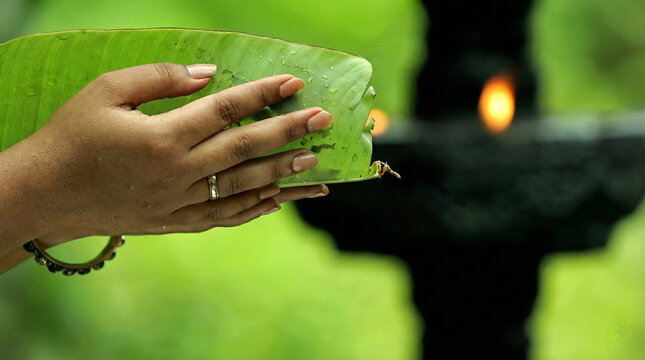
Devotee Services (Seva)
Active participation in temple maintenance and rituals as a form of worship.
How is it done?
- Cleaning Temple Premises (Seva) – Sweeping courtyards, washing floors, or cleaning utensils before worship.
- Offering Supplies (Sambhal) – Donating items like oil for lamps, flowers, or food for the kitchen.
- Assisting in Rituals (Pujari Sahayata) – Helping priests during large ceremonies or festivals.
- Sponsoring Worship (Puja Samagri Dana) – Financing the entire daily or special puja of the temple.
Ayurveda and Yoga
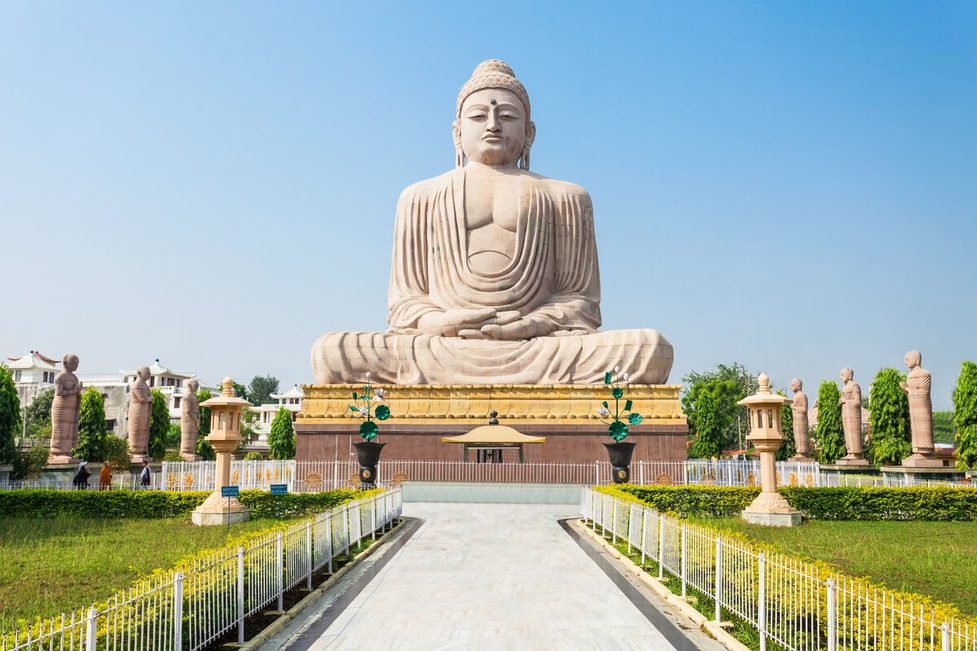
Yoga Practices (Bodh Gaya Traditions)
Yogic disciplines influenced by Bihar’s Buddhist and Hindu heritage.
How is it done?
- Morning Surya Namaskar – Saluting the sun with 12 postures, often on riverbanks or rooftops.
- Pranayama by the Ganges – Practicing breath control in the fresh air near the river at dawn.
- Meditation (Dhyana) – Sitting in lotus position for mindfulness, inspired by Bodh Gaya’s spiritual atmosphere.
- Mantra Chanting – Reciting Vedic or Buddhist mantras using mala beads for focus.
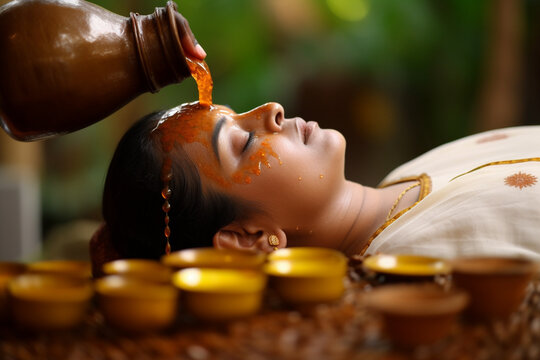
Panchakarma Therapies
Ancient detoxification treatments, often undertaken seasonally.
How is it done?
- Vamana (Emesis Therapy) – Administered in spring to clear respiratory congestion.
- Virechana (Purgation Therapy) – For Pitta balance, using herbal laxatives.
- Basti (Enema Therapy) – Medicated enemas for Vata disorders and joint health.
- Nasya (Nasal Administration) – Oil drops for sinus, headache, and mental clarity.
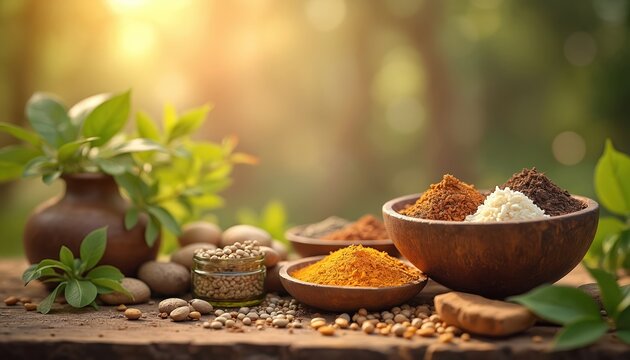
Herbal Wellness (Jadi-Buti Chikitsa)
Using local plants for preventive and curative health.
How is it done?
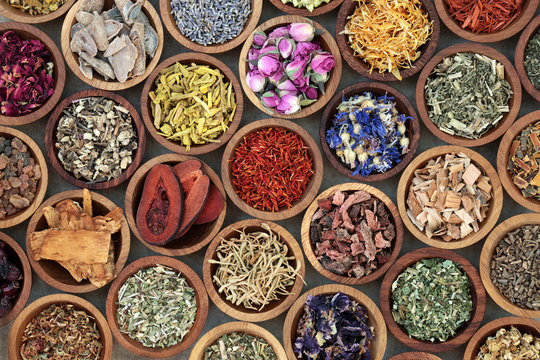
- Giloy Kadha – Boiling giloy stems for immunity, especially in monsoon.
- Ashwagandha Milk – Drinking powdered ashwagandha in warm milk for strength and sleep.
- Neem for Skin – Applying neem paste or bathing with neem water for skin health.
- Tulsi Tea – Brewing fresh tulsi leaves for respiratory health and stress relief.
Social Fabrics
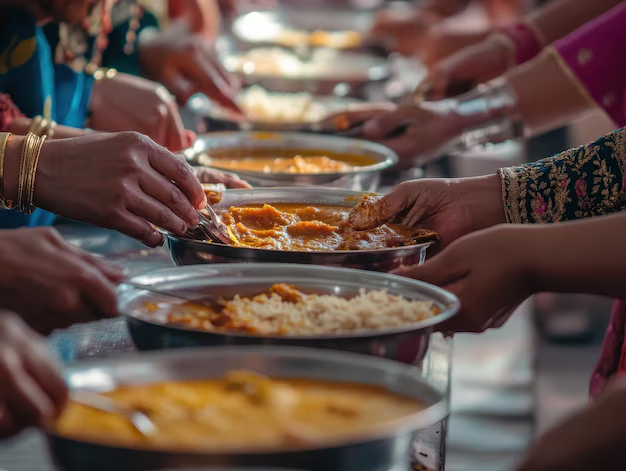
Community Dining (Bhandara/Langar)
Mass feeding events that emphasize equality and community service.
How is it done?
- Volunteer Coordination (Sevadaars) – Community members volunteer to cook, serve, and clean.
- Sitting in Rows (Pangat) – Everyone sits on the ground in lines, regardless of social status.
- Simple Satvik Food – Typically khichdi, dal, vegetables, and roti served on leaf plates (donas).
- Offering to Deity First (Bhog) – Food is offered to the temple deity or a sacred fire before serving.
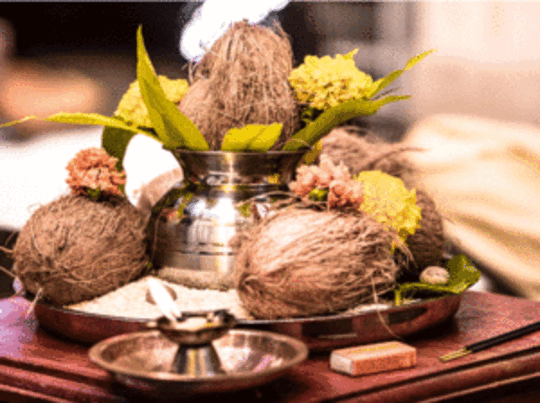
Gramdevata & Kuldevata Puja
Worship of village and clan deities that form the core of local identity.
How is it done?
- Annual Village Fair (Mela) – A fair organized around the village deity’s temple with rituals and entertainment.
- Animal Sacrifice (Bali) – In some traditions, offering goats or buffaloes, though increasingly symbolic.
- Procession (Shobha Yatra) – The deity’s idol is taken around the village boundaries for protection.
- Family Pilgrimage – Annual visits to the ancestral village to worship the Kuldevata.
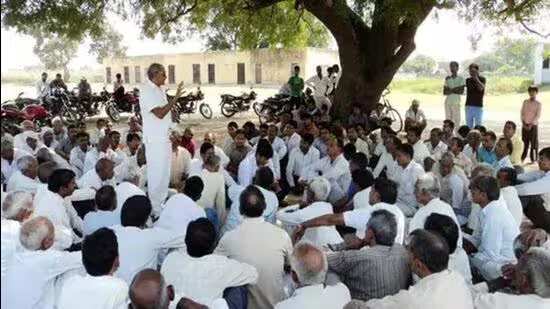
Conflict Resolution (Panchayat)
Traditional community-led justice systems that resolve disputes ritually.
How is it done?
- Oath on Sacred Item – Swearing on the Gita, a handful of soil, or a tulsi plant while stating the truth.
- Community Deliberation – Elders discuss until a unanimous decision is reached.
- Symbolic Punishment – Fines, community service, or planting trees as restitution.
- Reconciliation Meal – Sharing food and drinking water from the same vessel to restore harmony.
Art & Craft
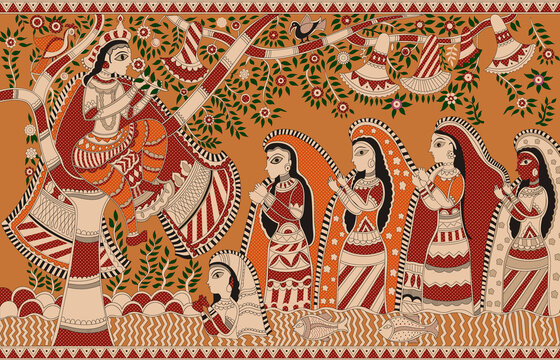
Madhubani Painting Rituals
The sacred art form from Mithila, originally created for festivals and ceremonies.
How is it done?
- Kohbar Ghar (Nuptial Chamber) – Painting the walls of the bride’s room with symbols of fertility and prosperity.
- Aripana (Floor Painting) – Creating geometric and nature-inspired designs with rice paste for festivals.
- Natural Dye Preparation – Grinding leaves, flowers, and clay to make traditional colors.
- Initiation of Artists – Young girls learn by first painting simple motifs under elders’ guidance.
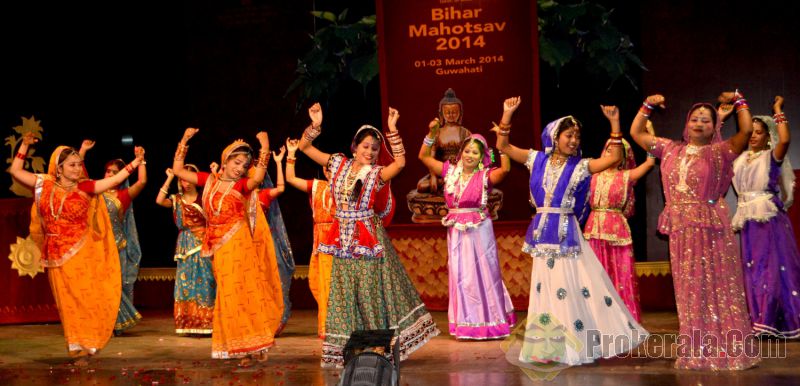
Folk Music & Dance (Jat-Jatin, Bidesia)
Performance rituals integral to agricultural cycles and social ceremonies.
How is it done?
- Pre-Performance Worship – Paying respects to Saraswati and the stage before beginning.
- Seasonal Performances – Jat-Jatin danced during sowing season; Bidesia plays during migrations.
- Community Participation – Entire villages participate as performers or audience, breaking social barriers.
- Instrument Blessing – Drums (dholak), harmonium, and cymbals are blessed with flowers and tilak.
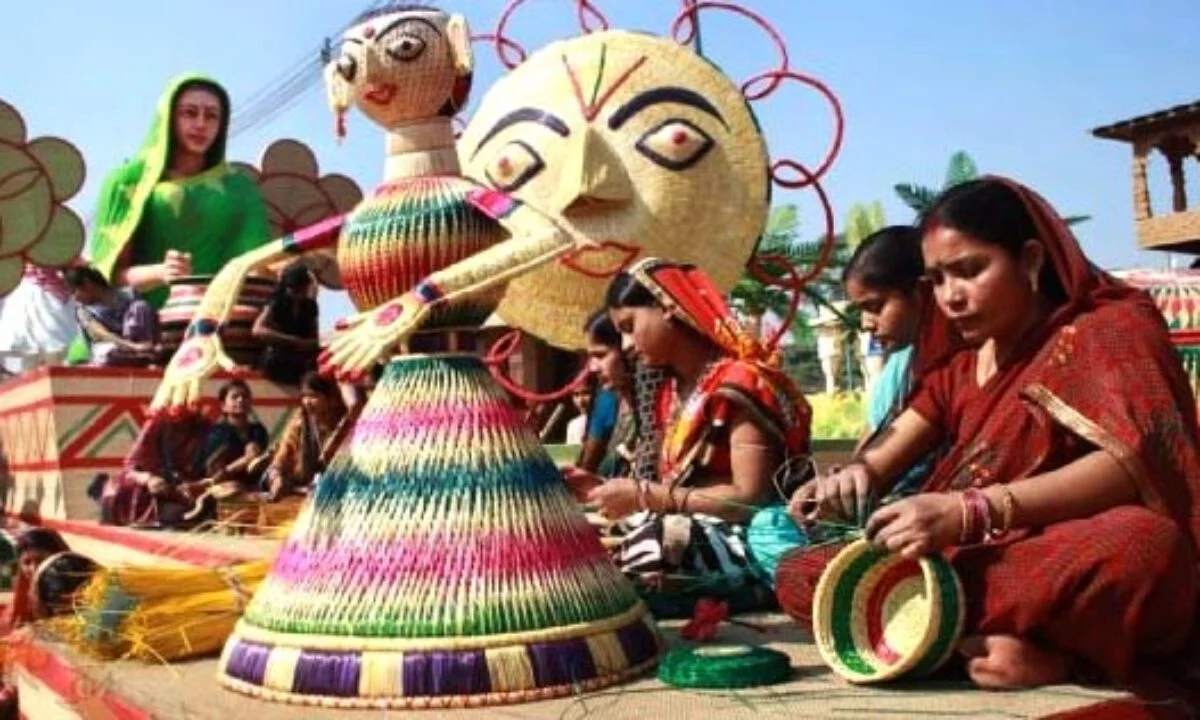
Craft Veneration (Shilpkar Puja)
Rituals honoring tools and craftspeople, especially weavers and potters.
How is it done?
- Vishwakarma Puja – Worshiping tools of weavers (handlooms), potters (wheels), and blacksmiths (furnaces).
- First Product Offering – The first item from a new batch (like a saree or pot) is offered to the deity.
- Apprentice Initiation – A new learner touches the master’s feet and receives tools as a blessing.
- Market Day Rituals – Offering the day’s first sale to the local temple or donating a portion of earnings.
Other Significant Rituals
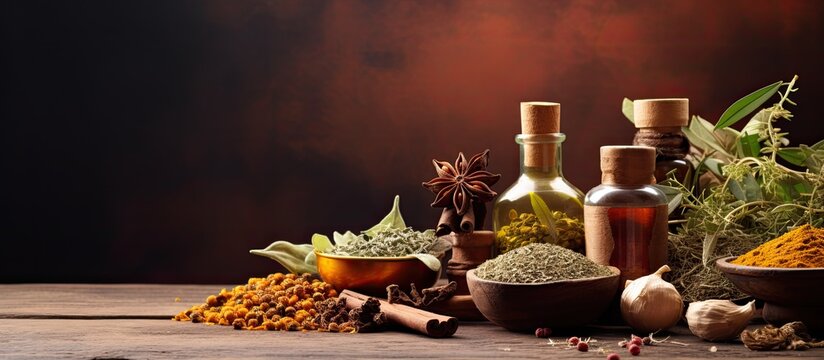
Ayurvedic Daily Regimen (Dinacharya)
How is it done?
- Morning Detox (Ushapaan) – Drinking warm water with lemon or neem on an empty stomach.
- Oil Pulling (Gandush) – Swishing sesame or mustard oil in the mouth for oral health.
- Herbal Bath – Adding neem or tulsi leaves to bathing water for skin purification.
- Seasonal Diet (Ritucharya) – Eating cooling foods in summer (sattu drinks) and warming foods in winter (tilkut).
Nature Worship (Prakriti Puja)
Rituals venerating natural elements, reflecting Bihar’s agrarian roots.
How is it done?
- Tulsi Vivah – The ceremonial marriage of the Tulsi plant to Lord Krishna during Kartik.
- Worship of Sacred Groves (Sarnas) – Protecting and praying in forest patches dedicated to tribal deities.
- River Ganga Aarti – Evening worship of the Ganges with lamps, flowers, and hymns.
- Cow Veneration (Gau Puja) – Feeding and decorating cows on festivals like Govardhan Puja.
Traditional Healing (Desi Ilaj)
Home remedies passed down through generations, using kitchen ingredients.
How is it done?
- Herbal Poultice (Potli) – Applying warm cloth bundles filled with herbs for pain relief.
- Sattu Concoctions – Drinking roasted gram flour mixed with water, salt, and lemon for energy and cooling.
- Steam Inhalation (Inhaler) – Inhaling steam with carom seeds (ajwain) or eucalyptus for colds.
- Massage with Mustard Oil (Malish) – Regular body massage for infants and elders with warmed oil.