¤ 10+ minutes Read
Sitamarhi, a district in the Mithila region of Bihar, is revered worldwide as the birthplace of Goddess Sita, the consort of Lord Rama. Steeped in the legends of the Ramayana, this ancient pilgrimage town radiates deep spiritual significance and cultural heritage. Beyond its divine associations, Sitamarhi is a vibrant center of Mithila culture, known for its Madhubani art, traditional music, and warm hospitality, offering pilgrims and visitors a profound connection to Hindu mythology.
Wiki Link: Sitamarhi wiki page
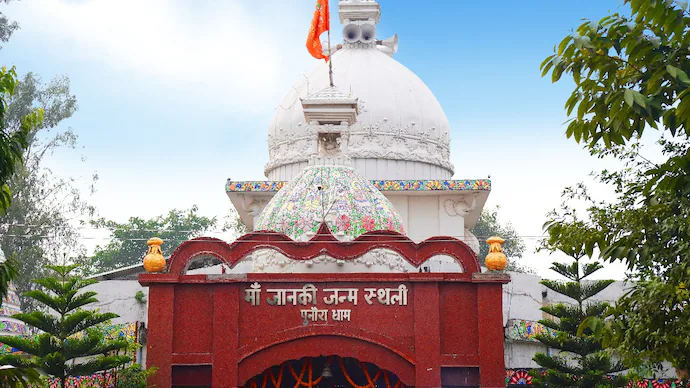
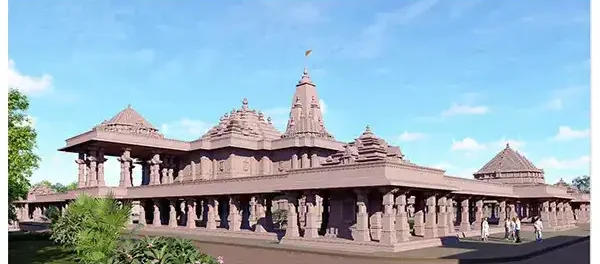
The most sacred temple marking Goddess Sita’s birthplace, attracting thousands of devotees.
An ancient Shiva temple deeply linked to the legendary birth of Goddess Sita.
The revered site where King Janak discovered the infant Sita while ploughing a field.
A sacred pond near Janaki Mandir where pilgrims take a holy dip.
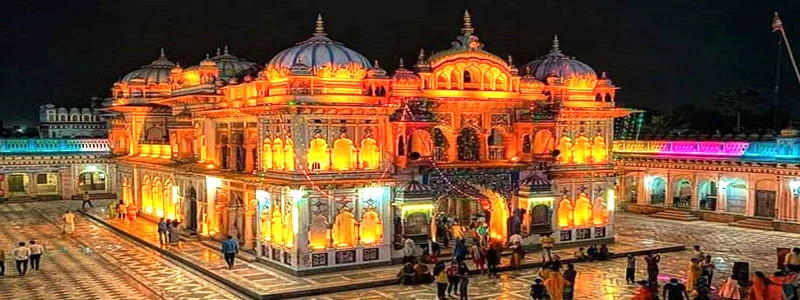
The sacred marital home of Sita and Rama, featuring the magnificent Janaki Temple.
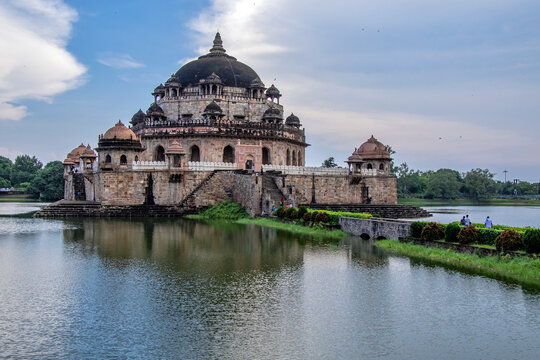
An ancient Buddhist pilgrimage site, believed to be the childhood home of Gautama Buddha.
One of the world’s tallest Buddhist stupas, marking where Buddha delivered a key sermon.
A pristine wildlife sanctuary on the Gandak River, perfect for nature lovers.
Immerse yourself in the spiritual aura and rich cultural tapestry of Sitamarhi. From participating in ancient rituals to exploring mythological sites, the town offers a deeply enriching journey for the soul.
Experience the spiritually uplifting morning or evening ritual at the main temple.
Offer prayers at the sacred site commemorating Sita’s discovery.
Wander vibrant markets for religious souvenirs and traditional Madhubani art.
Visit local workshops to see the creation of exquisite Mithila paintings.
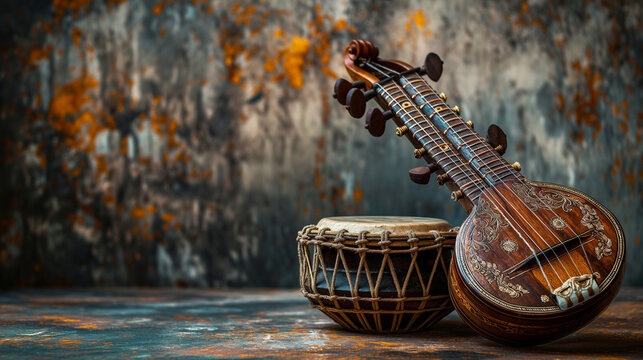
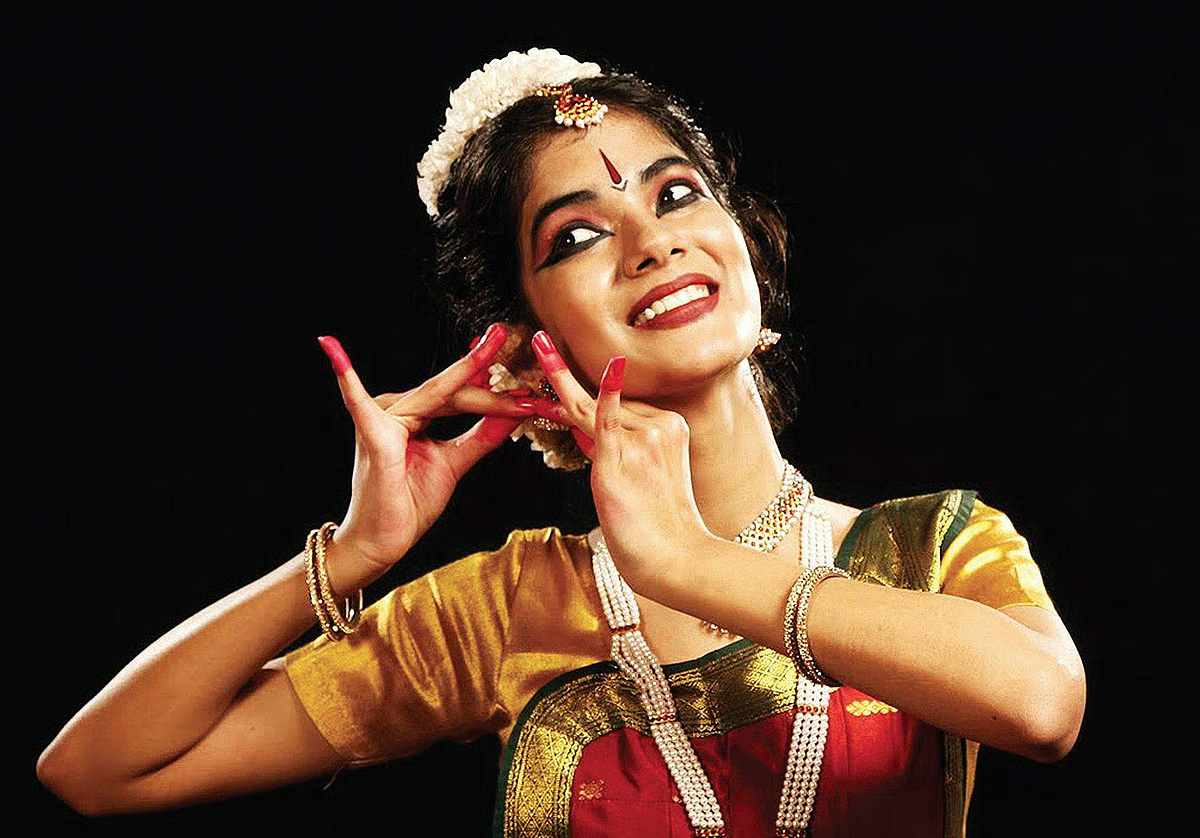
Sitamarhi is a vibrant center of Mithila culture, where performing arts are deeply interwoven with devotional themes and daily life. The sounds of devotional songs and the sights of traditional dances bring the region’s myths and folklore to life.
Ram Bhajans
Mithila Folk Music
Chaiti
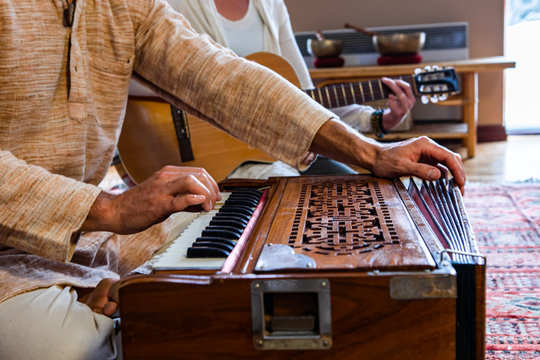
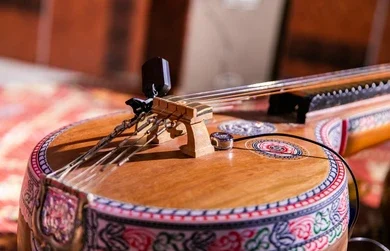
Sitamarhi resonates with the devotional and folk traditions of the Mithila region, where music is an integral part of daily and spiritual life. Ram Bhajans and Sita Sangeet fill the air during temple rituals and festivals, while soulful Maithili folk genres like Chaiti, Kajri, and wedding Samdaun songs narrate tales of love, seasons, and local lore. This rich aural heritage preserves the emotional and cultural fabric of Sita’s janmabhoomi.
Jat-Jatin Dance
Sama-Chakeva Dance
Sita-Ram Performances
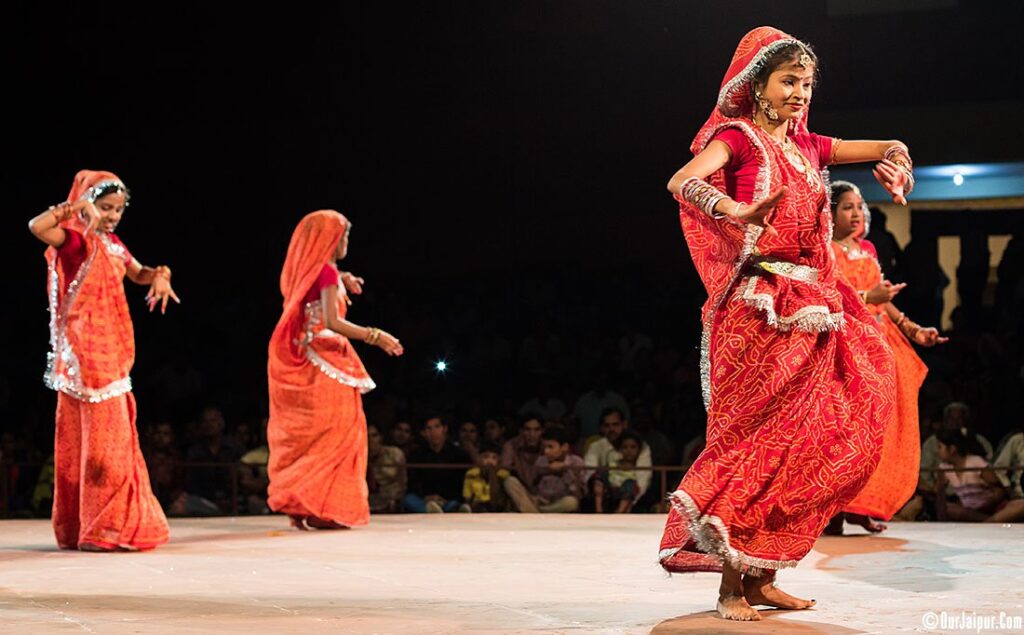
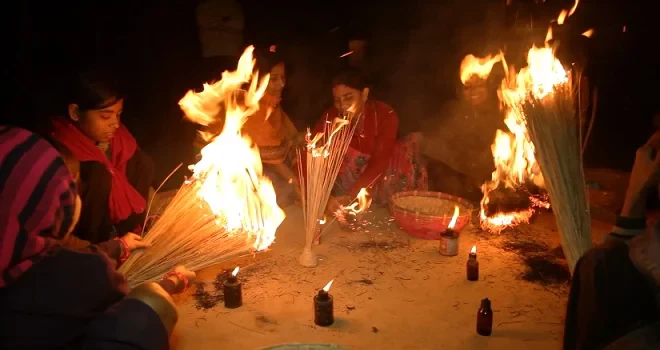
Sitamarhi’s dance forms vividly express Mithila’s cultural vibrancy through movement and storytelling. The energetic Jat-Jatin folk dance depicts romantic tales and daily life, while the ceremonial Sama-Chakeva dance celebrates sibling bonds during festivals. Ramlila performances bring the epic narratives of Rama and Sita to life, making dance a dynamic vessel of devotion and regional identity.
Sitamarhi resonates with a palpable sense of divinity and ancient history. The air is filled with the constant chants of “Jai Siya Ram” and the fragrance of temple flowers and incense. Despite its sacred importance, the town retains a humble, small-town charm, where the warmth of Mithila hospitality makes every pilgrim feel welcome. The rhythm of life here is dictated by temple bells, seasonal festivals, and the timeless stories of the Ramayana.
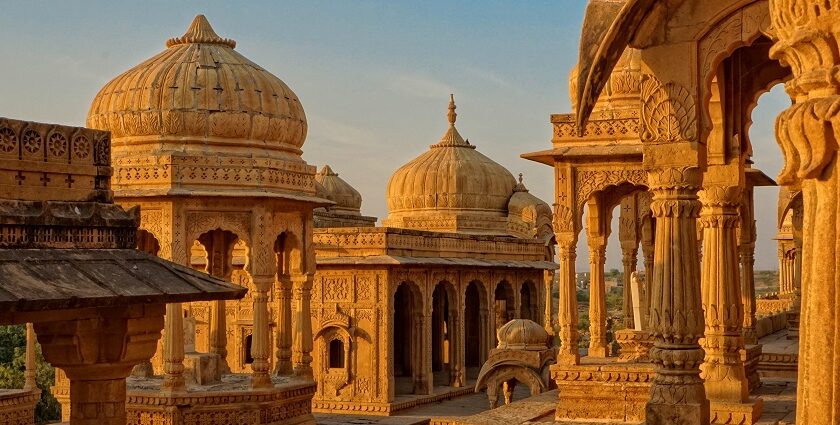
Sitamarhi’s heritage is singularly defined by its status as Sita’s Janmabhoomi (birthplace). This identity permeates every aspect of the town, from its major temples to local lore. The region is also a proud preserver of Mithila culture, with its distinct language (Maithili), world-famous Madhubani painting, and unique social rituals, creating a rich cultural tapestry that dates back millennia.
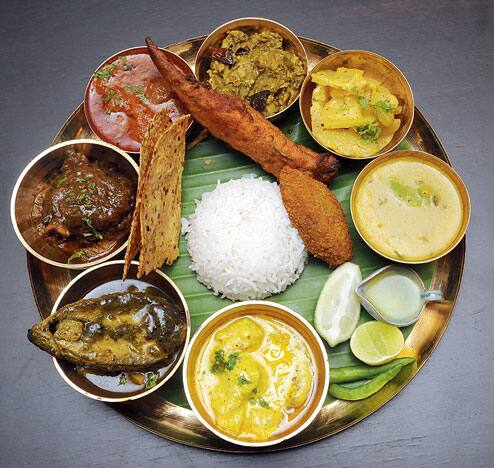
Sitamarhi’s cuisine is a delightful part of the broader Mithila culinary tradition, known for its unique flavors, often centered around rice, fish, and seasonal vegetables, with a focus on traditional cooking methods.
A traditional platter featuring Sattu ka Paratha, Tarua (fried vegetables), Machh Jhor, Dal, and Badi.
A crunchy, sweet snack made from wheat flour, jaggery, and coconut, often prepared during festivals like Chhath Puja.
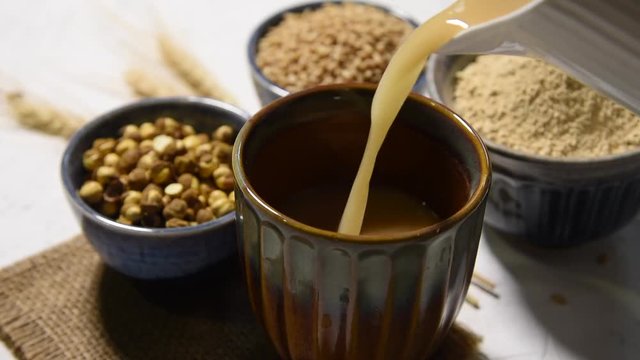
A cooling and energizing drink made from roasted chickpea flour (sattu), water, spices, and lemon.
Indulge in local sweets such as Khaja (flaky pastry), Balushahi, and Malpua, often offered as temple prasad.
Shopping in Sitamarhi revolves around religious artifacts and exquisite local crafts, particularly the world-renowned Madhubani paintings. The markets near the temples are bustling with devotional energy and traditional wares.
Intricate, colorful folk art on paper or cloth depicting gods, nature, and daily life—a must-buy cultural souvenir.
Shops near Janaki Mandir sell Sita-Ram idols, rudraksha beads, conch shells, and puja essentials.
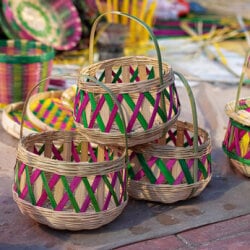
Skillfully made bamboo baskets, mats, and decorative items showcasing local craftsmanship.
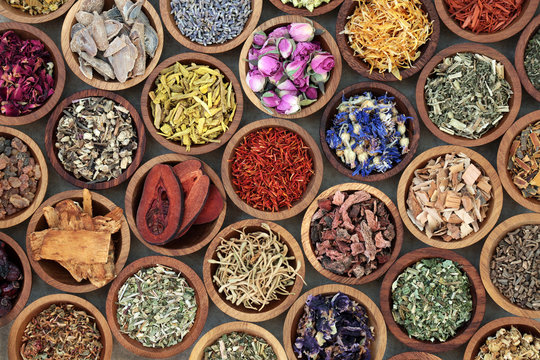
Local markets offer traditional herbal remedies, medicinal oils, and natural Ayurvedic cosmetics.
The best time to visit Sitamarhi is during the winter and spring months, from October to March. The weather is cool and pleasant (10°C to 25°C), making it ideal for temple visits, pilgrimage, and exploring outdoor sites. The monsoon (July-September) can be heavy, while summers (April-June) are hot and humid.
Pilgrimage Precautions: Temple areas can be extremely crowded during festivals. Keep valuables secure and be mindful of personal space.
Border Crossing: If planning a trip to Janakpur, Nepal, carry valid photo ID (Passport/Voter ID) for border formalities. Use only designated border crossings.
Respect Local Customs: Dress modestly, especially when entering temples. Remove footwear before entering temple premises.
Hydration & Food: Drink bottled water. Be cautious with street food; opt for freshly cooked, hot items from busy stalls.
Festival Planning: During major festivals like Ram Navami or Vivah Panchami, book accommodation well in advance and expect significant crowds.
Auto-rickshaws and cycle-rickshaws are the primary modes of transport within the town for visiting temples and local markets. Local buses and shared jeeps connect Sitamarhi to nearby towns and districts. For out-of-town trips (e.g., to Janakpur or Kesariya), hiring a private taxi for the day is the most convenient option.
Unauthorized Guides & Priests: Be wary of individuals offering special pujas or guided tours for exorbitant fees. Always use temple-appointed priests or authorized guides.
Overpriced Religious Items: Negotiate prices for religious souvenirs. Buy from established shops rather than pushy street vendors.
Fake Donation Collectors: Avoid donating money to individuals claiming to collect for temple funds. Make donations only at the official temple donation counters.
Transport Overcharging: Agree on fares for auto-rickshaws and taxis before starting your journey. Insist on using the meter if available.
Accommodation Touts: Ignore touts at the bus or railway station offering cheap lodgings. Book your stay in advance through reputable platforms.
Following the Sita Trail: Sitamarhi to Janakpur