¤ 10+ minutes Read
Steeped in divine legend and cultural heritage, Sitamarhi – Bihar offers profound spiritual journeys for every pilgrim. Discover sacred temples, historic landmarks, and unique Maithili traditions among the top places to visit in Sitamarhi.
Considered the sacred birthplace of Goddess Sita, this temple is the spiritual heart of Sitamarhi and one of the most revered pilgrimage sites in Bihar. The main shrine, built in the Hindu architectural style, houses idols of Sita, Rama, and Lakshman.
According to legend, the temple marks the exact spot where King Janak found Sita in an earthen pot. Devotees visit throughout the year, with special fervor during Ram Navami and Vivah Panchami.
An ancient Shiva temple believed to be where King Janak performed a yajna leading to Sita’s birth.
A sacred pond located within the Janaki Mandir complex, associated with the infancy of Goddess Sita.
A historic banyan tree under which Sita is said to have taken shelter during her journey with Rama.
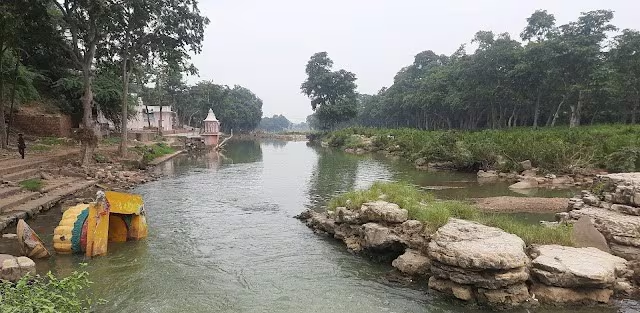
Situated on the picturesque banks of the Lakhandei River, this ancient temple is dedicated to Lord Shiva. It is believed to be a powerful Siddha Peetha, where prayers and wishes are fulfilled.
The temple’s serene riverside location adds to its spiritual ambiance, making it a popular spot for both religious rituals and quiet reflection. Major celebrations take place during Maha Shivratri, drawing large crowds of devotees.
The site traditionally believed to be where Mother Earth received Sita at the end of her life.
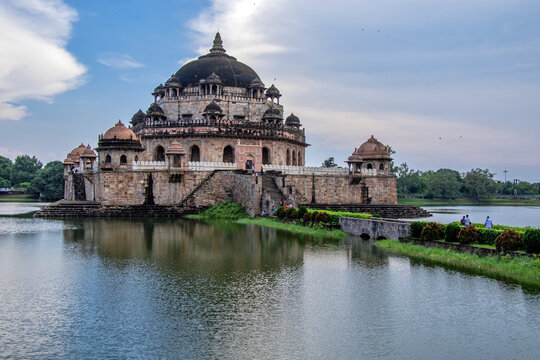
A prominent and revered Sufi shrine (dargah) known for its spiritual harmony and annual Urs festival.
A historic banyan tree under which Sita is said to have taken shelter during her journey with Rama.
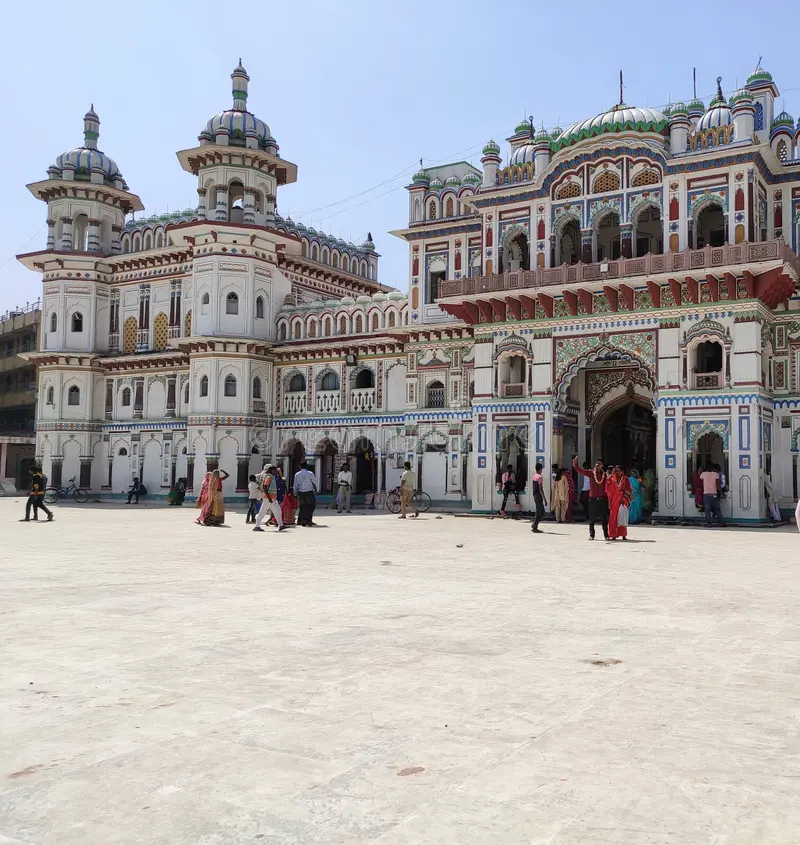
Just across the Indian border, Janakpur is the ancient capital of Mithila and the place where Sita was married to Lord Rama. The magnificent Janaki Mandir here, a blend of Mughal and Rajput architecture, is a major pilgrimage center.
The city is the heart of Maithili culture and is famous for its vibrant festivals, intricate Mithila paintings, and ponds. It completes the spiritual circuit for devotees tracing Sita’s life from birth in Sitamarhi to marriage in Janakpur.
A major town near Sitamarhi with local markets and as a transit point for surrounding areas.
Known for its royal heritage, including the Darbhanga Fort and Anandbagh Palace.
Famous as the “Lychee Kingdom” and home to the historic Jubba Sahni Park.
Kesaria is home to the world’s tallest ancient Buddhist stupa, standing at over 104 feet. Believed to have been built by Emperor Ashoka in the 3rd century BCE, it marks the site where Lord Buddha is said to have donated his alms bowl.
The colossal, terraced structure is an awe-inspiring archaeological marvel, though partially excavated. It offers a profound glimpse into the region’s significant Buddhist past.
An immensely important archaeological and pilgrimage site, Vaishali is renowned as the birthplace of Lord Mahavira and the place where Lord Buddha gave his last sermon. Key attractions include the Ashokan Pillar, the ancient Buddha Stupa, and the quiet Vishwa Shanti Stupa (Peace Pagoda).
It was also one of the world’s first republics. The site beautifully intertwines Jain, Buddhist, and early political history.
Motihari holds a pivotal place in India’s modern history as the epicenter of Mahatma Gandhi’s first Satyagraha in 1917, the Champaran movement against indigo planters. The town houses the Gandhi Sangrahalaya (museum) detailing this struggle. Beyond its historical significance, it’s a gateway to the rural heartland of Bihar.
It represents a key destination for those interested in the history of India’s independence movement.
As the administrative capital of the Darbhanga district, this town is steeped in the legacy of the Darbhanga Raj. It is known for its traditional Mithila artwork, visible in local homes and cultural centers.
While not a major tourist hub, it offers an authentic glimpse into the region’s royal past and living artistic heritage. The nearby Darbhanga Fort and Anandbagh Palace are key landmarks of its regal history.
This village is primarily known for its deep connection to the Mahabharata and is believed to be one of the places where the Pandavas stayed during their exile. The main attraction is the ancient Bhagwanpur Shiva Temple, which attracts devotees seeking blessings.
The area is surrounded by rustic landscapes, offering a peaceful, offbeat experience. It appeals to those interested in the lesser-known mythological trails of Bihar.