
Central India's Famous Music Forms
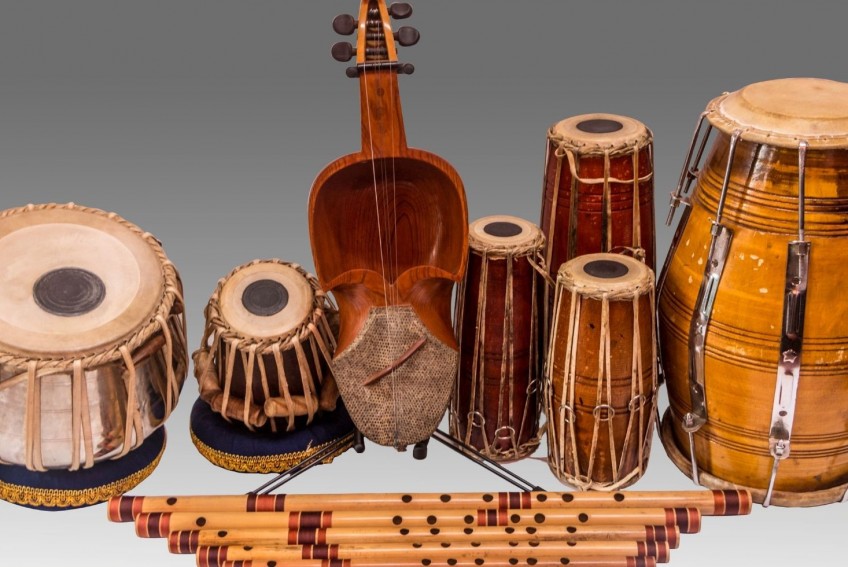
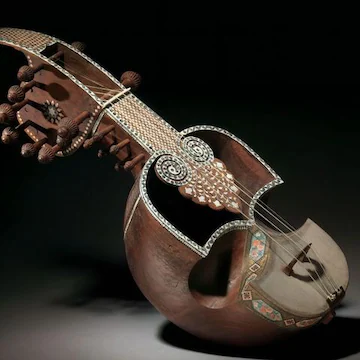
Central India’s famous music forms reflect the region’s deep tribal roots, devotional traditions, and vibrant folk culture. States like Madhya Pradesh and Chhattisgarh are home to diverse musical styles that developed through festivals, village gatherings, and temple rituals. Many songs celebrate nature, harvest seasons, and local deities, while others narrate heroic stories and folklore. Traditional instruments, rhythmic beats, and group singing play an important role in these performances. Together, these music traditions preserve the cultural identity and artistic heritage of Central India’s communities.
Wiki Link: Central India’s Famous Music Forms
Pandavani
Chhattisgarh
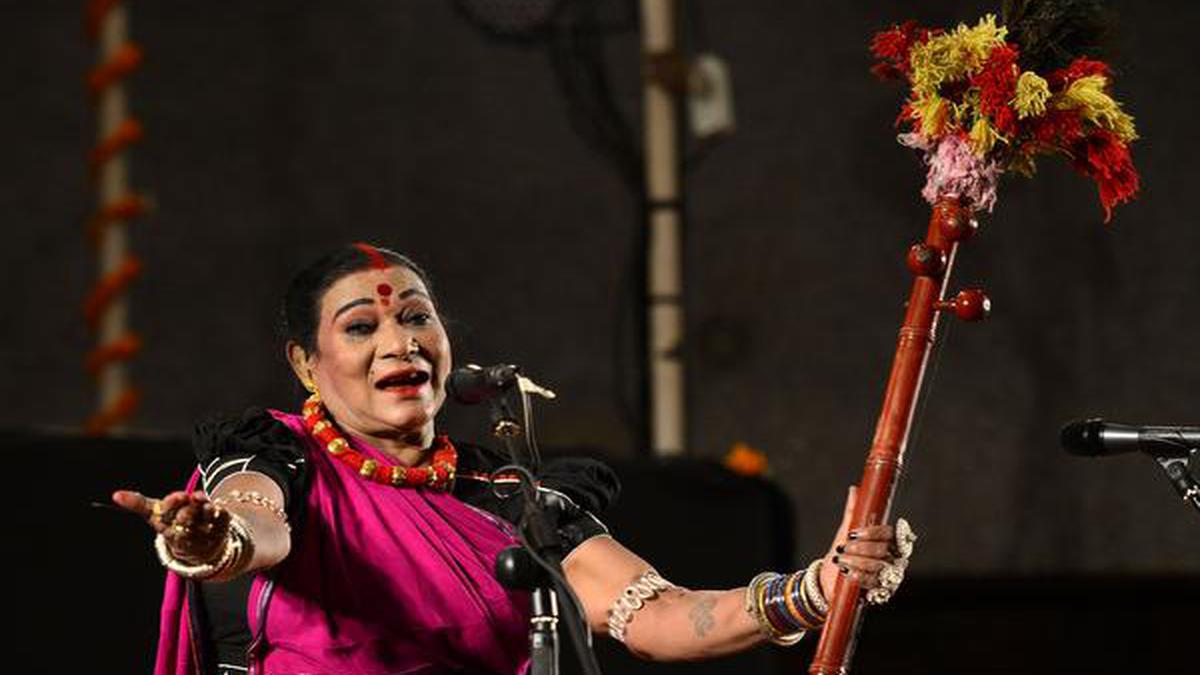
A traditional storytelling music form from Chhattisgarh. It tells stories from the Mahabharata. The singer narrates the life and battles of the Pandavas. In addition, the performer uses simple props to act out scenes.
The music includes instruments like the tambura and harmonium. Therefore, the performance feels dramatic and engaging. The singer often changes voice and expressions during the story. As a result, the audience stays deeply involved. Pandavani artists perform during festivals and village gatherings. The tradition passes from teacher to student. This music form keeps epic stories alive in local culture.
Nacha Music
Chhattisgarh
Comes from the popular folk theatre tradition of Chhattisgarh. It combines singing, acting, and humor. The songs often describe social life and village issues. In addition, performers use comedy to entertain the audience. Drums and harmonium create a lively rhythm.
Therefore, the atmosphere becomes energetic and fun. Nacha performances usually take place at fairs and festivals. The artists interact directly with the audience. As a result, the show feels lively and engaging. Many villagers grow up listening to these songs. Nacha Music reflects the everyday life of rural communities.
Bhajan (Central Indian Style)
Madhya Pradesh
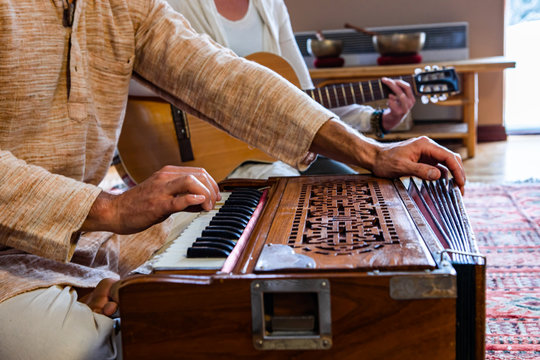
A devotional music tradition in Central India. These songs praise gods such as Rama and Krishna. People sing bhajans in temples and homes. In addition, they perform them during religious festivals. Harmonium, tabla, and cymbals support the singing.
Therefore, the music creates a calm and spiritual mood. The lyrics are simple and easy to remember. As a result, everyone can sing together. Bhajans also teach moral values through stories. The tradition has continued for many generations. This music form shows the deep faith of local communities.
Dadaria
Chhattisgarh
A popular folk song style in Chhattisgarh. The songs often describe love and friendship. Farmers also sing them during field work. In addition, young men and women perform them during village gatherings.
The melodies are simple and easy to follow. Therefore, people quickly learn the songs. Traditional drums support the rhythm. As a result, the music feels lively and cheerful. Dadaria songs also include playful dialogue between singers. This makes the performance entertaining. The music reflects the joy of rural life.
Bundeli Folk Music
Madhya Pradesh
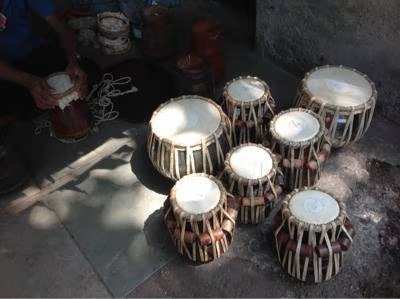
Comes from the Bundelkhand region. The songs describe local heroes, festivals, and village life. In addition, many songs praise bravery and loyalty. The rhythm is strong and energetic. Instruments like dholak and nagada create powerful beats.
Therefore, the music feels lively and bold. Singers often perform in groups. As a result, the audience joins with claps and chorus. These songs also share stories from history. They pass from one generation to the next. Bundeli music reflects the proud spirit of the region.
Karma Songs
Madhya Pradesh & Chhattisgarh
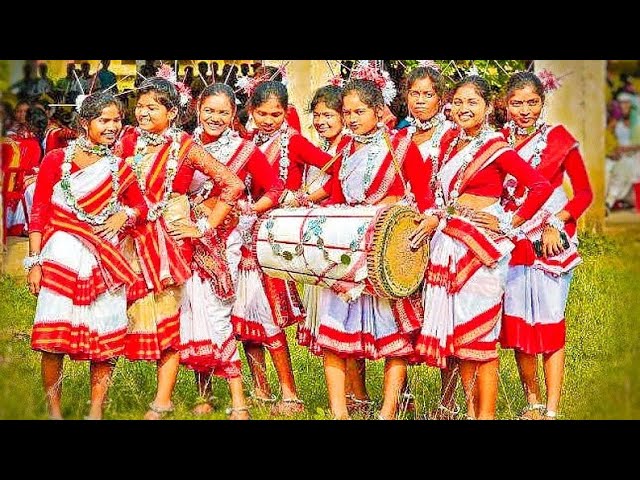
Part of the Karma festival celebration. Tribal communities sing them to honor the Karma deity. The songs thank nature for a good harvest. In addition, people dance in circles while singing. The rhythm comes from traditional drums.
Therefore, the celebration becomes lively and joyful. Men and women sing together in groups. As a result, the festival builds strong community bonds. The lyrics also talk about nature and harmony. Elders teach these songs to younger generations. Karma Songs reflect the deep tribal traditions of Central India.

Rai Folk Music
Madhya Pradesh
Comes from the Bundelkhand region of Madhya Pradesh. It usually accompanies the energetic Rai dance. The songs celebrate village life and local traditions. In addition, singers describe love, humor, and social themes.
Drums like dholak create a strong rhythm. Therefore, the music feels lively and exciting. Performers often sing in groups during festivals. The audience also claps and joins the chorus. As a result, the atmosphere becomes joyful and engaging. These songs pass through oral tradition. Rai Folk Music reflects the vibrant culture of Bundelkhand.
Saila Songs
Chhattisgarh
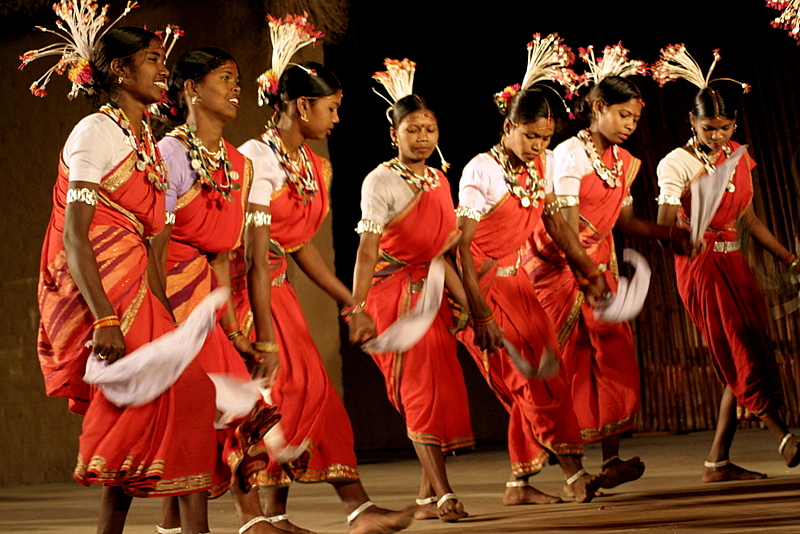
Part of the traditional Saila dance celebration. Tribal communities perform them after the harvest season. The songs thank nature for good crops. In addition, men dance with sticks while singing. Drums and flutes create the musical rhythm.
Therefore, the performance becomes energetic and rhythmic. Villagers gather together to celebrate the festival. The songs often praise bravery and unity. As a result, the music strengthens community bonds. Elders teach the songs to younger generations. Saila Songs reflect the tribal traditions of Chhattisgarh.
Bastar Tribal Music
Chhattisgarh
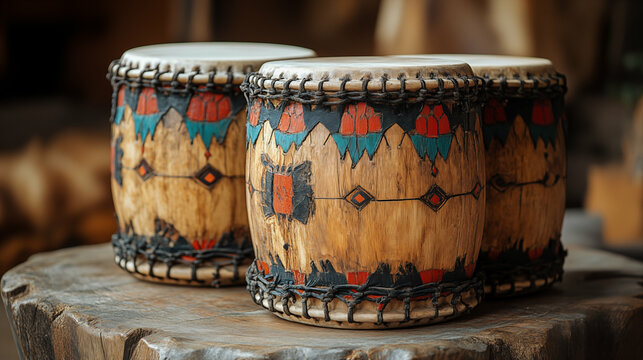
Comes from the Bastar region of Chhattisgarh. Tribal communities perform these songs during festivals and rituals. The music celebrates forests, animals, and nature. In addition, singers praise local deities and ancestors. Traditional drums and bamboo instruments create deep rhythms. Therefore, the sound feels raw and powerful. Men and women sing together in groups.
The music also accompanies tribal dances. As a result, festivals become lively and colorful. The songs pass through oral traditions. Bastar Tribal Music reflects the deep connection between people and nature.
Gond Tribal Songs
Madhya Pradesh & Chhattisgarh
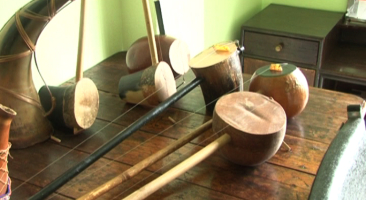
Belong to the Gond community. These songs describe myths, legends, and daily life. In addition, singers praise nature and tribal gods. The music often accompanies community dances. Drums and simple instruments create steady beats.
Therefore, the songs are easy to follow and sing. Villagers gather together during festivals to perform them. The lyrics also teach cultural values. As a result, the tradition continues across generations. Elders guide young singers in learning the songs. Gond Tribal Music reflects the heritage of one of India’s largest tribal communities.
Alha Ballad
Madhya Pradesh (Bundelkhand region)
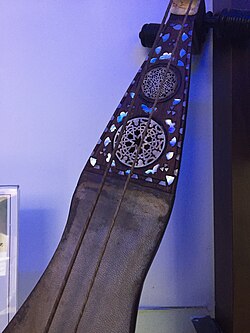
Alha is a heroic ballad tradition from the Bundelkhand region. The songs tell stories of warriors Alha and Udal. These heroes fought brave battles in local legends. In addition, singers perform the ballads with strong emotion. The rhythm is powerful and dramatic.
Therefore, the audience feels inspired by the story. Performances often happen during monsoon festivals. Villagers gather to listen to the long narrative songs. As a result, the music keeps regional history alive. The singers memorize long verses of the ballad. Alha Ballads reflect the bravery and pride of Bundelkhand culture.
Andhra Pradesh Blogs
- Andhra Pradesh Cultural guide
- Places to visit in Andhra Pradesh
- Places to visit in Andhra Pradesh
- India’s most popular destination
- India’s archaeological marvels