
Central India's Famous Archaeological Marvels
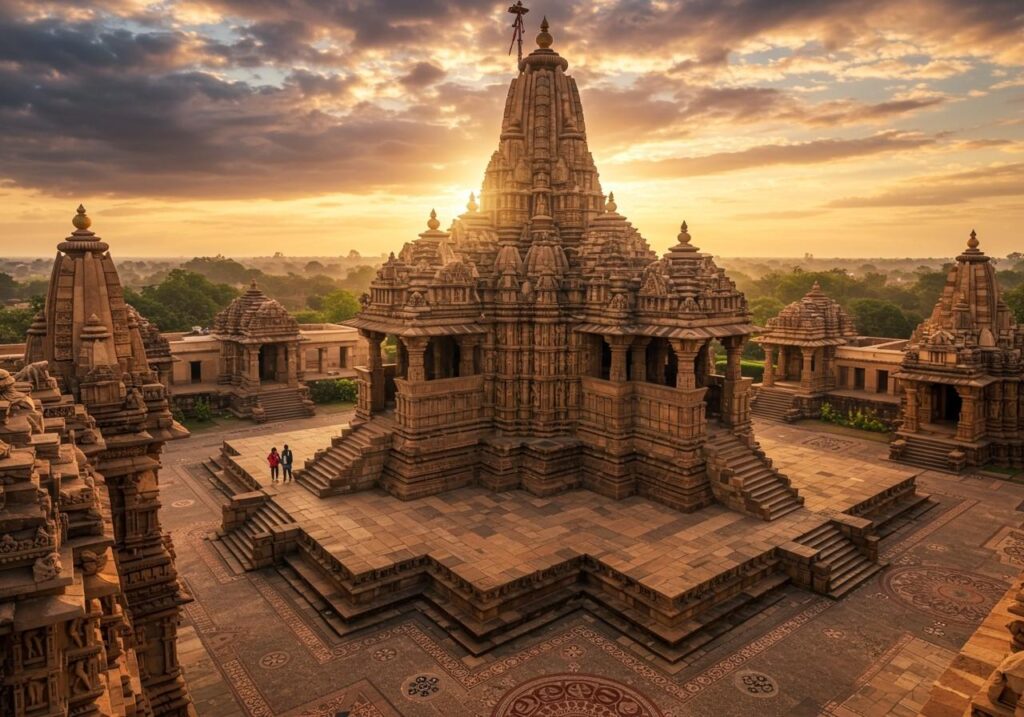
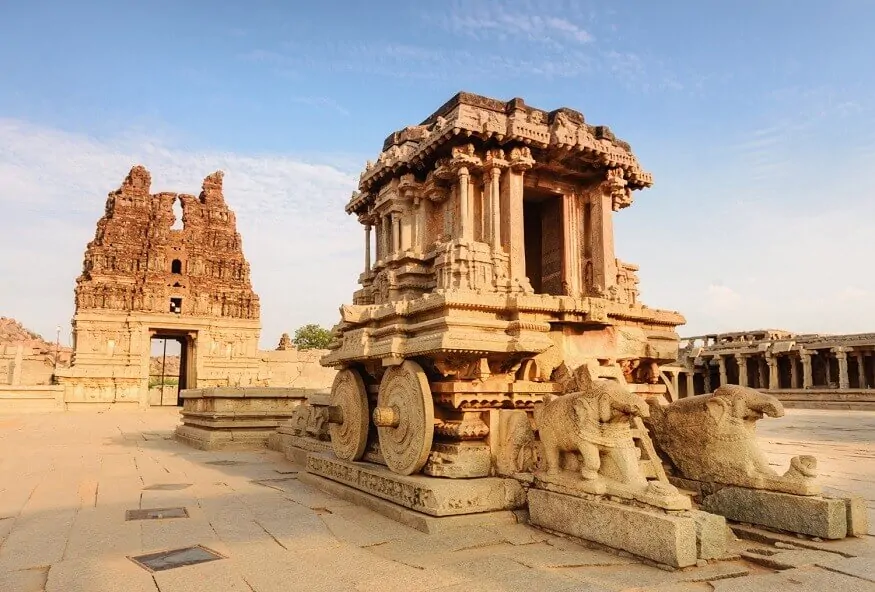
Central India is a treasure trove of ancient history, boasting some of the country’s most stunning archaeological marvels. From intricately sculpted temples and majestic forts to prehistoric cave paintings and ancient Buddhist stupas, this region offers a captivating journey through time. Explore these UNESCO World Heritage Sites and monumental ruins that showcase the grandeur of bygone empires and the skill of their artisans.
Wiki Link: Central India’s Famous Archaeological Marvels
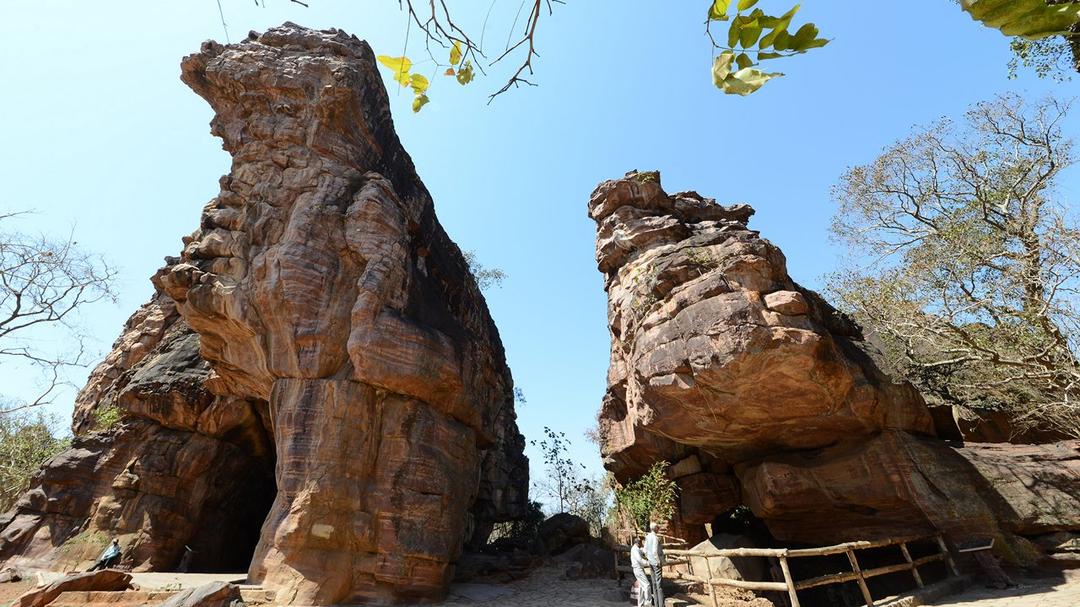
Bhimbetka Rock Shelters
A Prehistoric Canvas of Early Human Life
Era: Approximately 30,000 years old (Paleolithic Age)
UNESCO Status: Inscribed in 2003
Location: Raisen District, Madhya Pradesh
Step back in time at the Bhimbetka Rock Shelters, one of the oldest archaeological sites in the world.
- These natural rock formations house over 700 shelters, with more than 500 adorned with vivid paintings depicting human lives, animals, and hunting scenes.
- The art spans from the Paleolithic to the Mesolithic period, offering an unparalleled glimpse into the earliest human settlements and their evolving culture.
- It’s a direct connection to our prehistoric ancestors.
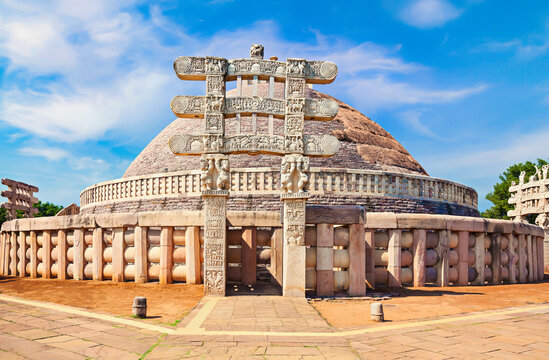
Sanchi Stupa
The Zenith of Buddhist Art and Architecture
Era: Originally commissioned in the 3rd century BCE by Emperor Ashoka; enlarged between 150-50 BCE.
UNESCO Status: Inscribed in 1989
Location: Sanchi, Madhya Pradesh
Standing on a hilltop, the Great Stupa at Sanchi is one of the oldest and most well-preserved Buddhist complexes in India.
- Commissioned by Emperor Ashoka, its massive hemispherical dome and four ornately carved gateways (toranas) are masterpieces.
- The intricate carvings narrate the life of Buddha and stories from the Jataka tales.
- The serene atmosphere and profound historical significance make it a cornerstone of India’s archaeological heritage.
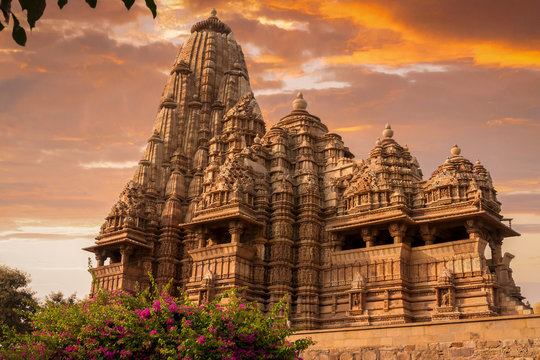
Khajuraho Group of Monuments
Where Divine Eroticism Meets Architectural Genius
Era: Built between 950-1050 CE
UNESCO Status: Inscribed in 1986
Patron: The Chandela Dynasty
Location: Khajuraho, Madhya Pradesh
Famous worldwide for their exquisite and erotic sculptures, the temples of Khajuraho are a pinnacle of Nagara-style architecture.
- Built by the Chandela rulers, these Hindu and Jain temples are covered with intricate carvings that depict deities, celestial maidens, and scenes of everyday life.
- The temples symbolize the fusion of spiritual and earthly desires.
- The Kandariya Mahadeva Temple is the largest and most stunning example of this artistic brilliance.

Sirpur
The Buddhist-Vaishnavite Archaeological Gem
Era: 5th to 8th centuries CE
Patron: The Sharabhapuriya and Somavamshi dynasties
Location: Mahasamund district, Chhattisgarh
Once a flourishing capital and a major center of Mahayana Buddhism, Sirpur is an archaeological site of national importance.
- Excavations have revealed a remarkable coexistence of Hindu, Buddhist, and Jain monuments.
- The star attraction is the Laxman Temple, a magnificent brick temple dedicated to Lord Vishnu, considered one of the finest examples of early brick architecture in India.
- The site also includes large Buddhist monasteries, stupas, and sculptures that reflect a high degree of artistic excellence from the post-Gupta period.
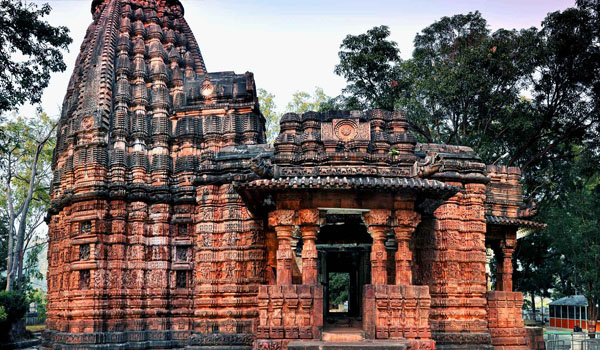
Bhoramdeo Temple Complex
The Khajuraho of Chhattisgarh
Era: 7th to 11th centuries CE
Patron: Inscribed in 1983
Location: Kawardha district, Chhattisgarh
Nestled against the scenic backdrop of the Maikal Hills, the Bhoramdeo complex is a group of intricately carved Hindu temples, primarily dedicated to Lord Shiva.
- The main temple, built in the Nagara style, is famous for its exquisite and delicate erotic sculptures on the outer walls, drawing a stylistic comparison to Khajuraho, albeit on a smaller scale.
- The fusion of temple architecture with its natural surroundings makes it a unique archaeological and scenic site.
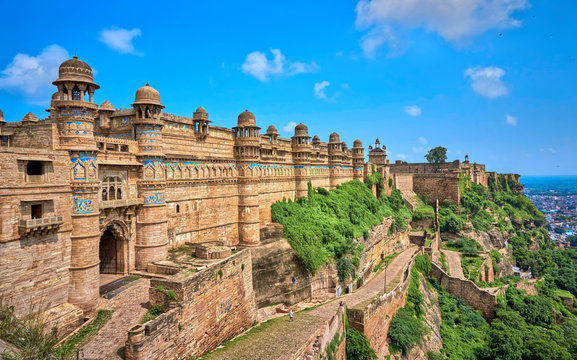
Gwalior Fort
The Pearl of India's Fortresses
Era: Primarily built in the 8th century, with significant additions until the 16th century.
Location: Gwalior, Madhya Pradesh
Dominating the city’s skyline, Gwalior Fort is a magnificent structure with a history spanning over a millennium.
- Known as the “Gibraltar of India,” it houses grand palaces like the Man Singh Palace and Gujari Mahal, intricately carved temples like the Sas-Bahu, and several water tanks.
- The fort has been a witness to the rule of the Tomars, Mughals, and Marathas, making it a living chronicle of Central Indian history.
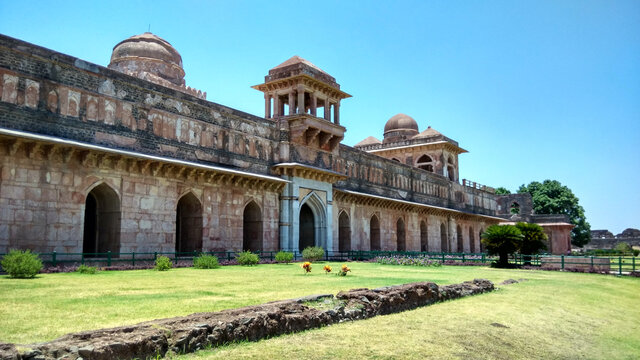
Mandu Fort (Mandavgad)
The City of Joy in Ruins
Era: Reached its peak under the Malwa Sultanate in the 15th century.
Location: Dhar District, Madhya Pradesh
Perched on a scenic plateau, Mandu is a sprawling fortress city of grand ruins.
- Known for its Afghan architectural style, it is famous for the romantic tales of Sultan Baz Bahadur and Rani Roopmati.
- Key structures include the massive Jama Masjid, the intricately designed Hindola Mahal, and the pavilions of Roopmati’s Pavilion and Baz Bahadur’s Palace.
- The fusion of nature and architecture here is breathtaking.
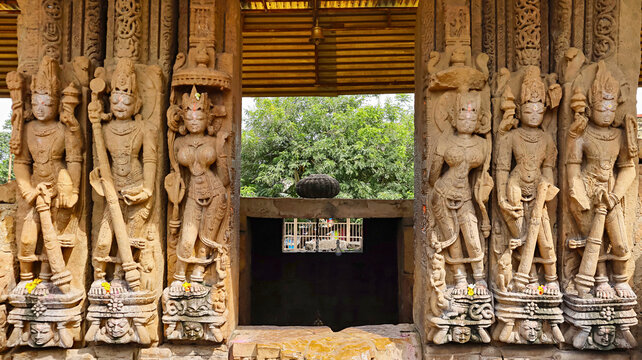
Malhar
The Ancient Trade & Cultural Hub
Era: From 1st millennium BCE onwards, with major structures from the 8th-12th centuries CE
Location: Bilaspur district, Chhattisgarh
One of the oldest archaeological sites in Chhattisgarh, Malhar has revealed continuous habitation from the early Iron Age.
- It was an important trade center on the Dakshina Kosala route.
- The site features the remains of ancient fortifications, temples, and water reservoirs.
- Key structures include the Pataleshwar Temple and the Dindeshwari Temple, which showcase early medieval temple architecture with finely carved doorways and sculptures, indicating a rich historical and cultural past.
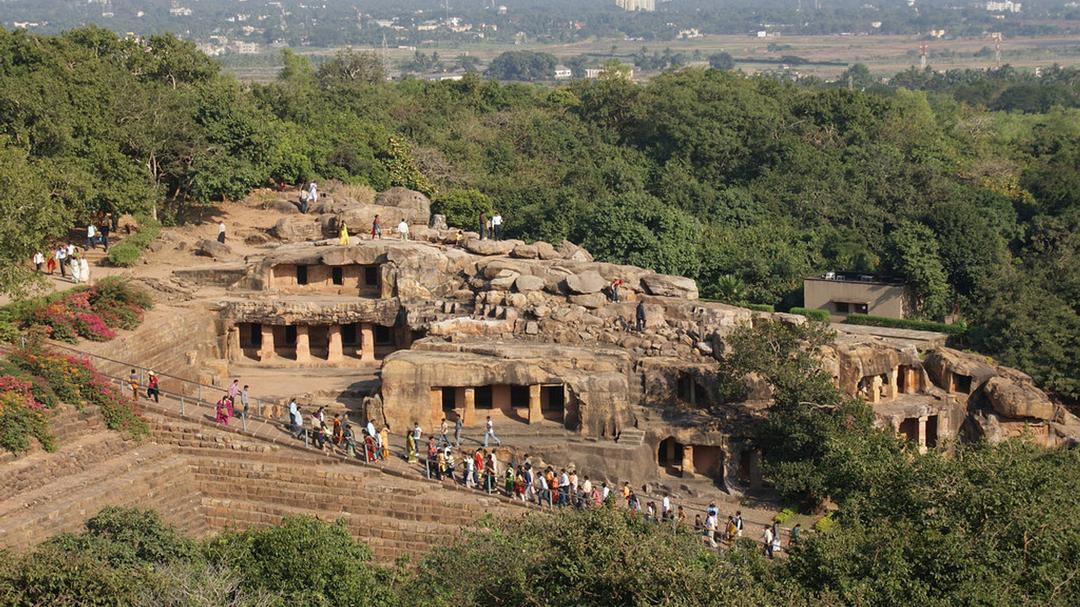
Udayagiri Caves, Vidisha
The Cradle of Gupta Era Art
Era: Carved in the early 5th century CE
Patron: Emperor Chandragupta II of the Gupta Empire
Location: Near Vidisha, Madhya Pradesh
The Udayagiri Caves are a group of 20 rock-cut caves famous for some of the oldest Hindu iconography and inscriptions from the Gupta period.
- Cave 5 features a colossal sculpture of Varaha, the boar incarnation of Lord Vishnu, rescuing the Earth Goddess.
- These caves are crucial for understanding the development of Indian art and religion during the “Golden Age” of the Guptas.
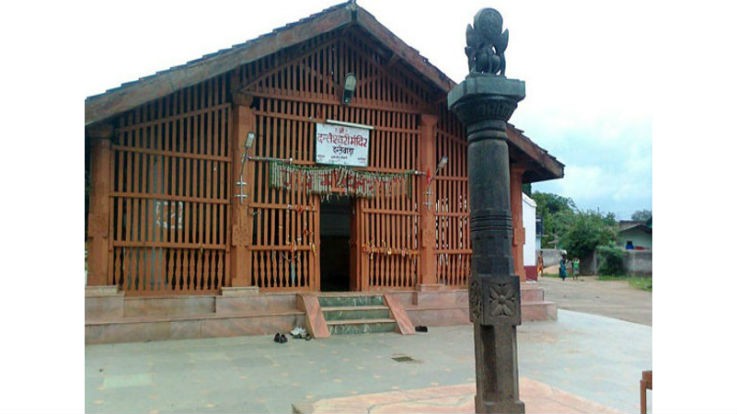
Dantewada & the Danteshwari Temple
The Ancient Shakti Peetha of the South
Era: Temple origin believed to be over 600 years old; the region has a deep mythological and historical significance.
Location: Dantewada district, Chhattisgarh
Located in the conflict-zone-turned-cultural-heartland of Bastar, the Danteshwari Temple in Dantewada is one of the 52 Shakti Peethas of Hindu mythology. It is believed to be the spot where the tooth (dant) of Goddess Sati fell.
- While the current structure is medieval, the site’s religious significance is ancient and forms the core of the cultural identity of the indigenous communities of Bastar.
- The temple architecture reflects the unique local style of South Kosala, and its annual festivals are major archaeological-anthropological events.
- The nearby Barsur complex, with its group of ancient temples and colossal Nandi bull sculpture, adds to the archaeological wealth of the region.

Central India Blogs
Khajuraho Temples (Madhya Pradesh)
Sanchi Stupa (Madhya Pradesh)
Gwalior Fort (Madhya Pradesh)
Bhimbetka Rock Shelters (Madhya Pradesh)