
Central India's Famous Bird & Wildlife Sanctuaries
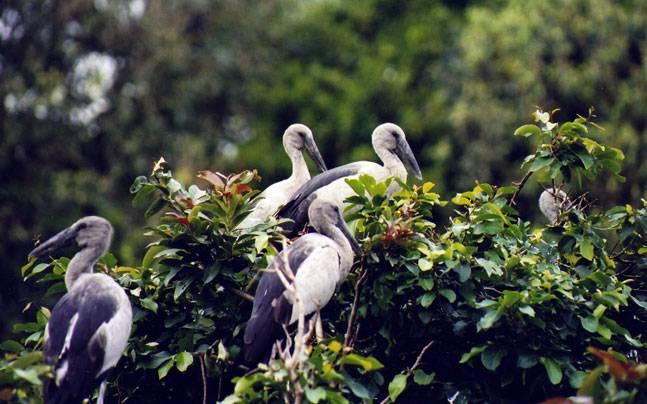
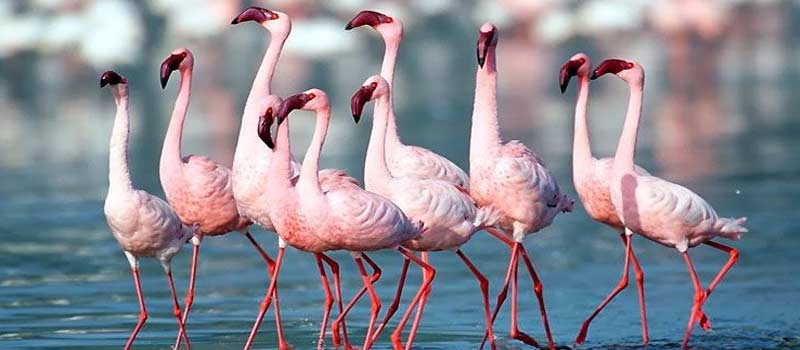
Central India’s Famous Bird & Wildlife Sanctuaries, where history, spirituality, and nature converge, form a bastion of incredible biodiversity. Its vast deciduous forests, winding rivers, and rugged plateaus create ideal habitats for a stunning array of wildlife. From the majestic Bengal tiger to countless migratory birds, the region’s national parks and sanctuaries offer some of the most thrilling wilderness experiences in the world.
Wiki Link: Central India’s Sanctuaries

Bandhavgarh National Park
The Land of the Royal Bengal Tiger
Era: Established as a national park in 1968
Formerly: Hunting preserve of the Maharajas of Rewa
Location: Umaria district, Madhya Pradesh
Renowned for having one of the highest densities of Royal Bengal Tigers in India, Bandhavgarh is a premier destination for wildlife enthusiasts.
The park is dominated by the ancient Bandhavgarh Fort, believed to be a gift from Lord Rama to his brother Lakshman.
Apart from tigers, it is home to leopards, deer, and over 250 species of birds.
Its varied terrain of Sal forests, bamboo, and grasslands makes for spectacular safari experiences.

Kanha National Park
The Inspiration for The Jungle Book
Era: Established as a national park in 1955
Formerly: A hunting ground for the British and Indian royalty
Location: Mandla and Balaghat districts, Madhya Pradesh
Kanha National Park is one of India’s largest and most well-managed tiger reserves, famous for saving the rare Barasingha (swamp deer) from extinction.
The park’s lush Sal and bamboo forests inspired Rudyard Kipling’s classic, The Jungle Book.
It is the only home to the hard-ground Barasingha, a species once on the brink of extinction.
The expansive meadows, like Kanha and Sonf, are ideal for spotting tigers, leopards, and wild dogs.

Pench National Park
The Real Jungle Book Setting
Era: Declared a national park in 1975
Named After: The Pench River flowing through it
Location: Seoni and Chhindwara districts, Madhya Pradesh
Straddling the border of Madhya Pradesh and Maharashtra, Pench is another strong contender for the setting of The Jungle Book, with its rich landscape and thriving tiger population.
The park is characterized by its hilly terrain and pristine Pench River.
It boasts a healthy predator-prey ratio, with frequent sightings of tigers, leopards, and Indian wild dogs (dholes).
The diverse habitat supports over 210 species of birds, including the Malabar pied hornbill.
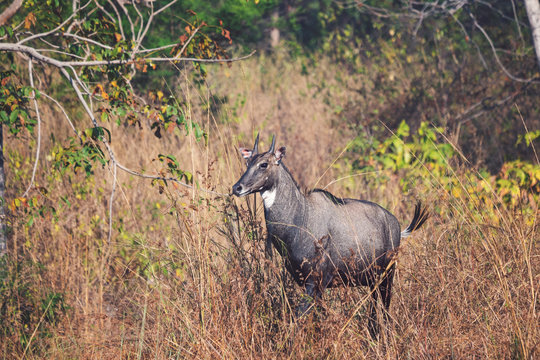
Panna National Park
The Tiger's Successful Comeback
Era: Declared a national park in 1981
Famous For: Successful tiger reintroduction program
Location: Panna and Chhatarpur districts, Madhya Pradesh
A remarkable success story in wildlife conservation, Panna National Park restored its tiger population from local extinction and is now a UNESCO Biosphere Reserve.
The park is famous for its dramatic landscapes, including deep gorges and the flowing Ken River.
It is a critical habitat for the endangered gharial and the mugger crocodile.
Visitors can enjoy a unique combination of jeep safaris and boat rides on the Ken River.
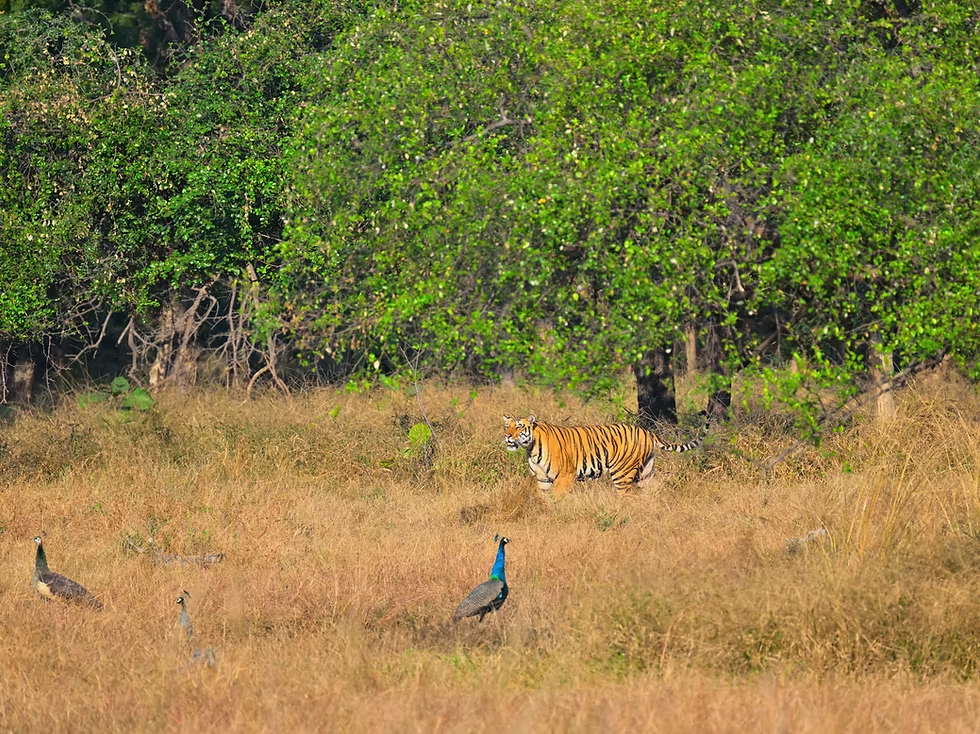
Satpura National Park
The Wilderness of Unparalleled Diversity
Era: Established as a national park in 1981
Named After: The Satpura Range of mountains
Location: Hoshangabad district, Madhya Pradesh
Satpura offers a more rugged and exclusive wildlife experience, with opportunities for walking safaris, canoeing, and night stays in the core forest.
The park features a unique ecosystem of high hills, deep ravines, and dense Sal forests.
It is home to the Indian giant squirrel, Malabar whistling thrush, and the elusive leopard.
The Denwa River provides a stunning backdrop for bird watching and boat safaris.
Sanjay Dubri National Park
The Hidden Gem of Central India
Era: Declared a national park in 1975
Comprises: The merging of Sanjay and Dubri wildlife sanctuaries
Location: Sidhi and Singrauli districts, Madhya Pradesh
A less-explored paradise, Sanjay Dubri offers a pristine and tranquil wilderness experience, rich in flora and fauna away from the crowds.
The park is characterized by dense forests, waterfalls, and the Son and Gopad rivers.
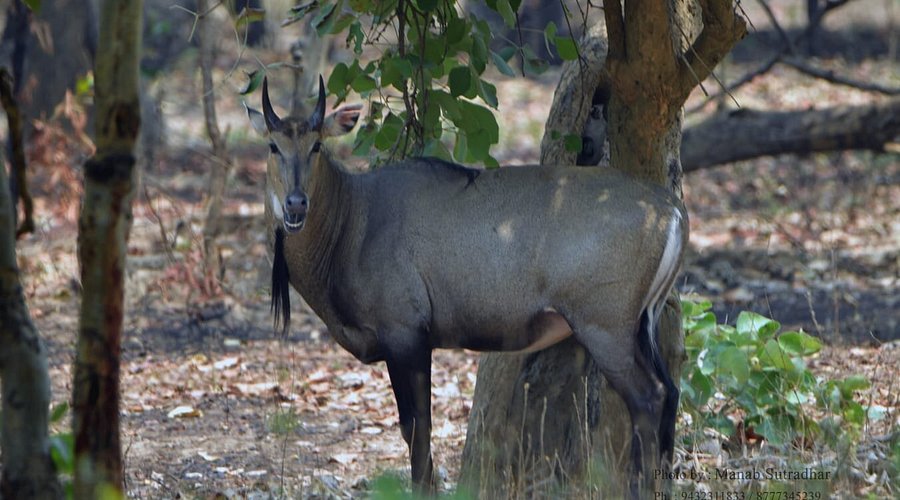
It supports a healthy population of tigers, leopards, sloth bears, and chinkara.
It is a haven for birdwatchers, with species like the white-necked stork and crested serpent eagle.
Barnawapara Wildlife Sanctuary
The Compact Wilderness
Era: Established in 1976
Named After: The Bar and Nawapara villages within it
Location: Mahasamund district, Chhattisgarh
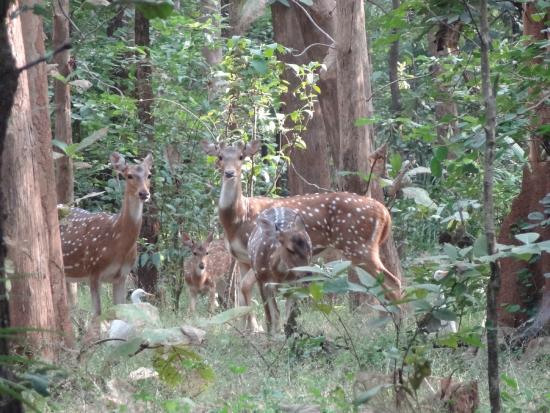
One of the smaller sanctuaries in Chhattisgarh, Barnawapara is known for its compact size and high probability of spotting major mammals.
The sanctuary’s mixed deciduous forests are home to leopards, sloth bears, and gaurs (Indian bison).
It is a vital habitat for the endangered wild buffalo.
The serene environment and minimal tourist traffic make for a peaceful wildlife excursion.

Sitanadi Wildlife Sanctuary
The Sanctuary of the Sitanadi River
Era: Established in 1974
Named After: The Sitanadi River originating from the sanctuary
Location: Dhamtari district, Chhattisgarh
Sitanadi is a vital tiger corridor and an Important Bird Area (IBA), known for its rich avian diversity and lush landscapes.
The sanctuary is a crucial link between other major tiger reserves in Central India.
It is a paradise for bird lovers, hosting species like the hill myna, racket-tailed drongo, and various pheasants.
The terrain is hilly, with dense Sal forests and bamboo thickets.
Udanti-Sitanadi Tiger Reserve
The Abode of the Wild Buffalo
Era: Declared a tiger reserve in 2008-09
Formed By: Merging Udanti and Sitanadi wildlife sanctuaries
Location: Gariaband district, Chhattisgarh
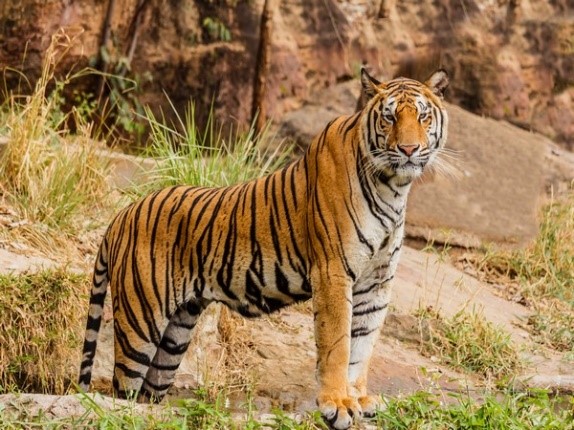
This reserve was established primarily for the conservation of the critically endangered wild water buffalo, alongside its significant tiger population.
The reserve is one of the last strongholds for the wild water buffalo in India.
Its landscape includes rolling hills, valleys, and the Udanti River.
It offers a chance to see leopards, sloth bears, and a wide variety of birds in a secluded setting.

Ratapani Wildlife Sanctuary
The Tiger Reserve in the Making
Era: Notified as a sanctuary in 1976
Famous For: Its significant and growing tiger population
Location: Raisen district, Madhya Pradesh
Located near the state capital, Bhopal, Ratapani is known for its beautiful landscape of teak forests, reservoirs, and ancient rock shelters.
The sanctuary has a high density of leopards and sloth bears.
It contains over 100 rock shelters with prehistoric paintings, similar to Bhimbetka.
Recently declared a tiger reserve, it plays a crucial role in connecting wildlife corridors across Central India.

Bori Wildlife Sanctuary
The Oldest Reserved Forest in India
Era: Established as a sanctuary in 1977
Historically: The first forest in India to be officially reserved (in 1865)
Location: Hoshangabad district, Madhya Pradesh
As part of the larger Pachmarhi Biosphere Reserve, Bori is one of the oldest protected forests in the world, offering a pristine and historic wilderness.
The sanctuary is covered with dense, moist deciduous forests.
It is home to a variety of wildlife, including tigers, leopards, and the Indian giant squirrel.
Its rich biodiversity and historical significance make it a unique destination for nature lovers.

Famous Bird & Wildlife Sanctuaries in Central India
- India’s Premier Wildlife Destination
- Ultimate Wildlife Travel Guide
- India’s Best Wildlife Experiences
- Complete Wildlife Travel Guide
- India’s Top Nature Destinations