
Central India's Famous Dance Forms
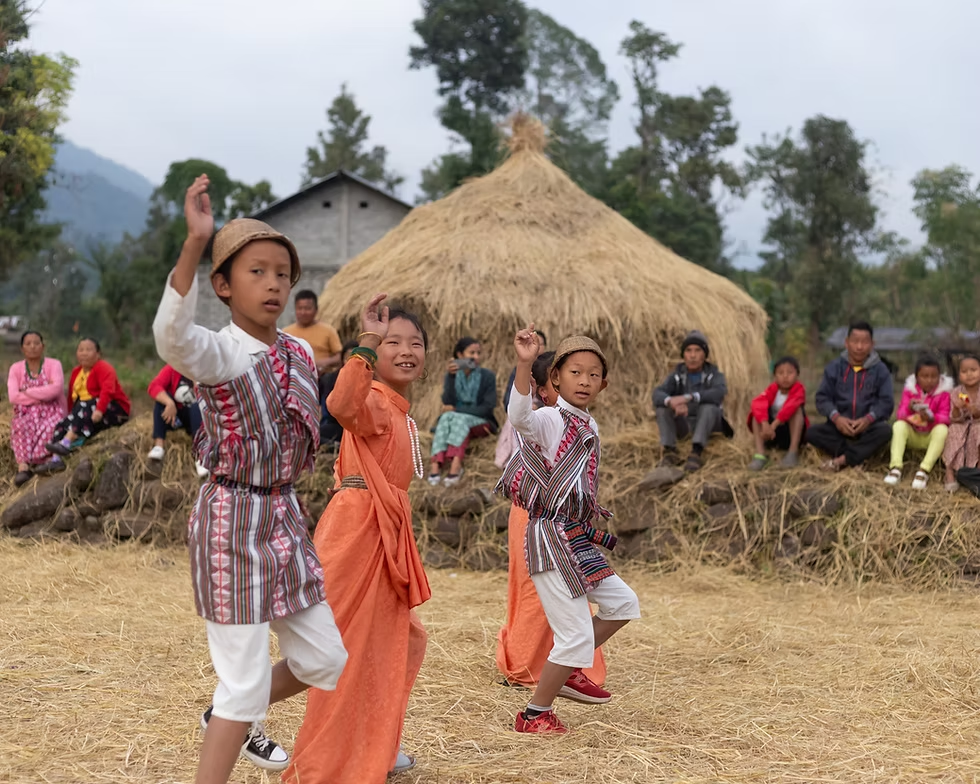
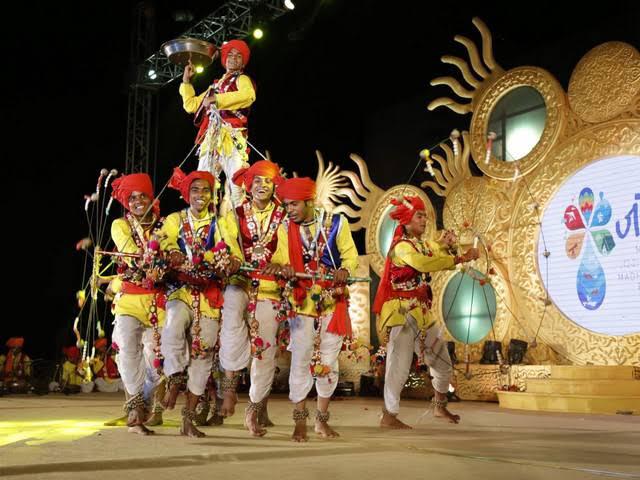
Central India’s famous dance forms reflect the region’s rich tribal heritage, rural traditions, and festive spirit. States like Madhya Pradesh and Chhattisgarh preserve many vibrant folk and tribal dances performed during harvest celebrations, religious rituals, and community gatherings. These dances often tell stories of nature, local heroes, and everyday village life. In addition, rhythmic drums, colorful costumes, and energetic movements bring the performances to life. Together, these dance traditions celebrate unity, culture, and the deep connection between people and nature in Central India.
Wiki Link: Central India’s Famous Dance Forms
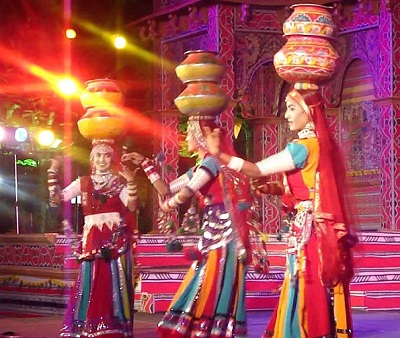
Matki Dance
Madhya Pradesh
A popular folk dance from Madhya Pradesh. Women mainly perform this dance during festivals and weddings. The dancers balance decorated earthen pots on their heads. In addition, they move in graceful circular patterns. The rhythm comes from traditional drums and clapping. Therefore, the performance feels lively and joyful.
Colorful costumes add beauty to the dance. Villagers often gather together to watch the celebration. As a result, the dance strengthens community bonds. The movements remain simple yet expressive. Matki Dance reflects the festive spirit of rural Madhya Pradesh.
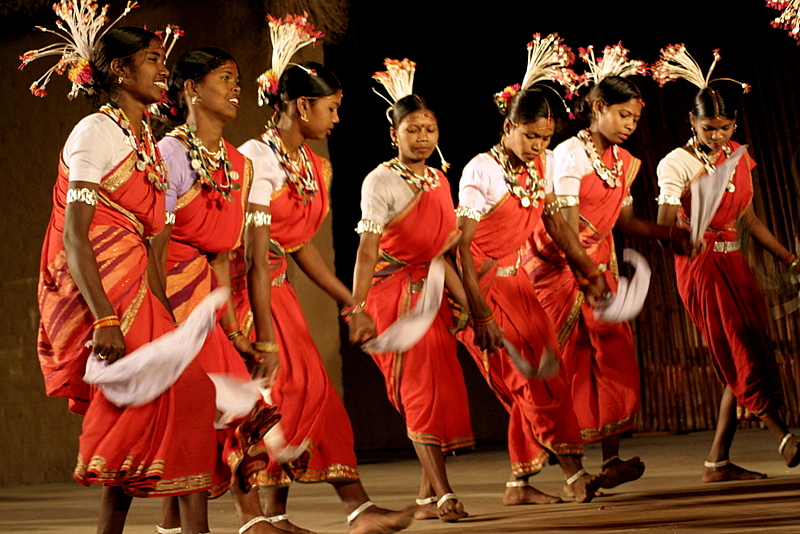
Saila Dance
Chhattisgarh
A traditional tribal dance from Chhattisgarh. It usually takes place after the harvest season. Men perform the dance while holding wooden sticks. In addition, they strike the sticks rhythmically while moving in circles. The beat of drums guides the dancers.
Therefore, the performance becomes energetic and exciting. Villagers gather at night to enjoy the celebration. The dance also expresses gratitude for a good harvest. As a result, it brings people together in joy. The tradition continues through generations. Saila Dance shows the strong tribal culture of Chhattisgarh.

Karma Dance
Madhya Pradesh & Chhattisgarh
Performed during the Karma festival. Tribal communities celebrate it to honor the Karma deity. Men and women dance together in a circle. In addition, singers perform Karma songs during the dance. Drums and traditional instruments create the rhythm. Therefore, the celebration feels lively and spiritual.
The dance thanks nature for prosperity and good crops. Villagers also pray for happiness and success. As a result, the festival builds strong community unity. The dance remains an important tribal tradition. Karma Dance reflects respect for nature and culture.
Gaur Dance
Madhya Pradesh
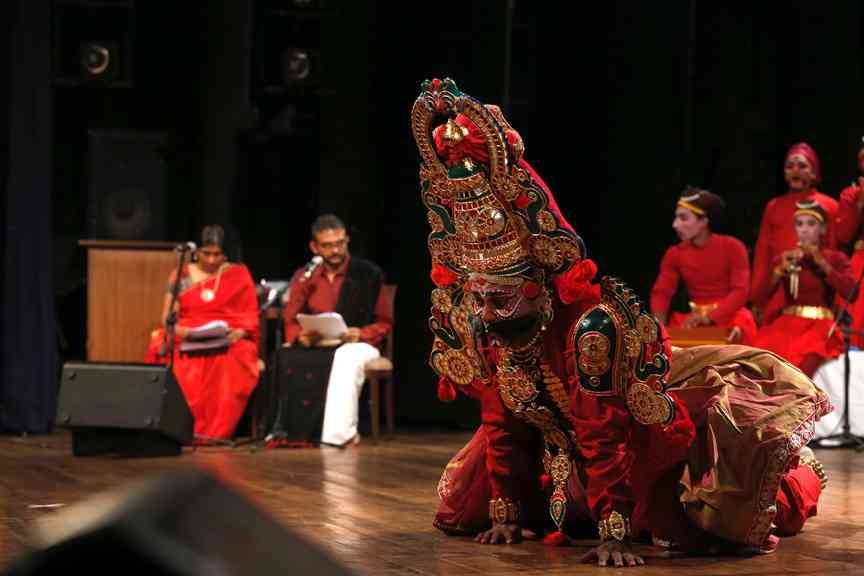
Belongs to the Gond tribal community. It celebrates bravery and hunting traditions. Men usually wear headgear decorated with feathers. In addition, dancers imitate the movements of wild animals. Drums create strong and powerful rhythms. Therefore, the dance feels energetic and bold.
Women sometimes join the performance with graceful steps. The dance takes place during festivals and special gatherings. As a result, it becomes a major cultural attraction. The performance also tells stories of tribal life. Gaur Dance reflects the heritage of the Gond community.
Panthi Dance
Chhattisgarh
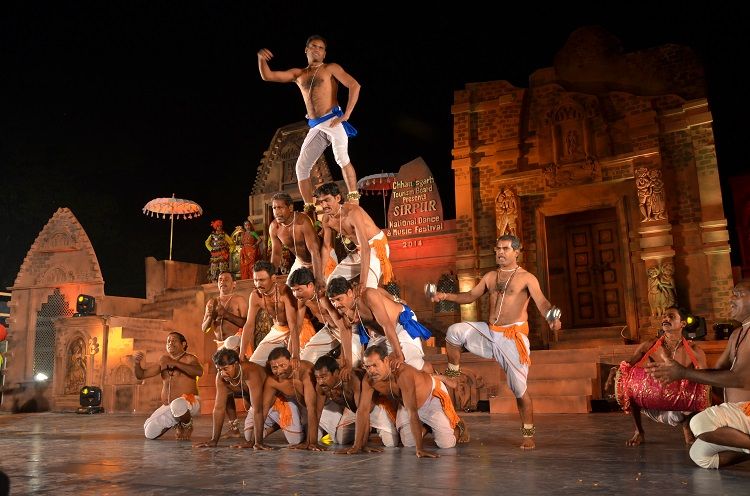
An important devotional dance of Chhattisgarh. Followers of the Satnami community perform it. The dance honors the teachings of Guru Ghasidas. In addition, performers sing spiritual songs during the dance. The movements are fast and rhythmic. Drums and cymbals guide the performance. Therefore, the atmosphere becomes energetic and devotional.
Dancers form circles and create creative formations. Villagers gather to watch during religious festivals. As a result, the dance spreads spiritual messages. Panthi Dance reflects faith and discipline in the community.
Sua Dance
Chhattisgarh
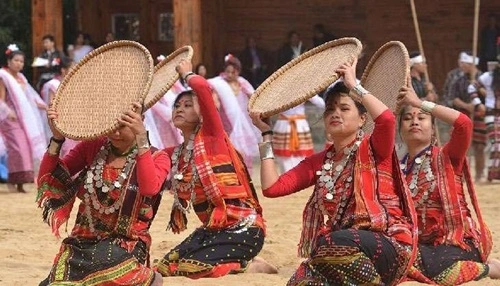
Mainly performed by women in Chhattisgarh. It usually takes place after the harvest season. Women sit or stand in circles during the dance. In addition, they sing songs dedicated to the parrot, called “Sua.” Clapping creates the rhythm for the performance. Therefore, the dance feels simple and cheerful.
The songs often describe love and friendship. Village women perform the dance together. As a result, it strengthens social bonds in the community. The tradition continues during festivals. Sua Dance reflects the joy of rural life.
Jawara Dance
Madhya Pradesh
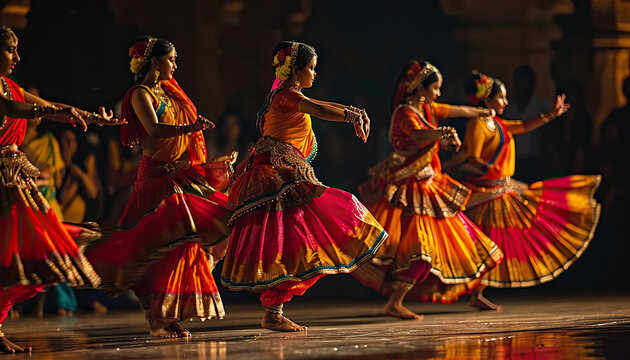
A traditional folk dance of Madhya Pradesh. It usually takes place during the Navratri festival. Devotees grow barley shoots called “Jawara” as part of the ritual. In addition, people carry these plants in decorated pots during processions. The dance begins when the procession reaches the temple. Therefore, the celebration feels both spiritual and festive.
Drums and folk songs guide the rhythm. Men and women dance together with joyful movements. As a result, the festival brings the community closer. The dance also expresses gratitude for good harvest and prosperity. Jawara Dance reflects the strong devotional traditions of Central India.
Bhagoria Dance
Madhya Pradesh
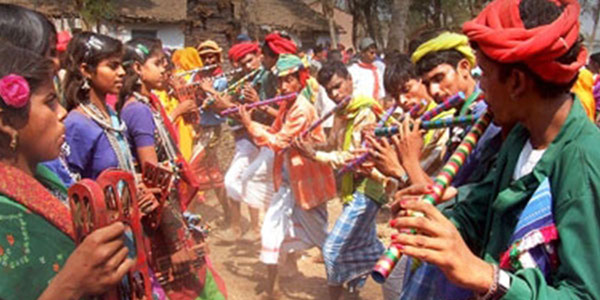
Comes from the Bhil tribal community. It is performed during the famous Bhagoria festival. The festival marks the arrival of spring and the harvest season. In addition, young men and women participate in colorful celebrations.
Traditional drums create a lively rhythm for the dance. Therefore, the performance becomes energetic and joyful. People wear bright tribal clothes and ornaments. The festival also allows young couples to choose their partners. As a result, the celebration has both cultural and social meaning. Villages gather together for fairs and markets. Bhagoria Dance reflects the vibrant life of the Bhil tribe.
Hulki Dance
Chhattisgarh
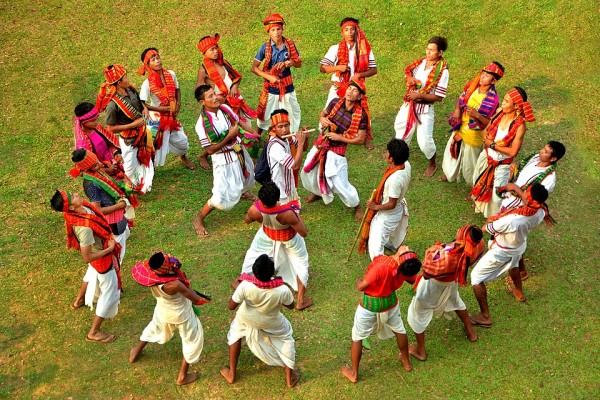
A traditional tribal dance of Chhattisgarh. It is usually performed during festivals and village gatherings. The dance movements are simple yet rhythmic. In addition, men and women sing folk songs during the performance. Drums create the main musical beat. Therefore, the dance feels lively and cheerful.
Performers move in circles or lines together. The songs often describe nature and daily life. As a result, the dance connects people with their traditions. Elders teach the steps to younger generations. Hulki Dance reflects the unity and culture of tribal communities.
Kaksar Dance
Chhattisgarh
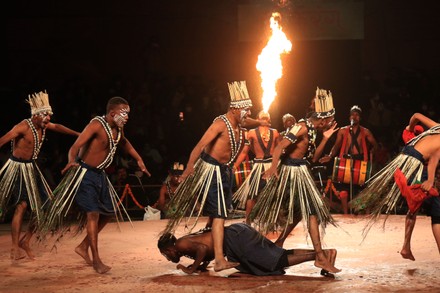
Belongs to the Muria tribal community of Bastar. It usually takes place during harvest celebrations. Young men and women gather to perform the dance together. In addition, singers perform traditional tribal songs. The rhythm comes from drums and bamboo instruments. Therefore, the performance becomes energetic and lively.
Colorful costumes add beauty to the dance. The celebration also helps young people socialize. As a result, it strengthens community bonds. Villagers often perform the dance during large festivals. Kaksar Dance reflects the vibrant traditions of Bastar.
Dadaria Dance
Chhattisgarh
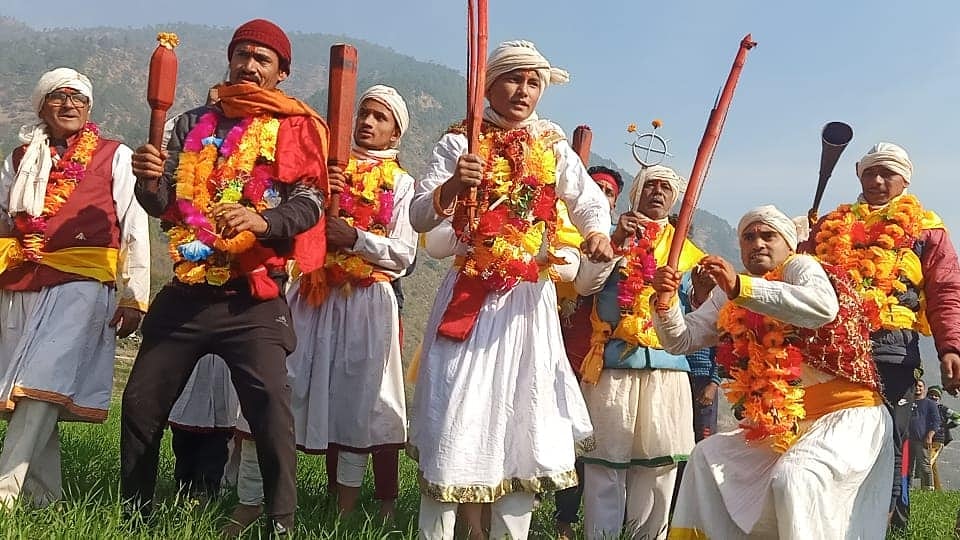
Closely connected with Dadaria folk songs. Young men and women usually perform this dance together. The dance often takes place during village gatherings. In addition, the songs include playful conversations between singers. The rhythm remains light and cheerful. Therefore, the dance feels relaxed and enjoyable.
Drums and clapping support the performance. The songs often describe love and friendship. As a result, the dance creates a joyful atmosphere. The tradition continues through oral learning. Dadaria Dance reflects the social life of rural communities.
Andhra Pradesh Blogs
- Andhra Pradesh Cultural guide
- Places to visit in Andhra Pradesh
- Places to visit in Andhra Pradesh
- India’s most popular destination
- India’s archaeological marvels