
Central India's Famous Temples
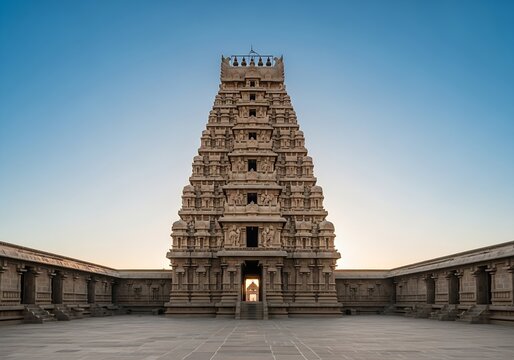
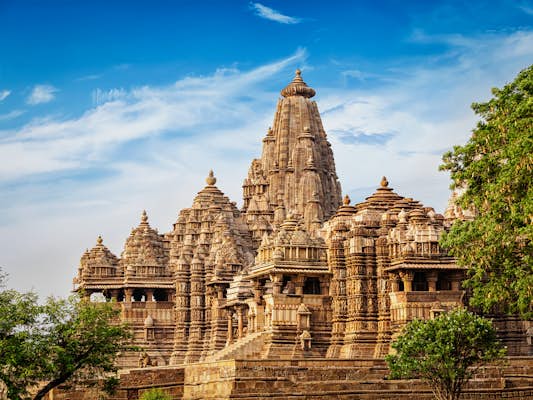
Central India’s spiritual landscape is as diverse as its geography, home to some of the most ancient, architecturally brilliant, and powerfully sacred temples in the country. From the celestial Jyotirlingas and revered Shakti Peeths to temples carved from rock, this region offers a profound journey into faith, history, and artistry. Pilgrims and tourists alike flock here to experience the divine energy that resonates through these hallowed grounds.
Wiki Link: Central India’s Famous Temples
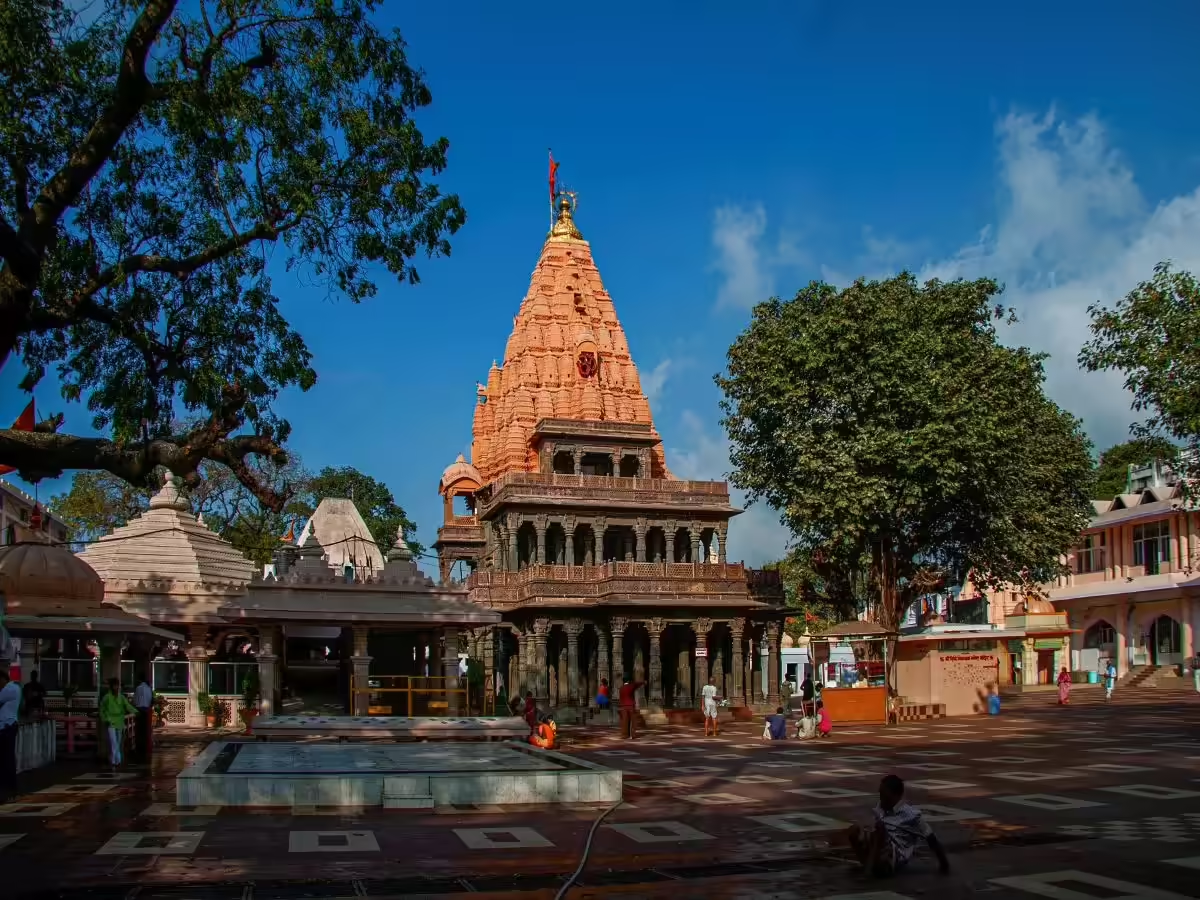
Mahakaleshwar Temple, Ujjain
The Supreme Lord of Time
Era: Known to be ancient, with references in Puranas; current structure built in the 18th century.
Patron: Rebuilt by Ranoji Scindia, Maratha Empire
Location: Ujjain, Madhya Pradesh
One of the twelve revered Jyotirlingas of Lord Shiva, the Mahakaleshwar Temple is one of the most powerful spiritual sites in India.
- Unique for its south-facing idol (Dakshinamurti), it is believed to be Swayambhu (self-manifested).
- The daily Bhasma Aarti, where the lingam is anointed with ash from cremation grounds, is a profound and unique ritual that symbolizes the transcendence of life over death.
- The temple’s energy is palpable, drawing millions to seek the blessings of the ‘Lord of Time’.
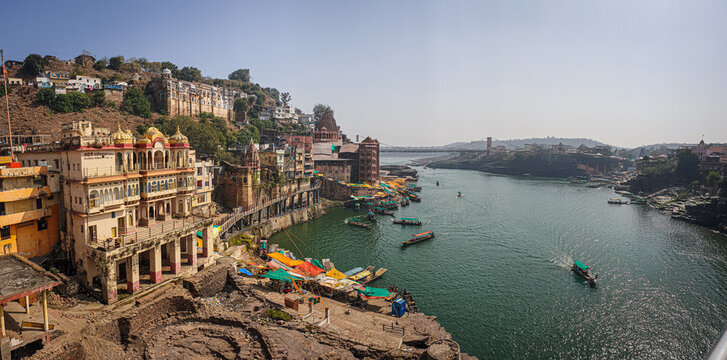
Omkareshwar Temple
The Sacred Island Shrine of Shiva
Era: Ancient, with references in Hindu scriptures
Patron: Various dynasties including the Parmaras and Marathas
Location: Khandwa District, Madhya Pradesh
Situated on the island of Mandhata, shaped like the holy ‘Om’ symbol, Omkareshwar is another of the twelve Jyotirlingas.
- The temple, perched on the confluence of the Narmada and Kaveri rivers, is accessible by boat and bridges.
- The serene atmosphere, with the sound of the flowing river and chanting, creates a deeply meditative environment.
- Devotees believe that a pilgrimage here washes away all sins and helps attain liberation.

Maa Bamleshwari Devi Temple
The Queen of the Holy Hill of Dongargarh
Era: Ancient; the current temple structure is modern.
Patron: Revered by local rulers and the public for centuries.
Location: Dongargarh, Rajnandgaon district, Chhattisgarh
Perched atop a 1,600-foot hill, the Maa Bamleshwari Devi Temple is one of the most prominent Shakti Peethas in Chhattisgarh.
- The presiding deity, Maa Bamleshwari, is a powerful form of Goddess Durga. Pilgrims climb over 1,100 steps to reach the temple, which offers a panoramic view of the surrounding plains.
- The temple is a major pilgrimage center, especially during the Navratri festivals, when it attracts lakhs of devotees.
- Its spiritual significance and commanding presence make it a central landmark of faith in the state.
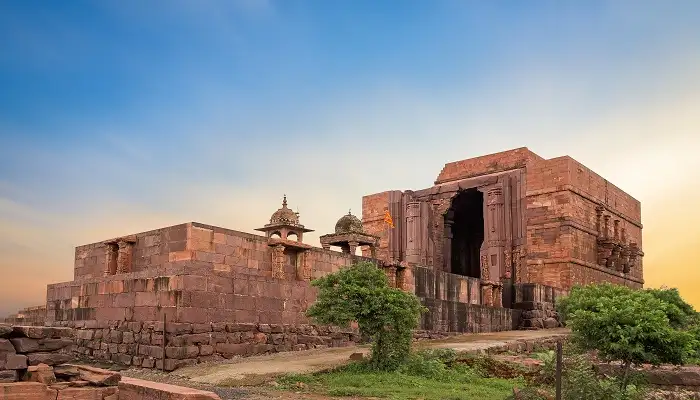
Bhojeshwar Temple, Bhojpur
The Unfinished Masterpiece
Era: 11th Century CE
Patron: King Bhoja of the Paramara dynasty
Location: Bhojpur, near Bhopal, Madhya Pradesh
An architectural marvel, the Bhojeshwar Temple houses one of the largest Shiva Lingams in India, carved from a single rock and towering at over 18 feet.
- The temple was never completed, offering a unique glimpse into ancient Indian construction techniques.
- The sheer scale of the lingam and the temple’s massive, precisely carved stones are awe-inspiring, making it a significant site for both devotees and history enthusiasts.
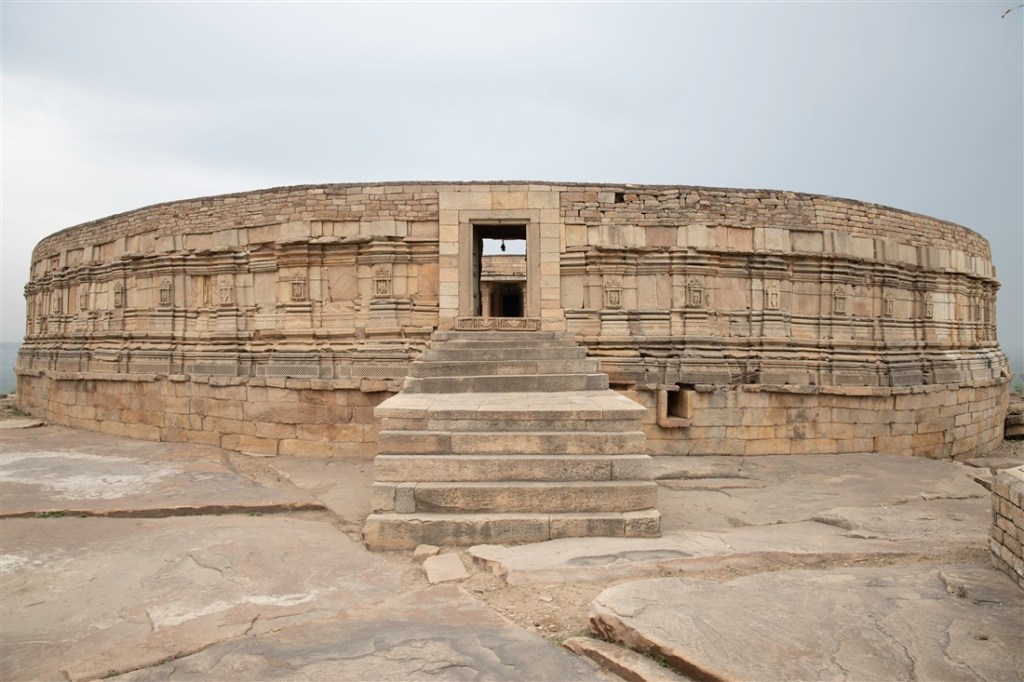
Chausath Yogini Temple, Mitavli
The Temple of the 64 Yoginis
Era: 10th Century CE
Patron: The Kachchhapaghata dynasty
Location: Morena, Madhya Pradesh
Dedicated to the 64 Yoginis, manifestations of the Divine Mother, this circular, open-air temple is one of the few surviving Yogini temples in India.
- Its unique architecture features 64 chambers, each once housing a statue of a Yogini, surrounding a central shrine.
- The temple offers a mystical and powerful aura, connected to ancient tantric traditions.
- The hilltop location provides a panoramic view of the surrounding countryside.
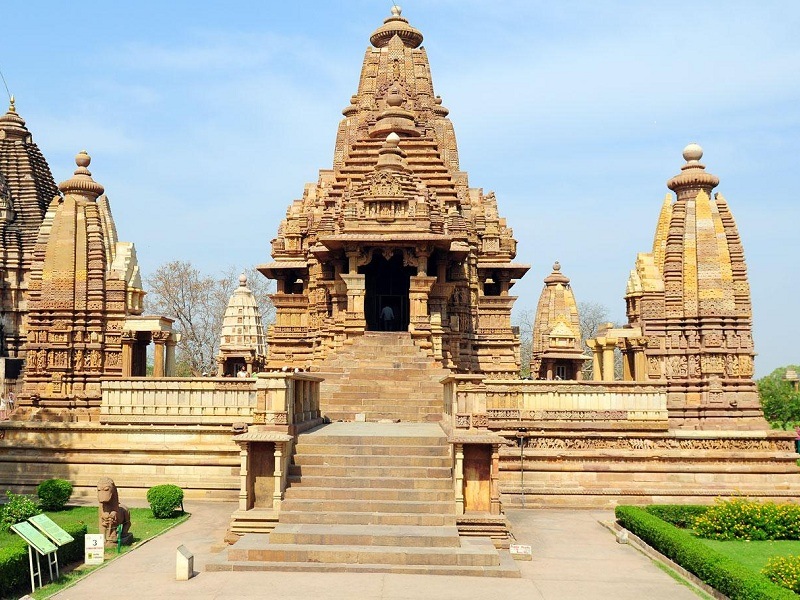
Lakshmana Temple, Khajuraho
A Symphony in Sandstone
Era: circa 954 CE
Patron: Yashovarman of the Chandela dynasty
Location: Khajuraho, Madhya Pradesh
A quintessential example of the Khajuraho group of temples, the Lakshmana Temple is renowned for its exquisite symmetry and profusion of intricate sculptures.
- Dedicated to Lord Vishnu, the temple’s walls are adorned with celestial nymphs, gods, goddesses, and erotic scenes that symbolize the celebration of life and spiritual pursuit.
- It is a UNESCO World Heritage Site and a masterpiece of Nagara-style architecture.

Rajiv Lochan Temple, Rajim
The Varanasi of Chhattisgarh
Era: 7th-8th centuries CE
Patron: The Nala dynasty and later rulers
Location: Rajim, Gariaband district, Chhattisgarh
Located at the sacred confluence (Prayag) of the Mahanadi, Pairi, and Sondur rivers, the Rajiv Lochan Temple is an ancient and architecturally significant Vaishnavite temple.
- Dedicated to Lord Vishnu, the temple is famous for its exquisite carvings and is considered the most important pilgrimage site in Chhattisgarh, often called its “Varanasi.”
- The annual Rajim Kumbh Mela is a major religious gathering.
- The temple complex also houses other historic shrines, making it a crucial archaeological and spiritual hub that represents the medieval temple art of the Dakshina Kosala region.
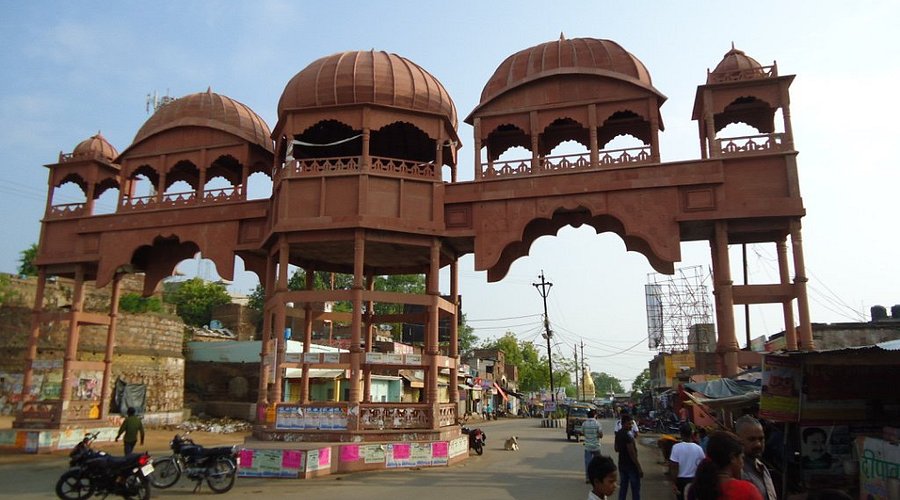
Maa Pitambara Peeth, Datia
The Seat of the Golden Goddess
Era: Established in the 1930s
Patron: Swami Pran Nath Ji
Location: Datia, Madhya Pradesh
A prominent Shakti Peeth dedicated to Goddess Bagalamukhi (Pitambara), one of the ten Mahavidyas.
- The temple is famous for its vibrant yellow theme, from the goddess’s attire to the temple complex.
- Devotees believe the goddess has the power to silence enemies and grant victory in legal and worldly disputes.
- The temple’s unique rituals and powerful aura attract thousands of seekers.

Salkanpur Temple
The Hilltop Shakti Shrine
Era: Ancient, modern temple developed recently
Patron: Local devotees and trust
Location: Salkanpur, Sehore District, Madhya Pradesh
Perched atop a hill, the temple of Maa Bheemeshwari (a form of Durga) is a major Shakti Peeth in Central India.
- The pilgrimage involves a steep climb of over 900 steps, which devotees undertake with great devotion.
- The idol of the goddess is a Svayambhu Swayambhu Sri Yantra, a unique and powerful representation.
- The panoramic view from the top and the strong spiritual energy make the challenging trek worthwhile.
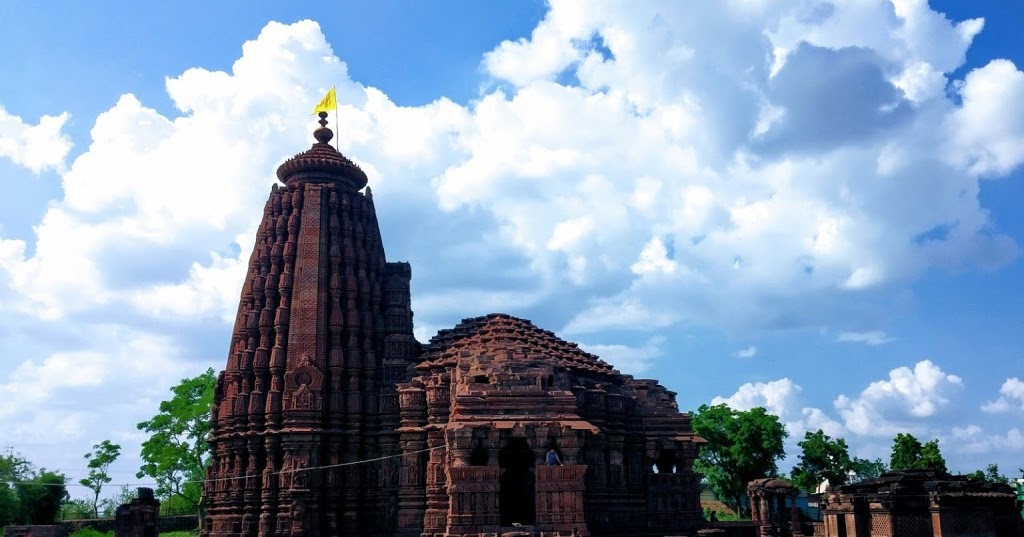
Neelkantheshwar Temple, Ujjain
The Blue-Throated Lord
Era: 1st Century BCE – 1st Century CE
Location: Ujjain, Madhya Pradesh
Located on a small island in the Gambhir River, this ancient temple is dedicated to Neelkantheshwar (Lord Shiva, the blue-throated one).
- It is believed to be the spot where Shiva consumed the poison during the Samudra Manthan.
- The temple’s serene and picturesque setting, surrounded by water, adds to its spiritual charm and makes it a peaceful retreat away from the city’s hustle.

Central India's Famous Temples
- Central India Cultural Guide
- Spiritual Destinations in Central India
- Temples to Visit in Central India
- India’s Sacred Architectural Wonders