
East India’s Famous Dance Forms
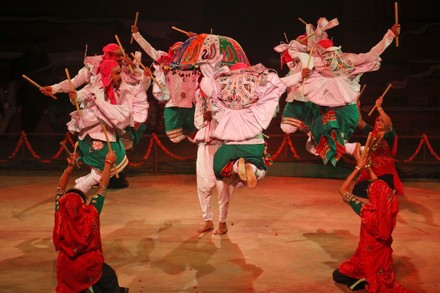
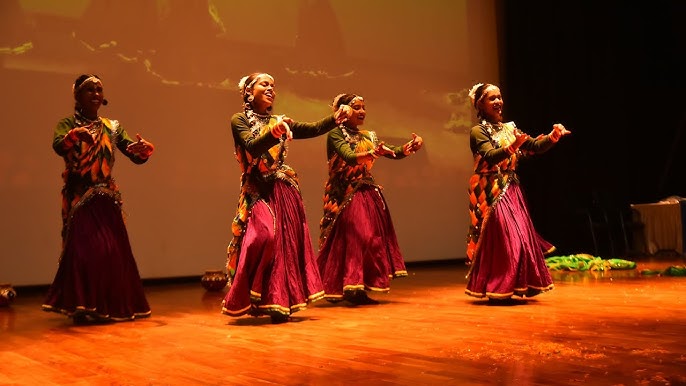
East India’s famous dance forms beautifully reflect the region’s cultural depth, spiritual traditions, and vibrant tribal heritage. States like West Bengal, Odisha, Bihar, and Jharkhand are home to both classical and folk dance styles that have evolved over centuries. From graceful temple dances to energetic tribal performances, each form carries unique stories, rituals, and regional identity. These dances are often performed during festivals, religious ceremonies, and social celebrations.
Wiki Link: East India’s Famous Dance Forms
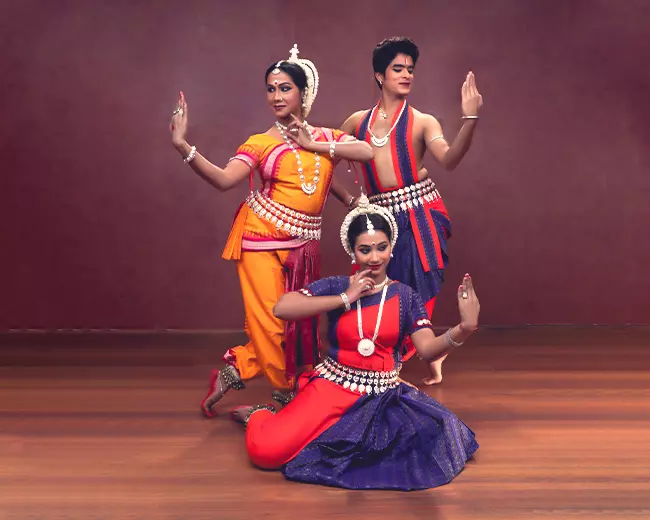
Odissi
Odisha
One of the oldest classical dance forms of India. It originated in the temples of Odisha as a devotional dance dedicated to Lord Jagannath. The dance is known for its graceful movements and sculptural poses inspired by temple carvings. Tribhangi posture, which divides the body into three parts, is a distinctive feature.
Expressive facial gestures and hand mudras narrate mythological stories. Traditional music and rhythmic footwork enhance performances. Dancers wear elaborate silver jewelry and colorful silk costumes. Odissi emphasizes devotion, spirituality, and storytelling. It gained revival in the 20th century after colonial decline.
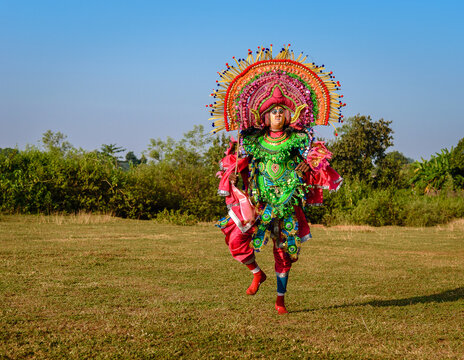
Chhau Dance
Odisha & Jharkhand
A semi-classical dance form blending martial arts, folk traditions, and classical elements. It is especially popular in Mayurbhanj (Odisha) and Saraikela (Jharkhand). The dance often depicts stories from the Ramayana and Mahabharata. Performers wear elaborate masks in certain styles.
Strong, energetic movements and leaps define its technique. Martial training influences its powerful choreography. Musical accompaniment includes drums like dhol and dhamsa. Costumes are vibrant and dramatic. The dance is usually performed during festivals like Chaitra Parva. Chhau reflects the heroic and tribal spirit of East India.

Purulia Chhau
West Bengal
A regional variation of Chhau dance. It is famous for its grand and colorful masks. The dance narrates mythological and heroic tales. Performers execute vigorous movements and acrobatics. Traditional drums and folk instruments create powerful rhythms.
The masks are handcrafted by skilled artisans. Costumes are bright and dramatic. The dance is performed mainly during spring festivals. Community participation strengthens its cultural importance. Purulia Chhau reflects West Bengal’s vibrant folk heritage.
Jhumar
Jharkhand
A popular folk dance performed during harvest and social festivals. It is especially common among tribal communities. The dance involves rhythmic swaying movements. Performers form circles while dancing gracefully. Traditional folk songs accompany the dance. Women often wear colorful sarees and ornaments.
The dance celebrates joy, unity, and agricultural prosperity. It strengthens community bonds. Musical instruments like mandar and dhol are used. Jhumar reflects the simplicity and vibrancy of Jharkhand’s rural life.

Paika Dance
Odisha
A martial folk dance of Odisha. It originated from the warrior class known as Paikas. The dance demonstrates battle techniques and sword movements. Performers display courage and discipline. Traditional drums enhance the energetic performance.
Costumes resemble warrior attire. The dance is performed during festivals and public events. It symbolizes bravery and patriotism. The choreography reflects Odisha’s military history. Paika Dance preserves the legacy of ancient warriors.

Domkach
Bihar & Jharkhand
A traditional folk dance performed mainly during weddings. Women play a major role in the performance. The dance is light-hearted and joyful. It includes playful songs and humorous expressions. Performers move in coordinated rhythmic patterns.
Traditional instruments accompany the dance. The celebration strengthens family bonds. It reflects rural customs and traditions. The dance is simple yet culturally meaningful. Domkach represents the festive spirit of East Indian marriages.

Santhali Dance
Jharkhand & West Bengal
Performed by the Santhal tribal community. It is closely linked to nature and agricultural cycles. Men and women dance together in lines or circles. The movements are rhythmic and coordinated. Traditional drums and flutes create lively music.
The dance is performed during festivals like Sohrai and Baha. Colorful attire and ornaments enhance the visual appeal. Songs narrate tribal legends and daily life. Community participation is central to the performance. Santhali Dance reflects the rich tribal heritage of East India.
Gotipua
Odisha
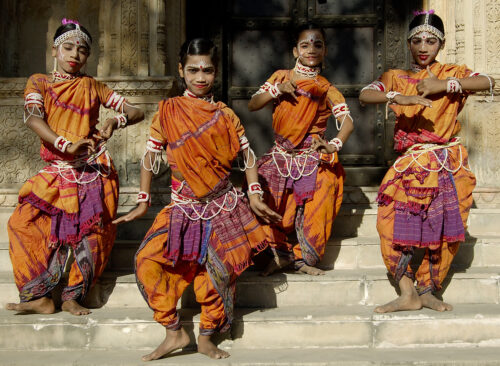
A traditional dance form of Odisha and is considered the precursor to Odissi. Young boys dress as female dancers to perform devotional pieces. The dance originated in temple traditions dedicated to Lord Jagannath. Performers showcase flexibility through acrobatic poses and yogic postures.
Expressive gestures and storytelling are key elements. Traditional Odia music accompanies the performance. Bright costumes and elaborate makeup enhance the visual appeal. The dance requires years of disciplined training. Gotipua preserves ancient devotional traditions. It reflects Odisha’s spiritual and artistic heritage.
Brita Dance
West Bengal
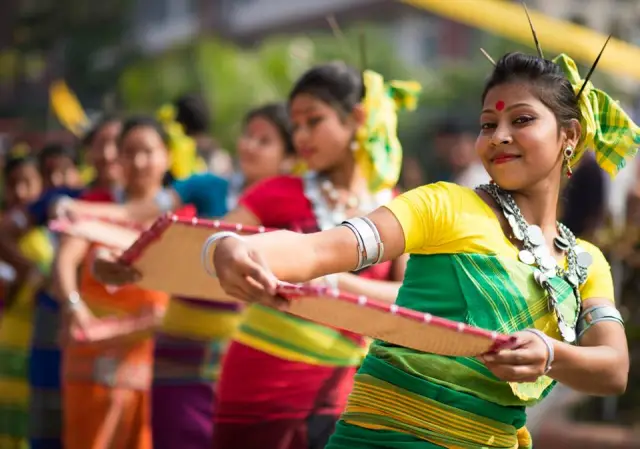
A traditional folk dance performed mainly by women. It is associated with religious rituals and prayers. The dance is often performed to seek divine blessings. Simple rhythmic movements define the style.
Performers sing devotional songs during the dance. It is usually presented during village ceremonies. The dance strengthens faith and community bonding. Traditional attire enhances the cultural essence. Brita Dance reflects rural West Bengal’s devotional practices. It preserves age-old ritual traditions.
Karma Dance
Jharkhand
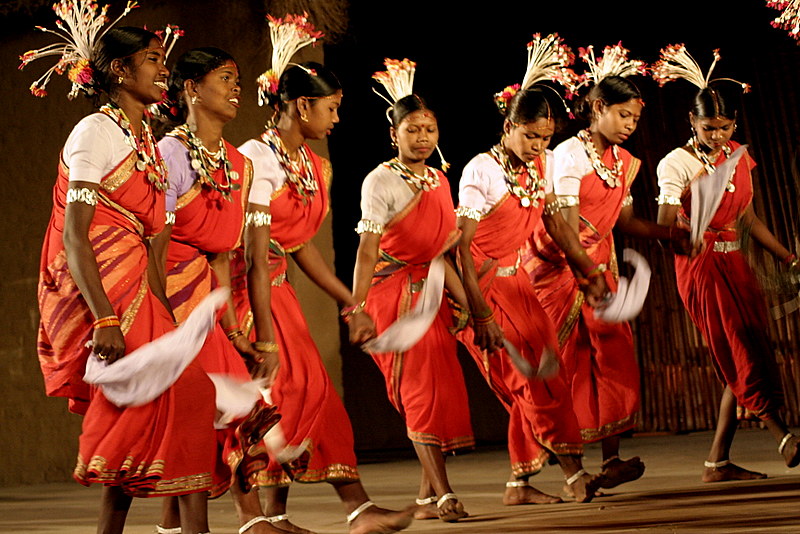
Performed during the Karma festival dedicated to the Karma deity. It celebrates nature, fertility, and prosperity. Men and women dance in circles around a sacred branch. The movements are lively and synchronized.
Traditional drums and flutes create rhythmic beats. Songs praise nature and community harmony. The festival marks agricultural significance. Colorful costumes add vibrancy to the celebration. The dance strengthens social unity among tribes. Karma Dance reflects Jharkhand’s strong tribal identity.
Jhijhiya Dance
Bihar
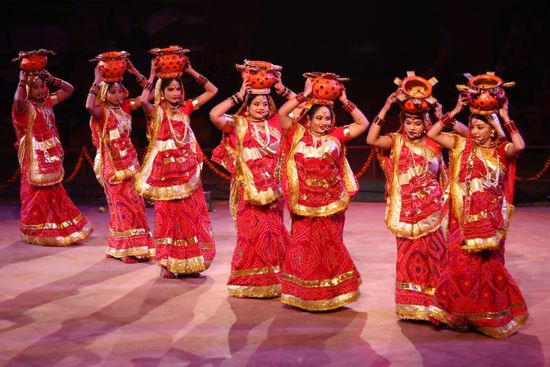
A traditional folk performance popular in rural West Bengal. It is performed by female dancers known as Nachnis. The dance blends storytelling with expressive movements. Folk songs narrate mythological and romantic themes.
Traditional musical instruments accompany the performance. The dance is usually staged during fairs and festivals. Bright costumes and expressive gestures define its style. It represents rural entertainment traditions. The form has evolved over generations. Nachni Dance reflects the folk artistry of Bengal.

Ho Dance
Jharkhand
Performed by the Ho tribal community. It is closely connected to agricultural celebrations. Men and women dance together in rhythmic patterns. The dance highlights unity and cooperation. Traditional drums create lively beats.
Performers wear colorful tribal attire and ornaments. Songs narrate stories of nature and daily life. The dance is performed during harvest and community festivals. It strengthens tribal identity and heritage. Ho Dance reflects the vibrant culture of Jharkhand’s tribal communities.
Andhra Pradesh Blogs
- Andhra Pradesh Cultural guide
- Places to visit in Andhra Pradesh
- Places to visit in Andhra Pradesh
- India’s most popular destination
- India’s archaeological marvels