
East India’s Famous Music Forms
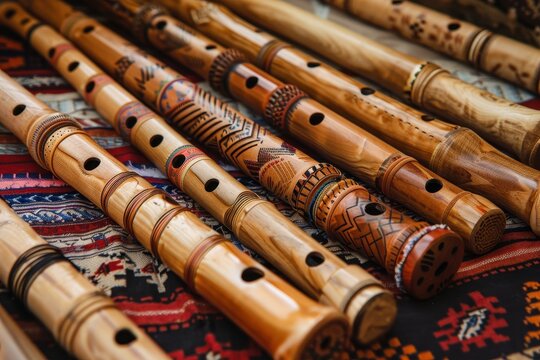

East India’s famous music forms reflect the region’s deep spiritual roots, literary richness, and vibrant folk traditions. States like West Bengal, Odisha, Bihar, and Jharkhand have nurtured diverse musical styles ranging from classical and devotional compositions to tribal and rural folk melodies. Music here is closely connected to festivals, temple rituals, agricultural cycles, and storytelling traditions. From soulful Baul songs and Odissi music to Bhojpuri folk and tribal rhythms, each form carries unique regional identity and cultural expression. With meaningful lyrics, traditional instruments, and emotional depth, East India’s music continues to preserve its artistic heritage across generations.
Wiki Link: East India’s Famous Music Forms
Baul Music
West Bengal
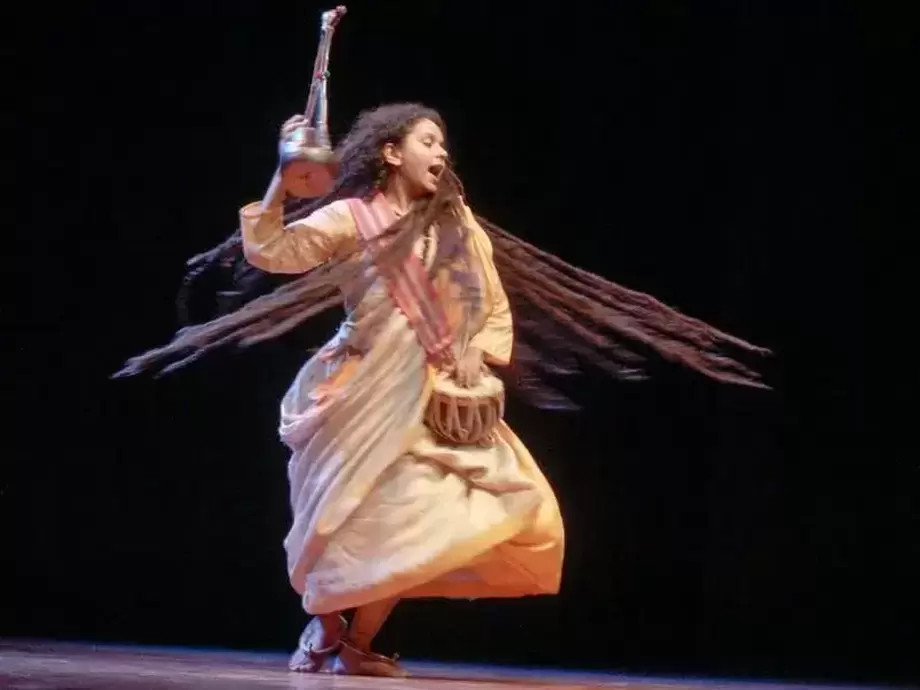
A mystical folk tradition of Bengal performed by wandering minstrels known as Bauls. It blends elements of Sufi, Vaishnav, and Tantric philosophies. The songs focus on spiritual love and the search for the divine within. Lyrics are simple yet deeply philosophical. Traditional instruments like the ektara and dotara are commonly used. Performers sing with intense emotion and devotion. Baul music rejects rigid religious boundaries.
It promotes universal brotherhood and inner realization. The tradition has been passed orally for generations. Baul music reflects Bengal’s spiritual and cultural soul.
Rabindra Sangeet
West Bengal
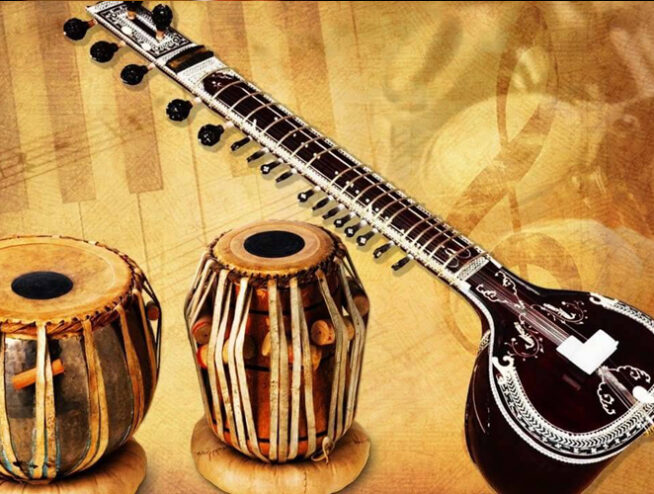
Refers to songs composed by Rabindranath Tagore. These songs combine classical ragas with Bengali folk influences. The lyrics explore themes of love, nature, devotion, and patriotism. Rabindra Sangeet forms an integral part of Bengali culture. The melodies are expressive and emotionally rich. The songs are performed in festivals, schools, and cultural events.
Tagore composed over 2,000 songs in this genre. The style maintains a balance between simplicity and depth. It has influenced modern Bengali music significantly. Rabindra Sangeet represents literary and musical excellence of East India.
Odissi Music
Odisha
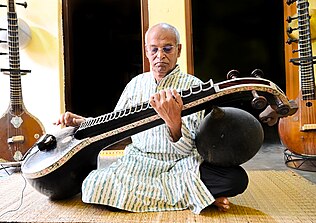
The classical music tradition of Odisha. It is closely associated with the Odissi dance form. The music follows its own ragas and talas distinct from Hindustani and Carnatic systems. Devotional themes dominate the compositions.
The Gita Govinda is a major source of lyrics. Traditional instruments like mardala, violin, and flute are used. The style emphasizes melody and lyrical expression. It developed in temple traditions dedicated to Lord Jagannath. Odissi music carries strong spiritual essence. It reflects Odisha’s classical artistic heritage.
Bhojpuri Folk Music
Bihar
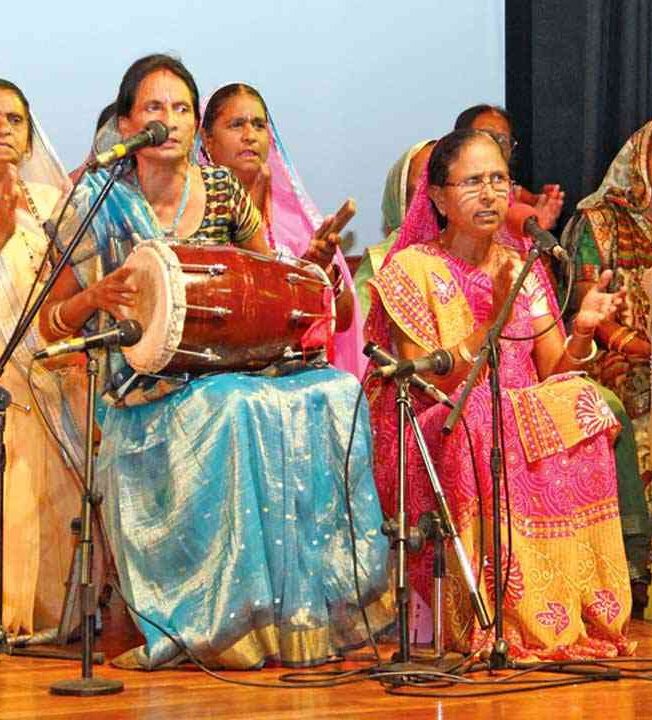
Widely popular in rural Bihar. It reflects everyday life, love, migration, and social themes. The songs are performed during weddings and festivals. Seasonal songs celebrate harvest and monsoon. Instruments like dholak and harmonium accompany performances. Lyrics are simple and emotionally expressive.
Women play an important role in preserving this tradition. The music has gained popularity beyond India. It connects deeply with Bhojpuri-speaking communities. Bhojpuri Folk Music reflects Bihar’s vibrant rural culture.
Jhumar Music
Jharkhand
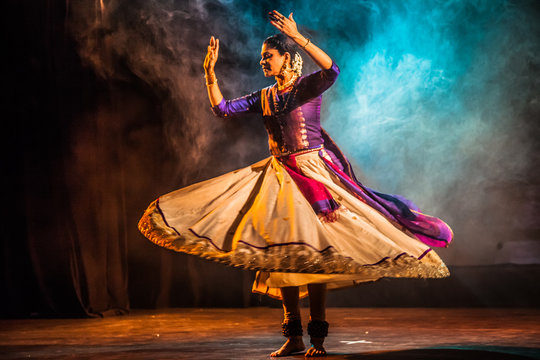
Accompanies the Jhumar dance tradition. It is rooted in tribal and rural communities. The songs celebrate agriculture and seasonal festivals. Rhythmic beats create a joyful atmosphere. Traditional drums like mandar are widely used.
Lyrics highlight nature and community bonding. Performances encourage collective participation. The melodies are lively and easy to follow. Jhumar music strengthens cultural identity. It represents Jharkhand’s rich tribal traditions.

Tusu Songs
Jharkhand & West Bengal
Sung during the Tusu Parab harvest festival. Young girls traditionally perform these songs. The lyrics celebrate prosperity and rural life. Simple melodies make them easy to sing collectively.
The songs are often improvised. Traditional percussion instruments accompany performances. The festival marks the end of the agricultural season. Tusu songs strengthen village unity. They reflect agrarian culture and traditions. Tusu music represents seasonal joy in East India.
Shyama Sangeet
West Bengal
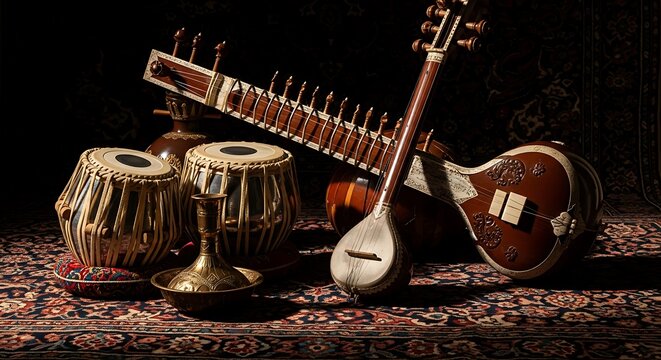
A devotional music tradition dedicated to Goddess Kali. The songs express deep devotion and surrender to the divine mother. Lyrics are emotional and poetic in nature. The compositions often describe the goddess as both fierce and compassionate. Harmonium, tabla, and cymbals commonly accompany performances.
It is performed during Kali Puja and other religious gatherings. The style blends classical and folk elements. Many renowned poets contributed to this genre. The music creates a spiritual and meditative atmosphere. Shyama Sangeet reflects Bengal’s strong Shakti worship tradition.
Chhau Music
Odisha & Jharkhand
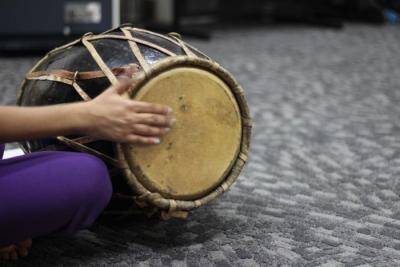
Accompanies the Chhau dance tradition. It features powerful drum rhythms and energetic beats. Instruments like dhol, dhamsa, and shehnai are commonly used. The music enhances dramatic storytelling in performances.
It often depicts mythological and heroic themes. The tempo varies according to the narrative sequence. Performers rely heavily on rhythm rather than lyrics. The music builds intensity and excitement. It plays a vital role in open-air festival performances. Chhau Music reflects the martial and tribal spirit of East India.
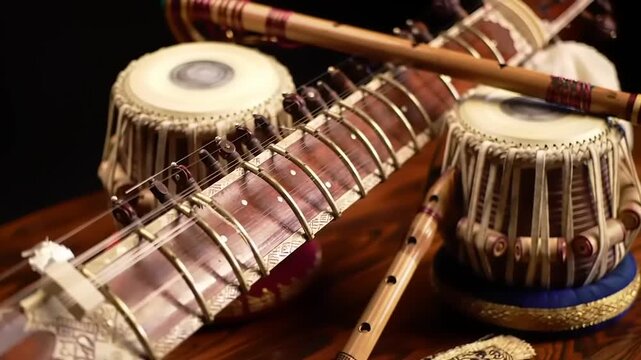
Bhatiali
West Bengal
A traditional riverine folk music of Bengal. It is sung by boatmen while sailing across rivers. The songs express longing, separation, and spiritual reflection. The melodies are slow and deeply emotional. Lyrics often compare the river journey to life’s journey.
The music follows free-flowing rhythms. Traditional instruments like dotara may accompany performances. Bhatiali songs are closely linked to Bengal’s river culture. The genre carries a soothing and melancholic tone. Bhatiali reflects the natural and emotional landscape of rural Bengal.
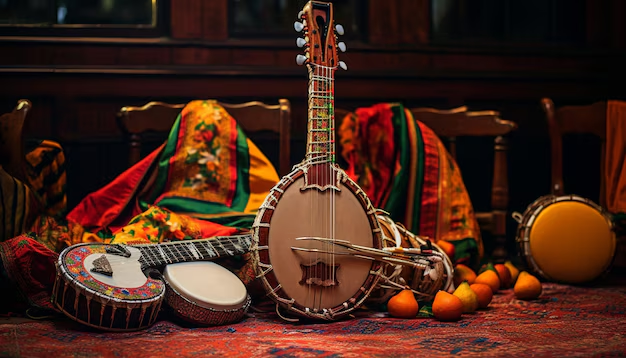
Maithili Folk Music
Bihar
Belongs to the Mithila region of Bihar. It includes devotional, wedding, and seasonal songs. Women play a major role in preserving the tradition. The lyrics are rich in cultural symbolism. Songs celebrate festivals like Chhath and Sama-Chakeva.
Traditional instruments such as dholak accompany performances. The melodies are simple yet expressive. The music strengthens community bonds. It is passed down orally across generations. Maithili music reflects Bihar’s literary and cultural heritage.
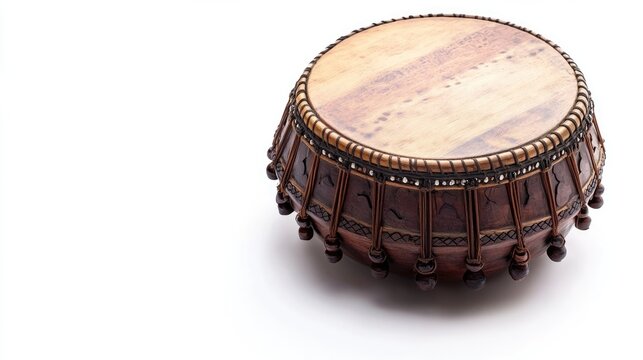
Domkach Songs
Bihar & Jharkhand
Performed during wedding ceremonies. They are lively and humorous in nature. Women sing playful songs teasing the bride and groom. The music creates a joyful festive atmosphere. Rhythmic clapping and dholak beats accompany the songs.
Lyrics reflect social customs and relationships. The tradition encourages community participation. It strengthens familial bonds during marriages. The songs are usually sung in groups. Domkach music represents the celebratory spirit of rural East India.
Pala Music
Odisha
A devotional storytelling tradition of Odisha. It combines singing, narration, and dramatic expression. Performers recount mythological and religious tales. The lead singer is supported by a group of musicians.
Harmonium, cymbals, and percussion instruments are used. The style emphasizes rhythm and dialogue. It is performed in temple festivals and village gatherings. The music educates audiences about spiritual values. Performances can last for several hours. Pala Music reflects Odisha’s devotional storytelling heritage.
Andhra Pradesh Blogs
- Andhra Pradesh Cultural guide
- Places to visit in Andhra Pradesh
- Places to visit in Andhra Pradesh
- India’s most popular destination
- India’s archaeological marvels