Trip and Tales

¤ 10+ minutes Read

Dholavira

A complete tourist and cultural guide

The ancient city of Dholavira, a major urban center of the Indus Valley Civilization.

Dholavira, located in the Great Rann of Kutch, Gujarat, is one of the most remarkable and well-preserved urban settlements of the Indus Valley Civilization (c. 3000–1500 BCE). As a UNESCO World Heritage Site, it offers a unique window into the ingenuity of one of the world’s earliest urban cultures, with its sophisticated water management systems, monumental structures, and intricate town planning.

Wiki Link: Dholavira

Must-Visit Attractions in Dholavira

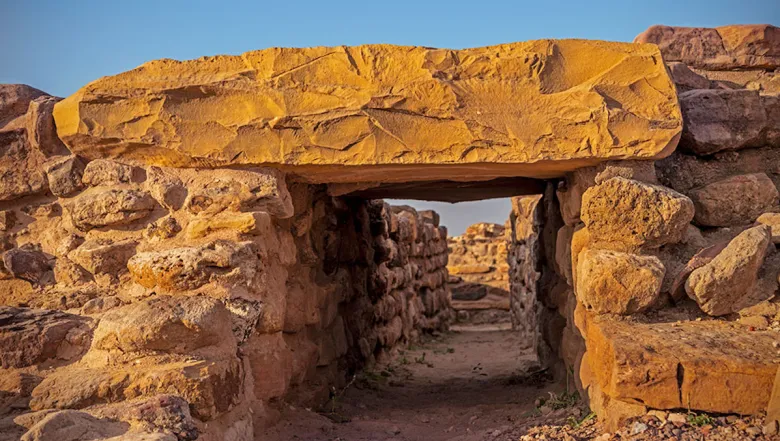
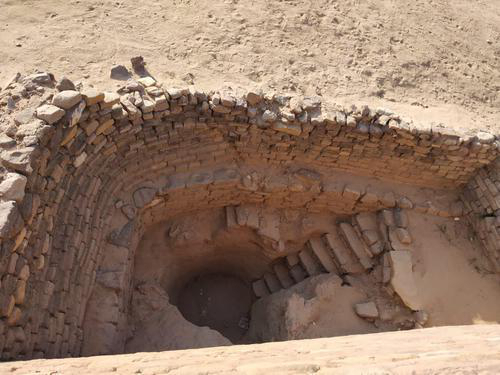
The towering citadel and acropolis at the Dholavira archaeological site.

The Acropolis & Citadel

The fortified administrative and religious heart of the city, featuring massive stone walls and gateways that demonstrate the power and hierarchy of the Indus Valley Civilization.

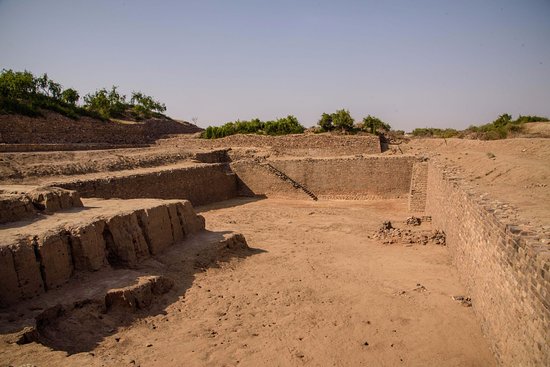
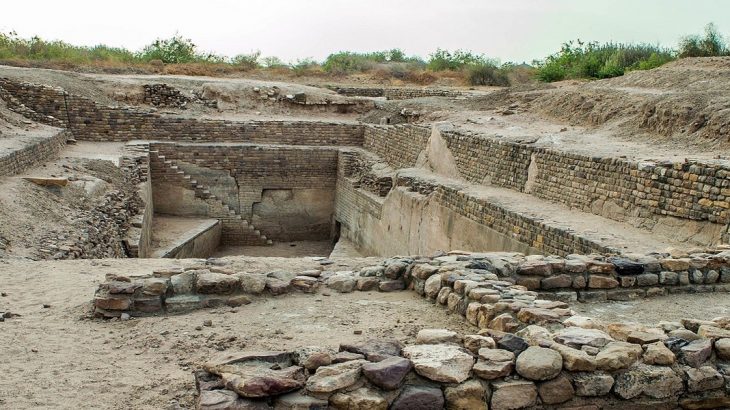
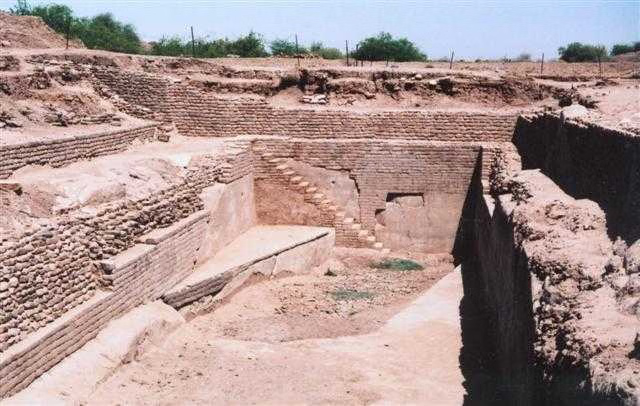
Ancient reservoirs and sophisticated water system at Dholavira.

Ancient Reservoirs & Water System

A network of 16+ stone-cut reservoirs and channels showcasing the city’s brilliant hydraulic engineering for water conservation in an arid desert landscape.

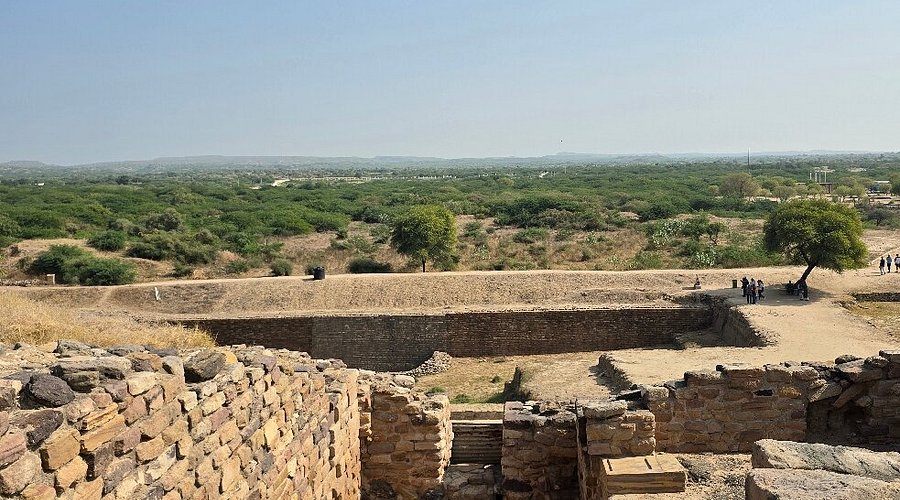
The expansive middle and lower town of the ancient Dholavira city.

The Middle & Lower Town

The meticulously planned residential and commercial districts with a grid layout, revealing the urban daily life, workshops, and public infrastructure of Harappan society.

The vast ceremonial grounds at the Dholavira archaeological site.

The Ceremonial Grounds

Large communal spaces, including a stadium-like arena and a circular structure, likely used for public gatherings, markets, rituals, or astronomical observations.

Major Attractions Nearby Dholavira

The stark, white salt flats of the Great Rann of Kutch near Dholavira.

Great Rann of Kutch

The vast, surreal white salt desert surrounding Dholavira. Visit during the Rann Utsav (winter) for cultural festivals, camel rides, and breathtaking views.

The Kutch Desert Wildlife Sanctuary, a biodiverse landscape near Dholavira.

Kutch Desert Wildlife Sanctuary

A habitat for the endangered Indian wild ass (Ghudkhar), flamingos, and other migratory birds, offering a stark yet beautiful ecological contrast.

View from Kalo Dungar, the highest point in Kutch, overlooking the Rann.

Kalo Dungar

The highest point in Kutch, offering a breathtaking panoramic view of the endless Great Rann and home to a serene 400-year-old Dattatreya temple.

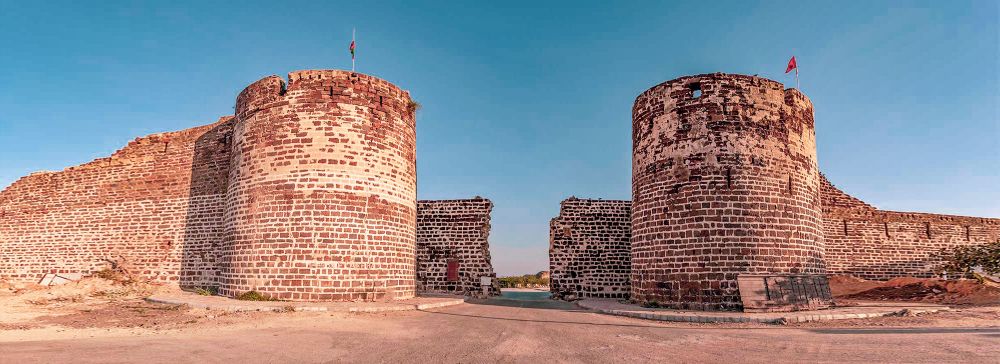
The historic and imposing walls of Lakhpat Fort in Gujarat.

Lakhpat Fort

A deserted, walled fort town near the Gujarat-Sindh border, once a prosperous port, now a hauntingly beautiful historical site.

Things to Do in Dholavira

Experience the archaeological, historical, and natural essence of the region. From exploring ancient ruins to witnessing the surreal Rann, it offers a journey back in time.

A guide leading an archaeological tour through the ruins of Dholavira.

Guided Archaeological Tour

Essential to understand the complex urban planning and significance of each section. Engage with ASI-certified guides for deep insights.

A beautiful sunrise reflecting in the ancient reservoirs of Dholavira.

Sunrise/Sunset at the Reservoirs

Witness the ancient stone reservoirs glow in the golden light, creating a mystical and photogenic landscape.

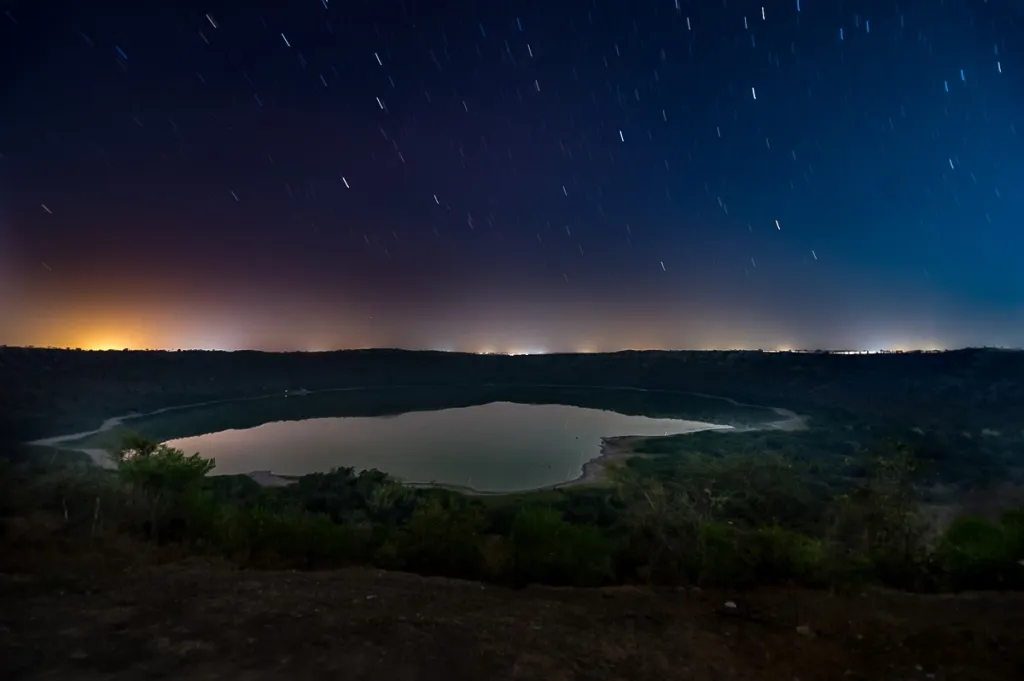
The mesmerizing night sky during stargazing in the Great Rann of Kutch.

Stargazing in the Rann

At night, away from city lights, the sky over the Rann offers an unparalleled view of stars, planets, and the Milky Way.

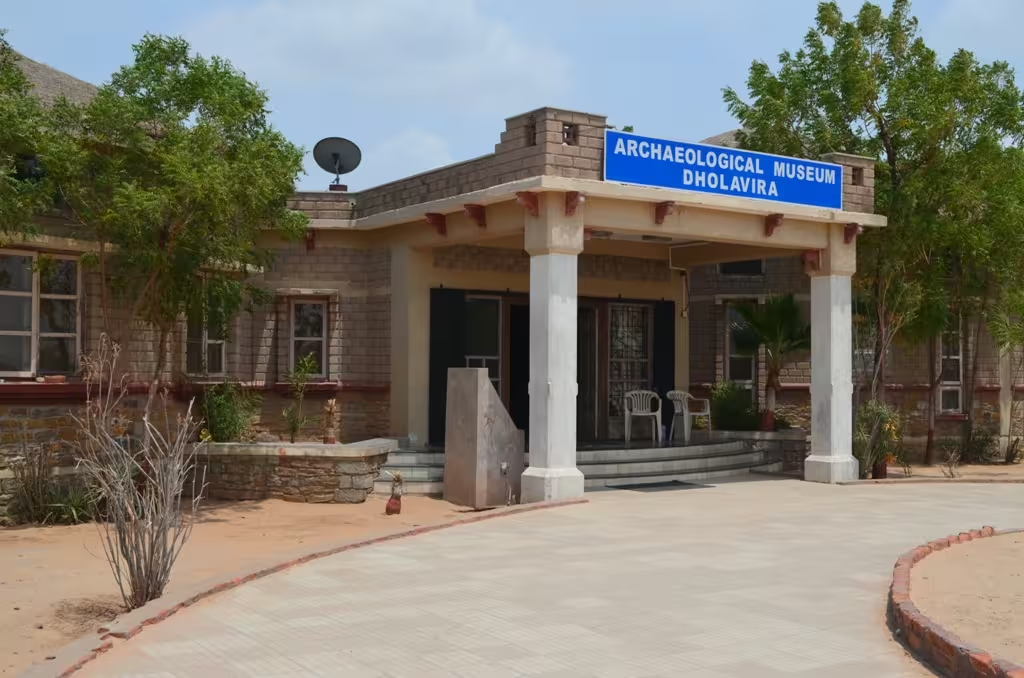
Artefacts and exhibits on display at the Dholavira site museum.

Visit the Site Museum

Houses a curated collection of artifacts found at Dholavira—including the famous Indus script signboard, seals, beads, and tools—providing context to the ruins.

The Performing Art of Dholavira

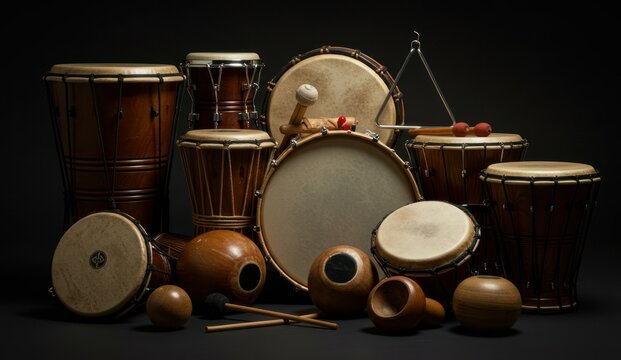
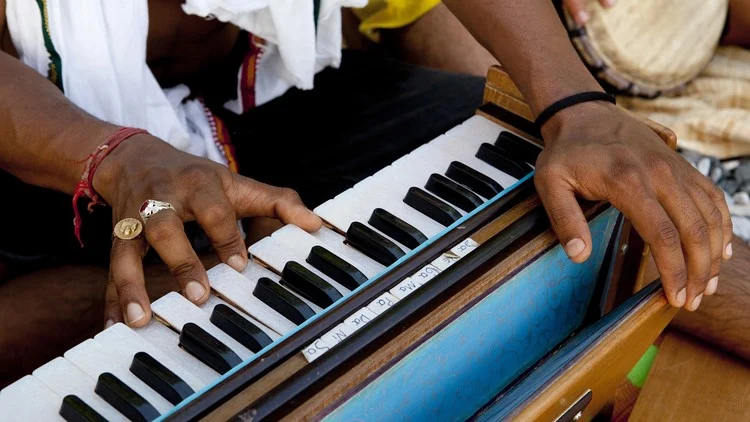
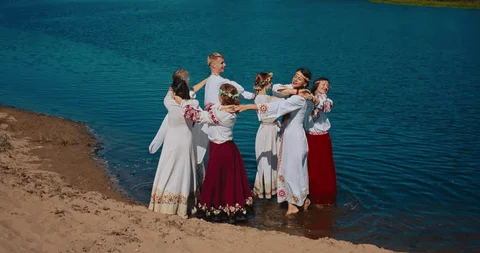
The city’s art was its architecture and engineering. The music was the rhythm of water flowing through stone-cut reservoirs and the echo of craft in its workshops. Its dance was the choreography of geometric streets ascending to the citadel and circling in open ceremonial grounds—a silent, monumental performance in stone.

The intricate and advanced hydrological systems of Dholavira.

The Hydrology Symphony

Replicas of ancient tools showcasing the craftsmith's work at Dholavira.

The Craftsmith’s Percussion

An artistic depiction of bustling ancient market commerce at Dholavira.

The Chant of Commerce

Dholavira’s “music” was not of notes, but of stones and water. The city itself was its grandest instrument, performing a Hydrology Symphony through its engineered channels and reservoirs. The Craftsmith’s Percussion of bead-making and metalwork provided its industrial rhythm, while the Chant of Commerce in its markets formed a multilingual chorus of trade. This was all set to the eternal, whispering Wind Chant of the Rann across its geometric grid.

The precise geometric street grid of the ancient Dholavira city.

The Geometric Grid

Aerial view of the large ceremonial circle at the Dholavira site.

The Ceremonial Circle

The defensive walls and ascension to the citadel at Dholavira.

The Citadel’s Ascent

The “dance” of Dholavira is performed in its majestic architecture and civic design. The Geometric Grid is the foundational choreography of its perfectly aligned streets and sectors. Above it rises the Citadel’s Ascent, a powerful vertical movement of walls and terraces. This structured performance culminates in the Ceremonial Circle, where the open stadia and mysterious circular structures invite ritual and communal gathering, completing the city’s silent, stone ballet.

An artistic representation of daily life and vibes in ancient Dholavira.

City Vibes - Echoes of Antiquity

Dholavira is not a living city but a silent, sprawling testament to human achievement. The vibe is one of profound awe and quiet contemplation. Standing amidst the sun-baked stone ruins under the vast Kutch sky, you can almost hear the echoes of a bustling, technologically advanced metropolis that thrived here 4500 years ago. The stark, dramatic landscape adds to its powerful, timeless aura.

Heritage of Dholavira

A pure archaeological heritage representing the Harappan culture’s ingenuity in architecture, water management, and civic organization, untouched by later settlements.

Well-preserved stone ruins and architecture at Dholavira.
Well-preserved ruins of Dholavira

Cuisine of Dholavira

The food near Dholavira is typical Kutchi cuisine—simple, vegetarian, and designed for the arid climate.

A served plate of Kutchi Dabeli, a popular local potato snack.

Kutchi Dabeli

A spicy potato mash stuffed in a bun, garnished with pomegranate and sev.

A traditional meal of Khichdi Kadhi with Sindhi Pakwan flatbread.

Khichdi Kadhi

A comforting combination of spiced yogurt curry served with rice and lentils.

Bajra na Rotla (millet bread) served with Mahu (curry) on a brass plate.

Sindhi Pakwan

A crispy, flaky deep-fried bread served with spicy chana curry.

Intricate and colorful Kutchi embroidery on textile.

Bajra na Rotla with Mahu

Millet bread served with a garlic-based chutney, a staple.

Shopping in Dholavira

Shopping here is about local Kutch handicrafts, best found in Bhuj or during the Rann Utsav.

Ornate traditional silver jewelry from Kutch.

Kutchi Embroidery & Textiles

Famous for intricate mirror work (Abhla), embroidery (Suf, Rabari), and vibrant Bandhani (tie-dye) sarees.

Ornate traditional silver jewelry from Kutch.

Silver Jewelry

Traditional Kutchi silver jewelry, often adorned with bells and intricate designs, worn by local pastoral communities.


Detailed Mud Work (Lippan Kaam) with mirrors on a wall.

Mud Work (Lippan Kaam)

Artifacts: Beautiful clay and mirror relief work traditionally done on village huts, now available as decorative pieces.

A pile of handwoven shawls and rugs from Kutch.

Handwoven Shawls & Rugs

 Made from local wool, known for their warmth and patterns.

Tourist's Handbook

The best season to visit Dholavira is the cool, dry winter, from October to March. During these months, daytime temperatures are pleasant for exploring the vast, exposed archaeological site, and nights are crisp. The clear skies offer stunning views of the Great Rann and ideal conditions for photography. This period avoids the extreme, searing heat of summer and the potentially inaccessible muddy terrain of the monsoon.

  • Footwear & Sun Protection – The archaeological park has rugged, uneven stone terrain. Wear sturdy, closed-toe shoes, a wide-brimmed hat, and apply strong sunscreen due to complete exposure.
  • Hydration is Crucial – Carry ample drinking water. There are no shops or water stations within the sprawling site, and the arid climate can lead to quick dehydration.
  • Stay Within Marked Areas – Do not climb on fragile, ancient walls or venture into unmarked sections to avoid injury and preserve the millennia-old structures.
  • Inform Your Stay – If traveling independently to remote viewpoints around the Rann, inform your guesthouse or a local contact of your plans, as mobile networks can be patchy.
  • Wildlife Caution – Be alert for snakes and scorpions, especially near rocky areas and ruins. Avoid turning over stones or putting hands where you cannot see.

The most practical way to get around Dholavira is by private taxi or hired vehicle from Bhuj (approx. 220 km away). Public transport is extremely limited and unreliable in this remote region. Once at the site, exploration is done entirely on foot across its sprawling, uneven terrain. For visiting nearby attractions like the Great Rann, a pre-arranged vehicle is essential.

Unlicensed "Guides" at the Site – Use only the official ASI (Archaeological Survey of India) certified guides available at the entrance. Avoid freelance touts offering unverified historical claims.

Inflated Taxi Fares – Always negotiate and confirm the full day-trip fare from Bhuj or Dhordo in writing before departure, including waiting time.

Fake "Local" Handicraft Sales – Be cautious of vendors near the site selling mass-produced items as authentic, high-value Kutchi embroidery or antiques. Purchase from reputable government emporiums in Bhuj.

Unauthorized "Entry Fees" – The site ticket is purchased only at the official ASI counter. Do not pay any additional "photography" or "special access" fees to individuals.

Misleading Directions to "Better Views" – Stick to the marked archaeological park. Touts may mislead you to remote, unremarkable areas for a tip.

Explore Gujarat

Dholavira Blogs

  • Gujarat’s Archaeological Guide
  • Places to see in Dholavira
  • Places to visit near Dholavira
  • India’s UNESCO Heritage Sites
  • India’s Ancient Civilizations

Recommended articles

  • Gujarat’s Lost Cities: Beyond Dholavira
  • A Harappan’s Guide to Water Management
  • Planning Your Rann of Kutch Expedition
  • Stargazing in the Great White Desert