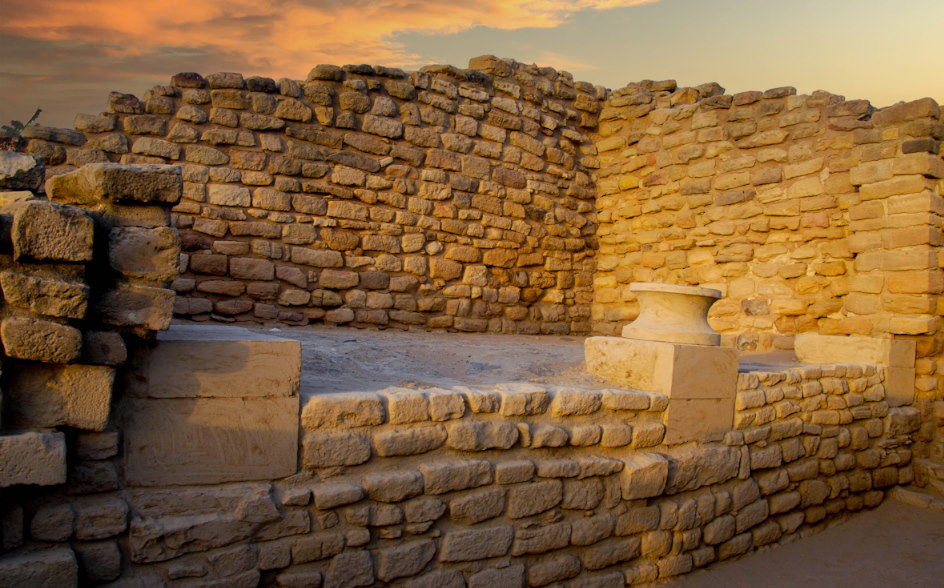
Experience the ancient Indus Valley civilization at Dholavira, a UNESCO World Heritage site. Discover its sophisticated reservoirs, citadels, and unique signboard among the top places to visit in Dholavira, Gujarat
Citadel
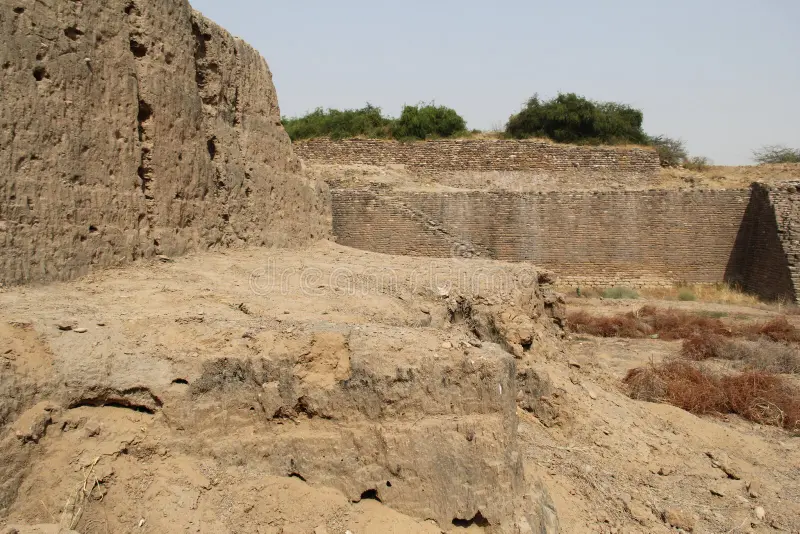
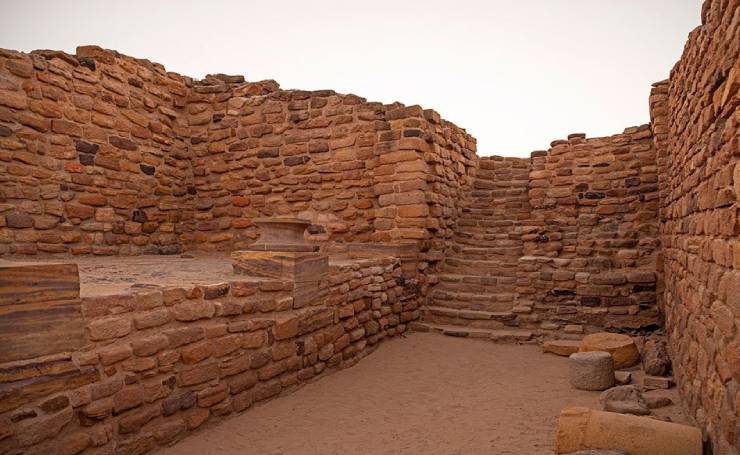
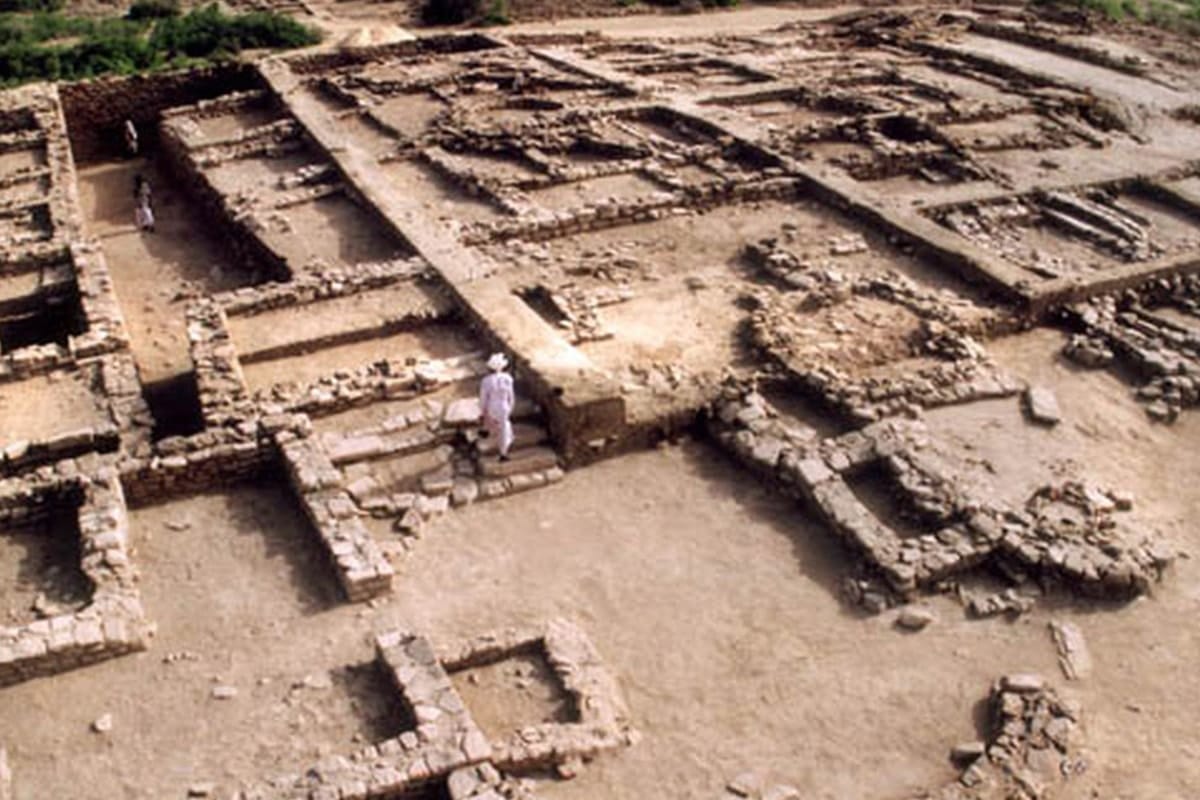
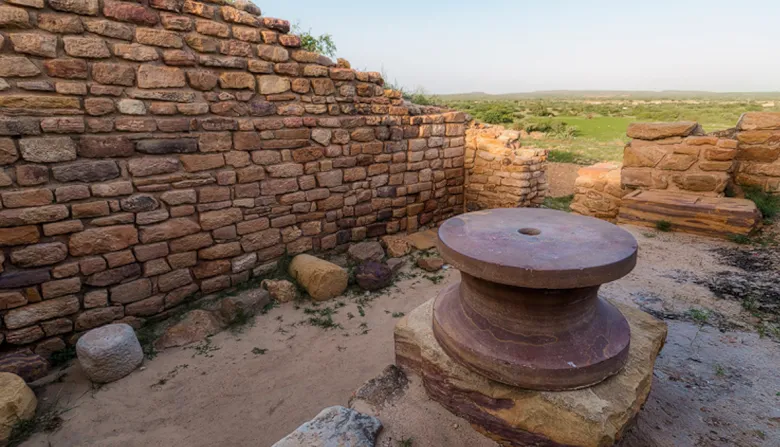
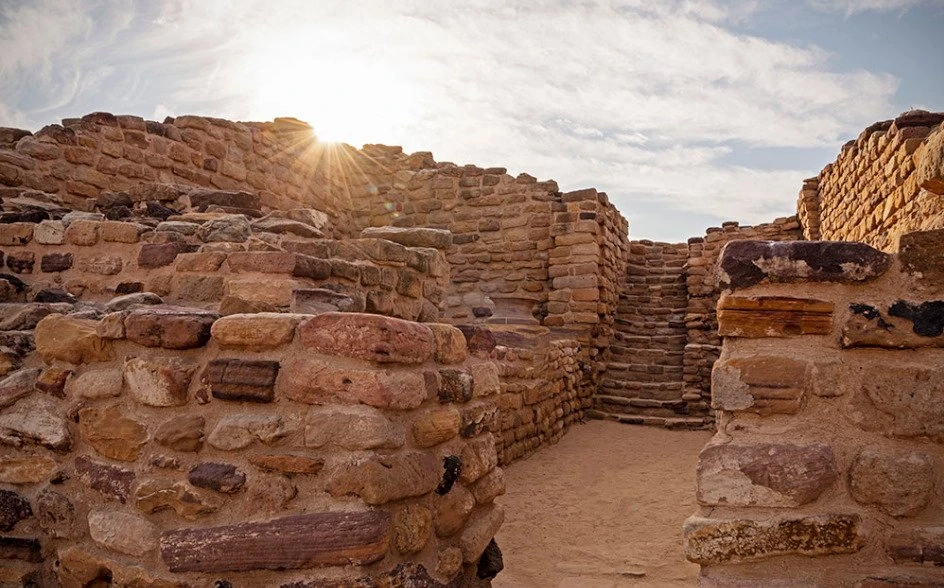
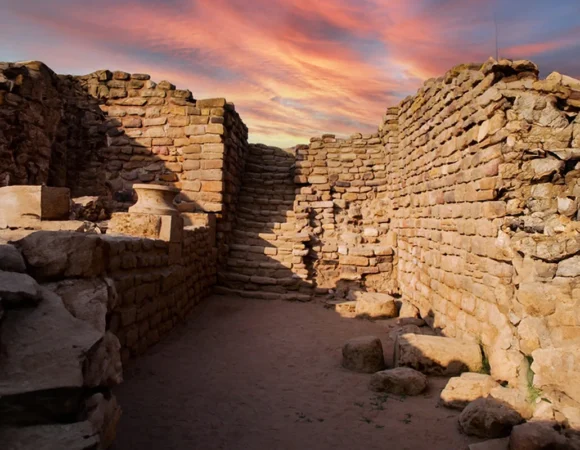
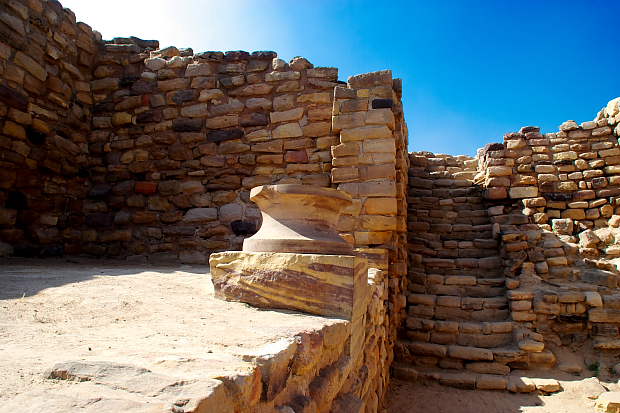
The Citadel at Dholavira is the fortified acropolis and the most prominent architectural complex of the Harappan metropolis. Situated on a massive elevated platform, it was the administrative and possibly religious heart of the city, separated from the middle and lower towns. Its formidable walls, constructed with impressive stone masonry, showcase advanced urban planning and defensive engineering. Excavations within reveal a series of intricate gateways, ceremonial grounds, and significant structures.
This upper town stands as a powerful testament to the social hierarchy and sophisticated governance of one of the world’s earliest urban civilizations.
A large ceremonial ground or public space, possibly used for gatherings and rituals.
Lower Town
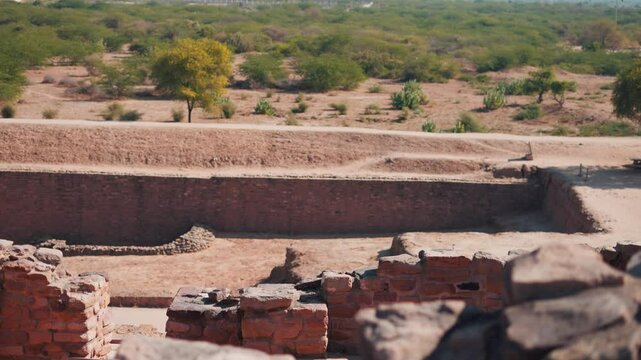
Residential area with intricate network of streets and water management systems.
Reservoirs
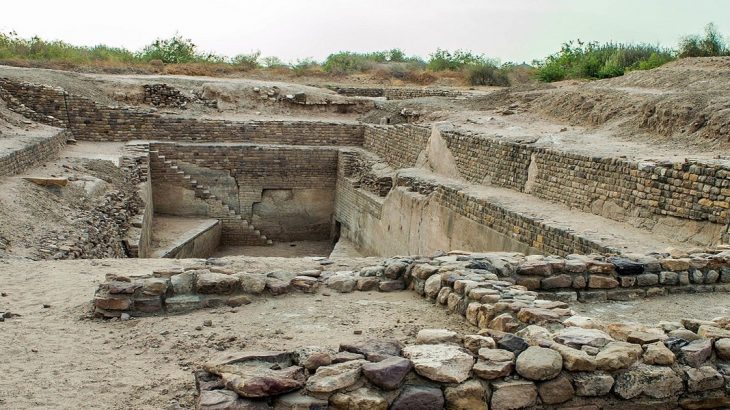
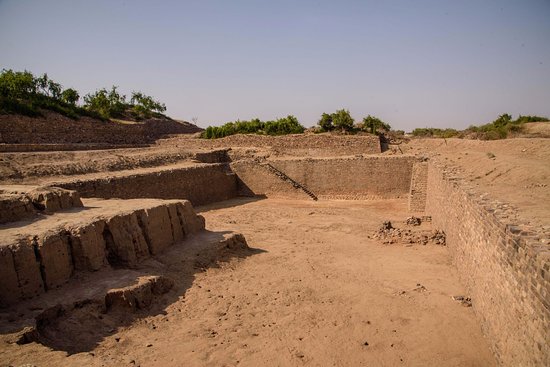
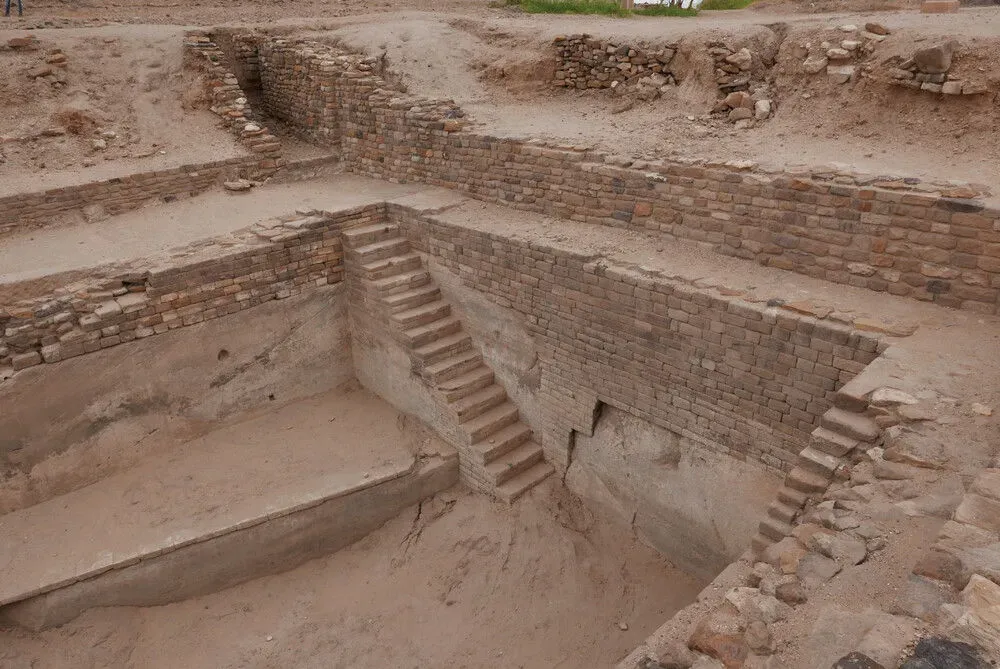
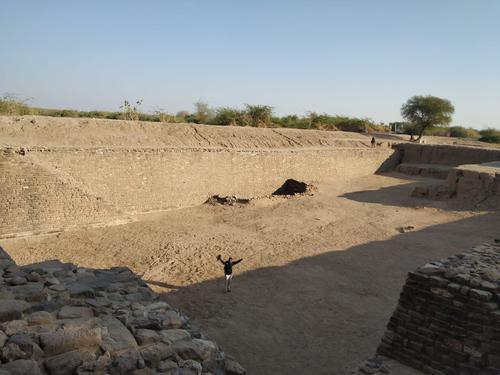
Series of massive, interconnected rainwater harvesting tanks demonstrating advanced hydraulic engineering.
East Reservoir
The largest water tank, located near the city’s eastern fortification wall.
Archaeological Museum
Located at the entrance to the ancient city, the Dholavira Archaeological Museum is a crucial repository of artifacts unearthed from the site. It houses an extensive collection that brings the Harappan culture to life, including intricately carved seals, beads of semi-precious stones, gold ornaments, and terracotta pottery. The museum provides context through detailed maps, models, and information panels explaining the city’s layout and history.
A highlight is the display showcasing the evolution of water management systems and craftsmanship. It serves as the perfect starting point to understand the scale and sophistication of this 4500-year-old urban settlement before exploring the ruins.
Stadium
A large open arena that might have been used for public ceremonies or sporting events.
Annexure
A separately fortified enclosure, possibly for elites or specific administrative activities.
Bailey
The area connecting the Citadel to the Middle Town, containing significant structures.
North Gate
One of the main entrances to the city, featuring a sophisticated gateway complex.
Rock-Cut Wells
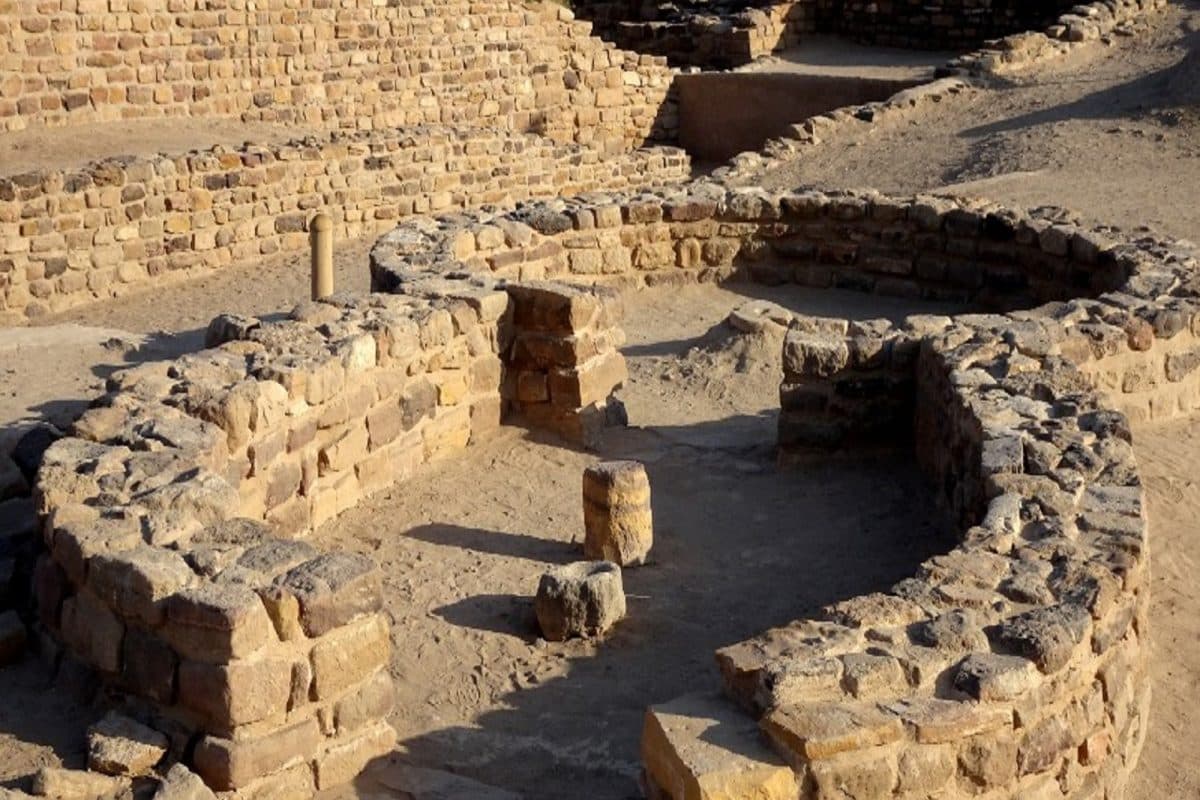
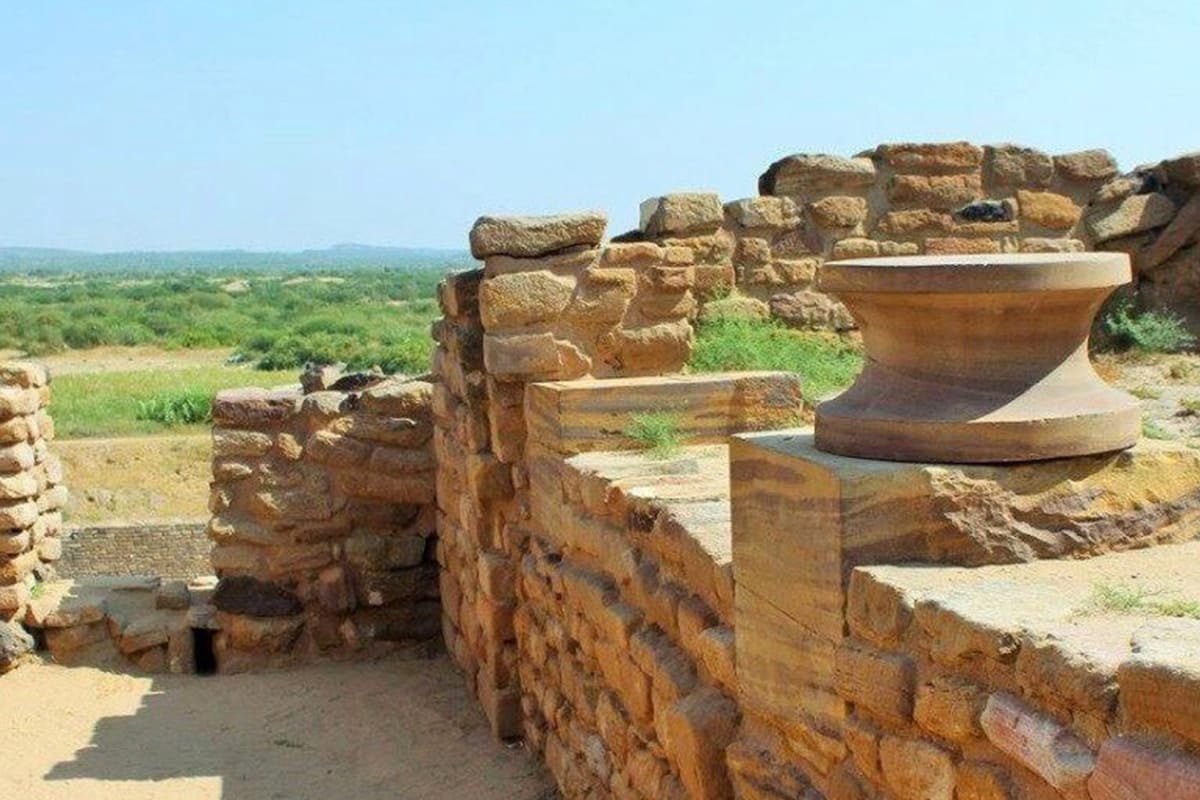
Dholavira’s rock-cut wells are a marvel of ancient hydraulic engineering, demonstrating the city’s mastery over water conservation in an arid landscape. These wells were meticulously carved deep into the natural limestone rock to reach the water table, ensuring a perennial supply. Featuring stepped access and, in some cases, intricate channels, they were integral to the sophisticated network that fed the large reservoirs.
Their construction reveals a deep understanding of geology and sustainable resource management. These structures are a key reason for Dholavira’s longevity and are among the best-preserved examples of such technology from the Indus Valley era.
Sign Board
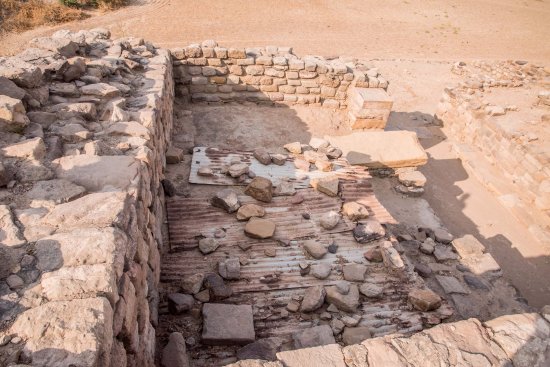
Discovered in a chamber near the northern gateway of the Citadel, Dholavira’s famous “Sign Board” is a unique and enigmatic archaeological treasure. It consists of ten large Harappan script symbols, each about 37 cm high, carved into strips of wood (now cast in gypsum) that were likely inlaid into a wooden background. This public inscription is considered one of the earliest examples of a “billboard” or sign for civic announcement.
Its prominent placement suggests it conveyed an important message to those entering the city, though the script remains undeciphered. It stands as a powerful symbol of the Harappans’ use of written communication for public purposes.
Highest point in Kutch offering panoramic views of the Great Rann.
Chhari Dhandh
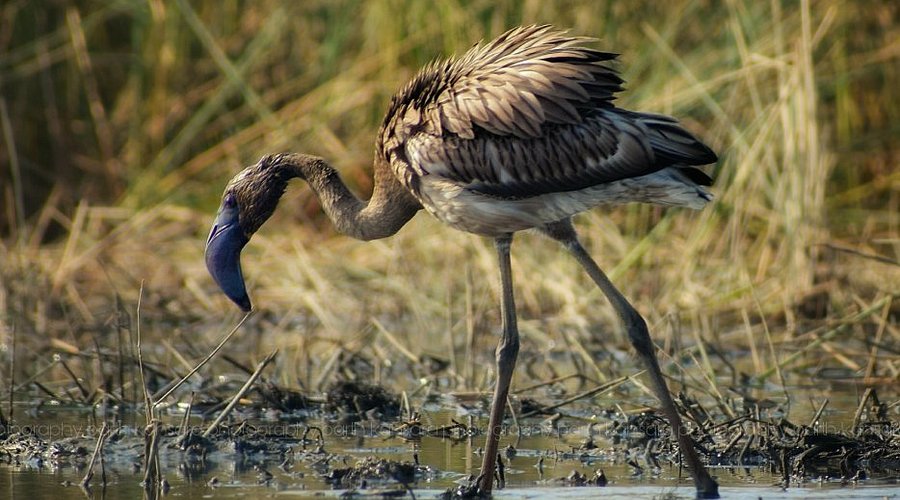
A seasonal wetland and bird sanctuary, a paradise for birdwatchers.
Koteshwar Temple
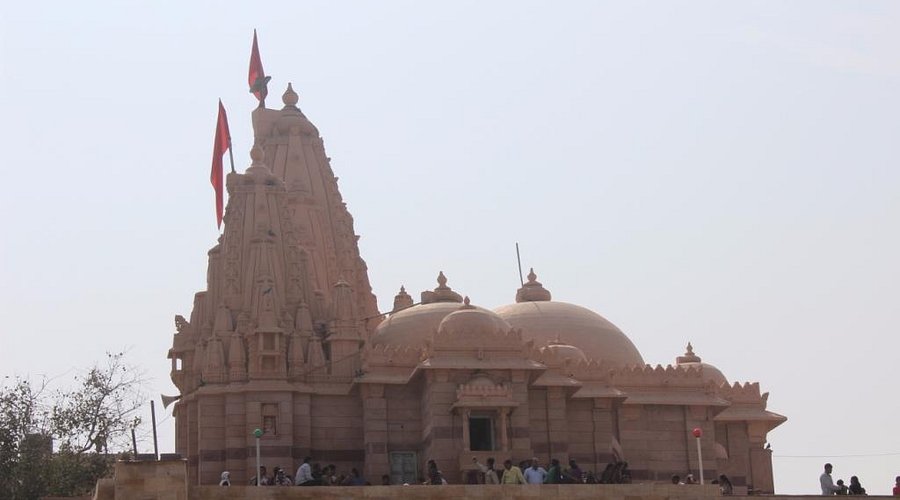
Ancient Shiva temple on the westernmost tip of Kutch, near the sea.
Narayan Sarovar
One of the five holy Hindu lakes, surrounded by small ancient temples.
Kutch Desert Wildlife Sanctuary
Adjacent to the Great Rann, the Kutch Desert Wildlife Sanctuary is a sprawling protected area characterized by saline desert plains, thorn scrub, and seasonal wetlands. It is the last remaining refuge of the endangered Indian Wild Ass (Khur), which can be seen galloping across the flats. The sanctuary is also a critical habitat for migratory birds like cranes, flamingos, and pelicans that flock to its marshes.
Its unique ecosystem supports a variety of wildlife, including desert foxes, caracals, and numerous reptiles. The sanctuary offers a compelling contrast of stark desert beauty and thriving biodiversity.
Lakhpat Fort
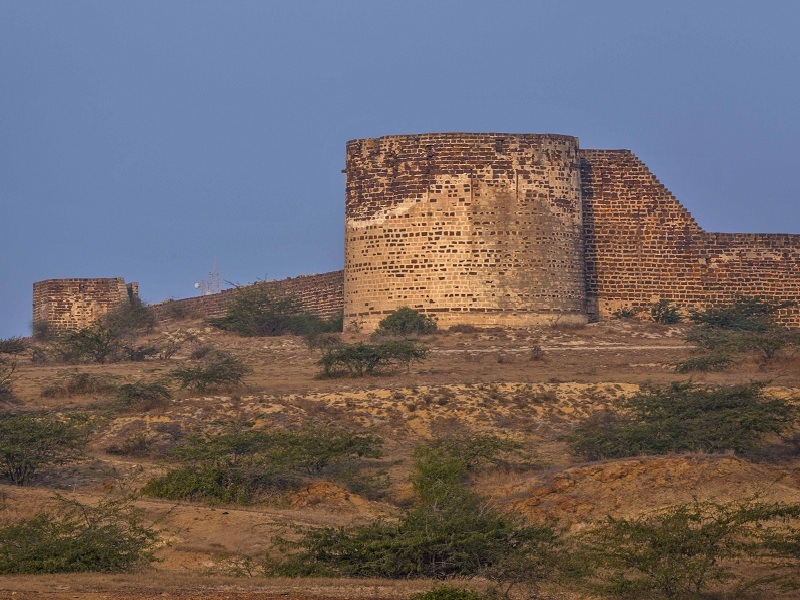
A remote, ruined fort town marking the historical boundary of Sindh.
Khavda
Famous for its traditional Kutchi pottery, terracotta work, and artisan villages.
Bhirandiyara
A vibrant village known for its authentic Kutchi culture and handicrafts.
Great Indian Bustard Sanctuary
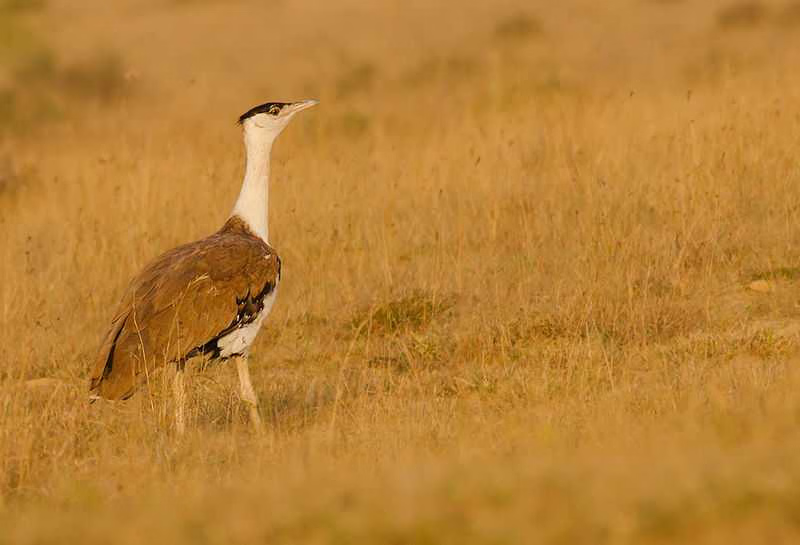
Located near the Naliya area of Kutch, this sanctuary is a dedicated, last-ditch effort to conserve the critically endangered Great Indian Bustard, one of the world’s heaviest flying birds. The landscape consists of arid grassland and scrub, which is the bird’s preferred habitat for nesting and foraging. With fewer than 150 individuals left globally, sightings are rare and profoundly special, emphasizing the sanctuary’s crucial conservation role.
The area also protects other grassland species like the lesser florican and various reptiles. A visit highlights the urgent challenges and efforts in wildlife preservation in a fragile ecosystem.
Hajipir
Hajipir is a revered religious site centered around the shrine (dargah) of a 14th-century Sufi saint, Pir Hazrat Syed Ali Peer Shah, located on a hillock in western Kutch. It is a unique symbol of communal harmony, venerated by both Muslims and Hindus, especially from the nearby nomadic communities. The annual Hajipir Urs (fair) attracts thousands of devotees for prayers and celebrations.
The site offers panoramic views of the surrounding arid plains and embodies the region’s syncretic spiritual traditions. Its peaceful ambiance and cultural significance make it a poignant stop on a journey through Kutch.
Pirotan Island
Pirotan Island is one of the most prominent islands in the Gulf of Kutch’s Marine National Park, accessible only by boat during low tide. It is famed for its pristine mangrove forests, vibrant coral reefs, and rich intertidal marine life, including colorful sea sponges, octopuses, and starfish. The island is a haven for birdwatchers, hosting species like seagulls, terns, and sandpipers.
Its untouched beauty offers a serene escape and a glimpse into a protected marine ecosystem. Strict regulations govern visits to preserve its delicate ecological balance, making it a true explorer’s destination.