¤ 10+ minutes Read
Junagadh, nestled at the base of the sacred Girnar hills in Gujarat, is a city steeped in millennia of history, from ancient Mauryan edicts to medieval Nawabi grandeur. Known for its impressive fortifications, majestic mausoleums, and as the gateway to Gir National Park, Junagadh offers a captivating blend of Buddhist, Hindu, Islamic, and colonial heritage amidst a dramatic natural landscape.
Wiki Link: Junagadh wiki page
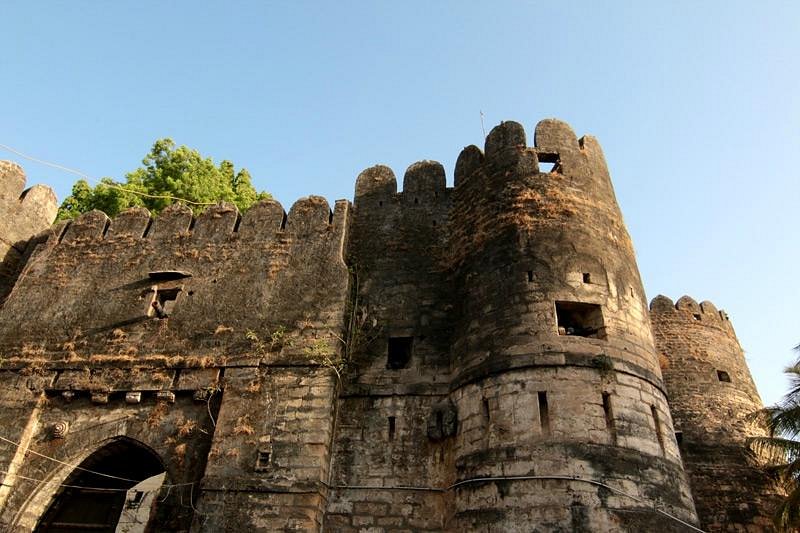
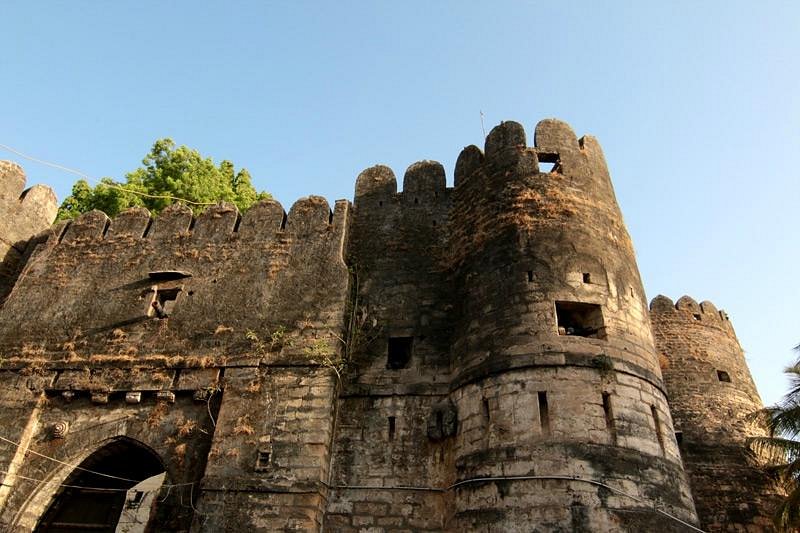
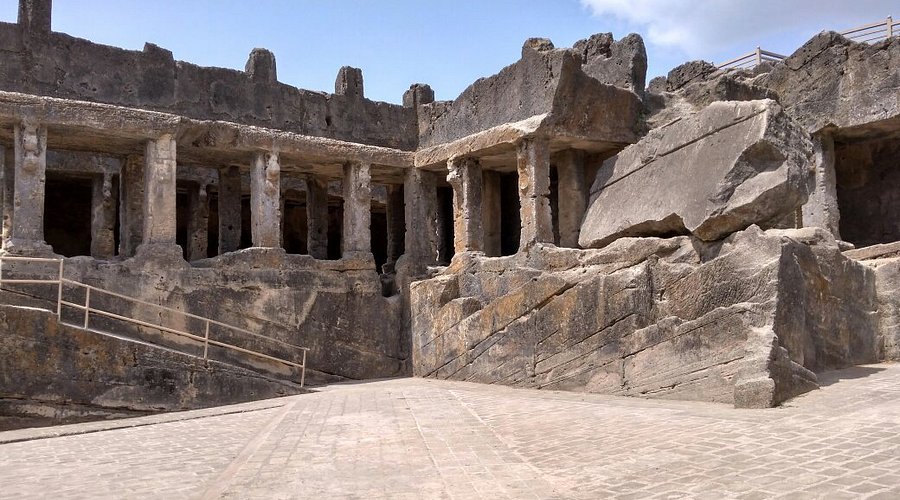
A formidable ancient citadel with Buddhist caves, deep stepwells, and sweeping views of Junagadh.
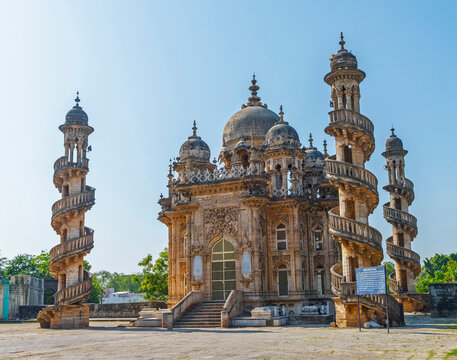
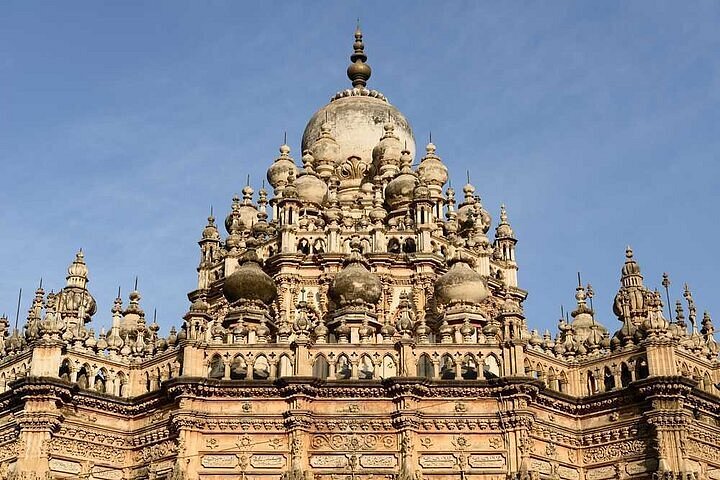
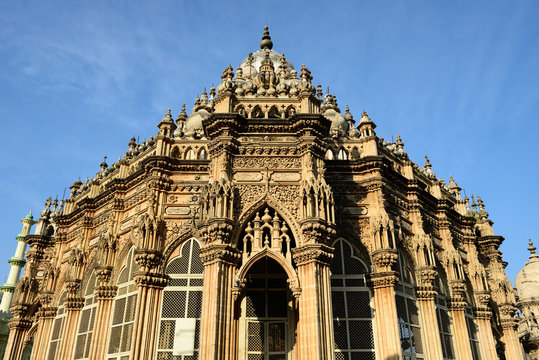
A 19th-century nawabi tomb famed for its silver doors and fusion of Gothic, Islamic, and Hindu architecture.
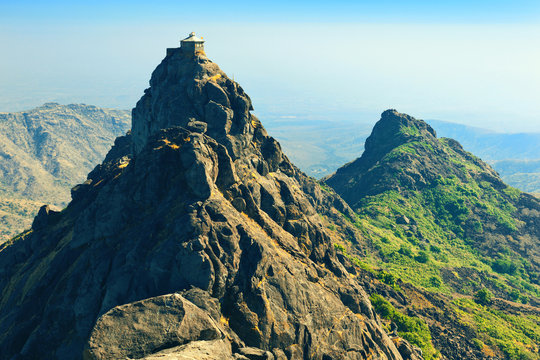
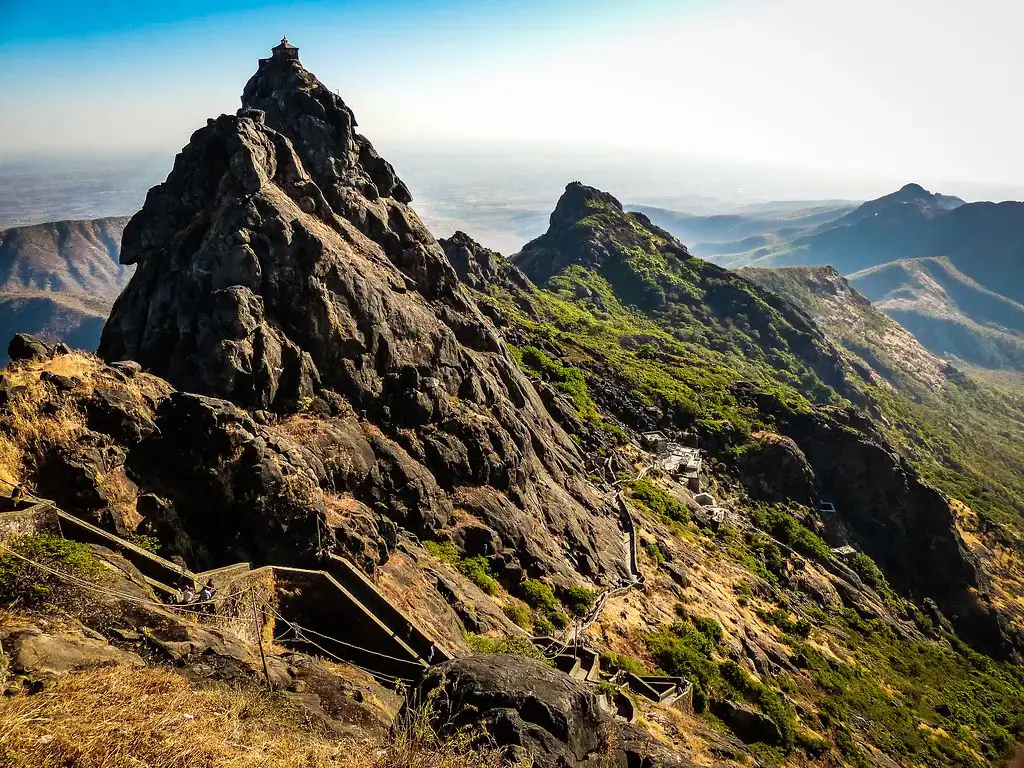
A sacred mountain with nearly 900 Jain and Hindu temples, reached by a challenging climb of 10,000 steps.
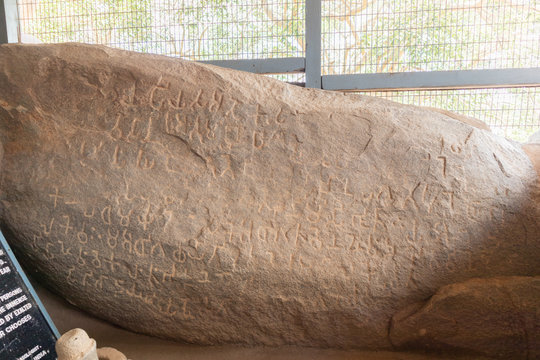
Fourteen inscriptions from 250 BCE by Emperor Ashoka, among India’s oldest stone-carved records.
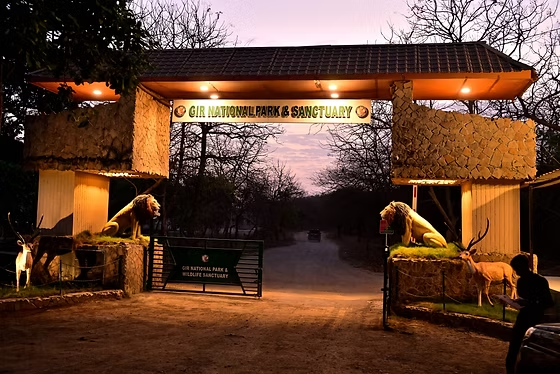
The world’s sole natural home of the majestic Asiatic Lion, offering exciting jeep safaris in a diverse forest.
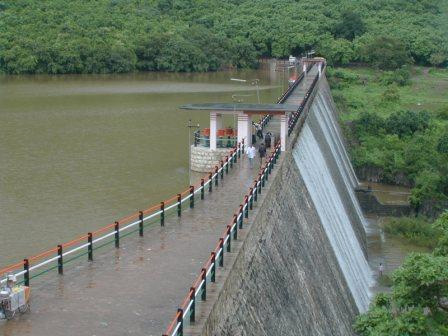
A scenic colonial-era dam and garden on the Kalwa River, perfect for a peaceful picnic with hill views.
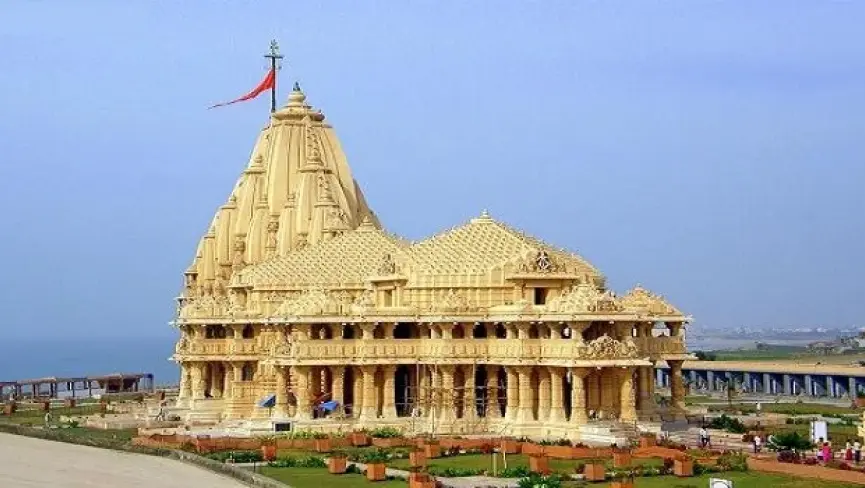
One of the twelve sacred Jyotirlingas, a legendary seaside temple and major pilgrimage site about 90 km away.
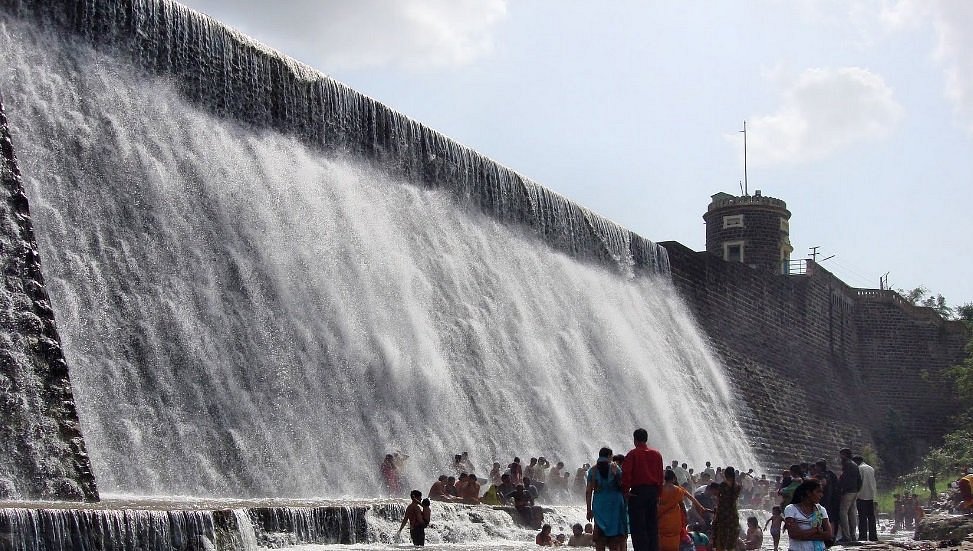
A beautiful and historic dam site (also called Dholidhara), ideal for a tranquil nature retreat and photography.
Embark on a journey through time and spirituality. From exploring ancient forts and caves to witnessing the majesty of Asiatic lions, Junagadh offers a deeply historical and naturalistic experience.
Embark on the challenging pre-dawn pilgrimage up 10,000 steps to witness sunrise from the sacred summit temples.
Discover the ancient fort’s deep stepwells, Buddhist caves, medieval mosques, and panoramic city views.
Book a thrilling jeep safari in Gir National Park for a chance to spot the iconic Asiatic lion and other wildlife.
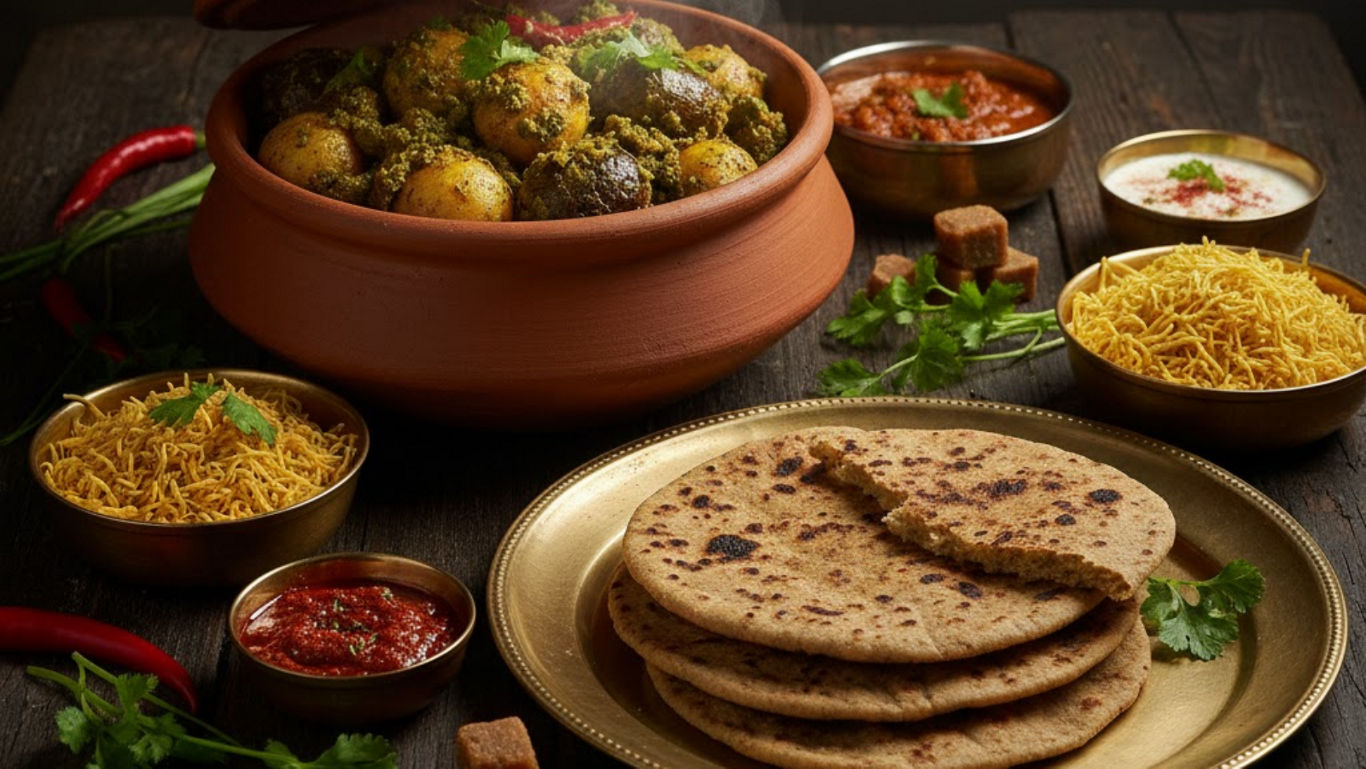
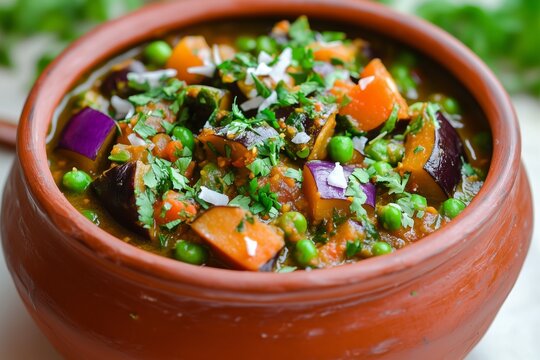
Indulge in bold, flavorful local vegetarian dishes like Undhiyu, Sev Tamatar, and the classic Fafda-Jalebi.
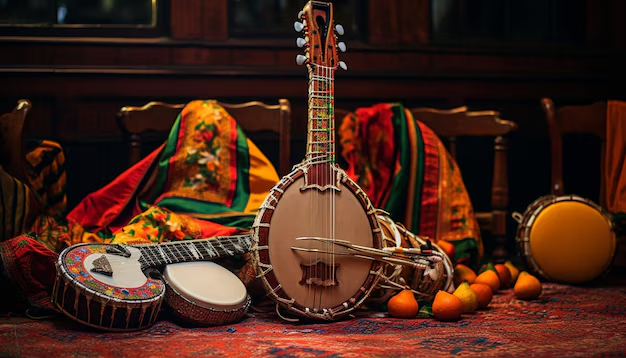
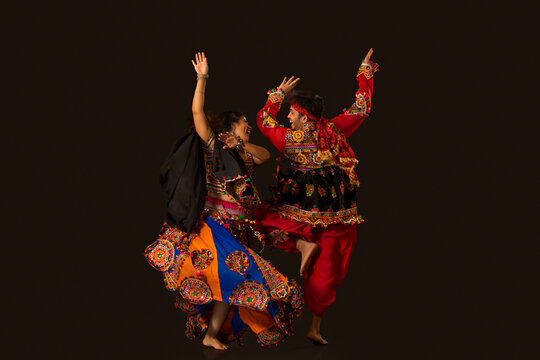
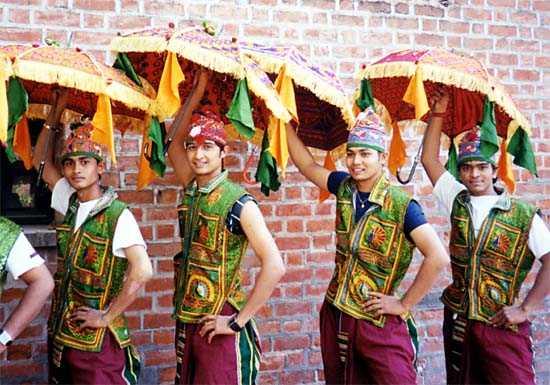
Junagadh’s cultural expressions are rooted in the folk traditions of the Kathiawar peninsula, influenced by its royal past and the diverse communities of Saurashtra.
Kathiawadi Folk Music
Sufi Music
Classical Music
Junagadh is a vibrant center for the folk music traditions of the Kathiawar peninsula. The city resonates with the poetic duels of Dayro, devotional Bhajans, and lively wedding songs like Garbi and Lagna Geet. Influenced by its Nawabi history, Sufi Qawwali and classical Hindustani music also find a cherished place in its cultural soundscape.The state is a major center for Hindustani classical music, with iconic gharanas like Gwalior and Banaras shaping its evolution. The soulful Thumri, Dhrupad, and Khayal styles are widely performed. Folk music, including the Chaiti and Birha genres, tells tales of love, devotion, and daily life.
Garba & Dandiya Raas
Tipanni Dance
Hudo
Kathak is known for its intricate footwork, spins, and storytelling, Kathak has its roots in the temples of Varanasi and Lucknow. The state also celebrates vibrant folk dances like Ramlila, a dramatic performance of the Ramayana, and Rasiya, which is performed during festivals.
Junagadh resonates with the weight of history, where every stone tells a story—from Ashoka’s edicts to the fortifications of Rajput kings and the ornate tombs of the Nawabs. The city is dominated by the spiritual presence of Girnar Hill, a constant backdrop that draws pilgrims skyward. The atmosphere is one of serene antiquity, bustling local markets, and a gateway to the wild majesty of Gir Forest.
Junagadh’s heritage is a monumental tapestry woven over millennia, featuring ancient Mauryan edicts, rock-cut Buddhist caves, formidable hill forts, and ornate Indo-Islamic architecture from its Nawabi era. As the historical capital of Saurashtra and the gateway to the sacred Girnar Hills and Gir Forest, the city preserves a unique legacy where imperial commands, spiritual asceticism, royal grandeur, and wilderness conservation converge.
Varanasi is a paradise for food lovers, offering a variety of traditional delights.
An elaborate platter featuring staples like bajra rotla, kadhi, undhiyu, sepu vadi, and sweet-sour ghan.
A celebrated winter medley of fresh vegetables, beans, and dumplings slow-cooked with a green garlic paste.
A popular tangy curry where crispy gram flour noodles soften in a spicy tomato gravy.
The iconic Gujarati pairing of savory, spiced gram flour strips with sweet, syrupy spirals.
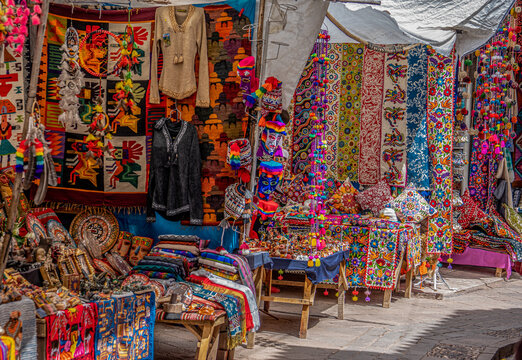
Shopping in Junagadh focuses on local snacks, traditional footwear, and religious souvenirs, with a bustling market atmosphere reflective of its historical trade significance.
Famous for its opulence and fine craftsmanship, Banarasi sarees are a timeless symbol of elegance and tradition.
Feature intricate designs, making them ideal souvenirs that reflect Varanasi’s rich cultural heritage.
Ganga Jal, collected from the sacred river, and Rudraksha beads are sought for their religious value in meditation.
Varanasi’s local handicrafts, from intricate pottery to vibrant textiles, reflect the city’s artistic tradition and cultural depth.
The ideal time to visit Junagadh is during the winter months, from October to March, when the weather is cool, dry, and pleasant (10°C to 28°C), perfect for exploring historical sites and undertaking the Girnar climb. This is also the best time for wildlife viewing in Gir. Summers (April-June) are extremely hot, and the monsoon (July-September) brings moderate rainfall, making some areas slippery.
Girnar Climb Precautions: If climbing Girnar, start very early (by 4 AM), wear sturdy shoes, carry ample water and snacks, and be prepared for a strenuous hike. Descend before dark.
Gir Safari Rules: On wildlife safaris, always follow the guide's instructions, do not get out of the vehicle, and maintain silence.
Summer Heat: Carry water, hats, and sunscreen. Avoid outdoor activities during peak afternoon heat.
Historical Site Caution: At forts and caves, watch your step on uneven surfaces and in dimly lit areas.
Respect Local Customs: Dress modestly, especially when visiting temples and religious sites on Girnar.
Auto-rickshaws are the most common and convenient mode for getting around the city. Cycle-rickshaws are available for shorter distances in the old city areas. Local buses connect Junagadh to nearby towns and the base of Girnar Hill. For Gir National Park safaris and day trips, private taxis or jeeps are essential and can be hired in the city.
Overcharging by Transport: Negotiate and agree on auto-rickshaw or taxi fares clearly before starting your journey, especially for trips to Girnar base or Gir.
Unauthorized Safari Bookings: Book Gir National Park jeep safaris only through the official forest department website or authorized agents to avoid fake bookings.
Fake Guides at Historical Sites: Use only licensed guides available at official ticket counters for Uparkot Fort or other monuments.
Accommodation Touts: Avoid touts at the bus or train station. Pre-book your stay through reputable platforms.
Snacks & Spices: When buying famous local snacks, check for sealed packets from reputable brands like Chandra Vilas to ensure quality.
Gujarat Cultural Guide
Places to Visit in Junagadh
Places to Visit Nearby Junagadh
India’s Ancient Historical Sites
India’s Wildlife Sanctuaries
Gujarat Cultural Guide
The Asiatic Lion: A Safari Guide to Gir National Park
Pilgrimage to the Peak: The Complete Guide to Climbing Girnar
Architectural Wonders of Junagadh: From Mauryan Edicts to Nawabi Mausoleums