¤ 10+ minutes Read
Rajkot, a major city in Gujarat, is renowned as a vibrant center of culture, education, and industry, with deep historical roots in India’s independence movement. Founded in the 17th century, it served as the capital of the erstwhile Saurashtra region and is famously associated with the early life of Mahatma Gandhi. Today, Rajkot blends its royal heritage with modern dynamism, offering visitors insights into Gujarati traditions, craftsmanship, and culinary delights.
Wiki Link: Rajkot wiki page
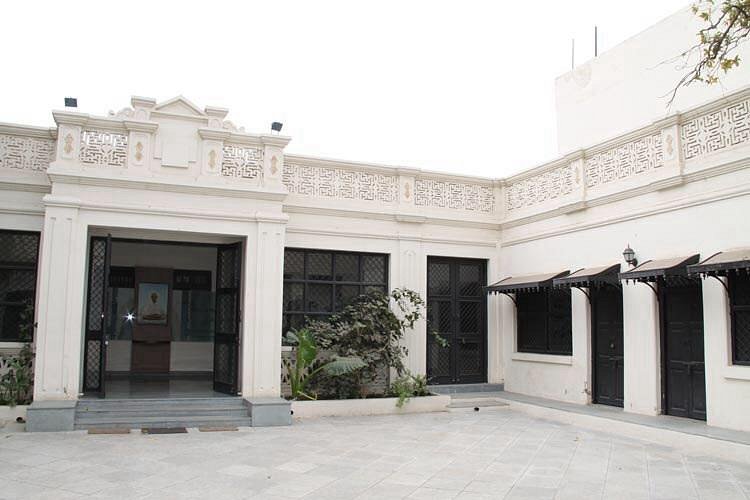
Mahatma Gandhi’s childhood home, now a museum preserving his early life with photographs and personal artifacts.
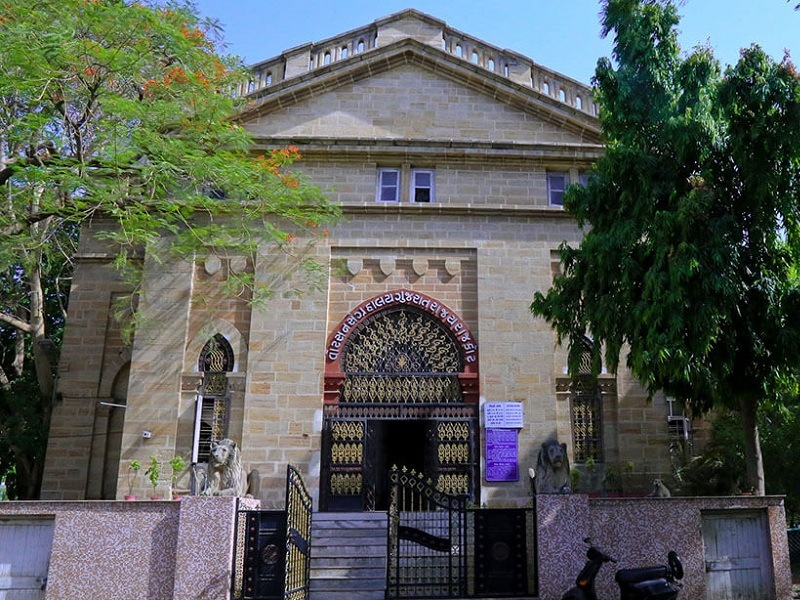
A museum housing Saurashtra’s history through sculptures, textiles, and artifacts, named after colonial officer John Watson.
The former royal palace of Rajkot, showcasing an Indo-European architectural style set within expansive, landscaped gardens.
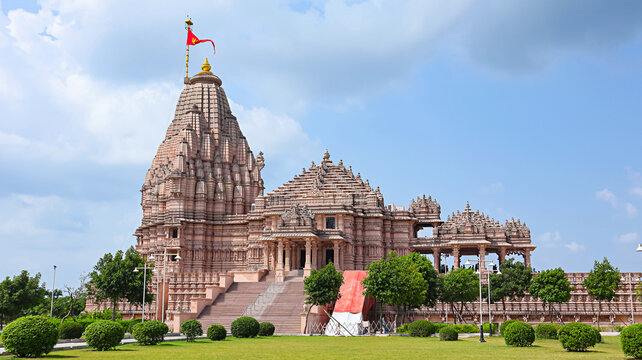
A spiritually significant and architecturally ornate temple dedicated to Lord Swaminarayan, known for its serene atmosphere.
One of India’s twelve sacred Jyotirlingas, a revered seaside temple with a storied history of devotion and resilience.
An 11th-century architectural wonder dedicated to Surya, famous for its intricately carved stepwell and pillared hall.
A unique saline desert wilderness and sanctuary for the endangered Indian Wild Ass and migratory birds.
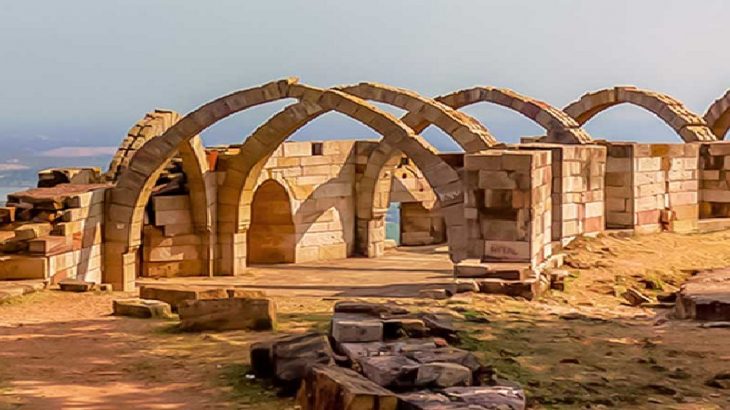
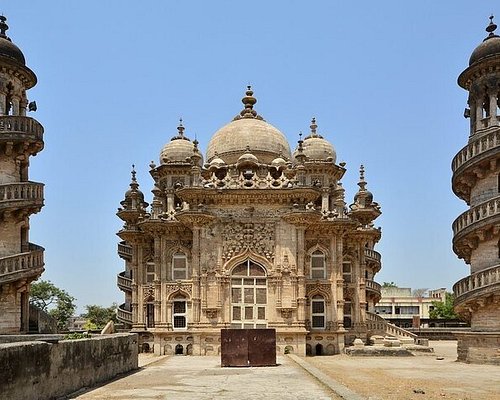
A historical city boasting ancient Uparkot Fort, Buddhist caves, and the ornate Mahabat Maqbara mausoleum.
Experience the historical, cultural, and culinary essence of this royal city. From exploring Gandhi’s legacy to shopping in vibrant markets, Rajkot offers a warm and engaging journey.
Enjoy an authentic, unlimited platter of traditional Gujarati vegetarian dishes and sweets.
Explore markets for renowned Bandhani tie-dye fabrics, Patola prints, and embroidered textiles.
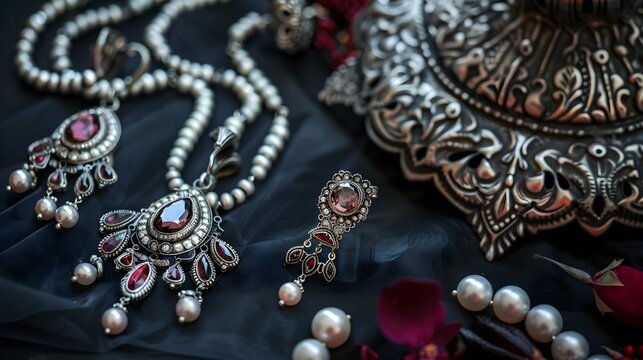
Observe artisans creating Rajkot’s famous intricate silver jewelry and filigree work.
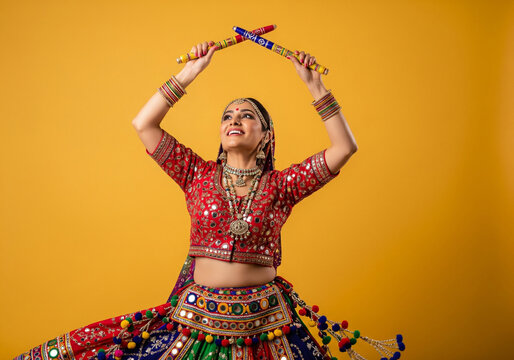
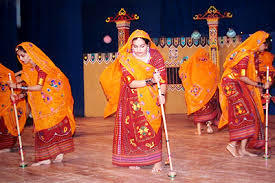
Participate in or watch the vibrant, energetic Garba and Dandiya dances during the Navratri festival.
Rajkot’s cultural fabric is richly woven with traditional Gujarati folk music and dance, reflecting the region’s agrarian life, devotion, and celebratory spirit. The city is a vibrant hub for these arts, especially during festivals.
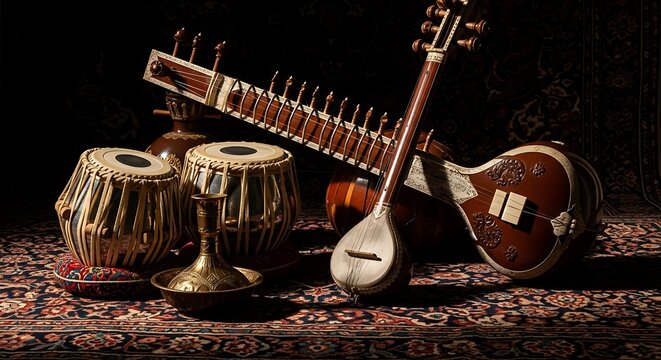
Dandiya Raas Music
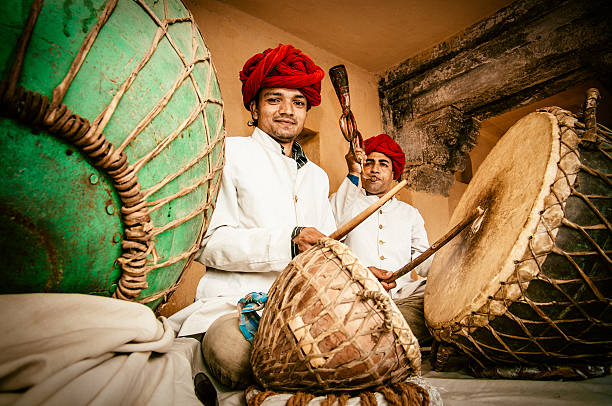
Bhakti Geet
Saurashtrian Folk Music
Rajkot is a vibrant hub for the folk music traditions of Saurashtra. The city resonates with the devotional rhythms of Bhakti Geet and the poetic recitals of Dayro. Folk forms like Duha and Chhand narrate tales of valor, love, and daily agrarian life, while the energetic beats for Garba and Dandiya Raas define its festive soundscape.
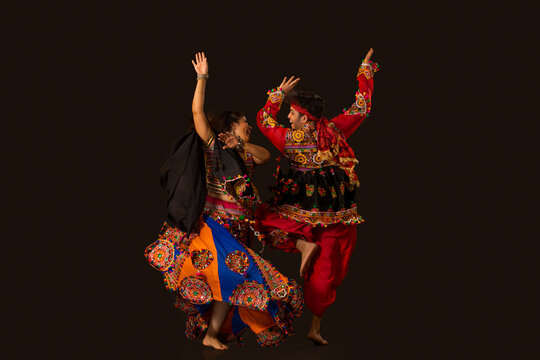
Garba
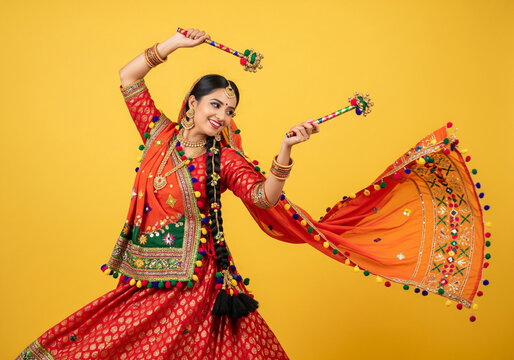
Dandiya Raas
Tippani & Hudo
Rajkot is the epicenter of Gujarat’s most iconic dance forms, especially during Navratri. The graceful, circular Garba and the dynamic, stick-clashing Dandiya Raas are performed with immense fervor. Traditional folk dances like the labor-oriented Tippani and the rhythmic Hudo also showcase the region’s rich cultural tapestry and communal spirit.
Rajkot resonates with the dignified charm of its princely past and the industrious energy of a modern commercial hub. The city is characterized by wide, clean streets, historic colonial-era buildings, and bustling markets selling exquisite handicrafts. The warmth of its people, the aroma of its distinctive cuisine, and the rhythmic pulse of Garba during festivals create an atmosphere that is both regal and homely.
Rajkot’s heritage is a blend of royal, colonial, and Gandhian influences. The city’s historic palaces, civic buildings, and educational institutions preserve its legacy as a princely state capital and crucible of India’s independence movement. The famed silver craftsmanship and Bandhani textile industries thrive here, producing works admired nationwide.
Rajkot’s cuisine is a delectable subset of Saurashtrian and Gujarati vegetarian fare, known for its subtle sweetness, tanginess, and hearty flavors.
An elaborate platter featuring kadhi, dal, 2-3 vegetable shaaks, farsan, rotlis, rice, papad, and sweet dishes.
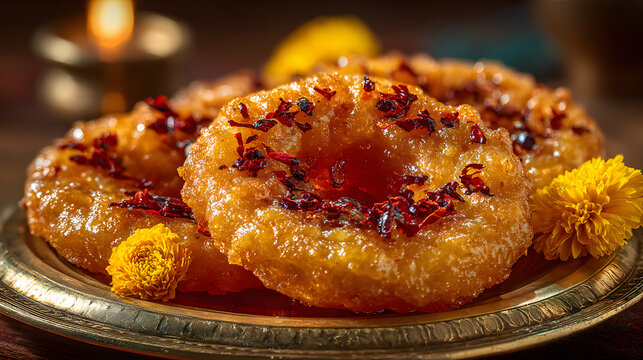
The iconic breakfast or snack combination of crispy, spiced gram flour strips (Fafda) with sweet, syrupy spirals (Jalebi).
A classic winter specialty, a slow-cooked medley of fresh vegetables, beans, and muthiya (fried dumplings) in a spicy green paste.
A rich, slow-cooked condensed milk dessert flavored with cardamom and nuts, similar to a thicker rabdi.
Shopping in Rajkot is a delight for those seeking traditional Gujarati textiles, silverwork, and snacks. The city’s markets are known for quality craftsmanship and vibrant goods.
World-famous tie-dye textiles, including sarees, dupattas, and dress materials in bright colors and intricate patterns.
Exquisitely crafted silver jewelry known for its detailed filigree work, meenakari, and traditional designs.
Pick up famous local snacks like Gathiya, Chavanu, Khaman, and ready-to-mix Undhiyu packets.
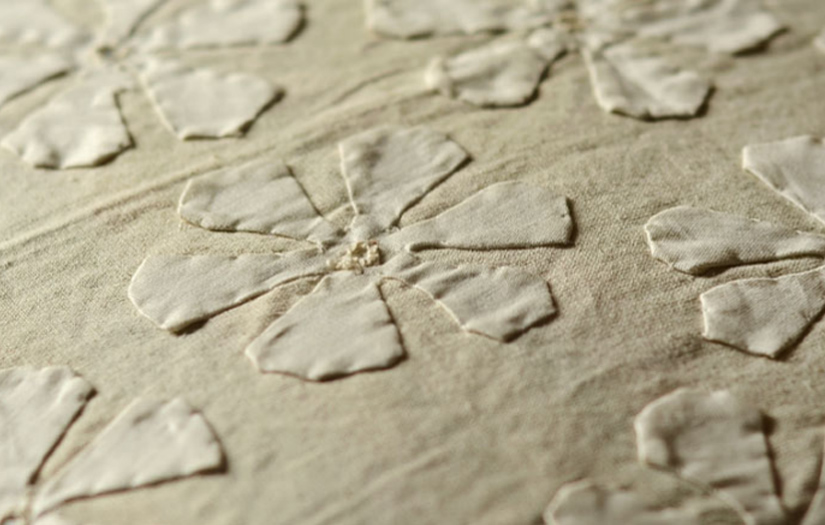
Beautifully crafted wall hangings, torans (door hangings), and bags featuring traditional Gujarati appliqué and beadwork.
The best time to visit Rajkot is during the winter months, from October to March, when the weather is pleasant, cool, and dry, with temperatures ranging from 10°C to 28°C. This period is ideal for sightseeing and attending festivals like Navratri and Diwali. Summers (April-June) are extremely hot and dry, while the monsoon (July-September) brings moderate rainfall.
Hydration & Sun Protection: Carry water and use sunscreen, hats, and sunglasses, especially in summer, due to the hot and dry climate.
Festival Crowds: During Navratri, be mindful of large crowds at Garba venues. Keep belongings secure.
Respect Local Customs: As a traditional city, dress modestly when visiting religious sites.
Food & Water: Stick to bottled water and eat at reputable establishments to avoid stomach upsets.
Traffic: Be cautious when crossing streets, as traffic can be busy in market areas.
Auto-rickshaws are the most common and affordable mode of transport within the city; ensure the meter is used or agree on a fare beforehand. City buses operated by BRTS and other services connect major areas. App-based cab services like Ola and Uber are readily available. For local touring, cycle-rickshaws are suitable for short distances in market areas, and private taxis can be hired for full-day excursions.
Auto-rickshaw Overcharging: Insist on using the meter. Be wary of drivers suggesting unnecessary detours or specific shops.
Textile & Jewelry Pricing: In wholesale textile markets, always bargain. For silver jewelry, check for hallmark certification to ensure purity.
Fake Guides: At historical sites, use only authorized guides or audio guides to avoid misinformation and overcharging.
Accommodation Touts: Avoid touts at transport hubs offering cheap rooms. Book accommodations in advance through trusted platforms.
Festival Ticket Scams: Purchase official tickets for large Navratri events from authorized counters or websites only.
The Gandhi Trail in Gujarat: From Rajkot to Sabarmati
A Shopper’s Guide to Bandhani and Silver in Rajkot
Festivals of Saurashtra: Navratri and Beyond