
Rituals of Gujarat
The Rituals of Gujarat reflect a vibrant blend of spirituality, tradition, and community life. Rooted in ancient beliefs and regional customs, these rituals guide daily practices, life ceremonies, temple worship, and folk traditions, showcasing Gujarat’s deep cultural and religious heritage.
Life Event Rituals

Garbhadhana Sanskar
This ritual marks the spiritual beginning of parenthood and seeks divine blessings for conception and a healthy progeny. It emphasizes purity, harmony, and positive energies within the couple.
How is it done?
- Vedic Prayers – Specific mantras are chanted to invoke fertility and divine grace.
- Havan Ritual – Sacred offerings of ghee and herbs are made into fire for purification.
- Blessings Ceremony – Elders bless the couple for healthy offspring and prosperity.

Namkaran Sanskar (Naming Ceremony)
Namkaran formally introduces the newborn to family and society, giving the child an identity aligned with astrological influences and tradition.
How is it done?
- Astrological Consultation – Birth chart is analyzed to select an auspicious name.
- Whispering the Name – The chosen name is softly spoken into the child’s ear.
- Community Blessings – Relatives and elders bless the child with gifts and prayers.

Annaprashan Sanskar (First Feeding Ceremony)
This ritual marks the transition of a baby from milk to solid food, symbolizing growth and nourishment.
How is it done?
- Food Preparation – Rice or sweet food is cooked in a ritualistic manner.
- Ceremonial Feeding – The child is fed by elders to transfer blessings.
- Prayer Recitation – Prayers are offered for good health and digestion.
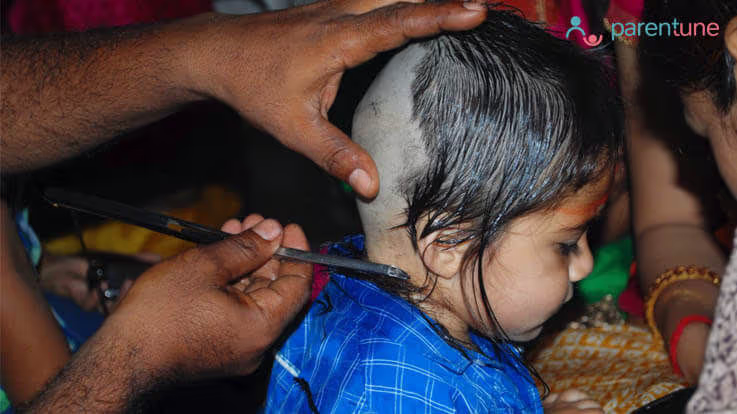
Mundan Sanskar (First Haircut)
Mundan signifies purification and the removal of negative influences from past births. It is believed to promote mental clarity and physical strength.
How is it done?
- Head Shaving – Hair is shaved completely or partially at an auspicious time.
- Mantra Chanting – Sacred hymns are recited for purification.
- Charity Offering – Food, clothes, or money donated as an act of goodwill.
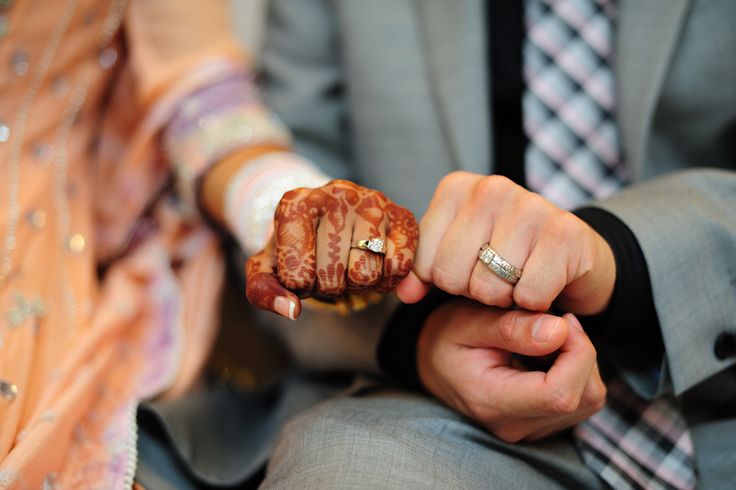
Vivah Sanskar (Marriage Ceremony)
Marriage is considered a sacred bond uniting two families and individuals spiritually and socially. Gujarati weddings focus on devotion, simplicity, and community participation.
How is it done?
- Hasta Milap – Hands of the bride and groom are tied together symbolizing union.
- Mangal Pheras – The couple circles the sacred fire, taking vows.
- Sindoor and Mangalsutra – Rituals marking marital commitment and responsibility.

Antyeshti Sanskar (Last Rites)
Antyeshti is the final rite performed to ensure peace for the departed soul and detachment for the living.
How is it done?
- Cremation Ritual – The body is consigned to fire following sacred chants.
- Asthi Visarjan – Ashes are immersed in a holy river or sea.
- Shraddha Ceremony – Annual rituals performed to honor ancestors.
Spirit Worship Ritual

Mata no Madh and Kuldevi Worship
Spirit worship in Gujarat often centers around Kuldevis and local guardian goddesses believed to protect families and villages. These spirits are revered as powerful maternal fo
How is it done?
- Sacred Invocation – Devotees invoke the deity through chants and prayers.
- Offering of Prasad – Sweets, coconuts, and flowers are offered.
- Vow Fulfillment – Promises made to the deity are honored after wishes are granted.
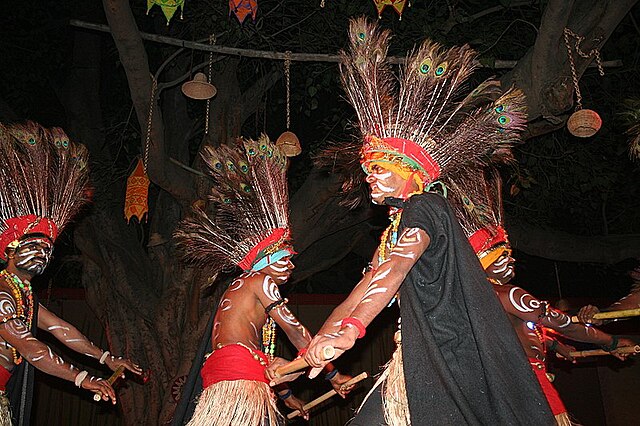
Pithora Ritual (Tribal Spirit Worship)
The Pithora ritual is performed by tribal communities to honor ancestral and nature spirits for prosperity and protection. It involves sacred wall paintings.
How is it done?
- Wall Preparation – A clean wall is prepared for painting.
- Sacred Painting – Pithora horses and symbols are painted.
- Community Feast – Ritual concludes with collective meal.
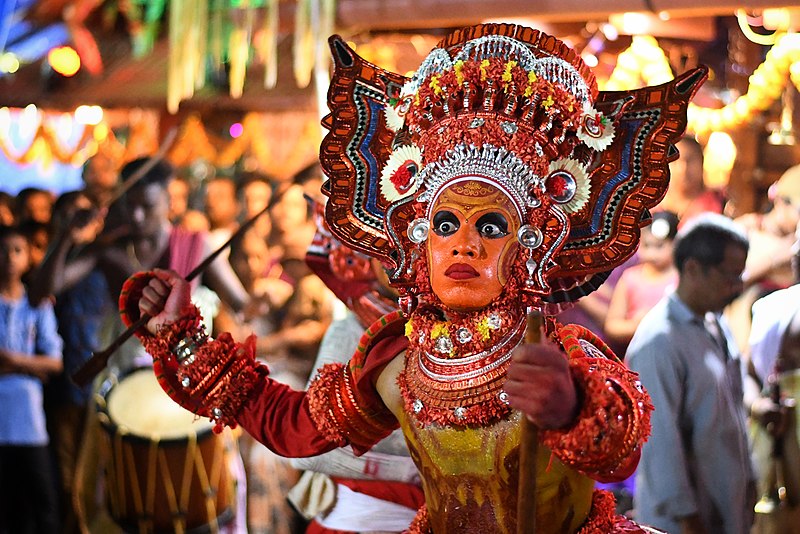
Bhuta–Preta Shanti Ritual
This ritual is performed to pacify restless spirits and remove negative influences from individuals or households.
How is it done?
- Mantra Chanting – Priests chant specific appeasement mantras.
- Offering Rituals – Food and symbolic items offered to spirits.
- Protective Prayers – Blessings sought for peace and safety.

Nag Worship (Serpent Spirits)
Serpent spirits are revered as protectors of land and water. Nag worship seeks fertility, rainfall, and protection from harm.
How is it done?
- Milk and Flower Offering – Offered at snake shrines.
- Nag Panchami Ritual – Annual worship performed.
- Fasting and Prayer – Devotees observe ritual discipline.
Folk Festivals
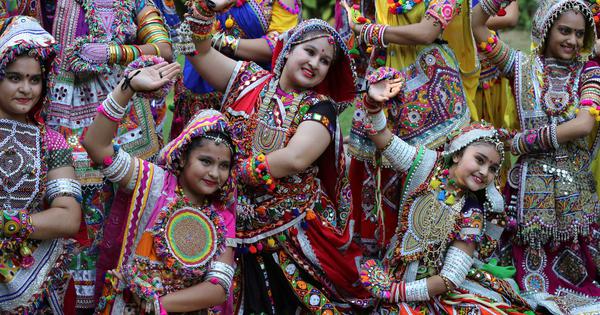
Navratri and Garba Festival
Navratri is the most celebrated folk festival in Gujarat, honoring Goddess Shakti through dance, devotion, and community gatherings. Garba reflects the rhythm of life and feminine energy.
How is it done?
- Garba and Dandiya Raas – Traditional dances performed in circles.
- Goddess Worship – Daily prayers to different forms of Shakti.
- Community Gatherings – People dress in traditional attire.
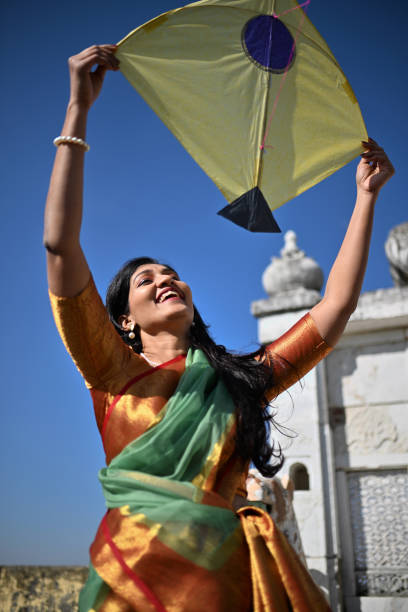
Uttarayan (Kite Festival)
Uttarayan marks the sun’s northward journey and the harvest season. It symbolizes joy, renewal, and togetherness.
How is it done?
- Kite Flying – Skies filled with colorful kites.
- Traditional Foods – Undhiyu and sweets prepared.
- Family Celebrations – Rooftop gatherings held.
Temple Rituals

Mangla Aarti
The early morning ritual performed to awaken the deity and begin the day with divine blessings. It signifies purity, devotion, and the start of spiritual activities.
How is it done?
- Temple Cleansing – Sanctum is cleaned before worship.
- Lamp Offering – Oil lamps waved before the deity.
- Devotional Hymns – Priests chant sacred mantras.

Abhishek Ritual
Involves the ceremonial bathing of the deity using sacred substances. It symbolizes purification and renewal of spiritual energy.
How is it done?
- Sacred Bathing – Water, milk, honey, and curd poured on the idol.
- Mantra Recitation – Vedic hymns chanted during the ritual.
- Prasad Distribution – Blessed offerings shared.
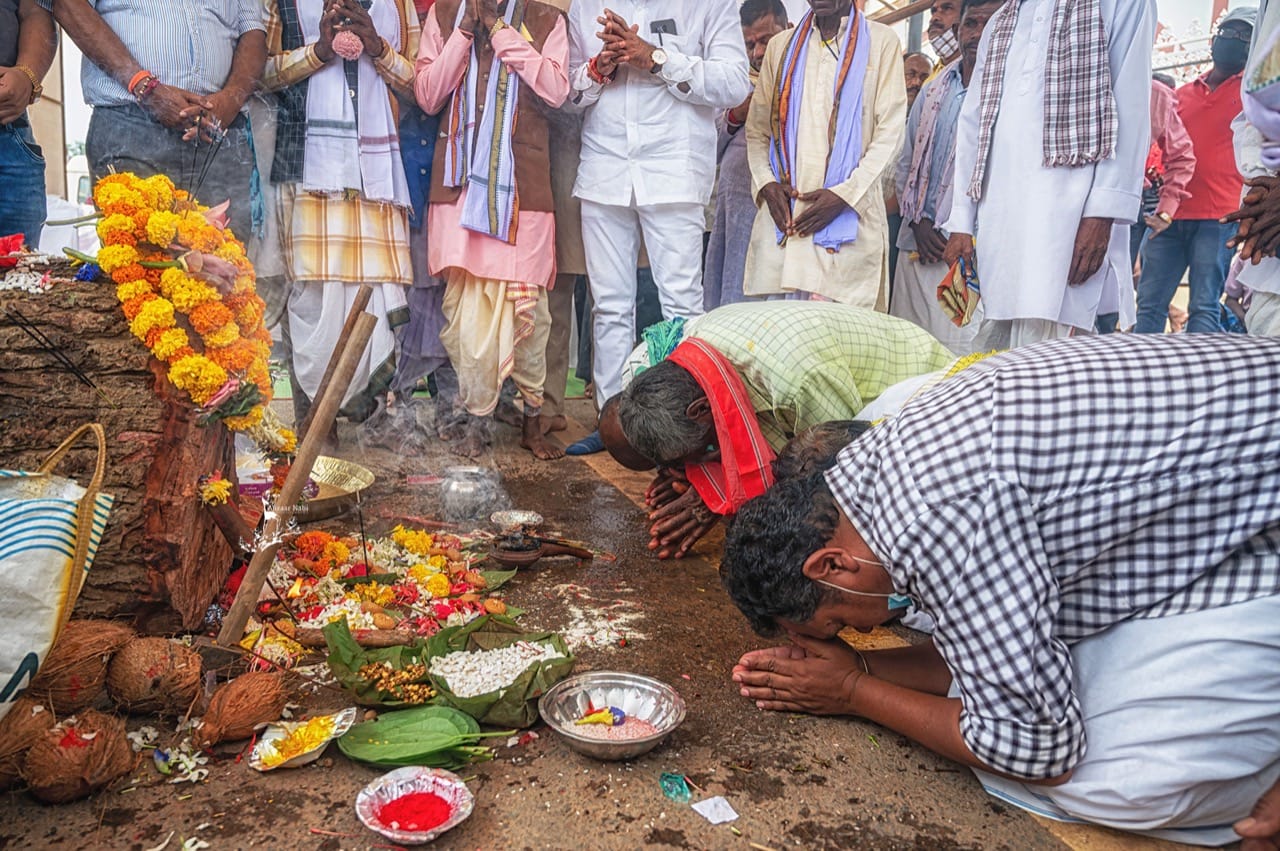
Shringar Seva
Shringar Seva adorns the deity with clothes, ornaments, and flowers, expressing devotion and aesthetic reverence.
How is it done?
- Deity Dressing – Fresh garments and jewelry used.
- Floral Decoration – Garlands arranged symbolically.
- Mirror Offering – Devotees view the adorned deity.
Ayurveda and Yoga

Panchakarma Therapy
Panchakarma is a classical Ayurvedic detoxification practice followed in Gujarat to cleanse the body and restore dosha balance. It focuses on long-term health and disease prevention.
How is it done?
- Purva Karma – Oil massage and steam therapy prepare the body.
- Main Detox Procedures – Vamana, Virechana, or Basti performed as prescribed.
- Post-Therapy Care – Light diet and rest recommended.
Scientific Reasoning
- Helps eliminate metabolic toxins from the body.
- Improves digestion, immunity, and circulation.

Herbal Medicine Practice
Traditional Ayurvedic herbs are widely used in Gujarat for daily wellness and healing. These remedies are based on balancing natural elements.
How is it done?
- Herb Selection – Plants like Ashwagandha and Triphala used.
- Preparation – Powders, decoctions, or pastes prepared.
- Dosage Regulation – Consumed as per Ayurvedic guidance.

Yoga Asana Practice
Yoga is practiced to maintain physical strength and mental stability. It is commonly integrated into daily routines.
How it is done?
- Morning Asanas – Surya Namaskar and basic postures practiced.
- Stretching Routine – Focus on flexibility and balance.
- Relaxation Phase – Shavasana performed for calmness.
Social Fabrics
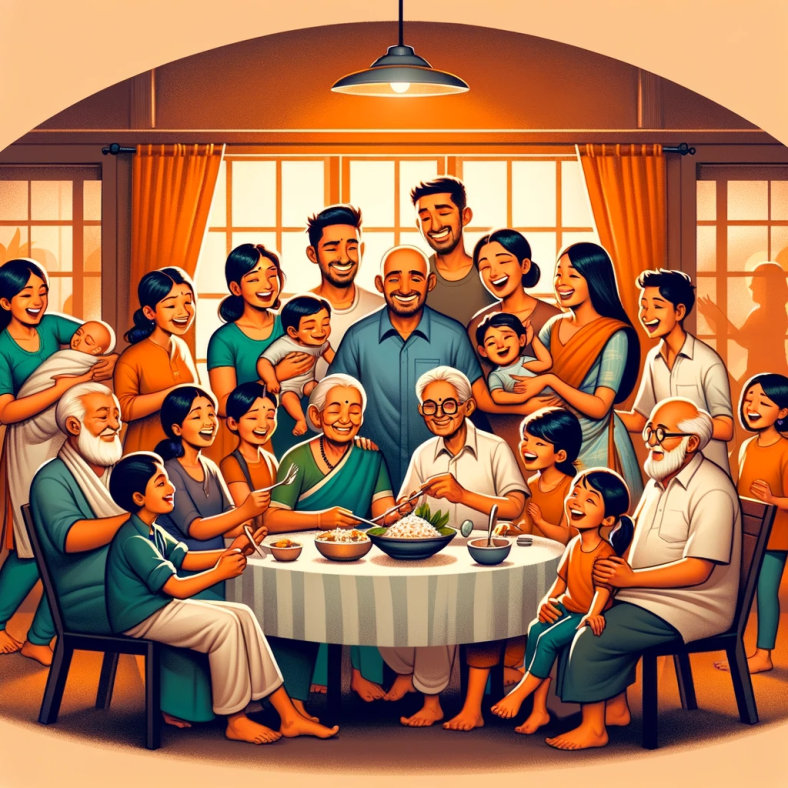
Joint Family System
The joint family system forms the backbone of Gujarati society, emphasizing unity, shared responsibilities, and respect for elders. It strengthens emotional and economic support within families.
How is it done?
- Shared Living – Multiple generations live together.
- Collective Decision-Making – Family matters decided jointly.
- Elder Respect – Elders guide traditions and values.

Community-Based Social Structure
Gujarati society is organized around communities and castes that preserve traditions, occupations, and social harmony.
How is it done?
- Community Associations – Social and religious groups formed.
- Mutual Support – Members assist each other during events.
- Cultural Preservation – Customs passed through generations.
Festivals as Social Bonding
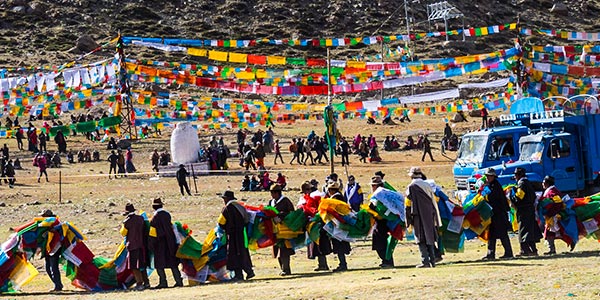
Festivals act as key social connectors, reinforcing shared identity and collective joy.
How is it done?
- Community Celebrations – Large-scale participation.
- Traditional Attire – Cultural dress worn.
- Shared Meals – Strengthen social ties.
Art & Craft

Bandhani (Tie-Dye Textile Art)
Bandhani is one of Gujarat’s oldest textile traditions, known for its intricate patterns and vibrant colors. It reflects regional identity and skilled craftsmanship passed down generations.
How is it done?
- Fabric Preparation – Cotton or silk washed and dried.
- Knot Tying – Tiny sections tied tightly with thread.
- Natural Dyeing – Fabric dyed in multiple colors.

Kutch Embroidery
Kutch embroidery showcases bold colors, mirror work, and geometric patterns. It represents the cultural stories of various communities.
How is it done?
- Design Tracing – Patterns drawn on fabric.
- Hand Stitching – Mirrors and threads stitched carefully.
- Community Motifs – Designs vary by tribe.
Other Significant Rituals
Agricultural Rituals
Agricultural rituals are performed to seek divine blessings for fertile land and abundant harvests. These rituals reflect Gujarat’s strong agrarian roots.
How is it done?
- Seed Blessing – Seeds are ritually purified before sowing.
- Field Worship – Prayers offered to land and rain deities.
- Harvest Thanksgiving – Community prayers after harvest.
Rain and Monsoon Rituals
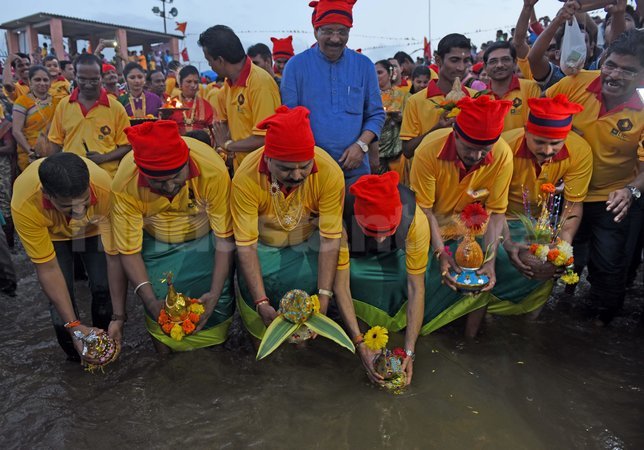
Rain rituals are observed during dry spells to invoke monsoon blessings. They symbolize dependence on natural cycles.
How is it done?
- Village Prayer Gatherings – Collective chanting and devotion.
- Water Offerings – Streams and wells worshipped.
- Folk Songs and Dances – Performed to please rain gods.