¤ 10+minutes Read
Ambala, often referred to as the “Gateway of Haryana” and the “Twin City,” is a historic cantonment town strategically located on the crossroads of Punjab and Haryana. Known for its unique blend of military heritage, scientific institutions, and vibrant culture, Ambala offers visitors a fascinating glimpse into colonial history, modern innovation, and authentic North Indian traditions. The city’s famous scientific instruments market and its rich culinary heritage make it a distinctive destination worth exploring.
Wiki Link: Ambala wiki page
A historic military base established in 1843, showcasing colonial-era architecture and disciplined charm.
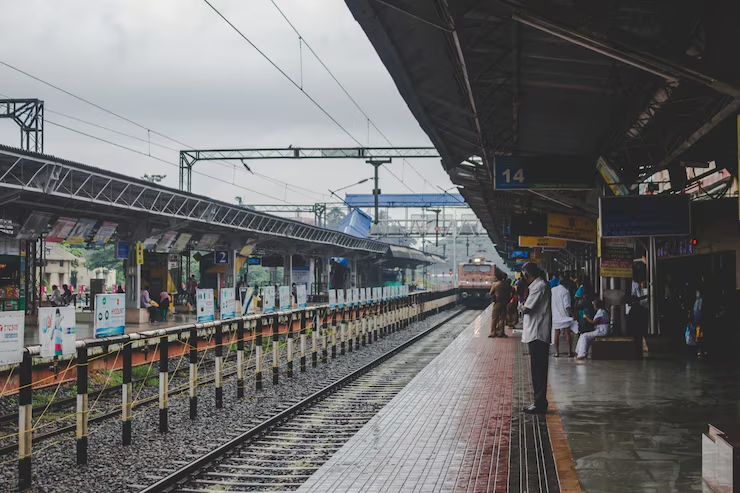
A major railway junction on the Delhi-Kalka route, serving as a vital link to surrounding regions.
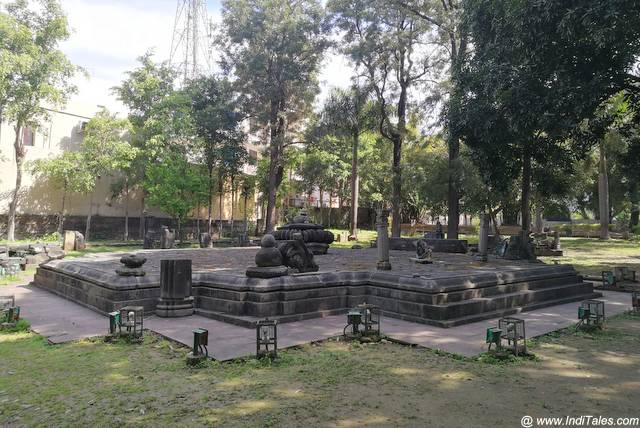
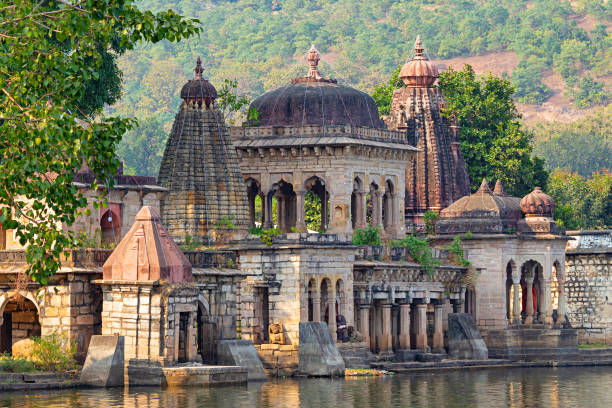
An 11th-12th century temple complex featuring intricately carved sculptures and ancient Hindu architecture.
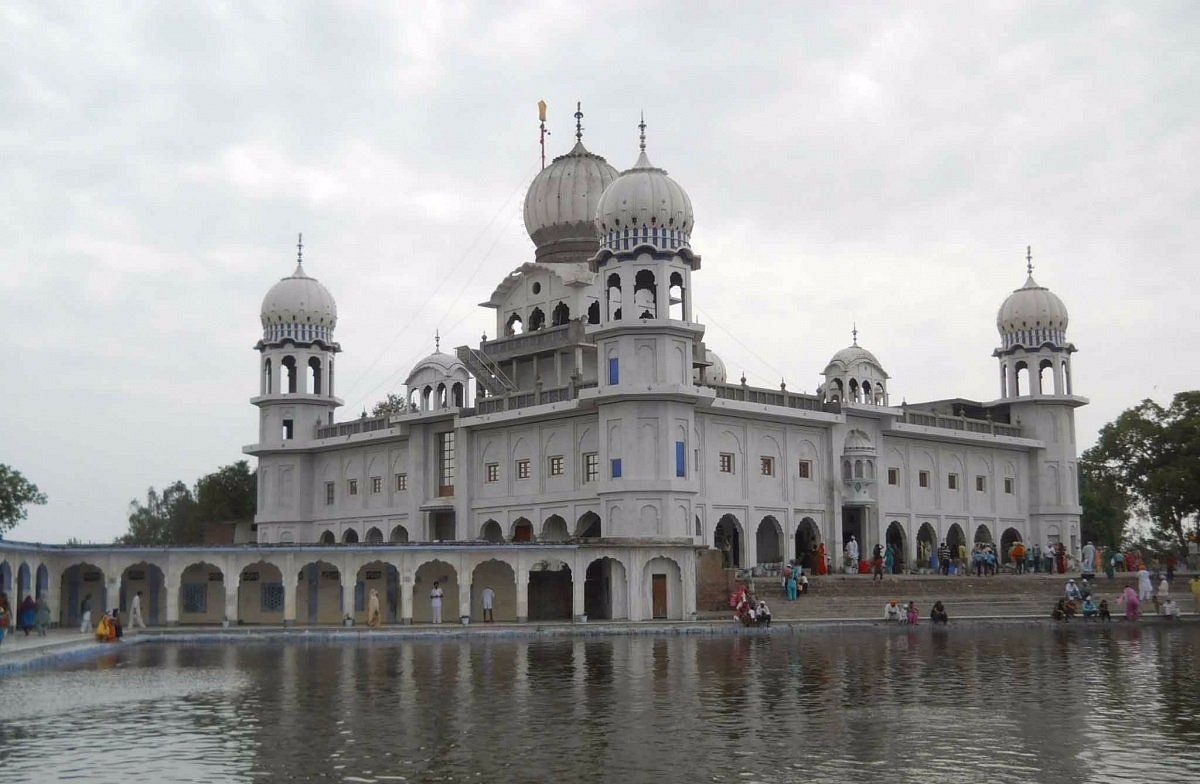
A sacred pond and temple complex dedicated to various deities, especially vibrant during festivals.
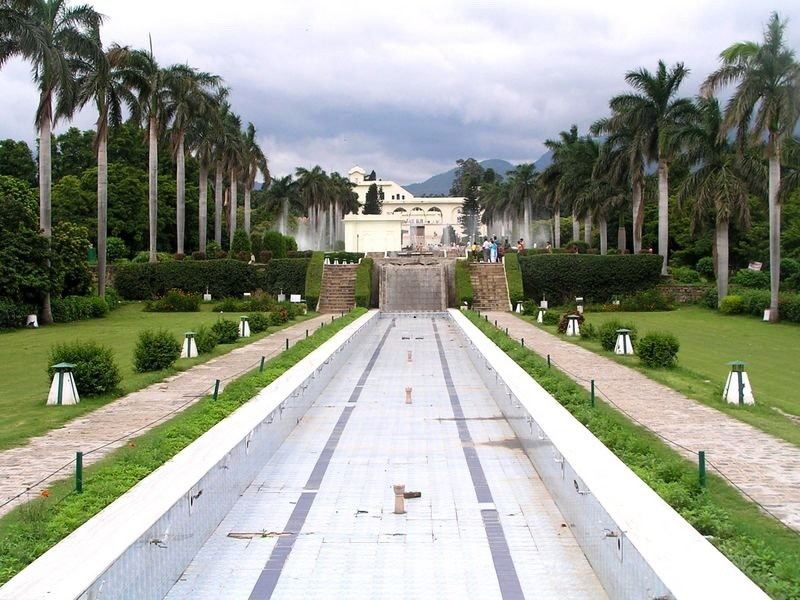
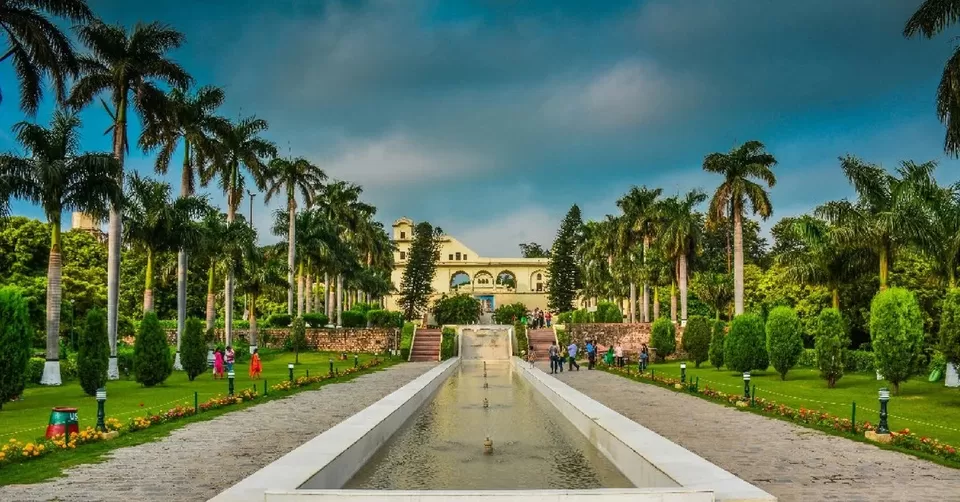
A stunning 17th-century Mughal garden with terraced lawns, fountains, palaces, and lush greenery.
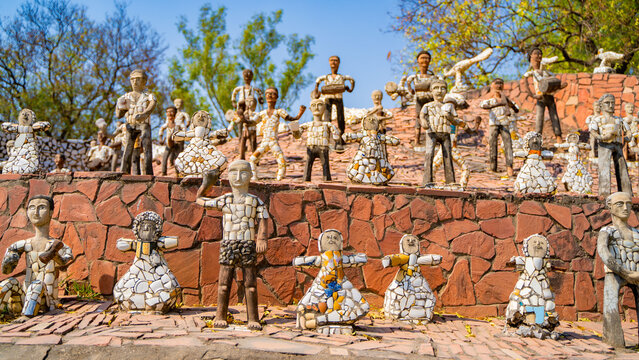
A world-famous garden featuring fascinating sculptures creatively made from recycled industrial waste.
A picturesque man-made lake ideal for boating, evening strolls, and enjoying beautiful sunsets.
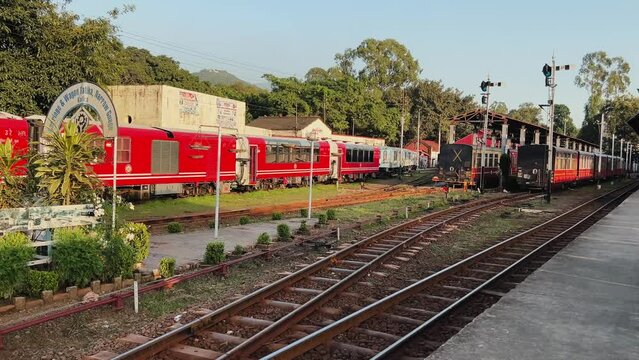
The heritage gateway to the hills and starting point of the UNESCO-listed Kalka-Shimla Toy Train.
Experience the unique blend of colonial history, scientific innovation, and vibrant local culture. From exploring cantonment heritage to indulging in the city’s famous culinary delights, Ambala offers a refreshing and authentic travel experience.
Explore a vast array of laboratory equipment, glassware, and educational tools in this globally renowned market.
Enjoy Mughal architecture, musical fountains, and the annual heritage festival at this historic garden.
Indulge in legendary Chole Bhature and authentic Haryanvi-Punjabi cuisine at local eateries.
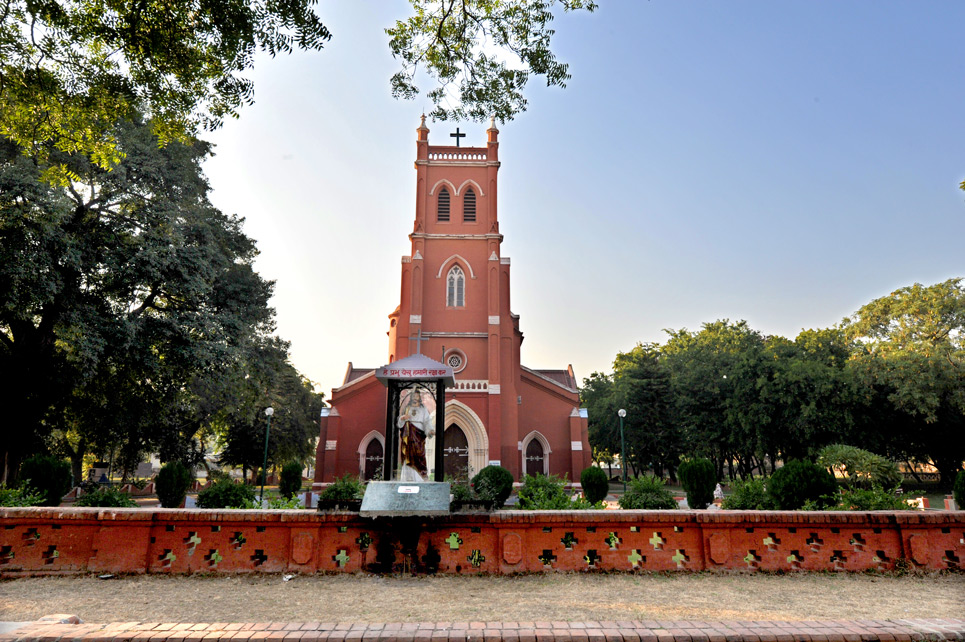
Admire colonial-era bungalows, churches, and the disciplined atmosphere of this historic military area.
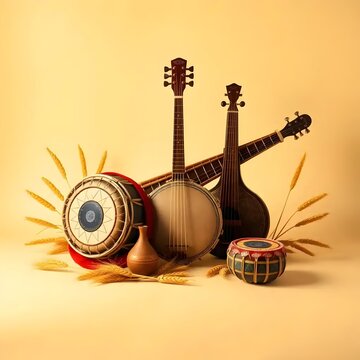
Ambala, sitting at the crossroads of Punjab and Haryana, is a vibrant hub for folk performing arts. The region’s cultural expressions are deeply rooted in agrarian traditions, festivals, and storytelling, reflecting the joyous and resilient spirit of its people.
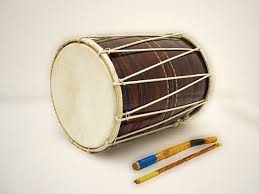
Haryanvi Folk Music
Punjabi Folk Music
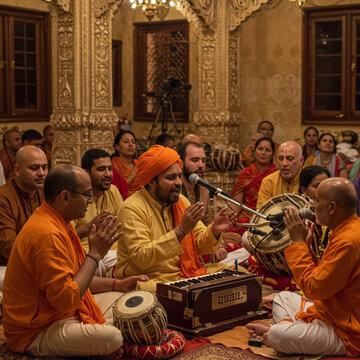
Devotional Music
The state is a major center for Hindustani classical music, with iconic gharanas like Gwalior and Banaras shaping its evolution. The soulful Thumri, Dhrupad, and Khayal styles are widely performed. Folk music, including the Chaiti and Birha genres, tells tales of love, devotion, and daily life.
Phag Dance
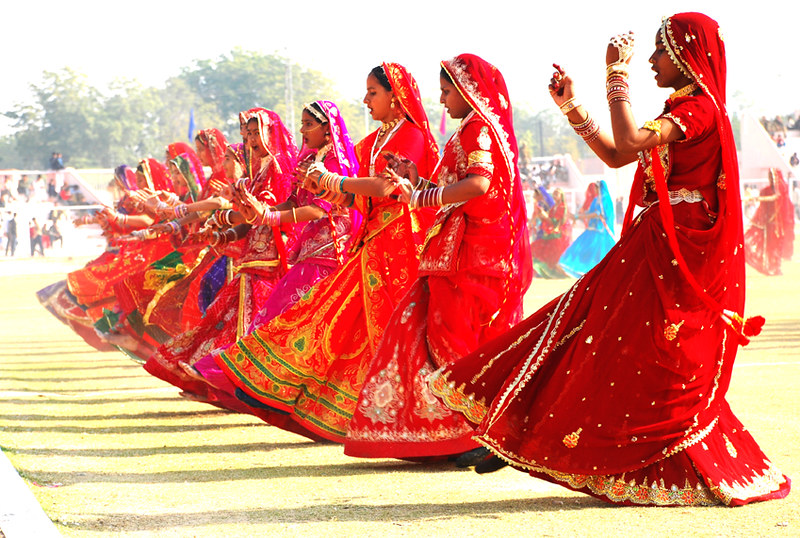
Ghoomar
Bhangra
Kathak is known for its intricate footwork, spins, and storytelling, Kathak has its roots in the temples of Varanasi and Lucknow. The state also celebrates vibrant folk dances like Ramlila, a dramatic performance of the Ramayana, and Rasiya, which is performed during festivals.
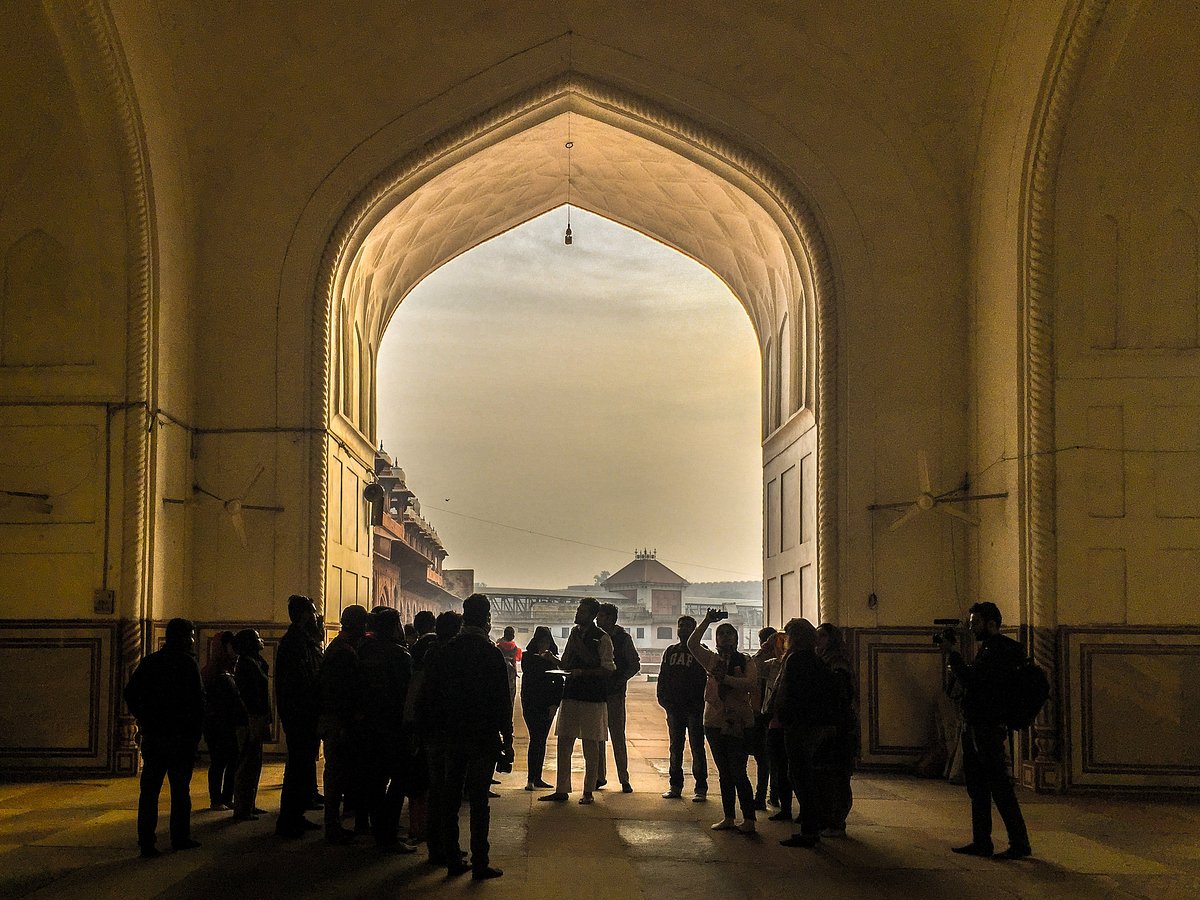
Ambala’s character is uniquely defined by its dual identity. The Cantonment area exudes a sense of order, history, and quiet dignity with its colonial-era architecture and military presence. In contrast, Ambala City buzzes with the lively chaos of its markets, particularly the famous scientific instrument bazaars, where commerce and innovation thrive. It’s a city where disciplined calm meets vibrant trade.
Ambala’s heritage is deeply intertwined with its strategic importance during the British Raj. The establishment of the cantonment in 1843 shaped its modern identity. The city also holds historical significance as the site where the British formally took control of Punjab in 1849. Its proximity to ancient sites like the Bhima Devi Temple and Mughal-era Pinjore Gardens adds layers of older heritage to its colonial legacy.
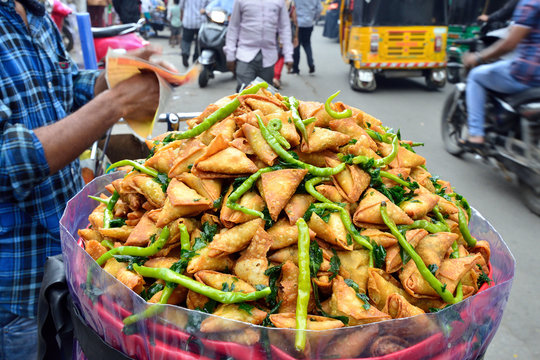
Ambala’s cuisine is a delightful fusion of Haryanvi and Punjabi flavours, known for its hearty, rustic, and absolutely delicious offerings.
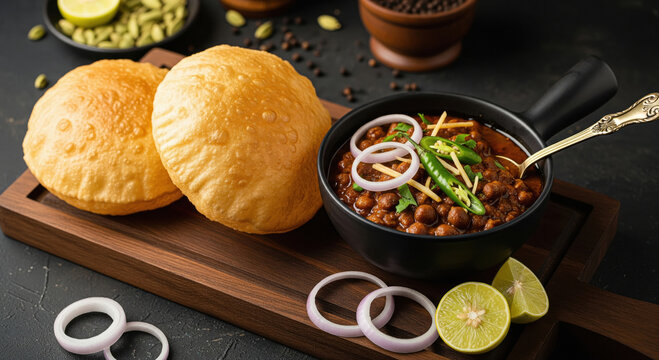
The undisputed king of Ambala’s street food—spicy chickpea curry with fluffy fried bread.
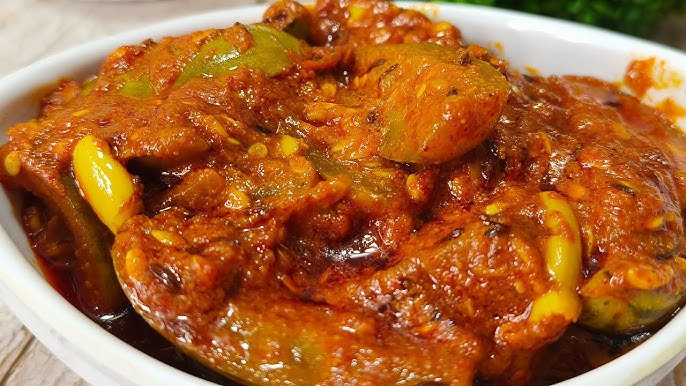
A traditional Haryanvi delicacy of dried wild melon cooked with aromatic spices.
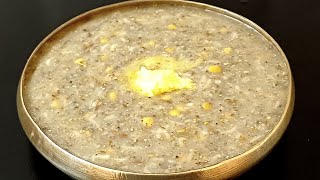
A wholesome comfort food of pearl millet and lentils enjoyed with ghee.
Tangy gram flour curry with fried dumplings, perfect with rice or roti.
Shopping in Ambala is a unique experience, primarily centred around its world-famous scientific instrument market, along with traditional textiles and local crafts.
Discover Punjabi jutti, colourful bangles, and traditional silver jewellery.
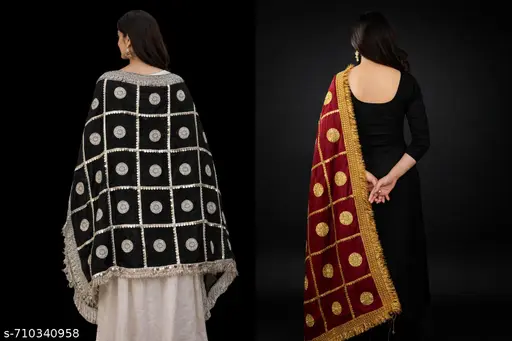
Find handloom cotton fabrics and traditional durries reflecting local craftsmanship.
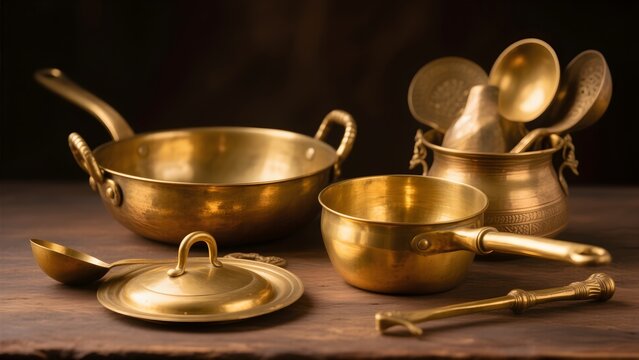
Browse traditional metalware perfect for both practical use and decor.
Explore quality handcrafted wooden furniture and home decor items.
The ideal time to visit Ambala is from October to March. Winters (Nov-Feb) are pleasant and cool, perfect for sightseeing and exploring nearby attractions. Spring (March) offers comfortable temperatures and blooming gardens. Summers (April-June) are extremely hot, and the monsoon (July-September) brings humidity, making outdoor activities less comfortable.
Traffic Awareness: Be cautious while crossing roads, especially in busy markets like the scientific instrument area, as traffic can be chaotic.
Sun Protection: If visiting during summer, carry sunscreen, sunglasses, and a hat to protect against intense heat.
Stay Hydrated: Carry water bottles, particularly when exploring outdoor markets or taking day trips.
Cantonment Rules: Be respectful of the restricted areas within the cantonment; photography may be prohibited near military installations.
Valuables: Keep your belongings secure in crowded markets and bus stands.
Weather Preparedness: Carry light woollens during winter evenings, as temperatures can drop.
Auto-rickshaws and cycle-rickshaws are the most convenient modes of transport for short distances within the city. Local buses connect Ambala City and Ambala Cantonment. App-based cab services are available and useful for travelling to nearby attractions. For day trips to Chandigarh, Pinjore, or Morni Hills, hiring a taxi is the most comfortable option.
Auto-rickshaw Overcharging: Always negotiate the fare beforehand or insist on using the meter, especially from railway stations and bus stands.
Instrument Quality: When buying scientific instruments, deal with reputed, established shops to ensure product quality and avoid counterfeit items.
Fake Products: Be wary of extremely cheap electronic or scientific goods that may be of inferior quality or fake.
Accommodation Touts: Avoid touts at railway stations offering cheap hotels; book your stay through reputable online platforms in advance.
Taxi Scams: For day trips, use pre-paid taxi services or book through reliable apps/agencies rather than accepting unverified offers on the street.
Market Pricing: In local markets, prices for textiles and handicrafts may be inflated for tourists—polite bargaining is acceptable.
Haryana Cultural Guide
Places to Visit in Ambala
Places to Visit Nearby Ambala
India’s Famous Market Destinations
Colonial Heritage Sites of India
Haryana Cultural Guide: Folk Music & Dance
Ambala’s Scientific Instruments: A Shopper’s Guide
Exploring Pinjore Gardens: A Mughal Masterpiece
Street Food Trail: Ambala to Amritsar