Trip and Tales

¤ 10+ minutes Read

Panipat

A complete tourist and cultural guide

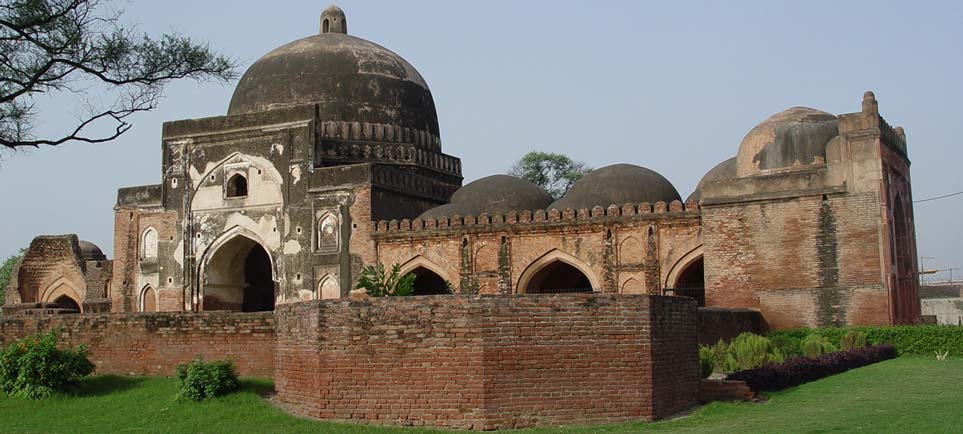
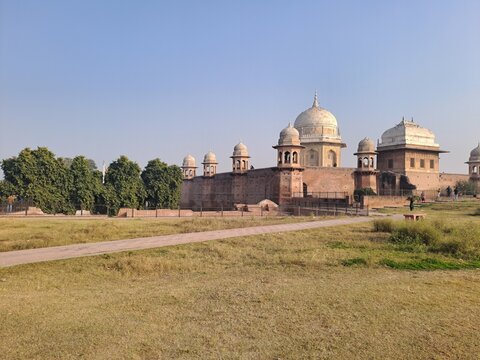
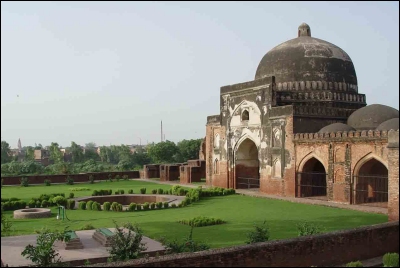
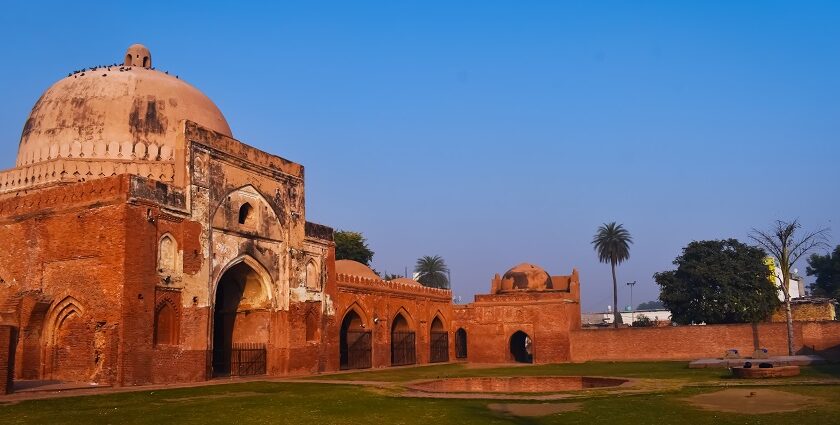
Kabuli Bagh Mosque in Panipat, a Mughal-era mosque built by Emperor Babur in 1527 to commemorate his victory.

Panipat, a historic city in Haryana, is famously known as the “City of Weavers” for its exquisite handloom textiles and the “City of Battles” for the three pivotal battles that shaped Indian history. Located on the banks of the Yamuna River, this ancient city offers a fascinating blend of historical significance, rich cultural heritage, and thriving craftsmanship that attracts history enthusiasts and textile lovers alike.

Wiki Link: Panipat wiki page

Must-Visit Attractions in Panipat

Kabuli Bagh Mosque located in Panipat

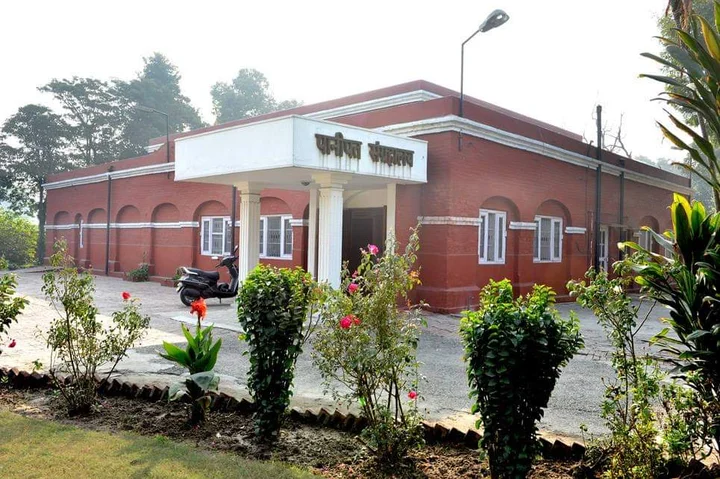
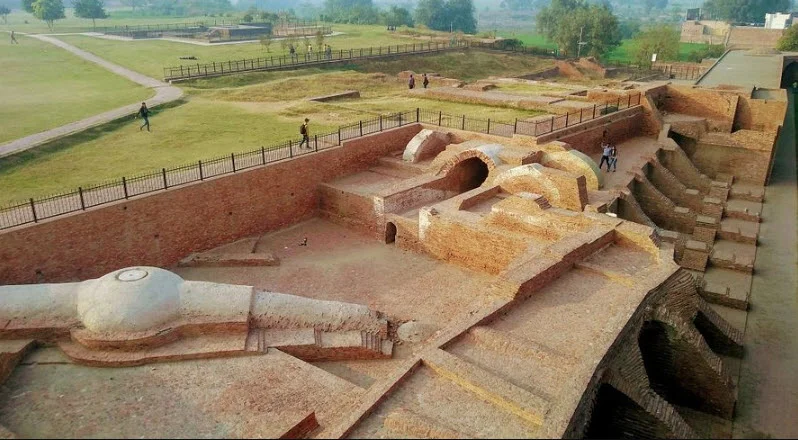
Panipat Museum

A comprehensive museum featuring dioramas and weaponry from the three historic battles of Panipat.

Interior view of Kabuli Bagh Mosque in Panipat featuring Mughal architecture and serene garden surroundings.

Kabuli Bagh Mosque

A Mughal-era mosque built by Emperor Babur to commemorate his victory in 1527.

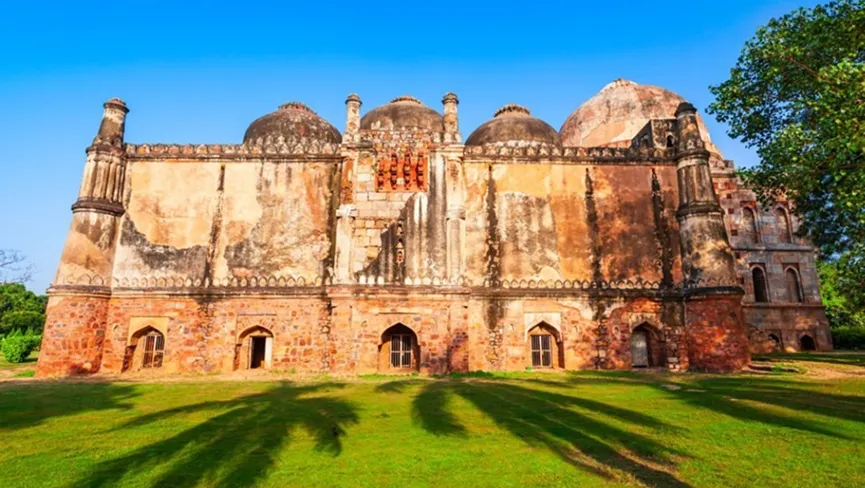
Ibrahim Lodi's Tomb in Panipat, the simple Afghan-style mausoleum of the last Delhi Sultan who fell in battle.

Ibrahim Lodi's Tomb

A simple Afghan-style mausoleum marking the grave of the last Delhi Sultan.

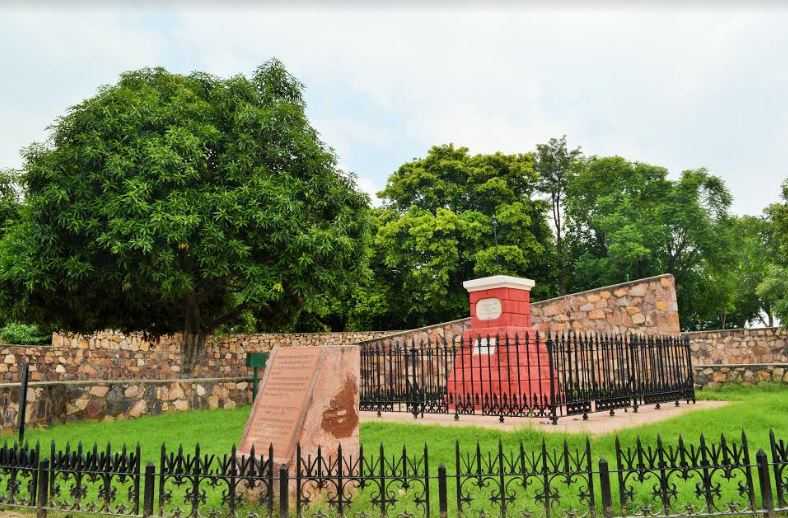
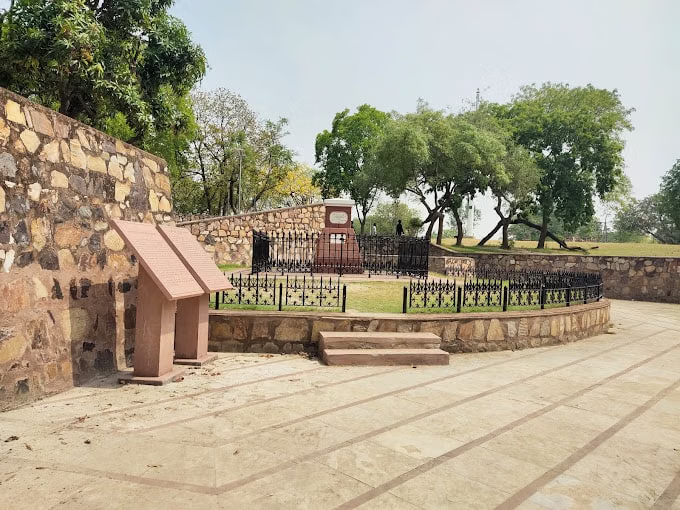
Kala Amb Park in Panipat, a memorial site marking where the Third Battle of Panipat was fought in 1761.

Kala Amb Park

A memorial park at the site of the bloody Third Battle of Panipat in 1761.

Major Attractions Nearby Panipat

Brahma Sarovar in Kurukshetra, the sacred tank near Panipat associated with the Mahabharata and Hindu mythology.

Kurukshetra

The legendary Mahabharata battlefield featuring sacred temples, tanks, and the fascinating Kurukshetra Panorama.

Bhishma Kund in Thanesar near Panipat, where Lord Krishna revealed the Bhagavad Gita to Arjuna.

Thanesar

An ancient town where Lord Krishna revealed the Bhagavad Gita, home to Bhishma Kund.

A stunning blackbuck at Asola Bhatti Wildlife Sanctuary on the Delhi-Haryana border near Panipat.

Asola Bhatti Wildlife Sanctuary

A protected green haven on the Delhi-Haryana border teeming with diverse flora and fauna.

Migratory birds at Sultanpur National Park, a renowned bird sanctuary located approximately 50 km from Panipat.

Sultanpur National Park

A renowned bird sanctuary attracting thousands of migratory birds like Siberian cranes during winter.

Things to do in Panipat

Immerse yourself in the historical legacy, explore the rich textile traditions, and discover the cultural depth of this ancient city. From battlefield memorials to bustling handloom markets, Panipat offers a unique journey through time and craftsmanship.

Visitors exploring dioramas at Panipat Museum depicting the three historic battles of Panipat.

Explore Battlefield History

Visit the museum and memorial park to understand the three historic battles that shaped India.

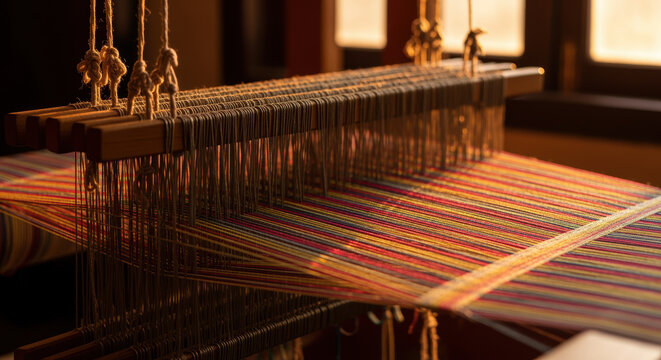
Skilled weavers creating intricate Panipat blankets and durries on traditional handlooms in local weaving centers.

Witness Handloom Weaving

Watch master craftsmen create famous Panipat blankets and durries on traditional handlooms.

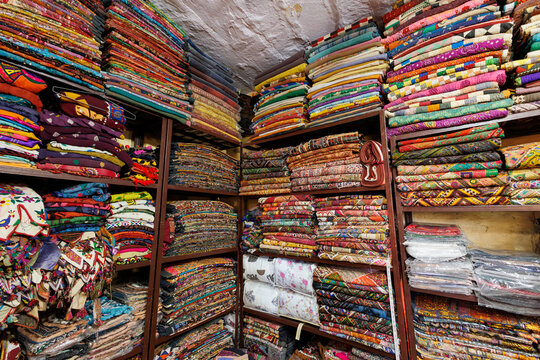
A shopper browsing colorful handloom textiles at the bustling Panipat market known for quality fabrics.

Textile Shopping

Shop for high-quality handloom products including blankets, durries, and bedsheets at factory prices.

A peaceful walk through the historic Mughal gardens at Kabuli Bagh Mosque complex in Panipat.

Stroll Through Mughal Gardens

Enjoy a quiet afternoon at the historic Kabuli Bagh Mosque complex and its serene gardens.

The Performing Art of Panipat

Panipat’s performing arts reflect the cultural richness of Haryana, blending folk traditions with historical influences from its Mughal and British past. The city’s artistic expressions are deeply rooted in rural life, celebrating harvests, seasons, and stories of valor and devotion. These vibrant performances continue to thrive during festivals, fairs, and special occasions, preserving the region’s cultural identity.

Traditional Ragini folk music performance in Panipat narrating tales of love and heroism.

Ragini

Saang folk theater artists in Panipat performing dramatic stories with songs and dialogues.

Saang

Devotional bhajan and kirtan singing at a temple in Panipat during a religious festival.

Bhajan & Kirtan

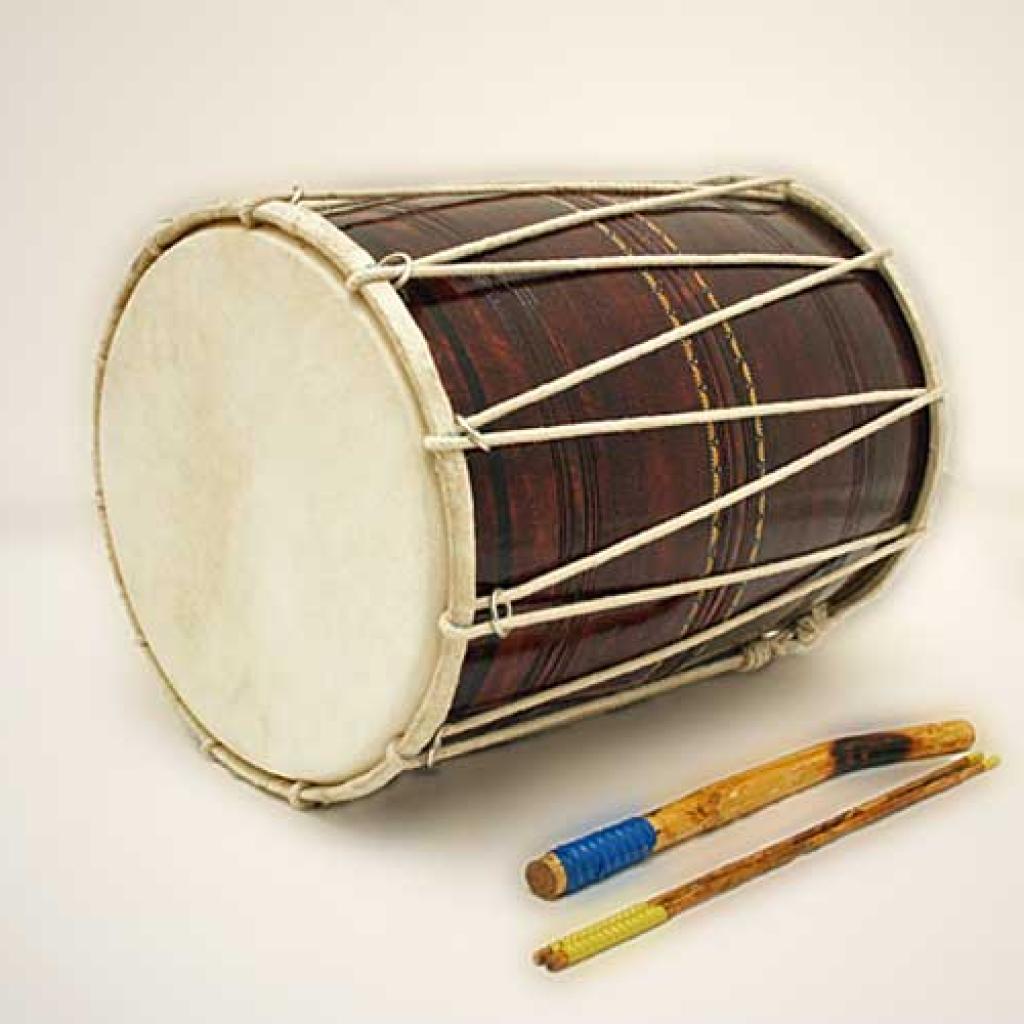
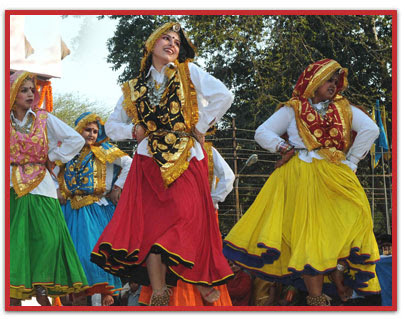
The performing arts of Panipat are deeply rooted in Haryana’s folk traditions, with vibrant music and dance forms that celebrate the region’s agrarian culture and festive spirit. The soulful Ragini and theatrical Saang performances narrate tales of love, valor, and local folklore, passed down through generations. Energetic dances like Phag and Dhamal, performed during harvest festivals and Holi, showcase the region’s lively cultural heritage with rhythmic movements and traditional drum beats.

Vibrant Phag harvest dance performed during spring festival with energetic movements and colorful attire.

Phag Dance

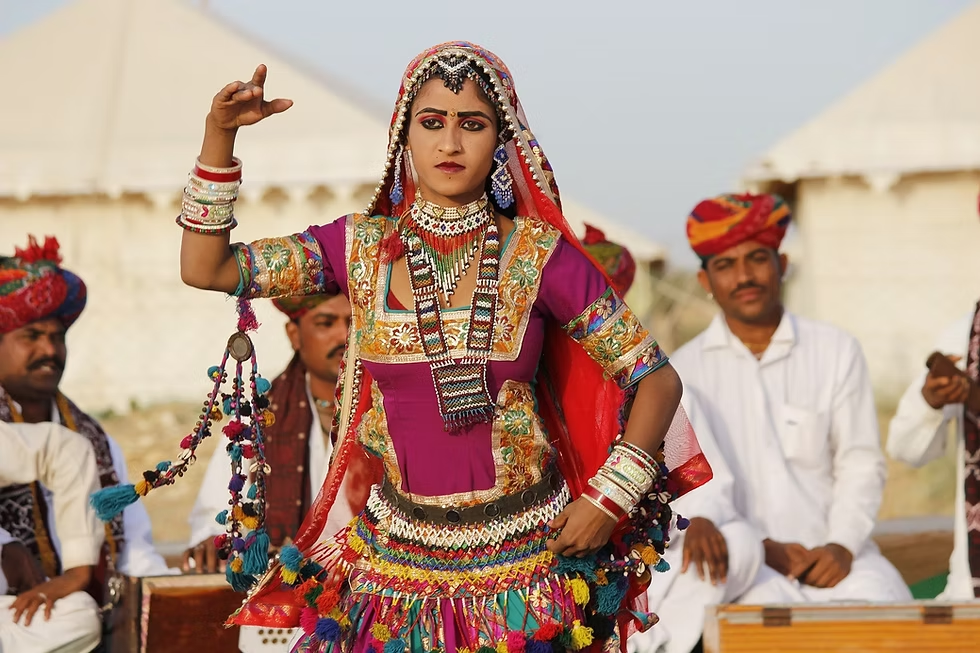
Women performing graceful Ghoomar dance in circular movements with traditional songs and clapping.

Ghoomar

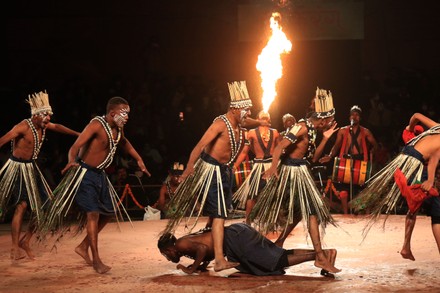
Energetic Dhamal dance performed during Holi festival with vigorous steps and traditional drum beats.

Dhamal Dance

The music of Panipat is an integral part of Haryana’s rich folk tradition, characterized by soulful melodies and rhythmic beats that accompany everyday life and celebrations. Traditional forms like Ragini and Saang blend storytelling with song, depicting tales of heroism, romance, and devotion that have been preserved through oral traditions for centuries. Devotional bhajans and kirtans resonate in temples across the region, while seasonal folk songs mark harvests, weddings, and festivals, keeping the region’s musical heritage alive and vibrant.

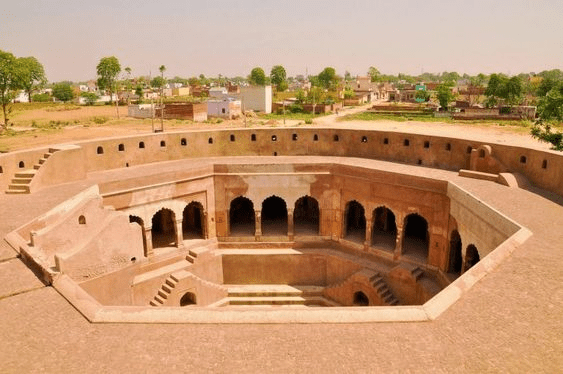
Historic stepwell Baoli Ghaus Ali Shah featuring ancient architecture and reflective water.

City Vibes - Where History Meets Handloom

Panipat resonates with the echoes of clashing swords and the rhythmic sounds of weaving looms. The city’s atmosphere is unique—ancient battlefields stand silently beside bustling textile markets, while Mughal-era gardens offer peaceful retreats from the industrial hum. The spirit of Panipat lies in its resilience, transforming from a historic battlefield into India’s handloom heartland.

Heritage of Panipat

Panipat’s heritage is deeply intertwined with the three great battles that reshaped Indian history—in 1526, 1556, and 1761. These conflicts brought Mughal rule to India, consolidated Akbar’s empire, and marked the decline of Maratha power. Beyond warfare, the city flourished as a cultural and commercial center under Mughal patronage, with monuments like Kabuli Bagh reflecting this golden era. Today, its heritage lives on through its textile traditions and historical memorials.

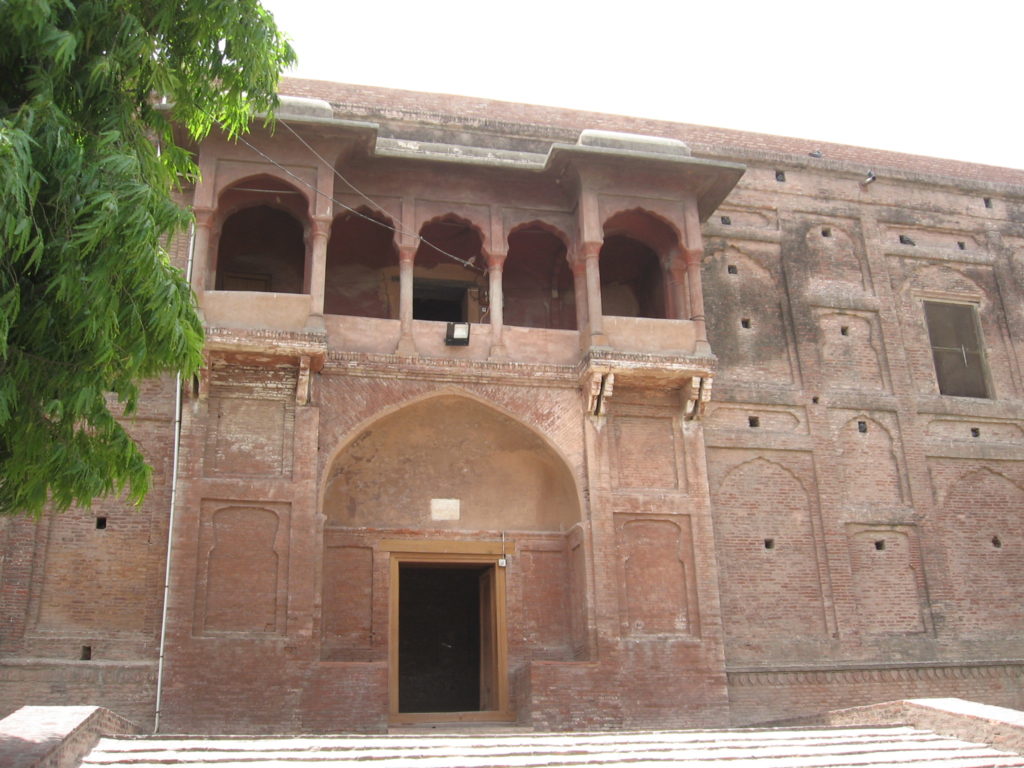
Pathar Masjid, a historic stone mosque showcasing Mughal-era architectural elements.
Pathar Masjid

Cuisine of Panipat

The cuisine of Panipat reflects the hearty, flavorful traditions of Haryana, with influences from neighboring Punjab and Delhi.

Traditional Haryanvi thali featuring bajra rotis, besan masala, and generous amounts of ghee.

Haryanvi Thali

A complete meal featuring bajra rotis served with besan masala, hara dhania cholia, and ghee.

Traditional Kachri ki Sabzi made from wild melon, a unique and tangy Haryanvi dish.

Kachri ki Sabzi

A traditional dish made from wild melon, cooked with spices for a tangy, unique flavor.

Fresh spiced buttermilk (chaas) served in a traditional glass, flavored with roasted cumin and mint.

Chaas

A refreshing yogurt-based drink spiced with roasted cumin and mint, perfect for digestion.

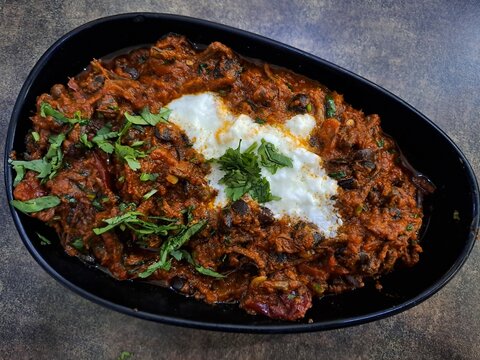
Flavorful Singri ki Sabzi made from dried ker sangri beans cooked with yogurt and spices.

Singri ki Sabzi

A flavorful dish made from dried ker sangri beans cooked with yogurt and spices.

Shopping in Panipat

Shopping in Panipat is a textile lover’s dream. The city is one of India’s largest wholesale and retail markets for handloom and home furnishing products.

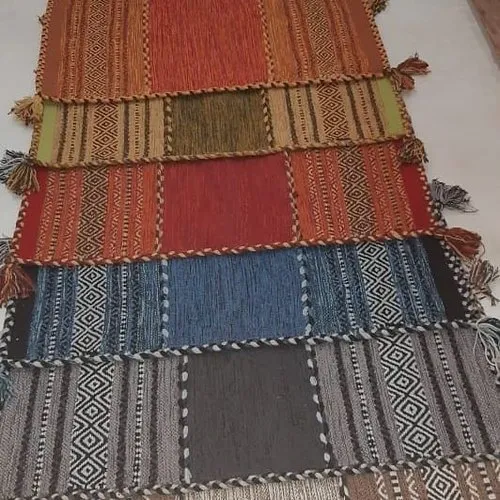
Colorful Panipati handloom durries displayed in various patterns and sizes for home decor.

Handloom Durries

Famous Panipati durries come in countless patterns and sizes, perfect for home decor.

Soft, warm woolen blankets and shawls stacked at a Panipat textile shop.

Woolen Blankets & Shawls

Shop for high-quality woolen blankets, throws, and shawls at factory prices in India’s blanket capital.

Beautifully embroidered bedsheets and cushion covers from Panipat's handloom industry.

Home Furnishings

An incredible variety of bedsheets, towels, table linen, and cushion covers for every home need.

Traditional cotton towels and vibrant gamchas available in colorful weaves and patterns.

Cotton Towels & Gamchas

Soft, absorbent cotton towels and traditional gamchas available in vibrant colors and weaves.

Tourist's Handbook

The ideal time to visit Panipat is from October to March. During these winter months, the weather is cool, pleasant, and perfect for sightseeing and exploring the city's historical sites. The temperatures range from 7°C to 25°C, making daytime exploration comfortable. Summers (April-June) are extremely hot with temperatures exceeding 45°C, while monsoons (July-September) bring moderate to heavy rainfall.

  • Summer Precautions: If visiting during summer, carry plenty of water, wear light cotton clothing, and use sun protection. Avoid outdoor activities during peak afternoon heat.

  • Road Safety: Be cautious while crossing roads, especially on the busy GT Road (NH44) which passes through the city.

  • Respect Local Customs: Dress modestly when visiting religious sites like Devi Temple or the mosque at Kabuli Bagh.

  • Textile Market Awareness: Keep your belongings secure in busy market areas, which can get crowded with shoppers and traders.

  • Hydration: Stay hydrated, especially during warmer months, and enjoy local beverages like chaas or lassi.

  • Emergency Numbers: Keep local police (100), ambulance (102), and tourist helpline numbers handy.

Auto-rickshaws and cycle-rickshaws are the most convenient modes of transport for short distances within the city. E-rickshaws have also become popular for environmentally friendly travel. For visiting nearby attractions like Kurukshetra or Sultanpur, hiring a taxi or cab is recommended. Local buses connect major parts of the city and are economical. The city is well-connected by rail (Panipat Junction is a major stop) and road (NH44 passes through the city).

Textile Quality Misrepresentation: When buying handloom products, be wary of sellers passing off machine-made items as "handloom." Look for the Handloom Mark or buy from reputable government emporiums.

Overpricing in Tourist Shops: Some shops near historical monuments may charge higher prices. Compare rates or shop at established wholesale markets for better deals.

Auto-Rickshaw Overcharging: Always negotiate the fare before starting your journey or insist on using the meter. Use app-based cabs for transparent pricing.

Fake Guides at Historical Sites: Beware of unauthorized guides offering tours at monuments like Kabuli Bagh or the museum. Use only officially licensed guides.

Taxi Scams for Nearby Attractions: When hiring taxis for Kurukshetra or Sultanpur, agree on a fixed price and confirm if tolls and parking are included.

Accommodation Touts: Avoid touts at the railway station or bus stand offering cheap hotels. Book accommodations in advance through reputable online platforms.

Explore Haryana

Panipat Blogs

  • Haryana Cultural Guide

  • Places to Visit in Panipat

  • Places to Visit Nearby Panipat

  • India’s Historic Battlefields

  • India’s Handloom Destinations

Recommended articles

  • Haryana Cultural Guide

  • The Three Battles of Panipat: A Historical Overview

  • Panipat’s Handloom Heritage: The City of Weavers

  • Exploring Haryana’s Cuisine: From Panipat to Kurukshetra

  • Textile Trails: Shopping for Handloom in Panipat