
¤ 10+ minutes Read
Chail
A complete tourist and cultural guide
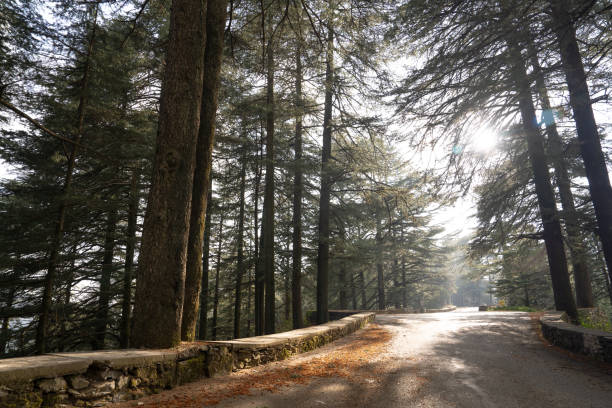
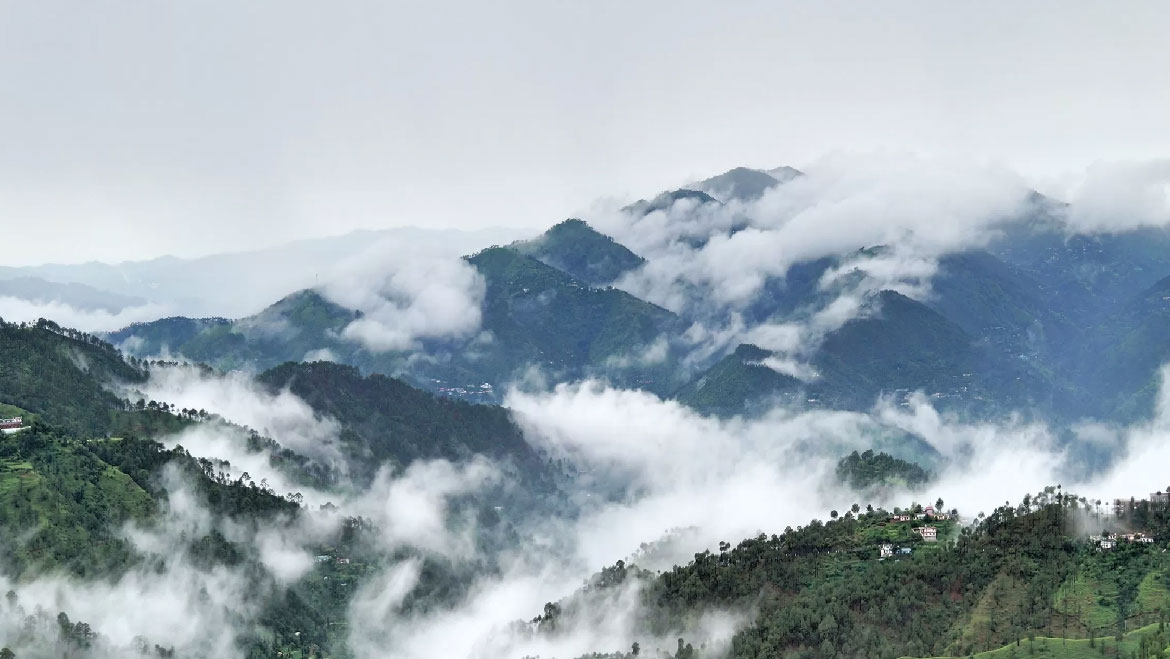
Chail, a serene hill station in Himachal Pradesh’s Solan district, is known for its untouched natural beauty, colonial-era architecture, and the world’s highest cricket ground. Nestled at an altitude of 2,250 meters, this tranquil destination was established as the summer capital by Maharaja Bhupinder Singh of Patiala in the late 19th century. Surrounded by dense deodar and pine forests, Chail offers breathtaking views of the Himalayan peaks, including Shimla, Kasauli, and the Satluj valley, captivating nature lovers, honeymooners, and peace seekers seeking an alternative to crowded Shimla.
Wiki Link: Chail wiki page
Must-Visit Attractions in Chail
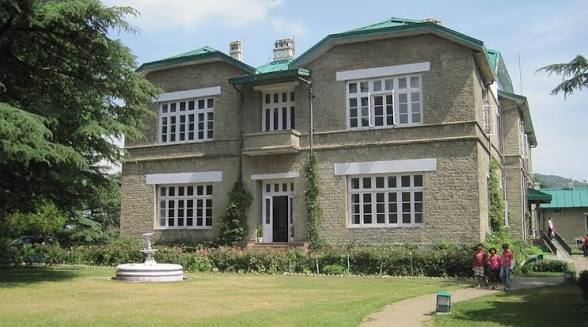
Chail Palace
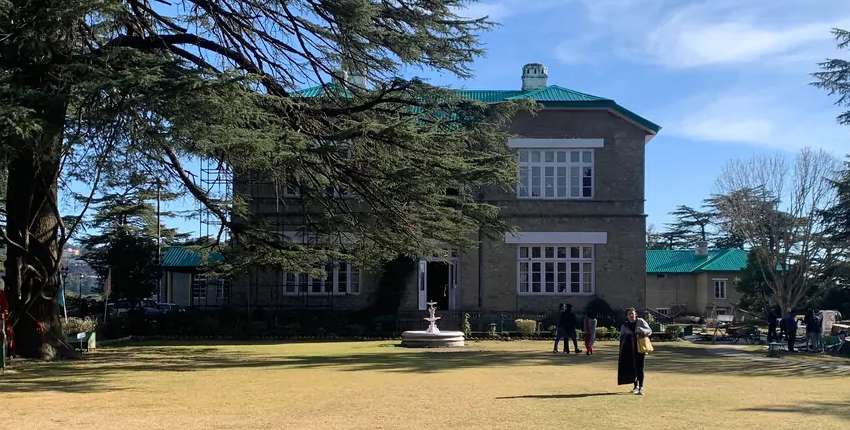
A magnificent colonial-era palace built by Maharaja Bhupinder Singh of Patiala, now a heritage hotel featuring stunning architecture and sprawling lawns.
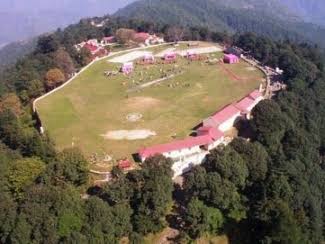
Chail Cricket Ground
The world’s highest cricket ground at 2,244 meters, built by the Maharaja as a training ground for his son, surrounded by deodar forests.
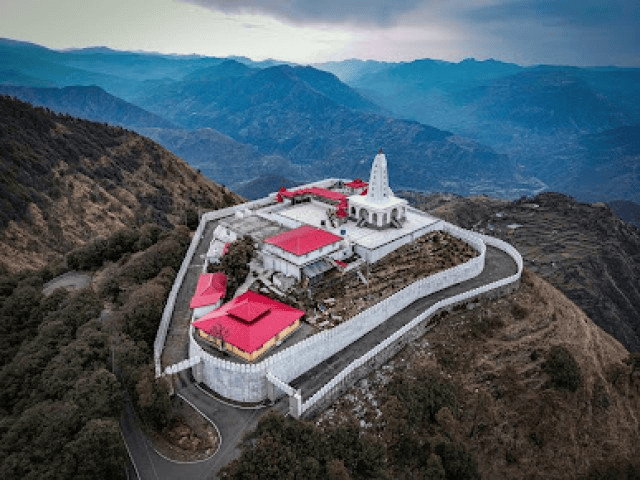
Kali Ka Tibba
A sacred hilltop temple dedicated to Goddess Kali at Chail’s highest point, offering spectacular sunrise and sunset views over the Himalayas.
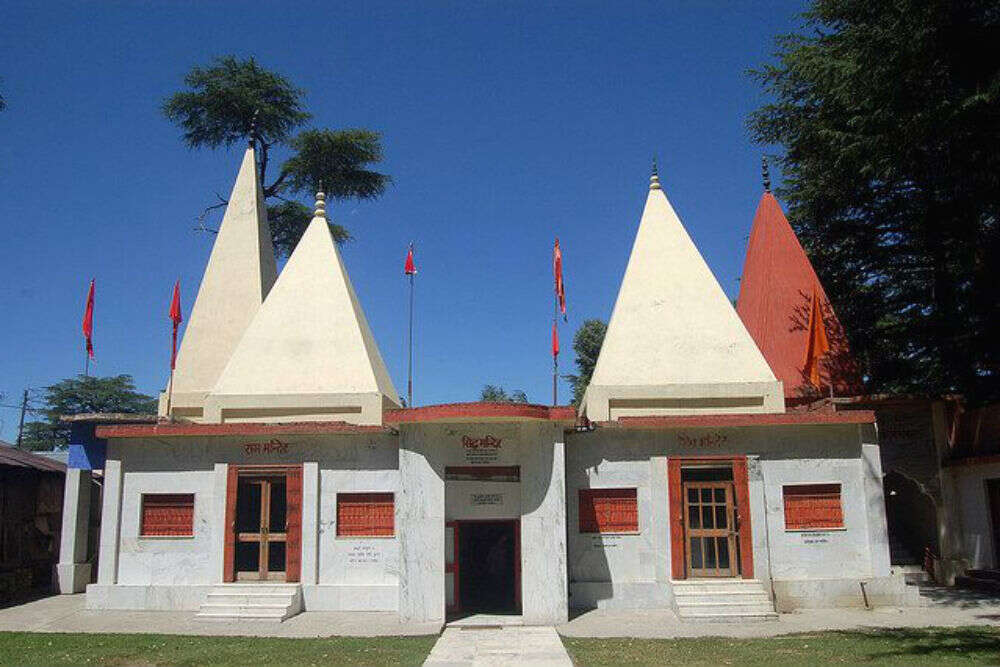
Sidh Baba Ka Mandir
An ancient temple dedicated to a sage who blessed the Maharaja, located in a cave within dense forest accessible via a short scenic trek.
Major Attractions Nearby Chail

Kufri
Located about 30 km from Chail, this charming hill station offers horse riding, yak rides, and stunning views of surrounding snow-capped peaks.
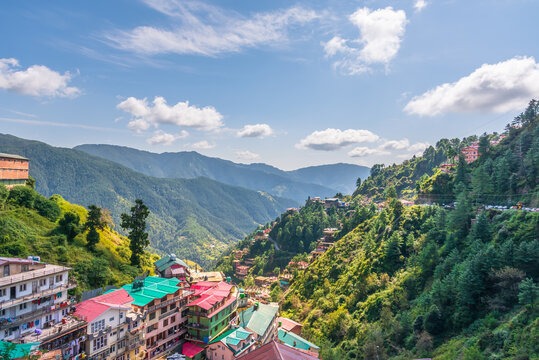
Shimla
Approximately 45 km away, the capital of Himachal features the famous Mall Road, Ridge, Jakhoo Temple, and Christ Church.

Kasauli
Situated around 40 km from Chail, this quiet colonial-era cantonment town offers scenic walks, ancient temples, and the famous Monkey Point.
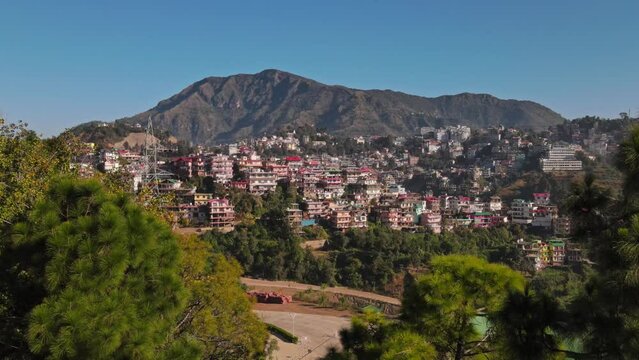
Solan
Known as the “Mushroom City of India,” this town about 40 km away features the ancient Shoolini Devi Temple and Mohan Shakti Heritage Park.
Things to do in Chail
Experience the royal heritage, natural beauty, and tranquil atmosphere of this hidden Himalayan gem. From playing cricket at the world’s highest ground to trekking through deodar forests, Chail offers a peaceful and memorable journey.

Play Cricket at the World's Highest Ground
Visit the iconic Chail Cricket Ground, recognized by Guinness World Records, and try your hand at a match surrounded by deodar trees.
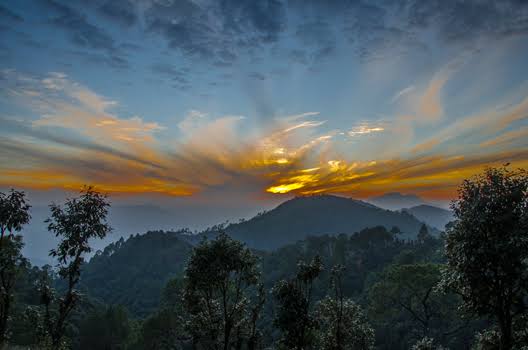
Watch Sunset from Kali Ka Tibba
Climb to the hilltop Kali Temple during late afternoon to witness spectacular sunset views over the Himalayas bathed in golden light.
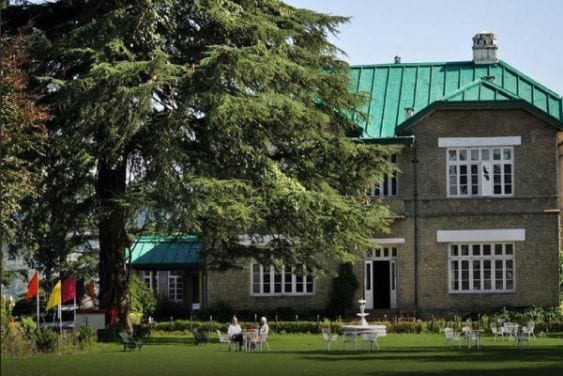
Explore Chail Palace Grounds
Walk through the sprawling lawns of the heritage palace, admire the colonial architecture, and imagine the royal lifestyle of the Patiala Maharaja.
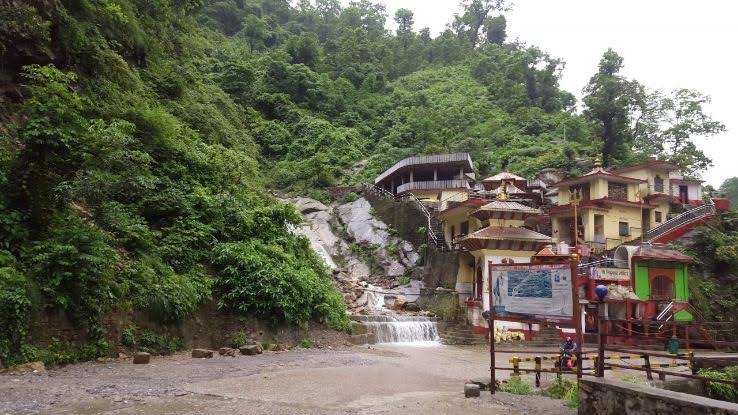
Trek to Sidh Baba Temple
Embark on a short, scenic trek through dense deodar forest to reach this ancient cave temple blessed by a sage who watches over Chail.
The Performing Art of Chail
A serene hub for performing arts, deeply influenced by its Himalayan setting and royal heritage. The region has a rich tradition in folk music, dance, and ritualistic performances, with local artists drawing inspiration from the majestic deodar forests and the peaceful mountain ambiance. Traditional folk music forms like Kangri Dhol and Jhoori, featuring instruments like the dhol, shehnai, and flute, are deeply rooted in the region’s cultural identity. Nati and Gaddi dance forms also flourish here, often performed during festivals, weddings, and harvest celebrations, embodying the joyful spirit of Himachali village life. The region’s connection with music and dance continues to inspire generations, preserving its artistic legacy against the backdrop of the world’s highest cricket ground and the royal Chail Palace.
Music Forms
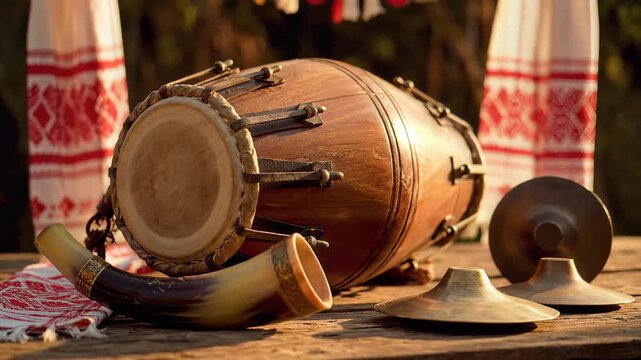
Kangri Dhol
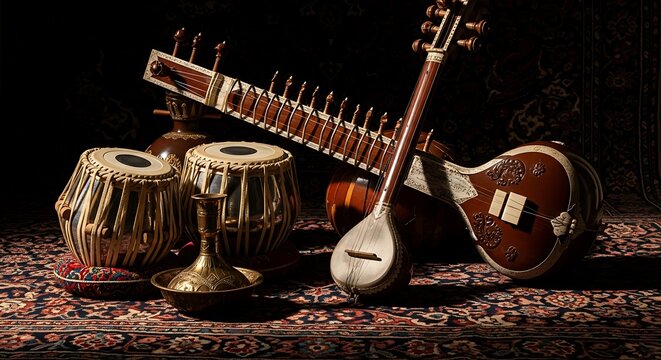

The region is a major center for traditional Himachali folk music, with iconic styles like Kangri Dhol and Jhoori shaping its cultural identity. The soulful melodies of Jhoori, often sung by young men and women in the hills, express themes of love, separation, and longing, while the powerful, rhythmic beats of the Kangri Dhol accompany weddings, festivals, and harvest celebrations. Folk music, including the energetic Kullu Nati and devotional Bhajan Mandali, tells tales of mountain life, devotion to local deities, and the timeless beauty of the Himalayan landscape surrounding Chail.
Dance Forms
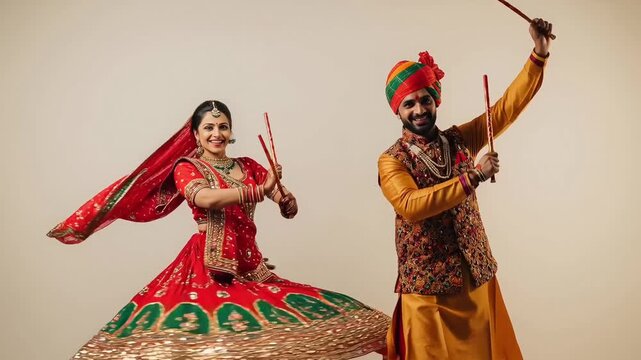
Nati
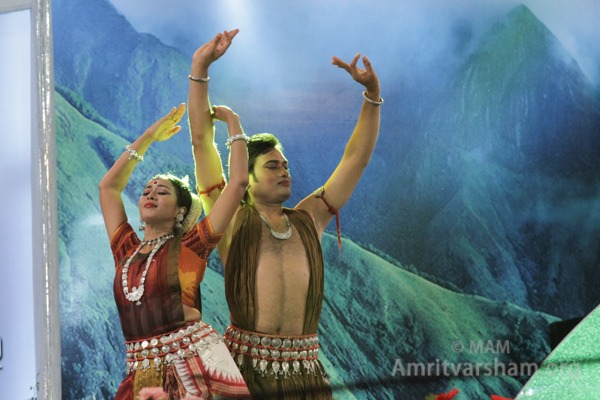
The region is a major center for traditional Himachali folk dance, with iconic forms like Nati and Gaddi dance shaping its cultural identity. The graceful, circular movements of Nati, performed by men and women during festivals and weddings, are accompanied by the rhythmic beats of the dhol and shehnai, creating a joyful, celebratory atmosphere. Folk dances, including the energetic Gaddi dance mimicking sheep and goats and the traditional Rasa dance depicting scenes from Lord Krishna’s life, tell stories of shepherd life, religious devotion, and the rich cultural heritage of the Himalayan foothills around Chail.
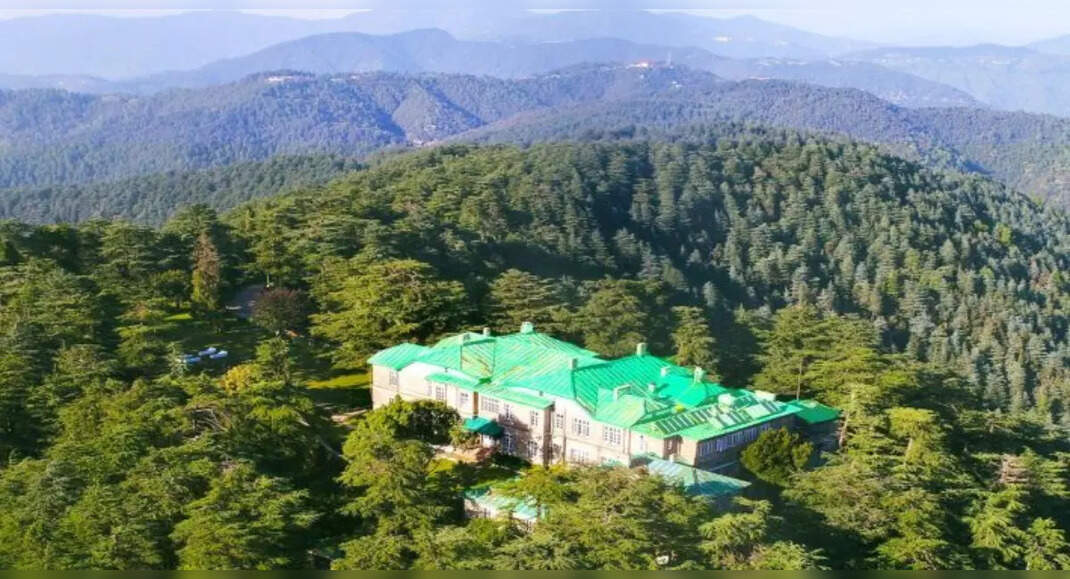
City Vibes - Royal Tranquility in the Deodar Forests
Chail exudes a peaceful, royal charm that stands in stark contrast to the bustling crowds of nearby Shimla. The air is crisp and fragrant with the scent of deodar and pine, while the only sounds are birdsong and the rustle of wind through the trees. The town’s colonial-era architecture, centered around the magnificent Chail Palace, gives it a timeless, old-world elegance. Days are spent on leisurely walks through forests, picnics on quiet hillsides, and watching the sun set over endless Himalayan peaks. It is a destination for those seeking solitude, romance, and a connection with nature, far from the noise and chaos of city life.
Heritage of Chail
Chail’s heritage is intrinsically linked to Maharaja Bhupinder Singh of Patiala (1891-1938), who was exiled from Shimla by the British due to a romantic scandal involving the Commander-in-Chief’s daughter. In response, he established Chail as his own summer capital in 1891, building a magnificent palace, the world’s highest cricket ground, and several temples. The Maharaja brought skilled artisans and architects from Patiala, creating a unique blend of Rajput, Mughal, and colonial architectural styles. After independence, the palace was acquired by the Himachal Pradesh government and converted into a heritage hotel. Today, Chail preserves its royal legacy through its architecture, the cricket ground that still hosts matches, and the temples that continue to draw devotees.
Cuisine of Chail
The cuisine of Chail is traditional Himachali and Pahari food, known for its earthy flavors, generous use of lentils, red meat, and dairy, with influences from neighboring Punjab.
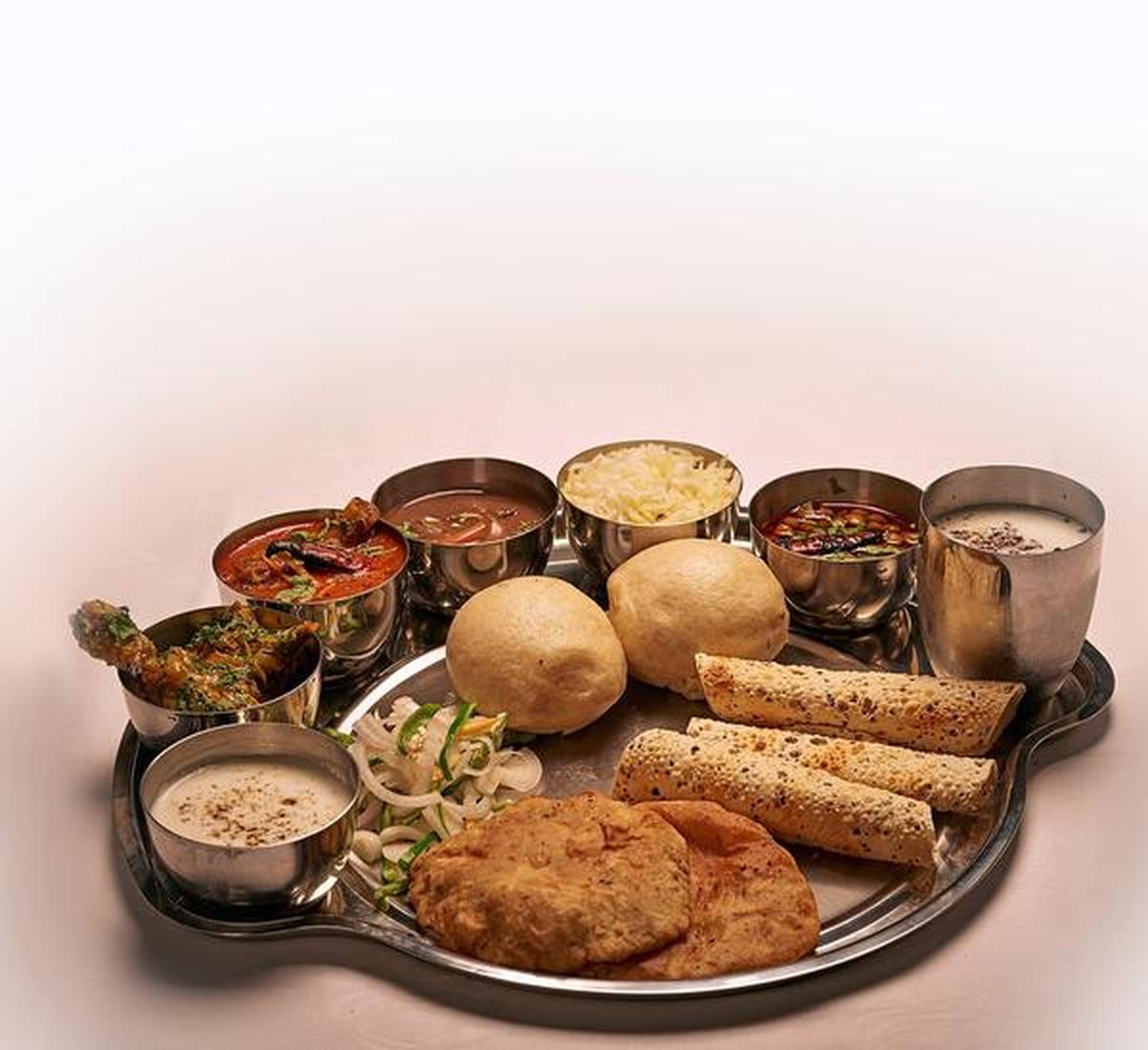
Dhaam
A traditional festive meal served on leaf plates (pattal), featuring rice, dal, curd, boondi, and a sweet dish like kheer, prepared by special Brahmin cooks called botis.

Madra
A signature Himachali dish made from soaked chickpeas (chana) or kidney beans (rajma) cooked in a rich, yogurt-based gravy flavored with cardamom, cloves, cinnamon, and ghee.

Siddu
A steamed, stuffed bread made from wheat flour, filled with a mixture of poppy seeds, walnuts, and spices, served hot with ghee, chutney, or dal.

Tudkiya Bhath
A fragrant, spiced rice dish similar to biryani, cooked with potatoes, lentils, and local spices, often served alongside dhaam during festive occasions.
Shopping in Chail
Shopping in Chail is modest and focused on local handicrafts, woolens, and souvenirs that reflect the region’s culture and natural beauty.

Woolen Garments
Hand-knitted sweaters, caps, scarves, and gloves made from pure wool, available at local shops and small markets near the palace.
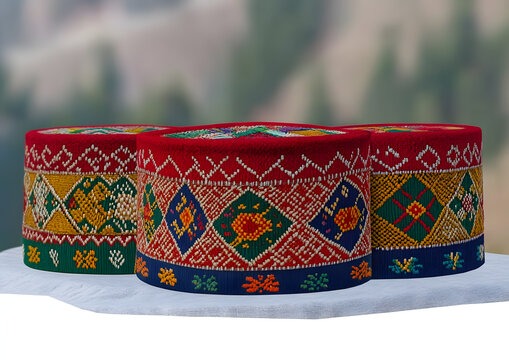
Himachali Caps
Traditional colorful caps with distinctive geometric patterns, made from wool, an iconic souvenir representing Himachali culture.
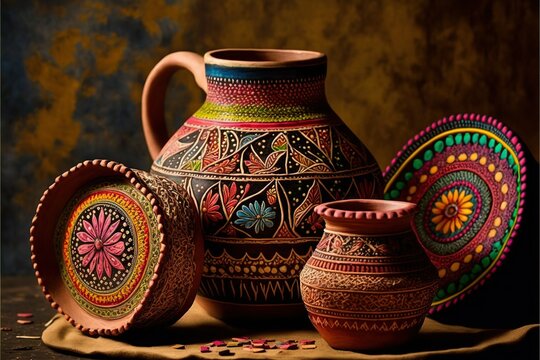
Local Handicrafts
Wooden items including carved bowls, trays, and decorative pieces, made from deodar and pine wood by local artisans.

Apple Products
Dried apples, apple cider, apple jams, and apple-based preserves, sourced from the nearby apple-growing orchards of Himachal.
Tourist's Handbook
The best time to visit Chail is from March to June and September to November. Spring and summer (March-June) offer pleasant temperatures between 15°C and 28°C, clear skies, and stunning Himalayan views, making it ideal for sightseeing, nature walks, and outdoor activities. Autumn (September-November) brings crisp, clear air, spectacular mountain visibility, and colorful foliage, though evenings can be chilly. The monsoon (July-August) brings heavy rainfall, which can cause landslides and road closures, making travel difficult; views are often obscured by clouds. Winter (December-February) is cold with temperatures dropping below freezing (0°C to 10°C); the region receives occasional snowfall, transforming Chail into a white wonderland, but some roads may close.
- Dress in Layers for Mountain Weather – Himalayan weather changes rapidly; wear layers and carry a waterproof jacket, especially if visiting viewpoints like Kali Ka Tibba during early morning or late evening.
- Wear Sturdy Footwear for Treks – Trails to Sidh Baba Temple and nature walks in the wildlife sanctuary can be uneven, steep, or slippery; wear comfortable, non-slip walking shoes or hiking boots.
- Carry Your Own Bottled Water & Snacks – Few shops exist on walking trails or at viewpoints; pack bottled water, energy bars, or fruits for day trips and treks.
- Be Cautious Near Forest Edges – Chail Wildlife Sanctuary is home to leopards and bears; stay on marked trails, avoid walking alone at dawn or dusk, and do not venture into dense forest without a guide.
- Check Weather Before Trekking – Avoid trekking to Sidh Baba Temple or other trails during heavy rain or fog, as paths become slippery and visibility drops suddenly.
- Respect Wildlife Sanctuary Rules – Do not litter, play loud music, or feed animals inside the sanctuary; maintain a safe distance from any wildlife you encounter.
- Keep Emergency Contacts Handy – Save local police, the forest department office, and your hotel's phone numbers; mobile signals can be weak in remote areas of Chail.
Chail is a small hill station best explored on foot, as most attractions, viewpoints, and shops are within walking distance along hilly lanes. For short distances like the bus stand to hotels or to the cricket ground, local taxis and shared jeeps are available at fixed or negotiable rates. For visiting nearby attractions like Kali Ka Tibba, Sidh Baba Temple, or Chail Wildlife Sanctuary, hiring a local taxi for a half-day trip is the most convenient option. For trips to nearby towns like Kufri (30 km), Shimla (45 km), or Kasauli (40 km), hiring a private taxi for a full-day trip is recommended. Local buses are infrequent and can be crowded; check timings in advance at the bus stand.
Negotiate Taxi Fares Before Departure – Always agree on the total fare for local or outstation trips before starting; ask your hotel for estimated rates to avoid overcharging, especially for trips to Shimla or Kufri.
Beware of "Special Viewpoint" Guides – Some locals may offer to take you to a hidden viewpoint for a fee; most good views are accessible for free from known spots like Kali Ka Tibba or the cricket ground.
Check Homestay Amenities Before Booking – Some budget homestays may promise hot water or heating but provide only limited hours; confirm in writing or through recent reviews before paying.
Don't Pay for Basic Trail Access – Walking trails to Sidh Baba Temple, Kali Ka Tibba, and the cricket ground are free; refuse anyone asking for an entry fee or donation for access.
Avoid Unsolicited "Forest Guide" Offers – At the wildlife sanctuary entrance, self-appointed guides may offer to take you inside for a fee; use only registered guides available at the official counter.
Compare Souvenir Prices Before Buying – Woolen garments and handicrafts may be priced higher for tourists; check prices at two or three shops before purchasing, and negotiate politely.
Confirm Bicycle Rental Conditions – If renting a bicycle to explore the town, inspect it for damage before paying, and agree on the rental duration and price in writing to avoid disputes.
Explore Chail
Chail Blogs
- Places to visit in Chail
- Places to visit nearby Chail
- India’s most unique cricket destination
- Himachal’s most peaceful royal retreat
Recommended articles
- Himachal Pradesh Cultural Guide – deodar forests and temples special
- Places to visit in Kufri
- Places to visit in Kasauli
- India’s best offbeat hill stations for families