Trip and Tales

¤ 10+ minutes Read

Chamba

A complete tourist and cultural guide

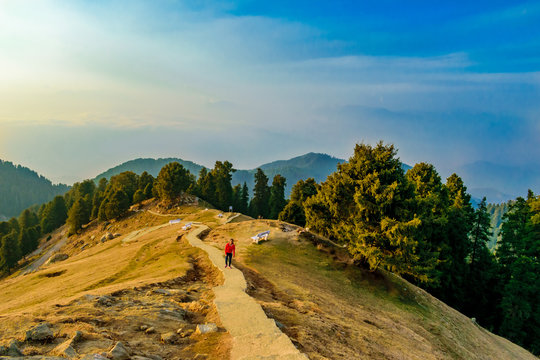
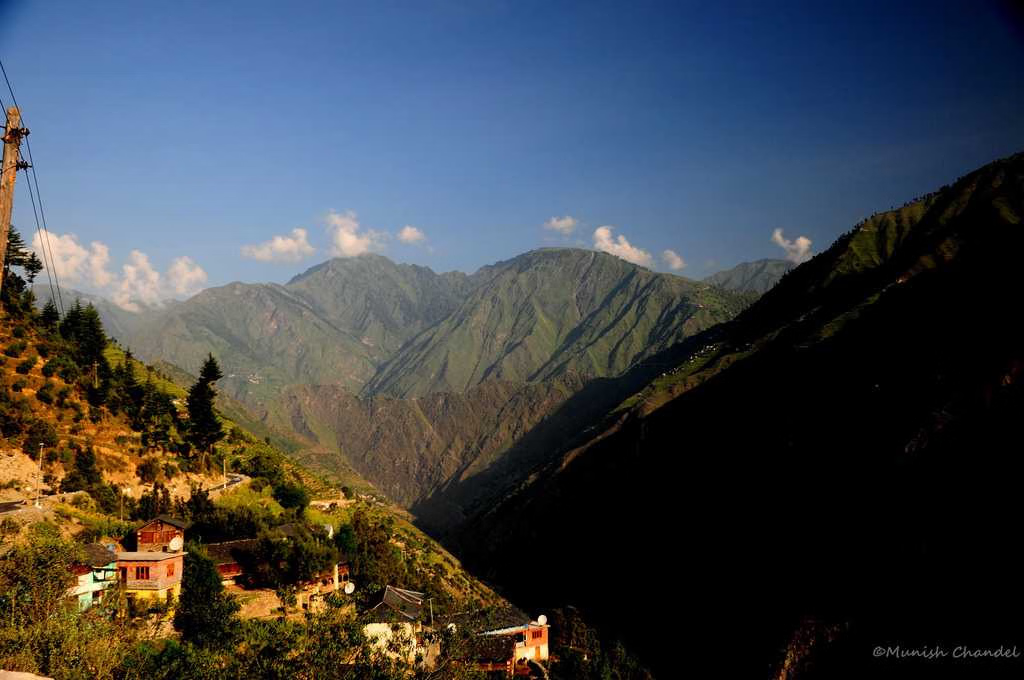
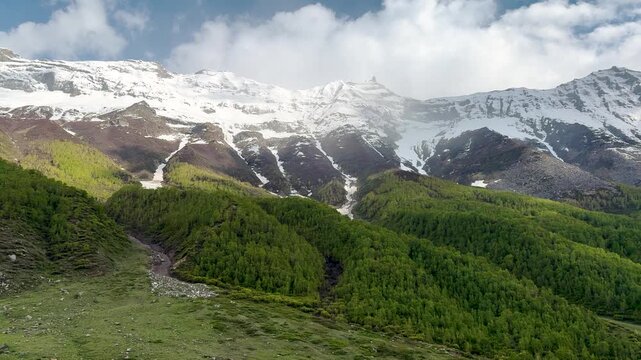
A scenic vista overlooking the lush Chamba valley.

Nestled in the Ravi River valley of Himachal Pradesh, Chamba is a town steeped in timeless history and natural splendor. Renowned for its exquisite Pahari miniature paintings, ancient stone temples, and vibrant festivals, Chamba retains a pristine old-world charm. With the majestic Pir Panjal and Dhauladhar ranges as its backdrop, this former princely state offers a serene escape into art, architecture, and alpine beauty.

Wiki Link: Chamba, Himachal Pradesh wiki page

Must-Visit Attractions in Chamba

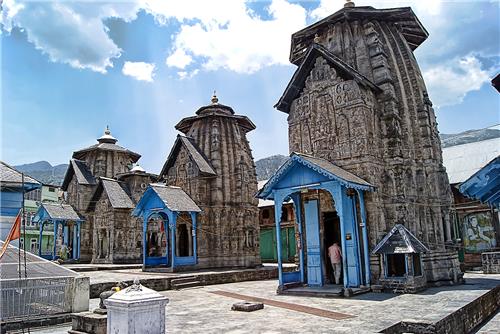
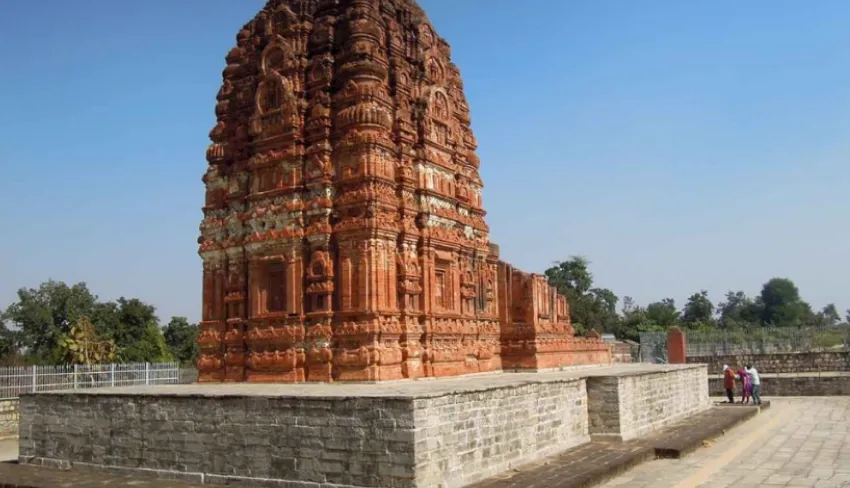
The intricately carved stone facade of the Laxmi Narayan Temple Complex in Chamba.

Laxmi Narayan Temple Complex

A cluster of six ancient stone temples from the 10th-19th centuries, renowned for exquisite shikhara architecture and sacred idols.

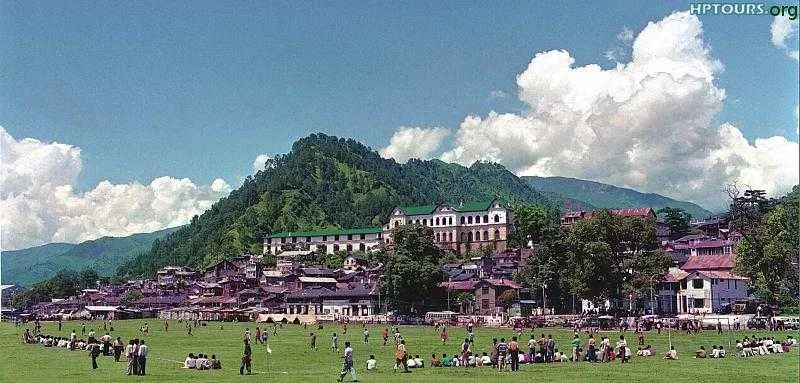
The wide, grassy expanse of The Chaugan, the historic promenade in Chamba.

The Chaugan

A sprawling central meadow and social heart of Chamba, hosting festivals like the Minjar Mela against a backdrop of panoramic mountain views.

Historic artifacts and manuscripts displayed at the Bhuri Singh Museum in Chamba.

Bhuri Singh Museum

Houses a priceless treasury of Pahari miniature paintings, royal artifacts, ancient copper plates, and traditional Chamba handicrafts.

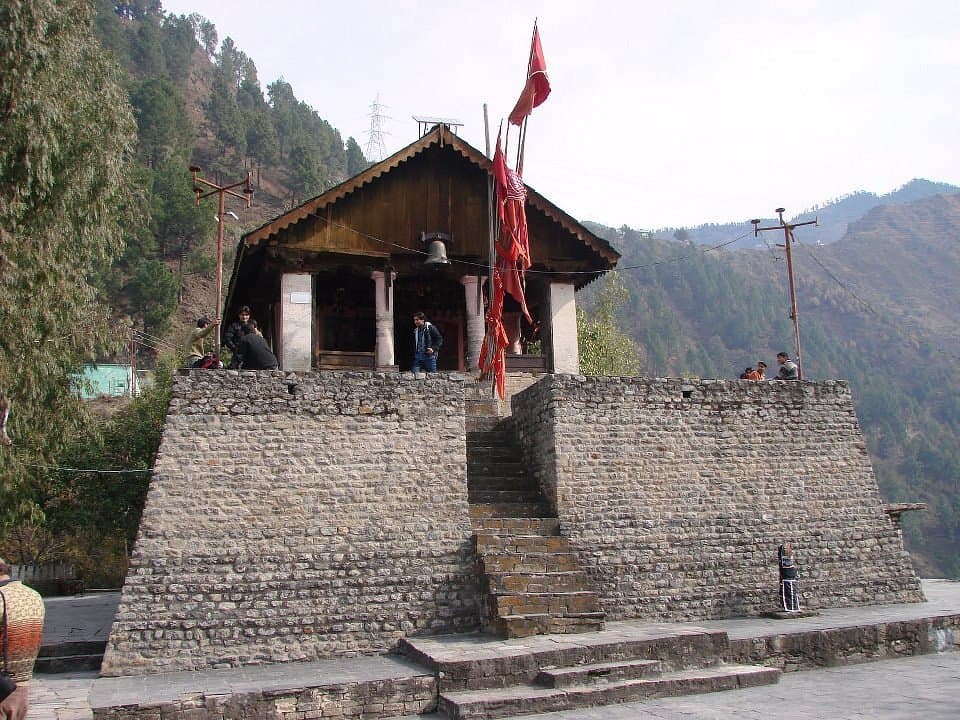
Devotees at the riverside Chamunda Devi Temple in Chamba.

Chamunda Devi Temple

An 18th-century hilltop Shakti Peeth temple offering sweeping views of Chamba and famed for its detailed wood carvings.

Major Attractions Nearby Chamba

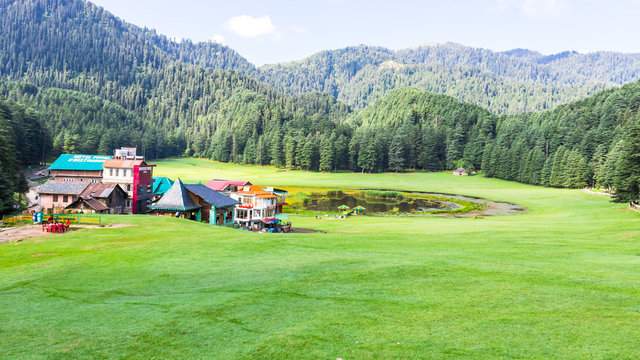
The picturesque meadow of Khajjiar, often visited from Chamba.

Khajjiar

 A breathtaking saucer-shaped meadow with a central lake, famously called “India’s Mini Switzerland,” ideal for paragliding, zorbing and serene walks.

Colonial-era architecture on a street in Dalhousie, accessible from Chamba.

Dalhousie

A charming colonial-era hill station known for its Victorian architecture, pine-clad valleys, and tranquil spots like Panchpula.

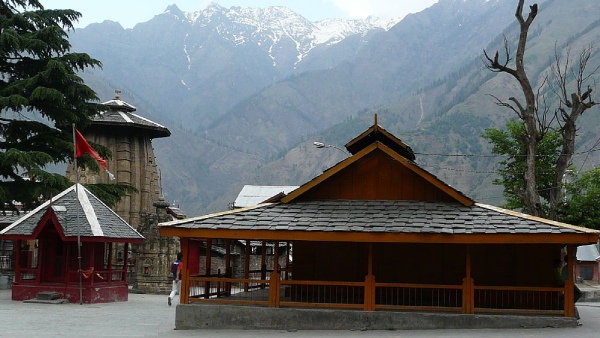
Traditional wooden houses in the ancient town of Bharmour in Chamba district.

Bharmour

The ancient capital of Chamba and ‘Land of Shiva,’ renowned for its historic Chaurasi Temple Complex (84 temples).

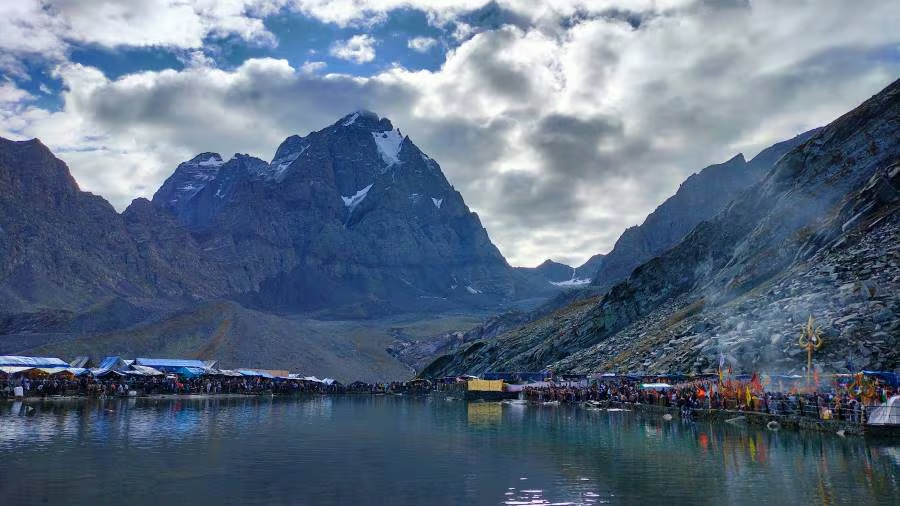
Pilgrims trekking towards the sacred glacial Manimahesh Lake in Chamba.

Manimahesh Lake

 A sacred high-altitude glacial lake, the abode of Lord Shiva, drawing thousands of pilgrims on its annual yatra.

Things to Do in Chamba

Experience the cultural grandeur, spiritual serenity, and natural beauty of Chamba. From exploring ancient temple art to attending vibrant fairs and enjoying scenic drives, the town offers a deeply enriching retreat.

The detailed stone carvings at the Sirpur temple ruins in Chamba.

Sirpur

A day-long exploration of Chamba’s ancient Nagara-style stone temples, marveling at their intricate carvings and sacred iconography.

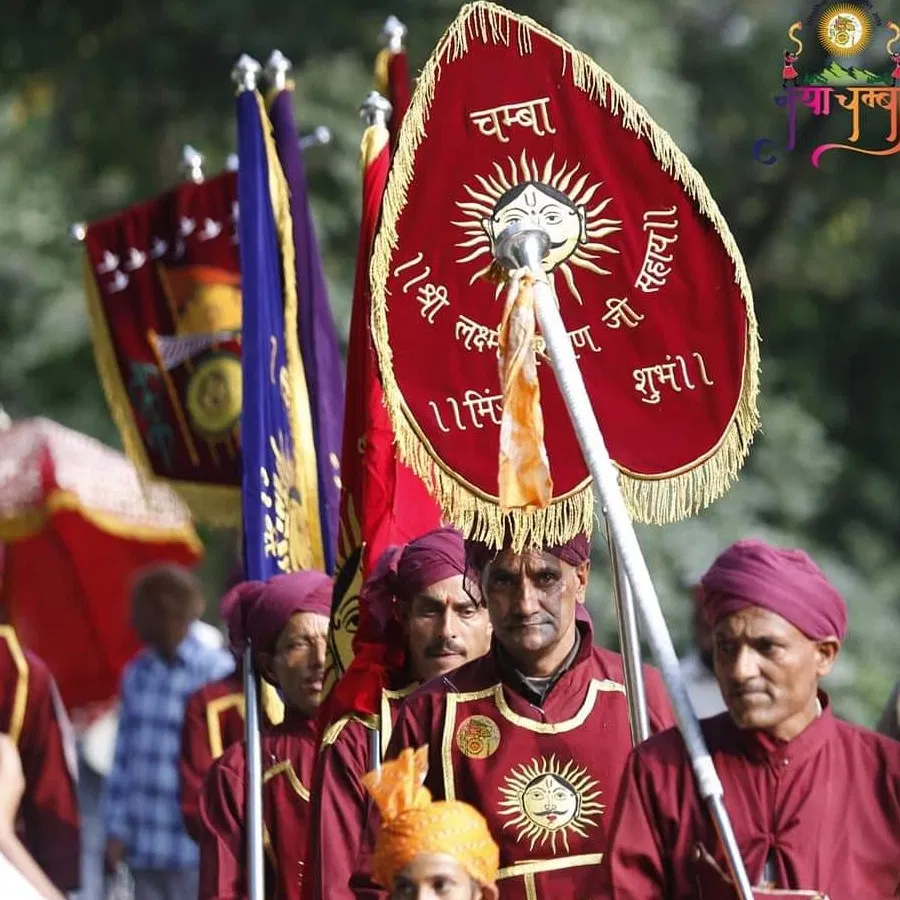
A vibrant crowd celebrating the traditional Minjar Mela festival in Chamba.

Attend the Minjar Mela

Experience Chamba’s iconic week-long July/August festival on the Chaugan, featuring grand processions, vibrant folk performances, and bustling fairs.

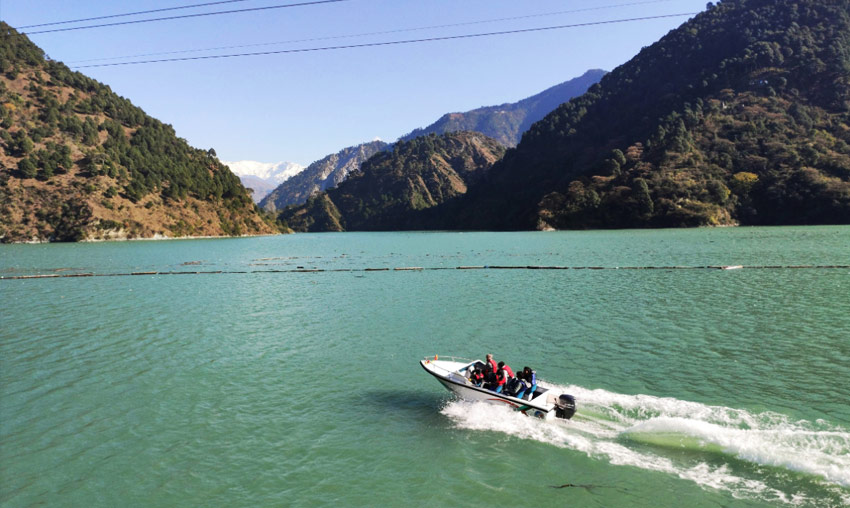
A colorful boat on the calm waters of Chamera Lake near Chamba.

Boating at Chamera Lake

Enjoy a tranquil boat ride on the serene, forest-fringed Chamera Lake, perfect for relaxation and capturing scenic photographs.

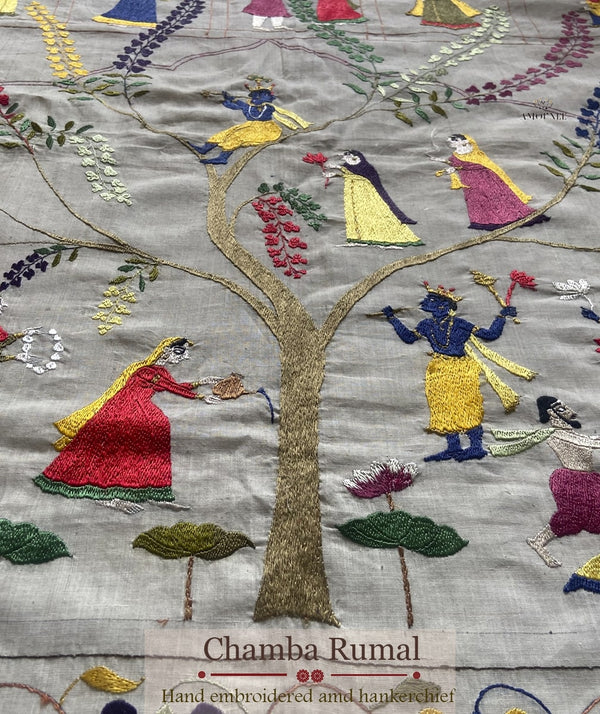
Close-up of hand-embroidered Chamba Rumals, a traditional craft of Chamba.

Shop for Chamba Rumals & Crafts

Browse local markets for exquisite Chamba Rumal embroidery, Pahari miniature paintings, traditional metalware, and handcrafted Chamba Chappals.

The Performing Arts of Chamba

Chamba has a rich tradition of folk arts, deeply integrated with its religious festivals and agrarian life. The performances are vibrant, rhythmic, and often narrate local legends or devotional stories.

Music Forms

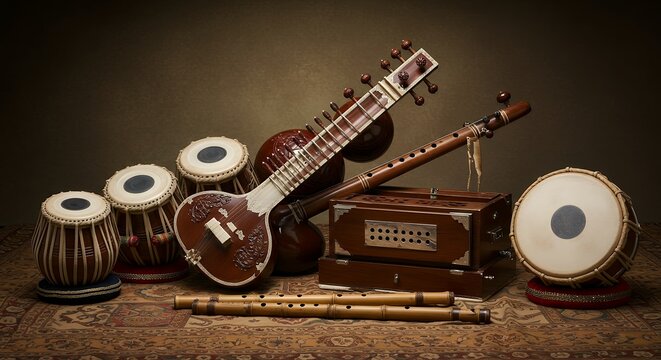
A classical music performance in a cultural setting in Chamba.

Hindustani Classical Music

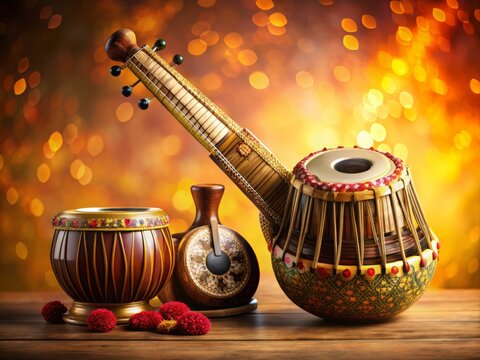
A classical vocalist performing Thumri & Dadra, a traditional music form of Chamba.

Thumri & Dadra

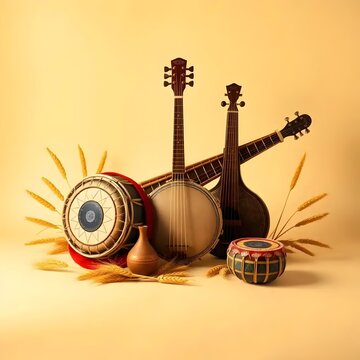
A devotional group performing Bhajans & Qawwalis, the soulful music of Chamba.

Bhajans & Qawwalis

Chamba is a vital center for Pahari folk music, where the soulful Chambyali melodies echo through the valley. The devotional Bhajans dedicated to Shiva and Shakti, and the festive Jhanjhotis accompanied by dhol and narsingha, are deeply woven into its cultural fabric. Folk songs narrate tales of local legends, love, and the rhythms of agrarian life, preserving the region’s vibrant oral traditions.

Dance Forms

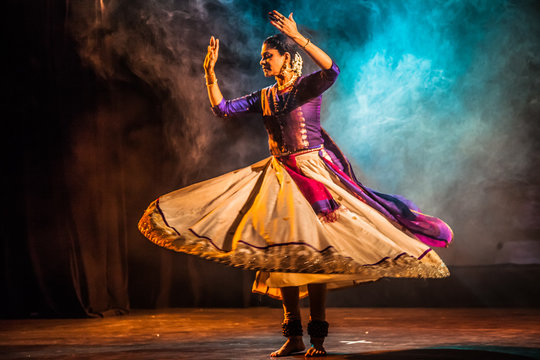
Kathak dancers performing in traditional attire in Chamba.

Kathak

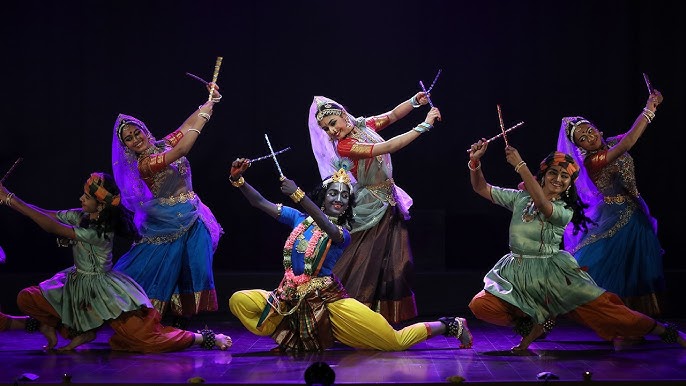
Performers enacting a scene from a traditional Raslila. Performers enacting a scene from a traditional Raslila.

Raslila

The colorful stage and actors of a Nautanki folk theatre performance.

Nautanki & Ramlila

Chamba’s cultural life is animated by vibrant folk dances performed at festivals and fairs. The energetic Gaddi Dance by the shepherd community mimics pastoral life, while the graceful Nuala Dance and the floral-patterned Mala Dance are performed by women. The dramatic Dangri and Chhinj dances, showcased during the Minjar Mela, embody the region’s celebratory spirit and rich theatrical heritage.

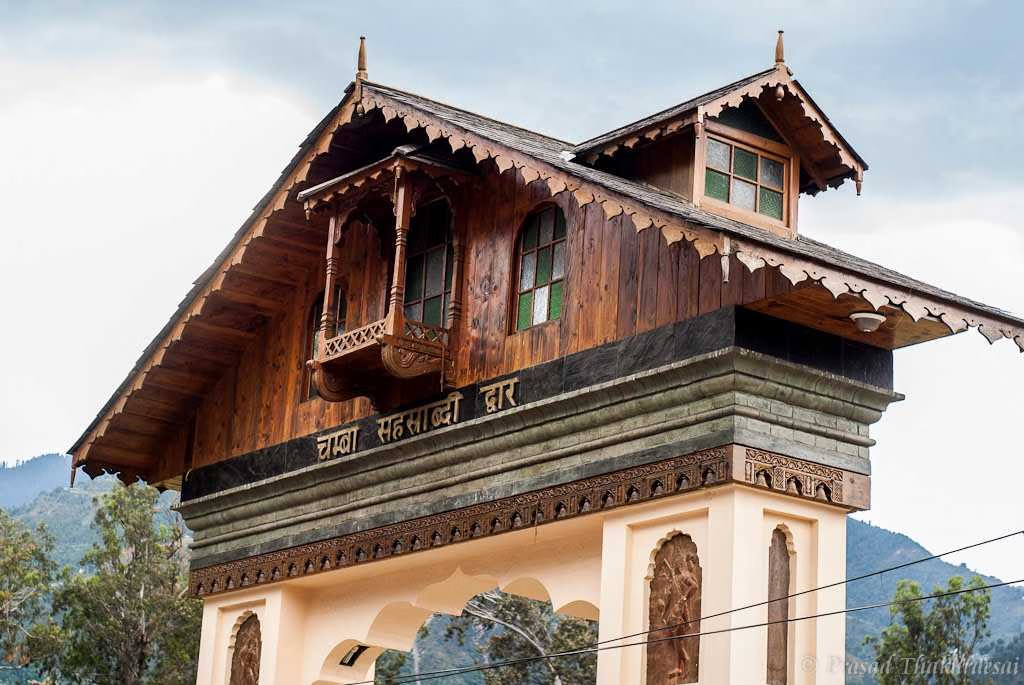
The detailed stone arch and carvings of the Millennium Gate entrance.

City Vibes - Timeless Heritage & Mountain Grace

Chamba exudes an aura of undisturbed antiquity and regal calm. Unlike bustling hill stations, its charm lies in its slow pace, ancient temple spires piercing the skyline, and the expansive Chaugan serving as its breathing heart. The air carries whispers of a thousand-year-old kingdom, mingled with the scent of deodars and the sounds of temple bells, all set against an awe-inspiring Himalayan canvas.

Heritage of Chamba

Chamba’s heritage is defined by its uninterrupted rule of the Varman dynasty for over a millennium. This legacy is preserved in its remarkable stone temple architecture from the 7th to 10th centuries, its unique Pahari school of painting, and the living tradition of Chamba Rumal embroidery. The town is a rare example of preserved medieval hill architecture and culture.

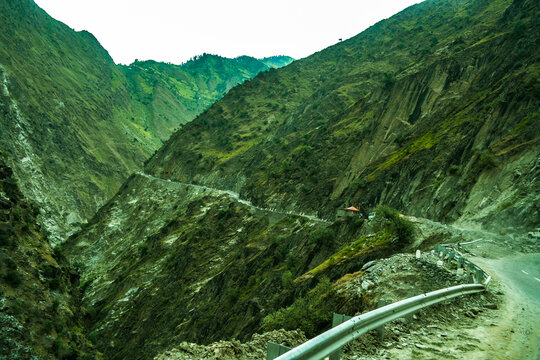
A winding road through the pine forests of Chamba Valley.
Chamba Valley

Cuisine of Chamba

Chamba’s cuisine is hearty and reflective of its mountainous terrain, with a focus on simple, warming ingredients.

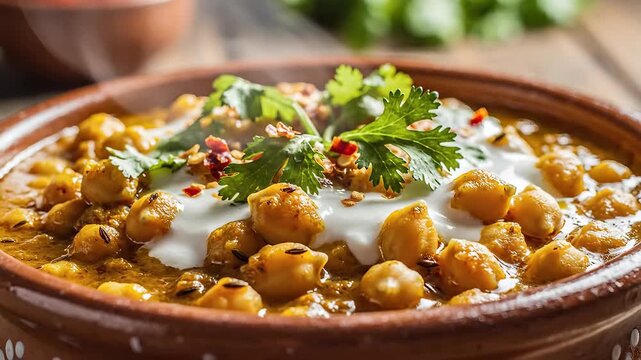
A traditional platter of Chamba's local dish, Madra.

Madra

A classic Pahari dish originating from Chamba—chickpeas or kidney beans cooked in a creamy yogurt-based gravy with spices.

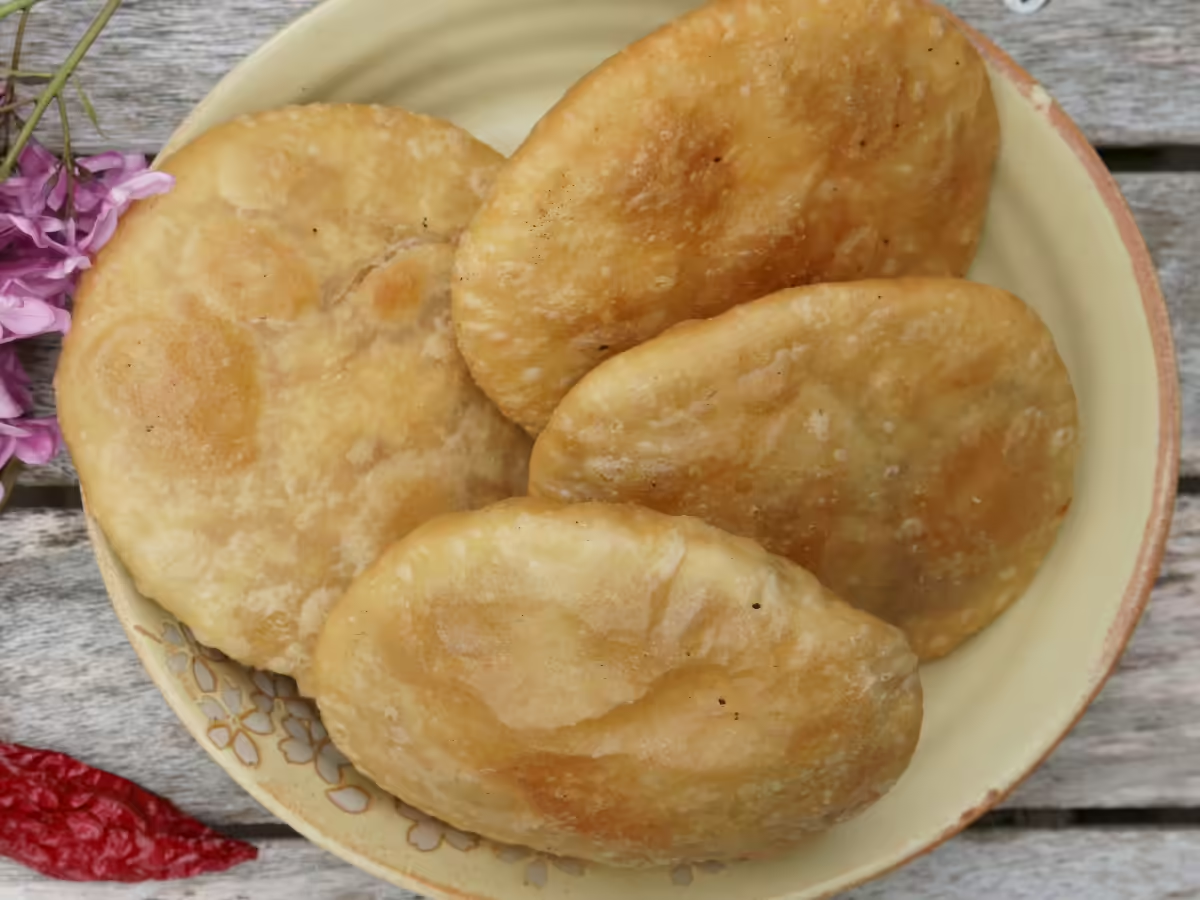
A serving of spiced, deep-fried lentil bread known as Babru.

Babru

Similar to a kachori, this is a deep-fried bread stuffed with a paste of soaked black gram, typically served with Madra or tamarind chutney.

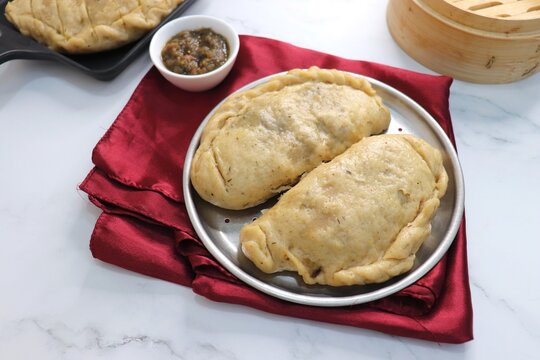
Steamed Siddu bread served with ghee and lentils.

Siddu

A staple steamed bread, usually filled with a mixture of walnuts, poppy seeds, or urd dal, enjoyed with ghee or savory accompaniments.

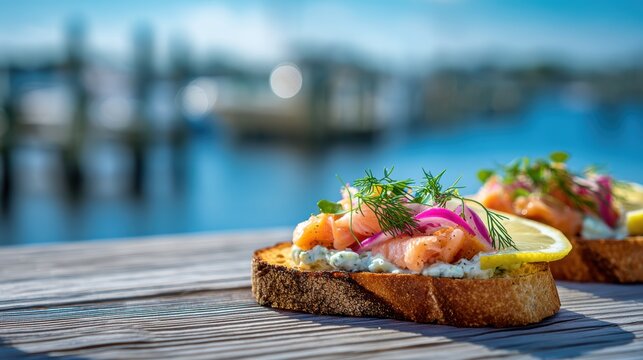
Grilled Fresh River Trout, a local specialty, on a plate.

Fresh River Trout

Given its location by the Ravi, fried or grilled trout is a popular and fresh local delicacy in many eateries.

Shopping in Chamba

Shopping in Chamba is about acquiring exquisite, traditional handicrafts that are emblematic of the region’s artistic heritage.

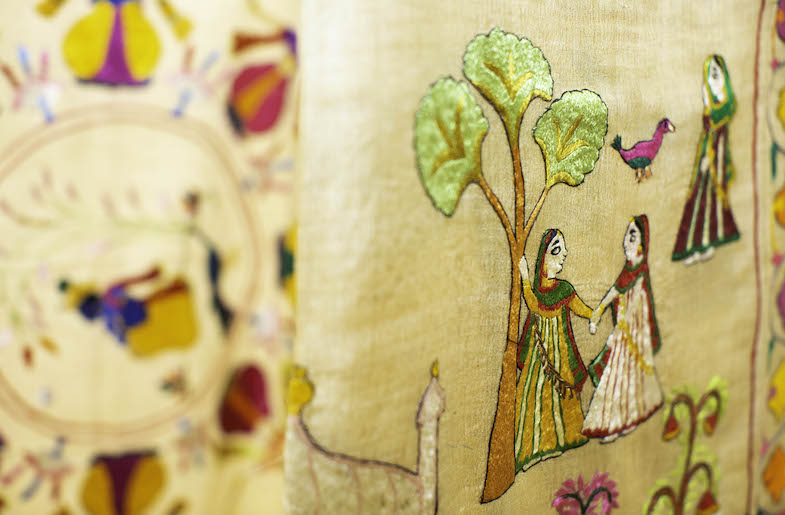
Close-up of hand-embroidered Chamba Rumals, a traditional craft of Chamba.

Chamba Rumals

 Exquisite hand-embroidered textiles featuring mythological scenes, crafted with a unique double-sided satin stitch (do-rukha).

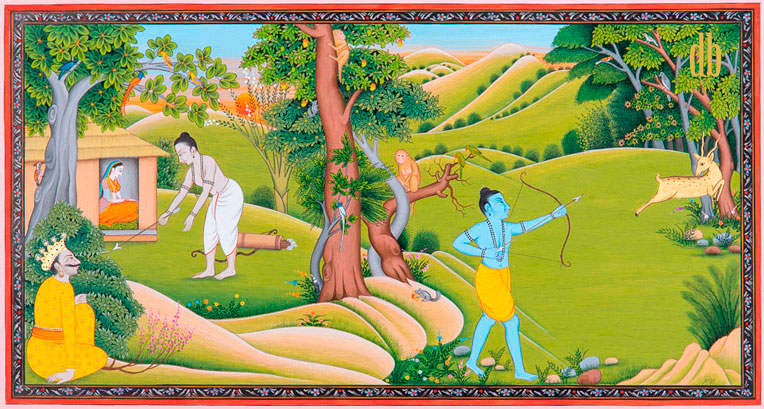
Close-up detail of a fine Pahari Miniature Painting.

Pahari Miniature Paintings

 Artistic reproductions from the renowned Chamba school, depicting divine tales of Radha-Krishna and epic narratives.

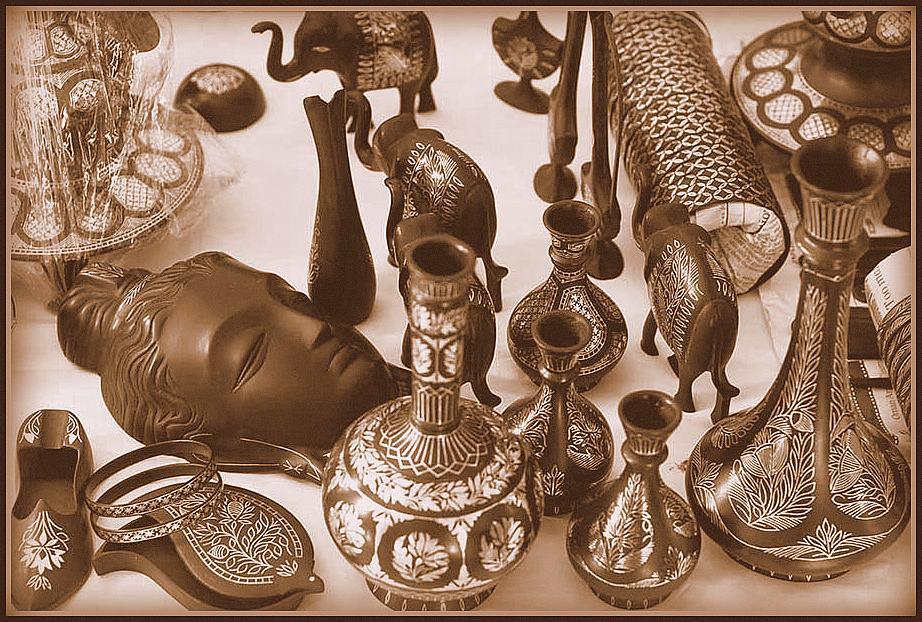
A craftsman shaping ornate Metalware.

Metalware & Craft

Traditional copper and brass items, including decorative utensils, religious idols, and finely crafted household artifacts.

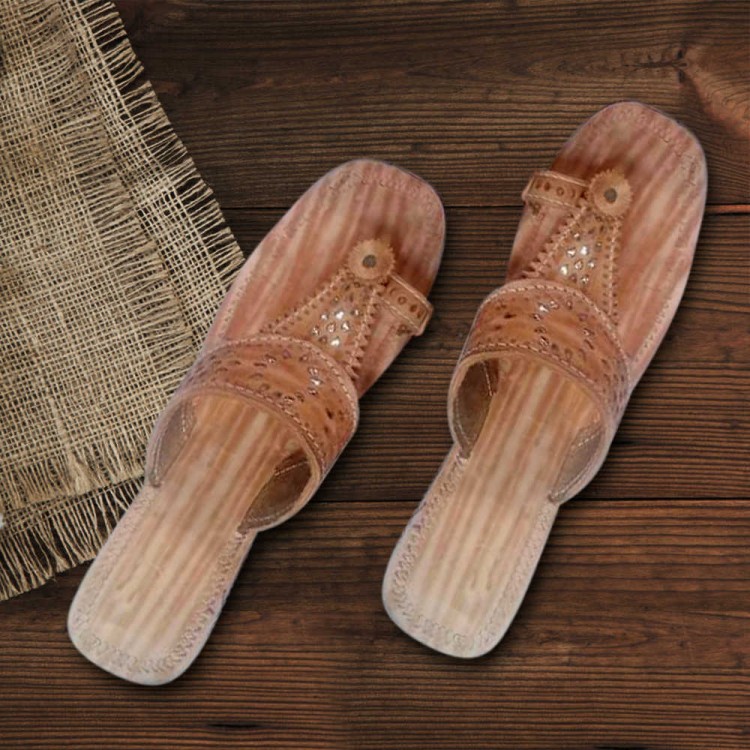
A pair of handcrafted, traditional Chamba Chappals (slippers).

Chamba Chappals

Distinctive handcrafted leather footwear adorned with traditional colorful embroidery and patterns.

Tourist's Handbook

The best time to visit Chamba is from March to June (spring and summer), when the weather is pleasant (15°C to 30°C), ideal for sightseeing and visiting Khajjiar. September to November offers clear skies, post-monsoon greenery, and comfortable temperatures. Winters (Dec-Feb) are cold (0°C to 15°C) with snowfall in higher areas, perfect for a quiet, snowy retreat.

  • Temple Etiquette: Remove shoes before entering temple complexes. Dress modestly and follow local customs.

  • Monsoon & Winter Travel: Roads can be slippery during monsoons (July-Aug). In winter, check road conditions to high-altitude areas like Bharmour/Manimahesh, which may be closed.

  • Trekking Guidance: For treks to Manimahesh or around Bharmour, use a registered local guide and be prepared for altitude and weather changes.

  • Cash Availability: Carry sufficient cash, as ATMs may be limited, especially when traveling to remote surrounding areas.

  • Health: Carry basic medications, as high-altitude areas around Bharmour might have limited medical facilities.

  • Respect Local Culture: Be respectful during festivals and religious processions. Always ask for permission before photographing people.

Local buses and shared jeeps connect Chamba town with nearby attractions like DalhousieKhajjiar, and BharmourAuto-rickshaws are available for local commutes within the town. Private taxis can be hired for full-day sightseeing and trips to more remote locations like Manimahesh. The town center is compact and best explored on foot.

Overpriced Handicrafts: While shopping for Chamba Rumals or paintings, buy from government emporiums or reputable shops to ensure authenticity and fair pricing.

Fake Guide Services: For historical tours, use certified guides from the Himachal Tourism Development Corporation (HPTDC) or your hotel.

Accommodation Issues: During peak festival times like Minjar Mela, book accommodation well in advance to avoid last-minute price gouging or substandard rooms.

Taxi Fare Disputes: Always agree on the fare (for both one-way and round trips including waiting) with taxi drivers before starting your journey.

Faux Antiques: Be wary of street vendors selling "ancient" artifacts or coins; they are almost certainly replicas.

Parking Charges: At popular spots like Khajjiar, unofficial individuals may demand parking fees. Use only official parking areas.

Explore Himachal Pradesh

Chamba Blogs

  • Himachal Pradesh Cultural Guide

  • Places to Visit in Chamba

  • Places to Visit Nearby Chamba

  • India’s Ancient Temple Towns

  • India’s Offbeat Hill Stations

Recommended articles

  • Himachal Pradesh Cultural Guide

  • A Guide to the Temple Architecture of Chamba

  • The Minjar Mela: Chamba’s Festival of Colors

  • Trekking from Chamba: Manimahesh Lake Pilgrimage