¤ 7 minutes Read
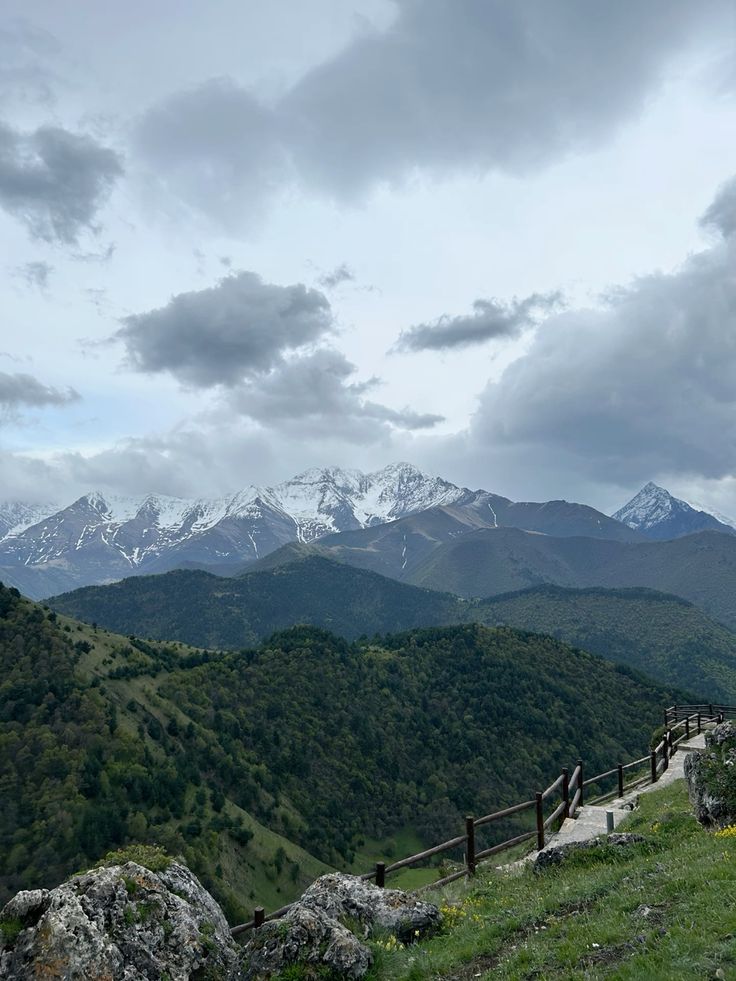
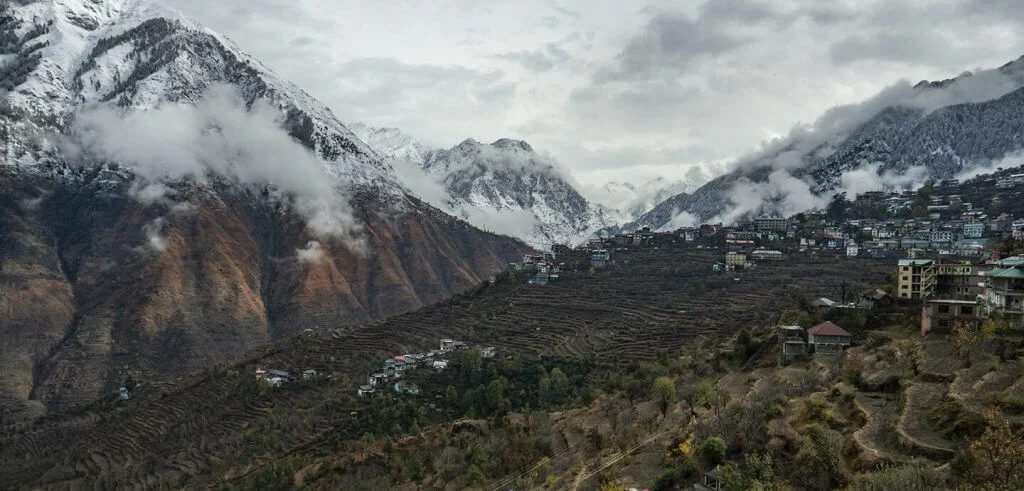
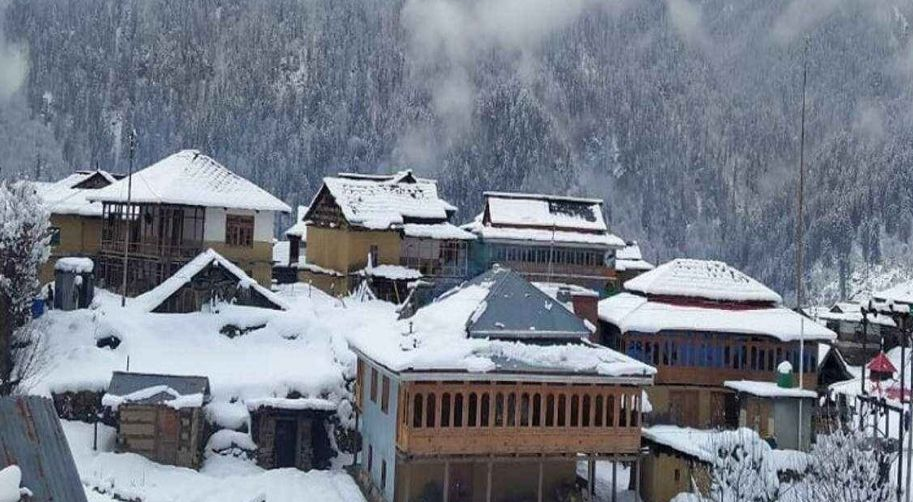
Dalhousie is a serene hill station in Himachal Pradesh known for its old-world charm, colonial-era architecture, and peaceful ambience. Spread across five hills, it offers breathtaking views of snow-clad Dhauladhar ranges, dense pine and deodar forests, and quiet walking trails that make it perfect for a slow, refreshing getaway.
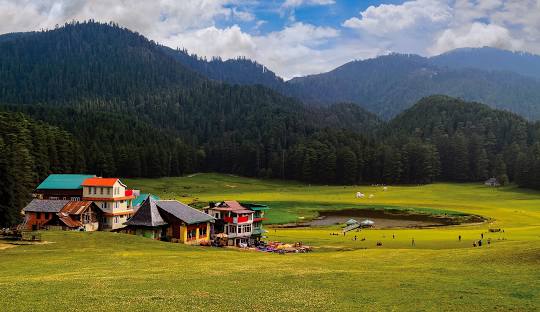
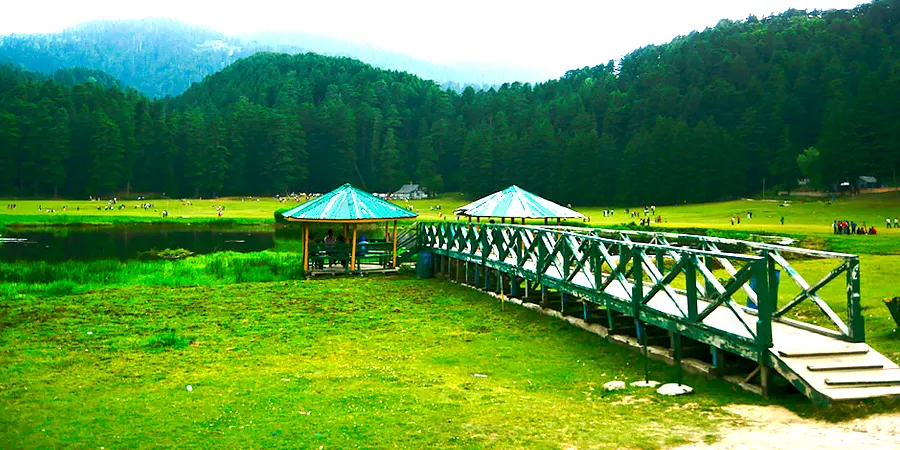
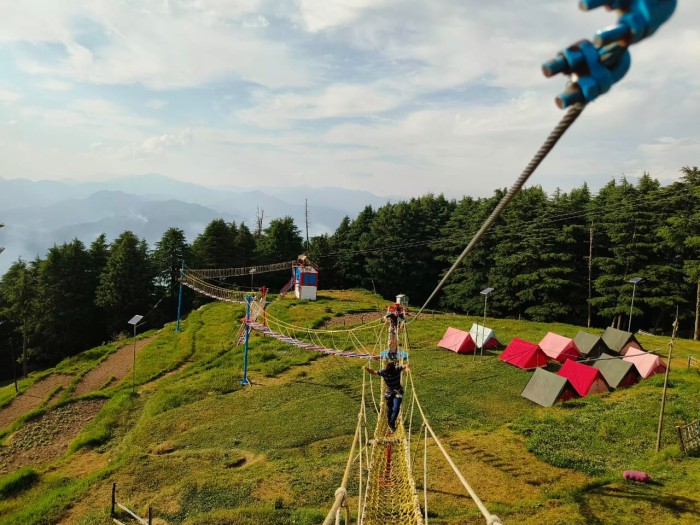
Khajjiar is one of Dalhousie’s biggest highlights, often called Mini Switzerland because of its dense forests and panoramic mountain views
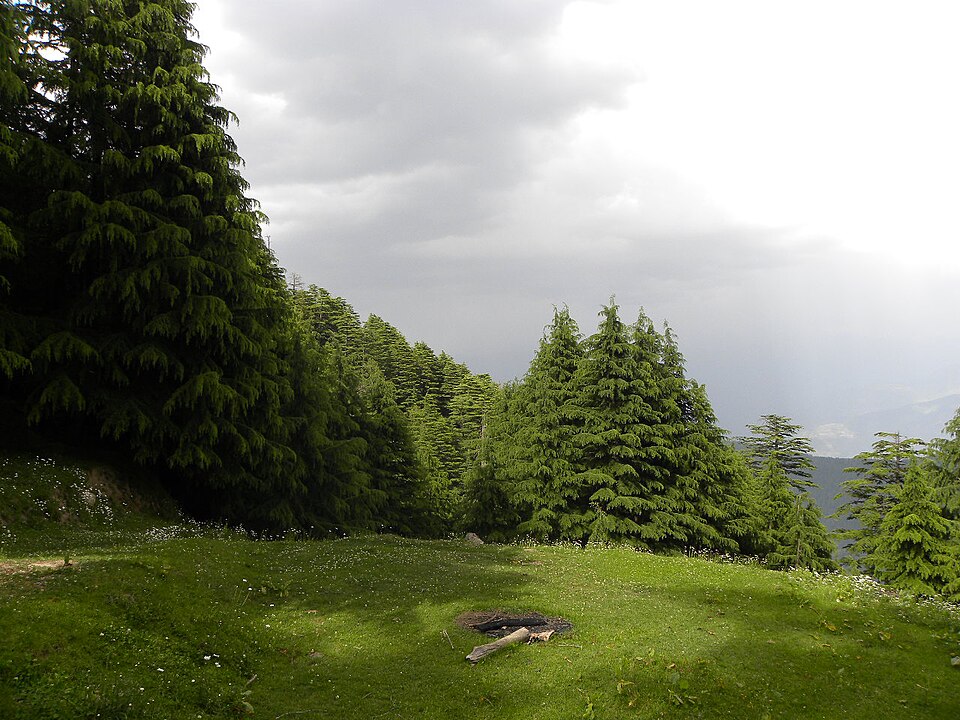
This sanctuary is known for its thick forests, scenic trekking paths, and the chance to spot Himalayan wildlife.
Panchpula is a popular natural attraction featuring refreshing streams, waterfalls, and forested surroundings.
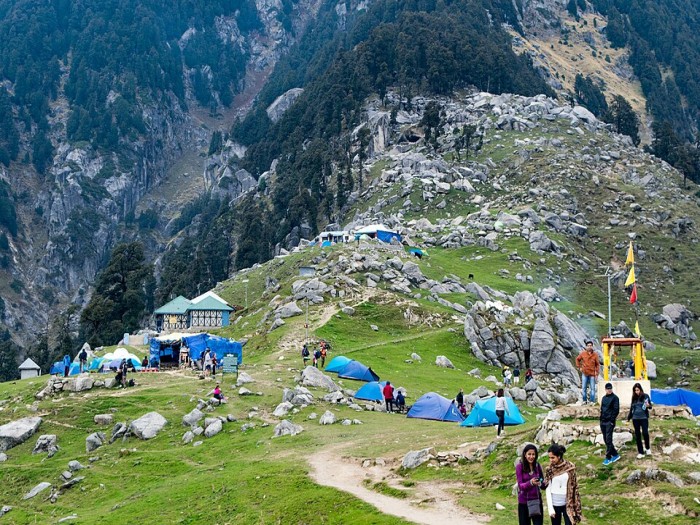
Dainkund Peak offers one of the most stunning panoramic views in Dalhousie. Also known as the “Singing Hill.
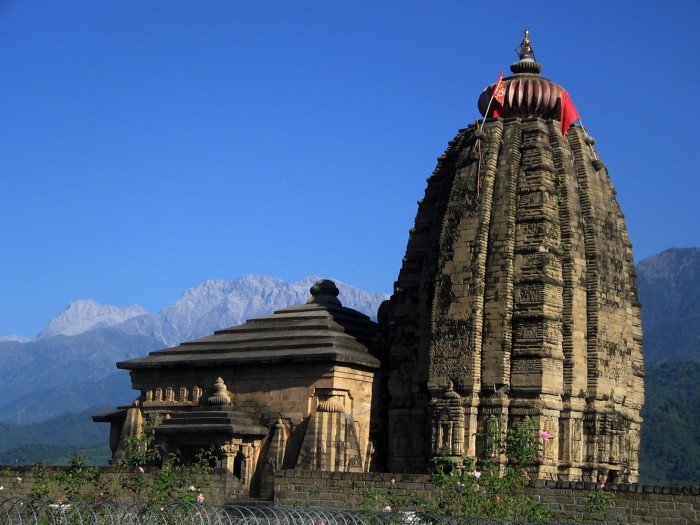
Located about 1–1.5 hours from Dalhousie, Chamba is a historic town known for its ancient temples & traditional culture.
Around 65–70 km from Dalhousie, Bharmour is known as the “Land of Gods” due to its centuries-old temples and spiritual ambience
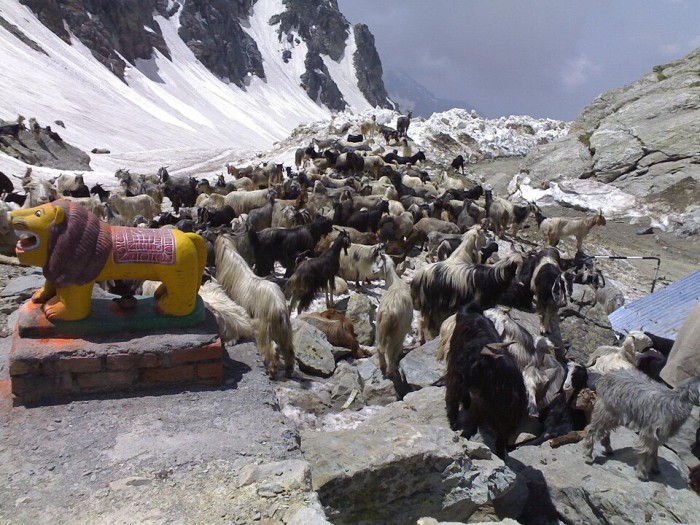
Sach Pass is a breathtaking high-altitude mountain known for its dramatic landscapes, snow-covered stretches and thrilling terrain
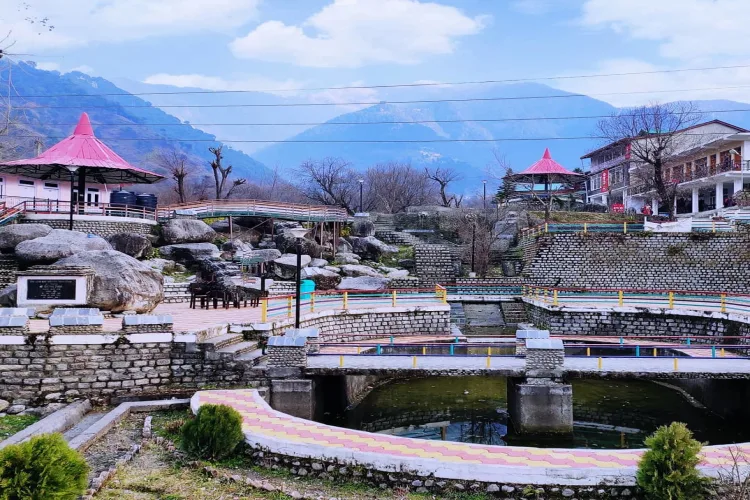
The Rock Garden is a quiet and refreshing stop surrounded by natural beauty. It features rock formations, small water streams, and viewpoints.
Experience the spiritual, cultural, and historical essence of the city.
Walking through the Kalatop Wildlife Sanctuary is one of the most peaceful experiences in Dalhousie.
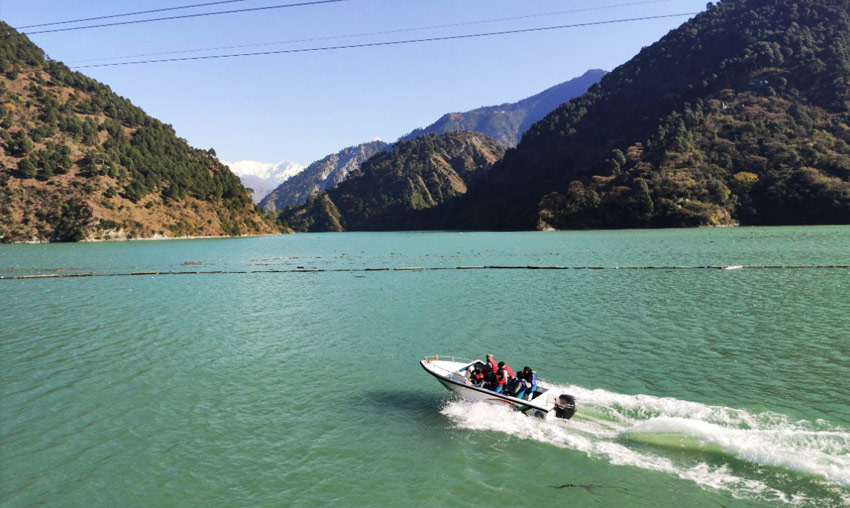
Chamera Lake, located a short drive from town, is a beautiful man-made reservoir known for its calm blue waters
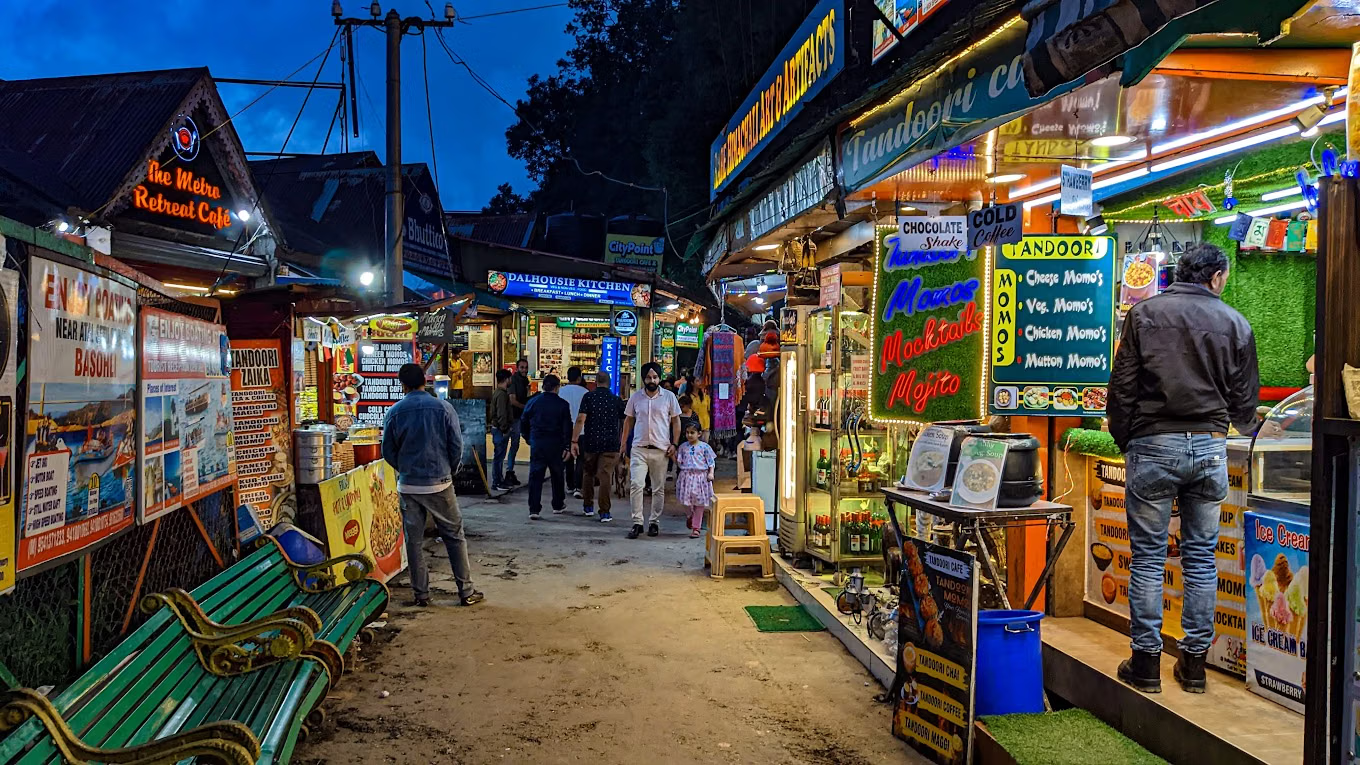
The market is filled with cosy cafés, Tibetan shops, handicraft stores, woollens, and small eateries serving local snacks
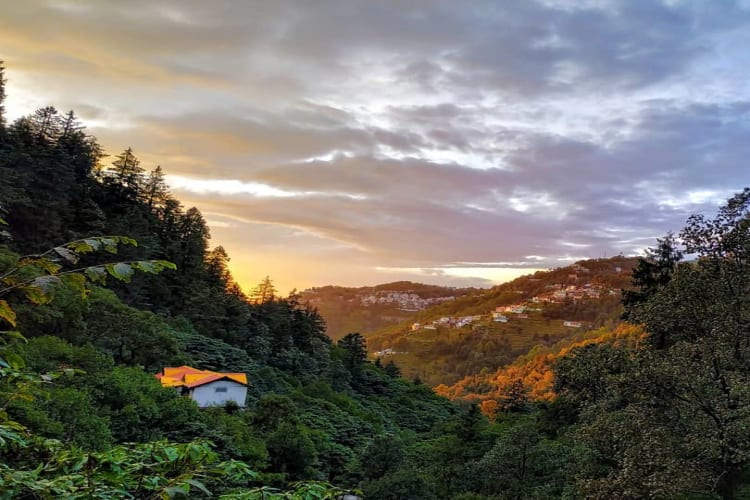
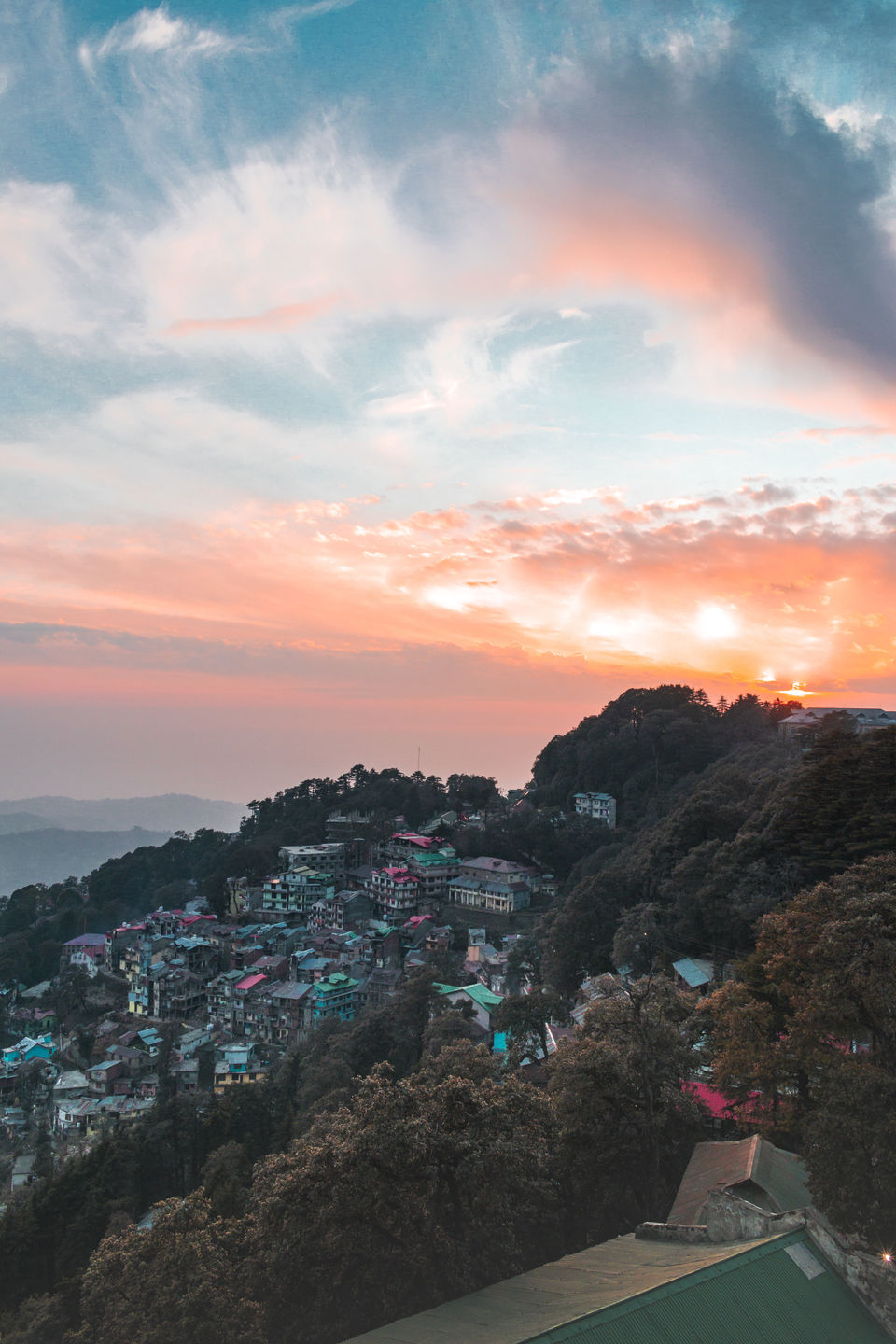
Watching the sunset over the mountains is a must-do in Dalhousie are a must when in Dalhousie
Dalhousie’s performing arts reflect the cultural warmth and traditional spirit of the region. Local performances often capture the stories, celebrations, and seasonal rhythms of the hills, expressed through graceful movements, rhythmic beats, and expressive storytelling. These arts are usually showcased during festivals, community gatherings, and cultural events, allowing visitors to experience the heritage and collective identity of the people. The performances highlight a deep connection to nature, folklore, and age-old customs, offering travellers an authentic glimpse into the cultural life of Dalhousie.
Chamba Rumal Folk Songs
Nati Folk Songs
Bhand Pather Music
Chamba Rumal Folk Songs, are known for their melodic storytelling, often sung during festivals and special occasions to narrate local legends. Nati Folk Songs, usually accompanied by traditional instruments like the dhol and shehnai, is performed during dances and social gatherings. Bhand Pather Music, though more commonly associated with neighbouring regions, influences local performances, blending narrative and rhythm.
Nati Dance
Chamba Rumal Dance
Lahauli & Gaddi Dance
Nati Dance, is the most famous dance form here, performed during festivals and social gatherings with energetic movements and coordinated groups. Chamba Rumal Dance, is a graceful storytelling dance that narrates historical events and legends of the region through expressive gestures. Lahauli and Gaddi Dance, showcase the tribal heritage, performed in colourful attire to mark seasonal celebrations or community rituals.
City vibes carry a blend of energy, movement, and endless possibility. The streets are alive with honking traffic, buzzing cafés, glowing signboards, and people rushing with purpose, each on their own journey. There’s a rhythm in the chaos—crowded markets, late-night food corners, corporate towers, and neighbourhoods that never truly sleep. Amid the noise, the city still offers moments of calm in quiet parks, familiar street corners, and the comfort of routine.
Dalhousie’s heritage is shaped by its colonial-era charm, timeless architecture, and the cultural traditions of the surrounding Himalayan communities. The town’s old churches, vintage buildings, and tree-lined avenues reflect its historic roots, while its peaceful environment preserves the elegance of a bygone era.
Dalhousie is a paradise for food lovers, offering a variety of traditional delights.
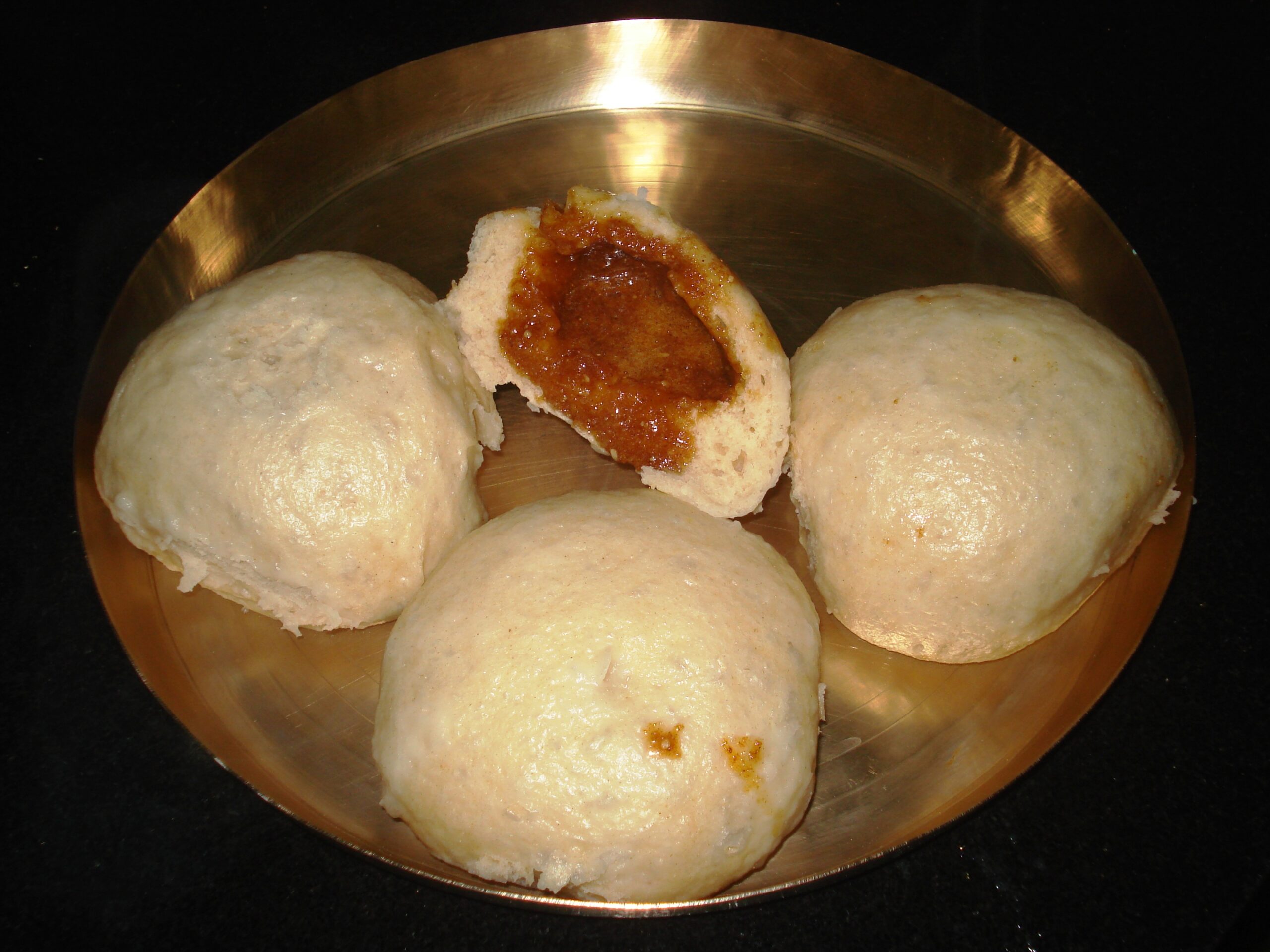
Siddu is a popular Himachali delicacy enjoyed especially in colder regions like Dalhousie
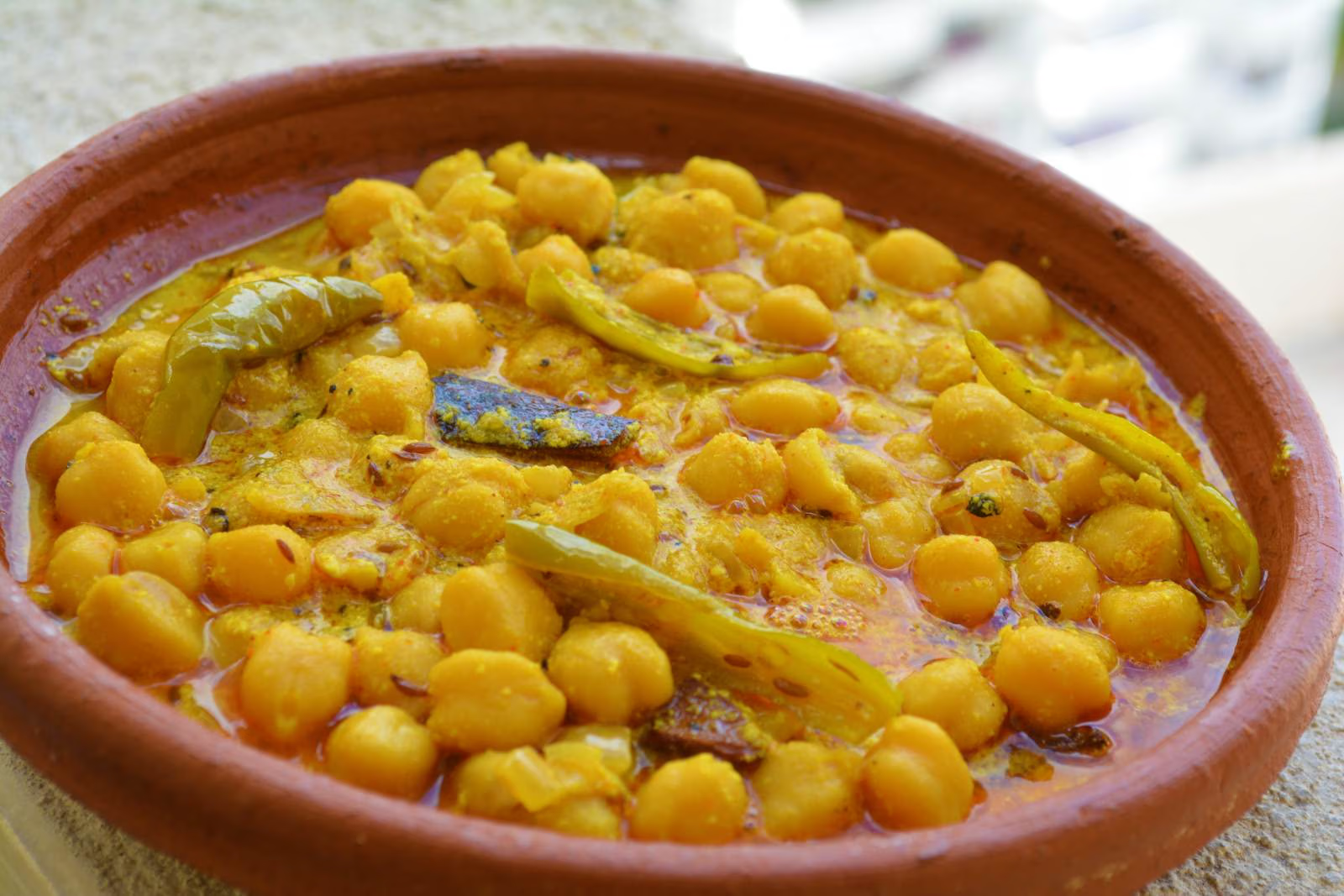
Madra is a traditional dish made from chickpeas or kidney beans cooked in a rich yogurt-based gravy
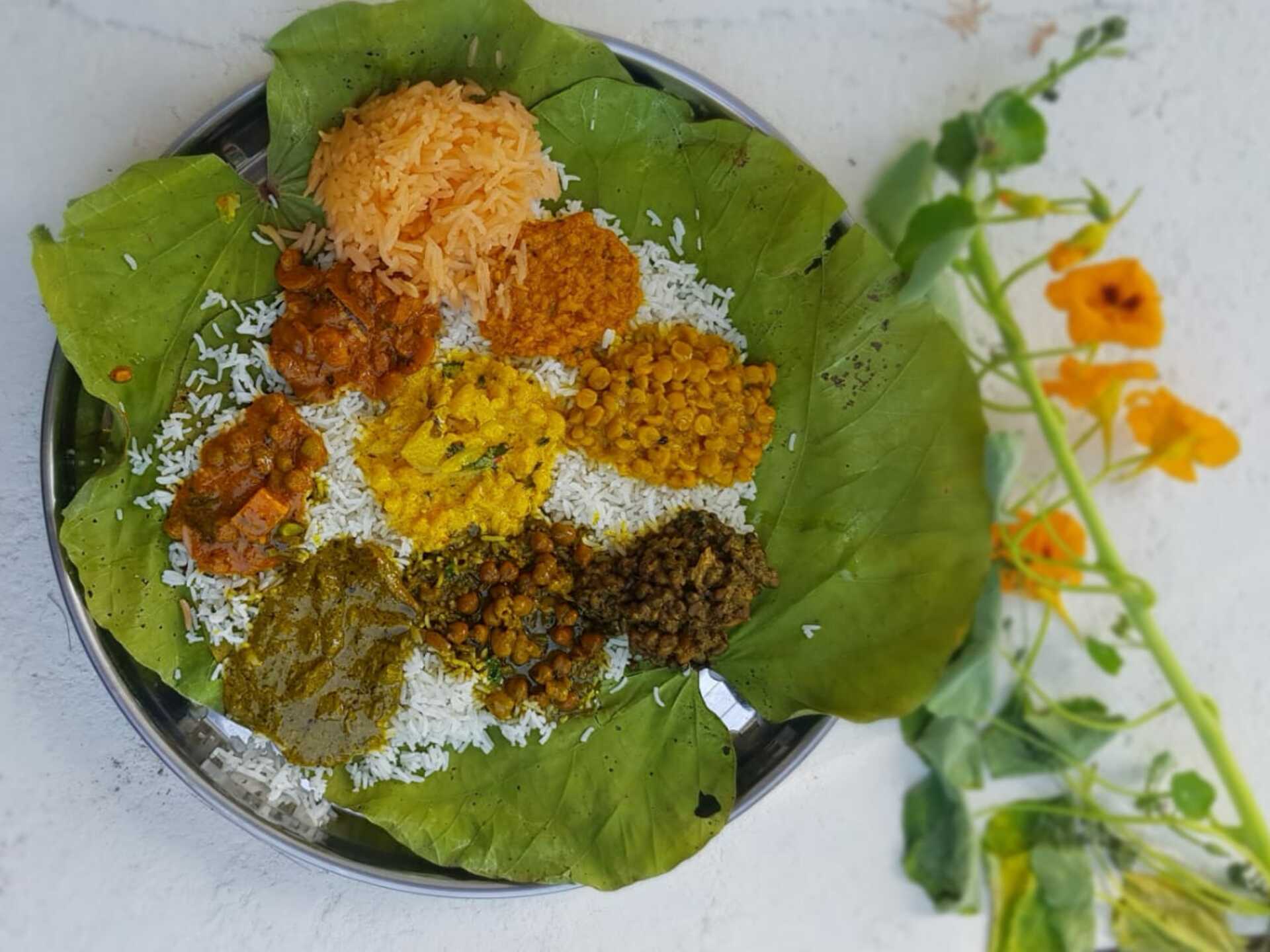
Dham is a traditional festive meal prepared during special occasions in the region.
Due to Tibetan influence in the area, momos and thukpa are widely loved street-style foods in Dalhousie.
Shopping in Dalhousie offers a vibrant mix of tradition and craftsmanship.
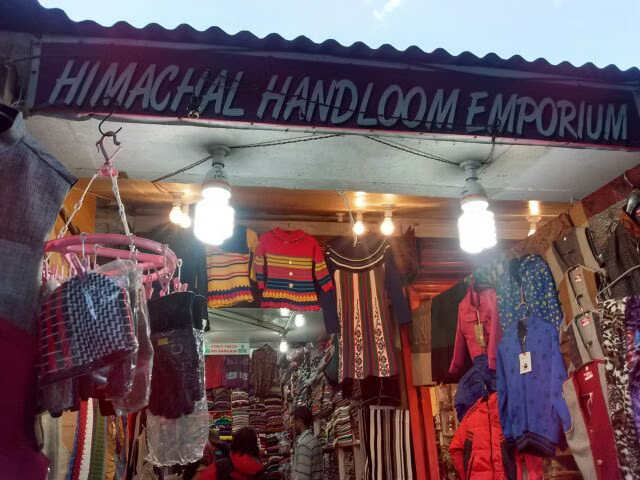
Dalhousie is known for its warm and durable woollen products, including shawls, sweaters, mufflers, and caps made by local artisans
Shops in Dalhousie sell fresh mountain spices, herbal oils, teas, and natural balms that are popular among travellers.
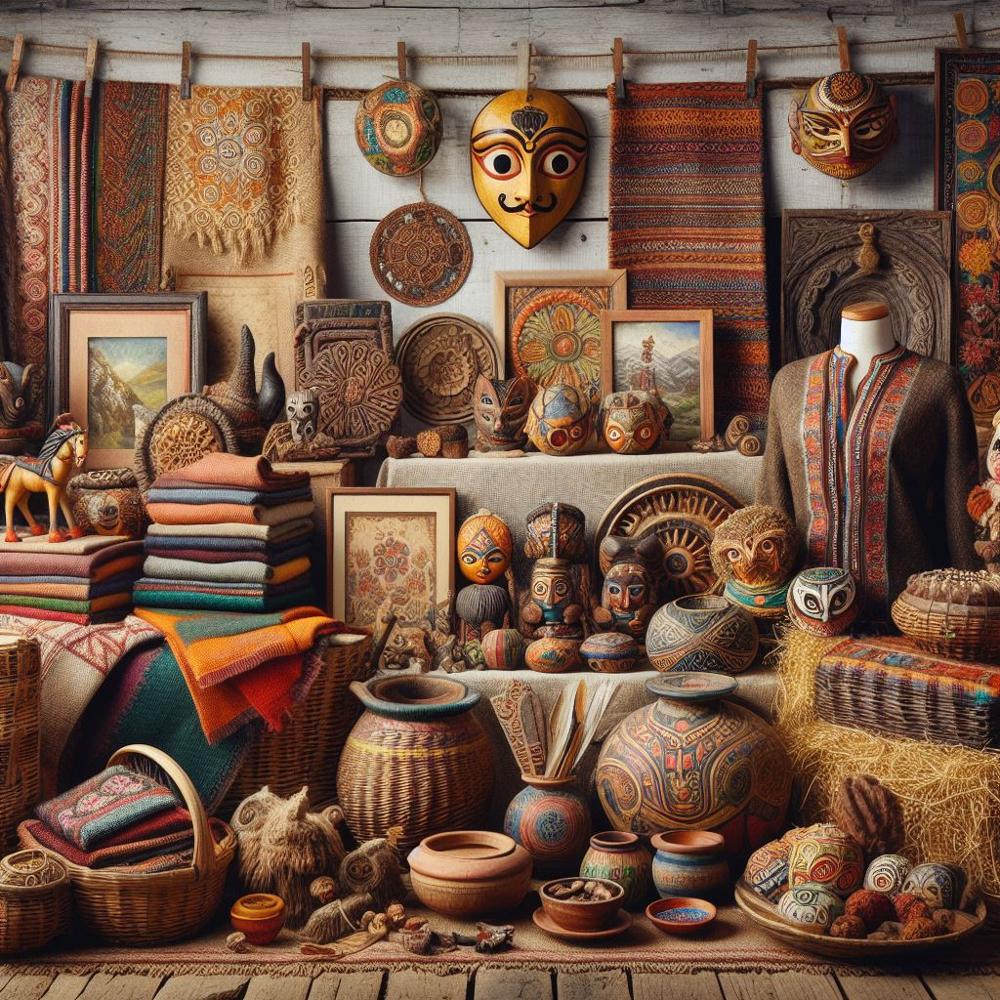
Wooden carvings, miniature paintings, keychains, and eco-friendly décor items inspired by Himachali culture.
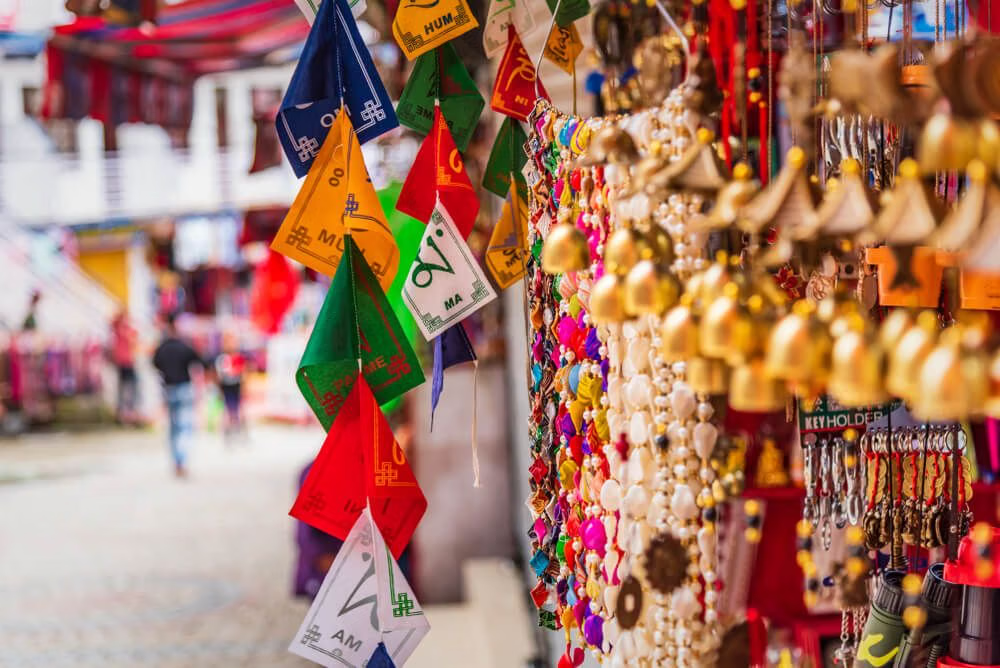
From colourful prayer flags and handcrafted souvenirs to decorative items and small statues
Dalhousie experiences its most pleasant weather between March and June and again from September to November, making these months ideal for travel. During this period, the climate is cool and comfortable, with clear skies, gentle breezes, and moderate temperatures that range from 15°C to 25°C.
Dress Warmly: Even in summer, the hill weather can get chilly, especially in the evenings and at higher altitudes.
Watch Your Step: Mountain paths and forest trails can be slippery or uneven, so wear sturdy footwear and stay alert while walking or trekking.
Avoid Risky Roads at Night: Roads in and around Dalhousie can be narrow and winding. Try to avoid driving after dark to prevent accidents.
Stay Hydrated and Carry Essentials: Carry water, snacks, and basic medicines while exploring remote areas or trekking.
Getting around Dalhousie is relatively easy, thanks to its compact layout and accessible roads. Local transport includes shared taxis, private cabs, and auto-rickshaws, which are convenient for short trips between the town, nearby attractions, and hilltop viewpoints. Walking is also a pleasant option in the main market areas and along scenic trails, allowing visitors to soak in the town’s charm at a relaxed pace
Overcharging by Taxis or Cabs: Some drivers may quote higher fares to tourists, especially for short rides or hill routes.
Fake Guides or Trekking Services: Unlicensed guides may offer trekking or sightseeing services at inflated prices or provide unsafe routes.
Street Vendors Overpricing Souvenirs: Some shops or street stalls may charge extra for handicrafts or woollens if unaware of usual rates.
Unnecessary Entry Fees: Certain attractions or viewpoints may have unofficial charges that are not standard; always check official rates.