Trip and Tales

¤ 10+ minutes Read

Kalpa

A complete tourist and cultural guide

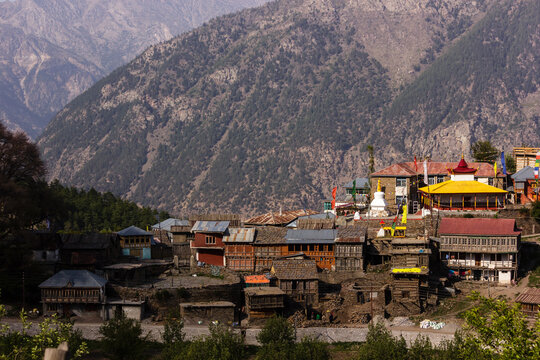
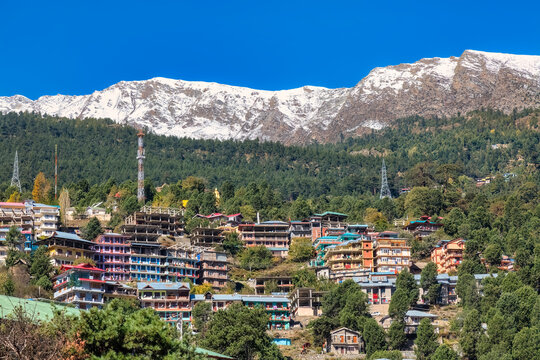
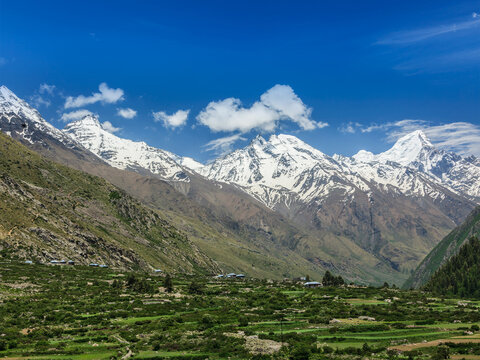
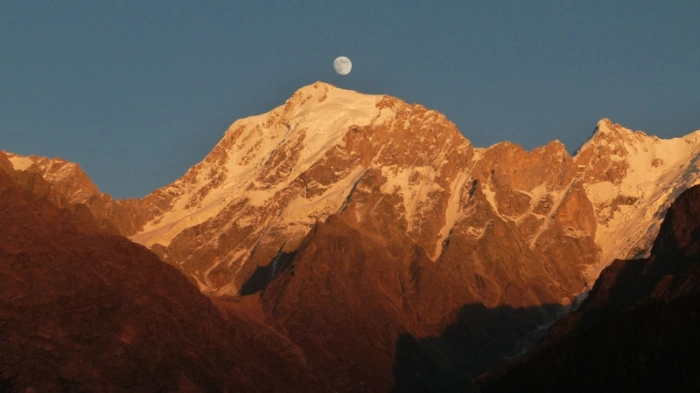
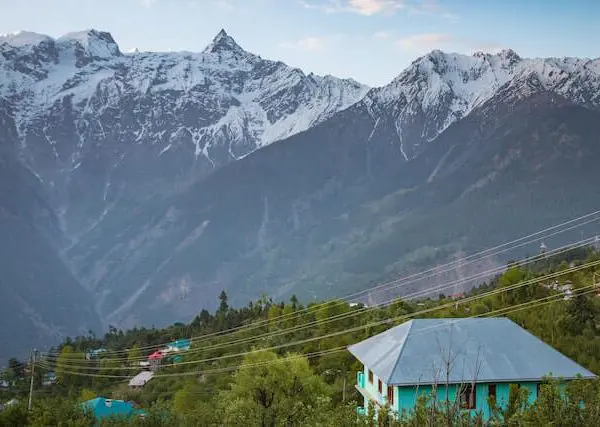
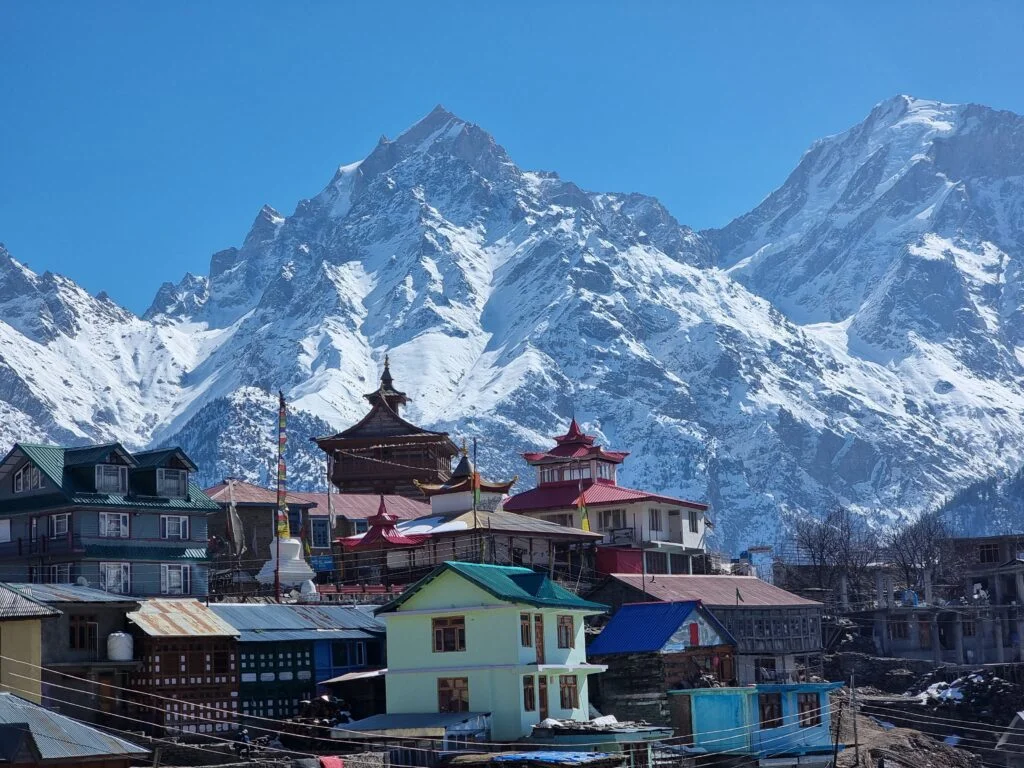
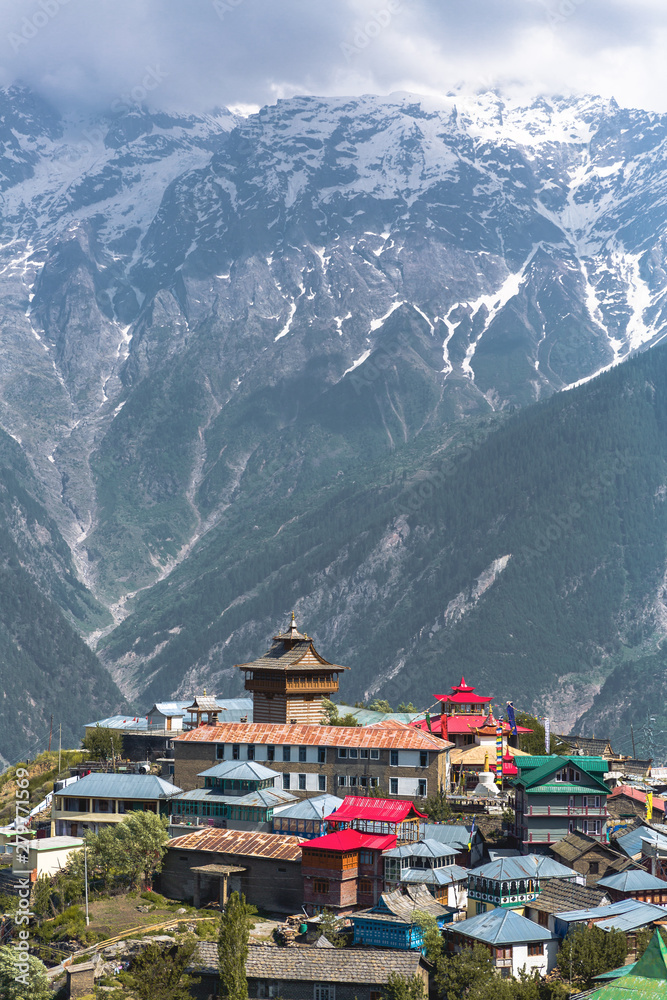
Kalpa, a serene hill station perched at an altitude of 2,960 meters in the Kinnaur district of Himachal Pradesh, is a hidden gem for nature lovers and spiritual seekers. Once the headquarters of Kinnaur, this picturesque town is famous for its apple orchards, ancient temples, and unparalleled views of the Kinnaur Kailash range. The majestic peak, believed to be the abode of Lord Shiva, dominates the skyline, offering a tranquil escape far from the crowds of mainstream Himalayan destinations.

Wiki Link: Kalpa wiki page

Must-Visit Attractions in Kalpa

Kinnaur Kailash Range

The crown jewel of Kalpa, this sacred mountain range features a 79-foot Shivlinga-like rock formation that changes colors from golden to pink to silver as the sun moves.

Narayan-Nagini Temple

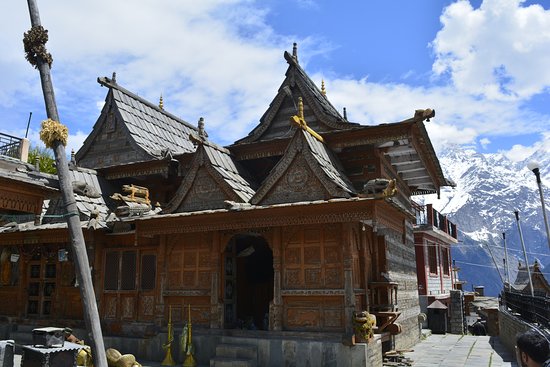
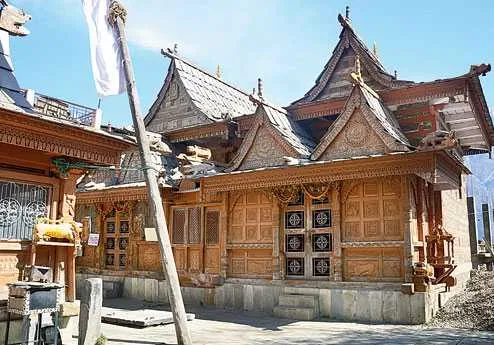
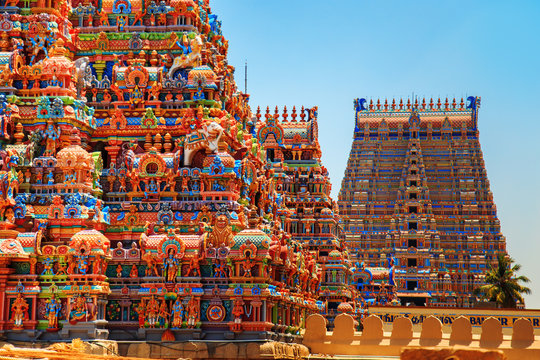
An ancient stone-and-wood temple dedicated to Lord Vishnu and the serpent goddess, showcasing intricate Kinnauri wood carvings and traditional architecture.

Hu-Ba-Lan-Kar Monastery

A serene Buddhist monastery in Roghi village offering stunning valley views, colorful prayer flags, and a peaceful atmosphere for meditation.

Suicide Point

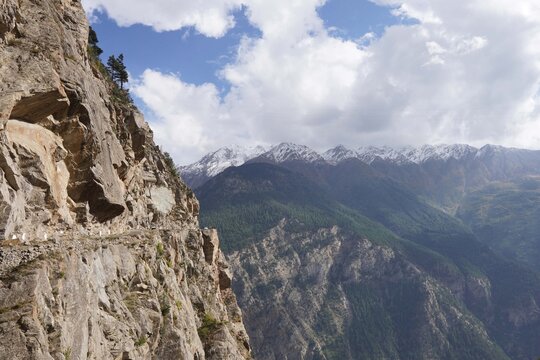
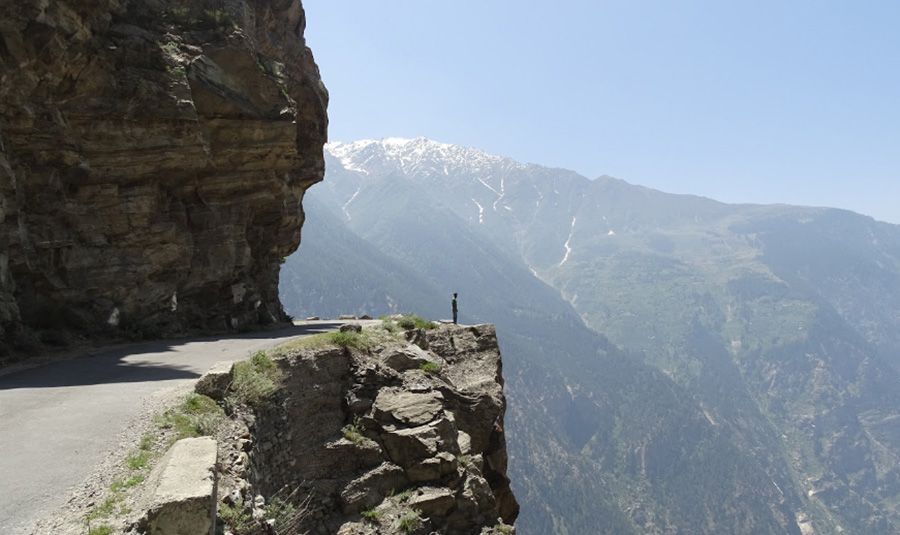
A scenic viewpoint offering dramatic panoramic views of steep cliffs and the Spiti Valley below, popular for photography and sunset watching.

Major Attractions Nearby Kalpa

Reckong Peo

Located just 3 km above Kalpa, this bustling district headquarters features a large Shiva statue, local markets, and majestic Kinnaur Kailash views.

Sangla Valley

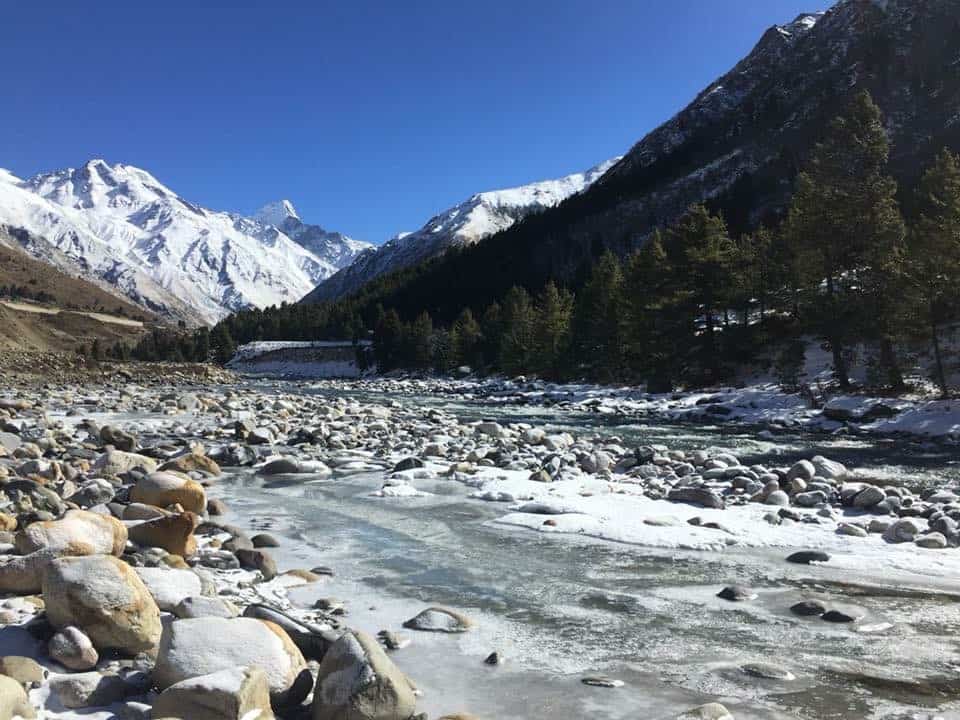
About 40 km away, this breathtaking valley is home to the Baspa River, dense forests, and the picturesque border village of Chitkul.

Roghi Village

A charming traditional Kinnauri village a short drive from Kalpa, known for its apple orchards, ancient temples, and Hu-Ba-Lan-Kar Monastery.

Nako Lake

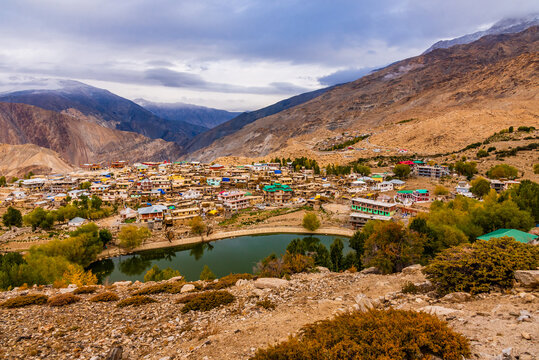
Located about 85 km away on the road to Spiti Valley, this high-altitude lake offers stunning mountain reflections surrounded by willow trees and Buddhist monasteries.

Things to do in Kalpa

Experience the pristine beauty and spiritual calm of this Himalayan town. From watching the sun paint the sacred mountain peaks to exploring ancient temples and monasteries, Kalpa offers a soulful journey into the heart of Kinnaur.

Watch the Kinnaur Kailash Sunset

Find a quiet spot like Roghi village viewpoint or your hotel balcony to witness the sacred Shivlinga peak change colors as the sun sets.

Walk Through Apple Orchards

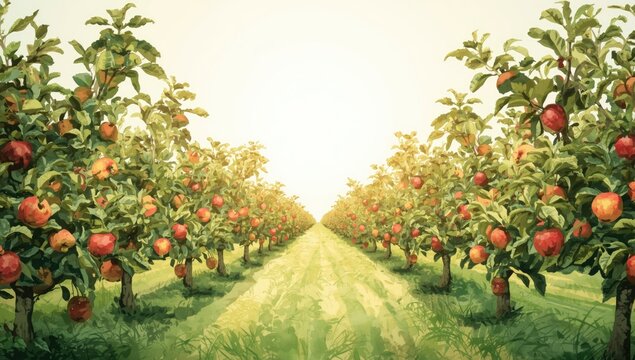
Take a leisurely walk through the sprawling apple orchards surrounding Kalpa, best enjoyed during spring blossoms or autumn harvest.

Visit the Local Temples & Monastery

Explore the Narayan-Nagini Temple and Hu-Ba-Lan-Kar Monastery to appreciate the unique Hindu-Buddhist blend that defines Kinnaur.

Drive to Sangla & Chitkul

Dedicate a full day to exploring the breathtaking Sangla Valley and Chitkul, the last village on the Indo-Tibetan border.

The Performing Art of Kalpa

Kalpa is the heart of Kinnauri culture, which is a unique blend of Hindu and Buddhist traditions. The region’s art, architecture, and festivals reflect this beautiful syncretism.

Music Forms

Kinnauri Folk Songs

Buddhist Chanting

Kinnari Folk Tunes

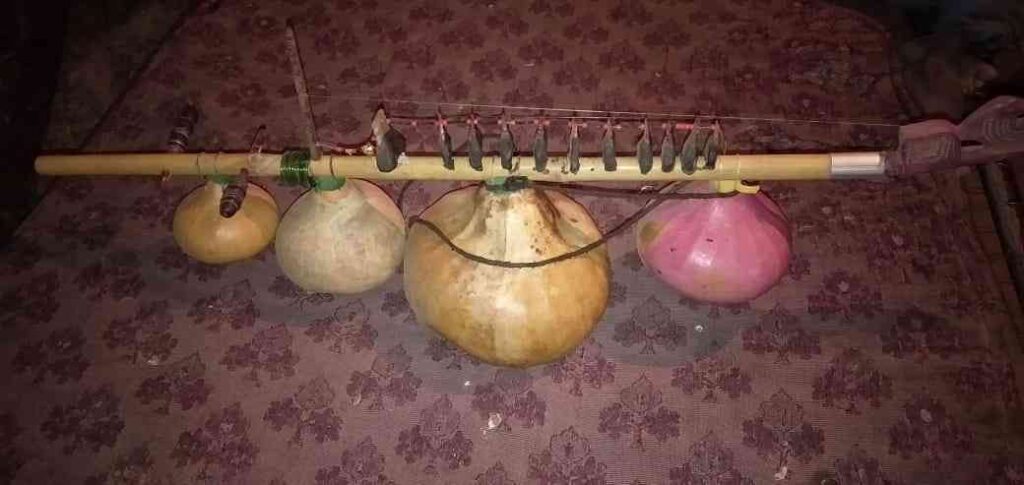
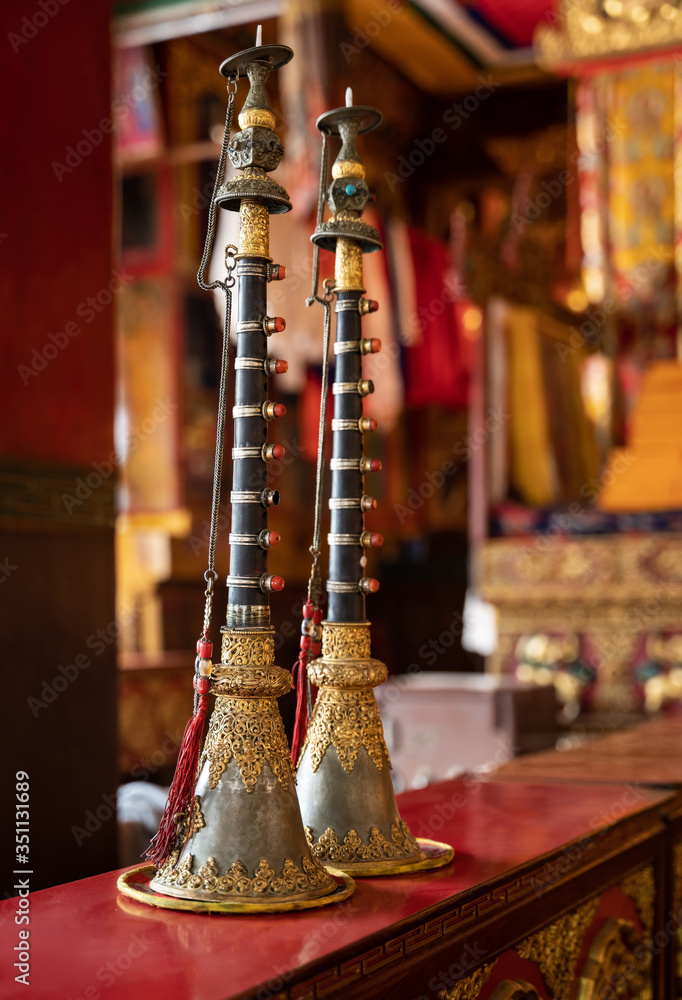
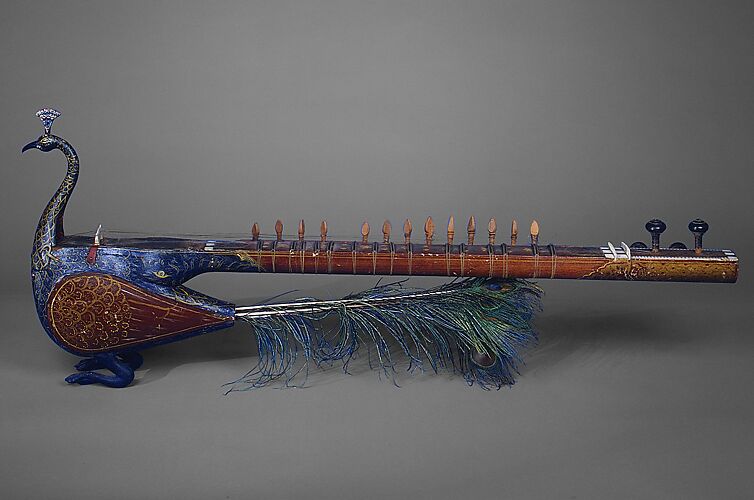
The music of the Kalpa region is deeply rooted in Kinnauri folk traditions, blending indigenous Himalayan melodies with Tibetan Buddhist chanting and Hindu devotional songs. Featuring simple, repetitive rhythms on instruments like the dhol, shehnai, and singing bowls, this soulful music celebrates nature, deities, and daily life during festivals, harvests, weddings, and monastery prayers.

Dance Forms

Kinnauri Nati

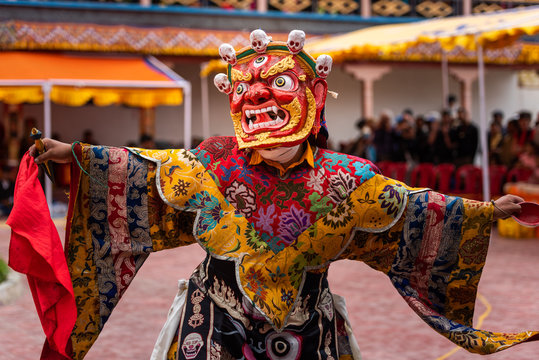
Cham Dance

Kayang Dance

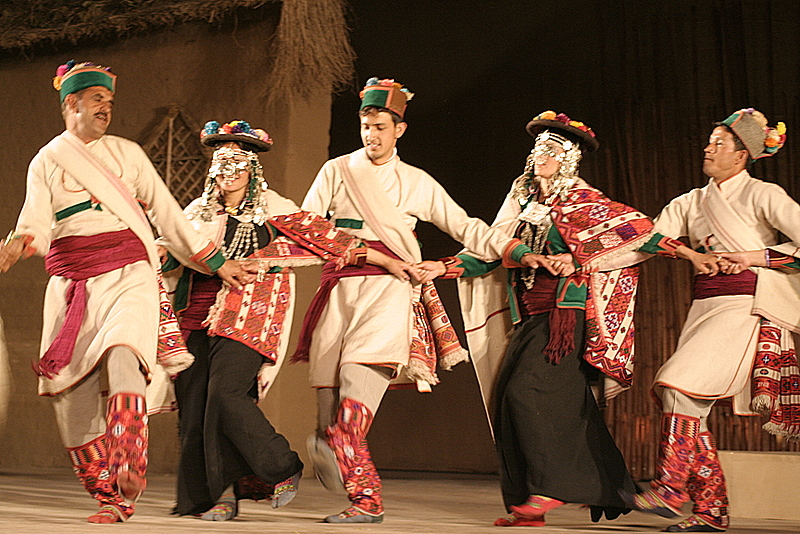
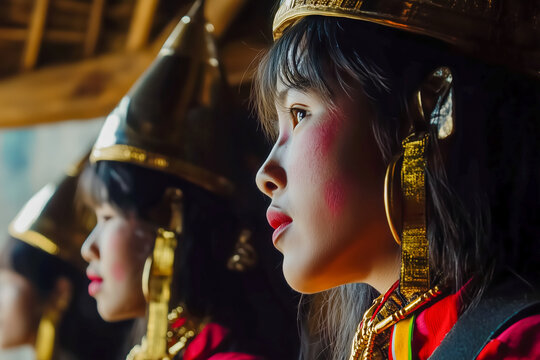
The dance form most strongly associated with the Kalpa region is the Kinnauri Nati, a vibrant folk dance performed in a circle by men and women during festivals like Fulaich and Losar. This energetic dance features synchronized footwork, rhythmic clapping, and graceful swaying movements, accompanied by the beats of traditional drums like the dhol and nagara. Performed in colorful woolen costumes, it celebrates harvests, weddings, and community bonding, reflecting the joyful spirit and rich cultural heritage of the Kinnaur Himalayas.

City Vibes - Quiet, Apple-Scented, and Spiritual

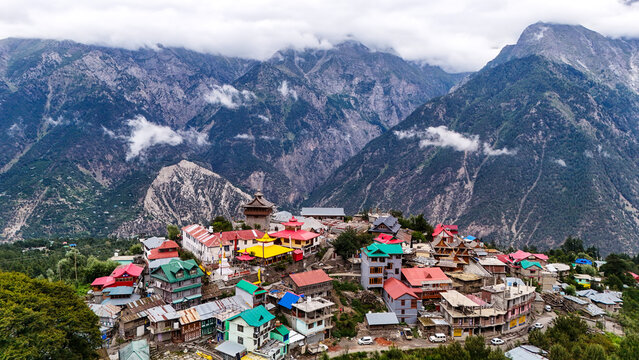
Kalpa exudes a peaceful, slow-paced, and rejuvenating energy. Unlike the chaotic hustle of other hill stations, Kalpa offers quiet mornings filled with the scent of apple blossoms, afternoons spent gazing at snow-capped peaks, and evenings painted in golden hues. The town is clean, safe, and dotted with traditional Kinnauri wooden houses. Life here moves to the rhythm of the seasons—apple harvesting in autumn, temple festivals in spring, and the silent, snowy beauty of winter.

Heritage of Kalpa

Kalpa’s heritage is deeply rooted in the ancient Kinnauri culture, which has preserved its unique identity for centuries. The town’s old temples, like the Narayan-Nagini Temple, showcase the region’s distinctive stone-and-wood architecture. Kalpa was also the winter capital of the former Kinnaur princely state. The blend of Hinduism (with a focus on Lord Shiva and local deities) and Tibetan Buddhism (visible in the prayer flags and monasteries) creates a syncretic culture found nowhere else in India.

Kalpa

Cuisine of Kalpa

The cuisine of Kalpa is simple, hearty, and influenced by both Himachali and Tibetan flavors. It uses locally grown apples, grains, and dairy.

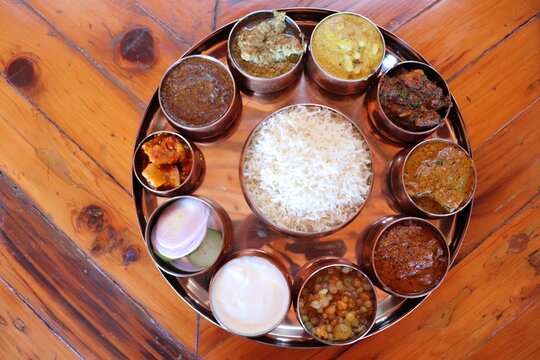
Dham

A traditional festive meal served on leaf plates featuring rice, dal, curd, rajma, and sweet boor ki kheer cooked by special Brahmin chefs.

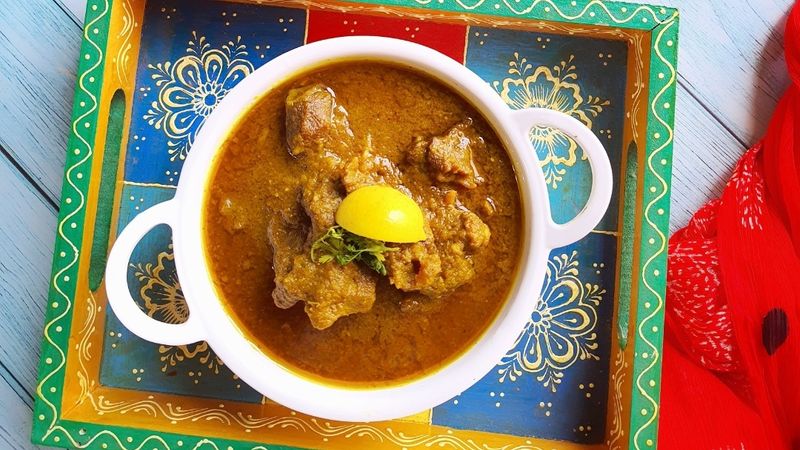
Chha Gosht

A signature Himachali dish of marinated lamb cooked slowly in a rich, tangy gravy of yogurt, gram flour, and aromatic spices.

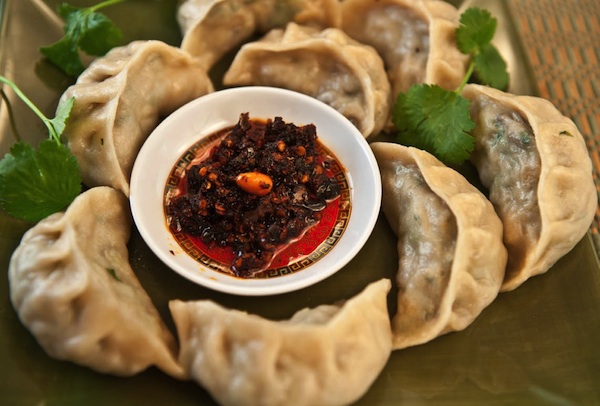
Tibetan Momos

Steamed or fried dumplings filled with vegetables or meat, widely available and perfect as a snack on a cold Himalayan day.

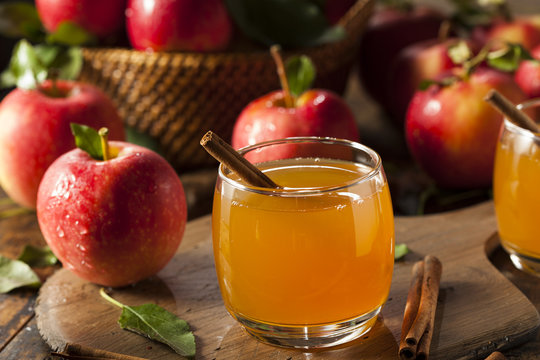
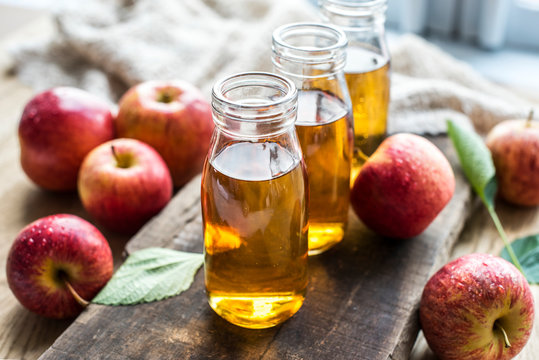
Apple Cider & Juices

Fresh apple juice, hot apple cider, and local apple wine are must-try beverages from the heart of apple country.

Shopping in Kalpa

Shopping in Kalpa is centered around local handicrafts, woolens, and apple products.

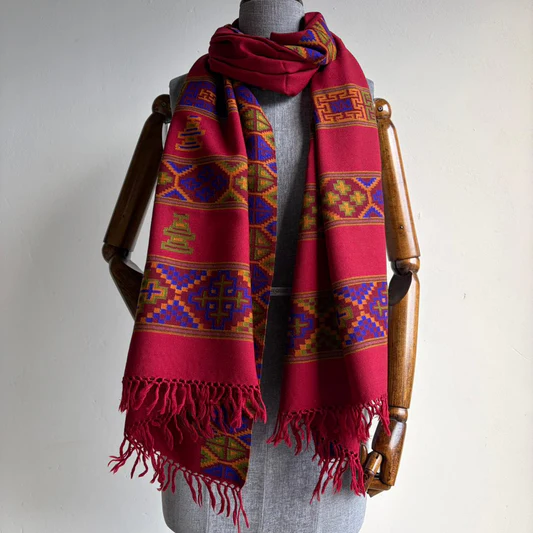
Kinnauri Shawls & Caps

Handwoven woolen shawls and the distinctive Kinnauri topi with colorful geometric patterns make for authentic souvenirs.

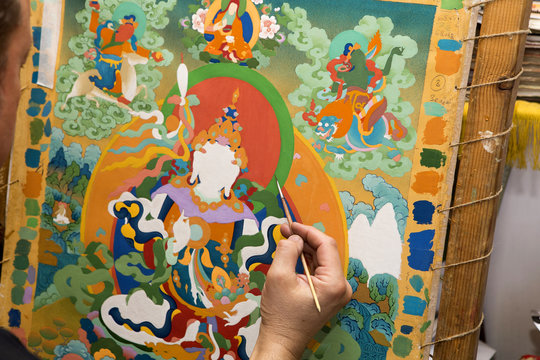
Thangkas & Buddhist Artifacts

Small Thangka paintings, prayer flags, singing bowls, and brass statues of Buddhist deities available near the monastery.

Apple Products

Local shops sell fresh apple juice, apple cider, apple vinegar, and dried apples from the region’s famous orchards.

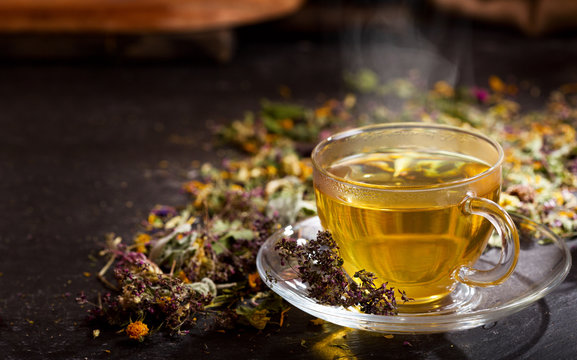
Himalayan Herbs & Teas

High-quality green tea, chamomile tea, and locally sourced herbs like sea buckthorn known for their health benefits.

Tourist's Handbook

The best time to visit Kalpa is from April to October. The summer months (April-June) offer pleasant weather with temperatures between 10°C and 25°C, making it ideal for sightseeing and apple blossom viewing. The post-monsoon months (September-October) bring clear skies, ripe apples, and stunning views of the Kinnaur Kailash range. Avoid the winter months (November to March) as heavy snowfall blocks roads, and temperatures drop below freezing, making travel difficult. The monsoon (July-August) can cause landslides on the mountain roads, so travel with caution.

  • Drive Carefully on Mountain Roads – The roads to Kalpa are narrow, winding, and prone to landslides during monsoon; always hire experienced local drivers and avoid night travel.

  • Acclimatize to the Altitude – At 2,960 meters, mild altitude sickness is possible; take it easy on day one, drink plenty of water, and avoid heavy meals.

  • Dress in Layers – Temperatures can drop sharply after sunset, even in summer; carry woolens, a windproof jacket, and sturdy walking shoes.

  • Keep a Power Bank – Power cuts are common in remote Himalayan towns; carry a charged power bank for your phone and camera.

  • Stay Hydrated but Safe – Drink only bottled or boiled water, as tap water may not be safe for tourists.

  • Inform Someone of Your Plans – If trekking or walking to remote viewpoints, inform your hotel staff or a local contact about your expected return time.

Kalpa is a small, walkable town. Most hotels, the main temple, and viewpoints are connected by paved paths, making walking the best way to explore. For longer distances within Kalpa (like Roghi village or Suicide Point), local taxis and shared jeeps are available at the main square. To visit nearby attractions like Sangla Valley (40 km) or Reckong Peo (3 km), hiring a private taxi is the most convenient option. Local buses are available but infrequent and can be crowded. The roads are narrow and mountainous, so always use experienced local drivers.

Beware of Unregistered Guides – Hire only registered guides for treks like Bhaba Pass; check their credentials and agree on the fee in writing before starting.

Negotiate Taxi Fares in Advance – Always agree on the total fare to Sangla, Reckong Peo, or other destinations before starting the journey, and confirm if it includes fuel and driver allowances.

Don't Pay for "Special" Temple Access – There is no fee to enter Narayan-Nagini Temple or Hu-Ba-Lan-Kar Monastery; politely refuse anyone asking for money for "quick entry" or "special prayers."

Be Cautious with Apple Purchases – If buying apples in bulk during harvest season, buy from reputed orchards or shops to avoid being overcharged for lower-quality fruit.

Avoid Strangers Offering "Homestay Deals" – Book accommodations through trusted platforms or directly with verified homestays; avoid touts at the bus stand offering "cheap" rooms.

Confirm Prices for Local Handicrafts – When buying Kinnauri shawls or Thangkas, compare prices at a few shops and negotiate politely, as tourist prices are often inflated.

Explore Himachal Pradesh

Kalpa Blogs

  • Places to visit in Kalpa
  • Places to visit nearby Kinnaur
  • India’s most peaceful Himalayan destination
  • India’s hidden apple orchard gem

Recommended articles

  • Himachal Pradesh Cultural Guide – temple and monastery special
  • Places to visit in Sangla Valley
  • Places to visit nearby Spiti Valley
  • India’s most underrated mountain retreat