
¤ 10+ minutes Read
Kasol
A complete tourist and cultural guide

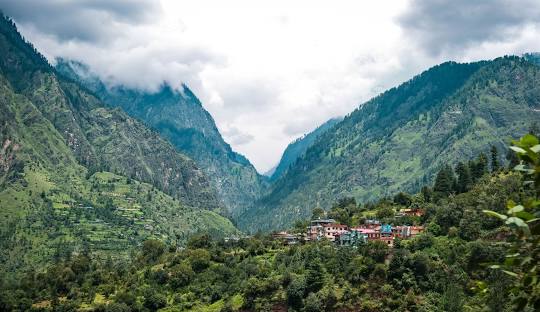
a laid-back village nestled along the Parvati River in Himachal Pradesh, is famous for its pine-lined trails, bohemian cafés, and stunning Himalayan views. Loved by backpackers, it offers a unique blend of serenity and vibrant traveller culture. The cool mountain air, crystal-clear river streams, and relaxed vibe make Kasol a perfect escape for anyone seeking nature, peace, and a hint of adventure.
Must-Visit Attractions in Kasol

Parvati River
The Parvati River is the heart of Kasol, offering stunning views, soothing sounds, and perfect spots to unwind by the water
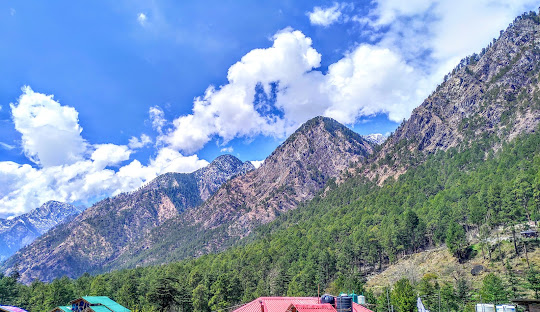
Chalal Village Trek
The Chalal Village trek is a peaceful trail through pine forests and scenic bridges. Known for its calm atmosphere.
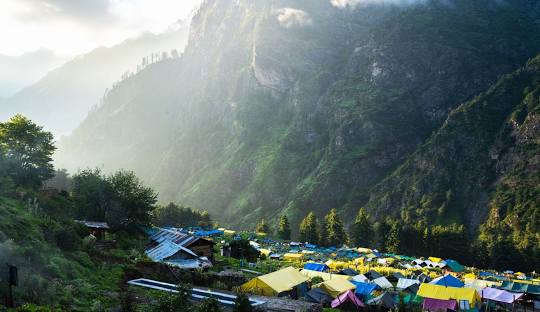
Kheer Ganga Trek
One of the most popular treks in the region, Kheer Ganga offers hot water springs, panoramic mountain views.
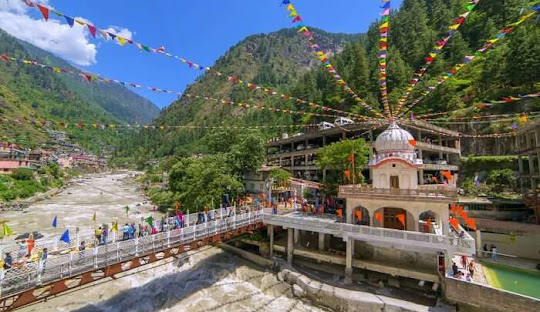
Manikaran Sahib
Manikaran Sahib is a revered Sikh pilgrimage site known for its natural hot springs and spiritual ambience.
Major Attractions Nearby Kasol
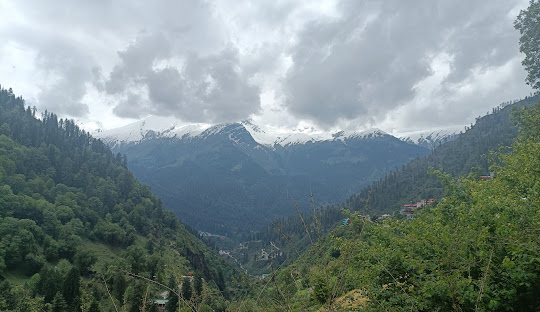
Tosh Village
A scenic village located at the end of the Parvati Valley, Tosh is known for its breathtaking mountain views & apple orchards
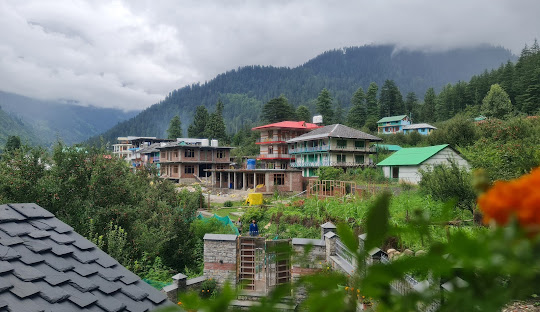
Pulga Village
Pulga is a serene hamlet surrounded by dense deodar forests, often called the “Fairy Forest” for its mystical vibe.
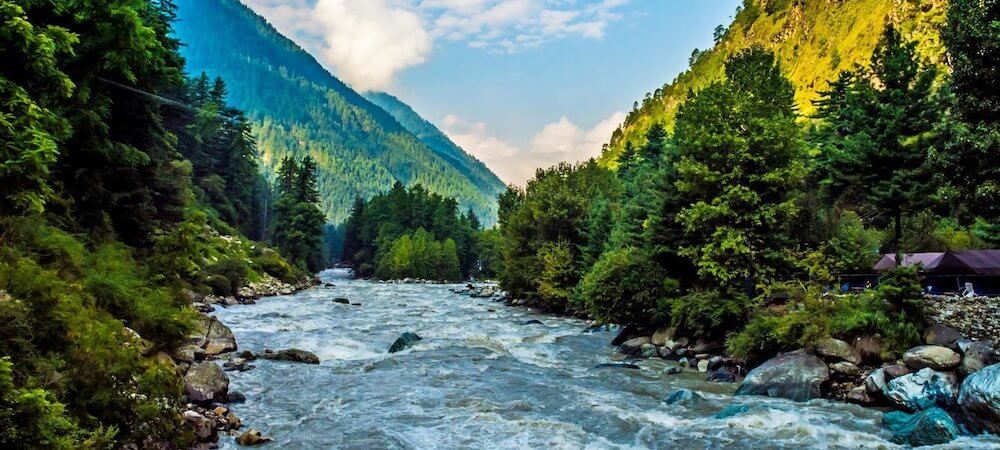
Kalga & katagla
These twin villages near Barshaini are perfect for slow travellers seeking quiet stays, yoga retreats, and mountain-facing cafés

Bhuntar
Bhuntar, home to the nearest airport and a vibrant local market, acts as the gateway to Kasol and the entire Parvati Valley
Things to do in Kasol
Experience the spiritual, cultural, and historical essence of the city. From attending the Ganga Aarti to exploring ancient lanes, the city offers a soulful journey.
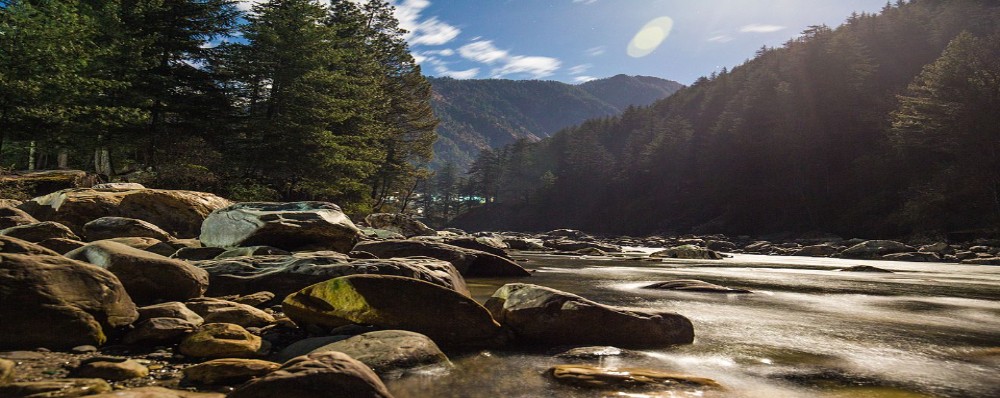
Riverside Chilling at Parvati River
Relaxing by the Parvati River is one of the most loved activities in Kasol. It has a peaceful flow & cool breeze.

Trekking
Short treks like Chalal and longer ones like Grahan offer beautiful forest trails and Himalayan views. These treks are beginner-friendly
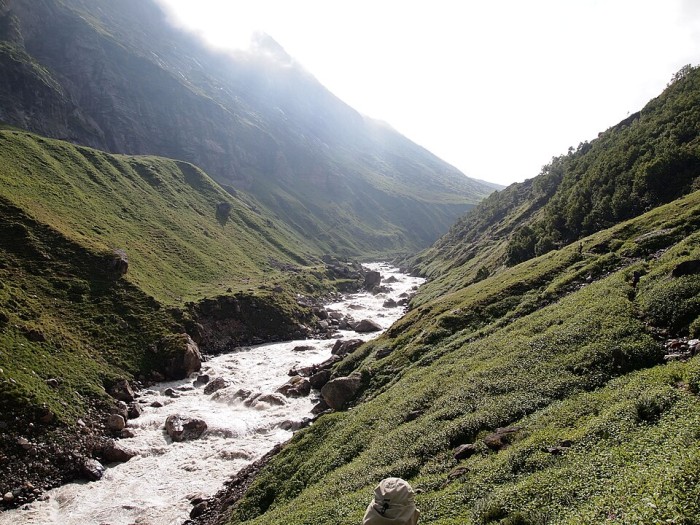
Experience Hot Springs
A short trip from Kasol takes you to the natural hot water springs of Manikaran. Many believe these waters have healing properties.

Try Local Dish
From siddu and trout dishes to shakshuka and hummus platters, Kasol’s food scene is diverse. Explore the local flavours
The Performing Art of Kasol
Kasol’s performing arts reflect the soulful rhythm of mountain life, blending traditional folk elements with the region’s vibrant traveller culture. Local gatherings often feature expressive dance forms, rhythmic drumming, and melodic storytelling that celebrate community, nature, and seasonal festivities. The valley’s serene backdrop makes these performances feel intimate and heartfelt, offering visitors a chance to witness how art, music, and dance are woven into the everyday spirit of the Himalayas.
Himachali Folk Music
Reggae Music
Indie Music
Himachali Folk Dance, can still be heard during local festivals and village gatherings, celebrating the valley’s heritage. Reggae Music, Often played in cafés, small gatherings, and riverside jams, reggae adds a chilled, rhythmic vibe. Indie Music, often fills riverside cafés, creating a relaxed atmosphere perfect for chilling and meeting.
Himachali Folk Dance
Fusion Dance Style
Psytrance Dance
Himachali Folk DancesThey are performed during festivals and local celebrations, showcasing vibrant costumes and rhythmic movements. Fusion dance style, have emerged in cafés and cultural gatherings, blending modern beats with traditional steps. Psytrance dance, is popular during open-air parties and music events, where participants move freely to high-energy electronic rhythms.

City Vibes
Kasol carries a unique blend of laid-back mountain calm and lively, youthful city-like energy. The narrow streets buzz with travellers, quirky cafés, boutique shops, and vibrant music drifting through the air. Bright signboards, global cuisines, and a mix of cultures give the village a cosmopolitan feel despite its small size.
Heritage of Kasol
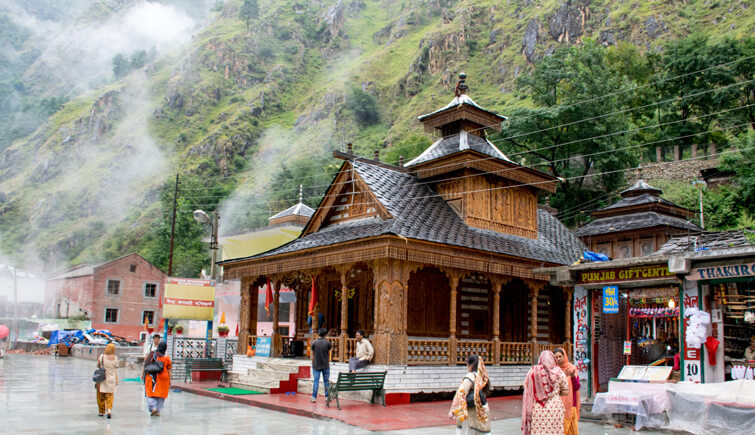
Kasol’s heritage is rooted in the timeless traditions of the Himalayan communities that have lived in the Parvati Valley for generations. The village reflects a blend of mountain lifestyles, ancient customs, wooden architecture, and a deep connection to nature and spirituality. Local festivals, rituals, and seasonal celebrations continue to preserve the cultural identity of the valley, even as modern influences flow in through travellers.
Cuisine of Kasol
Kasol is a paradise for food lovers, offering a variety of traditional delights.

Israeli Platter
Kasol is known for its strong Israeli food influence. It usually includes fresh hummus, pita, salads, and flavorful sides

Trout Fish
Fresh river trout is a popular delicacy in the valley. Lightly seasoned and cooked to highlight its natural flavor

Tibetan Momos
Steamed or fried momos are found everywhere in and around Kasol. It is a comfort food in most places.
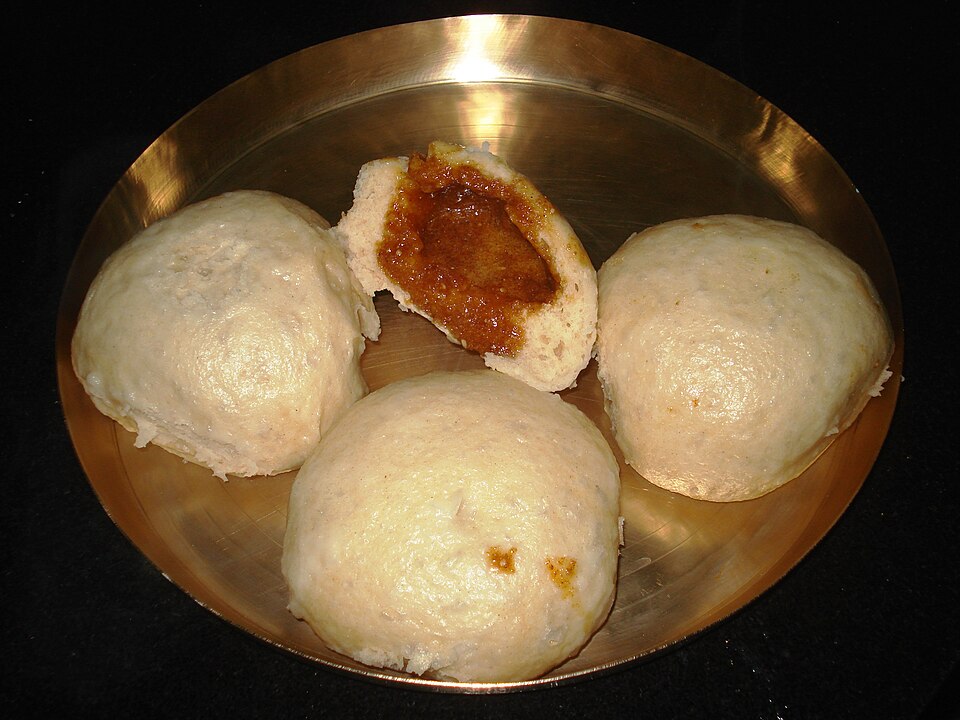
Himachali Siddu
A traditional steamed bread made from wheat flour, siddu is often enjoyed with ghee, chutney, or curry.
Shopping in Kasol
Shopping in Kasol offers a vibrant mix of tradition and craftsmanship.
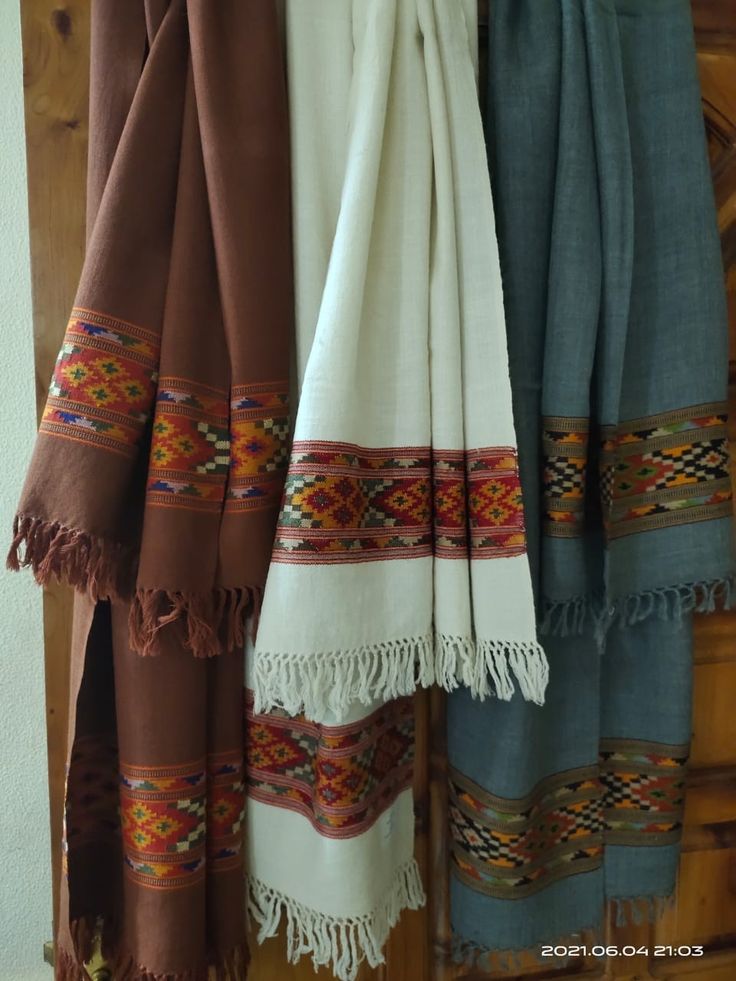
Wollen Clothing
Kasol’s markets are filled with colourful woollen caps, gloves, shawls, and socks made by local artisans.
Local Products
Local shops offer herbal oils, shampoos, handmade soaps, and natural incense sticks made from mountain ingredients
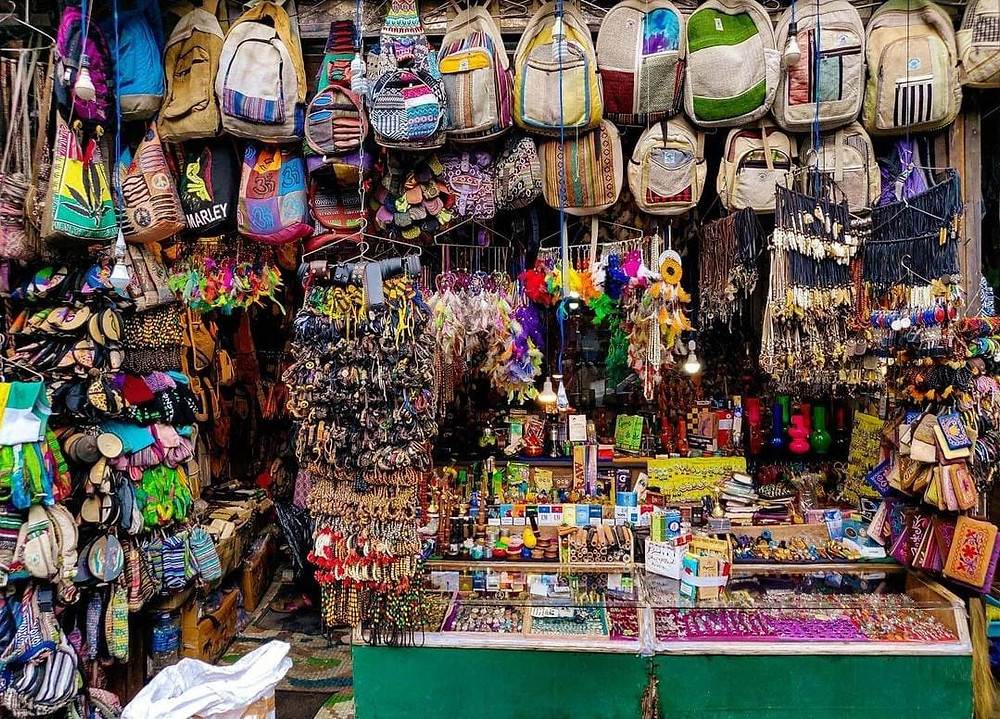
Decor Items
Bright dreamcatchers, wall hangings, and handcrafted décor pieces are popular in Kasol’s stalls.
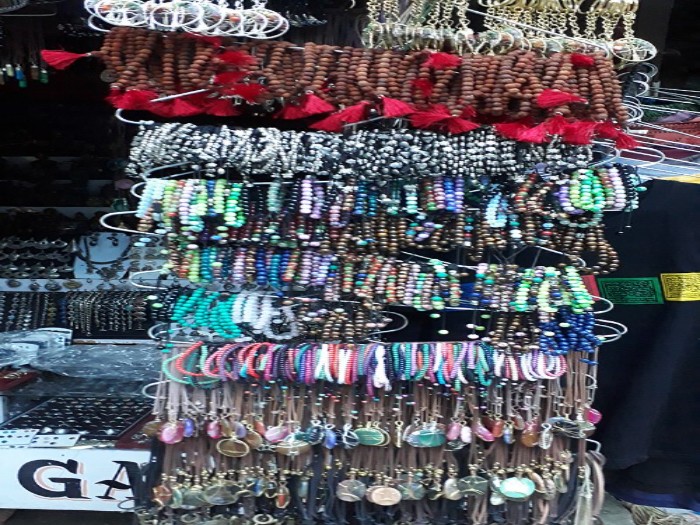
Jewelery
You’ll find unique handmade jewellery like beaded bracelets, stone pendants, and metal rings
Tourist's Handbook
The best time to visit Kasol is between March and June or September to November, when the weather is pleasant and the skies are clear. During these months, the temperatures are mild, perfect for trekking, riverside walks, and exploring the village without the heavy rains of monsoon or the extreme cold of winter. The spring and autumn seasons also bring vibrant landscapes, making it ideal for photography, outdoor activities, and soaking in the valley’s serene beauty.
1. Travel in Groups or Stay Connected
While Kasol is small, trekking trails and remote villages can be isolated. Always inform someone about your route or travel with companions.
2. Carry Cash and Essentials
ATMs are limited, and mobile networks may be weak in some areas. Keep enough cash, water, and basic supplies for treks or day trips.
3. Be Careful on Trails
Mountain paths can be slippery, especially during rains or near rivers. Wear proper shoes, avoid risky shortcuts, and follow marked trails.
4. Respect Local Customs and Culture
Dress modestly in villages, seek permission before taking photographs of locals, and respect religious sites to maintain a positive experience.
Getting around Kasol is relatively easy thanks to its compact size and well-connected roads. Most visitors explore the village and nearby spots on foot, enjoying scenic walks along the Parvati River. For trips to surrounding villages like Chalal, Tosh, or Manikaran, shared taxis, buses, and rented two-wheelers are popular options. While public transport is limited, hiring a cab or scooter gives flexibility to explore hidden trails and remote areas at your own pace, making travel in and around Kasol both convenient and scenic.
1. Overpriced Taxis and Rides
Some taxi drivers may quote inflated fares for short rides or treks. Always confirm rates in advance or use shared taxis when possible.
2. Fake Guides
Unlicensed guides may offer trekking or sightseeing services at high prices and may not be reliable. Hire guides recommended by trusted sources or your accommodation.
3. Alcohol & Substance Overcharging
Certain cafés or stores may overcharge tourists for drinks or packaged substances. Check prices beforehand and keep track of bills.
4. Souvenir Price Hikes
Some stalls may quote higher prices to outsiders. Bargaining politely is common and accepted in local markets.
Explore Himachal Pradesh
Varanasi Blogs
- Uttar Pradesh Cultural guide
- Places to visit in Varanasi
- Places to visit nearby Varanasi
- India’s most popular destination
- India’s archaeological marvels
Recommended articles
- Uttar Pradesh Cultural guide
- Places to visit in Varanasi
- Places to visit nearby Varanasi
- India’s most popular destination