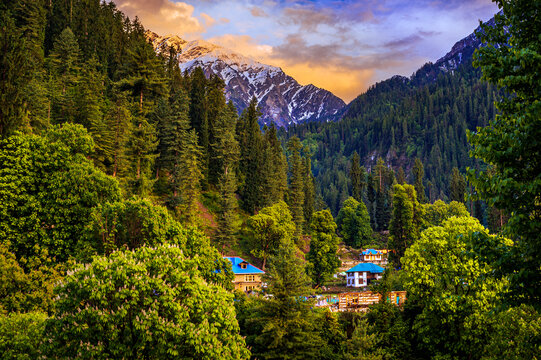
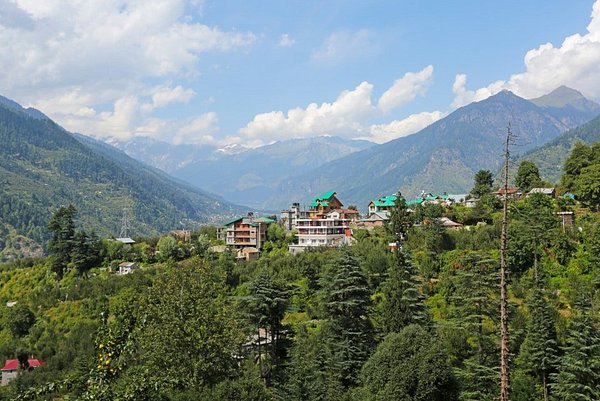
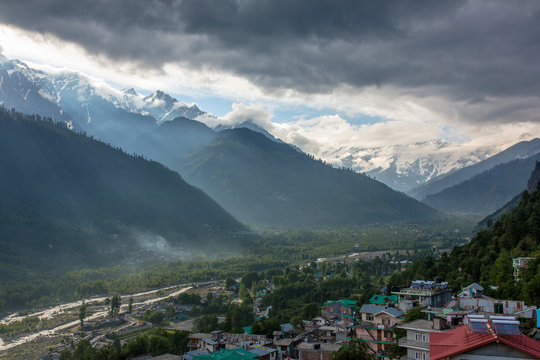
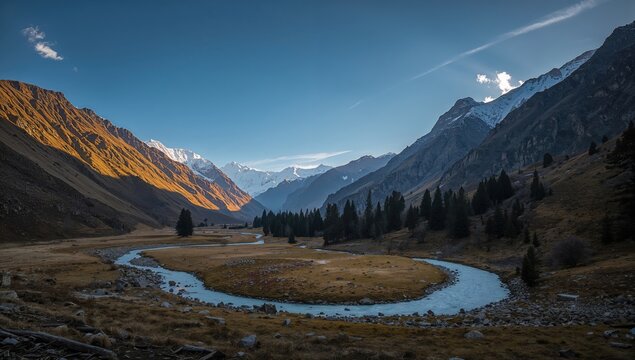
Nestled in the majestic Himalayas, Kullu – Himachal Pradesh offers breathtaking experiences for every traveler. Discover lush valleys, ancient temples, and vibrant cultural festivals among the top places to visit in Kullu.
Raghunath Temple
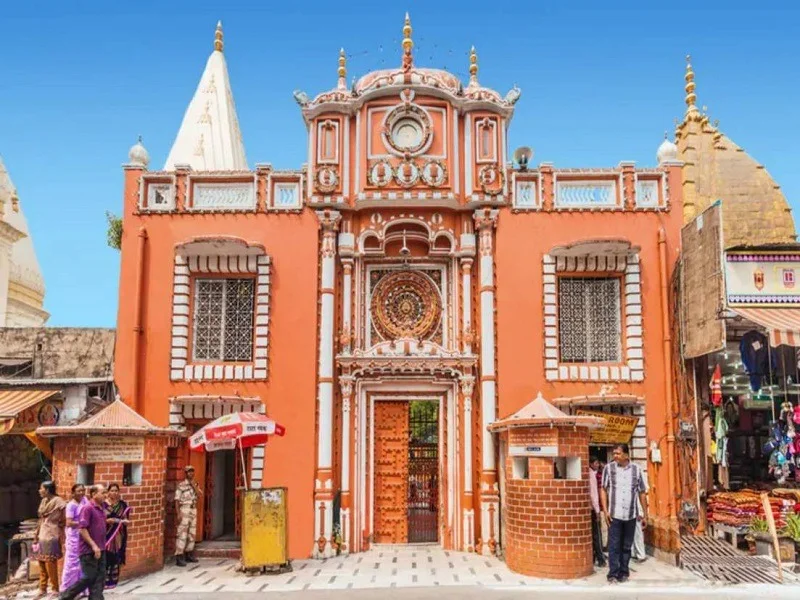
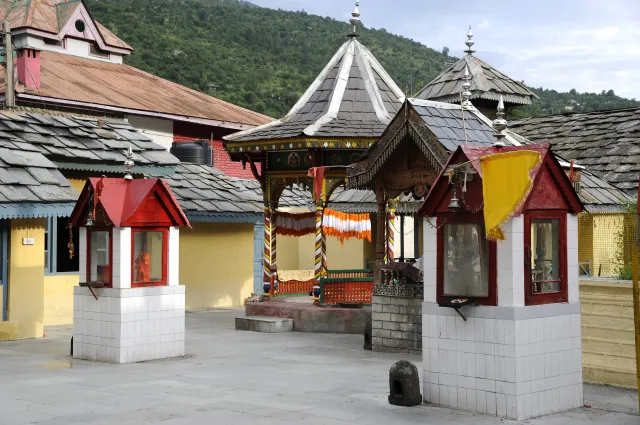
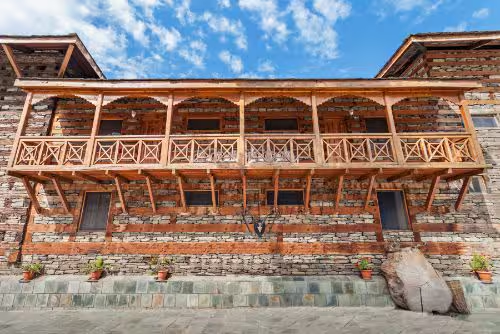
The Raghunath Temple stands as the most prominent and revered shrine in Kullu, dedicated to Lord Rama. It was established in the 17th century when Raja Jagat Singh brought the deity from Ayodhya to atone for a sin. The temple complex features intricate wooden architecture and a striking pagoda-style roof typical of the region.
Devotees flock here throughout the year, and it becomes the epicenter of celebrations during the Kullu Dussehra festival when chariots of local deities gather.
Bijli Mahadev Temple
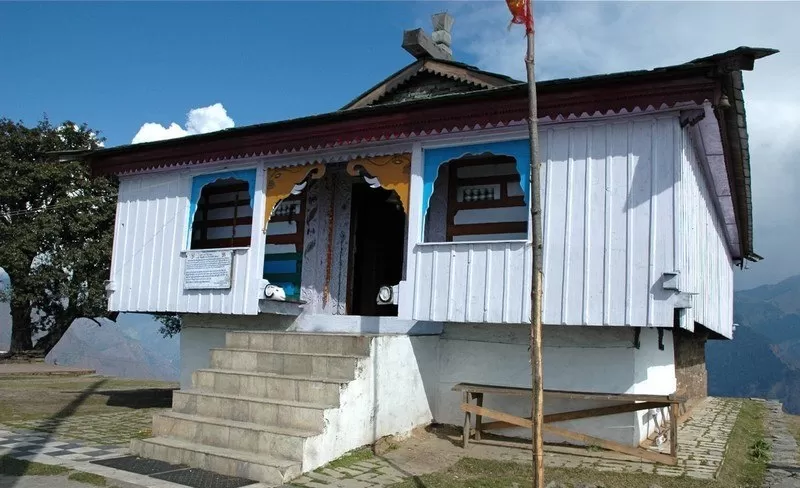
A sacred shrine perched on a hilltop, known for lightning strikes shattering the Shiva Lingam.
Sultanpur Palace
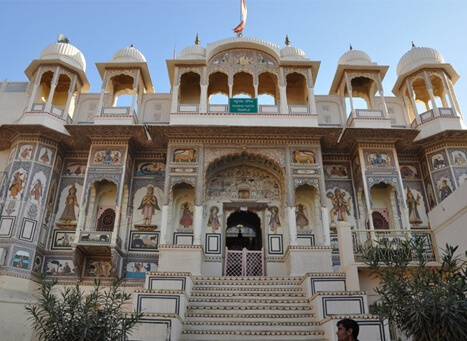
The historic royal palace of the Kullu kings, now serving as a district court complex.
Shri Raghunathji Temple
An ancient temple complex that houses the presiding deity brought from Ayodhya.
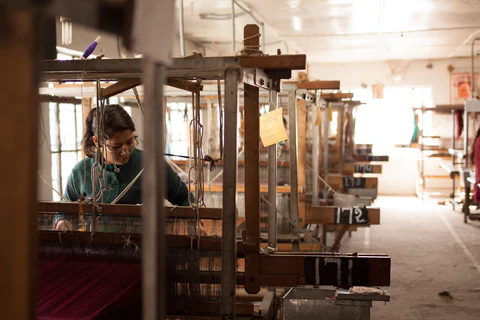
Kullu Shawl Industry
Famous for handwoven Pashmina and Angora shawls, showcasing local craftsmanship.
Kullu Dussehra Ground
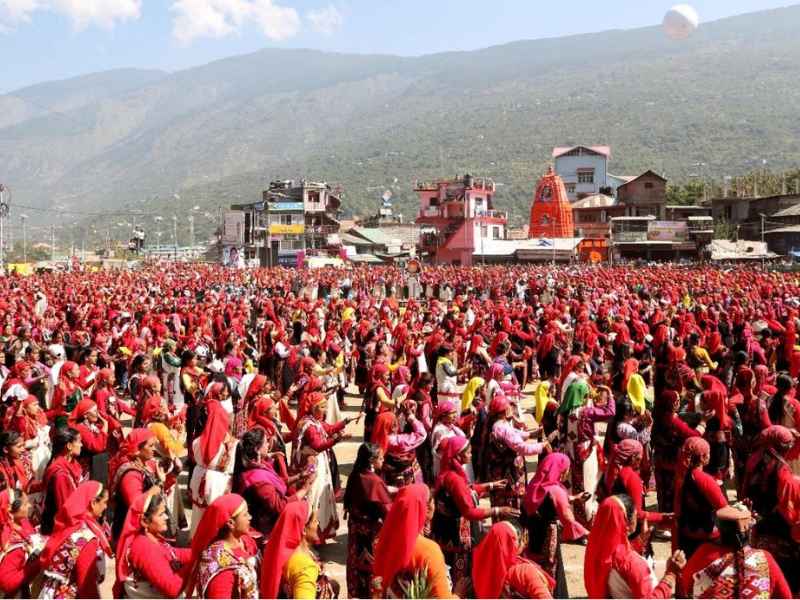
The Kullu Dussehra Ground is a sprawling open space that hosts the internationally famous International Dussehra Festival, drawing thousands of visitors annually. Unlike the rest of India, here Dussehra is celebrated not just for one day but for a full week with great pomp and fervor. During this time, over 200 local deities from surrounding villages arrive in palanquins to pay homage to Lord Raghunath.
The ground transforms into a vibrant fair with cultural performances, handicraft stalls, and traditional music filling the air.
Tibetan Monastery
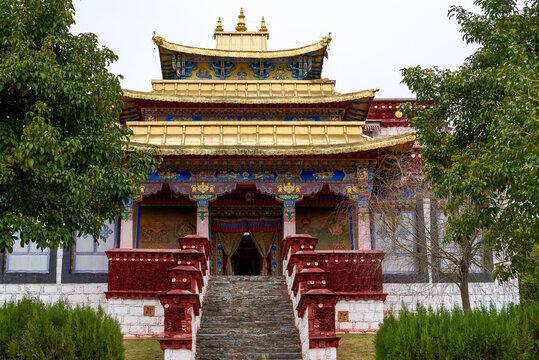
The Tibetan Monastery in Kullu offers a peaceful retreat from the bustling town, reflecting the strong Tibetan Buddhist influence in the region. It features traditional Buddhist architecture with colorful prayer flags fluttering in the wind and prayer wheels lining the entrance.
Inside, visitors can admire exquisite thangka paintings depicting Buddhist deities and teachings. The monastery also serves as a residence for monks and a center for meditation and spiritual learning.
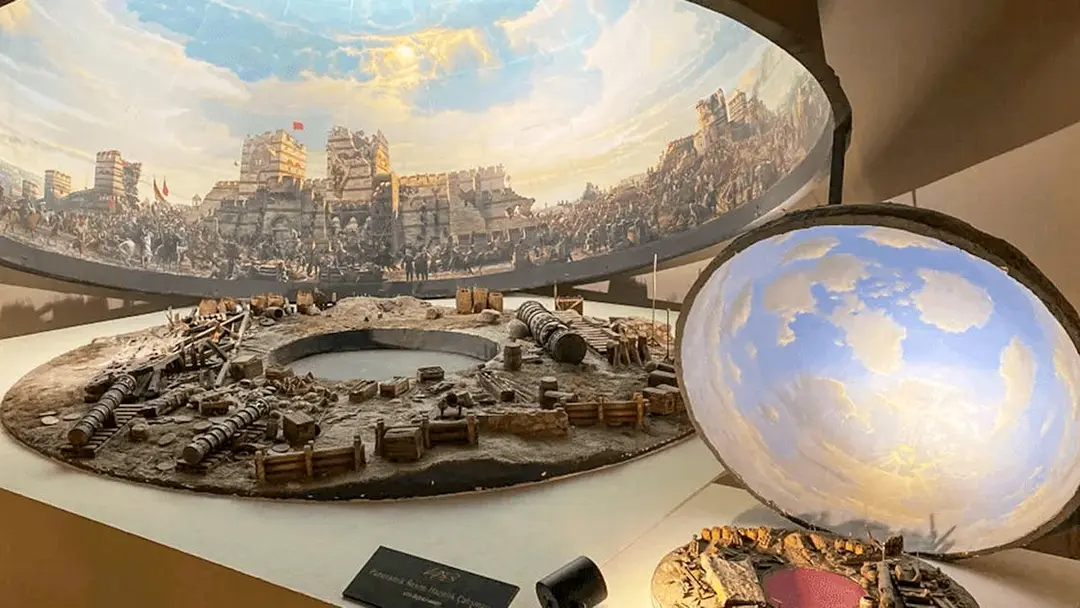
Panorama Museum & Art Gallery
Showcases cultural heritage, traditional dresses, and historical artifacts of Kullu.
Lord Raghunathji Bazaar
The bustling local market perfect for shopping handicrafts, shawls, and souvenirs.
Vaishno Devi Temple
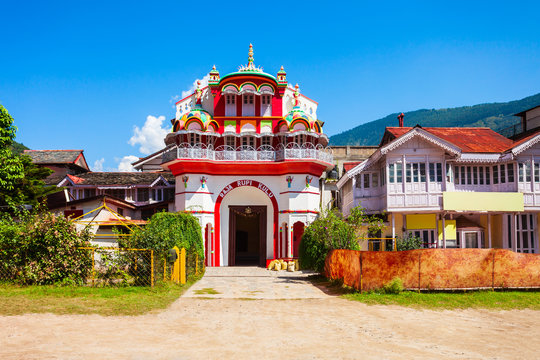
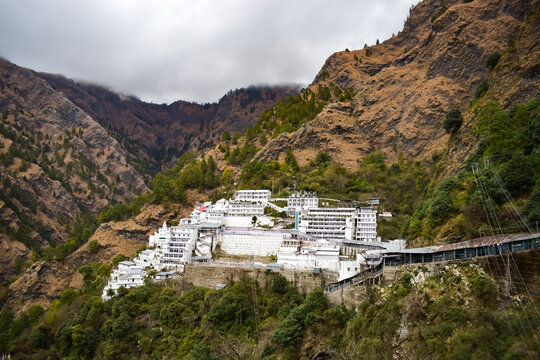
A small yet revered shrine dedicated to Goddess Vaishno Devi near the city center.
White Water Rafting Point
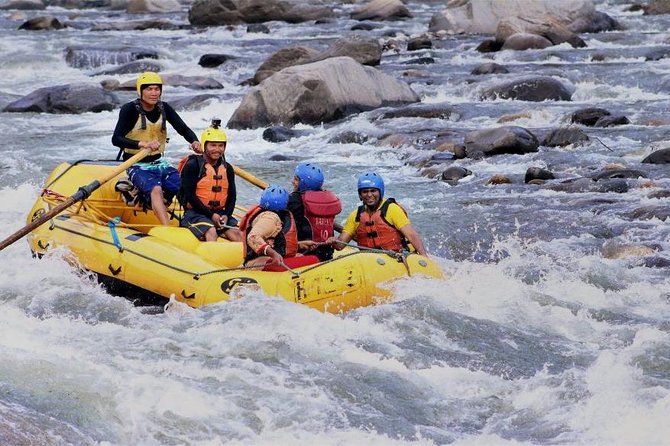
The White Water Rafting Point on the Beas River offers thrilling adventure opportunities for both beginners and experienced rafters. The river provides rapids ranging from Grade I to Grade III, making for an exciting yet safe rafting experience amidst stunning Himalayan scenery.
Professional guides lead the expeditions, ensuring safety while navigating through gushing waters and scenic gorges. The stretch near Kullu is particularly popular during the summer months when the water levels are ideal for rafting.
Manali
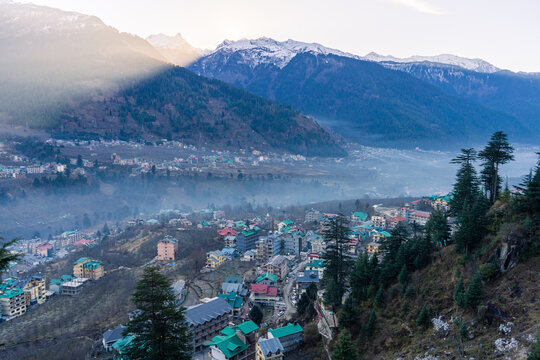
Manali is a enchanting hill station nestled in the Kullu Valley, serving as a perfect gateway to the Himalayas and adventure activities. It is divided into two distinct areas: the quaint Old Manali with its cafes and backpacker vibe, and the bustling New Manali with markets and hotels. The town offers attractions ranging from the Hadimba Devi Temple to the Manu Temple, along with adventure sports like paragliding and zorbing.
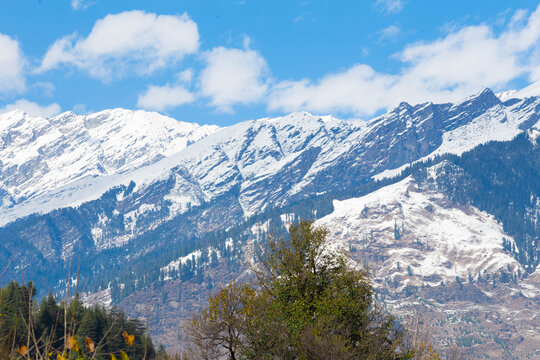
Surrounded by snow-capped peaks and apple orchards, Manali captivates visitors with its breathtaking natural beauty year-round.
Naggar Castle
A medieval stone and wood castle built by Raja Sidh Singh, now a heritage hotel.
Rohtang Pass
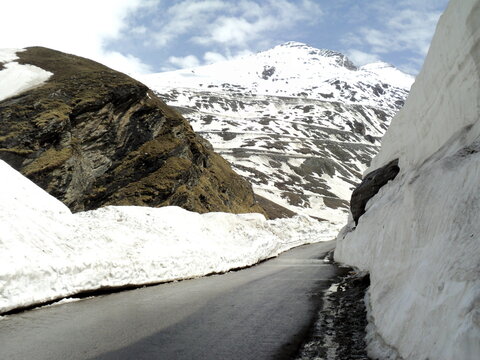
A high mountain pass offering snow-covered landscapes and adventure sports (seasonal).
Solang Valley
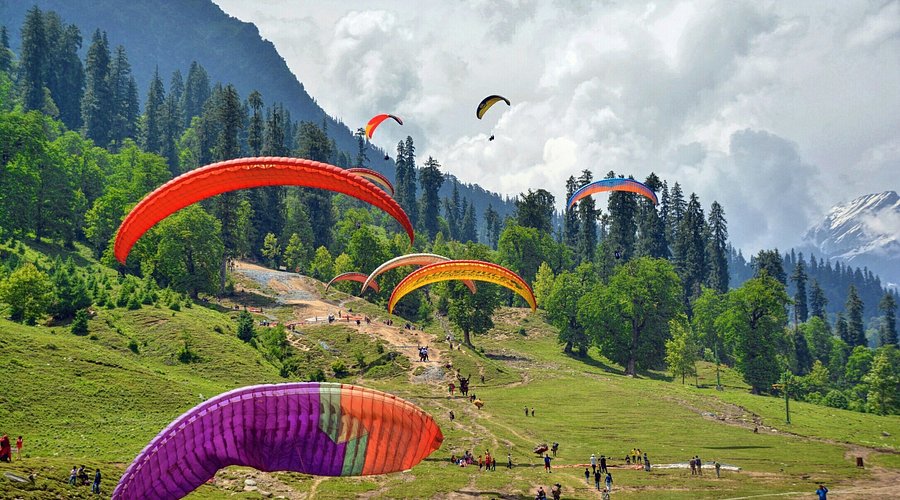
Famous for adventure sports like paragliding, zorbing, and skiing during winter.
Manikaran Sahib
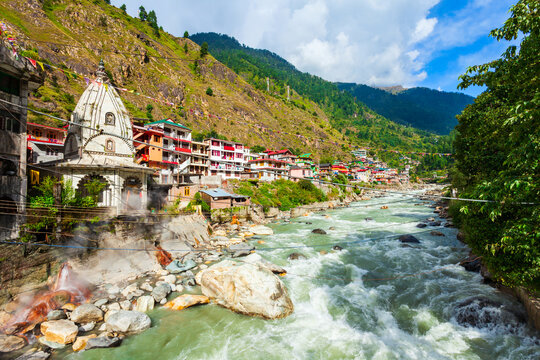
A revered Sikh pilgrimage site known for its hot springs and religious significance.
Kasol
Kasol is a quaint riverside village perched on the banks of the Parvati River, often dubbed as “Mini Israel” due to its large Israeli backpacker population. The village is famous for its vibrant cafe culture, serving delicious Israeli food, wood-fired pizzas, and strong coffee alongside stunning river views.
It serves as the base camp for treks to Kheer Ganga and other Himalayan trails, attracting trekkers and nature lovers alike. The laid-back hippie vibe, combined with scenic beauty, makes Kasol a favorite among young travelers seeking relaxation.
Jagatsukh
An ancient village with a 14th-century Shiva temple and apple orchards.
Vashisht Village
Known for its hot water springs and ancient temple dedicated to Sage Vashisht.
Kheer Ganga
Approximately 70 km from Varanasi, this town is famous for the Vindhyavasini Temple, dedicated to Goddess Durga. It’s a significant Shakti Peeth attracting numerous devotees.
Malana Village
Malana Village is an ancient, isolated settlement tucked away in a remote corner of the Parvati Valley, often called the “Greece of the Himalayas” due to its unique physical features and customs. The villagers claim descent from Alexander the Great’s soldiers and follow their own distinct legal and social systems, separate from mainstream Indian society.
The village is famous for producing “Malana Cream,” a highly potent strain of hashish, though its sale is illegal. Visitors must follow strict rules here, such as not touching any walls or people, to respect local taboos and beliefs.
Chandrakhani Pass
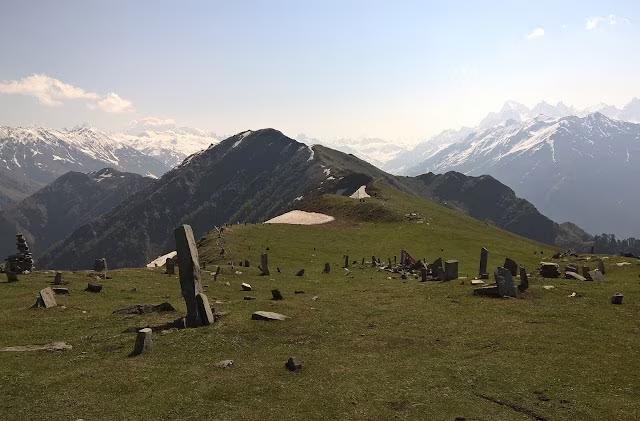
A high mountain pass offering breathtaking views of the Deo Tibba peak.
Neuli
A small scenic village known for its handicrafts and traditional Kulluvi culture.
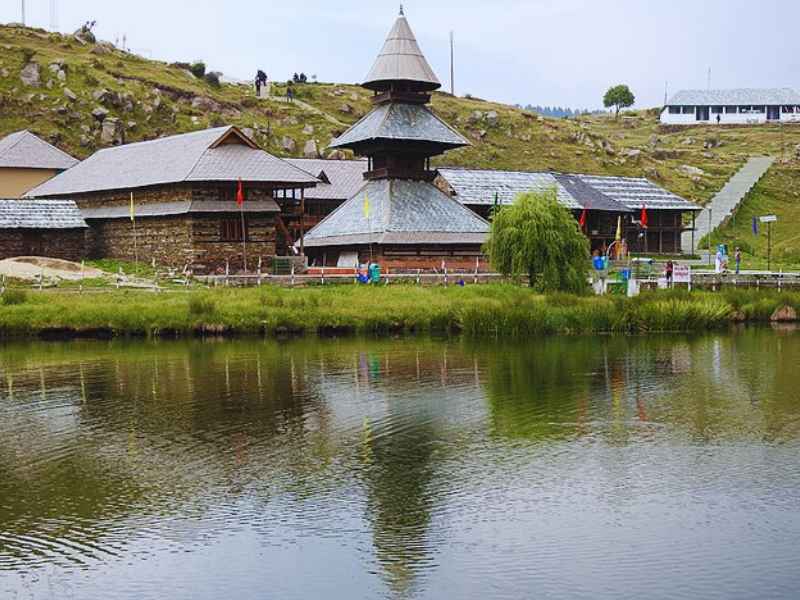
Prashar Lake
A sacred lake with a floating island and a three-tiered pagoda-shaped temple.
Great Himalayan National Park
The Great Himalayan National Park is a UNESCO World Heritage Site spanning over 1,170 square kilometers of pristine Himalayan wilderness. It protects a diverse range of flora and fauna, including rare species like the western tragopan, snow leopard, and Himalayan brown bear.
The park offers numerous trekking trails through dense forests of deodar, oak, and rhododendron, leading to breathtaking alpine meadows and glaciers. It serves as a paradise for nature lovers, bird watchers, and trekkers seeking an untouched Himalayan experience away from crowded tourist spots.